Kamil Alboshoka

18.8K posts

Kamil Alboshoka banner
Kamil Alboshoka

Kamil Alboshoka

@KAlboshoka

Researcher and International law specialist. Specialist on Iran and Arabian Gulf

London, England Katılım Şubat 2012
378 Takip Edilen1.8K Takipçiler
Kamil Alboshoka retweetledi
Abdulkhaleq Abdulla
Abdulkhaleq Abdulla@Abdulkhaleq_UAE·
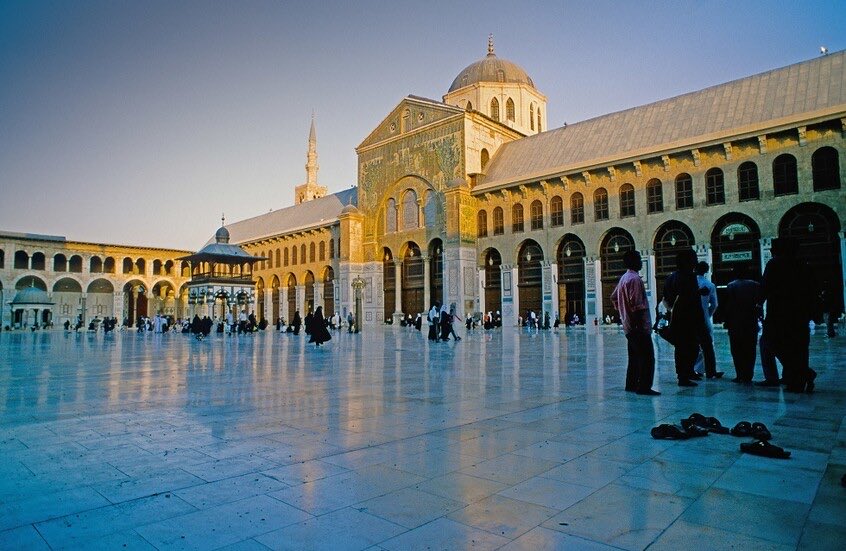
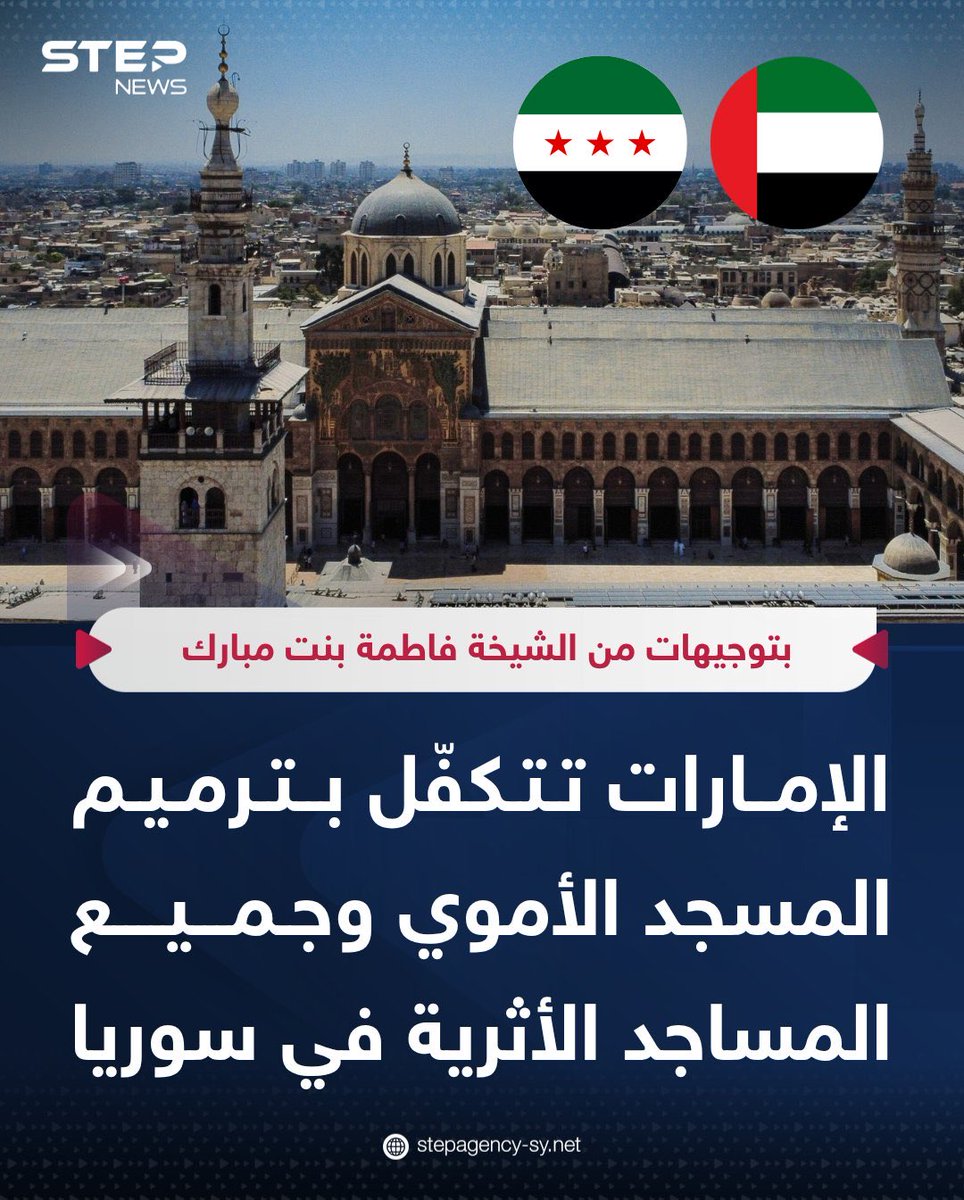
الإمارات ستقوم بترميم شامل للجامع الأموي في دمشق أحد أعظم المعالم الإسلامية والتاريخية في العالم العربي بني قبل 1300 سنة  كمركز للعلم والفقه، ثم اهمل طويلا وسعت ايران وحزبها لطمسه واليوم تأتي الإمارات لتساهم في استعادة مجده ورمزيته ورونقه في المشهد التراثي والسياسي السوري الجديد
Abdulkhaleq Abdulla tweet mediaAbdulkhaleq Abdulla tweet media
العربية
269
133
1.1K
63.3K
د. حميد السعيدي 🇴🇲
أدعو الشباب العُماني إلى قراءة تاريخ عُمان العظيم، فالتاريخ ليس سردًا للماضي فحسب، بل مفتاح لفهم الحاضر وتفسير كثير من الأحداث والتحولات من حولنا. حين تقرؤون تاريخ وطنكم، ستدركون كيف تُدار الأزمات بحكمة، وكيف تتحدث الدول العظيمة بثبات واتزان عندما تعصف التحديات... #الإمبراطورية
د. حميد السعيدي 🇴🇲 tweet media
العربية
28
49
180
8.5K
Kamil Alboshoka retweetledi
Rahim HAMID
Rahim HAMID@samireza42·
يقدّم الباحث رحيم حميد قراءة في البنية الثلاثية للهوية الأحوازية: القبيلة، والمذهب، والحداثة. بدايةً بصوغ تاريخي للهوية من خلال تاريخ الدولة المشعشعية (1436-1724)، ثم يتناول القبيلة بوصفها «الأمة في حيّز اللامفكَّر فيه»، مستعرضًا أنماطها الاجتماعية من «أخلاق الفزعة» إلى «الروح الجماعية». يعالج الباحث بعد ذلك علاقة الحداثة بالتحرير، والمرحلة الانتقالية نحو البعث القومي، وتأرجح العقلية الحداثية الأحوازية بين العقل الحديث والعقل المكبّل. يختم بتحليل سياسات الدولة الإيرانية تجاه المحدّدات الهووية الأحوازية، والعلاقة بين الدولة القومية والنخبة الوطنية. ويقدم تنظيرًا لما توظفه القومية الأحوازية، من فرص للاستقلال، أو التطوير في فضاء الإقليم، موازنًا خياراتها. almesbar.net/books/mb229
العربية
2
3
13
298
Kamil Alboshoka retweetledi
Dialogue Institute for Research and Studies
@jamalnaeem Amid rapid transformations and mounting military and security pressures facing Iran and the wider Middle East, the central question is no longer whether the Iranian regime will undergo fundamental change, but what alternative might replace it. Experiences across the region show that ousting regimes without a clear vision for the post-transition phase does not necessarily produce stability. In many cases, it has instead created political and security vacuums, opening the door to further disorder and complicating both domestic and regional dynamics. Developments over the past two years, particularly amid escalating US-Israeli pressure on Iran, point to significant shifts among Persian opposition groups, including the People’s Mujahedin Organisation, the ultra-nationalist monarchist Pahlavi bloc and the nationalist republican movement Jomhouri-e Khahan (United Republicans of Iran). Their efforts to mobilise support among non-Persian peoples within Iran are not a passing political phenomenon. Rather, they reflect a deeper structural predicament confronting these groups. Movements that long sidelined or denied the rights of #Ahwazis, Kurds, Azerbaijani Turks, Balochis, Lurs, and Turkmen now find themselves compelled to seek their backing within the current political struggle. astudies.org/2026/05/future…
English
0
6
6
113
Kamil Alboshoka retweetledi
مصطفى كامل
مصطفى كامل@mustafakamilm·
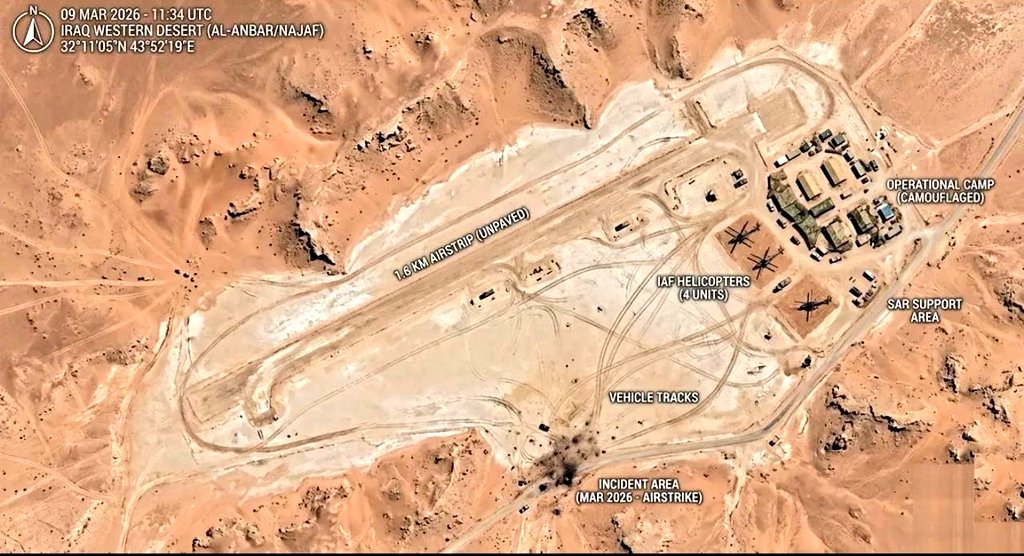
🎯 شر البلية ما يضحك 👇🏻 في العراق المحتل عدد قوات الجيش 450 ألف جندي. عدد قوات وزارة الداخلية 714 ألف عنصر. عدد عناصر جهاز مكافحة الإرهاب 237 ألف عنصر. عدد عناصر جهاز الأمن الوطني 143 ألف عنصر. عدد عناصر جهاز المخابرات 118 ألف عنصر. عدد عناصر الفرقة الخاصة 12 ألف عنصر. عدد عناصر مليشيات الحشد الشعبي 238 ألف عنصر. المجموع الكلي مليون و912 ألف عنصر أمني وعسكري. 🎯 والنتيجة 👇🏻 موقع عسكري صهيوني في النجف ظلّ فعّالًا لأسابيع دون أن يكتشفه أحد! والميليشيات كانت تقصف السعودية والكويت وسوريا والأردن بالمسيّرات، بحجة وجود قواعد أميركية. #العراق #بغداد #عراق_الحاكم_الجعفري
مصطفى كامل tweet media
العربية
68
159
508
34K
Kamil Alboshoka retweetledi
Dialogue Institute for Research and Studies
@jamalnaeem Amid rapid transformations and mounting military and security pressures facing Iran and the wider Middle East, the central question is no longer whether the Iranian regime will undergo fundamental change, but what alternative might replace it. Experiences across the region show that ousting regimes without a clear vision for the post-transition phase does not necessarily produce stability. In many cases, it has instead created political and security vacuums, opening the door to further disorder and complicating both domestic and regional dynamics. Developments over the past two years, particularly amid escalating US-Israeli pressure on Iran, point to significant shifts among Persian opposition groups, including the People’s Mujahedin Organisation, the ultra-nationalist monarchist Pahlavi bloc and the nationalist republican movement Jomhouri-e Khahan (United Republicans of Iran). Their efforts to mobilise support among non-Persian peoples within Iran are not a passing political phenomenon. Rather, they reflect a deeper structural predicament confronting these groups. Movements that long sidelined or denied the rights of #Ahwazis, Kurds, Azerbaijani Turks, Balochis, Lurs, and Turkmen now find themselves compelled to seek their backing within the current political struggle. astudies.org/2026/05/future…
English
0
7
8
341
Kamil Alboshoka retweetledi
محمد الشحي ⚔️ مسندم ⚔️
@alkhames نجاح التحالف العسكري لدول الخليج العربية مرتبط بدولتين رئيسيتين ، الإمارات والسعوديه ، طالما وجد تحالف عماني ( العماني ذيل ايران )مع اي دوله خليجية فنجاح التحالف محدود وسيتركز بشكل تكتيكي او دفاعي بحت. المطلوب تغيير التوجه من الدفاعي إلى القدرات الهجومية لردع الفرس واذنابهم
العربية
0
1
7
790
Kamil Alboshoka
Kamil Alboshoka@KAlboshoka·
نظام الإيراني وبنيته المزدوجة يعتمد النظام على بنية مزدوجة: - نواة ثورية صلبة (المرشد الأعلى + الحرس الثوري) تسيطر على كل القرارات الاستراتيجية (الدولة العميقة في إيران). - واجهة جمهورية شكلية (الرئيس والبرلمان) تستخدم فقط للدبلوماسية والمظاهر الخارجية. هذه البنية نفسها تمثل أكبر نقطة ضعف في النظام. *الحل المقترح:* الضغط الهيكلي المستمر (الضربات العسكرية) على الطبقتين معاً لإسقاطهما، مع اهتمام دولي حقيقي بقضايا الشعوب غير الفارسية (العرب الأحوازيين، الأتراك الأذريين، الأكراد، والبلوش). *النتيجة* : تفكك النظام بالكامل وإسقاطه بتكلفة أقل بكثير. التحليل الكامل: astudies.org/2026/05/the-ir…
العربية
0
1
4
266
Kamil Alboshoka
Kamil Alboshoka@KAlboshoka·
The #Iranian Political System: Architecture and Structural Vulnerabilities - #Iran regime relies on a dual structure: A hardline revolutionary core (the Supreme Leader + #IRGC) that controls all strategic decisions — Iran’s deep state — while a “republican” facade (the president and parliament) exists only for diplomacy and appearances.This architecture is, at the same time, the regime’s greatest point of weakness. - Sustained structural pressure on both layers to bring them down — combined with genuine international attention to the grievances of the non-Persian peoples (Ahwazi Arabs, Azerbaijani Turks, Kurds, and Baloch) — will help dismantle the entire system and cause its collapse at a much lower cost. @POTUS @CENTCOM @marcorubio @USAMBTurkiye Full analysis here: astudies.org/2026/05/the-ir…
English
0
1
5
201
Kamil Alboshoka retweetledi
Dialogue Institute for Research and Studies
@KAlboshoka Understanding the Iranian regime’s internal architecture is essential for assessing its resilience and identifying conditions that could lead to its weakening or collapse. Since the 1979 revolution, Iran has maintained a hybrid system combining religious authority, revolutionary institutions and republican mechanisms. Although the regime appears conventional, real power is concentrated in a layered system focused on ideological control and security. This structure has enabled the regime to survive war, sanctions, and internal unrest. However, the same features that have ensured its longevity also create structural vulnerabilities. Effective strategies to pressure or undermine the system must target these institutional foundations rather than superficial political changes. #Iran astudies.org/2026/05/the-ir…
English
0
8
9
228
Kamil Alboshoka retweetledi
Rahim HAMID
Rahim HAMID@samireza42·
این گزارش با استفاده از تئوری بازی‌ها و آینده‌پژوهشی به تحلیل همه‌جانبه بحران حاضر در خاورمیانه می‌پردازد. ابتدا جدول زمانی وقایع کلیدی (ژانویه ۲۰۲۶ تا آوریل ۲۰۲۶) ارائه شده و بازیگران اصلی (ایران، آمریکا، اسرائیل، کشورهای منطقه و بازیگران غیردولتی) به همراه اهداف و توانایی‌ها مورد بررسی قرار می‌گیرند. سپس ماتریس‌های سود (payoff) و دو مدل بازی (فرم نرمال و فرم گسترده)  همراه با تحلیل تعادل‌های آنها بررسی می‌شوند. به‌علاوه برای هر سناریوی مهم (از جمله جنگ مستقیم، حملات محدود، تشدید درگیری‌های نیابتی، یا کاهش تنش) درصد احتمال وقوع برآورد شده و استدلال‌های مربوط آورده می‌گردد. در پایان، سه تا پنج سناریوی مفصل تا پایان ۲۰۲۷ همراه با محرک‌ها، مسیر تحول، پیامدها و شاخص‌های هشدار اولیه تشریح می‌شوند و توصیه‌های سیاستی برای بازیگران منطقه‌ای و قدرت‌های جهانی ارائه می‌گردد. 21adar.com/politics/middl
21 Adar@21adar_persian

x.com/i/article/2051…

فارسی
0
4
10
356
Kamil Alboshoka
Kamil Alboshoka@KAlboshoka·
I stand by the UAE Iran terrorist regime must pay the price
Institute for the Study of War@TheStudyofWar

NEW| Iran is continuing its escalation by sustaining drone, cruise missile, and ballistic missile strikes against the United Arab Emirates (UAE). Iran has not offered a clear reason for these strikes, which suggests that Iran is attacking the UAE because it views the UAE as an adversary rather than solely in response to recent developments in the Strait of Hormuz. Former Supreme Leader Ali Khamenei’s X account, which remains active, published on May 5 a previous statement from Khamenei condemning states that normal relations with Israel and warning that these states will “suffer losses.” The account likely circulated this statement to justify Iran’s recent attacks against the UAE. An analyst close to the Iranian regime similarly argued that Iran’s escalation against the UAE is driven by the UAE's deepening alignment with the United States and Israel, particularly after the ceasefire. IRGC-affiliated media previously claimed on May 4 that the UAE has become an Israeli “pawn.” Iran may be trying to drive a wedge between the UAE and the United States and Israel by reinforcing a long-standing Iranian regime information line that aligning with the United States and Israel is a liability rather than an asset. Iran may also be attempting to exploit internal Gulf fractures to isolate the UAE and sow further divisions between the UAE and other Gulf states. ISW-CTP will provide further analysis on Iran’s attacks against the UAE and activity in the Strait of Hormuz in its May 5 Iran Update.

English
0
0
0
105
Kamil Alboshoka retweetledi
Sameera Rajab
Sameera Rajab@SameeraRajab·
"ليت بيننا وبين فارس جبلاً من نار، لا ينفذون إلينا ولا ننفذ إليهم" الفاروق
العربية
95
182
637
37.1K
Kamil Alboshoka retweetledi
Rahim HAMID
Rahim HAMID@samireza42·
How Will the Iranian Regime Fall? By Mohsen Saadat @mohsenseadet Over the last five decades, the Iranian regime has managed to entrench its military, security, and administrative frameworks, relying on hard power to ensure its survival. However, there is an inescapable reality: the system suffers from a profound lack of social legitimacy—a weakness that surfaces during every historical turning point, further exposing the chasm between the state and the people. The fundamental question is: can a political system endure without social backing? History suggests that no government can survive indefinitely through military and security might alone. **Legitimacy is the ultimate capital.** Once it evaporates, even the most rigid structures begin to erode. In the case of Iran, the issue isn't just widespread dissatisfaction; it is the fragmentation of that discontent. Iranian society is a mosaic of diverse nations, languages, and cultures—Turks, Kurds, Arabs, Baluchs, and Persians—each with their own unique experiences and demands. Up to this point, the primary obstacle to fundamental change has been the lack of convergence between these grievances and their failure to evolve into a unified national demand. The ruling establishment is well aware of this. One of the Iranian regime’s most effective survival strategies has been the management—and often the deepening—of social and ethnic divides. By sowing seeds of discord, mutual distrust, and highlighting differences, the state has successfully prevented the formation of a united front. Meanwhile, certain political movements positioning themselves as "alternatives" have not only failed to win public trust but have, at times, exacerbated these divisions. Any political project that fails to recognize Iran’s inherent diversity or refuses to build upon the equal participation of all groups is merely recycling the same cycle that keeps the status quo alive. Therefore, the path to change in Iran lies in **redefining "solidarity."** This solidarity should not be mistaken for forced uniformity; rather, it must mean embracing differences while moving toward shared objectives: liberty, justice, human dignity, and the right to equal participation in determining one's destiny. If this convergence takes root, the regime’s most potent tool for survival—division—will lose its edge. Under such conditions, a structure already hollowed out by a crisis of legitimacy will find itself unable to withstand the pressure of a unified society.
Araz News@ArazNews_org

⭕️ جمهوری اسلامی چگونه سقوط می‌کند؟ ✍️ محسن سعادت جمهوری اسلامی طی نزدیک به پنج دهه گذشته توانسته است ساختارهای نظامی، امنیتی و اداری خود را تثبیت کند و با تکیه بر ابزارهای قدرت سخت، بقای خود را تضمین نماید. با این حال، واقعیتی که نمی‌توان از آن چشم پوشید، ضعف عمیق این نظام در حوزه مشروعیت اجتماعی است؛ ضعفی که در بزنگاه‌های تاریخی بارها خود را نشان داده و شکاف میان حکومت و جامعه را آشکارتر کرده است. پرسش اصلی این است که آیا یک نظام سیاسی بدون پشتوانه اجتماعی پایدار می‌ماند؟ تجربه‌های تاریخی نشان می‌دهد که هیچ حکومتی صرفاً با اتکا به قدرت نظامی و امنیتی قادر به ادامه حیات بلندمدت نیست. مشروعیت، سرمایه‌ای است که اگر از دست برود، حتی مستحکم‌ترین ساختارها را نیز در معرض فرسایش قرار می‌دهد. در مورد ایران، مسئله تنها نارضایتی عمومی نیست، بلکه پراکندگی این نارضایتی‌هاست. جامعه ایران از گروه‌های متنوع ملتها، زبان‌ها و فرهنگها تشکیل شده است؛ تورک‌ها، کوردها، عرب‌ها، بلوچ‌ها و فارس‌ها هر کدام تجربه‌ها و مطالبات خاص خود را دارند. آنچه تاکنون مانع شکل‌گیری یک تغییر بنیادین شده، نبود همگرایی میان این مطالبات و تبدیل آن‌ها به یک خواست مشترک ملی بوده است. حاکمیت به‌خوبی از این واقعیت آگاه است. یکی از مهم‌ترین ابزارهای بقا برای جمهوری اسلامی، مدیریت و گاه تعمیق شکاف‌های اجتماعی و قومی است. تفرقه، بی‌اعتمادی متقابل و برجسته‌سازی اختلافات، به حکومت این امکان را داده است که از شکل‌گیری یک جبهه متحد جلوگیری کند. در این میان، برخی جریان‌های سیاسی که خود را به‌عنوان آلترناتیو معرفی می‌کنند، نه‌تنها نتوانسته‌اند اعتماد عمومی را جلب کنند، بلکه در مواردی به تشدید شکاف‌ها نیز دامن زده‌اند. هر پروژه سیاسی که نتواند تنوع جامعه ایران را به رسمیت بشناسد و بر پایه مشارکت برابر همه گروه‌ها شکل نگیرد، عملاً به بازتولید همان چرخه‌ای کمک می‌کند که به بقای وضعیت موجود انجامیده است. بنابراین، مسیر تغییر در ایران را باید در بازتعریف مفهوم «همبستگی» جست‌وجو کرد. این همبستگی نه به معنای یکسان‌سازی، بلکه به معنای پذیرش تفاوت‌ها و حرکت به‌سوی اهداف مشترک است؛ اهدافی همچون آزادی، عدالت، کرامت انسانی و مشارکت برابر در تعیین سرنوشت. اگر این همگرایی شکل بگیرد، مهم‌ترین ابزار بقای حکومت—یعنی تفرقه—کارایی خود را از دست خواهد داد. در چنین شرایطی، ساختاری که از درون با بحران مشروعیت مواجه است، در برابر فشار یک جامعه متحد، توان مقاومت بلندمدت نخواهد داشت. 🌎 آرازنیوز؛ گرچک خبرلرین آدرسی

English
0
3
4
612
Kamil Alboshoka retweetledi
Dr Walid Phares
Dr Walid Phares@WalidPhares·
الاحواز (الاهواز) ستتحرر من الخمينيين و ستتحالف مع الاكراد لاسقاط الجدار الغربي للجمهورية الاسلاميةد و من ثم تتحد مع القوى الفارسية المعارضة، لتحرير ايران.
العربية
35
24
181
16.4K
Kamil Alboshoka retweetledi
MoFA وزارة الخارجية
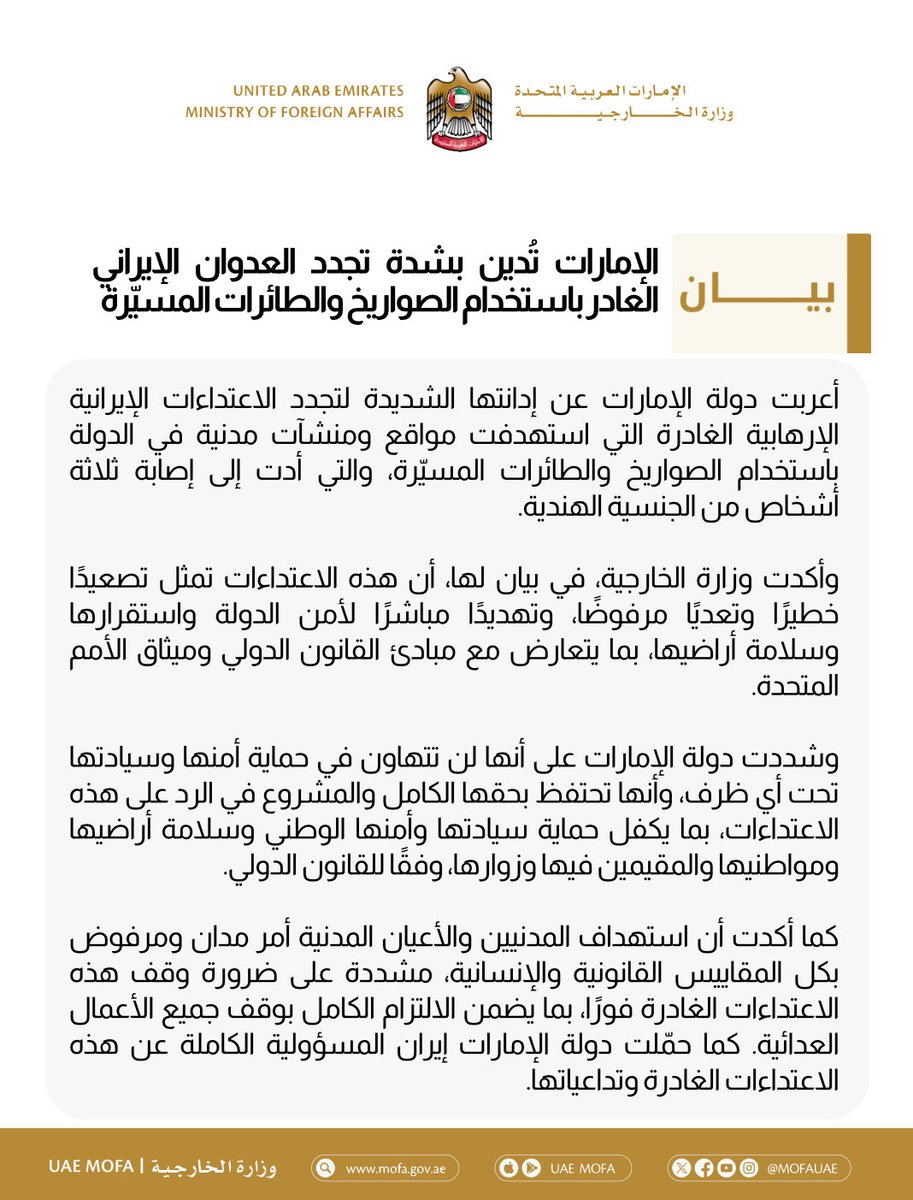
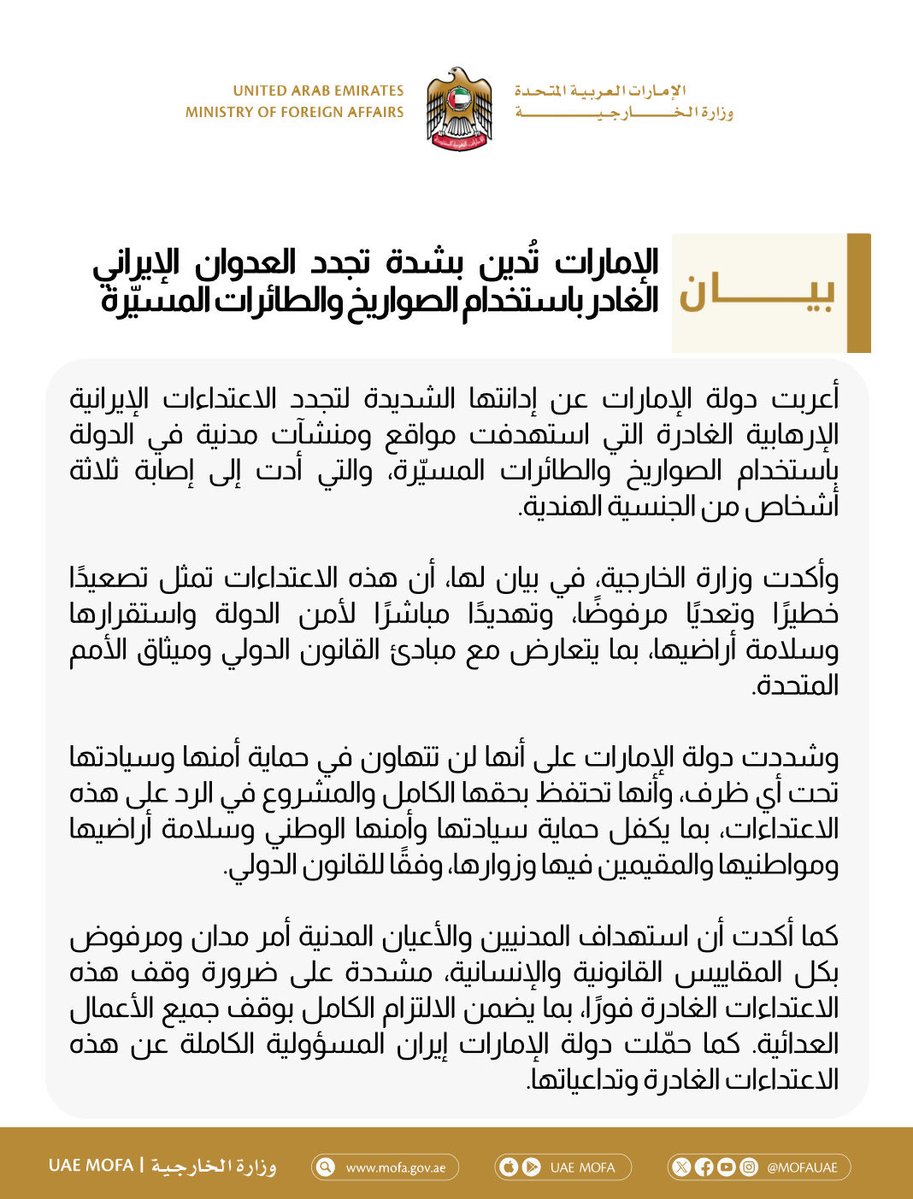
الإمارات تُدين بشدة تجدد العدوان الإيراني الغادر باستخدام الصواريخ والطائرات المسيّرة
MoFA وزارة الخارجية tweet media
العربية
1
1K
2.1K
783K
Kamil Alboshoka retweetledi
Abdulkhaleq Abdulla
Abdulkhaleq Abdulla@Abdulkhaleq_UAE·
الاعتداء الإيراني الغاشم على الإمارات اليوم يؤكد انه من المستحيل التعايش مع سرطان اسمه نظام إيراني إرهابي يشكل خطرا وجوديا على دول المنطقة ودول العالم اجمع. لقد أصبحت ايران مشكلة عالمية تستوجب رد عالمي حازم. الإمارات تعرف كيف تدافع عن نفسها وعلى العالم ان يدافع عن مصالحه.
Abdulkhaleq Abdulla tweet mediaAbdulkhaleq Abdulla tweet mediaAbdulkhaleq Abdulla tweet media
العربية
908
182
814
95.7K
Kamil Alboshoka retweetledi
لقاء مكي
لقاء مكي@liqaa_maki·
في عام 2006 شكلت ادارة بوش لجنة تقصي حقائق حول الوضع في العراق برئاسة عضوي مجلس الشيوخ جيمس بيكر ولي هاملتون، وفي نهاية ذلك العام قدمت اللجنة تقريرها تحت اسم (دراسة مجموعة العراق) أو ما عرف إعلاميا بتقرير بيكر- هاملتون. في ذلك التقرير ورد أن المقاومة العراقية كانت تنفذ في المتوسط 180 هجوما مسلحا كل يوم. وورد فيه أن بعض المناطق في غرب ووسط العراق لاسيما محافظة الانبار أصبحت عمليا خارج سيطرة القوات الأميركية والعراقية، وأن احتلال العراق يواجه فشلا استراتيجيا. كان ذلك الاعتراف المهم في حينه موشرا على فرص حقيقية لخروج غير مشرف للأميركيين من العراق، لتلافي المزيد من الخسائر، وقد اعترفت الولايات المتحدة بمقتل نحو 4500 جندي أميركي جراء عمليات المقاومة غير عشرات الالاف من الجرحى. في خضم هذا الصراع الذي كان يميل لصالح المقاومة العراقية شعرت إيران بأن النتائج المتوقعة تحمل فرص ظهور نظام معاد لها في العراق، لذلك فقد شاركت بفاعلية إلى جانب قوات الاحتلال من خلال الميليشيات التابعة لها وكذلك القوات الحكومية التي كانت بالأصل قد تأسست بدمج هذه الميليشيات وأبرزها قوات بدر، قامت بعمليات واسعة في المناطق الغربية والوسطى لإحباط المقاومة والبيئة الحاضنة لها. هنا تحقق تقاطع مصالح مباشر بين إيران وقوات الاحتلال الأميركية في القضاء على المقاومة أو ما وصف أميركيا بـ(التمرد السني)، مع اختلاف جوهري في النتائج بين الولايات المتحدة التي أرادت دولة مركزية مستقرة حليفة لواشنطن ليمكن أن تعلن نجاح المهمة، وبين رغبة إيران في دولة ضعيفة نسبيًا وموالية لإيران. وقد ساعد ظهور تنظيم القاعدة في ذلك الحين على الخلط بينه وبين فصائل المقاومة المختلفة، كما كان تفجيرالمرقد العسكري في سامراء في فبراير 2006، سبب مباشر في تنظيم حملة واسعة شارك فيها الأميركيون وحلفاء إيران من الميليشبيات والقوات الحكومية للقضاء على المقاومة. وفي عام 2013 قال القائد السابق للقوات الأميركية الجنرال جورج كيسي إن إيران وقفت وراء تفجير سامراء الذي تسبب على الفور بحرب اهلية استمرت نحو عامين وأدت إل مقتل وتشريد مئات الالاف من العراقيين. وأكد كيسي أن رئيس الوزراء الأسبق نوري المالكي هو الذي أبلغه بذلك، وقد نفى المالكي الأمر في حينه، وقال إن تنظيم القاعدة هو من قام بتفجير المرقد، وقد اعترف بذلك. وفي عام 2014 كشف كيسي أنه تم خلال عمله في العراق بين عامي 2004-2007 اعتقال ستة من عناصر قوة فيلق القدس كانوا مجتمعين مع ميليشيات شيعية لفيلق بدر، وتم العثور أيضاً على وصولات الأسلحة وسجل دقيق لجميع الأسلحة والمعدات التي استلموها. وقال "كانت هناك خارطة لبغداد تم التأشير عليها بالألوان وكانت هناك علامات توضح خطة لتهجير السنة والمسيحيين من أقسام في بغداد واحتلالها من قبل الميليشيات". لكن كيسي لم يذكر اسباب تكتمه على هذه المعلومات طوال تلك السنوات، كما انه لم يتناول الاتهامات الموجهة للقوات تحت قيادته في حينه بالسماح بارتكاب جرائم ضخمة قامت بها الميليشيات خلال الحرب الطائفية عامي 2006-2007، وهو بالطبع لم يفدم أدلة على مزاعمه، لكن مثل هذه النظر با انتشرت في حينه بالعراق. هنا يظهر البعد الآخر للحضور الإيراني في العراق، فهو لم يكن تقاطعا دائما مع المصالح الأميركية بل أنه تضمن بعد العام 2006 دعما لفصائل استهدفت القوات الأميركية كان بعضها فصائل سنية فضلا عن فصائل شيعية جرى تأسيسها آنذاك. وقد كان الهدف الواضح هو استنزاف الأميركيين، دون إسقاط النظام السياسي. هنا قامت إيران بما يسمى إدارة التناقض (Paradox Management)ونجحت في بناء مقاربة تجمع بين دعم العملية السياسية التي انشأها الأميركيون وهيمن عليها حلفاء إيران، ومعارضة الوجود الأميركي كموقف سياسي معلن، والمشاركة في القضاء على المقاومة (السنية)، وكذلك اختراق الدولة العراقية وبناء شبكة نفوذ واسعة النطاق في هياكلها الأمنية والإدارية والاقتصادية والاجتماعية. هذه السياسة تُفسَّر عبر مفهوم:“تعظيم النفوذ تحت سقف الخصم، أي العمل داخل النظام الذي أنشأه الخصم مع تقويضه تدريجيًا. وخلال العام 2011 انسحبت القوات الأميركية، لتصبح إيران الفاعل الخارجي الأكثر تأثيرًا في العراق. والخلاصة أن إيران استغلت فراغ القوة لتعظيم نفوذها وشاركت في بناء النظام السياسي لكنها أعادت توجيهه. كما استخدمت فاعلين من دون الدولة لتحقيق أهدافها دون مواجهة مباشرة وعليه فإيران لم تساعد الولايات المتحدة بوصفها حليفًا، لكنها استثمرت نتائج الغزو ببراغماتية عالية، وتقاطعت معها مرحليًا من خلال"تخادم وظيفي/ تقاطع مصالح ظرفي" داخل صراع أوسع، لا سيما في مواجهة خصوم مشتركين كان من أبرزهم (فصائل المقاومة) وتنظيم القاعدة.
العربية
6
139
796
63.5K