Kelly Foote

110 posts

Kelly Foote

Kelly Foote

@KDFooteMD

Neurosurgeon/Professor, DBS Specialist, Materials Science Engineer

University of Florida Katılım Şubat 2014
62 Takip Edilen527 Takipçiler
Kelly Foote retweetledi
DBS Think Tank
DBS Think Tank@DBSThinkTank·
🚀 Dr. Bahne Bahners shares his top emerging technologies in movement disorders at the 2024 DBS Think Tank! Stay tuned for more mini interviews with Think Tank attendees! 💡 #DBSThinkTank #Neurotech
English
0
9
29
5.7K
Kelly Foote retweetledi
Norman Fixel Institute for Neurological Diseases
A new study finds that a Mediterranean Diet (MediDiet) offers extra benefits for people with Parkinson’s Disease battling constipation. 🥦🍇 The MediDiet might be a key to better managing constipation and inflammation in Parkinson’s.
Norman Fixel Institute for Neurological Diseases tweet media
English
0
5
5
1.3K
Kelly Foote retweetledi
Michael Okun
Michael Okun@MichaelOkun·
Congratulations to our amazing fellows who graduated at sunset last night. The person with disease is the sun and each day you will rise to create impact. It has been an honor sharing two years with you ⁦@FixelInstitute#parkinson #dystonia #michaelokun
Michael Okun tweet media
English
0
7
38
3.7K
Kelly Foote retweetledi
Michael Okun
Michael Okun@MichaelOkun·
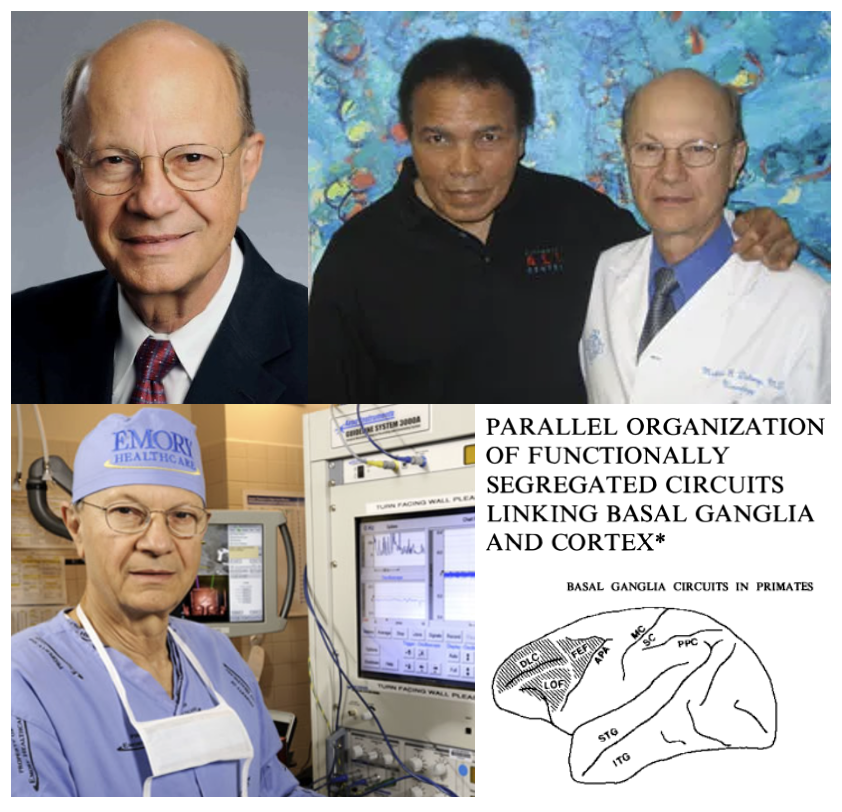
Mahlon DeLong (1938-2024) was the GOAT in his long-running career as a combined neurologist and neuroscientist. He took great care of the world's GOAT (Ali), however this is one title (GOAT neurologist-neuroscientist) that belongs to him, and him alone. It is with a heavy heart that I pen this message. He was a father to me when my dad passed, and a father for many others in neurology and beyond. He was a father to the new field of neuromodulation. He was a father to a generation of great neurologists, neurosurgeons and neuroscientists who are now growing the next generation. Mahlon DeLong was more than an empathetic person, he oozed kindness and compassion. RIP Mahlon, you have impacted countless lives all over the world, and your science has alleviated much suffering for this generation and the next. Mahlon Robert DeLong, M.D. passed away peacefully at home on May 17, 2024, at the age of eighty six, with his loving family around him. His medical career spanned over fifty years with notable achievements that contributed to foundational science, pioneering treatments and research for the challenging diseases of Parkinson's, Dystonia, and other movement disorders, and decades of patient care. He was known for his humility, generosity, caring nature, and intense interests across a wide and diverse spectrum of topics, which he shared freely with all those around him. Mahlon was born in 1938 in Des Moines, IA, and spent his early childhood there and in Kansas. He soon headed west to Balboa Island in Newport Beach, CA, where he attended the Newport Harbor Union High School, beginning his life-long love for swimming in and being near the ocean. He graduated cum laude from Stanford University in 1961, during which he spent a year abroad at the Free University of Berlin, Germany. After a year in graduate school at Stanford University, he then traveled east and graduated cum laude from Harvard Medical School in 1966. After finishing an internship and the first year of his residency at Boston City Hospital in 1968, he moved south to work at the National Institutes of Health in Bethesda, MD. There he was a Research Associate at the Laboratory of Clinical Science, serving as part of the Reserve Corps in the U.S. Public Health Service. He continued as a Staff Fellow in the Laboratories of Clinical Science and Neurophysiology where he began his life-long passion for and focus on movement disorders, specifically focused on parts of the brain called the basal ganglia. At the time, while it was known that the basal ganglia were generally involved in movement, there was little known about the specifics. Mahlon and colleagues significantly advanced the knowledge about how circuits and networks related to the basal ganglia interacted with the rest of the brain and movement. He then moved to Baltimore, MD, where after completing his residency in Neurology in 1976 he joined the faculty of Johns Hopkins Hospital and School of Medicine. He became a full professor of Neurology and Neuroscience in 1986. During this time, he led intense and deep research into the basal ganglia and the associated brain circuits involved in movement, emotions, and cognition. In 1990, Mahlon was recruited by Emory University to serve as the Chair of the growing Neurology Department and served in that capacity until 2003. Under his leadership, the Department grew substantially, both in size and national and international impact. Among his many accomplishments, he and his team refined a ground-breaking neurosurgical procedure that brought profound relief to patients suffering from the debilitating symptoms of Parkinson's disease. Mahlon was elected to the National Academy of Medicine in 2004 and the American Academy of the Arts and Sciences in 2009. In 2014 he received the Breakthrough Prize in Life Sciences for his pioneering work in the basal ganglia and his development of a life-changing procedure for those affected by Parkinson's disease. He was likewise recognized for this work, along with his colleague Dr. Benabid, with the 2014 Lasker-DeBakey Clinical Medical Research Award. Throughout his career Mahlon held leadership positions and served on dozens of national and international foundations, associations, and advisory boards, including the American Association for the Advancement of Science, the American Neurological Association, the Society for Neuroscience, the Dystonia Medical Research Foundation, and the American Parkinson Disease Association. He published hundreds of papers and gave hundreds of lectures and symposiums to national and international audiences. He was a mentor to and fostered the career development of a whole generation of neurologists, many of whom have become leaders around the globe. Mahlon retired in 2019 as Professor Emeritus and spent time with family and friends, enjoying trips to the shore as he had throughout his life, ranging from the Pacific to the Atlantic - from Nova Scotia to South Carolina, and abroad. He was known for his endless curiosity, his care and love for those around him, and his passion for and love of gardening and dogs, many of whom he rescued throughout his life. He is survived by his wife, Mary DeLong; his children Bryan DeLong (Toni), Ariane DeLong (Roger Chalmers), John DeLong (Melissa), and Laura Aspey (Stuart). He was Grandpa to Sarah, Sam, Alex, Zack, Ella, Rosie, Will, Mary, and Abigail. He was also brother, uncle, cousin, and relative to many and an "adopted father" to a key few – always willing to help those in need around him. His concern for others, willingness to listen, and calm nature will be deeply missed. There will be a celebration of life at a later date. Mahlon was closely involved with a number of organizations including the Emory University Parkinson's Disease and Movement Disorder Center, the Dystonia Medical Research Foundation, and the American Parkinson Disease Association. A tribute in his memory can be made with a donation in his name to one or more of these organizations or another of your choice. legacy.com/us/obituaries/… #parkinson #dystonia #basalganglia A Handful of key papers to give you a flavor of the quality of his scientific contributions: PARALLEL ORGANIZATION OF FUNCTIONALLY SEGREGATED CIRCUITS LINKING BASAL GANGLIA AND CORTEX (1986, over 10,000 citations) annualreviews.org/docserver/full… Primate models of movement disorders of basal ganglia origin (1990, more than 4500 citations) meded.ucsd.edu/neu232/secure_… Reversal of experimental parkinsonism by lesions of the subthalamic nucleus (1990, over 2000 citations) jstor.org/stable/pdf/287…
Michael Okun tweet media
English
9
48
206
31.5K
Kelly Foote retweetledi
Andreas Horn
Andreas Horn@andreashorn_·
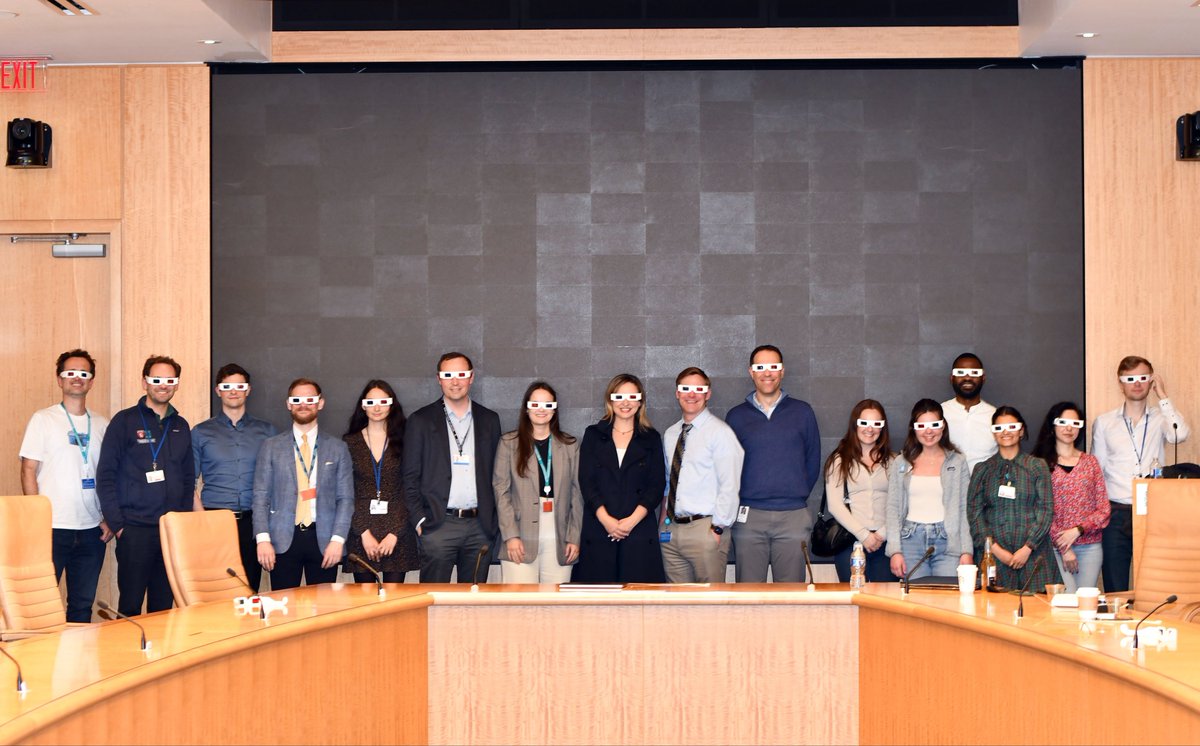
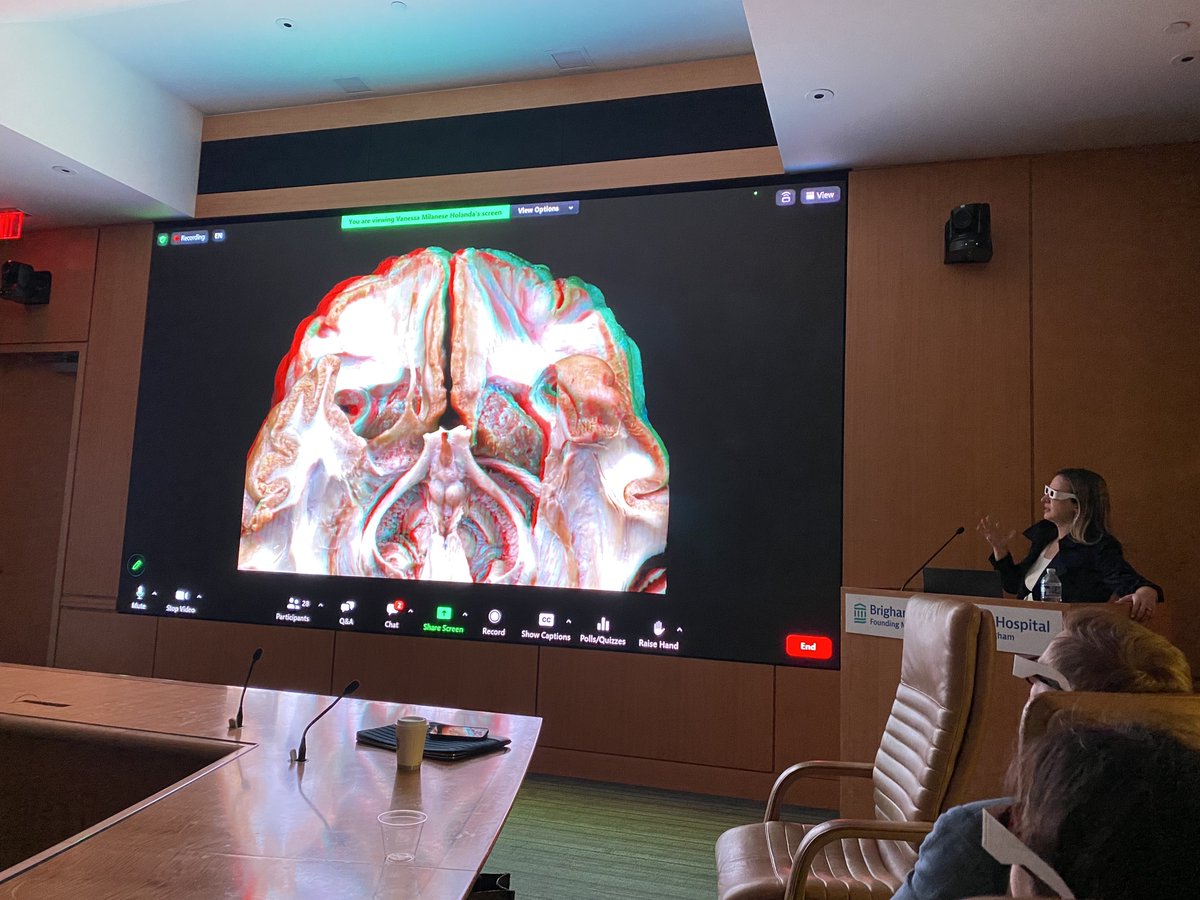
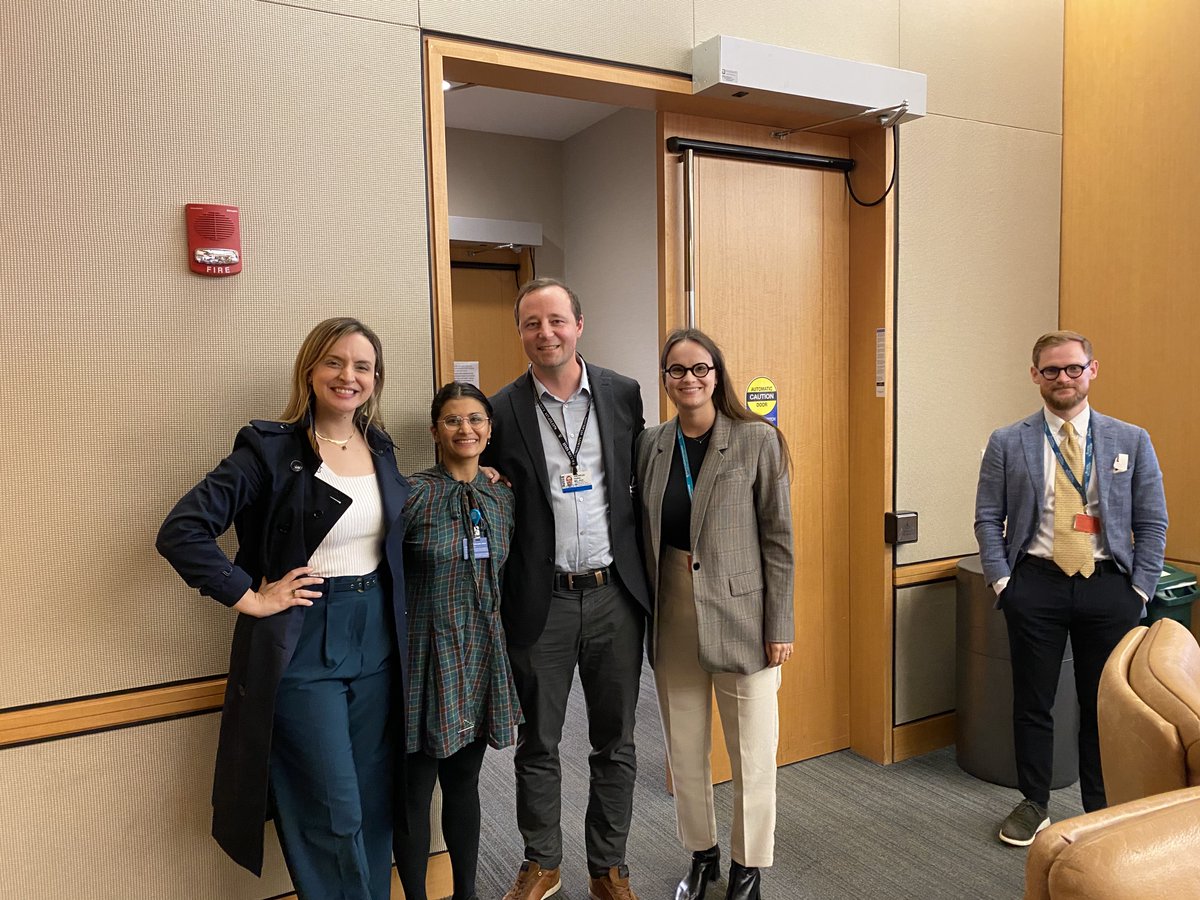
We were all blown away by @van_mila’s dissections and anatomical + neurosurgical insights for DBS at @Brain_Circuits @BWHNeurology last week! Such a unique combination of experience between anatomy & neurosurgery! Thank you Vanessa for stopping by and keep up the good work!
Andreas Horn tweet mediaAndreas Horn tweet mediaAndreas Horn tweet media
Andreas Horn@andreashorn_

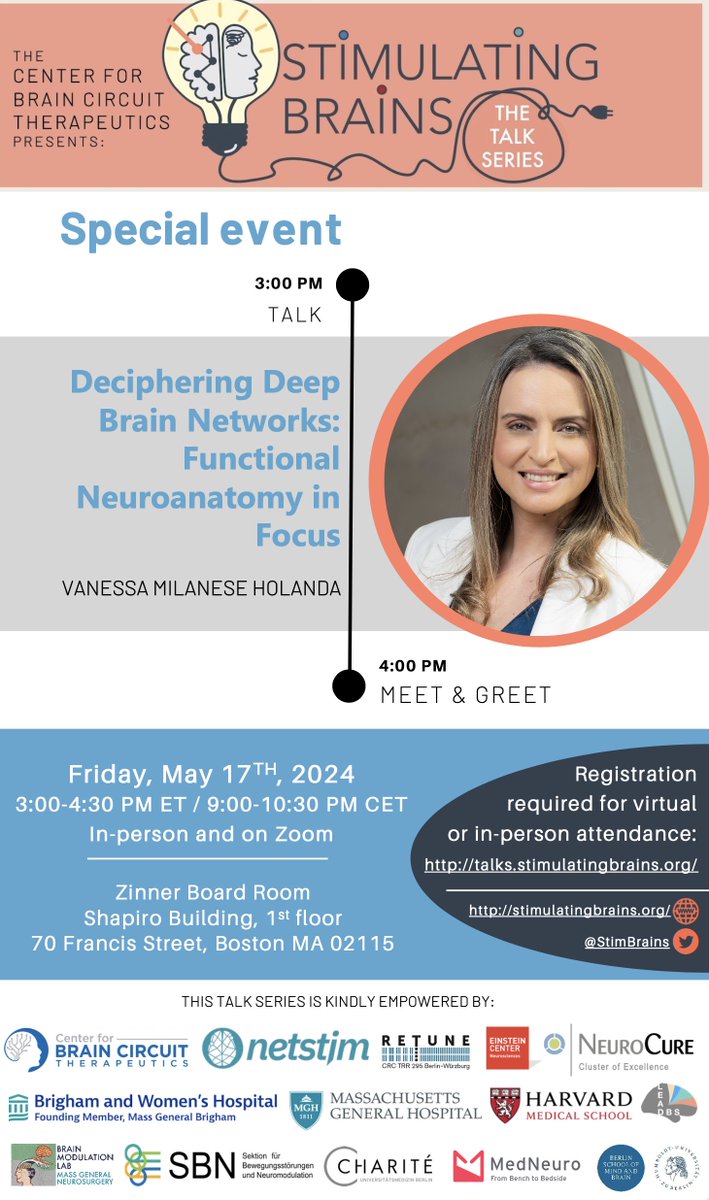
If you liked @van_mila's anatomy dissections with relevance to DBS and brain disorders, we have a special treat for you: Vanessa will visit @MassGenBrigham @BWHNeurology @Brain_Circuits next Friday and give a talk – virtual and in person registration (free) link see flyer!
English
1
4
30
7.1K
Kelly Foote retweetledi
Andreas Horn
Andreas Horn@andreashorn_·
If you liked @van_mila's anatomy dissections with relevance to DBS and brain disorders, we have a special treat for you: Vanessa will visit @MassGenBrigham @BWHNeurology @Brain_Circuits next Friday and give a talk – virtual and in person registration (free) link see flyer!
Andreas Horn tweet media
Andreas Horn@andreashorn_

Just fantastic work by @van_mila on optimal stimulation sites for tremor with probably the clearest anatomy reconstructions that exist. 🙌🙌 #CBENF2024.
English
1
10
32
13.8K
Kelly Foote
Kelly Foote@KDFooteMD·
@DBSThinkTank @MichaelOkun So excited for the DBS Think Tank this year. I anticipate immensely compelling conversations and debates given the stellar line-up of speakers/provocateurs assembled for this August's 12th iteration of the Tank. The "25% presentation, 75% discussion" format makes this my favorite
English
0
0
5
145
Kelly Foote retweetledi
UF McKnight Brain Institute
mRNA cancer vaccine developed by MBI researchers @UF reprogrammed immune system to attack deadliest brain tumor in 1st-ever human clinical trial. Discovery reported @CellCellPress represents potential way to fight treatment-resistant cancers. Read more: bit.ly/4dj2XWh
English
0
12
18
1.5K
Kelly Foote retweetledi
UF McKnight Brain Institute
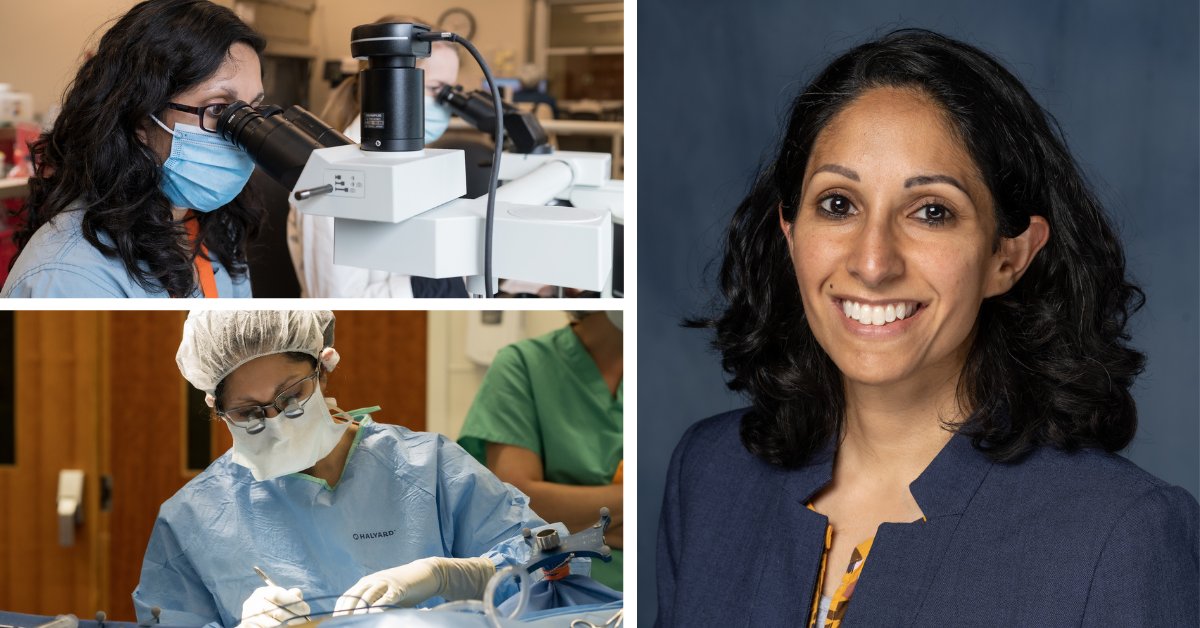
Learn about MBI researcher & @UFHealth neurosurgeon Dr. Maryam Rahman's impact in the OR & the lab. Rahman is the 1st female neurosurgeon faculty member @UF in Gainesville & is working to develop better brain cancer treatments. Read the @UFMedicine story: bit.ly/3TpF2LS
UF McKnight Brain Institute tweet media
English
0
6
29
1.7K
Kelly Foote retweetledi
Michael Okun
Michael Okun@MichaelOkun·
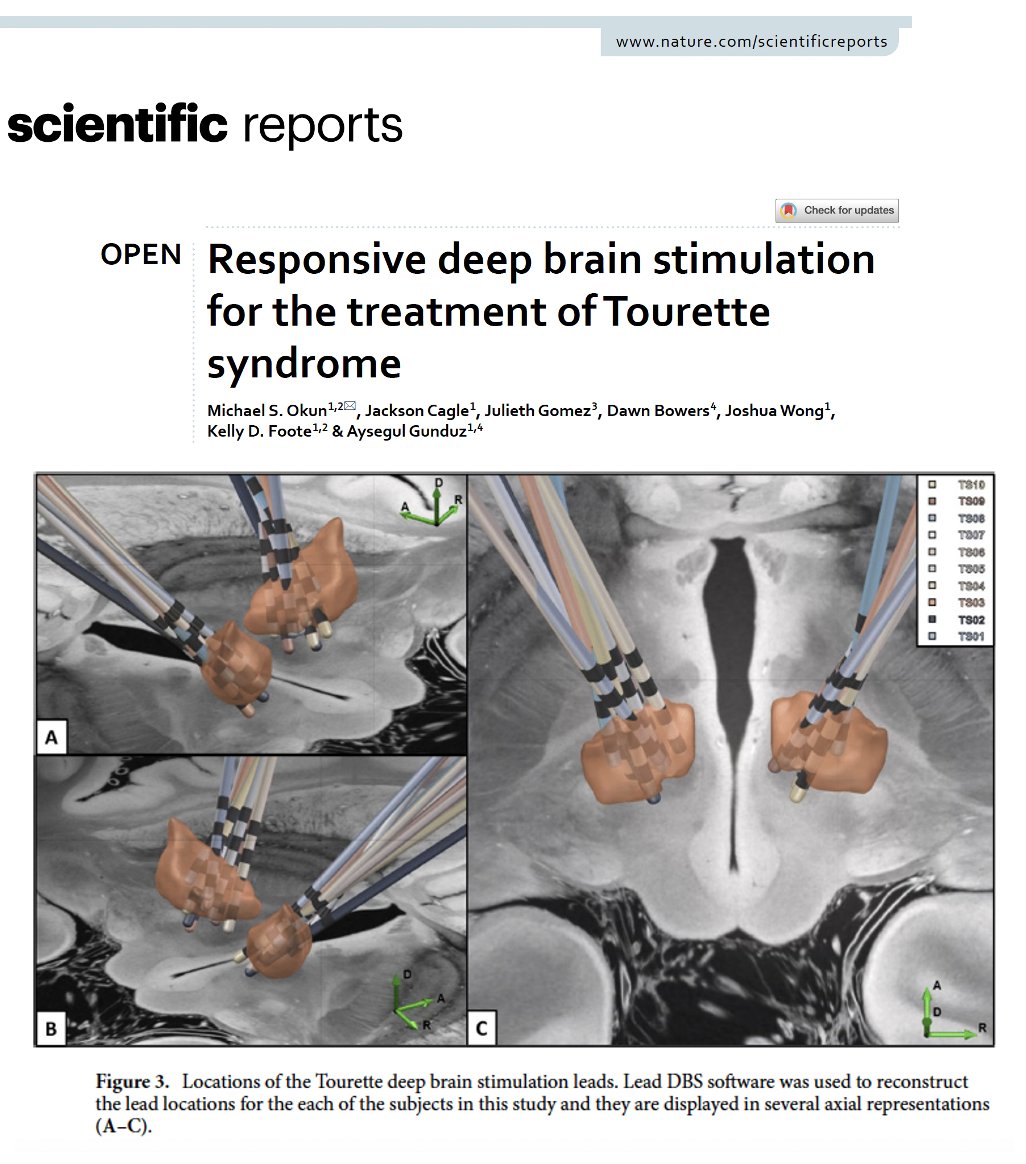
Results of a multi-year study on ‘responsive’ deep brain stimulation (DBS) for Tourette syndrome' sponsored by @NIH_NINDS were published today in @Nature @SciReports. Cool observations on human tic physiology and beyond. Key Points: - The use of ‘brain derived physiology’ was used as a method to trigger DBS devices to deliver trains of electrical stimulation. - Potentially ideal technology because of the paroxysmal motor and vocal tic symptoms . - Ten subjects bilateral staged DBS surgery w/ bilateral centromedian thalamic (CM) region DBS leads and bilateral M1 region cortical strips. - Group 1 (n = 2) underwent acute responsive DBS using deep and superficial leads. - Group 2 (n = 4) underwent chronic responsive DBS using deep and superficial leads. - Group 3 (n = 4) underwent responsive DBS using only the deep leads. - The primary outcome measure for each of the 8 subjects with chronic responsive DBS was calculated as the pre-operative baseline Yale Global Tic Severity Scale (YGTSS) motor subscore compared to the 6 month embedded responsive DBS setting. -A responder for this study was defined as any subject manifesting a ≥ 30 points improvement on the YGTSS motor subscale. - 4/8 (50%) in the chronic responsive eligible cohort met the primary outcome when on responsive My take: Proof of concept for the use of responsive stimulation in Tourette syndrome was observed in all three groups (acute responsive, cortically triggered and deep DBS leads only). The responsive approach was safe and well tolerated. TS power spectral changes in physiology were associated with tics. These occurred consistently in the low frequency 2–10 Hz delta-theta-low alpha oscillation range. It is still early days for use of responsive DBS for Tourette, and we are learning a ton from each case we try and we are also applying new technologies and new methodologies. We provided a lot of details in this paper in order to assist others in trialing this technique. Hoping we can all learn from each other. nature.com/articles/s4159… #deepbrainstimulation #neuromodulation #tourette #tics @TouretteAssn @ESSTS_Tourette @brainmappinglab @JWongggMD @DBSThinkTank @FixelInstitute
Michael Okun tweet media
English
2
25
78
11.7K
Kelly Foote retweetledi
Michael Okun
Michael Okun@MichaelOkun·
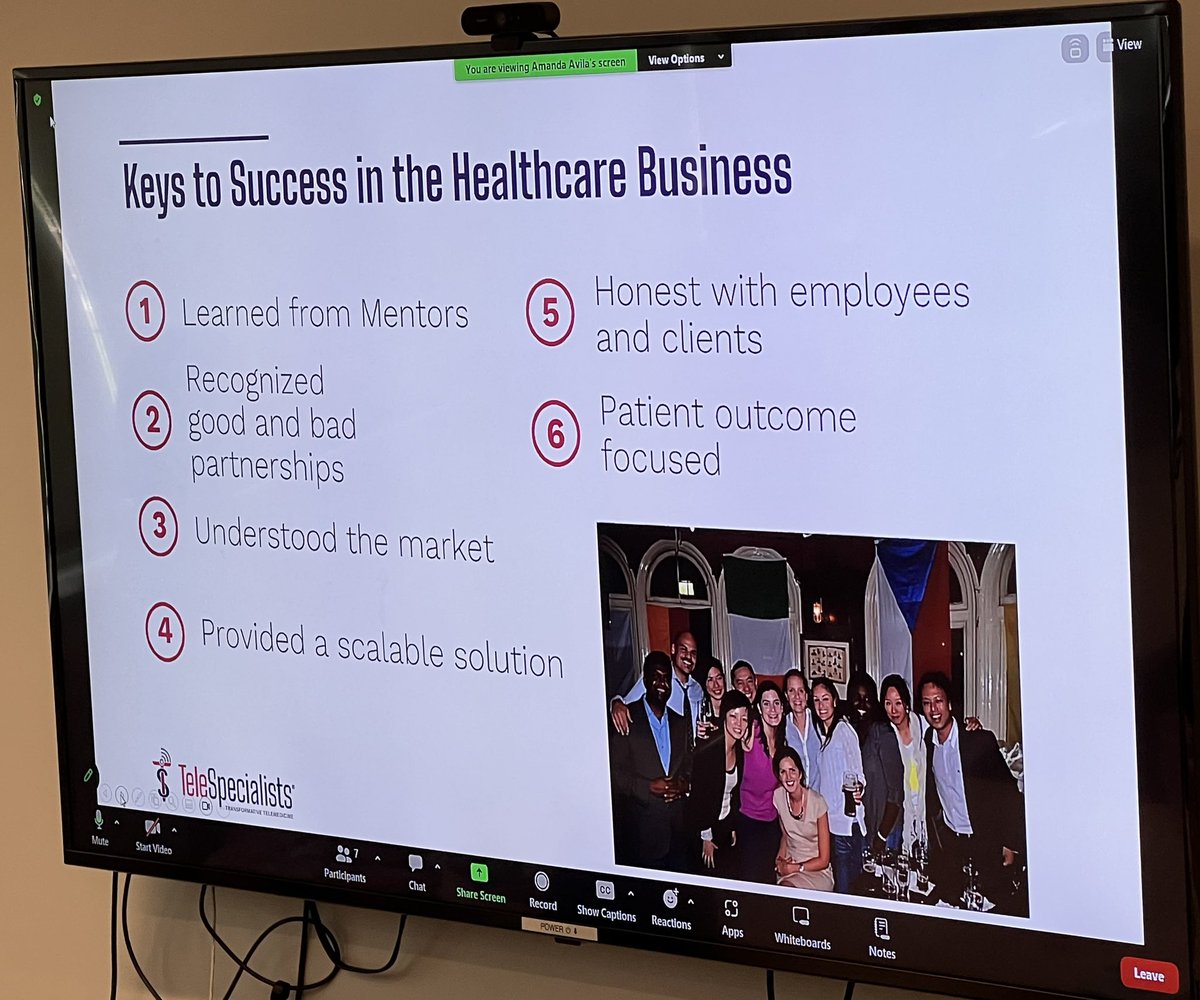
When life presents a crisis we need to pivot. So proud of former UF @fixelinstitute fellow who pivoted from a practice in crisis to co-founding and leading the largest telemedicine neurology service in the USA with a ten minute response time. She applied principles of her fellowship including the ‘Patent is the Sun.’ Impacting lives is now both her business and her why. So much we can learn from her. She spent two days coaching our residents and fellows in life lessons which will be more important to them than any scientific fact they will memorize #stroke #telestroke #telemedicine #parkinson @UFNeuroRes @UFMDFellowship
Michael Okun tweet mediaMichael Okun tweet mediaMichael Okun tweet mediaMichael Okun tweet media
Florida, USA 🇺🇸 English
1
4
18
2.7K
Kelly Foote retweetledi
Michael Okun
Michael Okun@MichaelOkun·
The Deep Brain Stimulation (DBS) Think Tank XI proceedings is published! “Pushing the Forefront of Neuromodulation,” the updates, paper and meeting were highlighted by @ndosenbach who presented research recently published in @Nature w/Evan Gordon to identify and characterize the somato-cognitive action network (SCAN), which has redefined the motor homunculus and has led to new hypotheses about the integrative networks underpinning therapeutic DBS. frontiersin.org/articles/10.33… #Parkinsons @DBSThinkTank @andreashorn_ @leaddbs @foxmdphd @HelenMaybergMD @JWongggMD #deepbrainstimulation #neuromodulation
Michael Okun tweet media
English
4
28
85
16.9K
Kelly Foote retweetledi
Andreas Horn
Andreas Horn@andreashorn_·
Thanks for the fantastic feedback on our paper, everyone. We are over the moon! 💫 In case you are interested but you lack the time to read the entire thing, we wrote a one-page summary for @NatureNeuro that is freely available here: rdcu.be/dzqw2
Andreas Horn tweet media
Barbara Hollunder@b_hollunder

Intrigued to discover more about how DBS reveals & therapeutically impacts on the dysfunctional circuits behind different brain disorders, from OCD to dystonia? 🪄🧠 So were we! Join us on this deep dive from core to cortex – now out @NatureNeuro: nature.com/articles/s4159… A 🧵
English
2
29
89
17.6K