
Denis Afanasev

1.4K posts

Denis Afanasev banner
Denis Afanasev

Denis Afanasev

@KayserSW

IT engineer and Tech entrepreneur, AI enthusiast and Data Driven advocate.

London, England Katılım Ağustos 2009
511 Takip Edilen178 Takipçiler
Denis Afanasev retweetledi
ᴅᴀɴɪᴇʟ ᴍɪᴇssʟᴇʀ 🛡️
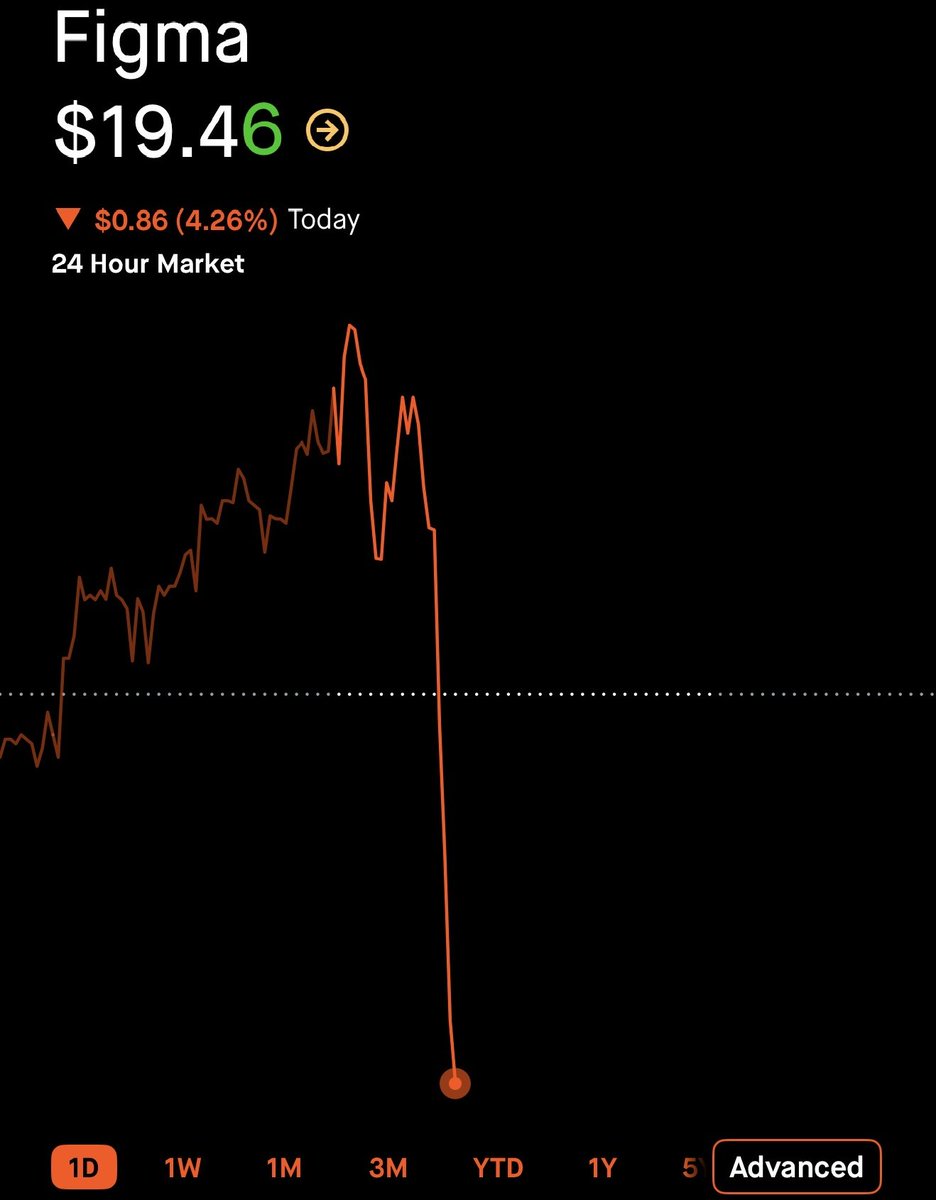
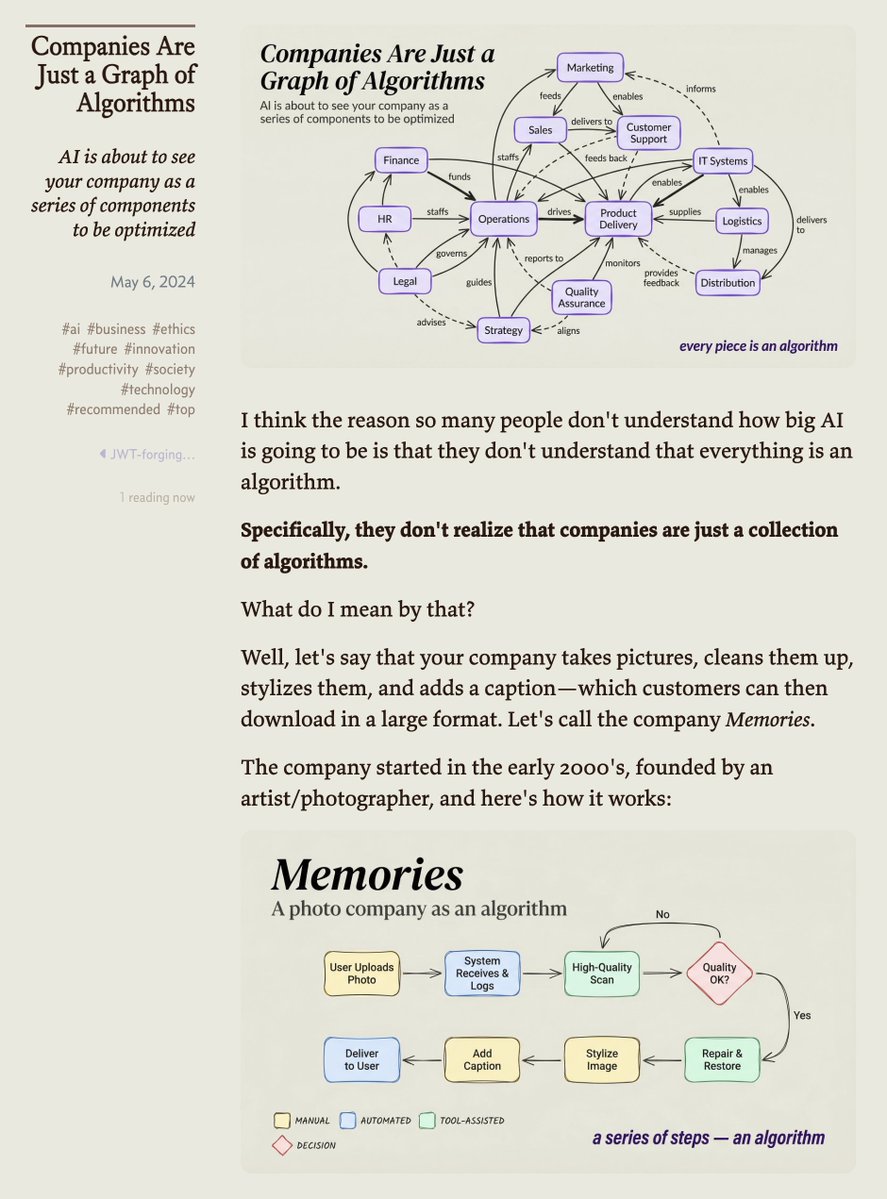
Claude Code is about to release a feature called /workflows that I think will be extremely significant. Especially for Enterprise AI. I talked about this in 2024 in a post called Companies Are Just Graphs of Algorithms. Basically the idea is that all work is just an algorithm, i.e., a series of steps to accomplish a goal. Skills and Cowork have been heading in this direction already, and we've seen what that's done to company valuations in various spaces. Well this is closer to the final form. It's turning the regular, expected work that's done in companies into pseudo-deterministic workflows that follow defined SOPs. The human role will be determining what problems to solve (taste, expeirence, etc), building new products from that, and then optimizing these workflows from above. But the work itself will be these workflows executed according to SOPs.
ᴅᴀɴɪᴇʟ ᴍɪᴇssʟᴇʀ 🛡️ tweet media
English
199
413
3K
282K
Denis Afanasev retweetledi
am.will
am.will@LLMJunky·
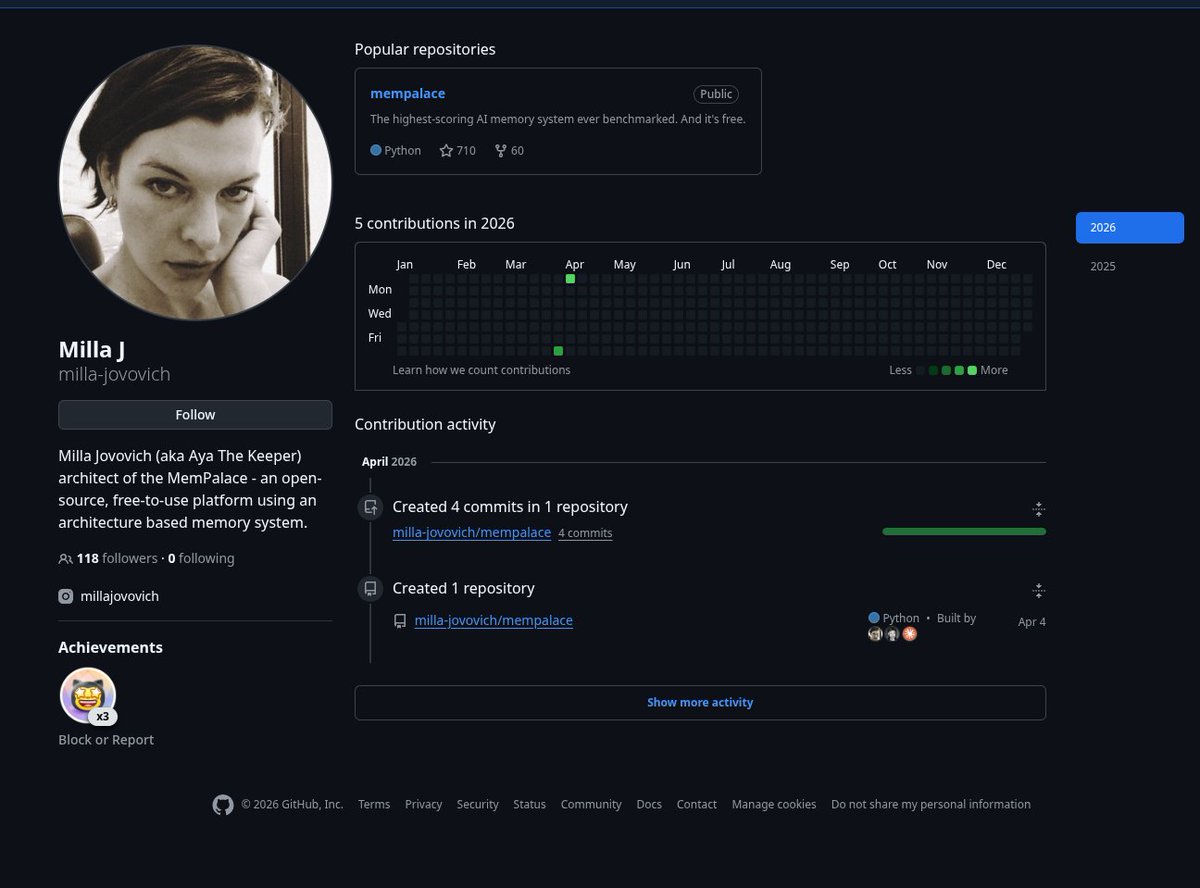
Milla Jovovich has a Github 😏 She's co-developed the highest-scoring AI memory system ever benchmarked with @bensig Totally free and OSS. What a boss.
am.will tweet media
Ben Sigman@bensig

Excited to announce a new open-source, free-to-use memory tool I have been developing with my good friend @MillaJovovich. The project is called MemPalace and it is an agentic memory tool that scored 100% on LongMemEval - the industry standard benchmark for memory… this is higher on than any other published results - free or paid - and it is available now on GitHub. You can check out Milla’s video about it on her Instagram. I’ll also put some links in the comments below - please try it out, critique it, fork it, contribute to it - and join our discord.

English
233
1.3K
12.2K
1.5M
Denis Afanasev
Denis Afanasev@KayserSW·
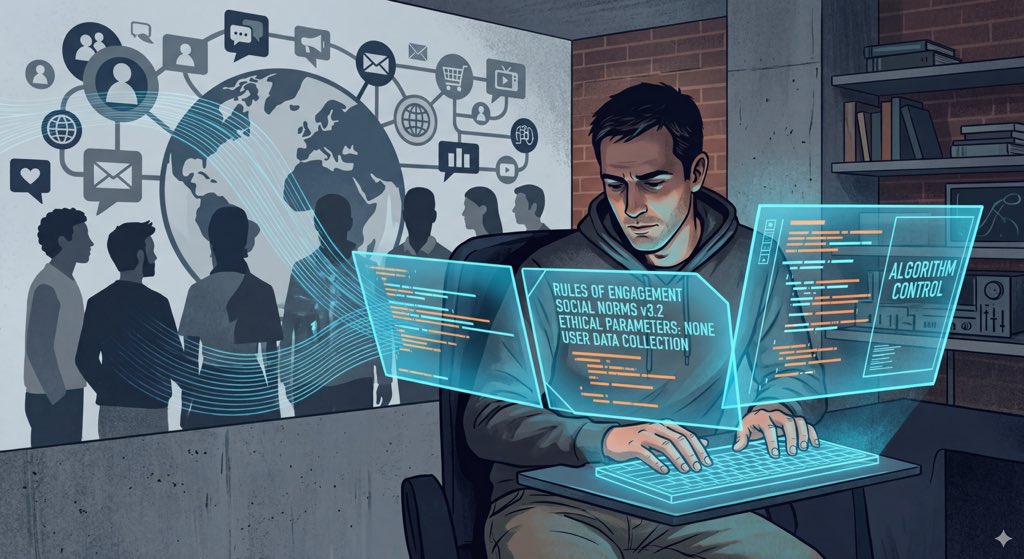
Those who write software write the rules by which everyone else lives. Software engineers have become de facto social engineers — without mandate, without accountability, without a code of ethics. In medicine, one cannot practise without a licence. In tech, one may build a system that affects billions without sitting a single examination in ethics.​​​​​​​​​​​​​​​​ #ada
Denis Afanasev tweet media
English
1
0
1
11
Denis Afanasev
Denis Afanasev@KayserSW·
Amidst all the discussion about how AI will transform business, here’s a thought worth considering: money has always been made by exploiting three fundamental human traits — stupidity, laziness, and greed. The real question is whether AI will change any of that. :) #ada
English
0
0
1
20
Denis Afanasev
Denis Afanasev@KayserSW·
At long last, I’m in a position to deliver quality solutions myself rather than perpetually persuading developers to do the same. #ada #claude #vibecofing
English
0
0
0
35
Denis Afanasev
Denis Afanasev@KayserSW·
Over 80% of currency trading volume today is driven by algorithms, not humans. And here’s the thing: until recently, all this algorithmic trading ran on top of infrastructure designed for people. Exchange APIs still assumed there was a developer on the other end who would write wrappers, handle request signing, and deal with error handling. Kraken just released something that shows where the industry is heading. Kraken CLI is an open-source Rust utility designed to let AI agents interact with the exchange directly. But the real story isn’t the tool itself. It’s the signal. A major exchange is building an interface not for a trader staring at a monitor, but for a language model working within a context window. The economy of the future is automatic transactions between agents. And infrastructure is starting to wrap itself in interfaces designed not for human eyes, but for machine consumption. blog.kraken.com/news/industry-…
English
0
0
0
10
Denis Afanasev
Denis Afanasev@KayserSW·
Chatted with a Maxon team at @SpaceCommExpo who make servo drives for Mars rovers. Product quality speaks for itself — rovers designed for 90 days have been running for years. But for the company, space isn’t the business. It’s the reputation. “Our drives operate on Mars” — after that, any conversation with a buyer on Earth goes a bit differently. Essentially, Mars became the best quality control department you could imagine.
Denis Afanasev tweet media
English
0
0
1
26
Denis Afanasev
Denis Afanasev@KayserSW·
Over the weekend, I built a fully functional mobile app for CROSSx. No prior mobile development experience. Onboarding first users this morning. We had a contractor quote on the table — tens of thousands of dollars for the same module. I turned it down today. The only real bottleneck left is Apple's review process — which says everything about where friction lives now. Not in building. In bureaucracy. This isn't a productivity story. It's a signal about what "technical co-founder" means in 2026. The moat is no longer in writing code — it's in knowing what to build and why. Claude Code handled the implementation layer. I handled the judgment layer. But the contractor quote isn't just a cost comparison — it's a proxy for time. Weeks of spec documents, alignment calls, revision cycles, handoffs, and the inevitable "we need to revisit the requirements" conversation. That entire loop: gone. The real unlock of this technology isn't cost reduction. It's compression of the iteration cycle — from weeks to hours. That's not a linear improvement. That's a phase transition. The world didn't gradually change. It snapped.
Denis Afanasev tweet mediaDenis Afanasev tweet media
English
0
0
0
168
Denis Afanasev retweetledi
Crossover Markets
Crossover Markets@crossover_mkts·
In a recent interview with Joe Palmisano, CMT of Connect Money, Crossover Market's Co-Founder and CEO Brandon Mulvihill shared his thoughts on the structural evolution of crypto markets amid growing institutional demand. Brandon explores the most pressing topics in crypto trading today, from bank-led custody and US regulatory clarity to the conflicts within vertically integrated exchange models and why separating custody, clearing, and execution is key to the industry's maturity. He also highlights the importance of low-latency execution in crypto, and how CROSSx's faster infrastructure enables market makers to process more price updates, manage risk, and reflect real-time market movements. Read the full Q&A here: connectmoney.com/stories/rethin…
Crossover Markets tweet media
English
0
1
10
1.3K
Denis Afanasev
Denis Afanasev@KayserSW·
I want to share a fascinating article about how nature has already engineered powerful anti-aging mechanisms in certain species. From jellyfish that can biologically “reset” themselves to whales and mole rats that dramatically outlive their expected lifespans, evolution has produced organisms that slow, resist, or partially bypass the typical processes of aging. One of the most striking examples is the naked mole rat — a small mammal that lives far longer than similar-sized animals, shows strong resistance to cancer, and maintains remarkably stable mortality rates as it ages. These aren’t science-fiction ideas; they are real biological strategies involving enhanced DNA repair, cellular maintenance, and metabolic resilience that have emerged over millions of years. The big question is: how quickly can we use AI and modern biotechnology to decode and adapt even a fraction of these mechanisms for humans? With AI accelerating genomic analysis, protein modeling, and systems biology, we may be approaching a point where nature’s longevity playbook becomes readable — and eventually, actionable. worksinprogress.news/p/the-perks-of…
English
0
0
0
17
Denis Afanasev retweetledi
Math Files
Math Files@Math_files·
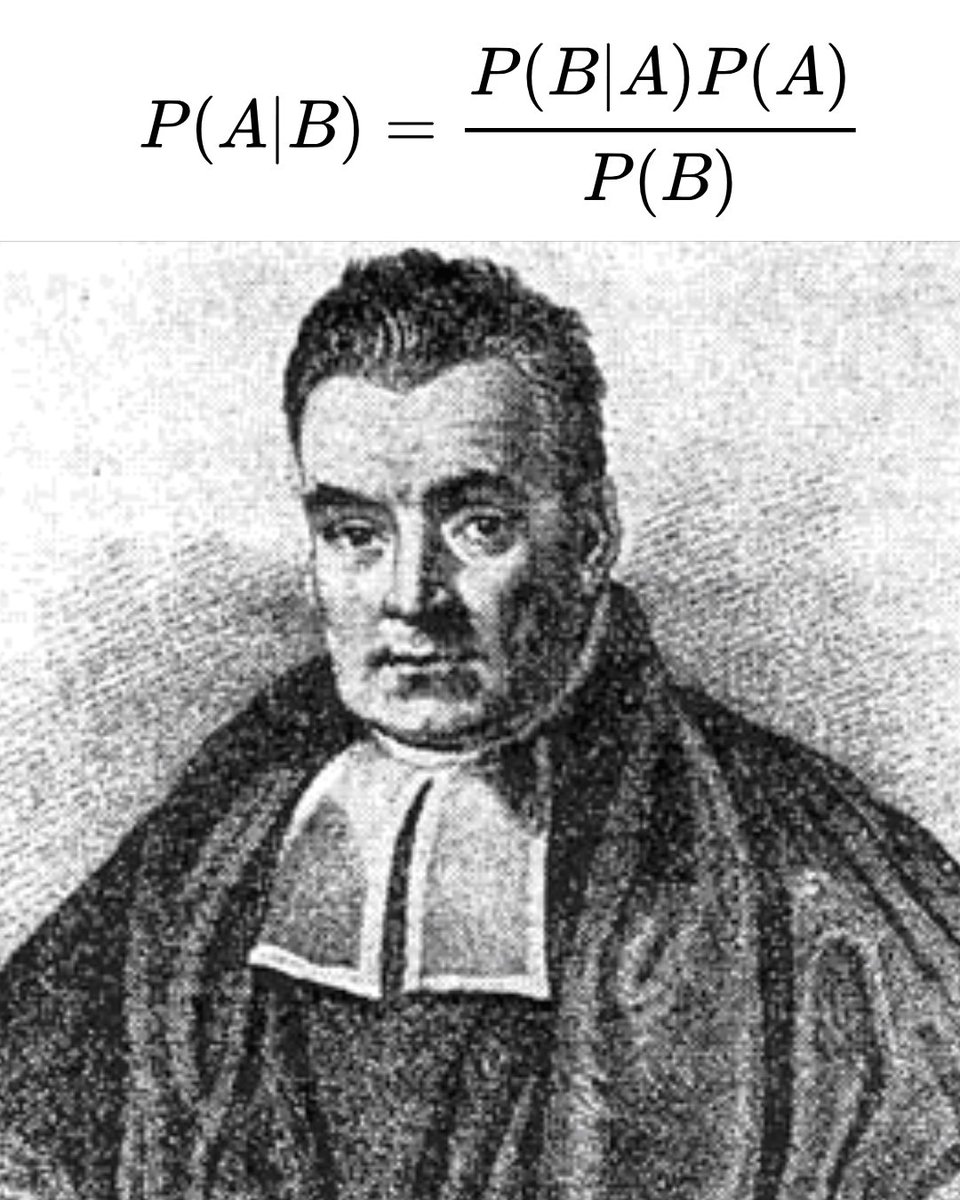
Bayes’ theorem is probably the single most important thing any rational person can learn. So many of our debates and disagreements that we shout about are because we don’t understand Bayes’ theorem or how human rationality often works. Bayes’ theorem is named after the 18th-century Thomas Bayes, and essentially it’s a formula that asks: when you are presented with all of the evidence for something, how much should you believe it? Bayes’ theorem teaches us that our beliefs are not fixed; they are probabilities. Our beliefs change as we weigh new evidence against our assumptions, or our priors. In other words, we all carry certain ideas about how the world works, and new evidence can challenge them. For example, somebody might believe that smoking is safe, that stress causes mouth ulcers, or that human activity is unrelated to climate change. These are their priors, their starting points. They can be formed by our culture, our biases, or even incomplete information. Now imagine a new study comes along that challenges one of your priors. A single study might not carry enough weight to overturn your existing beliefs. But as studies accumulate, eventually the scales may tip. At some point, your prior will become less and less plausible. Bayes’ theorem argues that being rational is not about black and white. It’s not even about true or false. It’s about what is most reasonable based on the best available evidence. But for this to work, we need to be presented with as much high-quality data as possible. Without evidence—without belief-forming data—we are left only with our priors and biases. And those aren’t all that rational.
Math Files tweet media
English
2.2K
8.3K
36.9K
27.2M