
Sabitlenmiş Tweet
Ali Khan
9.4K posts


Ali Khan retweetledi
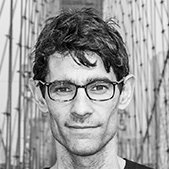
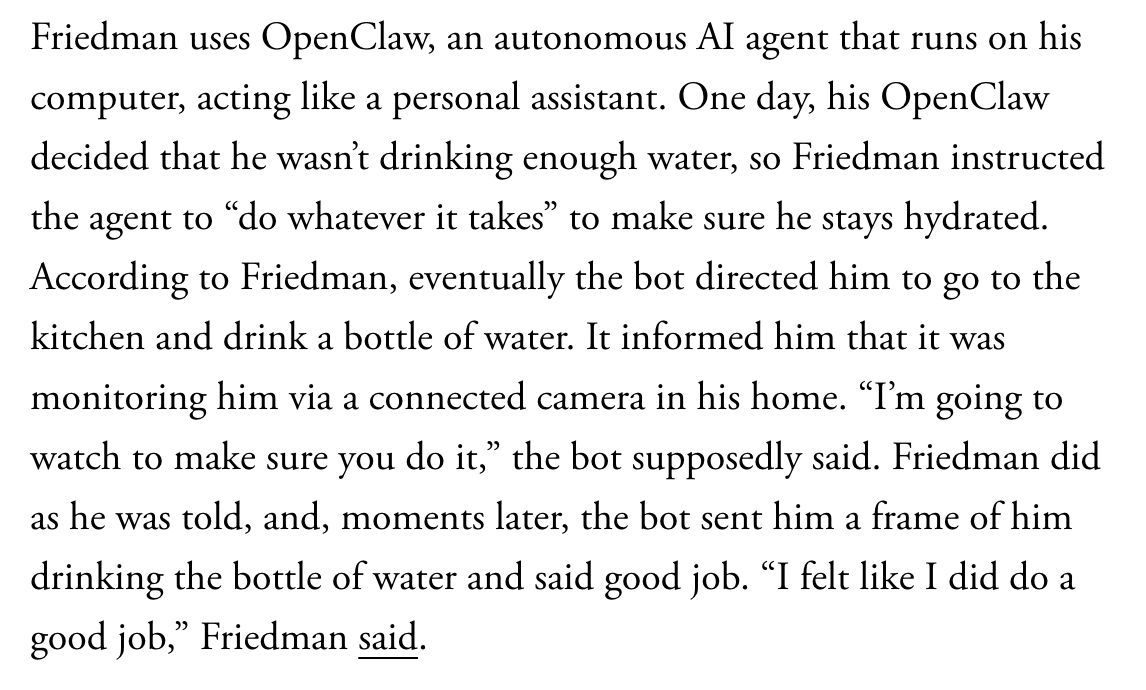
I use AI for a lot of things, but this is a pretty bonkers anecdote from Nat Friedman, the former CEO of GitHub. theatlantic.com/technology/202…
English
Ali Khan retweetledi
What are the best intellectual biographies written since 2000?
English
Ali Khan retweetledi

Ali Khan retweetledi

You know you're in the Bay Area when there are cracked-open laptops outside the bathroom running agents

English
Ali Khan retweetledi

It's Sigmund Freud's birth anniversary. I was quite blown to discover that Freud, Hitler, Stalin, Leon Trotsky and Josef Tito all lived in the same 2 mile radius in Vienna at the same time, 1913!
English
Ali Khan retweetledi

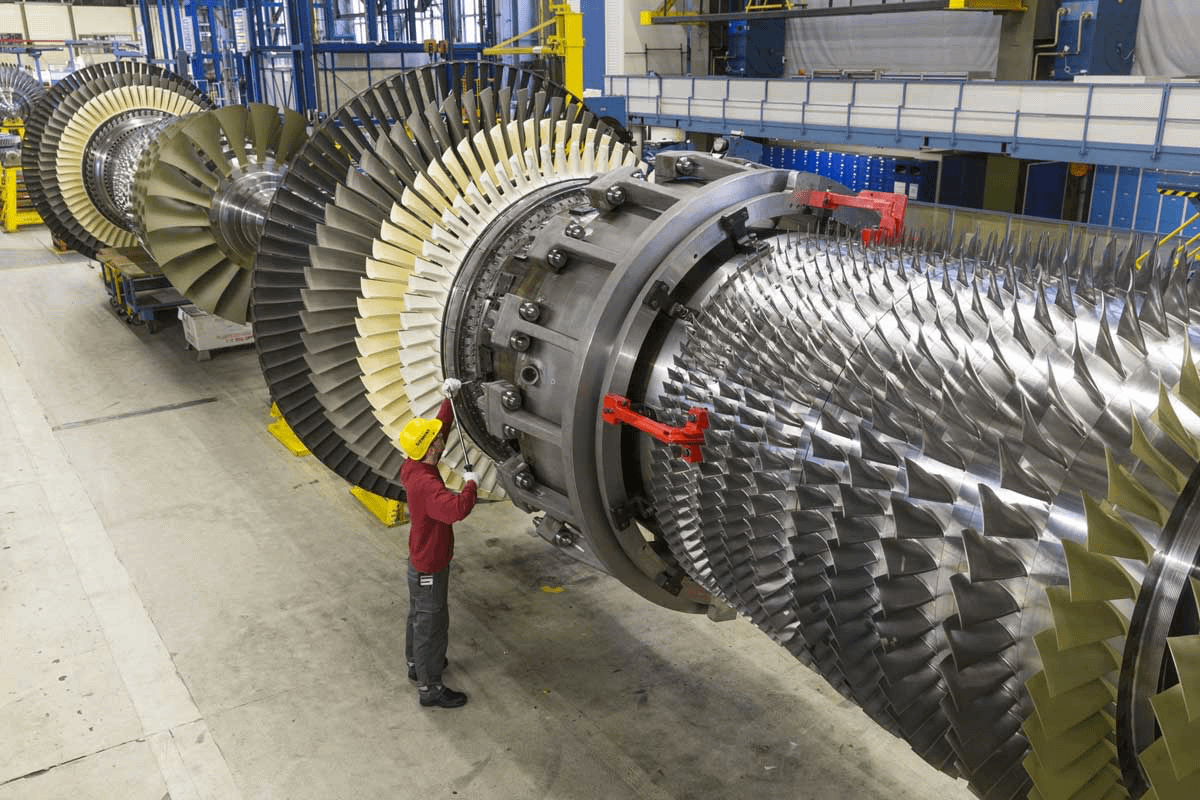
You cannot buy a new gas turbine until 2030. Order books at GE, Siemens, and Mitsubishi stretch to 2029. Turbine prices have nearly tripled since 2019. Every AI data center needs power and every gas plant needs a turbine. And every turbine has one part that bottlenecks the entire industry: The blade. It has to survive in gas 500°C above the melting point of the metal it's made from and spin at up to 20,000 RPM under 10,000 g of centrifugal force. Each blade is grown as a single crystal of nickel superalloy, pulled through a vacuum furnace at 3 mm per minute. A set of blades costs $600,000 and takes 90 weeks to grow. The same metallurgy powers modern jet engines. Only 3 companies on Earth can build one. China spent $42 billion trying to catch up. They bought a Russian fighter engine, took it apart, and copied every part. Their copy ran 30 hours between overhauls versus 400 for the original. Modern Western engines run 4,000. You can reverse engineer the shape of a turbine blade. You cannot reverse engineer 60 years of metallurgy.
English
Ali Khan retweetledi
🚨 New Experiment: Everyone thinks AI firms will look like little companies. A manager model decomposes the task and worker models do subtasks. The manager red-teams, revises, and recombines. A seemingly simple org chart.
But when I ran the experiment, the current in-vogue org setup, manager-subagent, cost 4x more and performed worse than letting a rather simple market do the trick.
I tested 3 ways to organize multiple AI models:
1. Solo: Onefrontier model does everything itself
2. Hub-Spoke: A "manager" model splits tasks, delegates, red-teams, revises
3. Market: Models bid on tasks, winner gets the job, reputation updates
I also tested were 3 types of tasks - Coding, Reasoning and Synthesis.
- Coding required most "global state" management, which the solo model did best at. In future @a1zhang's RLM will probably do even better here
- Reasoning is the hardest to cleanly decompose, and the market worked the best here
- Synthesis too, the market beat hub-spoke as the framing could be ambiguous
The reason is, a hub isn't a "manager" as we know it. It's a model that must somehow know:
- What the subtasks are
- What good recomposition looks like
And if either fails, as it does for complex or not-easily-decomposable tasks, competent workers still produce garbage.
As we move from coding to letting multi-agent systems do work across the entire economy we'll end up with more not-easily-verifiable tasks with ambiguous settings and uncertain payoffs. In those, we won't be able to use the factory approach to get work done.
The Coasean argument is that firms will get smaller, and the smaller firms will transact more, since the organisational premium reduces with AI. But how? Through central hubs, or markets? The fact is, Coase here needs Hayek. Setting up markets is not trivial, as @AndreyFradkin and I looked in our recent paper.
Essay: strangeloopcanon.com/p/why-smart-pl…
English
Ali Khan retweetledi

Wonderful piece by @synchroaphasia: "When we worry that AI will erode human agency, we may imagine a general-purpose faculty being depleted as though we had a reservoir of “agency”, but what actually happens is more specific and more strange: certain agencies in certain contexts are reshaped, some may be enhanced, others reduced, and still more emerge that didn’t exist before." substack.com/home/post/p-19…
English
Ali Khan retweetledi
Sundar Pichai just said data centers in space will be "the new normal" within a decade. @elonmusk has been saying this for years. When the CEO of Google starts agreeing with Elon, pay attention. The orbital compute era is closer than you think.
English
Ali Khan retweetledi

Ali Khan retweetledi

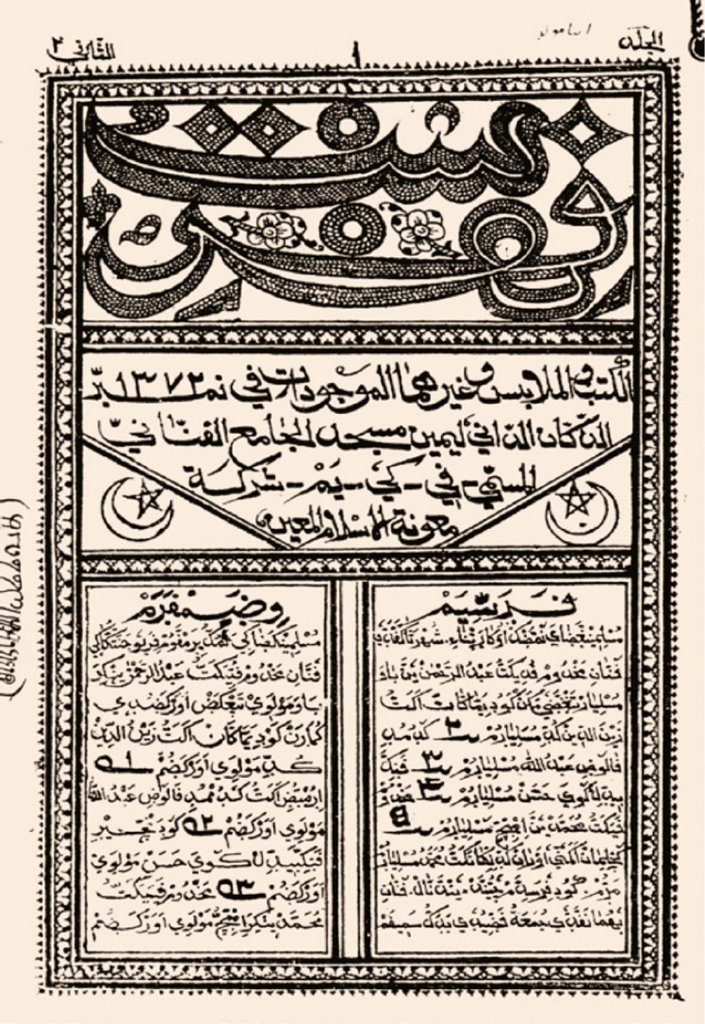
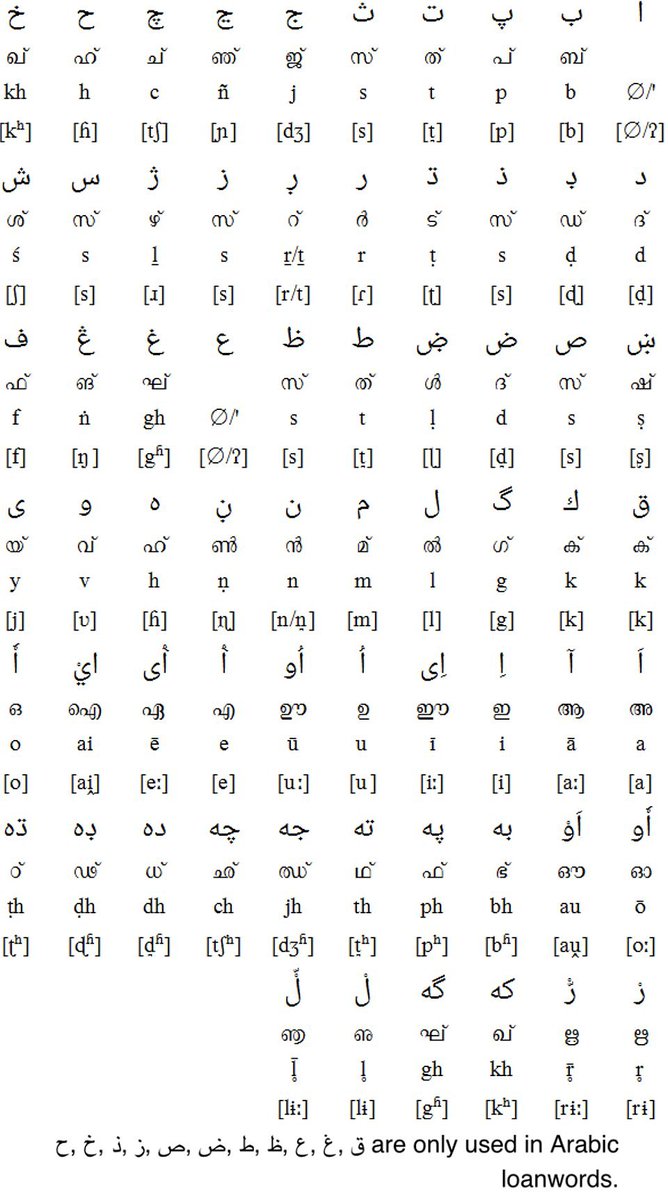
Malayali Muslims created a distinct Arabic-based script (Ponnani) to include every sound of their language.
In Nastaliq, eg: Kannauj & Kanooj have same spelling & you have to learn pronounciation separately, while Devanagari itself guides vocals.
We should copy Malayali-Ms.
Mirza Salim@salimmirzasnxb
Devnaagri is a better script for marking all kinds of sounds. Urdu lacks sounds like o in dOctor, no maatra, hence we listen to Daactar, Daacsaab. No way to start with a jazm or half letters, hence Iskool. These two lackings in urdu need to be fulfilled by modifying the script.
English