KYULE retweetledi
KYULE
18.3K posts

KYULE retweetledi
KYULE retweetledi
KYULE retweetledi
KYULE retweetledi

Calcium gluconate protects the heart by stabilizing cardiac membranes and reducing the risk of fatal arrhythmias. It does not lower potassium levels.
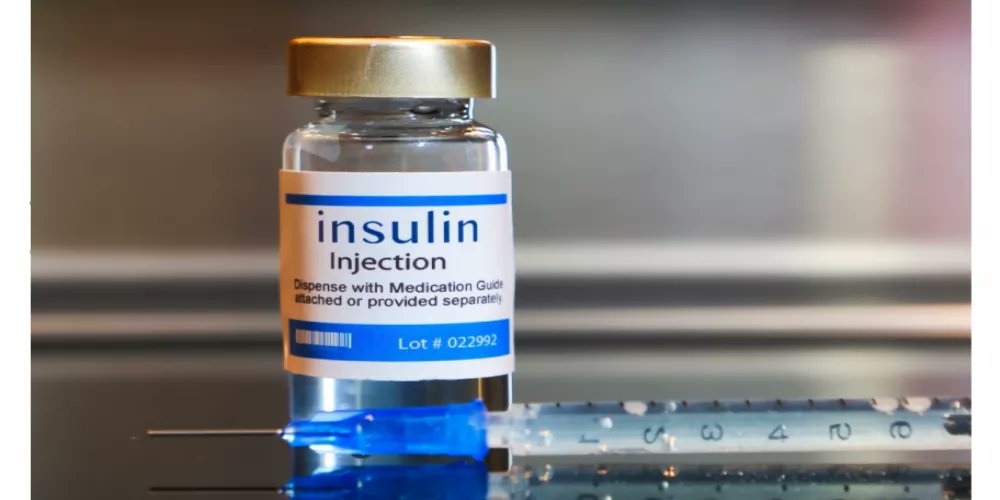
Insulin lowers serum potassium temporarily by shifting potassium from the blood into cells via stimulation of the Na⁺/K⁺ pump. It is usually given with glucose to prevent hypoglycemia.
English
KYULE retweetledi

The insulin + dextrose combination is most commonly used in the emergency treatment of Hyperkalemia. Insulin shifts potassium from the blood into cells, while dextrose is given to prevent hypoglycemia caused by insulin. This combination rapidly lowers serum potassium and helps prevent life-threatening cardiac arrhythmias.
English
KYULE retweetledi
KYULE retweetledi

The answer lies in respiratory physiology. While viruses and bacteria are the primary causes of infection, physical factors create a permissive environment for them to thrive.
First, exposure to cold triggers local vasoconstriction. When the blood vessels in your throat narrow, it reduces the immediate delivery of white blood cells specifically neutrophils and lymphocytes to the area. This temporary drop in local immunity allows any existing viral or bacterial load to take hold more easily.
Second, constant airflow from a fan or AC leads to mucosal drying. Your throat is lined with a protective mucus layer and tiny hairs called cilia that move pathogens out of your system. When this lining dries out, the escalator stalls. This cracked barrier makes it much easier for germs to invade the underlying tissue.
In short: The virus or bacteria is the cause, but the cold and dry air are the physical catalysts that disable your body’s first line of defense.
How to avoid it:
• Nasal Breathing: Use your nose; it’s your natural humidifier and filter.
• Indirect Airflow: Position fans/AC so they don't hit your face directly.
• Hydration: Keep fluids up to ensure your mucus layer stays functional.
Okay that's it for today, tomorrow we will discuss another important topic. Follow for more!
English
KYULE retweetledi

Antibiotics pearls for real life scenarios
• Penicillins :
Don't double up on anaerobes. If a patient is on a beta-lactam/beta-lactamase inhibitor combo (like Piperacillin-Tazobactam or Amoxicillin-Clavulanate), adding Metronidazole is redundant and only increases the risk of GI side effects.
• Cephalosporins :
Beware the "LAME" gap. Cephalosporins have no activity against Listeria, Atypical bacteria (Mycoplasma/Chlamydia), MRSA (except Ceftaroline), and Enterococci.
• Carbapenems :
Seizure risk is real but specific. While all carbapenems can technically lower the seizure threshold, Imipenem carries the highest risk, especially in patients with renal impairment; Meropenem is generally much safer in this regard.
• Fluoroquinolones :
Think of them as "IV poles in a pill." Drugs like Levofloxacin and Moxifloxacin have nearly 100% bioavailability, meaning the oral dose achieves the same blood concentration as the IV version—switch to PO as soon as the patient is eating.
• Aminoglycosides :
It’s all about the "Peak." These drugs exhibit concentration-dependent killing, which is why we typically use high-dose, once-daily extended-interval dosing to maximize efficacy while giving the kidneys a "washout" period to reduce toxicity.
• Vancomycin :
Stop chasing the "Trough." For serious MRSA infections, modern guidelines have shifted from trough-based monitoring to AUC/MIC based dosing.
~ (AUC/MIC > 400) to better predict efficacy while minimizing nephrotoxicity.
• Tetracyclines :
More than just "bone and teeth." Beyond infection, Doxycycline is a potent anti-inflammatory; however, remind patients to stay upright for 30 minutes after taking it to prevent severe pill-induced esophagitis.
• Macrolides :
Watch the "Electricals." Azithromycin and Clarithromycin are notorious for QTc prolongation; always check a baseline EKG if the patient is on other QTc-prolonging meds like Ondansetron or Amiodarone.
• Linezolid :
Mind the "Serotonin." Linezolid is a weak MAO inhibitor; monitor for Serotonin Syndrome if the patient is also taking SSRIs, and watch for thrombocytopenia if the treatment duration exceeds two weeks.
• Metronidazole :
The "Disulfiram" myth vs. reality. While the "no alcohol" rule is classic teaching, the evidence for a true disulfiram-like reaction is thin; however, it remains a high-yield board fact and a safe clinical recommendation to avoid nausea.
English
KYULE retweetledi

The most asked viva question in Medicine: How do you differentiate between Cardiac vs Renal vs Hepatic causes of Edema?
Dr. AK 🇮🇳@docakx
Which organ damage causes this?
English
KYULE retweetledi

@Victorizm3 @PrevoMD @JoelJirane Go for 3 months w/out a salary & see how being rude kicks in automatically.
English

@PrevoMD @JoelJirane Yes. Or very rude “heavy laden” Daktari. Tulizoea man.
English
KYULE retweetledi

It's getting late while patients are still waiting, our hospitals are understaffed.
There are so many qualified medics outside here, hawako kazi kwa sababu they've no money to bribe county public service board to get employed.
kyle@davlgt76
Very sad situation here🥲 It is 1 PM It's now 4 hours. Terrible 💔
English
KYULE retweetledi
KYULE retweetledi
KYULE retweetledi
KYULE retweetledi
KYULE retweetledi

My allocation weights are not random. Here are key factors that guidedy allocation weights:
1. Risk: COOP can withstand market volatility. COOP has a downside risk protection since FY2025 of 2.50 will anchor/support higher price above BVPS at 28.10 before book closure.
2. Return: Overweight in COOP (quality banking stock) since I expect COOP to surge to 35 - 40 range supported by FY2025 earnings growth of 16.9% + higher FY2025 dividend payout of 49.6%. I expect total FY2025 DPS of KES 2.50 to anchor/support its price above BVPS at 28.10. I expect SCOM to rally to 36 - 38 range after the release of FY2026 results in May 2026. COOP has a better price action than SCOM.
3. Investment goal (growth or dividends). COOP for both growth + dividends, SCOM for capital gains, KNRE capital gains, CARB for dividends.
4. Time horizon: Medium term 3 - 4 years. COOP offers me better returns in short term - with strong earnings growth of 16.9% and higher dividend yield of 8.3%, COOP can trade at a premium valuation like peers ABSA and SCBK. 35 bob soon ✅
5. Material information: There is material information on Kenya Re (published by business daily). There is a proposal by GOK to increase premiums ceded to Kenya Re by insurance companies by an additional 5% from the current 20% - boosting Kenya Re's revenue and earnings without breaking a sweet.
@NSE_Investors @mytradesignals @wiseshilling @EACinvestor @watesh @andrewnjiraini @alykhansatchu @kahome_steve @WillisOwiti @coldtusker @S_Mukoma @JuliusOnStocks @LevelQue @GEORGEMORGAN_01 @JohnHiuhu @StocksMarket_ke @ChiboliS @davidwagikuyu @mwesigwa18 @mcubedto @bosikomoja @ResidentSiaya @VickWealthHQ @madkiqofficial @Vickyjr @kippyt__ @cleuveschahasi @FarmingCareer @Macr0_Nerd @PesaWall @tradingroomke @HerbertKinyua1 @StellarSwakei @mtucreativity @Jayriq @AmbokoJH
myTradeSignals@mytradesignals
What informs your allocation or it's just coz you "feel" 🤣
English
KYULE retweetledi

Dear Friend,
Every time you get paid
Take a portion and invest it back into yourself
Before bills, before you buy groceries,
Pay yourself first
You can't afford to be poor the rest of your life.
#EndMonth
English