Laura Chinnavaso, RN, BS retweetledi
@christopherrufo Gavin Newsom signed AB 2098—which censored doctors who expressed dissenting opinions on covid—into law, and now he claims that he opposes "letting politicians interfere with doctors."
English
Laura Chinnavaso, RN, BS
426 posts

@LChinnavaso
Mom first, nurse second. Catholic, runner, violist. I follow politics, particularly when it affects my kids. Loved by a very patient husband.🏃🏻♀️🎶⛪️ 🎻 🏥





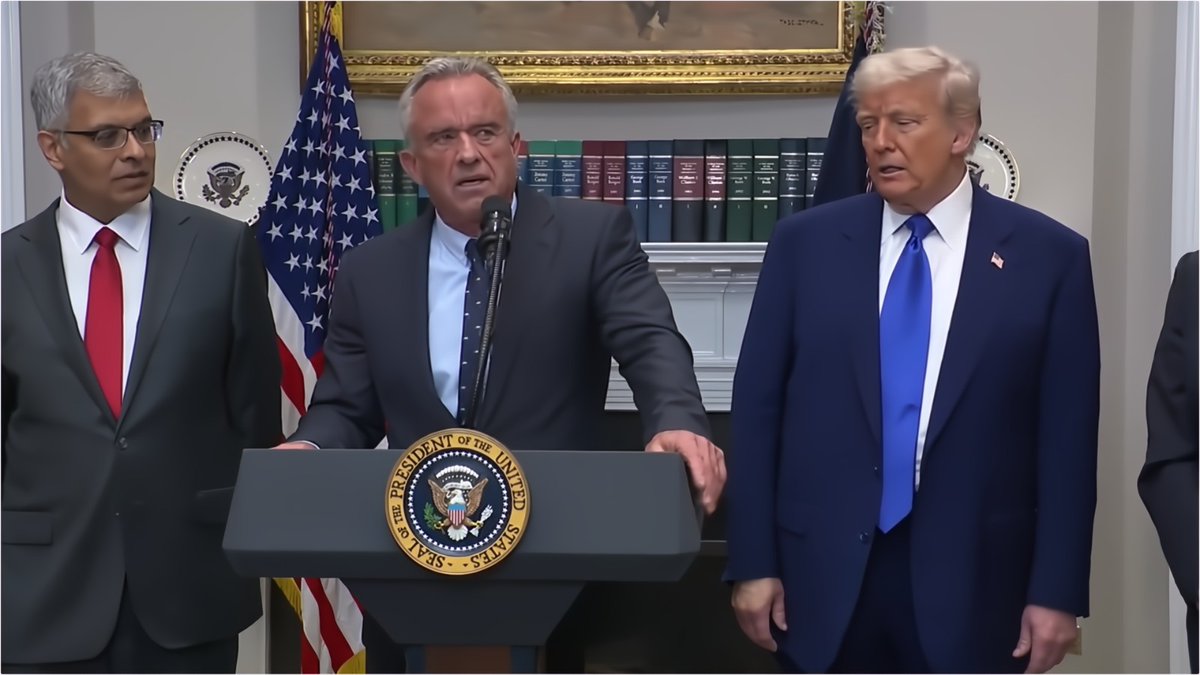



Vaccines have decreased morbidity & mortality from their target illnesses & we, as individuals and as an entire society, have benefited. At the same time, there are legitimate, scientifically valid questions and gaps in data that deserve urgent attention. Vaccines undoubtedly have off-target, long-term effects on the immune system that are under-studied (see for example, the work of @StabellBenn and colleagues). There is evidence to suggest that some of those off-target effects, especially for the non-live virus vaccines like DTaP, Hep B etc... may be negative. In that context, I offer to you & other health professionals what parents of children with vaccine adverse reactions have shared with me. Not to offer anything definitive, but as a starting point for people to understand each other and understand the fears and concerns. First, we do an abysmal job of studying individuals who have had alleged adverse reactions to vaccines. There is no systematic study of these individuals. In particular we should consider genetic and mitochondrial predispositions, pre-existing health conditions or illness, but also, in the future, microbiome, other environmental exposures etc... This is the issue that parents are most upset about. They feel abandoned by the health system when they feel their child has had an adverse event. Second, people are right to point out that we have not robustly studied cumulative exposure or even simultaneous exposure. As you know, vaccines are often studied individually. While they may be studied in children who have had other vaccines, that is not the same as intentionally studying cumulative impact on all-cause health outcomes (which could be positive or negative or mixed). In this regard, you are correct that this would be impossible prospectively. But I think robust observational data, if it were large and over many years, could begin to answer the impact of cumulative exposure on all-cause health outcomes. Using the vast data of the VSD or even Scandinavian data sets, one could compare all-cause health outcomes in those that are fully vaccinated, partially, or non-vaccinated. Of course, there are issues with this (different populations etc...) but if included data spanned many years and multiple different data sets, you could at least begin to address what many parents fear--that by protecting against the target illness, we may be predisposing to other health issues. You might say there is no evidence for this fear. And there are a handful of studies looking at allergies that have not found concern but cumulative exposure (and even simultaneous administration) has not been robustly studied. Again, perhaps this is a low-risk concern but we mandate these products in healthy children. Many different products, with different ingredients repeatedly, over many years. So if people are concerned and we are mandating these products to attend school, don't we owe it to the populace to study all-cause health outcomes in a systematic way? Even for reassurance? Another concern is the reality that adjuvants and many vaccine ingredients have not been studied in and of themselves in saline placebo controlled trials. Aluminum adjuvant, for example, does not have saline placebo trials assessing for long-term adverse outcomes or even just long-term impact on immune functioning (ex a relative subversion of cellular immunity in favor of Ab immunity). This is but one example. Perhaps this concern would less of an issue if pre-licensure studies for vaccines routinely used true saline placebo and followed subjects for years (not days, weeks or months). But since most of the pre-licensure trials of vaccines on the current schedule used active comparators (i.e other vaccines or older versions of the same vaccine), we really have a hard time discerning whether there may be adverse health impacts that have yet to be ascertained that have less to do with the antigen and more to do with adjuvants or other ingredients. Finally, post licensure surveillance has not been as robust as it should/could be. This assessment comes from our most lauded vaccine experts, not from me. nejm.org/doi/full/10.10… With respect to the autism issue, I share what physician and scientist autism parents have shared with me. They feel that because autism is heterogenous, the current observational studies are problematic. They suggest that studies should focus on regressive autism in particular, since this is the anecdotal experience shared by so many parents of children with regressive features. Second, they are concerned that of the roughly 20 studies examining autism and vaccines, almost all available data concerns the MMR vaccine in particular or thimerosal (one study investigates exposure to the number of antigens). Other vaccines given in the first year of life and the cumulative impact of multiple vaccines have not been studied with respect to neurodevelopmental outcomes, especially for those with regression. If we want to preserve the gains we have made in terms of infectious illness, we have to take seriously the concerns offered by parents and safety advocates. I and others take seriously the risks of infectious illness should there be a marked decline in population vaccination. But who is to blame for issues of vaccine hesitancy? There are gaps in the data which deserve to be addressed with honesty and transparency. We have to stop disparaging those who raise concerns and start partnering with them to answer the questions that raise the most fear and concern.

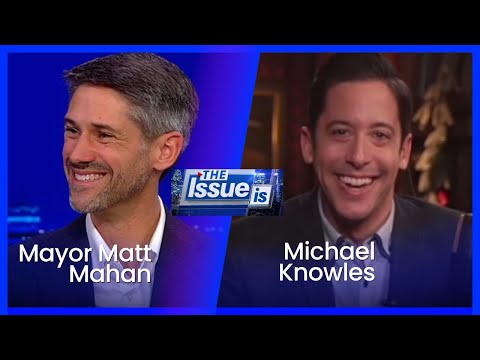
San Jose's Democratic Mayor @MattMahanSJ on @GavinNewsom's special legislative session to fund potential lawsuits against Trump. "The Democratic Party in our state needs to get back to basics and listen to ordinary people about the issues that affect their daily lives." He says a special session on homelessness, housing affordability or education would be more appropriate. More from Mayor Mahan: youtube.com/watch?v=pQ8hzH…



The 2020 @Stanford Faculty Senate censure of Dr. Scott Atlas is among the lowest, most embarrassing moments in the history of the university. The faculty senate has the chance tonight to overturn the censure. I encourage the Faculty Senate to do so. It's long past time.