Legends of Nightmare
2.2K posts

Legends of Nightmare
@Legendzofnight
Legends of Nightmare is a generative NFT collection featuring 200 chilling beings, each inspired by terrifying lore and eyewitness tales from around the world.


IYKYK. New USDC incentives from @worldlibertyfi are now live on Dolomite. $USDC → 14.02% APY → 6.52% WLFI → 0.59% oDOLO


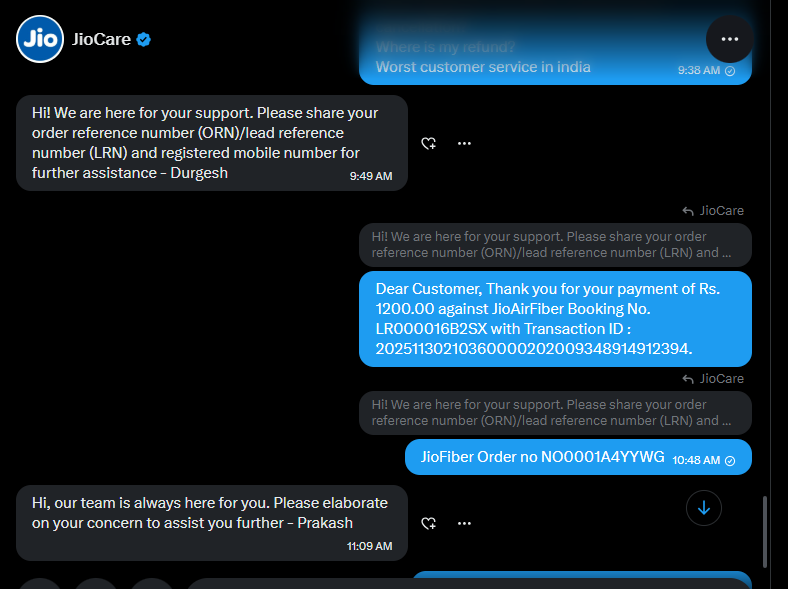
@JioCare I booked Jio AirFiber, paid ₹1200 on 1 Dec 2025 (Case: MR0001MR03C6). Technician cancelled order on 4 Dec,promised refund in 7 days. It's been over 3 months, no refund despite multiple calls. Consumer forum complaint filed (8678388). Still waiting. Please resolve.


NEW: Major investigation dropping February 26 on one of crypto’s most profitable businesses where multiple employees abused internal data to insider trade over a prolonged period of time.


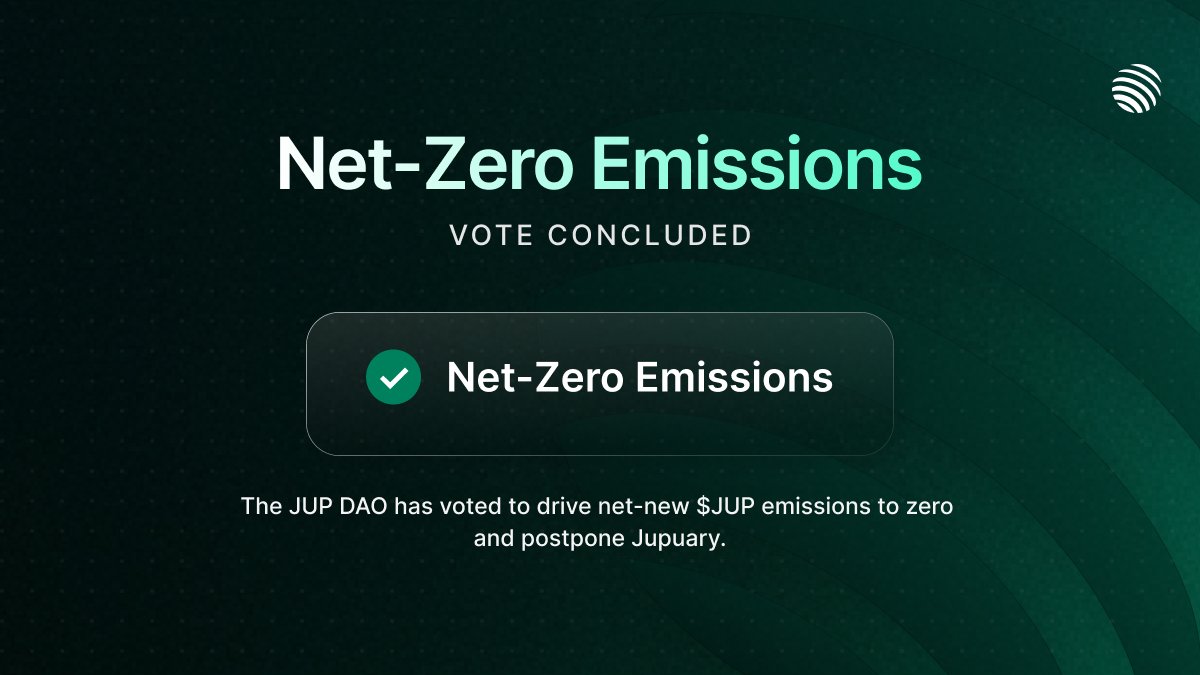
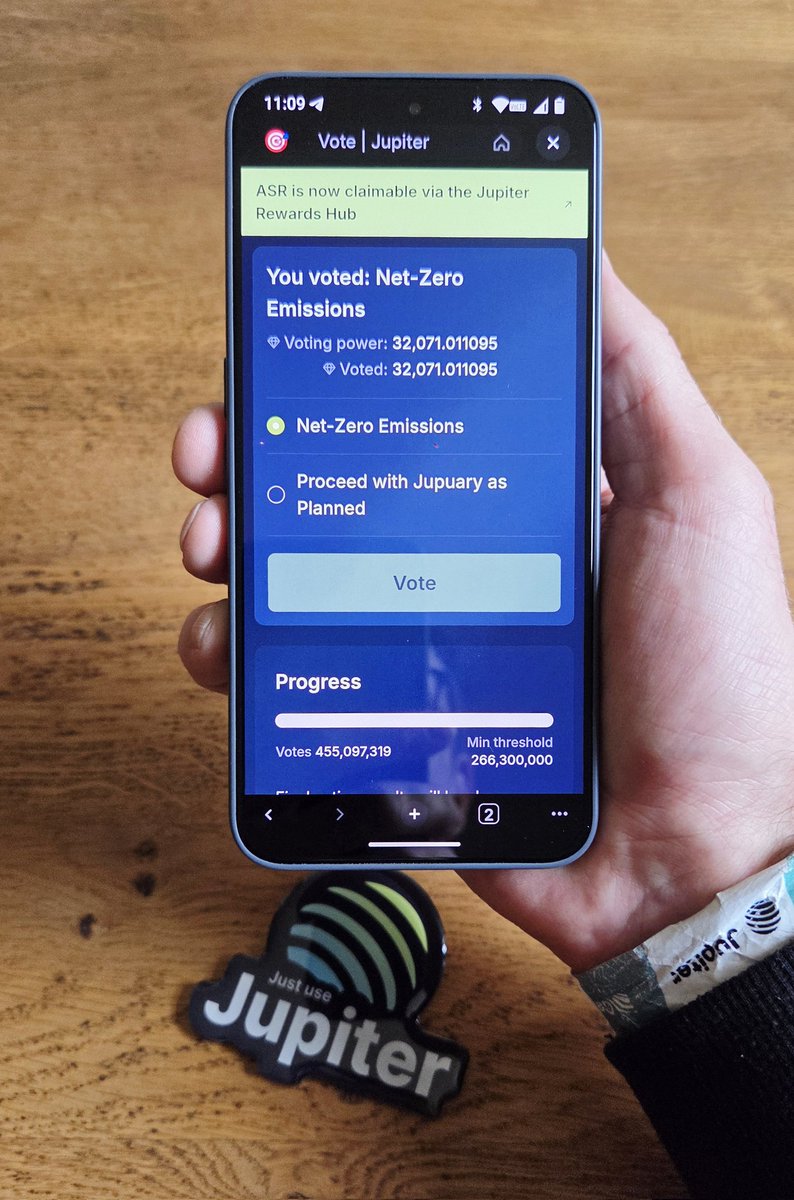
Pretty decisive outcome. 24,500 wallets voted. 13,000+ went for Jupuary, so most actual people wanted the airdrop to happen. But we all know how this game works: it’s not about headcount, it’s about bag size. Voting weight rules everything. - Wallets with 1M+ $JUP sent 82% of their power to Net-Zero. - Top 10 whales backing zero emissions = 22.5% of the entire vote weight. No matter how much we close our eyes, crypto runs just like TradFi under the hood. Big stakeholders and aligned crews steer the direction. They put the vote out there, it looks democratic and open, but once the big bags are committed, it's mostly theater for optics. Massive proposals like this don't even make it to the floor unless the outcome's already lined up. That doesn’t necessarily make the outcome wrong, but let's not pretend the "community" plays much of a part in any important decision making for most protocols. DAOs, decentralization, etc was always just a manufactured narrative. These were just flashy crypto marketing terms that LARPed to "change the system." All this lost it's punch as the lights turned on in the club over the years. The idea that governance tokens derive real value from the voting rights they grant starts to feel like hot air when you see how concentrated influence actually is. If a handful of big positions can consistently drive major decisions (as we've seen with the Net-Zero vote), it undercuts the pitch that every holder has meaningful say. To be clear, this is not specifically a crypto thing. It's just the way the world works. It's no surprise why so many governance tokens trend to zero. The "governance premium" evaporates when people realize participation doesn't translate to control, and there's often no residual claim on equity or upside if the protocol pivots, gets acquired, or winds down. If the project pivots tomorrow, or the team decides to restructure, you're typically left holding a token with no enforceable ownership rights, no dividends, and no guaranteed payout. Clean exits are rare in crypto because it was built for fast upside, not for lasting stability. The mechanics that make generational wealth possible on the way up also make long-term planning almost impossible.