Rod Leonarder Ed.D

27.2K posts

Rod Leonarder Ed.D

Rod Leonarder Ed.D

@LeonarderRod

Teacher education | Doctorate - leadership, decision making & ethics l Spurs EPL supporter | Old Falconian | Ancient History fanatic | All views my own

Sydney, Australia Katılım Nisan 2013
564 Takip Edilen2.2K Takipçiler
Rod Leonarder Ed.D retweetledi

The Extreme Football Enthusiast
The Extreme Football Enthusiast@ExtremeFootbal4·
On this day in 1888, the English Football League was born. Representatives from 12 clubs met in London and created the world's first professional football league. Everything we love about modern club football started right there.

The Extreme Football Enthusiast tweet media
English
23
117
450
19.2K
Rod Leonarder Ed.D retweetledi
HerodotusWave
HerodotusWave@HerodotusWave·
The ancient mosaic floor of the Church of St. Cosmas and Damianos in Jerash, Jordan.
HerodotusWave tweet media
English
3
46
297
3.1K
Rod Leonarder Ed.D retweetledi
Holden Cole
Holden Cole@HoldenCCole·
Reject the “man cave”, embrace the study.
Holden Cole tweet media
English
39
280
4K
40.6K
Rod Leonarder Ed.D retweetledi
Physics In History
Physics In History@PhysInHistory·
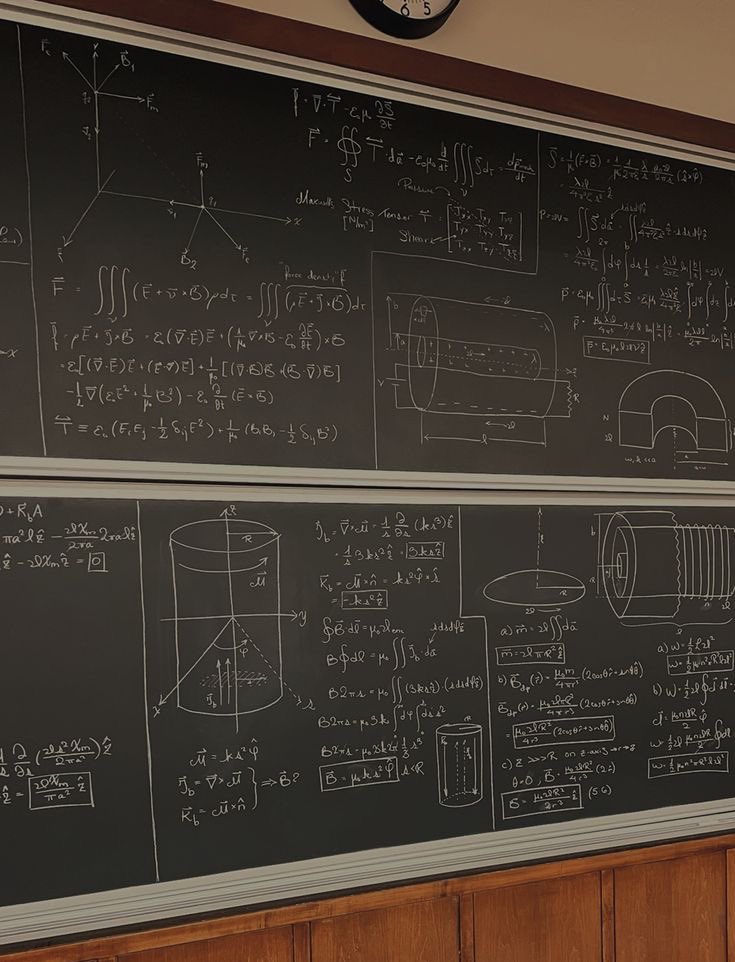
One of the best ways to sharpen your brain, and to develop intelligence, is to study mathematics. It challenges and strengthens your mind in a way that very few other things do. It’s like going to the gym -- but for your brain! - Danica McKellar
Physics In History tweet media
English
45
365
2.1K
47.5K
Rod Leonarder Ed.D retweetledi
Massimo
Massimo@Rainmaker1973·
Benches outside a library in Bulgaria
Massimo tweet media
English
97
804
4.8K
84.8K
Rod Leonarder Ed.D retweetledi
Shining Science
Shining Science@ShiningScience·
Under a mile of Antarctica’s ice there is a landscape frozen in time…. Deep beneath the East Antarctic ice sheet, scientists have uncovered a vast, ancient landscape the size of Maryland that has remained untouched for 34 million years. In a remarkable discovery within the Wilkes Land region, researchers have used satellite observations and ice-penetrating radar to map a hidden prehistoric world buried under more than a mile of ice. This 12,000-square-mile terrain features massive highland blocks and valleys nearly 4,000 feet deep, carved by ancient rivers long before the continent froze over. Scientists believe this region once enjoyed a much warmer climate, likely supporting lush forests and diverse life forms before it was sealed away from sunlight tens of millions of years ago. What makes this find particularly significant is its pristine condition. While most glaciers erode the land beneath them as they shift, the ice in this specific area has remained exceptionally cold and slow-moving, preserving the landscape as a geological time capsule. This stability provides a rare opportunity for future exploration; researchers are now planning to drill through the ice to collect ancient soil samples. These organic materials could offer critical clues about Earth’s past climate and the historical formation of the Antarctic ice sheet, revealing secrets hidden in a world we are only beginning to understand. source: Jamieson, S. S. R., Ross, N., Paxman, G. J. G., et al. (2023). A preserved fluvial landscape beneath the East Antarctic Ice Sheet. Nature Communications.
Shining Science tweet media
English
5
53
200
5.7K
Rod Leonarder Ed.D retweetledi
Massachusetts Institute of Technology (MIT)
When you sleep, A wave of cerebrospinal fluid flows out of the brain, helping to wash away waste products that have built up during the day. “If you don’t sleep, the CSF waves start to intrude into wakefulness where normally you wouldn’t see them. However, they come with an attentional tradeoff, where attention fails during the moments that you have this wave of fluid flow,” says MIT Professor Laura Lewis. news.mit.edu/2025/your-brai…
English
8
59
183
10.5K
Rod Leonarder Ed.D retweetledi
Sarah
Sarah@Sarah404BC·
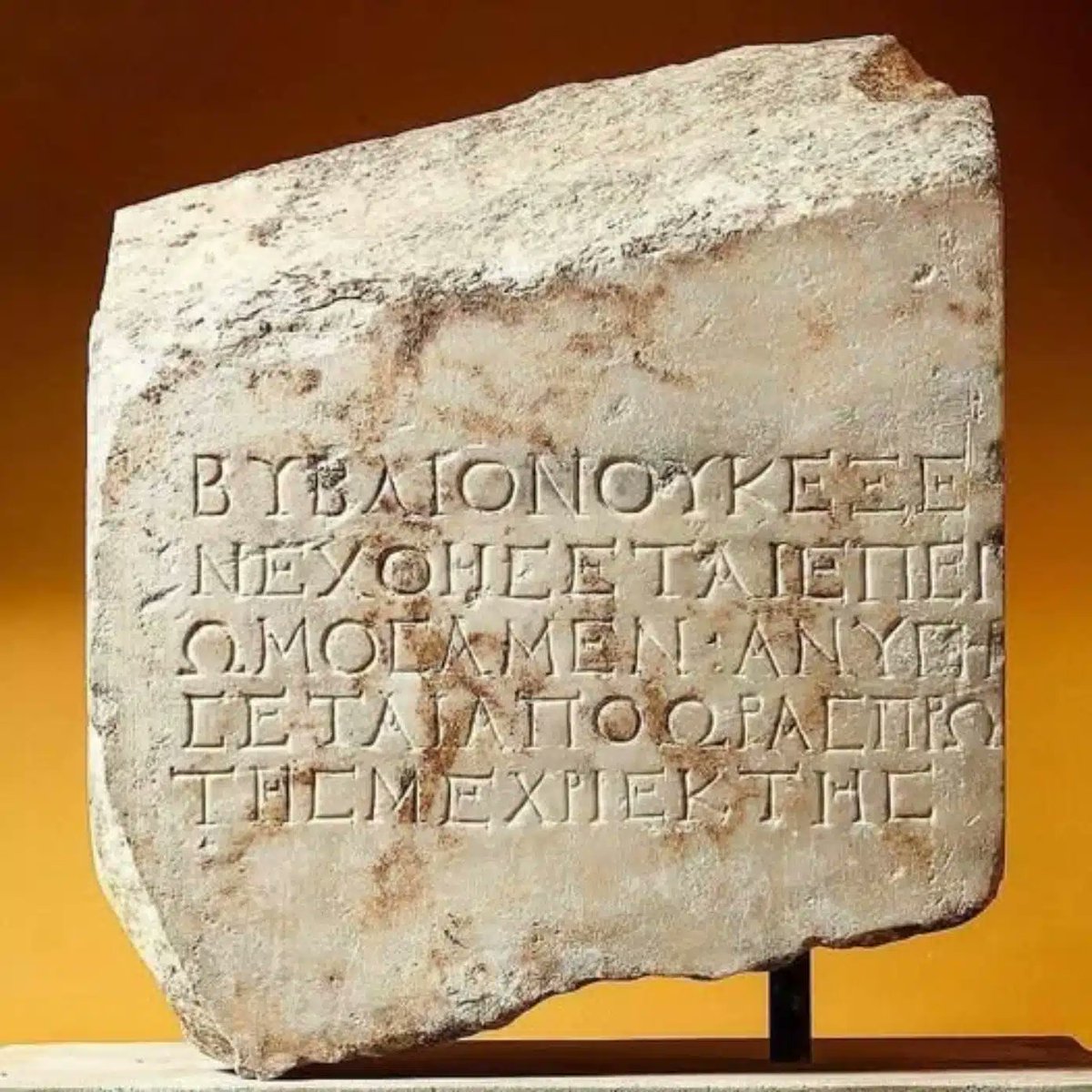
The First Library Rules: The Inscription of Pantainos in Ancient Athens “No book is to be taken out. Open from the first hour until the sixth,” greekreporter.com/2026/03/22/lib…
Sarah tweet media
English
1
5
15
266
Rod Leonarder Ed.D retweetledi
Alex & Books 📚
Alex & Books 📚@AlexAndBooks_·
Umberto Eco, who owned 50,000 books, had this to say about home libraries: "It is foolish to think that you have to read all the books you buy, as it is foolish to criticize those who buy more books than they will ever be able to read. It would be like saying that you should use all the cutlery or glasses or screwdrivers or drill bits you bought before buying new ones. There are things in life that we need to always have plenty of supplies, even if we will only use a small portion. If, for example, we consider books as medicine, we understand that it is good to have many at home rather than a few: when you want to feel better, then you go to the 'medicine closet' and choose a book. Not a random one, but the right book for that moment. That's why you should always have a nutrition choice! Those who buy only one book, read only that one and then get rid of it. They simply apply the consumer mentality to books, that is, they consider them a consumer product, a good. Those who love books know that a book is anything but a commodity."
Alex & Books 📚 tweet media
English
116
1K
3.7K
307.7K
Rod Leonarder Ed.D retweetledi
Unearthed 🏺
Unearthed 🏺@UnearthedHQ·
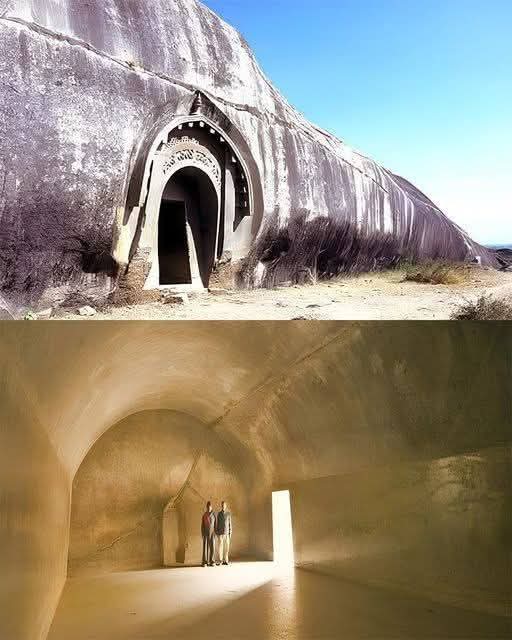
🚨 This Ancient Cave Looks Like It Was Built by the Future… Not the Past Hidden deep inside the rocky hills of Barabar Hills lies something that shouldn’t exist… at least not in the 3rd century BCE. The mysterious Lomas Rishi Cave, believed to be created during the reign of Emperor Ashoka, looks less like an ancient shelter—and more like a structure from a lost advanced world. From the outside, the cave stuns with a carved entrance that perfectly imitates wooden architecture… in solid granite. An elegant curved arch, detailed carvings of elephants, and precise symmetry—everything feels too refined for its time. But step inside… and the real mystery begins. The walls are so incredibly smooth and polished that they reflect light like a mirror. Not rough. Not weathered. But glass-like. Even today, with modern tools, achieving this level of finish on hard stone is extremely difficult. So how did ancient craftsmen do it over 2,000 years ago? Stand in that silent chamber, and something feels… off. The sound echoes strangely. The air feels heavy. The surfaces are cold, perfect, almost unnatural. It doesn’t feel ancient—it feels engineered. Was this truly just a meditation space… or something more? A lost technique? A forgotten science? Or evidence that history knows less than we think? One thing is certain: This cave doesn’t just tell a story—it asks a question we still can’t answer.
Unearthed 🏺 tweet media
English
27
163
906
23.8K
Rod Leonarder Ed.D retweetledi
WORLD 2026 🌊
WORLD 2026 🌊@W0rld2026·
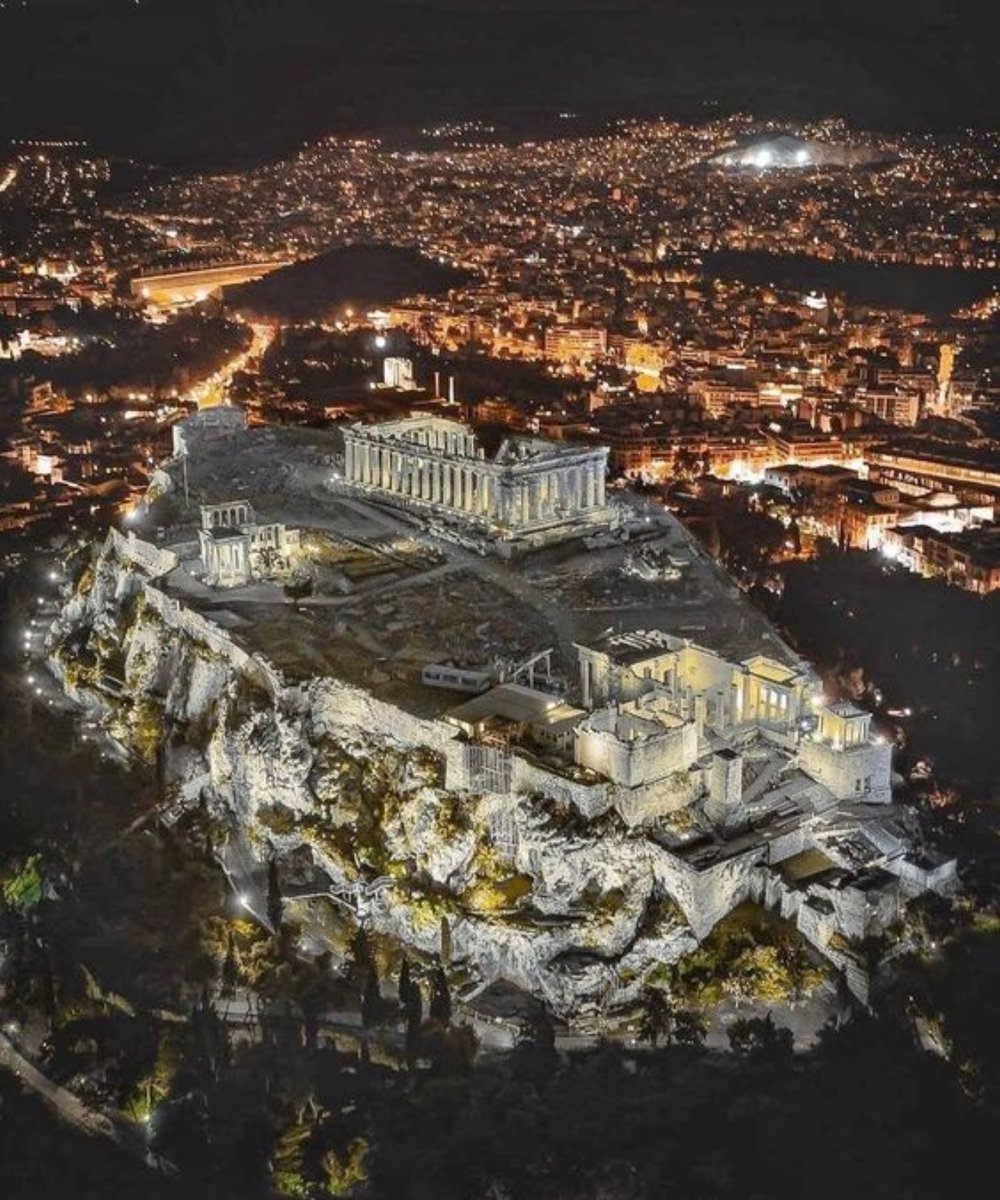
Athens, Greece 🇬🇷
WORLD 2026 🌊 tweet media
English
7
209
1.9K
19.7K
Rod Leonarder Ed.D retweetledi
Sophia Proneikos
Sophia Proneikos@Pergament_F·
Leptis Magna Hippodrome Mosaic Villa Selene (Libya) is an ancient Roman villa located on the Mediterranean coast near Leptis Magna, close to modern Homs. Meaning "House of the Moon," this villa remained hidden beneath sand dunes for approximately 2000 years and was rediscovered in 1974. The villa was a luxurious residence belonging to a wealthy Roman family and dates to the 2nd century AD (approximately 100-200 AD); some parts may be older. Its walls are largely preserved, and its mosaic floors and frescoes are in remarkably good condition. One of its most striking features is the magnificent mosaics adorning the villa's floors. Hippodrome Mosaic: One of the villa's most famous mosaics depicts a scene of a hippodrome (Roman circus or racetrack). This mosaic is often compared to the actual Circus (hippodrome) in Leptis Magna and The mosaic depicts galloping horses, chariot drivers (quadrigas), starting boxes, a spina (a decorative barrier in the center), dolphin figures, and mechanisms indicating the number of laps. An interesting detail: a man keeps track of the lap count using ostrich eggs (or balls) a normal race is 7 laps, and the mosaic shows several laps completed. This mosaic vividly reflects the chariot racing culture of the Roman era.
Sophia Proneikos tweet media
English
7
19
86
1.6K
Rod Leonarder Ed.D retweetledi
Following Hadrian
Following Hadrian@carolemadge·
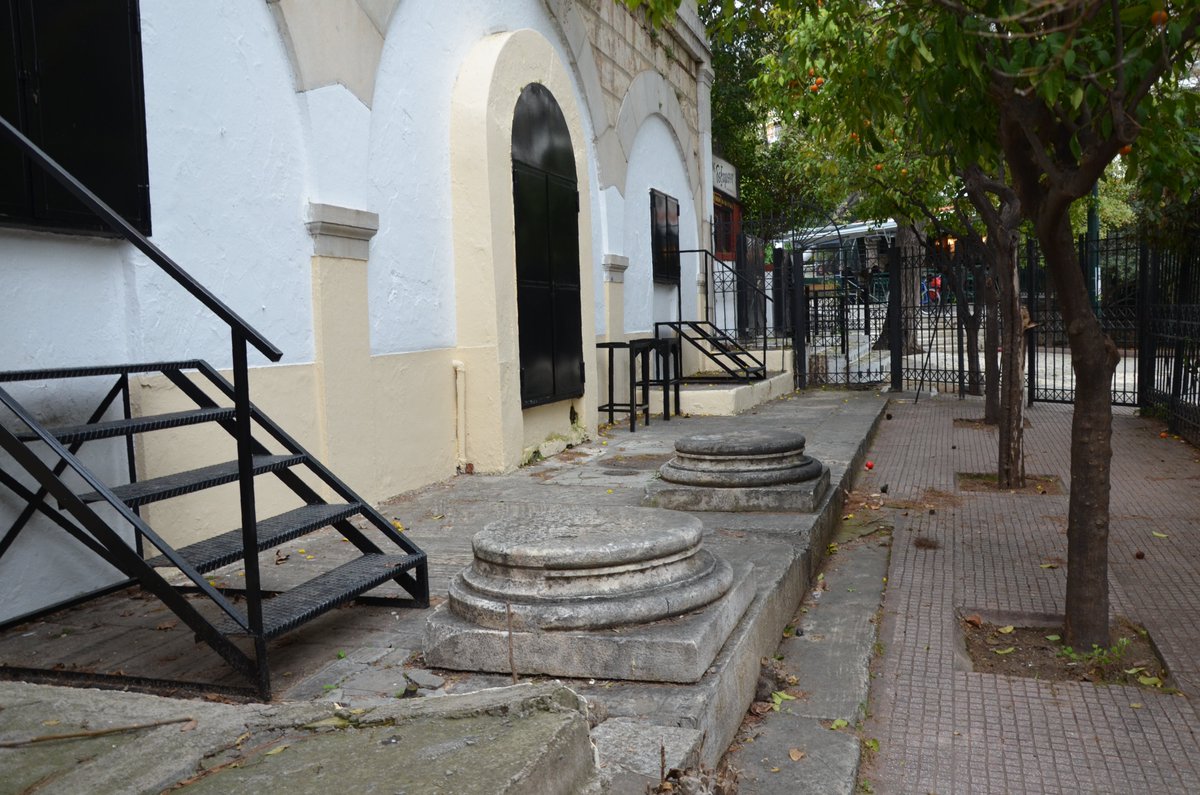
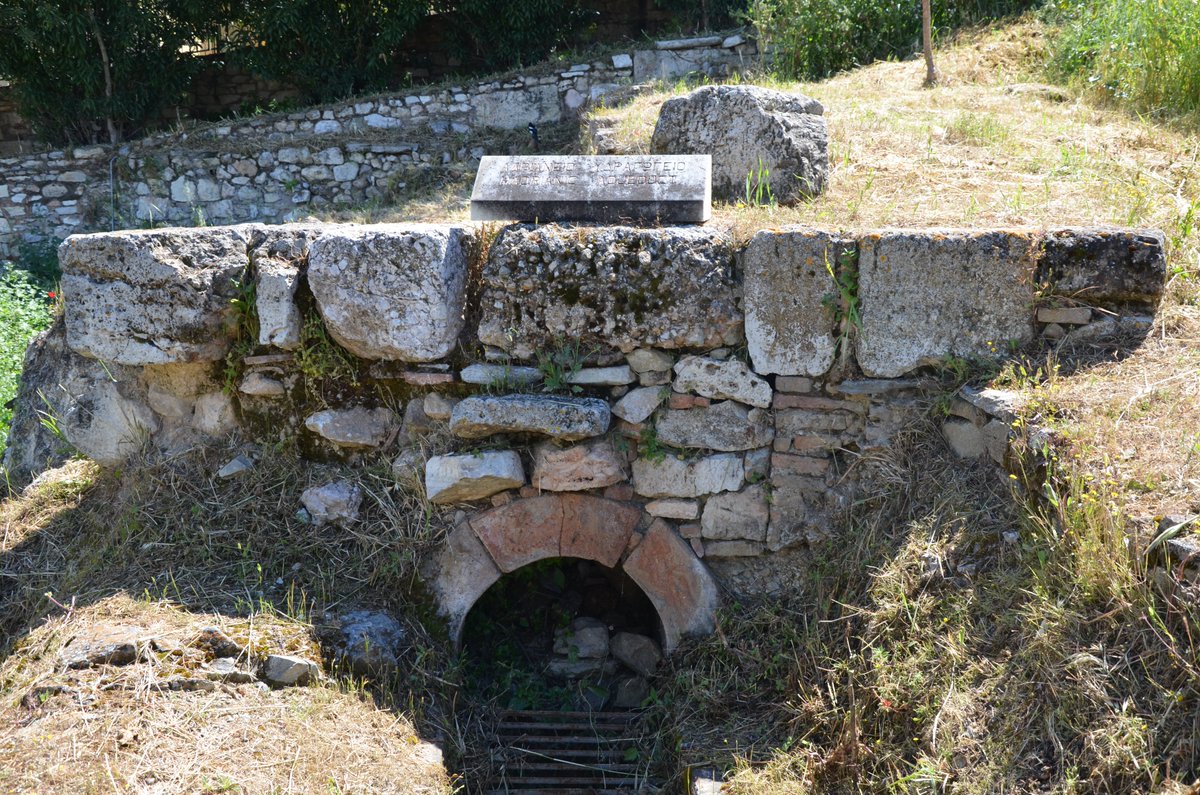
#WorldWaterDay 💧To meet Athens' fundamental need for water, Hadrian commissioned the construction of a new aqueduct, which began in AD 125 and was completed during the reign of Antoninus Pius. Hadrian’s Aqueduct brought water from Mount Parnitha, some twenty kilometres away. It was an almost 20-kilometre-long underground tunnel, constructed manually by workers who dug 400 vertical shafts along the designated route. 👉 followinghadrian.com/2024/11/12/aut… Remnants of archaeology can still be seen in Athens, including a water reservoir on Lycabettus Hill, underground shafts at the Olympic Village, and an underground tunnel in the Ancient Agora. A dedicatory inscription on the architrave states that Antoninus Pius completed and inaugurated the aqueduct. The left side of the inscribed architrave is kept in the National Garden. The aqueduct continued to supply Athens with water into the twentieth century.
Following Hadrian tweet mediaFollowing Hadrian tweet mediaFollowing Hadrian tweet mediaFollowing Hadrian tweet media
English
1
31
162
3.6K
Rod Leonarder Ed.D retweetledi
Dr. M.F. Khan
Dr. M.F. Khan@Dr_TheHistories·
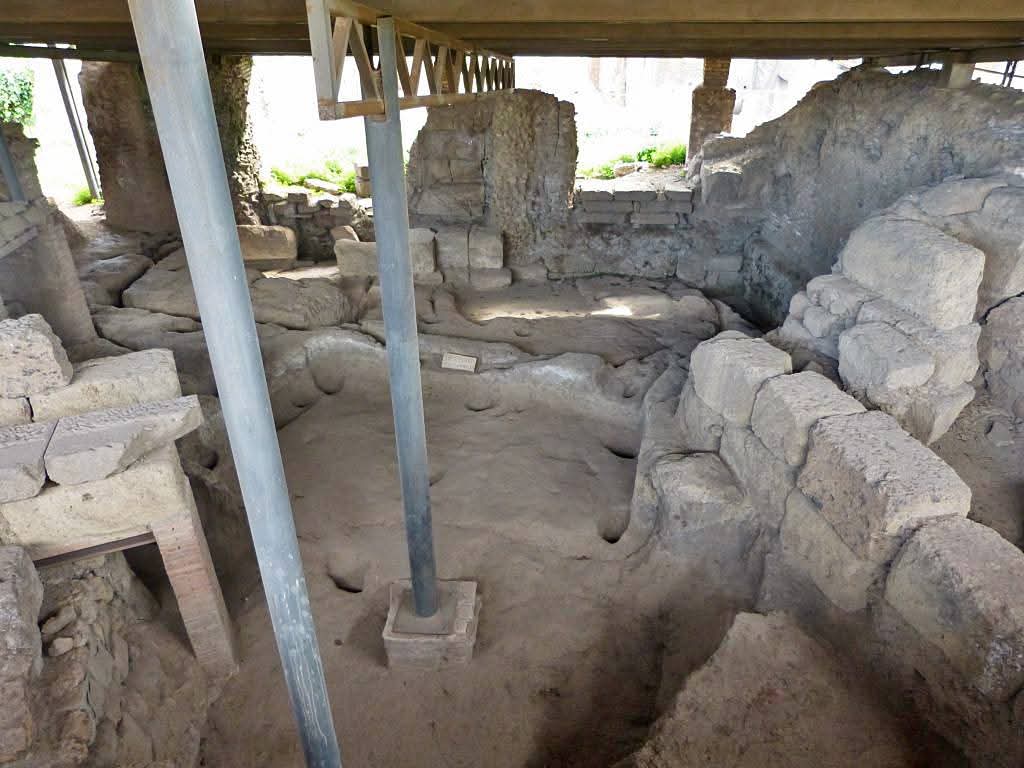
The Casa Romuli, or "Hut of Romulus," is traditionally considered the legendary dwelling of Romulus, the founder of Rome. Ancient sources describe it as a simple shepherd’s hut on the Palatine Hill, symbolizing Rome’s humble beginnings. Roman writers like Livy and Plutarch mention that it was preserved and restored multiple times throughout history, even into the Imperial era, because it embodied the city’s origin story and the values of simplicity and resilience. Archaeological evidence suggests that early Iron Age huts on the Palatine Hill match the descriptions of Casa Romuli: oval-shaped, built with wooden posts, wattle-and-daub walls, and thatched roofs. These huts were typical of Latium in the 8th century BCE, aligning with the traditional date of Rome’s founding in 753 BCE. For Romans, Casa Romuli wasn’t just a structure—it was a sacred symbol of continuity, reminding them of their mythic founder and the modest roots from which their empire grew. #drthehistories
Dr. M.F. Khan tweet media
English
2
26
145
6.4K
Rod Leonarder Ed.D retweetledi
Unearthed 🏺
Unearthed 🏺@UnearthedHQ·
😨 This Coffin Was Never Meant to Be Seen… Hidden beneath the sands of ancient Egypt, something waited in silence for thousands of years… untouched, unseen, and almost forgotten. When this massive human-shaped coffin was discovered near Theban Necropolis in the early 1900s, even experienced archaeologists were left stunned. Dating back to the powerful era of New Kingdom of Egypt, this giant sarcophagus was built not just to hold a body—but to protect a soul for eternity. Look closely at its face. Calm. Perfect. Almost… alive. The carved features are not random—they show how the person wanted to be remembered forever. The striped Nemes headdress, once worn by kings and gods, and the crossed arms over the chest weren’t just decoration. They were symbols of divine power… a message that the one inside had stepped beyond human life. But here’s what makes this discovery truly haunting. In the old photograph, a single worker stands beside it—small, almost insignificant compared to the towering coffin. That one moment captures something powerful: a meeting between two worlds. One alive… and one that believed death was only the beginning. What was placed inside? What rituals were performed? And what secrets were sealed within, never meant for human eyes again? Ancient Egyptians believed that disturbing a resting place could awaken something far greater than we understand. So the question is… Did we just discover history… or disturb something that was meant to sleep forever?
Unearthed 🏺 tweet media
English
9
108
612
16K
Rod Leonarder Ed.D retweetledi
Michael McGill 🏛
Michael McGill 🏛@mcgillmd921·
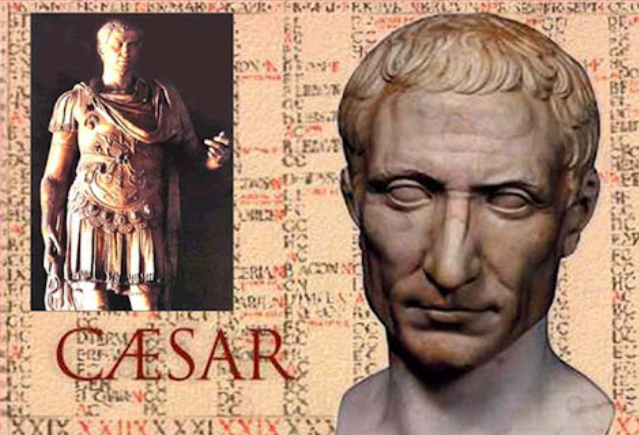
Before Caesar, the Roman calendar was a mess. By the 40s BC, it had drifted about three months out of sync with the solar year, and months could be manipulated for political purposes. Caesar’s reform in 46 BC created the Julian calendar, fixed the year at 365¼ days, and introduced the leap-year system that shaped the modern calendar for centuries. So the next time you check the date, set a meeting, or plan your week, give a little thanks to Julius Caesar. He didn’t just shape history. He helped organize it. 🏛️
Michael McGill 🏛 tweet media
English
11
57
484
8.1K
Rod Leonarder Ed.D retweetledi
Dream Destinations
Dream Destinations@TravelDestiny10·
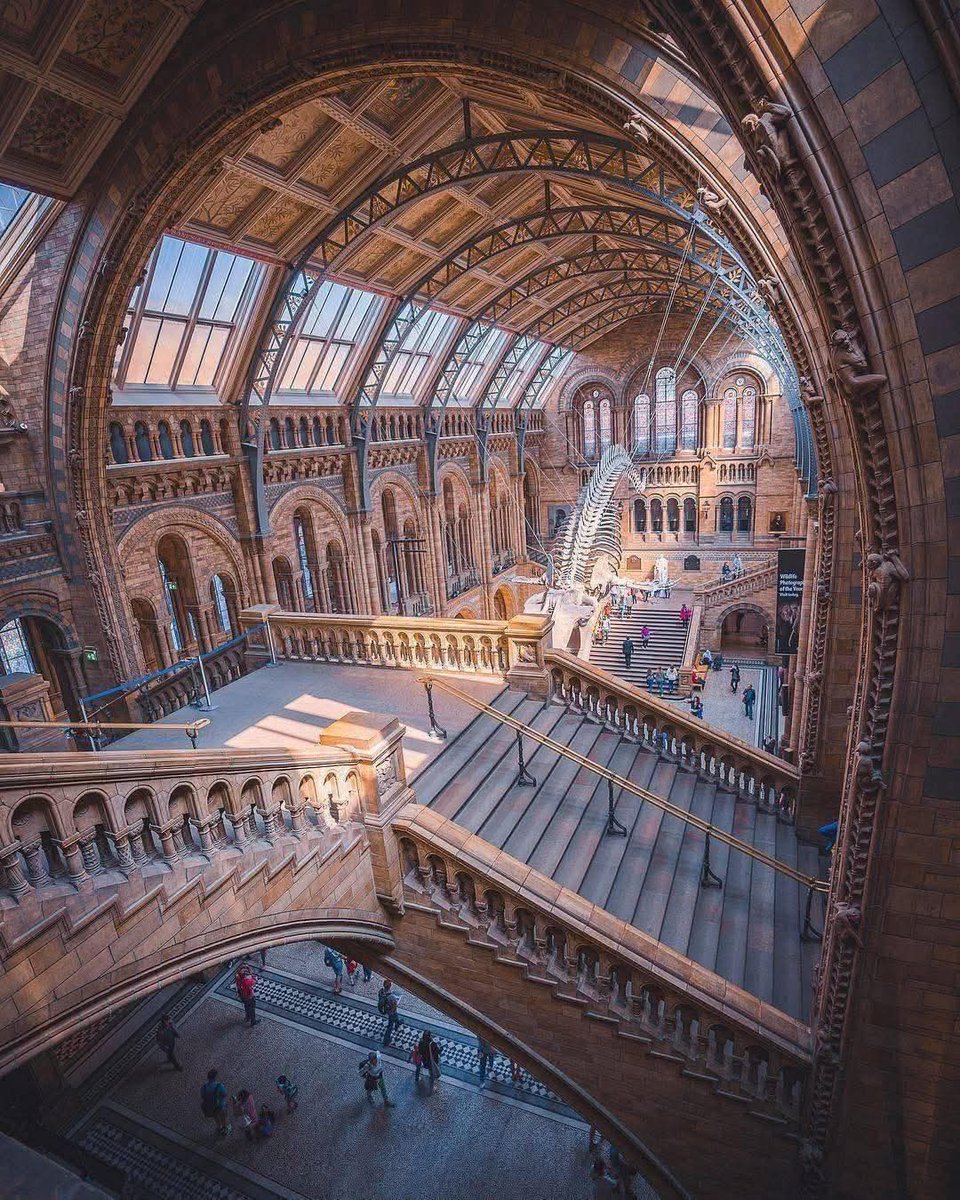
Natural History Museum in London, UK 🇬🇧
Dream Destinations tweet media
English
12
149
1.6K
16.1K
Rod Leonarder Ed.D retweetledi
Michael Warburton
Michael Warburton@TheMonologist·
‘La Noche de las Librerías’ - NIGHT OF THE BOOKSTORES’ - takes place in Buenos Aries. Over 200,000 people come out onto the streets to enjoy this incredible literary festival where resulting book sales approach nearly $400million.
English
324
5.7K
21.1K
987.7K
Rod Leonarder Ed.D retweetledi
The Best
The Best@Thebestfigen·
The ancient streets of Pompeii, frozen in time since 79 AD.
English
33
455
3.9K
79.8K