Popeye@SailorManCrypto
Successful Auction Theory in 4 key Points!
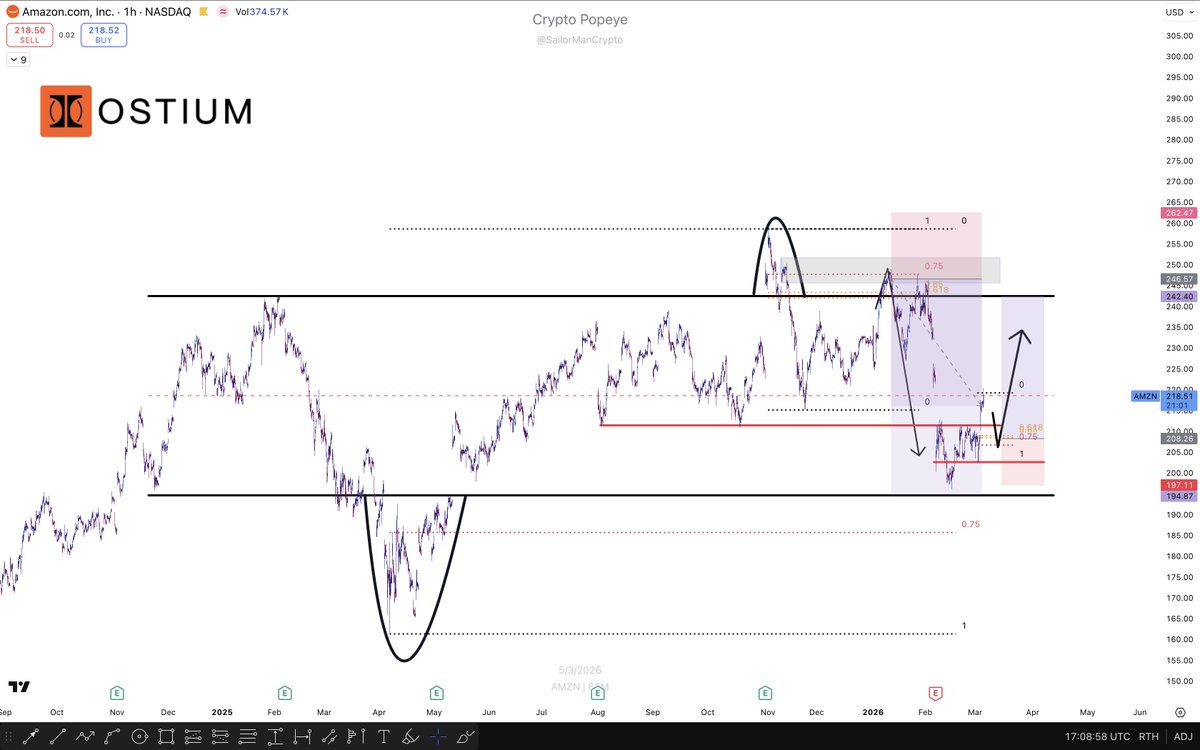
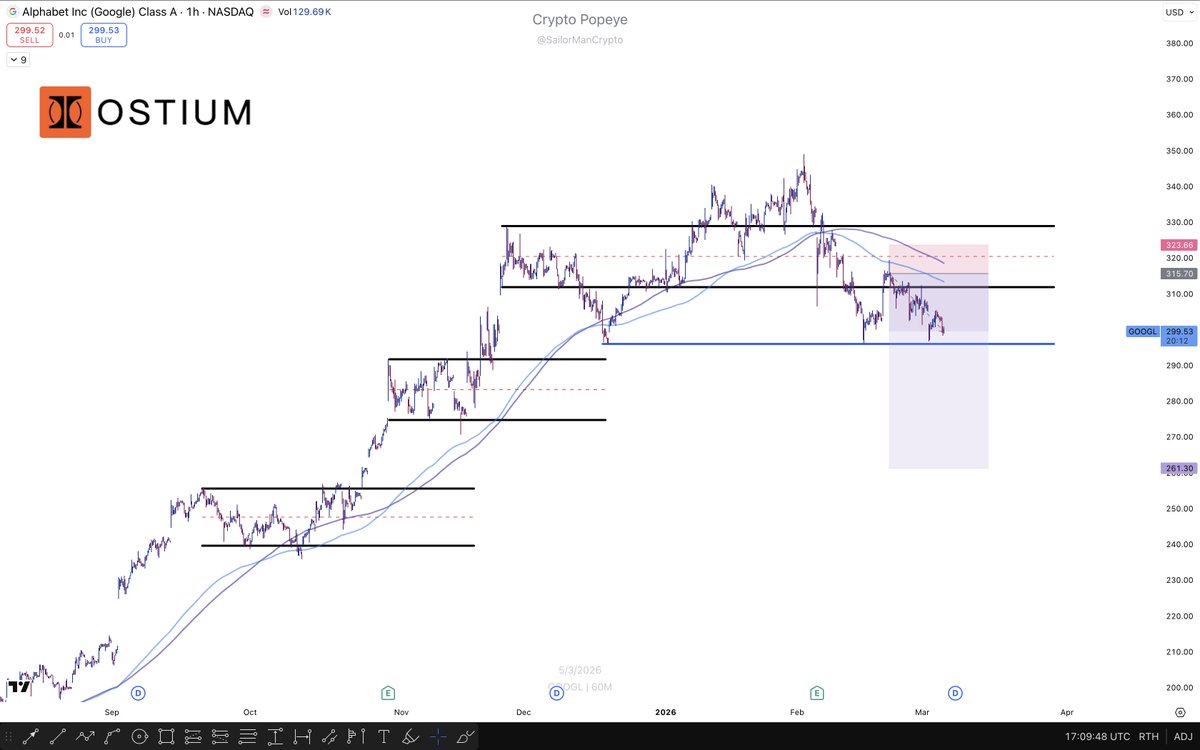
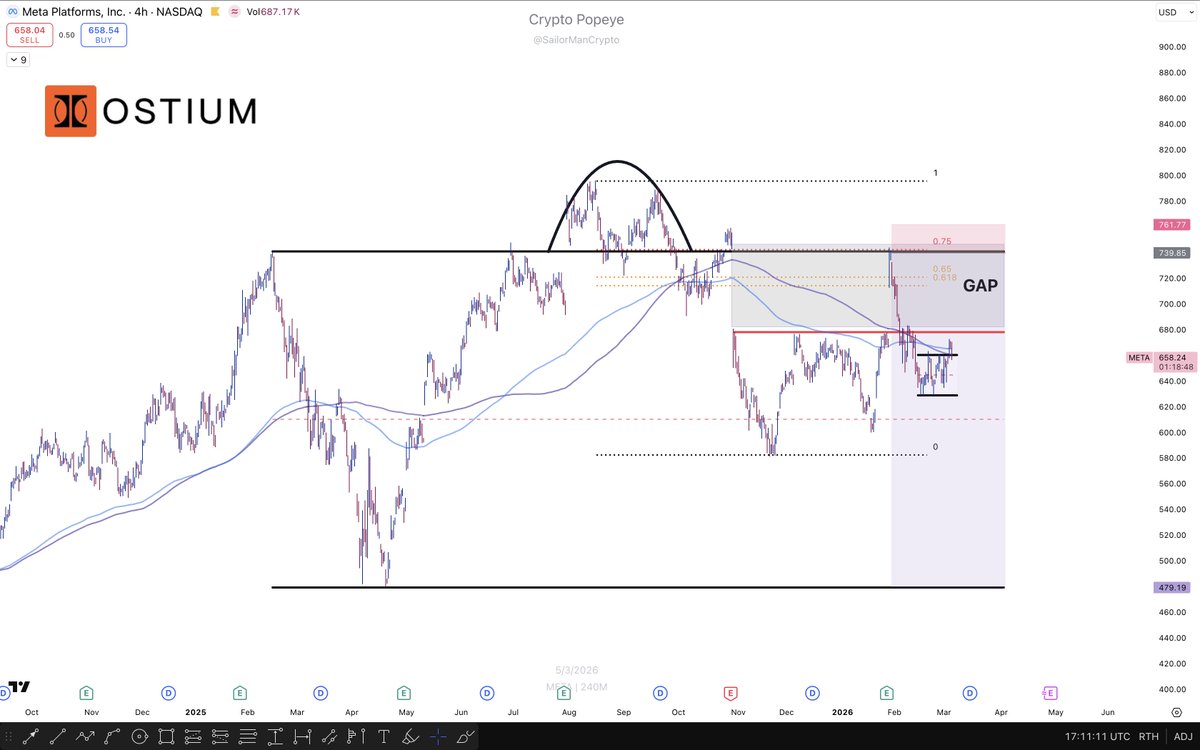
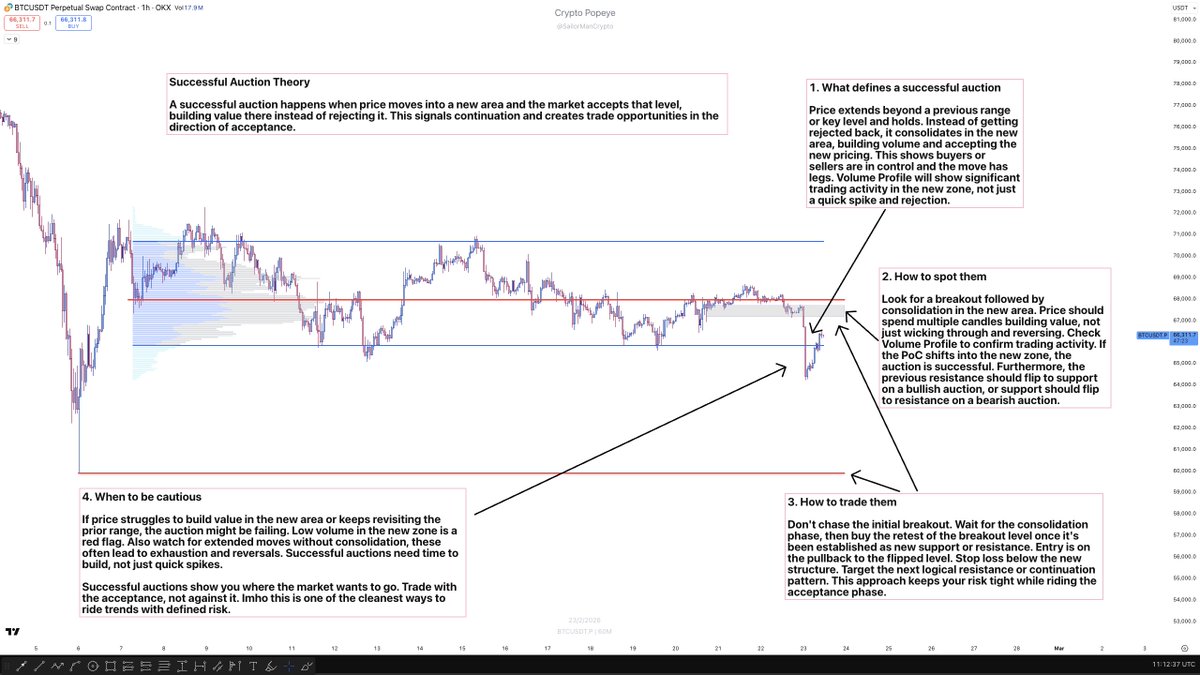
A successful auction happens when price moves into a new area and the market accepts that level, building value there instead of rejecting it. This signals continuation and creates trade opportunities in the direction of acceptance.
Here are the 4 key points:
1. What defines a successful auction
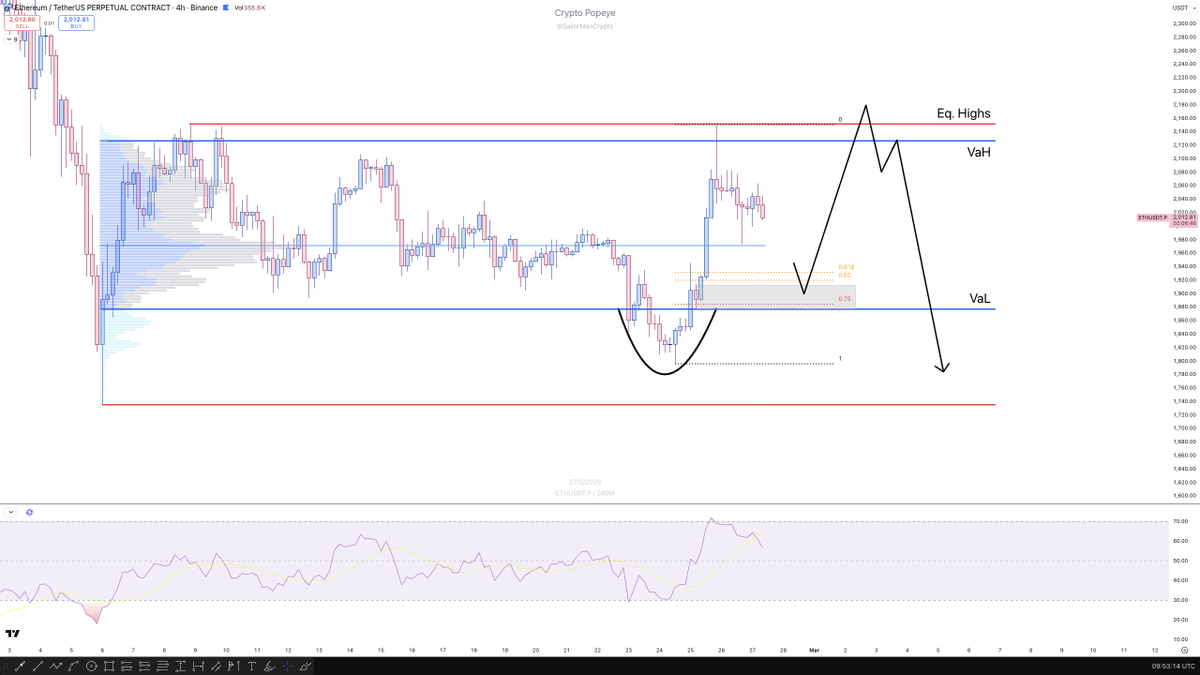
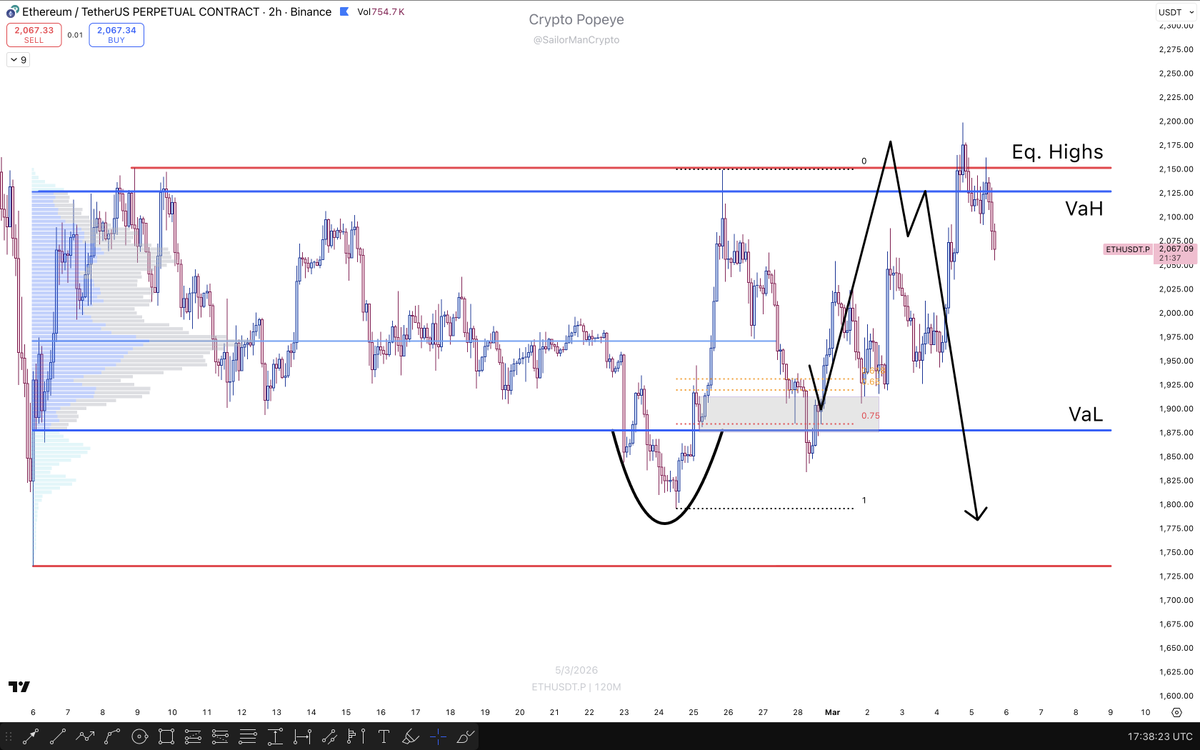
Price extends beyond a previous range or key level and holds. Instead of getting rejected back, it consolidates in the new area, building volume and accepting the new pricing. This shows buyers or sellers are in control and the move has legs. Volume Profile will show significant trading activity in the new zone, not just a quick spike and rejection.
2. How to spot them
Look for a breakout followed by consolidation in the new area. Price should spend multiple candles building value, not just wicking through and reversing. Check Volume Profile to confirm trading activity. If the PoC shifts into the new zone, the auction is successful. Furthermore, the previous resistance should flip to support on a bullish auction, or support should flip to resistance on a bearish auction.
3. How to trade them
Don't chase the initial breakout. Wait for the consolidation phase, then buy the retest of the breakout level once it's been established as new support or resistance. Entry is on the pullback to the flipped level. Stop loss below the new structure. Target the next logical resistance or continuation pattern. This approach keeps your risk tight while riding the acceptance phase.
4. When to be cautious
If price struggles to build value in the new area or keeps revisiting the prior range, the auction might be failing. Low volume in the new zone is a red flag. Also watch for extended moves without consolidation, these often lead to exhaustion and reversals. Successful auctions need time to build, not just quick spikes.
Successful auctions show you where the market wants to go. Trade with the acceptance, not against it. Imho this is one of the cleanest ways to ride trends with defined risk.