Elaine Letchford
3.1K posts


@bagshaw2112 Well done Steve 👏
Number 87
Wordle 1,806 3/6
⬜⬜🟨⬜⬜
🟩⬜🟩⬜🟩
🟩🟩🟩🟩🟩
#minileague
English

Wordle 1,806 3/6
#wordle1806x
BOOM 💥 love a #saturday birdie
🟩⬜🟨⬜🟨
🟩🟨🟩🟨🟩
🟩🟩🟩🟩🟩
PLEASE PLEASE send in your #minileague entries ASAP . Thank you 🙏
English
Elaine Letchford retweetledi


@thatdudereed_ It’s a tough result, but you’re still heading in the right direction. Keep going with your lovely lady by your side. Stick to the plan and you will succeed 👌🏼
English


This is what 51 looks like. Happy birthday to me.

English
@NiallHarbison I’m so sorry. You absolutely did the right thing for Apollo, I’m devastated to hear this has happened. Thinking of you and all the team 💔
English

@bagshaw2112 Well done Steve 👏
Number 87
Wordle 1,805 3/6
⬜⬜⬜⬜🟨
⬜⬜🟩🟩🟩
🟩🟩🟩🟩🟩
#minileague
English
Wordle 1,805 5/6
#wordle1805x
I’m just crap at this game 🤷🏻🤷🏻
⬜⬜⬜🟨🟨
🟩⬜🟩🟨⬜
🟩🟩🟩⬜⬜
🟩🟩🟩⬜⬜
🟩🟩🟩🟩🟩
Please send in your #minileague entries ASAP . Thank you 🙏
English

John Lacey comes home one evening to discover a letter from his wife telling him that she is leaving him. Lonely and now divorced, John joins a divorcee club and meets a diverse group of people.
Name the sitcom from the mid 80s



English
Elaine Letchford retweetledi

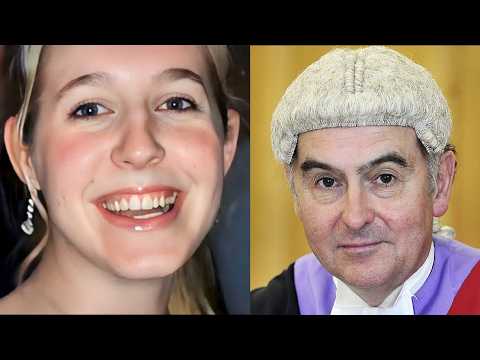
25 Judge Decisions That Went Against Lucy Letby youtu.be/5fPNkesjnKQ?si… via @YouTube
YouTube
English
@bagshaw2112 Number 87
Wordle 1,804 4/6
🟨⬜⬜⬜⬜
⬜🟨🟨⬜⬜
⬜🟨⬜🟨⬜
🟩🟩🟩🟩🟩
#minileague
English
Wordle 1,804 5/6
#wordle1804x
Asaaggghhhhhhh
⬜🟨⬜⬜⬜
🟨⬜🟨⬜⬜
⬜🟩🟨⬜⬜
🟩🟩⬜⬜🟩
🟩🟩🟩🟩🟩
PLEASE send #minileague entries ASAP . Thank you 🙏
English

Can you name this 1972 song or band before they start singing?
The lead singer said he wrote it imagining world leaders sitting on a hill listening to music instead of fighting.
A little unrealistic, maybe, but still a pretty great idea.
English
@CarlBovisNature Wipe your face, neck, arms with water but don’t dry off, then lay in front of your fan 🪭 💦
English

Who else is struggling in this heat... 🥵
Any tips for keeping cool at night?
I have a fan directed at the bed, but it's just circulating the hot air... 😒
English



Elaine Letchford retweetledi

I spent a large part of yesterday trying to explain to people who supposedly are proponents of science what a "confounding variable" is.
Rather than say the same thing again today to about 100 people in about 100 different replies, I'm going to write it all in one place, here.
When scientists do science, in the form of an experiment or study, they will ultimately write it up in a standard report format containing the same sections:
Abstract
Introduction
Method
Results
Discussion
References
One of the most important aspects of the Discussion is a critical analysis of what was done. What went well, what could have been done better, what should be done next time. In particular, the authors attempt to identify if there are any "confounders" which may have influenced the results and rendered them invalid.
Let's take the example of a medicine in a clinical trial. We might, if we are ethical scientists, want to study whether a particular medicine causes adverse effects to those taking it before letting it loose in the wild. So we might recruit some people for a trial, and divide them into two groups. The first receives the actual medicine, the second receives a placebo. We might then monitor the recruits for a few months (or, preferably, a much longer period) on a daily basis and note any illnesses suffered in both groups.
We would then do a statistical analysis on the results from the two groups. If the results of that analysis showed that there was no statistical difference in the levels and types of illness suffered in the two groups, we might then conclude that no adverse effects were caused by the medicine. If, on the other hand, there was a significant difference between the two groups, that would point towards the need for further study and might lead us to conclude that the medicine was the cause of the difference.
The key thing here with our experimental design is that we want to make sure that the two groups in the study - the experimental group who receive the medicine and the control group who do not - are, in every other way, identical. Because if they're not, those differences might have caused the effect we observed, rather than the differences we created in our experiment.
What factors might make these two groups different?
1. Age differences. If one group was older, we might expect they might suffer more illness than the younger group.
2. Gender. Dependent on the medicine, males or females might be more affected. If the groups weren't balanced for gender, this might distort the reported illness results.
3. Health differences. If one group had poorer general health than the other at the beginning of the trial, we might expect them to report more illness during the trial.
These are all examples of "confounding variables". Factors which we did not control but which might influence the outcome and render our results invalid.
So in our experimental design we would want to make sure the experimental group and the control group are closely matched for age, gender and health status.
Which brings me onto climate change.
Climate scientists contend that Carbon Dioxide created by human activity in the industrial age is causing global atmospheric temperatures to increase.
As evidence, they point to an increase in global atmospheric temperatures over the last 200 years or so.
So far so good. Temperatures have, broadly, risen during that time. There are plenty of other things to criticise about this hypothesis and about climate "science" in general but that is for another time.
Yesterday we saw, all over the media, headlines about new record May temperatures of 35 degrees at Kew and Heathrow, and below the headlines was text saying that experts were saying this was another example of evidence of how the climate is warming.
Now I don't deny that it's been hot the last couple of days - where I am it has been around 32 degrees - so I don't doubt that the May record may have been broken somewhere in the country.
But the specific problem I have is with the temperatures at Heathrow and Kew, or indeed anywhere close to London or a big urban area being used as the evidence that the May record has been broken,or that they are evidence of atmospheric warming.
Why? Because of a confounding variable.
When we say a temperature record has been broken, we need to make sure we are comparing apples with apples. So not only do we need to compare temperatures that were measured in the same site using the same type of equipment in both instances - we need to make sure that the sites themselves have not changed.
We know that modern urban areas create a "heat island" effect. The expanses of heat-retaining materials like concrete, asphalt and cement retain heat during the day and release it slowly overnight, leading to higher daytime and nighttime temperatures. Added to which are the many buildings and vehicles in urban areas generating their own heat. All of this means that temperatures in, or close to, an urban area are typically several degrees warmer than in countryside some distance away.
Given the expansion and urbanisation of London over the last century, this effect will only have grown over time.
Arup measured this effect in London and concluded that temperatures there are often 4.5 degrees hotter than in the surrounding countryside (see first comment for link).
This effect obviously varies between different parts of London, as shown on the heat map, and reduces as you move away from central London, but even at Kew, the effect is estimated to cause temperatures to be 0.9 degrees higher than would be the case if Kew was sited in the countryside.
And Heathrow clearly creates its own heat island effect given the scale of the airport and the big expanses of heat absorbing materials there.
So if we are going to use temperatures measured in, or close to, London as evidence of atmospheric warming, we have a problem. We have a significant confounding variable. The warming caused by the heat island effect is going to add to any warming in the atmosphere, and give us an exaggerated result.
You can perhaps forgive tabloid newspapers for running headlines about this, just quoting the raw temperatures measured. They want to make money and it being very hot outside is a great news story. And urban areas becoming increasingly hot in summer is an issue in its own right.
But what is unforgiveable is people who claim to be scientists using these measurements as evidence of atmospheric warming, when there's such a glaring confounding variable influencing the data.
How would a proper scientist deal with this confounder?
Well, they might say "from now on, we will only use temperatures from rural weather stations which are not subject to urban heat island effects, and we will only declare records on the basis of those measurements"
And they might say "we will not use temperature measurements from areas subject to urban heat island effects as evidence of atmospheric warming".
But the Met Office and the climate science people aren't saying that. They're going with the artificially inflated temperatures. Because they have an agenda to push, a vast Net Zero industry to sustain, research grants to chase, and any evidence, however shonky, which backs up the global warming narrative is welcome.
This isn't science!

English

I don't know who's in the seat today, but isn't it PMQ's? I feel there is an urgent need to rebrand the Parliamentary segment to something a little more descriptive.
We are all fully aware that Starmer never gives a direct, definitive answer to a simple question. In simple terms he lies.
So what could be the new name for 'Prime Ministers Question Time'?
English

Why do so many people over 50 years old drink their coffee black?
🤔
English

@bagshaw2112 Number 87
Wordle 1,803 3/6
⬜⬜⬜⬜⬜
🟩🟩⬜⬜⬜
🟩🟩🟩🟩🟩
#minileague
English
Wordle 1,803 5/6
#wordle1803x
I hate this game sometimes 🤷🏻🤷🏻🙈
🟩🟩⬜⬜⬜
🟩🟩⬜⬜⬜
🟩🟩⬜⬜⬜
🟩🟩🟩⬜⬜
🟩🟩🟩🟩🟩
Please send your #minileague entries ASAP . Thank you 🙏
English