Lily

20.7K posts

Lily banner
Lily

Lily

@Lizzabuth

Semi retired I'm really worried about the direction the West is heading. Can we still turn things around? I hope so.

Katılım Şubat 2020
452 Takip Edilen313 Takipçiler
Lily retweetledi
Sama Hoole
Sama Hoole@SamaHoole·
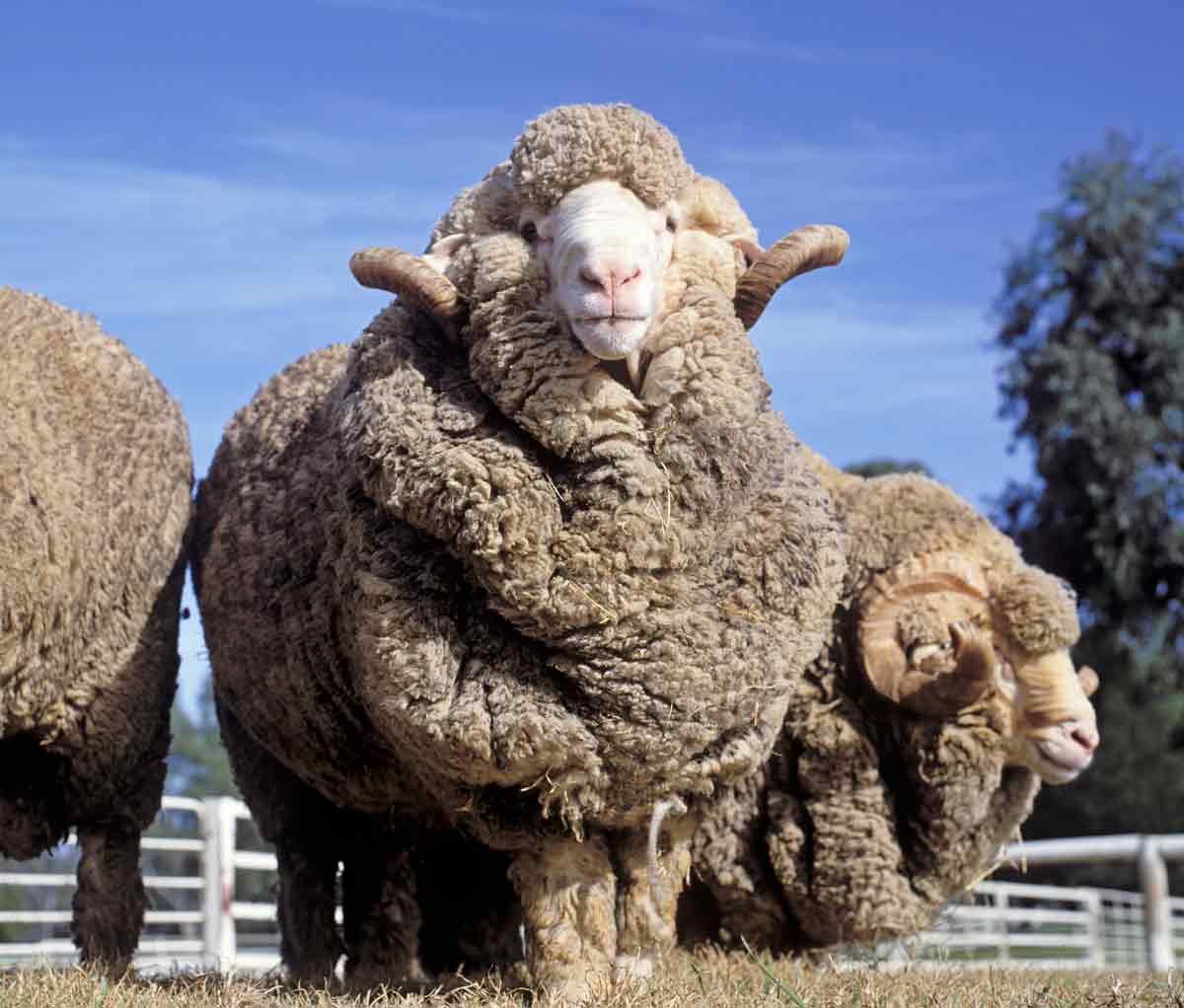
British sheep produce around 22,000 tonnes of wool a year. A renewable fibre, sheared from a living animal that regrows it for the next season, used for carpets, insulation, textiles, jumpers, and traditional products that outlast the sofa. The environmental alternative is polyester. Spun from crude oil. Manufactured in a refinery. Non-biodegradable. Sheds microplastics with every spin of the washing machine. Ends up in every river, every ocean, every fish, every lung. A single polyester fleece can shed up to 250,000 microfibres in one wash. But the sheep grazing a Welsh hillside on rainwater is the problem, and we should all be wearing more crude oil instead. The mental gymnastics required to call wool environmentally harmful while promoting polyester is Olympic-level. Wool: renewable, biodegradable, grown on grass, naturally flame-resistant, insulates wet or dry, lasts decades, returns to soil at the end of its life. Polyester: fossil fuel, never biodegrades, sheds microplastics for centuries, needs chemical flame retardants, manufactured in conditions that poison the air for the workers handling them. Yet environmental groups campaign against wool while wearing fleece jackets pumped out of oil rigs in Texas. The sheep is not the problem. The activist in the polyester gilet is.
Sama Hoole tweet media
English
41
606
1.7K
14.1K
Lily retweetledi
David Perell
David Perell@david_perell·
I’m making a TV show! Here’s why: When I was moving to New York, I told my leasing agent that I wanted a place with charm and character. She told me that if that’s what I want, I need to look for apartments built before World War II. “So you’re saying we’ve basically built nothing with charm and character in the past 80 years?” “That’s right.” This is happening all over the world. The same boring and generic style has spread to the entire world. 150 years ago, new buildings in Shanghai looked nothing like the ones in Rome or Tokyo or San Francisco or Buenos Aires. The architecture of each place was as varied as the landscape itself. And it’s not just the sameness of the modern world that has me scratching my head, but also the carelessness behind so much of what’s built these days. We boast about the triumphs of technology and how advanced we are as a civilization, but why has our built environment regressed so much? Shouldn’t we use our wealth to make our streets more charming and delightful? There’s lots of talk about how we’ve polluted the natural world, but what about how we’ve polluted the man-made world? We’ve filled our streets with ugly railings, benches, lampposts, and clutter. We assume these things have to be boring, but they don’t. Good design can make everything, even bins and bus stops, charming. New things can be prettier than old things. The first step is believing it’s possible. Something has changed. We’ve taken a dramatic turn, and the majority of people prefer what we used to build to what we build today. Just look at where people take photos. In New York it’s the steps of brownstones in the West Village; in San Francisco it’s the old Victorian homes; in London there’s tourists galore in front of those iconic red phone booths which remain on the streets, even though they don’t work anymore, because they’re so nicely designed that people like having them there. All this is what inspired me to make a TV show. First: a pilot episode which now has 5.4 million views, 23,000 comments, and 379,000 likes. It also has 241,000 YouTube subscribers from that one video, which is just about unheard of for a new channel. And now: a full-on, six-episode series. But when I pitched Hollywood on the idea, they said cultural series of this sort don’t work: “The only kinds of documentaries that get funded are about sports, music, nature, or true crime.” Huh? How can that be? People are interested in culture. The problem is most culture documentaries are terrible. They fail in one of two ways: (1) people dumb down the ideas in patronizing ways, or (2) people use so much jargon and high-falutin language that it becomes boring and inaccessible. This is why I’m producing this work. It’ll be called The Modern World, and it’ll be a tour of art & architecture through the eyes of Sheehan Quirke, who goes by @culturaltutor. It’s our ambition to do for the man-made world what Planet Earth did for the natural world. To use cinematic imagery and simple language in a way that everybody can understand. And to be rigorous, but not in a way that feels like school or your know-it-all friend who never stops talking. The potential here is huge. Architecture impacts literally every person on earth. What we build shapes the moods of people and the spirit of our culture. We’ll film in six countries (the United Kingdom, Belgium, France, Germany, Italy, and the United States) to produce six 30-minute episodes which we hope to publish on a major streaming service. We’re currently in the fundraising stage, and production begins once we’ve raised the money. It’s our mission to help people see the world more clearly, and in turn, make the world a more charming and delightful place to live in.
The Cultural Tutor@culturaltutor

I’m making a show about buildings. The concept is simple: do for the man-made world what Planet Earth did for the natural world. But, when I pitched the idea, the answer was that nobody would watch it. So I released a pilot episode on YouTube. It’s got 5.4 million views, 379k likes, and 23k comments. People are interested, and now it’s time to make the full show. Six episodes, filming in the UK, France, Belgium, Germany, Italy, and the USA, and releasing on a streaming service like HBO, Netflix, or Prime. Why does this show matter? First: we’re surrounded by buildings all the time. Look around yourself, right now… what do you see? Buildings are the logical conclusion of everything a society believes in. That’s the real focus of this show: not the buildings themselves, but what they say about us. Second: there’s global dissatisfaction with modern architecture. This feeling gets written about online, but nobody’s given a voice to it on film or TV. That’s what this show will be. But this isn’t just about criticising modernity. That’s easy. This is about learning from the past in order to understand and improve the present, for everybody. Third: there’s a drought of high-quality culture shows. When I spoke to film executives they said that only documentaries about sports, music, or true crime get funded. That’s a colossal missed opportunity. Galleries are always full, content about architecture goes viral online all the time, and people spend their precious holidays visiting beautiful cities. Why no shows about architecture, then? Tourists flock in their millions to see (for example) the buildings of Antoni Gaudí in Barcelona. But, if you asked those same people if they’re interested in “architecture”, they’d probably say no. To put that another way: not many people want to watch “a show about architecture”, but lots of people want to watch a show that illuminates the real world they’re living in, each and every day. What will the show be like? Six episodes, going chronologically through history and arriving at the present, each focussing on the architecture and design of a specific period: 1. Middle Ages 2. Renaissance 3. Enlightenment 4. The Nineteenth Century 5. Art Nouveau & Art Deco 6. Present Day But, in each case, the point isn’t just to learn about that era; the point is to learn about our modern world through those eras and what they’ve left behind. If you watch the pilot episode (included below) you’ll see what I mean. So the show’s not really “about” the past; it’s about the twenty-first century. That’s why it’s called The Modern World. When you think of a typical history show there are loads of interviews, stock footage, archive photos, historical recreations, and graphics. We’re doing none of that. Everything will be filmed on location, because we’re telling our story only through the real world that exists right now. And, rather than going to the most obvious places, we’ll focus on buildings that aren’t well-known but should be more famous. But that’s all big picture; what will it be like on screen? Buildings used to look different in every country, and now they look the same. Why? Because the weather is different everywhere, and buildings were always a way of dealing with that weather, using local materials. Now we have air conditioning and we ship concrete around the world, so we don’t need to design our buildings with regard to local weather or rely on local materials. Look at really old clocks and you’ll notice something: they don’t have a second hand… because it was only invented 300 years ago! Then you look at the present and you realise we’re surrounded by timers, by seconds ticking down and ticking up relentlessly. If we’re looking for a cause of our anxiety-inducing culture, that might be it. When you spend time with the sun-softened bricks and time-warped timbers of old cities you notice that synthetic materials like plastic have taken over. When we’re surrounded by things that feel temporary, how do you think it makes us feel? It’s only by seeing 19th century train stations, designed like cathedrals, that you realise tradition and technology aren’t enemies. New things don’t have to look boring: if the Victorians had designed AI data centres, they’d look like Medieval castles. In the 1920s, at the zenith of Art Deco, people believed technology would uplift humanity. That’s why they decorated their buildings with statues inspired by electricity. Only by seeing their enthusiasm can we realise our own cynicism, and perhaps begin to fix it. All of that… and much, much more. But, above all else, this show is about a way of seeing. If you want to understand any society then you need to look at what it creates, not what it says about itself. There’s a worldview in every single object; our skyscrapers are designed the same way as our phones. Learn to look at this world, to notice its details, and everything else starts to make sense. What now? I’ve been quiet online recently because I’ve been researching and working on scripts for six full-length episodes. Production begins when we’ve raised the funding. The Modern World is coming.

English
134
128
1.5K
459.1K
Emma
Emma@Avabelly__·
Everybody keeps saying “Snow”… but I feel like I deserve something a little more unique 🤍 What name would you give this sweet white kitty?
Emma tweet media
English
13.3K
316
7.3K
1.3M
Beyza
Beyza@hicasamadim·
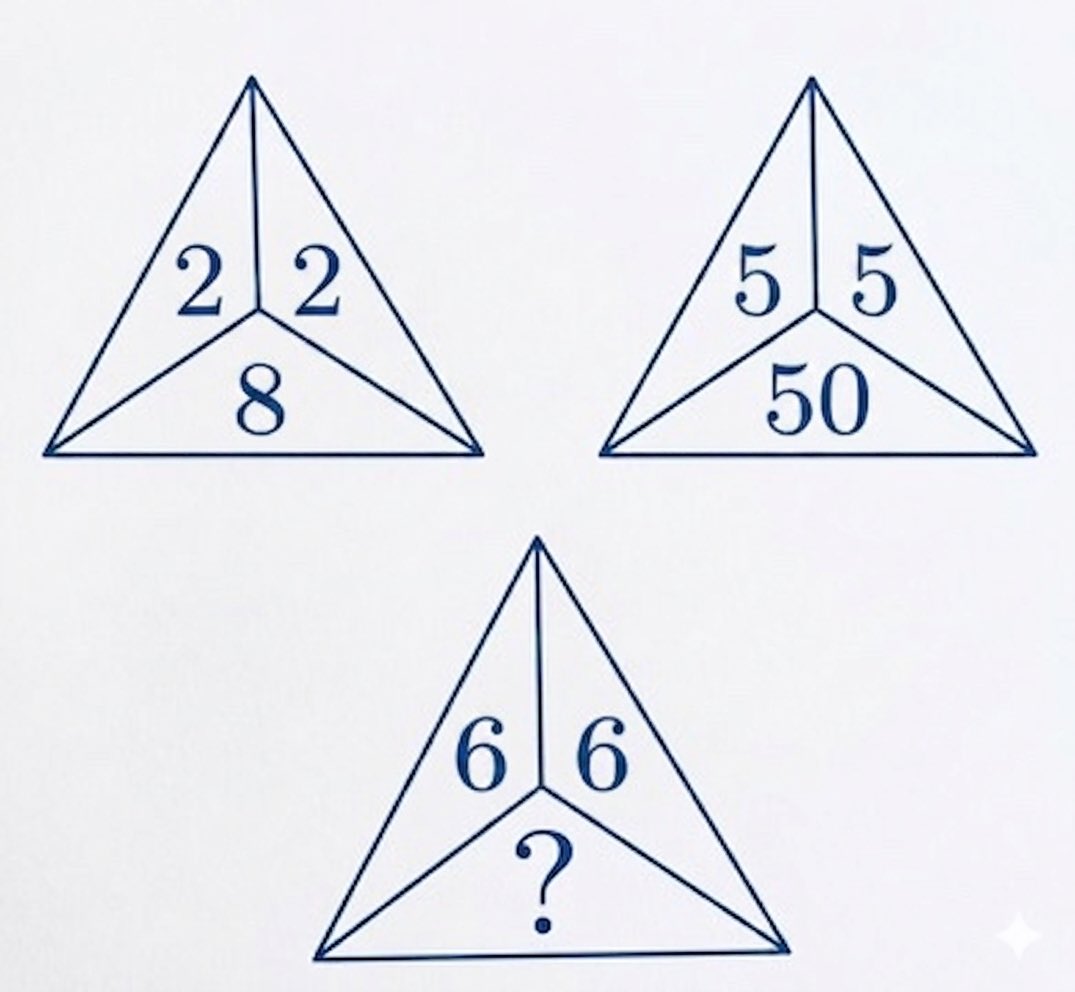
bunu çözersen, IQ seviyen ortalamanın üstündedir. çözebilir misin?
Beyza tweet media
Türkçe
163K
1.8K
32.8K
23.8M
Lily retweetledi
The Cultural Tutor
The Cultural Tutor@culturaltutor·
I’m making a show about buildings. The concept is simple: do for the man-made world what Planet Earth did for the natural world. But, when I pitched the idea, the answer was that nobody would watch it. So I released a pilot episode on YouTube. It’s got 5.4 million views, 379k likes, and 23k comments. People are interested, and now it’s time to make the full show. Six episodes, filming in the UK, France, Belgium, Germany, Italy, and the USA, and releasing on a streaming service like HBO, Netflix, or Prime. Why does this show matter? First: we’re surrounded by buildings all the time. Look around yourself, right now… what do you see? Buildings are the logical conclusion of everything a society believes in. That’s the real focus of this show: not the buildings themselves, but what they say about us. Second: there’s global dissatisfaction with modern architecture. This feeling gets written about online, but nobody’s given a voice to it on film or TV. That’s what this show will be. But this isn’t just about criticising modernity. That’s easy. This is about learning from the past in order to understand and improve the present, for everybody. Third: there’s a drought of high-quality culture shows. When I spoke to film executives they said that only documentaries about sports, music, or true crime get funded. That’s a colossal missed opportunity. Galleries are always full, content about architecture goes viral online all the time, and people spend their precious holidays visiting beautiful cities. Why no shows about architecture, then? Tourists flock in their millions to see (for example) the buildings of Antoni Gaudí in Barcelona. But, if you asked those same people if they’re interested in “architecture”, they’d probably say no. To put that another way: not many people want to watch “a show about architecture”, but lots of people want to watch a show that illuminates the real world they’re living in, each and every day. What will the show be like? Six episodes, going chronologically through history and arriving at the present, each focussing on the architecture and design of a specific period: 1. Middle Ages 2. Renaissance 3. Enlightenment 4. The Nineteenth Century 5. Art Nouveau & Art Deco 6. Present Day But, in each case, the point isn’t just to learn about that era; the point is to learn about our modern world through those eras and what they’ve left behind. If you watch the pilot episode (included below) you’ll see what I mean. So the show’s not really “about” the past; it’s about the twenty-first century. That’s why it’s called The Modern World. When you think of a typical history show there are loads of interviews, stock footage, archive photos, historical recreations, and graphics. We’re doing none of that. Everything will be filmed on location, because we’re telling our story only through the real world that exists right now. And, rather than going to the most obvious places, we’ll focus on buildings that aren’t well-known but should be more famous. But that’s all big picture; what will it be like on screen? Buildings used to look different in every country, and now they look the same. Why? Because the weather is different everywhere, and buildings were always a way of dealing with that weather, using local materials. Now we have air conditioning and we ship concrete around the world, so we don’t need to design our buildings with regard to local weather or rely on local materials. Look at really old clocks and you’ll notice something: they don’t have a second hand… because it was only invented 300 years ago! Then you look at the present and you realise we’re surrounded by timers, by seconds ticking down and ticking up relentlessly. If we’re looking for a cause of our anxiety-inducing culture, that might be it. When you spend time with the sun-softened bricks and time-warped timbers of old cities you notice that synthetic materials like plastic have taken over. When we’re surrounded by things that feel temporary, how do you think it makes us feel? It’s only by seeing 19th century train stations, designed like cathedrals, that you realise tradition and technology aren’t enemies. New things don’t have to look boring: if the Victorians had designed AI data centres, they’d look like Medieval castles. In the 1920s, at the zenith of Art Deco, people believed technology would uplift humanity. That’s why they decorated their buildings with statues inspired by electricity. Only by seeing their enthusiasm can we realise our own cynicism, and perhaps begin to fix it. All of that… and much, much more. But, above all else, this show is about a way of seeing. If you want to understand any society then you need to look at what it creates, not what it says about itself. There’s a worldview in every single object; our skyscrapers are designed the same way as our phones. Learn to look at this world, to notice its details, and everything else starts to make sense. What now? I’ve been quiet online recently because I’ve been researching and working on scripts for six full-length episodes. Production begins when we’ve raised the funding. The Modern World is coming.
English
276
775
7.5K
1.3M
Jen k 🇬🇧🏴󠁧󠁢󠁥󠁮󠁧󠁿
If the WHO is saying that Ebola is spreading fast then why is our Government not stopping the Dinghy’s arriving? Surely that’s the first thing they would do wouldn’t they?
English
393
1.5K
7.9K
80.6K
Lily retweetledi
Ethan Levins 🇺🇸
Ethan Levins 🇺🇸@EthanLevins2·
21 TOTAL children’s bodies recovered after a Ukrainian drone attack on a dormitory. They were killed in their sleep.
English
239
1.5K
3.3K
53.4K
Lily retweetledi
No Farmers, No Food
No Farmers, No Food@NoFarmsNoFoods·
Butcher’s steak 🥩 v Supermarket steak 🥩 Spot the difference.
English
87
871
3K
107.4K
Lily retweetledi
Mark Evans 🏴󠁧󠁢󠁷󠁬󠁳󠁿
Petition: Ensure access to non-whole meal flour without folic acid fortification We call on the Government to amend the law to ensure there are at least one non-wholemeal flour option without folic acid fortification, and to exempt organic flour from mandatory folic acid fortification requirement from December 2026. petition.parliament.uk/petitions/7514…
English
32
454
707
9.4K
Lily
Lily@Lizzabuth·
@ABridgen We all need to get back to baking our own bread from scratch, either with a bread maker or without Problem is going to be finding the unfortified flour, as I understand they want to add it to all flour not just bread
Lily tweet media
English
1
0
1
216
Andrew Bridgen
Andrew Bridgen@ABridgen·
Synthetic folic acid is being introduced to all flour in the UK including ‘organic flour’. No debate in our Parliament and no vote. Mass medication with something which will cause more harm than benefit in the those ( all of us ) who are exposed to it. Does that sound familiar ?
Dr Tim Kelly@DrTimothyKelly

Folic Acid has been shown by RCT to more than double the risk of prostate cancer. The mandatory "fortification" (new speak for contamination) of our food with a synthetic drug that causes serious harm is an unethical violation of informed consent. It must be stopped.

English
421
3.7K
8K
233.3K
Lily retweetledi
James Lucas
James Lucas@JamesLucasIT·
Oxford University is older than the Aztec Empire, the Ming dynasty of China, the Inca Empire, the Māori settlement of New Zealand, and the Ottoman Empire.
English
110
707
5.2K
192.1K
Lily retweetledi
Tommy Robinson 🇬🇧
Tommy Robinson 🇬🇧@TRobinsonNewEra·
Drone Footage Reveals the TRUE Size of the UTK Rally - The MSM Won't Show This! Share this far and wide! We won on May 16th! Thank you to everyone that attended, spoke and was involved in the running of this beautiful, peaceful, patriotic event! COME ON!!!!!
English
1.2K
19.2K
61.6K
1M
Massimo
Massimo@Rainmaker1973·
People who have found themselves in museums
English
148
3K
20.6K
910K
Lily
Lily@Lizzabuth·
@NiallHarbison I would have called him gizmo with those ears, or dobby Hope he gets better soon Thanks for helping him
English
0
0
1
115
Niall Harbison
Niall Harbison@NiallHarbison·
He is absolutely tiny. I called him Jimbo. His ears did not come with an instruction manual either (6/7)
Niall Harbison tweet mediaNiall Harbison tweet media
English
81
428
11.7K
94.8K
Niall Harbison
Niall Harbison@NiallHarbison·
I was out for a jog last night and spotted this boy. He is tiny and I could tell he was utterly broken from living on the streets. I couldn’t get him out of my head so we went back today… (1/7) 🧵
Niall Harbison tweet media
English
397
2.4K
24.2K
414.2K
Lily
Lily@Lizzabuth·
@NicoFvL2 The hairline is different But they are remarkably similar
English
0
0
0
115
Roy Rogers Happy Trails Music Shop 
Hannes Bieger completely lost in this massive wall of modular Moog synths playing “Black Hole” 🤯🌌 This isn’t just performing — it’s conducting an entire living, breathing analog universe in real time. Question for musicians or anyone that wants yo weigh in: Would you rather spend years mastering one instrument… or have the freedom (and beautiful chaos) of building sounds from scratch with a setup like this?
English
133
514
2.7K
168.9K