

stpp
7.7K posts


BREAKING: $TSLA SELF-DRIVING “AVOIDS” CRASH DESPITE SMOKE AND DUST 👀
This is incredible !
English

马斯克出扫地机了?没错,今天网友在德州特斯拉超级工厂,看到这一款超级大的扫地机,正忙着干活。为什么要设计的如此工业感?这么大?没有居家风?原来,这个大个子扫地机,是专门为数百万平方英尺的超大型厂房而设计。其庞大的体积容纳了宽阔的清洁路径、巨大的水/清洁剂箱、强劲的电池以及工业级自主技术,无需频繁加水或停机即可高效清洁。
是规模大的优势,自然胜出?还是希望它更有亲和力一点?
反正,我再等等,老马估计会出家用版😂😅
KUNLUN昆侖@Kunluntalk
今天,这中推上,怎么就没人出来,查一下公布一下?伊朗革命卫队用自家一颗导弹,炸的是伊朗的小学?还是幼儿园?当初个个义愤填膺,为伊朗伸张正义,责骂美国涂炭生灵,今天,你们都哑巴了?你们的同情心呢?善良呢?正义呢? 你们都是一帮坏人,一肚子坏水,一脑子坏SHI…
中文


This is awesome, Elon has a has a fully autonomous floor cleaner at Giga Texas.
Elon Musk@elonmusk
Nice work, Giga Texas team!
English
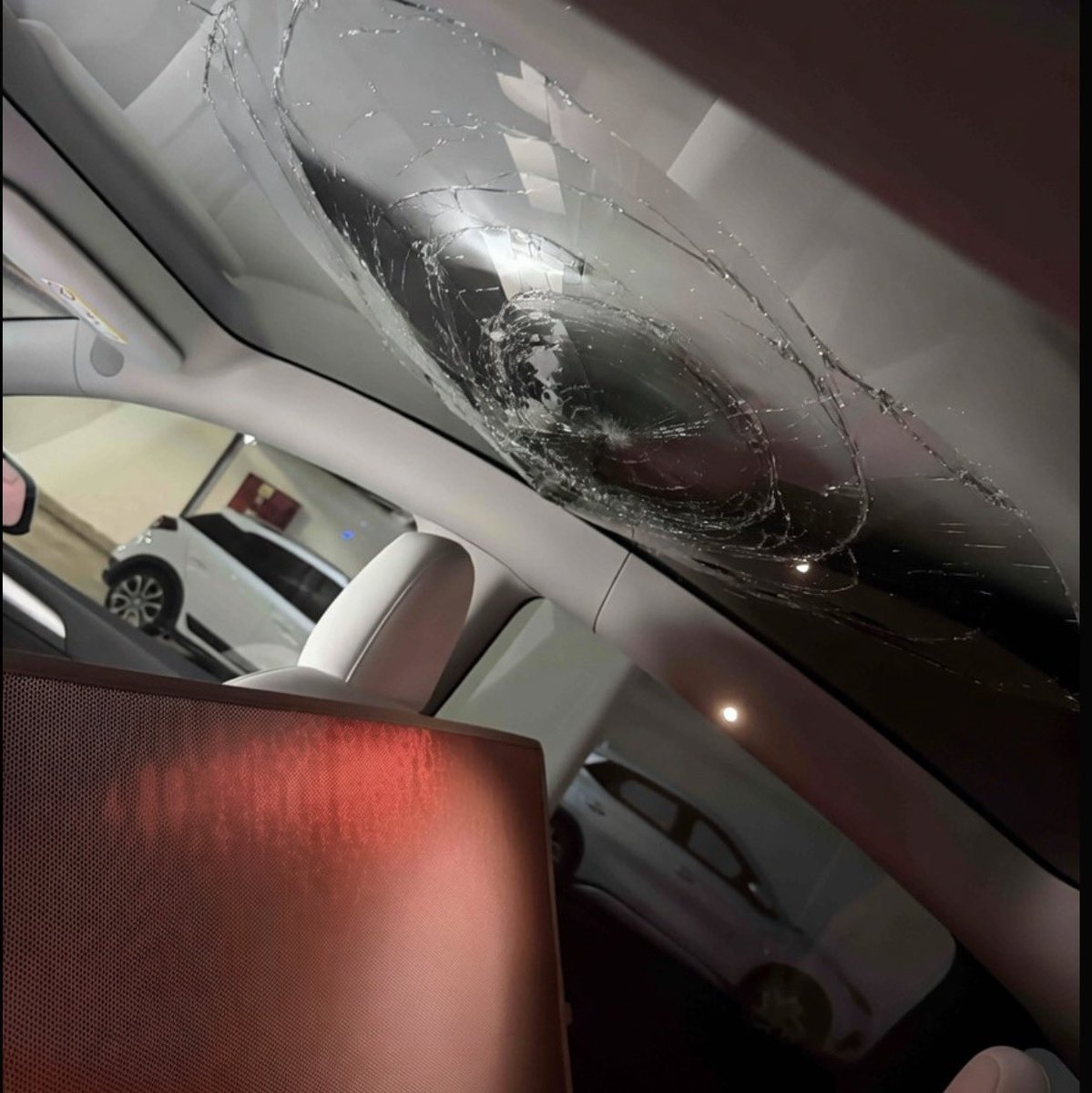
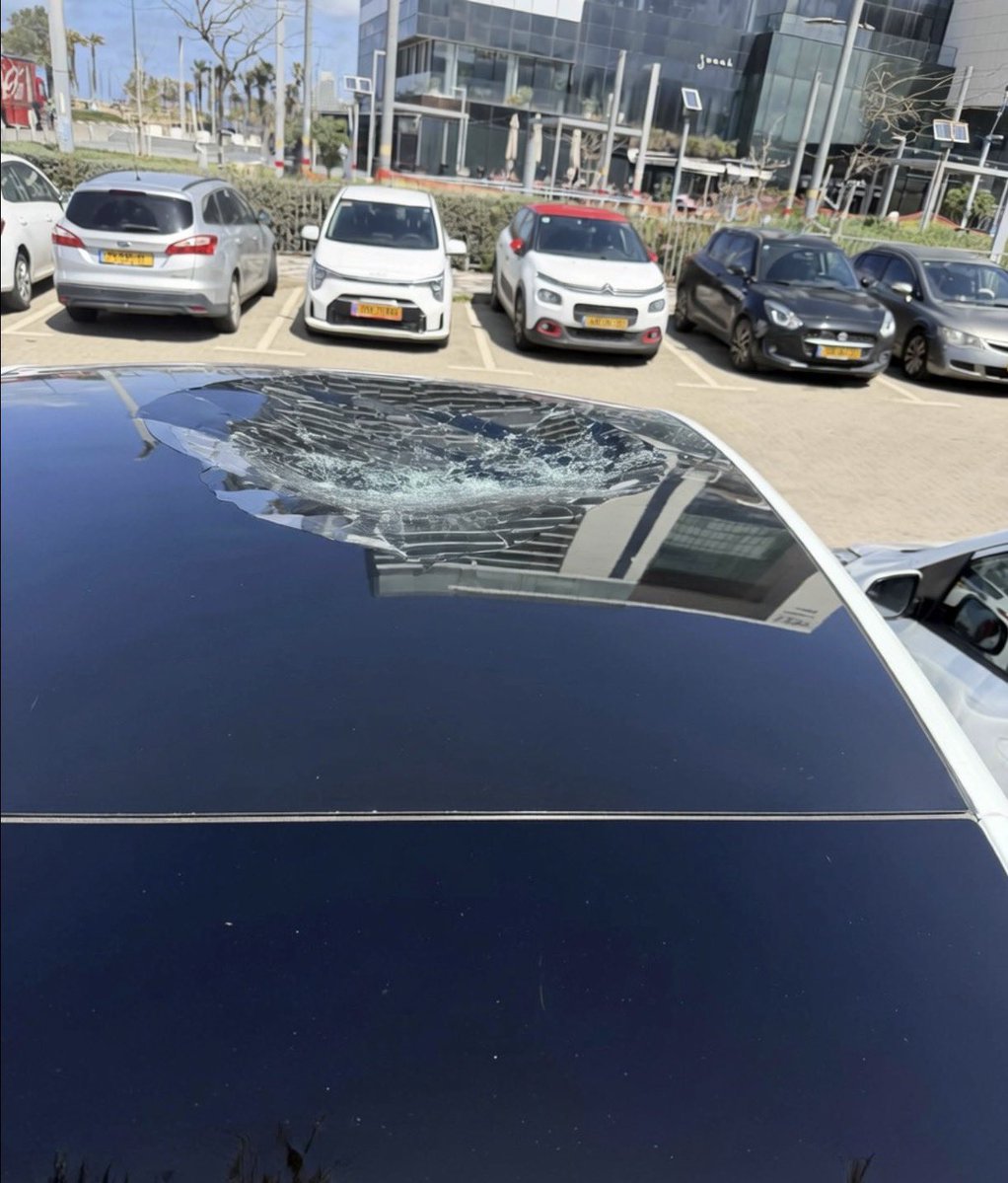
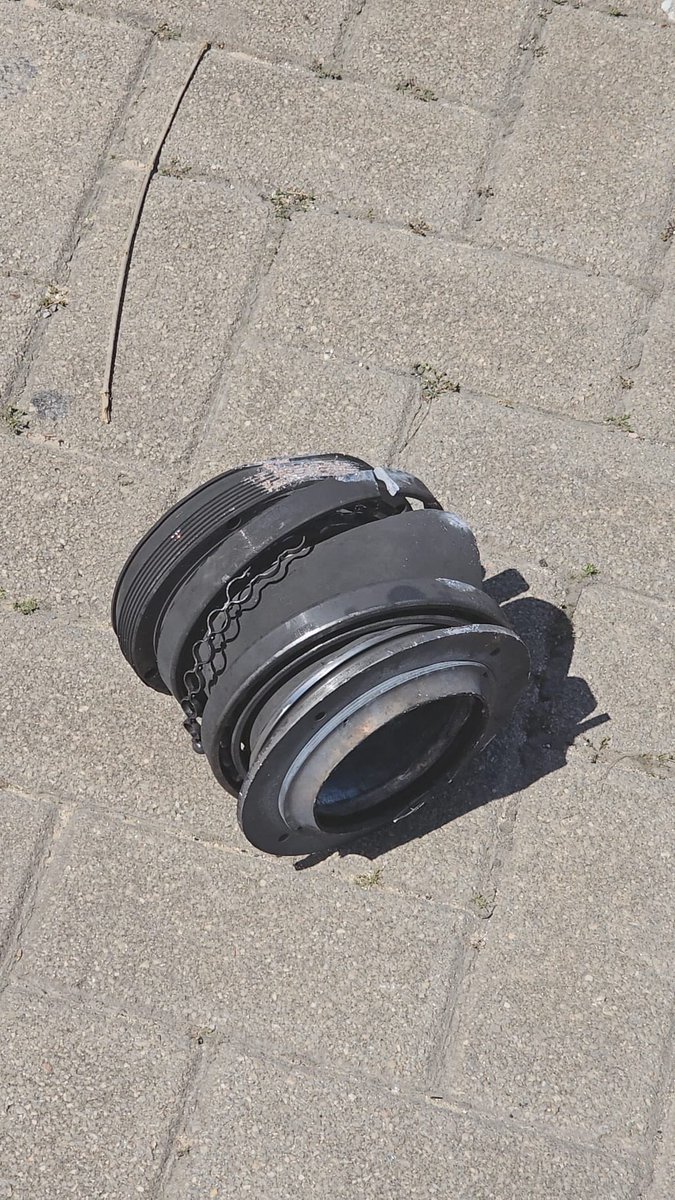

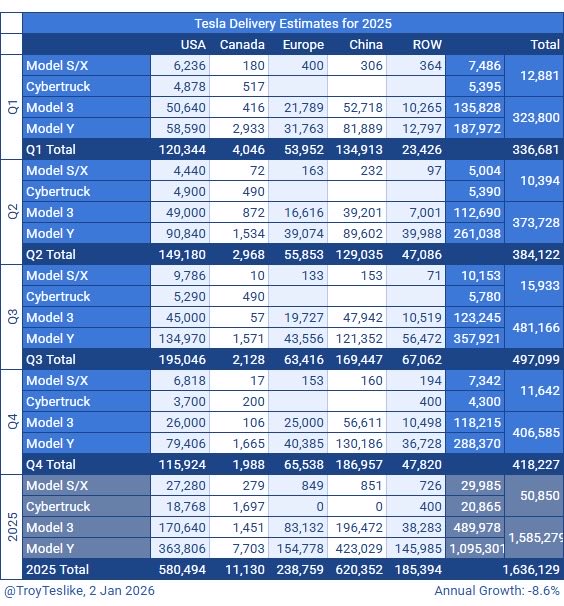
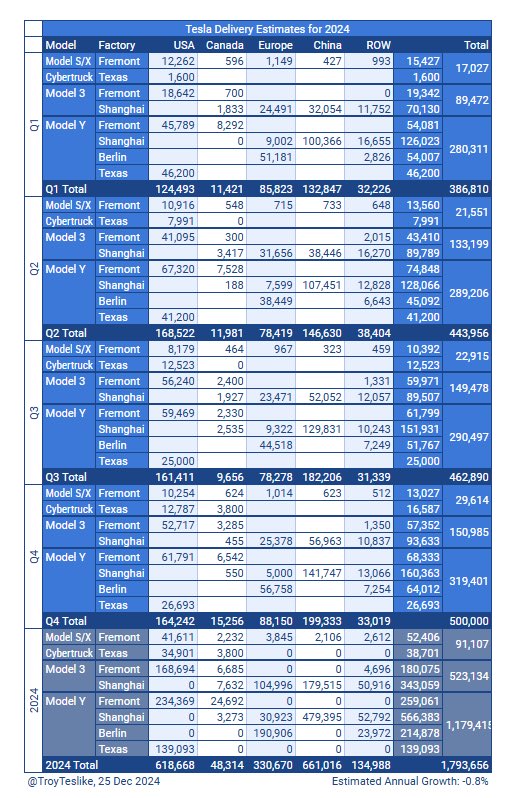
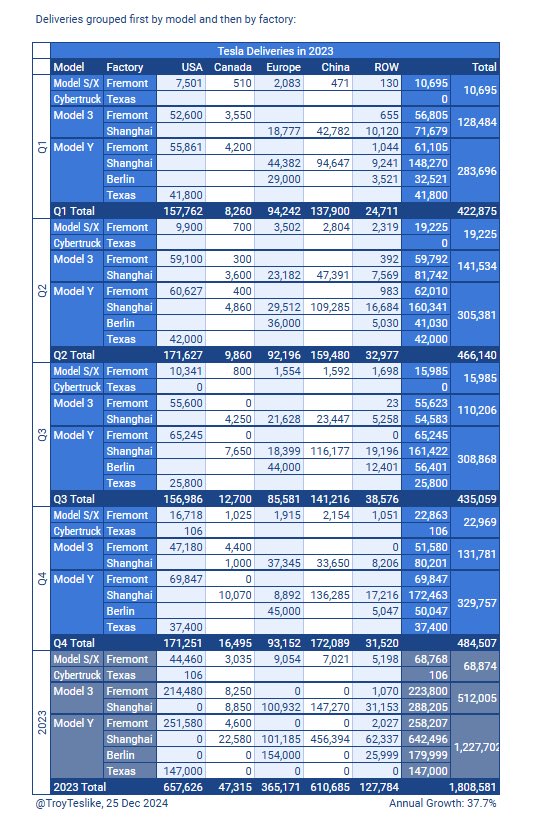
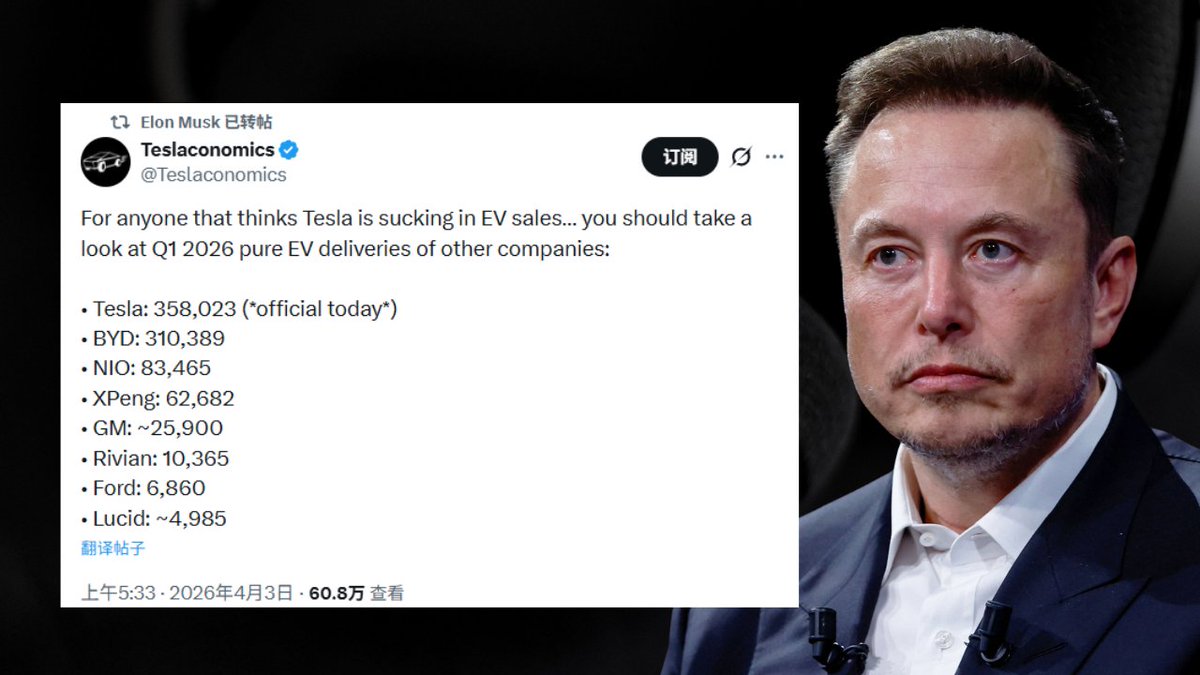
@mubeitech 沒有補貼,ford的EV銷量同比崩了70%,不過ford ceo曾預告過沒有補貼會帶崩EV銷量,而tesla海外銷量同比是成長,美國銷量似乎也是穩定的,所以tesla第一季同比整體是成長。
中文




@ssg10 @RealDanODowd It isn't FSD and Tesla don't have Automatic Emergency,False advertising
English
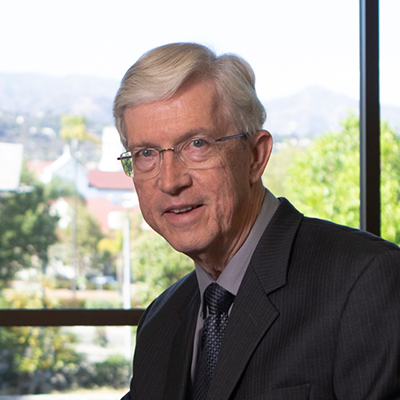
In case you were wondering why Tesla self-driving is so dangerous, this guy is a senior member of the team developing it.
He claims he has no idea how to handle approaching a road that's completely obfuscated by smoke.
Hint: the answer is to slow down and proceed with caution, which this Tesla didn't.
Yun-Ta Tsai@yunta_tsai
I don’t know how I would handle it as a human. 😱
English
@TeslaLoverGirls Tesla don't have Automatic Emergency,False advertising
English

@CyberCatX 是这个表格阻碍了robotaxi的铺开,如果要在CA DMV申请无人驾驶资格证,就必须填写这个表格。目前特斯拉全网都搜不到这个数据(其他公司都填写了,唯独特斯拉缺席),很明显他是不想提交这个。

中文

Transparency 透明度是当下投资特斯拉最稀缺的。
短期股票下跌根本不是问题,甚至Robotaxi推迟也不是问题,问题是当时间线反复推迟,老马没有明确告诉投资人当下特斯拉面对的问题:
比如是什么阻止了FSD实现大规模无监督;是什么阻碍了Robotaxi的扩张落地。
优秀合格的管理层必然能够清晰的告诉投资人公司所面对的机遇与真实困境,应该建立怎样一个预期。当这一层透明度消失,反反复复的空头支票必将导致信任度持续下降。无论Robotaxi能否在今年规模落地,我都希望能在这次Q1财报中听到老马真实透明的想法。
有人说老马没必要向我证明什么,我想说qnmd,作为股东这点知情权都不想有那还是加入脑残粉丝团吧。捧臭脚的脑残粉对特斯拉的毒害绝对不亚于特黑。
CyberCat@CyberCatX
曾经我也觉得老马是神。无所不能,但我的确错的离谱。 这些年看了太多雷声大雨点小的事 Cyberyruck Doge X的everything app Tesla Insurance 4680电池 etc 我越发意识到老马虽然牛逼,但他终究是人,盘子大了也会分心管不过来,犯错看错也不少。作为CEO有着非常明显的优势和弊端,优势是整体的Vision和执行力,弊端是经常给投资人mixed information/过高的短期预期,以及越摊越大的大饼。 投资不能搞个人崇拜和情绪化,一切需要基于事实和理性分析,投资特斯拉这种公司更是如此。当然单纯做粉丝和KOL另当别论,可以🦐jb吹,不基于事实鼓动散户情绪吸引流量。 我仍然投资特斯拉/支持马斯克,但不妨碍我认为他有太多需要向特斯拉股东deliver和证明的东西了。
中文
🔥特斯拉欧洲强势反弹!3 月法国注册量暴涨 203%,北欧全线翻倍
路透社报道,去年因竞争激烈(尤其是中国品牌)、缺新车及马斯克政治立场影响,特斯拉欧洲份额曾腰斩。但自去年底推出Model Y Standard后,二月起已全面扭转颓势!
特斯拉靠性价比重夺阵地,欧洲市场格局再洗牌🚗
x.com/XieJackie/stat…
中文
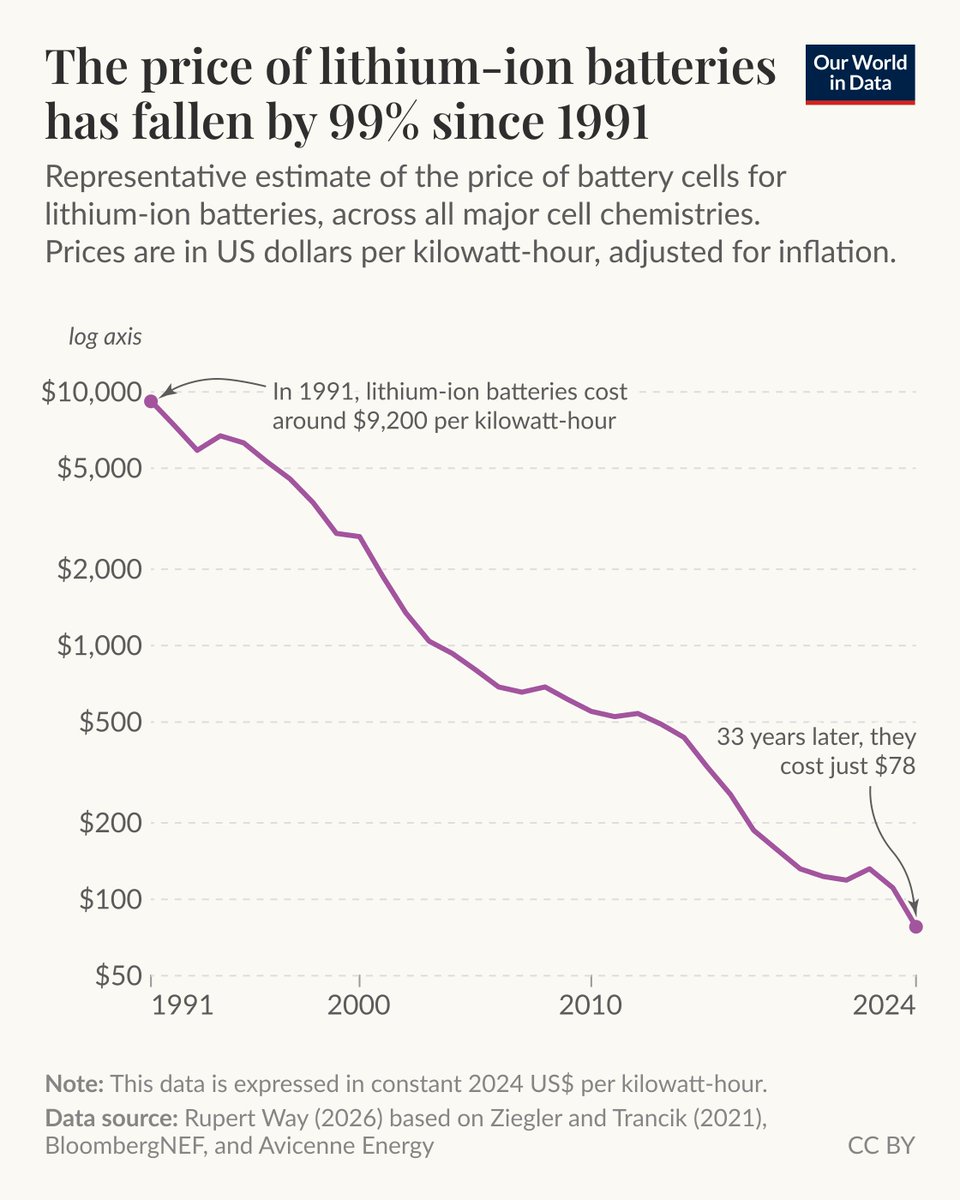
🚨电池成本30年暴跌99%,这是为什么电车一定会全面取代燃油车!😄
1991年锂离子电池每千瓦时成本约9200美元;到2024 年,这一数字仅为78美元,降幅超过99%。自1998年起,产量每翻倍,成本下降约19%。
如今一辆普通电动汽车的电池成本约 5000 美元,而在1991年,同等电池成本将近60万美元。
Our World in Data@OurWorldInData
✍️ New article: Battery costs have declined by 99% in the last three decades, making electrified transport a reality— Over 20 million electric cars were sold globally in 2025 — some for as little as $10,000. Even just two decades ago, that would have been impossible. The reason it's possible now? Batteries have gotten *much* cheaper. In 1991, lithium-ion battery cells cost around $9,200 per kilowatt-hour. By 2024, that had fallen to just $78 — a decline of more than 99%. You can see this in the chart. To put that in perspective: the battery cells in a standard electric car today cost around $5,000. In 1991, those same cells would have cost nearly $600,000. There was no single breakthrough behind this. Batteries follow a “learning curve”: as cumulative production grows, thousands of small improvements in chemistry, manufacturing, and supply chains drive prices down. Since 1998, every time global cumulative battery production doubled, the price dropped by roughly 19%. Early progress was driven by consumer electronics — phones and laptops — before the technology became viable for cars, buses, and larger energy storage. Energy density has also more than tripled since the 1990s, meaning batteries can now store far more energy for their volume. The half-a-million-dollar battery was never going to transform transport. The $5,000 battery is.
中文



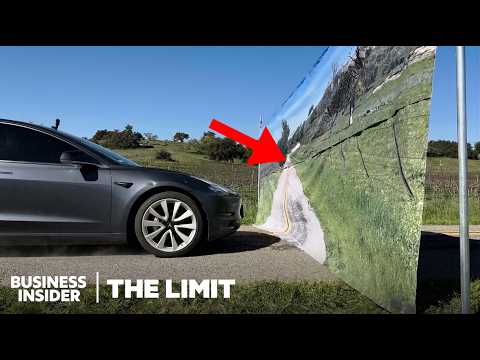
This is a great video on how bad robotaxis are. It makes Waymo look stupider than Tesla FSD, but also shows how far we are from safe "robotaxis".
youtube.com/watch?v=Kcq0tj…
$TSLA $UBER $GOOG
YouTube
English


如果说在商业道德上,特斯拉还不能算遥遥领先的话,那真是罔顾事实。
问一下国内汽车主机厂供应商答不答应。
问一下在巴西碧养地的合同工,上百人排队抢一个厕所答不答应。
问一下在工厂打螺丝的力工牛马,一分钱股票激励没有,答不答应。
并不是要完美才能称得上商业道德领先。 这是非常简单的逻辑。
不能只贴两个AI的回答,如果我请问,你认为特斯拉商业道德不在平均之上,那请问谁在平均之上? 衡量标准又是如何选择的?
投资TALK君@TJ_Research
@tonyhua64243679 @Rustallintsla 投资的确非常主观,但现在没聊投资。 商业道德是有一些衡量标准的,也可以横向对比
中文
@TJ_Research @Rustallintsla 把特斯拉的工程师拉到他名下的其他公司干活,把AI业务放到他名下的其他公司,把大量cybertruck库存车转移到他名下的其他公司~和这种无脑特斯拉邪教有什么好说的,Elon就是他的神,神怎么会不洁呢。
中文