Rohit Gupta

4.6K posts

Rohit Gupta banner
Rohit Gupta

Rohit Gupta

@LowBackReform

I fixed my 5-year back pain. Now helping others build pain-free backs. End back pain without quitting the gym, or if you sit for long hours.

Pune Katılım Mayıs 2020
241 Takip Edilen164 Takipçiler
Sabitlenmiş Tweet
Rohit Gupta
Rohit Gupta@LowBackReform·
I lived with severe back pain for 5 years, including a herniated disc, hip imbalance, joint issues, and sciatica. I consulted physiotherapists who advised me to stop heavy training. I followed their advice, but my pain never truly improved.
English
1
0
4
259
Rohit Gupta
Rohit Gupta@LowBackReform·
Attention is the new addiction disguised as productivity.
English
0
0
0
1
Rohit Gupta
Rohit Gupta@LowBackReform·
The hardest lies to detect are the ones that flatter you.
English
0
0
0
1
Rohit Gupta
Rohit Gupta@LowBackReform·
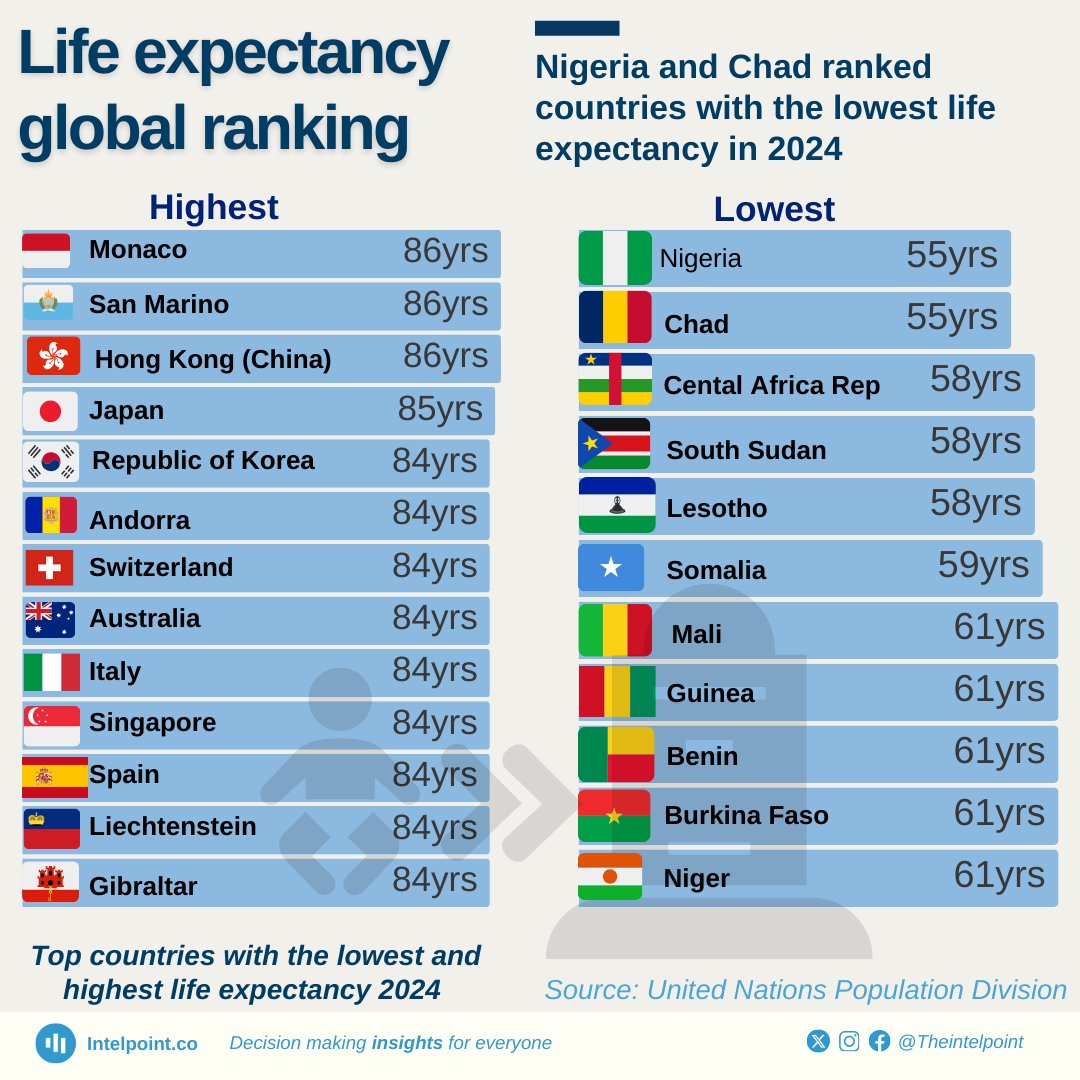
Good point overall, though I’d be careful drawing direct cause from population stats. Longevity is influenced by healthcare, smoking rates, culture, pollution, income, genetics, and more. But the broader lesson holds. People obsess over single diet variables while ignoring that daily movement and overall lifestyle often matter just as much as what’s on the plate.
English
0
0
0
233
Sama Hoole
Sama Hoole@SamaHoole·
Japan: longest life expectancy on the planet (around 85 years). Plant-based advocates: "See? Rice and vegetables!" Japan's actual diet: Seafood: by far the most consumed animal protein, around 45-50kg per capita annually Pork: the most consumed land meat Chicken: a close second Beef: expensive but eaten regularly, and prized Eggs: among the highest per-capita consumption on Earth, often raw on rice Dashi (fish stock): the base of nearly every savoury dish on the table Roughly half of Japanese protein comes from animal sources. Their longevity gets pinned on the rice. Meanwhile they're eating fish at almost every meal, drowning their vegetables in fish stock, cracking eggs into breakfast, and treating beef like a luxury good worth saving up for. The fish is the meal. The rice is there to mop up the dashi. Acknowledging any of this would mean admitting that the longest-lived population on Earth eats half its protein from animals. And that conclusion doesn't fit the pamphlet. So they point at the rice. Hope nobody asks what's on top of it.
English
301
2.1K
11.8K
555.1K
Rohit Gupta
Rohit Gupta@LowBackReform·
Good point overall, though I’d be careful drawing direct cause from population stats. Longevity is influenced by healthcare, smoking rates, culture, pollution, income, genetics, and more. But the broader lesson holds. People obsess over single diet variables while ignoring that daily movement and overall lifestyle often matter just as much as what’s on the plate.
English
1
0
5
260
Dan Go
Dan Go@CoachDanGo·
Hong Kong has one of the greatest life expectancies on the planet. They also have the highest per capita meat consumption in the world. They eat roughly 300 lb of meat per person every year. It's four times what the average Brit eats. Pork and chicken make up over 80% of it. But the part nobody talks about is Hong Kong also walks more than any other country in the world. The average resident logs over 10,600 steps a day. The global average is around 8,000. Americans average under 5,000. The city is dense, hilly, and built around walking and public transit. Cars are an inconvenience. Stairs are unavoidable. Movement is not a workout in Hong Kong. It is the commute. The real story is the longest-lived population on Earth eats the most meat AND moves the most. Diet plus daily movement. Not one or the other. This is the lesson people keep missing. You cannot eat your way to a long life sitting in a chair for 12 hours. And you cannot walk your way out of a garbage diet. The food gives you the raw materials. The movement decides what your body does with them.
Dan Go tweet media
Sama Hoole@SamaHoole

Japan: longest life expectancy on the planet (around 85 years). Plant-based advocates: "See? Rice and vegetables!" Japan's actual diet: Seafood: by far the most consumed animal protein, around 45-50kg per capita annually Pork: the most consumed land meat Chicken: a close second Beef: expensive but eaten regularly, and prized Eggs: among the highest per-capita consumption on Earth, often raw on rice Dashi (fish stock): the base of nearly every savoury dish on the table Roughly half of Japanese protein comes from animal sources. Their longevity gets pinned on the rice. Meanwhile they're eating fish at almost every meal, drowning their vegetables in fish stock, cracking eggs into breakfast, and treating beef like a luxury good worth saving up for. The fish is the meal. The rice is there to mop up the dashi. Acknowledging any of this would mean admitting that the longest-lived population on Earth eats half its protein from animals. And that conclusion doesn't fit the pamphlet. So they point at the rice. Hope nobody asks what's on top of it.

English
26
28
216
34.9K
Rohit Gupta
Rohit Gupta@LowBackReform·
Good foundation, though I’d push back on stretching being universal. Some people need mobility work, others need strength and control in ranges they already have. My back improved more from building movement capacity than just stretching more. The principle is right though. Master basics before chasing optimization.
English
0
0
2
73
Dan Go
Dan Go@CoachDanGo·
Lift weights, get 8-10k steps a day, sleep 7-8 hours a night, spend time in nature, drink water, stretch daily & eat single ingredient nutrient dense foods. Everything else is a distraction.
English
62
112
1.7K
36.7K
Rohit Gupta retweetledi
Rohit Gupta
Rohit Gupta@LowBackReform·
I could hinge. My back just refused to stay out of it. Every set of deadlifts or Romanian deadlifts ended with my lower back doing the most work. My hamstrings and glutes were along for the ride. When the posterior chain does not engage properly through a hinge, the spinal extensors absorb the torque instead. Across enough reps, they fatigue and tighten in a way no amount of stretching fixes. Seated Good Mornings taught me what it actually feels like to load the hips without defaulting to the spine. Back Extension Reps built the pattern under progressive demand. The hinge only works if the right things are doing the hinging.
English
0
1
1
28
Rohit Gupta
Rohit Gupta@LowBackReform·
Lunges gave me lower back pain and I assumed lunges were the problem. They were not. My hips were. In a split stance, your pelvis needs active control to stay level. When that control is missing, the lumbar spine compensates through extension or rotation to keep you balanced. Across enough reps, that compensation becomes the pain. ATG Split Squats rebuilt the hip control my split stance had been missing entirely. Copenhagen Planks addressed the lateral pelvic stability that lunges expose but most training never develops. The lunge was not broken. The foundation underneath it was.
English
0
1
1
11
Rohit Gupta
Rohit Gupta@LowBackReform·
Train to harden the body. Read to sharpen the mind. Track to manage money. Invest to own the future. Plan to reduce chaos. Execute to create momentum. Review to find errors. Repeat to build mastery. Most fail from inconsistency, not incapacity. Consistency beats intensity.
English
0
0
1
8
Rohit Gupta retweetledi
Rohit Gupta
Rohit Gupta@LowBackReform·
Seated Good Mornings forced me to feel the difference. Removing the bar and controlling the hinge slowly made it obvious when I was bending from my spine instead of rotating from my hips.
English
1
1
1
24
Rohit Gupta
Rohit Gupta@LowBackReform·
@CoachDanGo If you want Young Mind Young body Young Companion Go to the Gym and lift f*cking heavy.
English
0
0
5
495
Rohit Gupta retweetledi
Rohit Gupta
Rohit Gupta@LowBackReform·
I noticed it first when reversing my bike. Twisting to look over my shoulder produced this dull, grinding discomfort in my lower back. I wrote it off as stiffness. It kept happening every time I rotated, reaching across a table, turning quickly during a workout, even rolling over in bed.
English
2
1
1
34
Rohit Gupta
Rohit Gupta@LowBackReform·
@CoachDanGo That’s the shift most people need to make. Motivation is unreliable. I rarely felt fired up during my worst back pain phase, but showing up anyway is what rebuilt momentum. Once training becomes something you do regardless of mood, progress gets much more predictable.
English
0
0
5
126
Dan Go
Dan Go@CoachDanGo·
90% of the time I don't feel like going to the gym but I still do it. I've gone enough times to know I'll feel like shit if I don't.
English
73
34
1.2K
40.4K
Rohit Gupta
Rohit Gupta@LowBackReform·
Practice to build skill. Study to avoid ignorance. Save to create margin. Risk to find upside. Lead to earn trust. Listen to gain insight. Move to keep energy. Endure to grow tougher. Most stay average by staying comfortable. Growth lives beyond ease.
English
0
0
1
19
Rohit Gupta
Rohit Gupta@LowBackReform·
Brushing my teeth was genuinely one of the more painful parts of my day. Two minutes leaning slightly forward over a sink. My lower back would ache by the end of it. Meanwhile, I could deadlift without that same sensation. Heavy lifting felt fine because my stabilisers were braced and engaged. Sustained low-load flexion fatigues them quietly without any warning signal. The passive tissues end up absorbing load they were never meant to handle long term. Seated Good Mornings built tolerance for controlled flexion. Back Extension Holds rebuilt the endurance my stabilisers had lost. The sink stopped being a problem once my spine could handle being in that position.
English
0
0
1
15
Rohit Gupta retweetledi
Rohit Gupta
Rohit Gupta@LowBackReform·
I used to think just staying active was enough after 30, but my back pain said otherwise. You don’t notice the loss until simple things start feeling harder. Your body just stops getting the signal to stay strong. What helped me was starting slow with back extension holds to rebuild that signal. Now I wonder, why wait for pain to make that decision?
English
0
1
2
29
Rohit Gupta
Rohit Gupta@LowBackReform·
My worst back pain happened before I even got out of bed. That morning stiffness felt like my spine had locked overnight. I assumed poor sleep position. The real issue started much earlier. Hours of stillness reduce tissue temperature and slow down the fluid exchange your spinal discs depend on. By morning, everything is stiff. If your hips are already restricted, they defer to your spine for the first movements of the day. Standing Pancake and 90/90 Hip Rotations shortly after waking changed the order. Hips move first, spine follows. Morning stiffness is not inevitable. It is a sequencing problem.
English
0
0
0
89
Ted Ryce
Ted Ryce@ted_ryce·
Low back pain isn’t random. And it’s not just “getting older.” It usually comes down to this: Your body can’t tolerate the load you’re putting on it. Either from doing too much too soon. Or from doing too much for too long. That’s why it hurts when you: • Lift weights • Play golf or tennis • Pick something up off the floor But the solution isn’t to stop moving. That’ll just make your back worse. It’s to rebuild your tolerance to load. That’s exactly what these 7 exercises do. They: • Reintroduce movement • Build strength in a controlled way • Help your body feel safe loading your spine again But here’s the part most people miss… These are a starting point. Not a full program. Because pain is individual. One exercise might feel great for you but irritate someone else’s back. That’s why real progress comes from: Testing → adjusting → progressing And if you’re carrying extra body fat… That’s another layer. More inflammation. More stress on joints. Slower recovery. So yes, these exercises help. But the real goal is building a body that can: Lift Rotate Move …without pain coming back If you’ve been trying to piece this together on your own… And it’s not working… It’s not a discipline problem. It’s a strategy problem.
English
4
19
152
17.6K
Rohit Gupta
Rohit Gupta@LowBackReform·
Lift to stay dangerous. Learn to stay competitive. Budget to control money. Invest to escape dependence. Focus on finishing work. Sleep to recover fully. Reflect to improve judgment. Wait to make better choices. Most mistakes come from impatience. Patience is a force multiplier.
English
0
0
1
11
Rohit Gupta
Rohit Gupta@LowBackReform·
My worst back pain happened before I even got out of bed. That morning stiffness felt like my spine had locked overnight. I assumed poor sleep position. The real issue started much earlier. Hours of stillness reduce tissue temperature and slow down the fluid exchange your spinal discs depend on. By morning, everything is stiff. If your hips are already restricted, they defer to your spine for the first movements of the day. Standing Pancake and 90/90 Hip Rotations shortly after waking changed the order. Hips move first, spine follows. Morning stiffness is not inevitable. It is a sequencing problem.
English
0
0
1
19