Luke Dz

300 posts

Luke Dz banner
Luke Dz

Luke Dz

@LukeDz8

AI/ML SPC Founder Fellow - networking saas: https://t.co/RDwgTpj5Yn, https://t.co/wUIAYt462x, https://t.co/SdGpVTvdFG

San Francisco Katılım Ağustos 2021
388 Takip Edilen92 Takipçiler
@jason
@jason@Jason·
What album or two do you have in deep rotation at the moment? It could be from the archives or it could be a brand new selection.
English
368
6
127
69.5K
Hoyt Emerson
Hoyt Emerson@HoytEmerson·
@theharshpat @LukeDz8 I keep hearing about Temporal more and more. I'm creeping around on their website right now.
English
2
0
2
101
Hoyt Emerson
Hoyt Emerson@HoytEmerson·
The full data stack in 2026: Parquet on S3, DuckDB for querying, Arrow for in-memory computation and transport. You can build serious data infrastructure with just these three things.
English
11
17
395
26.9K
Hoyt Emerson
Hoyt Emerson@HoytEmerson·
@LukeDz8 A lot of choices for that and possibly an unpopular opinion but most of my pipelines run with one script per table and GitHub actions. I’m not ashamed to admit.
English
1
0
2
541
Luke Dz
Luke Dz@LukeDz8·
@HoytEmerson What do you like to use for embeddings + NN lookups? Opensearch?
English
1
0
0
550
Luke Dz
Luke Dz@LukeDz8·
@HoytEmerson What sources do you read to stay current on SOTA for data stack tech? Any good blogs, sites, books, x accounts?
English
1
0
2
509
Nikita Bier
Nikita Bier@nikitabier·
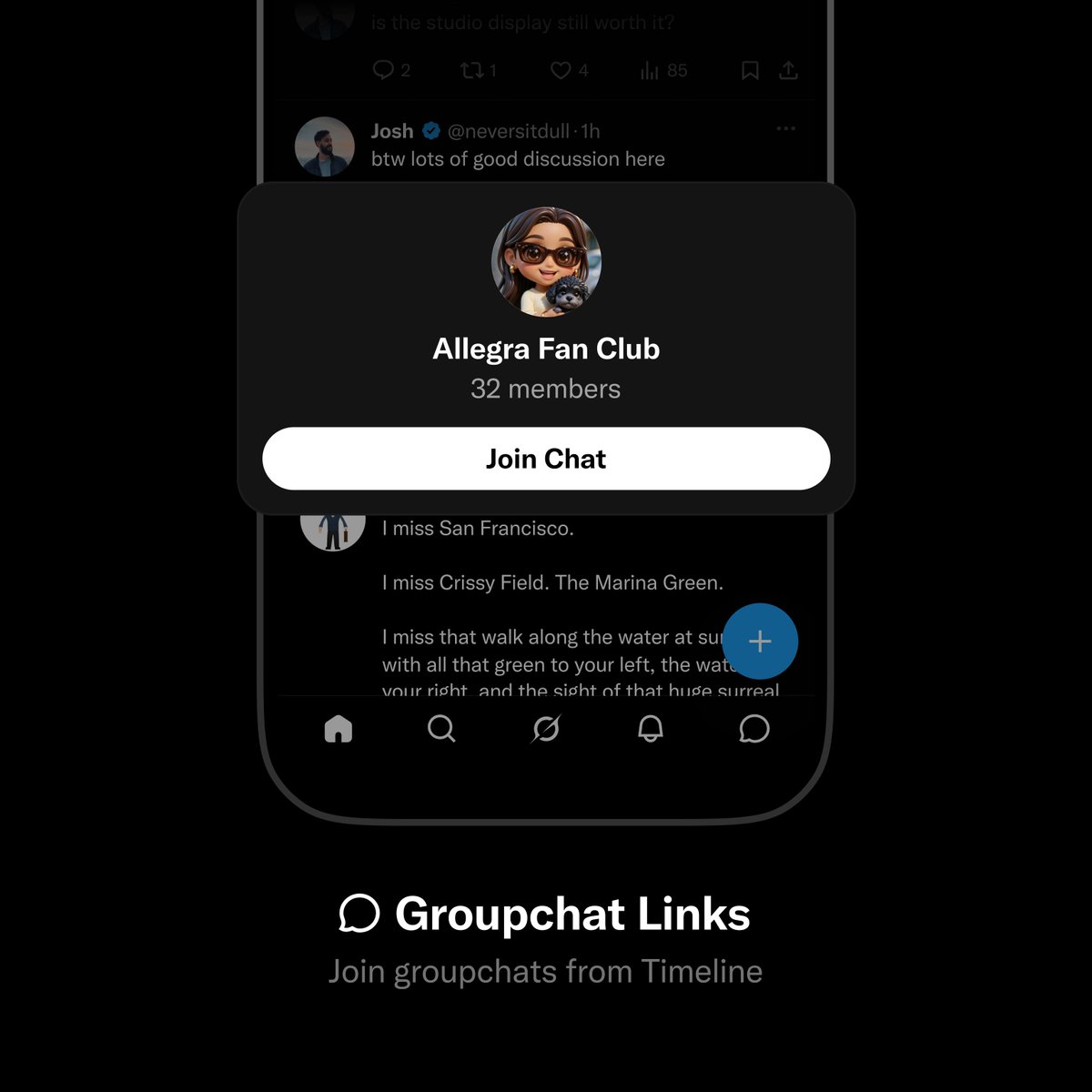
Today we're announcing two product changes for organizing communities on X: 1. XChat now supports joinable links for groupchats. Create a public link & share direct to Timeline. With support for 350 members per chat (and growing), Groupchat Links are the fastest way to bring people together on X. 2. Due to declining usage, we're deprecating X Communities on May 6. To migrate your Community's members, pin your groupchat link so people can join it over the next 2 weeks. This is part of our broader effort to simplify the experience on X. Make no mistake: we are investing heavily in niche communities with the launch of Custom Timelines—and much more to come.
Nikita Bier tweet media
English
4.2K
2.3K
12K
10.1M
Luke Dz
Luke Dz@LukeDz8·
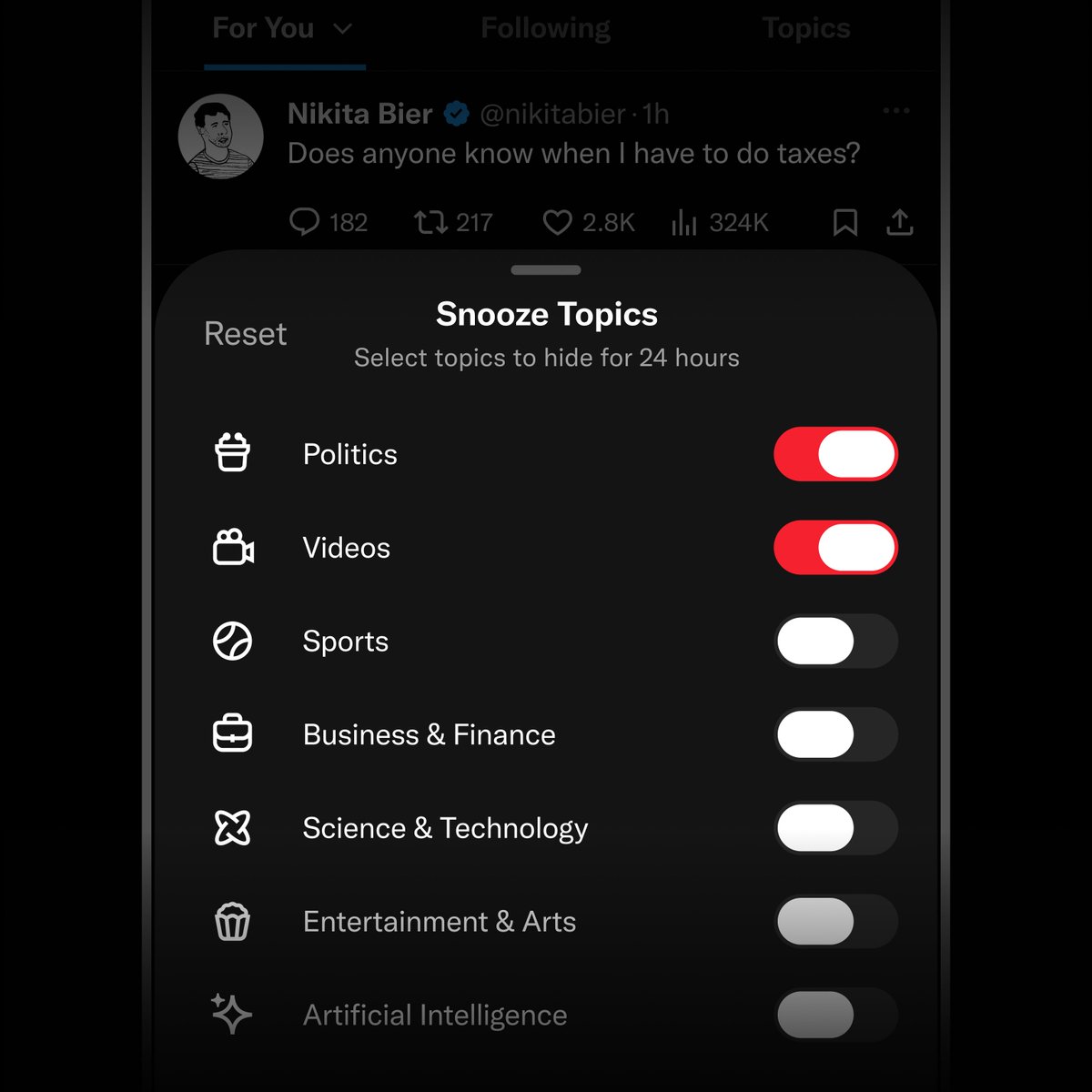
@nikitabier 🙌🔥. Would be epic to be able to define/specify topics by selecting our bookmarks. Also would be cool to swap between groups of topics without manually toggling them on / off.
English
0
0
0
5
Luke Dz
Luke Dz@LukeDz8·
@elonmusk Slick API but way too expensive still.
English
1
1
1
13
Luke Dz
Luke Dz@LukeDz8·
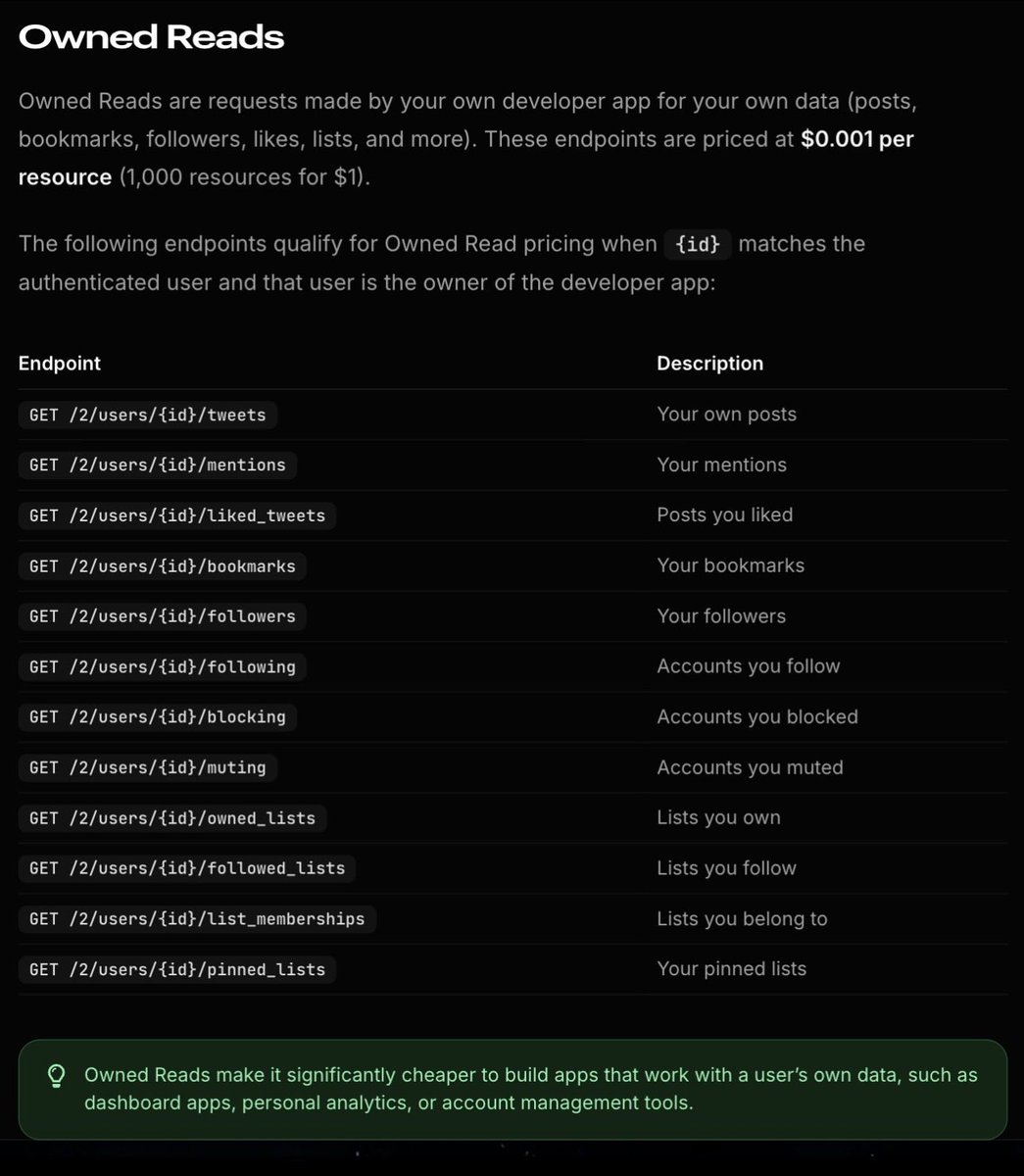
@chrisparkX The API is awesome but way too expensive. Can’t do basic things like read bookmarks and search for related tweets for less than $20/mo. If Claude costs $20/ mo, hobby projects using the X api should be at least less than $10/mo, ideally less than $5/mo
English
0
0
2
430
Chris Park
Chris Park@chrisparkX·
We’ve made major upgrades to X API: • Pay-Per-Use now GA worldwide • XMCP Server + xurl for agents • Official Python & TypeScript XDKs • API Playground - free realistic simulations New releases coming will be a game changer. Start building → docs.x.com 🚢
Elon Musk@elonmusk

Try using the X API

English
372
275
3.3K
71.5M
Jason
Jason@webmaster·
It's still too pricey to build anything for basic personal use Based on the pricing estimator, I can't even do a single read of my bookmarks for under $20 And I'm hesistant to try to build anything because one small bug in your code while testing could blow through usage and cost you hundreds. Makes no sense to me
English
9
4
154
35.7K
Luke Dz
Luke Dz@LukeDz8·
🔥🔥🔥 it’s time to learn
Andrej Karpathy@karpathy

LLM Knowledge Bases Something I'm finding very useful recently: using LLMs to build personal knowledge bases for various topics of research interest. In this way, a large fraction of my recent token throughput is going less into manipulating code, and more into manipulating knowledge (stored as markdown and images). The latest LLMs are quite good at it. So: Data ingest: I index source documents (articles, papers, repos, datasets, images, etc.) into a raw/ directory, then I use an LLM to incrementally "compile" a wiki, which is just a collection of .md files in a directory structure. The wiki includes summaries of all the data in raw/, backlinks, and then it categorizes data into concepts, writes articles for them, and links them all. To convert web articles into .md files I like to use the Obsidian Web Clipper extension, and then I also use a hotkey to download all the related images to local so that my LLM can easily reference them. IDE: I use Obsidian as the IDE "frontend" where I can view the raw data, the the compiled wiki, and the derived visualizations. Important to note that the LLM writes and maintains all of the data of the wiki, I rarely touch it directly. I've played with a few Obsidian plugins to render and view data in other ways (e.g. Marp for slides). Q&A: Where things get interesting is that once your wiki is big enough (e.g. mine on some recent research is ~100 articles and ~400K words), you can ask your LLM agent all kinds of complex questions against the wiki, and it will go off, research the answers, etc. I thought I had to reach for fancy RAG, but the LLM has been pretty good about auto-maintaining index files and brief summaries of all the documents and it reads all the important related data fairly easily at this ~small scale. Output: Instead of getting answers in text/terminal, I like to have it render markdown files for me, or slide shows (Marp format), or matplotlib images, all of which I then view again in Obsidian. You can imagine many other visual output formats depending on the query. Often, I end up "filing" the outputs back into the wiki to enhance it for further queries. So my own explorations and queries always "add up" in the knowledge base. Linting: I've run some LLM "health checks" over the wiki to e.g. find inconsistent data, impute missing data (with web searchers), find interesting connections for new article candidates, etc., to incrementally clean up the wiki and enhance its overall data integrity. The LLMs are quite good at suggesting further questions to ask and look into. Extra tools: I find myself developing additional tools to process the data, e.g. I vibe coded a small and naive search engine over the wiki, which I both use directly (in a web ui), but more often I want to hand it off to an LLM via CLI as a tool for larger queries. Further explorations: As the repo grows, the natural desire is to also think about synthetic data generation + finetuning to have your LLM "know" the data in its weights instead of just context windows. TLDR: raw data from a given number of sources is collected, then compiled by an LLM into a .md wiki, then operated on by various CLIs by the LLM to do Q&A and to incrementally enhance the wiki, and all of it viewable in Obsidian. You rarely ever write or edit the wiki manually, it's the domain of the LLM. I think there is room here for an incredible new product instead of a hacky collection of scripts.

English
0
0
0
58
Luke Dz retweetledi
Sequoia Capital
Sequoia Capital@sequoia·
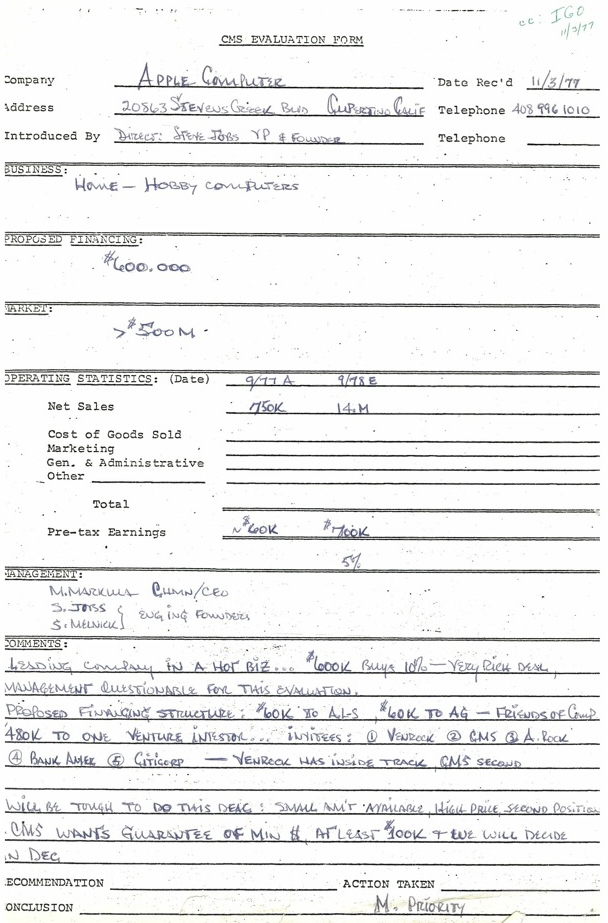
In honor of 50 years of Apple, we're sharing - for the first time ever - Don Valentine's original 1977 memo for Sequoia's investment into Apple Computer. #Apple50
Sequoia Capital tweet media
English
175
829
5.9K
2.2M
kache
kache@yacineMTB·
I"M FUCKING ADDICTED TO VIDEO GAMES AGAIN AAAAAAAAAAAAAAAAAAAAA
English
157
14
1.2K
189.7K
Luke Dz
Luke Dz@LukeDz8·
Use @claudeai to learn SOTA: - Get podcast transcripts - Ask Claude to read a transcript & all external links referenced - Have it take notes & use them to build 3 example projects, explaining tradeoffs - One transcript per session - Build new project w/ cumulative learnings
English
0
0
0
41
Luke Dz
Luke Dz@LukeDz8·
@nikitabier add recommendations/“for you” per list (rec’d tweets/accounts)? Too cost-prohibitive to build this as an X app using the dev API. Cost should be max $10/person/mo
Luke Dz tweet media
English
1
1
1
28