

ALBRIGHT
25.1K posts
ALBRIGHT
@MAGEDON_f
SOCCER FANATIC, ECONOMIC ENTHUSIAST, POLITICAL ANALYST & FIELD RESEARCHER.
LUSAKA, ZAMBIA Katılım Temmuz 2019
3.7K Takip Edilen4.7K Takipçiler
Ba Benny good to see you. Indeed it's been long.
BennyMalama🇿🇲@bennyMalama
Otherwise, it's been God and a few good people.
English
ALBRIGHT retweetledi

@Blcvxt I think that's why a lot of the opposition leaders are being silenced too frequently because if people actually came out to speak on it, people would understand things for what they are, that's why people keep getting moved around or fired.
English
Even the host team was in shock. Coz the margin was so huge. Umusebanya sana .
Coach Charlie 😮💨 🇿🇲@veryloudohn
@mbulawasabizm Teti
English
ALBRIGHT retweetledi


ALBRIGHT retweetledi

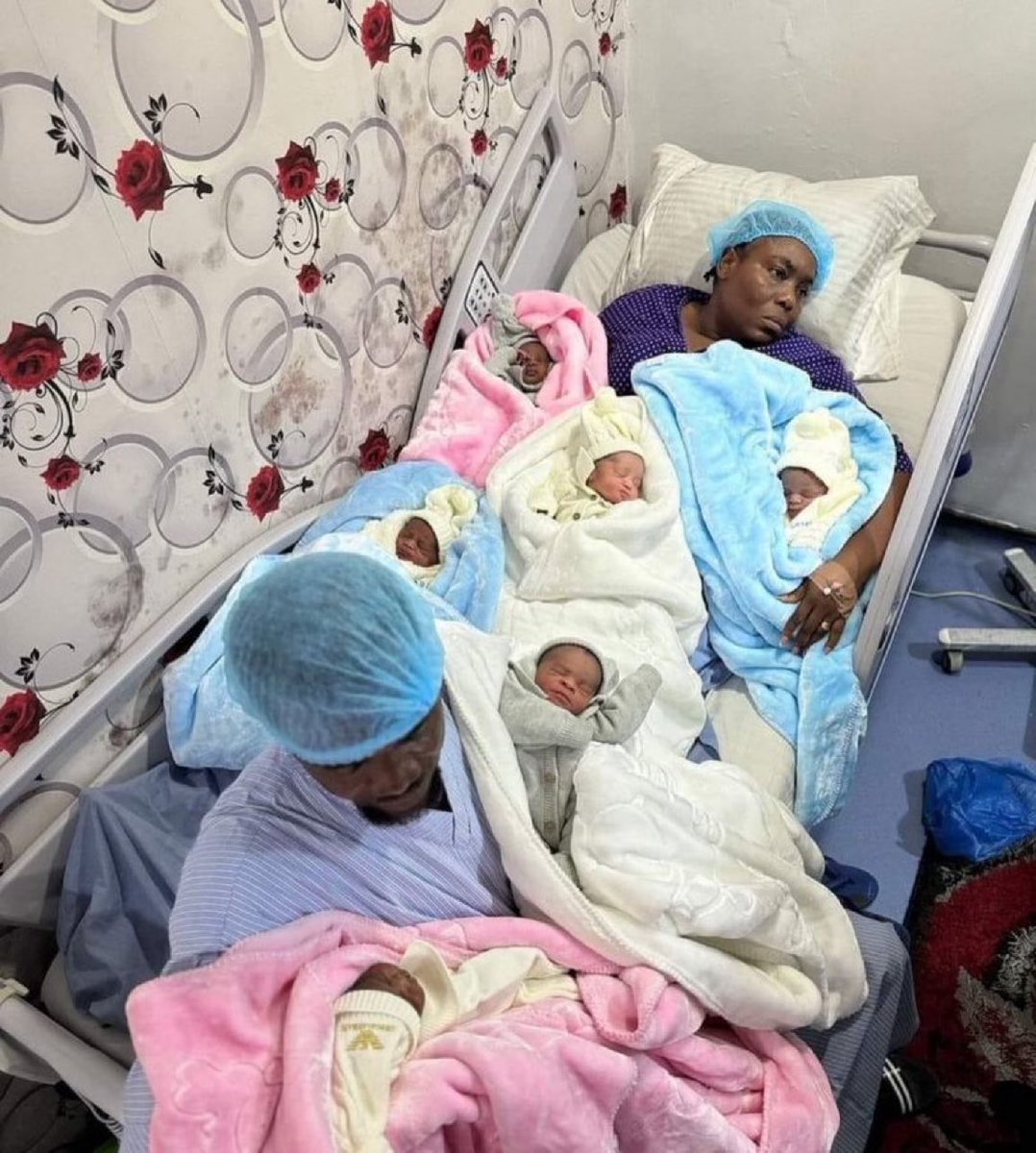
After 23 years of waiting, God blessed her with 3 boys and 3 girls. And some of you still say you don’t believe In miracles
Congratulations 🎉🍾👏🥳🙌🏿
English
ALBRIGHT retweetledi

If that Collins Nzovu chap had shame he’d have resigned by now. Now the nation has lost a 2nd year student who drowned in sewer last night.
Mwebantu@Mwebantu
President Hakainde Hichilema orders immediate action on Unza sanitation crisis. - mwebantu.com/?p=65755
English
ALBRIGHT retweetledi


ALBRIGHT retweetledi
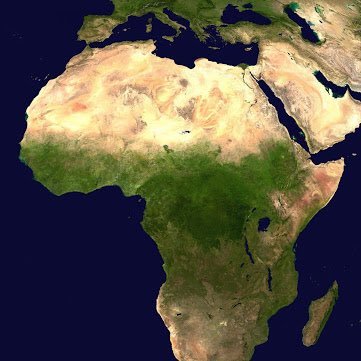
Libya has the cheapest fuel prices globally, averaging $0.023 per litre

English
ALBRIGHT retweetledi


ALBRIGHT retweetledi

The DRC has qualified for the World Cup after 52 years of trying. This is bigger than anything in Congo. President Félix Tshisekedi has brought Congo back to the world, away from those who destroyed it. We can see that only a true Congolese can help Congo. Big up to Congo! 🇨🇩🔥

English
ALBRIGHT retweetledi

Gold miners discovered the largest gold deposits in Ghana
Your comments on this
English
ALBRIGHT retweetledi

ALBRIGHT retweetledi
ALBRIGHT retweetledi
ALBRIGHT retweetledi
ALBRIGHT retweetledi

ALBRIGHT retweetledi

Saw an old man with a smoking pipe, I was really fascinated and ended up talking to him and asking questions, told me he's got a collection from as way back as the late 70s 😂😂😂.
English
ALBRIGHT retweetledi

The story of Zambia’s public universities is a long one, defined less by a lack of understanding than by a lack of action.
In 1997, President Chiluba appointed Bobby Bwalya, a retired High Court judge, to chair a Commission of Inquiry into the problems of UNZA and CBU, tracing back to 1982.
The Commission’s findings, which were handed over to government in 1998, were clear:
👉Poor funding
👉 Deteriorating infrastructure
👉Overcrowding
👉Poor sanitation
👉Inadequate accommodation for students and staff, etc.
It made detailed recommendations. Government accepted some, rejected others. But even those that it accepted were not actioned.
What is striking, nearly three decades later, is how little has changed.
In 2007, government convened a consultative forum in Siavonga to address the same issues the Bwalya Commission had dealt with. Problems were (re)identified, solutions restated.
In 2016, Minister of Higher Education Michael Kaingu issued a ministerial statement that triggered extensive parliamentary debate on the same challenges.
Over the years, the Parliamentary Committee on Education has dealt with the issue of public universities repeatedly. Its reports are available on Parliament’s website.
Most recently, on 25 April 2024, the Higher Education Authority held a national conference on the transformation of university education in Zambia. Once again, the problems were carefully diagnosed. Once again, solutions were proposed.
The difficulties facing public universities have been studied repeatedly, across decades, administrations and platforms.
The recommendations are not new; they are there in the Bwalya Commission Report and reinforced by years of policy dialogue and parliamentary reports.
What is missing is not insight. It is implementation.
Zambia currently has ten public universities. Last month on Youth Day, government announced plans to set up six more.
Those that are questioning the idea of building more when the current ones are facing serious challenges cannot simply be wished away as detractors, especially in light of the evidence.
English
ALBRIGHT retweetledi
The hilarious thing about Mundubile saying he wants to rule like Lungu isn't bad, everyone wants to see it from a cadre point of view, but if you read our government's eighth national development plan, and the numbers associated with PF, they're actually good, I was shocked.
English
ALBRIGHT retweetledi

🚨Museveni
"Some people think that being in government for a long time is a bad thing. But the more you stay, the more you learn. I am now an expert in governance"

English