ME M
489 posts
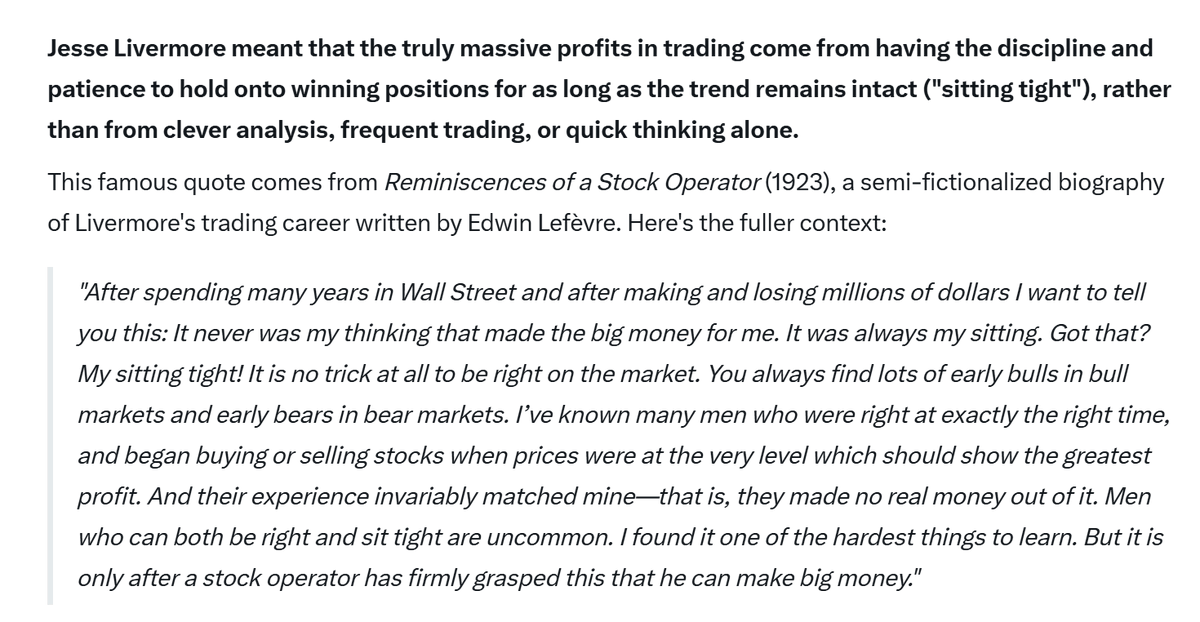
What is the most misinterpreted quote from Livermore and in trading???
THIS.
"It never was my thinking that made the big money for me. It was always my sitting. Got that? My sitting tight!" — Jesse Livermore
People take this quote and tell others that it is only about riding a winner for a long time. That is critical for outlier and outsized gains, but what Livermore emphasized more was sitting in cash and waiting for the right opportunities where all factors aligned.
English
@focusedsetup @TedHZhang @Qullamaggie @PradeepBonde EG has nailed the process like no other. a rara avis with an irresistible formula for success and singular sense of humor, all along the way
English

@TedHZhang @Qullamaggie I learned about this from Stockbee. I made by largest return ever on SOXL when T108 hit the 4 level last April 7-8. Sold into strength on way up and still have 20% of shares left. @PradeepBonde
English
Kristjan Kullmagi @Qullamaggie on how he uses T2108 (% of stocks above the 40-SMA) for situational awareness and market timing.
English
Boost Pfizer's Already Hefty 6% Dividend Yield With A Covered Call investors.com/research/optio…
English
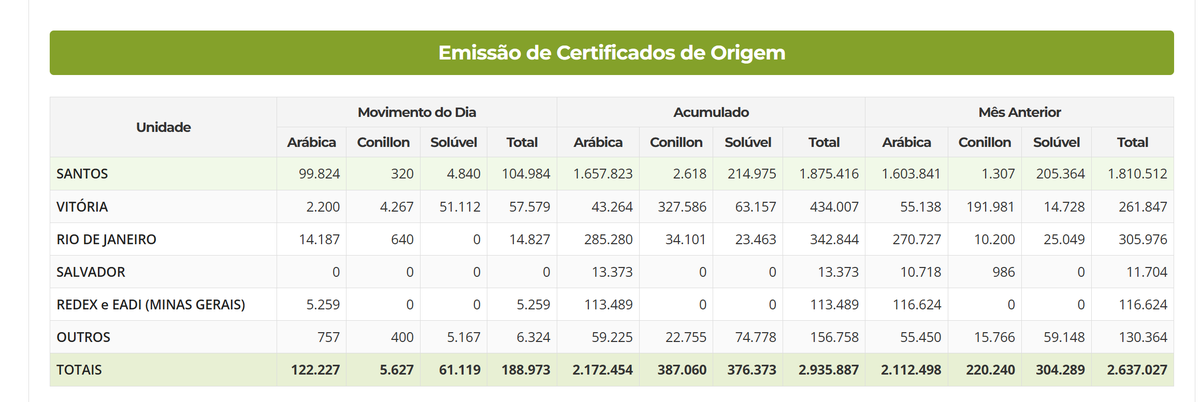
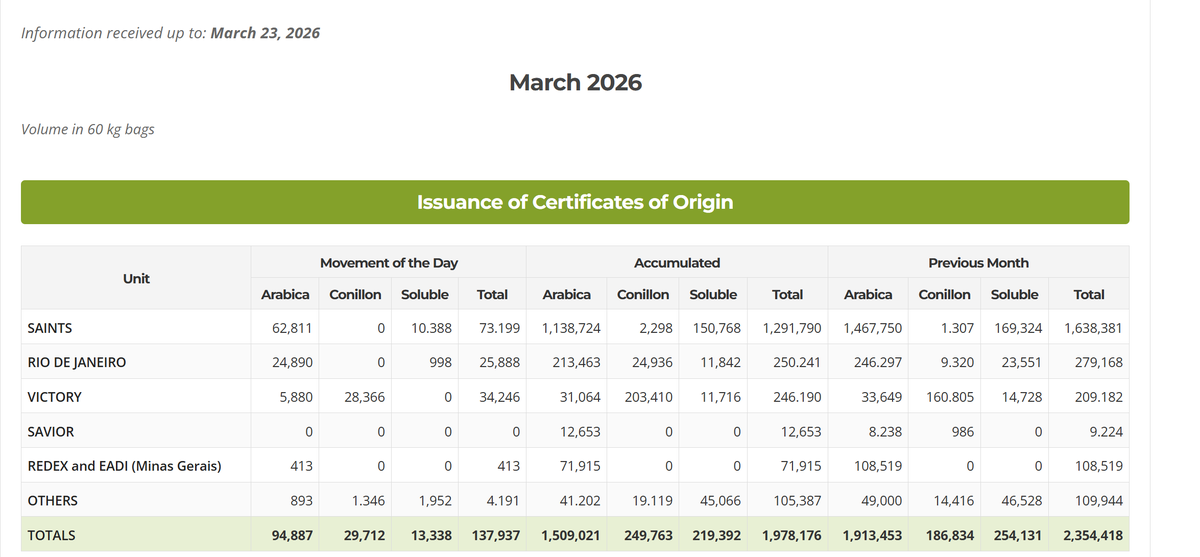

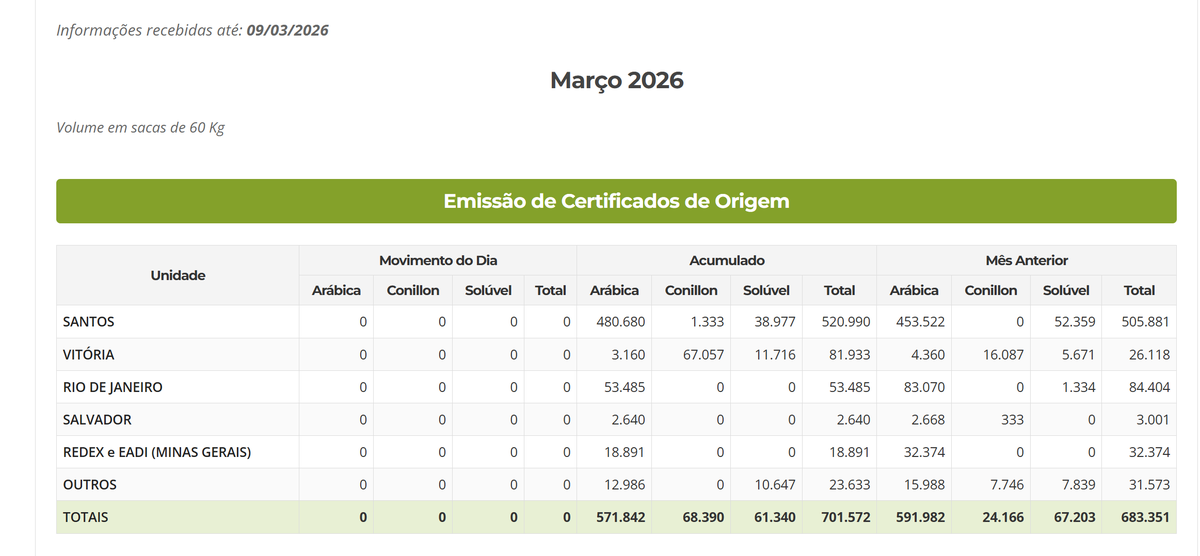
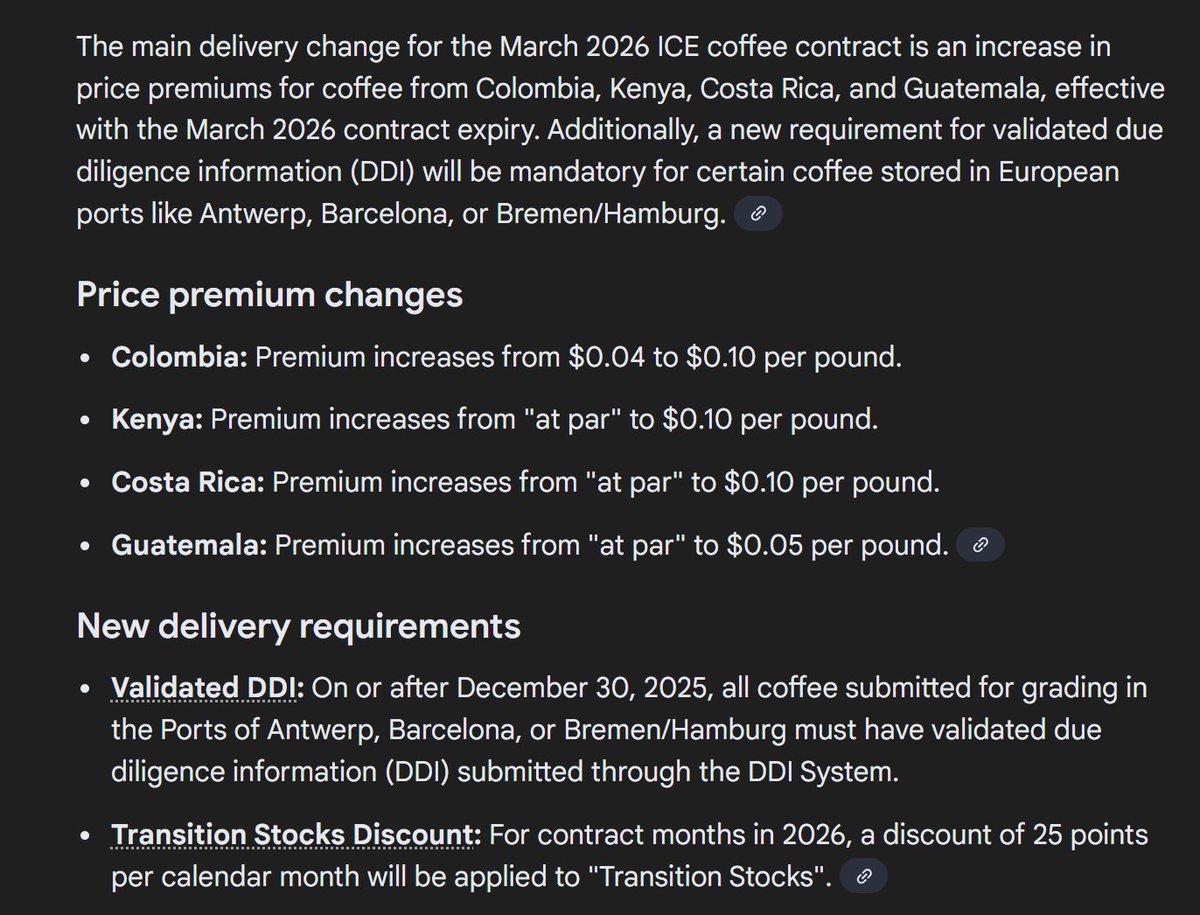
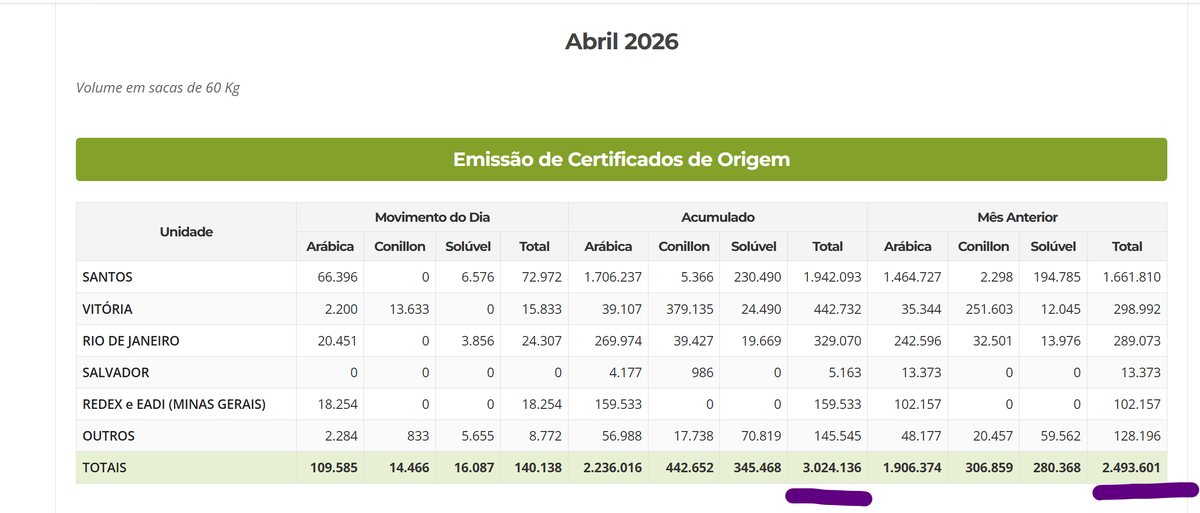
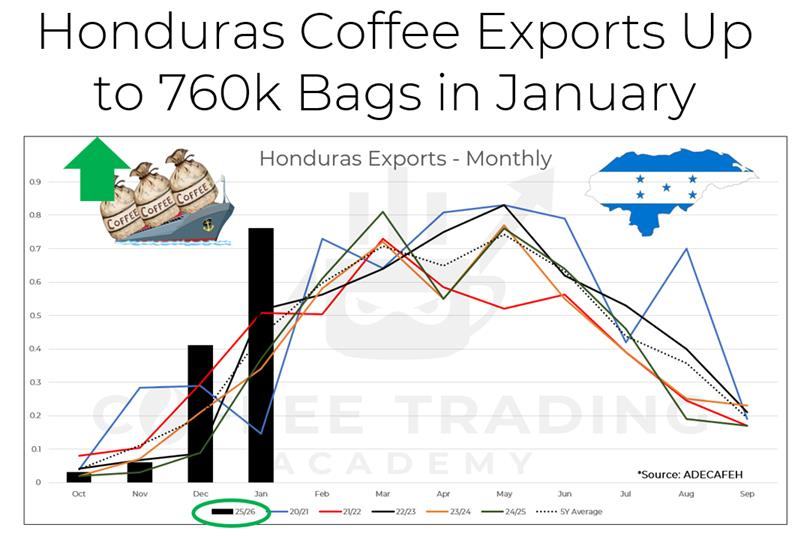
@CoffeeNinjaRyan More than anything it's a function of the rush to front load shipments as the H/K spread was > 20 cts lb, which helped collapse that spread to 0. Those shipments are today's ICE certs. The corollary: Honduras 25/26 is now totally sold excepting the SHG which come in during M/A/M
English
Honduras saw an export surge in Jan, to 760k bags. That’s a significant +72.8% above Jan's 5Y avg, while double than a year ago. So far, strong exports seem to reflect a larger crop, while it may also be a function of an early harvest start, coupled with dry weather.
English
@AnkurPatel59 JL blew his brains out in the cloakroom of the Sherry Netherland at age 62, His note said he was tired of fighting and felt like a failure.
English

Livermore made and lost millions multiple times before most traders today were born. Every mistake you're about to make? He made it first, with real money, real consequences.
These 8 lessons are extracted from his biggest wins and most devastating losses.
They're survival tactics from someone who actually beat the market, then got destroyed by ignoring his own rules.
Read this before your next trade. It might save you years of pain.

English
@JesseCohenInv JL blew his brains out in the cloakroom of the Sherry Netherland at age 62, His note said he was tired of fighting and felt like a failure.
English
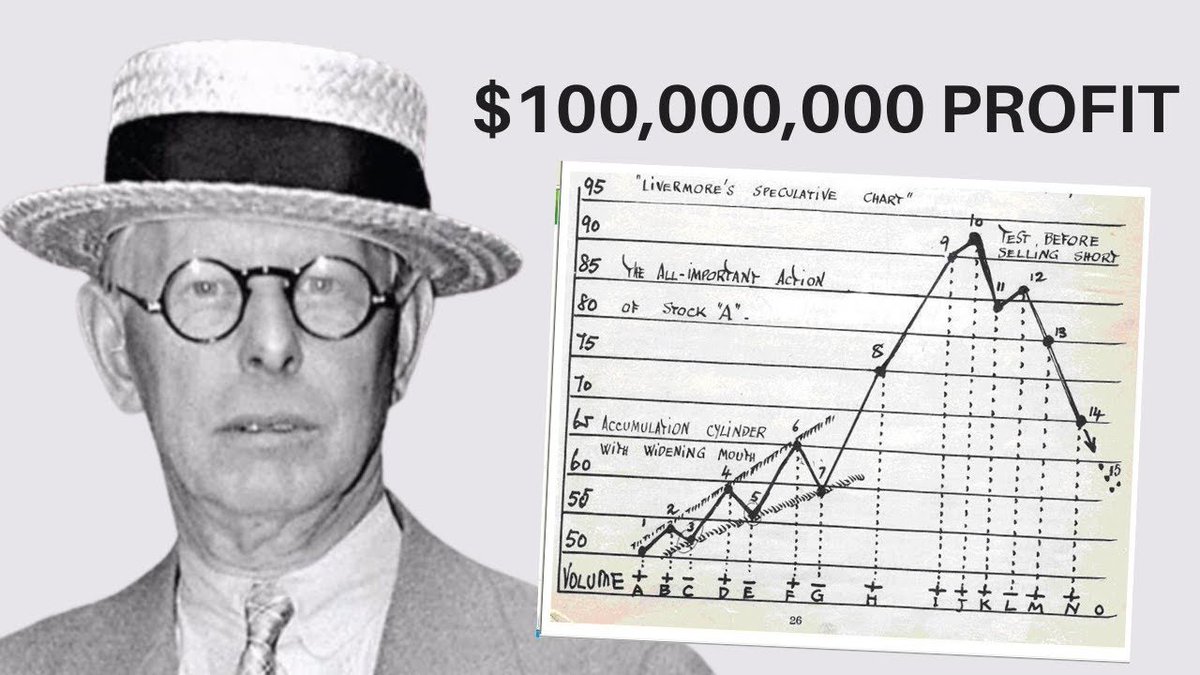
Jesse Livermore’s 12 Risk Management Rules
1. Never average a losing position
Averaging down is how small losses become fatal ones.
2. Always use a stop loss
A trade without a stop is a bet without limits.
3. Cut losses quickly
Losses must be taken immediately, without debate.
4. Let winners run
Big money comes from a few big winners, not many small ones.
5. Trade only when the market confirms your idea
Your opinion means nothing until price agrees.
6. Never trade on hope
Hope is not a strategy — it is a confession of being wrong.
7. Risk only a small portion of capital on any trade
Survival comes before profit.
8. Trade with the primary trend
Fighting the trend is the fastest way to ruin.
9. Sit tight when you are right
Impatience kills profits more than bad entries.
10. Stay out of the market when conditions are unclear
No position is a position.
11. Increase size only when winning
Pyramiding works only in your favor — never against you.
12. Protect capital above all else
You can’t recover if you’re wiped out.
Every rule was paid for in losses, pain, and blown accounts.
English
@AsymTrading Not so Richard Dennis's methodology IS constant exposure to as many liquid markets as possible Qualmaggie's method in no way resembles that . Very different drawdown rules too.
English
One of the core lessons from Richard Dennis’ trend-following work was that a small number of trades generate the majority of profits. Because there’s no way to know which trades those will be in advance, the edge comes from taking every valid setup and allowing winners enough room to develop—rather than cutting them short for comfort.
This is also why traders like Qullamaggie were comfortable holding large numbers of positions at once during favorable market regimes, while at other times holding very few or none at all. The goal was not constant exposure, but participation in opportunity. When conditions were right, breadth of positions mattered because the next outsized winner could come from anywhere. When conditions deteriorated, restraint became the edge. In both cases, the discipline was the same: follow the process, respect risk, and let the market—not emotion—decide which trades would ultimately matter.
English
ME M retweetledi

A gem of a video from Warren Buffet:
"The most important thing in hitting is waiting for the right pitch... In investing, there's no called strikes. I only get a strike called if I swing at a pitch and miss. So I can wait there and look at thousands of companies day after day, and only when I see something I understand and when I like the price at which it's selling, then if I swing, if I hit it fine, if I miss, it's a strike. But it's an enormously advantageous game."
This is why doing nothing is often the hardest trade (Save this).
English
An up to date assessment from a reputable gent who is in the thick of it and considered serious and knowledgeable. youtu.be/YW8SCCkWvuc?si…

YouTube
English

@Judy_Ganes @F4tailhook HG Hond, tenderable quality, offered Jan/Feb at 2 OVER KCH fob sp. NC flow picking up, will likely increase substantially 1st an 2n wk Dec. If KCH rallies towards 400 and >tenderable parity should be doable, much the same as last season when futs were in that 410-440 window.
English

@F4tailhook Pending grading cert stocks starting to creep up. Honduran crop looks good.
English