

MBL
4.2K posts
MBL
@MLynch22
@washcoll, @GSPMgwu but always 🍊 at heart. I like golf and the New York Yankees. 🎯 Bing bong
CHS via DC via CNY Katılım Şubat 2009
5K Takip Edilen586 Takipçiler
𝗧𝗥𝗘𝗡𝗗𝗜𝗡𝗚: NFL legend Justin Tuck is now a Managing Director at Goldman Sachs after his 11-year football career.
After the NFL, Tuck went back to school, earning an MBA from the prestigious Wharton School.
Justin is a true inspiration and role model.
(via @adamglyn)
English

@GolfChannel @ArronOberholser Sure but then you remember it’s filled with Philadelphians
English

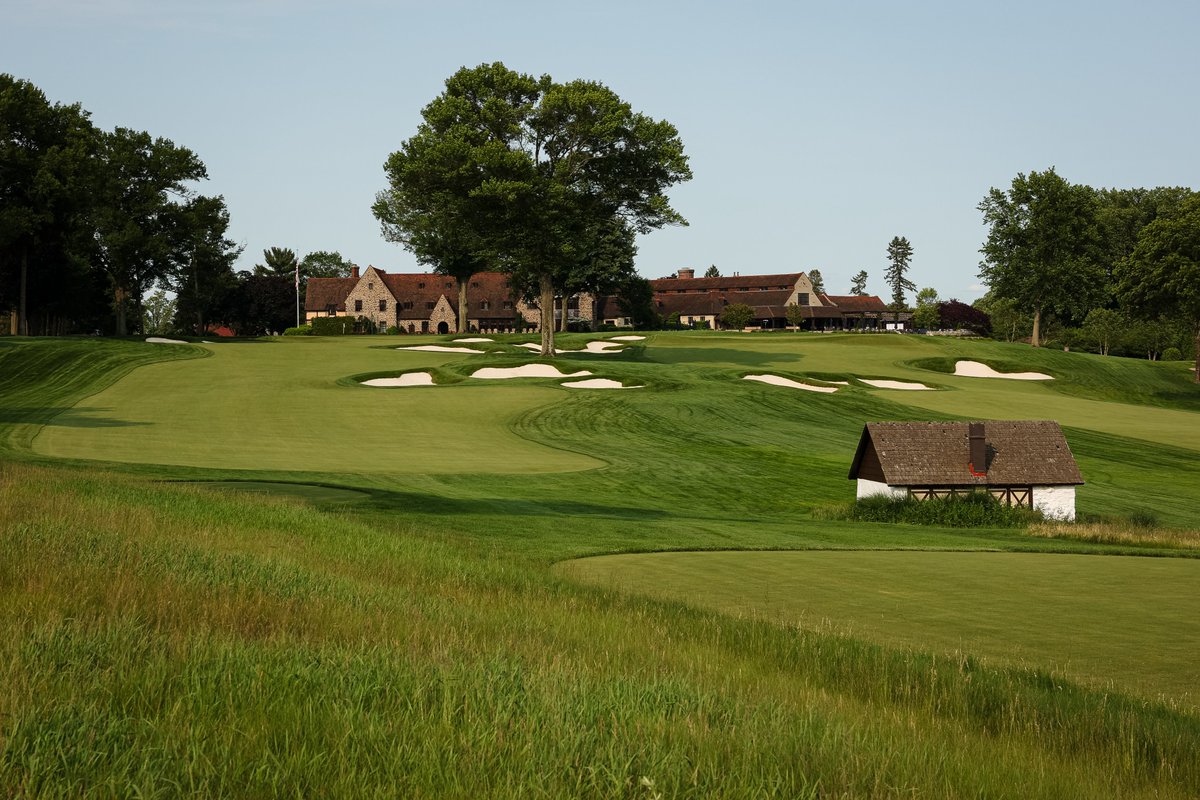
Does Philadelphia have a case for best golf city in the United States? Within a 20-mile radius:
• Merion
• Aronimink
• Pine Valley
• Gulph Mills
• Rolling Green
• Huntingdon Valley
• Philadelphia Cricket Club
• Philadelphia Country Club
English

@RaminNasibov Mathematically, no two people have ever shuffled a deck of cards to an equal result.
English

@EchoesofWarYT Philadelphia and New York were (and still are) both substantially larger than Boston so it wasn’t “the largest city in the American colonies”
English
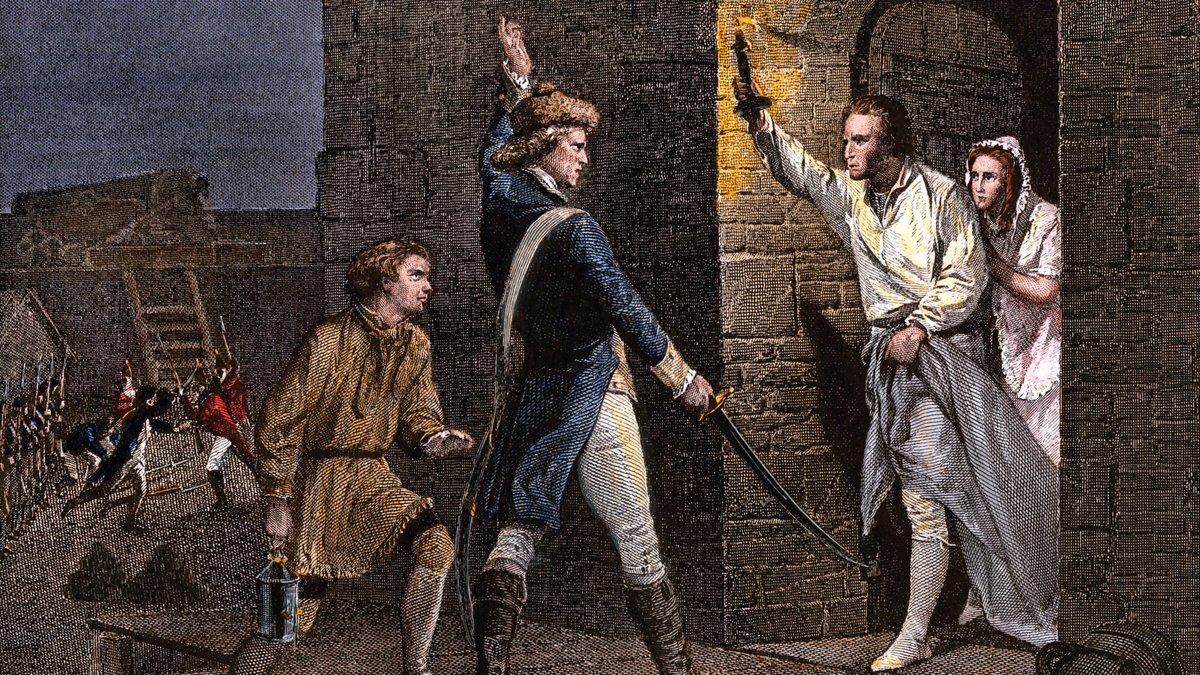
251 years ago this week, a 6'2" Vermont moonshiner with no military experience and no authorization from anyone captured the most strategically important fort in North America at dawn, and accidentally won the Revolutionary War before it had really started.
It's May 1775. Lexington and Concord happened three weeks ago. The colonies have muskets but almost no cannon. The British, sitting in Boston, have plenty. Everyone knows that without artillery, the rebellion is over by autumn.
Everyone also knows where to get artillery: Fort Ticonderoga. A stone star-fort on Lake Champlain, bristling with roughly 80 heavy guns. The British call it "the Gibraltar of America." It's the bottleneck of the entire continent. Whoever holds it controls the invasion route between Canada and New York.
What the rebels don't know, but Ethan Allen has heard, is that "the Gibraltar of America" is, by 1775, mostly held together by moss. The walls are crumbling. The garrison is 48 men, many of them invalids and pensioners. The commander hasn't even been told a war started.
Allen is not a soldier. He's a frontier land speculator who runs an armed militia called the Green Mountain Boys, originally formed not to fight the British, but to beat up New York surveyors trying to seize Vermont farms. New York has literally put a bounty on his head. He decides to go take the fort anyway.
Halfway there, a man named Benedict Arnold shows up on horseback with a Massachusetts colonel's commission, waving paperwork, demanding command of the expedition. The Green Mountain Boys threaten to go home if Arnold is in charge. Allen and Arnold agree to "joint command," which mostly means walking next to each other in furious silence.
They reach the lake at midnight. Problem: they have 200 men and exactly two leaky boats. By 3 AM only 83 have made it across. Dawn is coming. Allen decides to attack with what he has, meaning roughly 1 American for every half-cannon inside the fort.
A lone British sentry sees them coming through the wicket gate, levels his musket at Allen's chest, and pulls the trigger. The musket misfires. He runs. The Americans pour in. Total resistance to the capture of British North America's most important inland fortress: one wet flintlock.
Allen pounds on the officers' quarters with the flat of his sword. Lt. Jocelyn Feltham stumbles out half-dressed, asking by what authority Allen is there. Allen, by his own later account, roars: "In the name of the Great Jehovah and the Continental Congress!" (Other witnesses remembered the wording as substantially more profane. The Continental Congress, for its part, had no idea any of this was happening.)
Captain Delaplace, the actual commander, emerges still buttoning his trousers and surrenders the fort, its 78 cannons, its garrison, and roughly 30,000 musket flints without a shot fired by either side. Casualties: zero. Time elapsed: about ten minutes.
But here's the part that actually changed history. Those cannons sat at Ticonderoga for six months until a 25-year-old, 280-pound Boston bookseller named Henry Knox, who had learned artillery from books in his own shop, volunteered to go get them.
In the dead of winter, Knox and his men dragged 59 cannons weighing 60 tons across 300 miles of frozen rivers, the Berkshires, and unbroken snow, on 42 ox-drawn sleds. One gun fell through the ice of the Hudson. They fished it out and kept going. It took 56 days.
On the night of March 4, 1776, those cannons were hauled silently up Dorchester Heights overlooking Boston Harbor. The British woke up on March 5 to find every ship in the harbor and every redcoat in the city under the muzzles of guns that, six months earlier, had belonged to them.
Eleven days later, the British evacuated Boston. They would never hold it again.
An unauthorized raid by 83 backwoodsmen, led by a wanted man and a future traitor, against a fort defended by a captain in his pajamas, became the artillery that drove the British army out of the largest city in the American colonies.
Easiest W in American history. Possibly the most consequential ten minutes of the 18th century.
English
English
@DavidShuster @nytimes Sorry, but your tweet is completely untrue.
English

Hearing from longtime friends @nytimes there are already discussions, including up the masthead, about retracting @NickKristof column. Issues with source credibility and lack of evidence. No indications the Kristof sourcing mistakes were deliberate. Still problematic:
English
MBL retweetledi

@TwinsAlmanac This is so misleading. It reads like he did that with 2 outs in the 9th. Bunting in the 6th to get on base down 3 is not nearly as bad. Also, it’s not “all that stood between” him. That’s called the fallacy of the predetermined outcome.
English
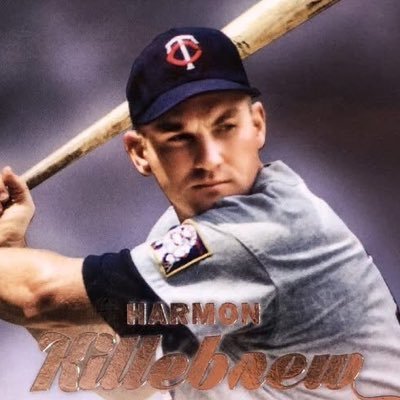
This Greg Gagne bunt was all that stood between Bobby Witt and the 14th perfect game in MLB history.
Witt completed the 1-hit shutout with 14 strikeouts and 0 walks.
English

As I was saying @PickSwapMedia
Not sure how this isn’t universally agreed upon. There has never been a day in their lives where OG Anunoby is as good as Paul George
Pick Swap Media@PickSwapMedia
Is Paul George the best Wing in the Sixers vs Knicks series? @Sean_Barnard1 says he comfortably clears OG Anunoby and Mikal Bridges @soshtry hesitantly agrees 👀 🎥 @MattChiric0
English
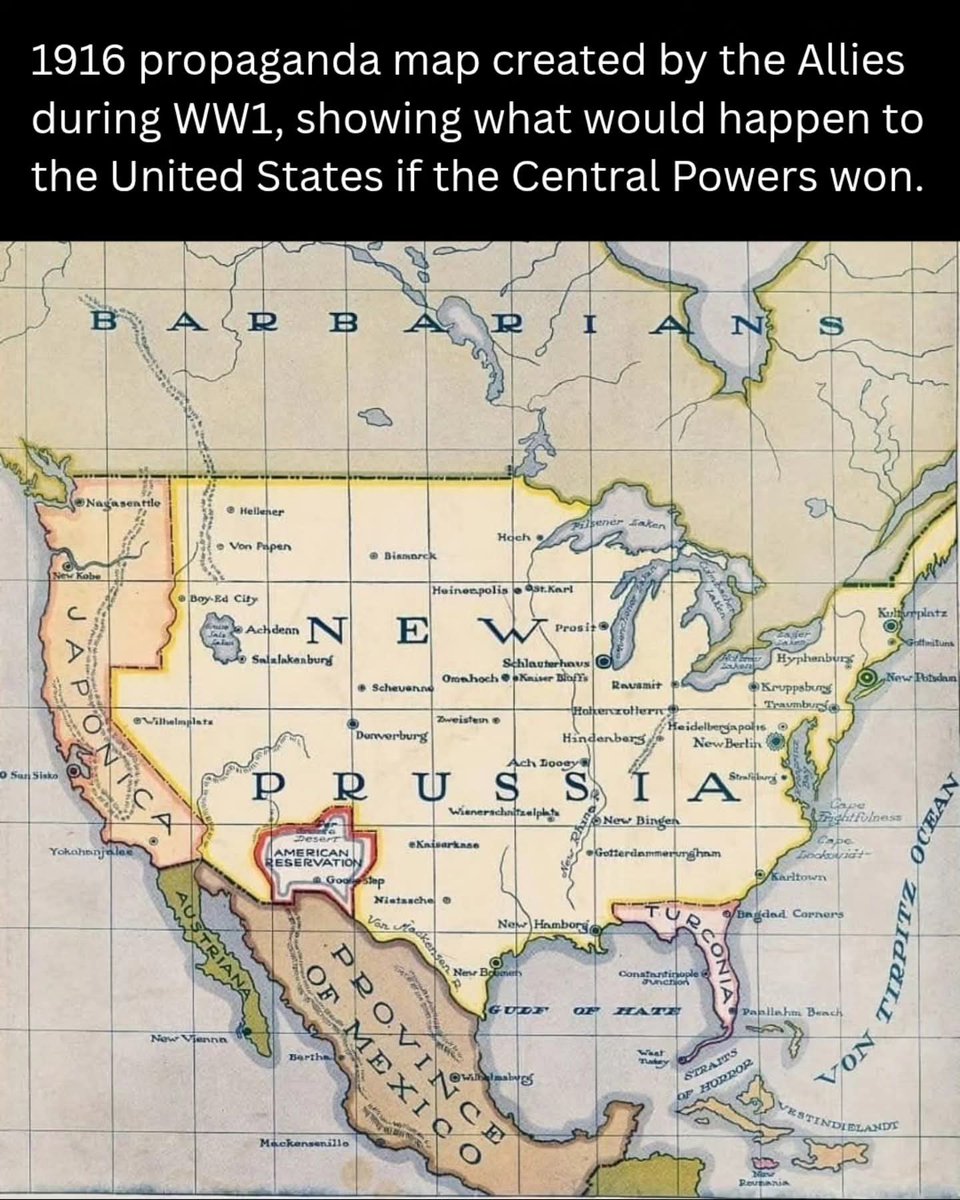
I love how they imagine Florida given to the Turks.
English


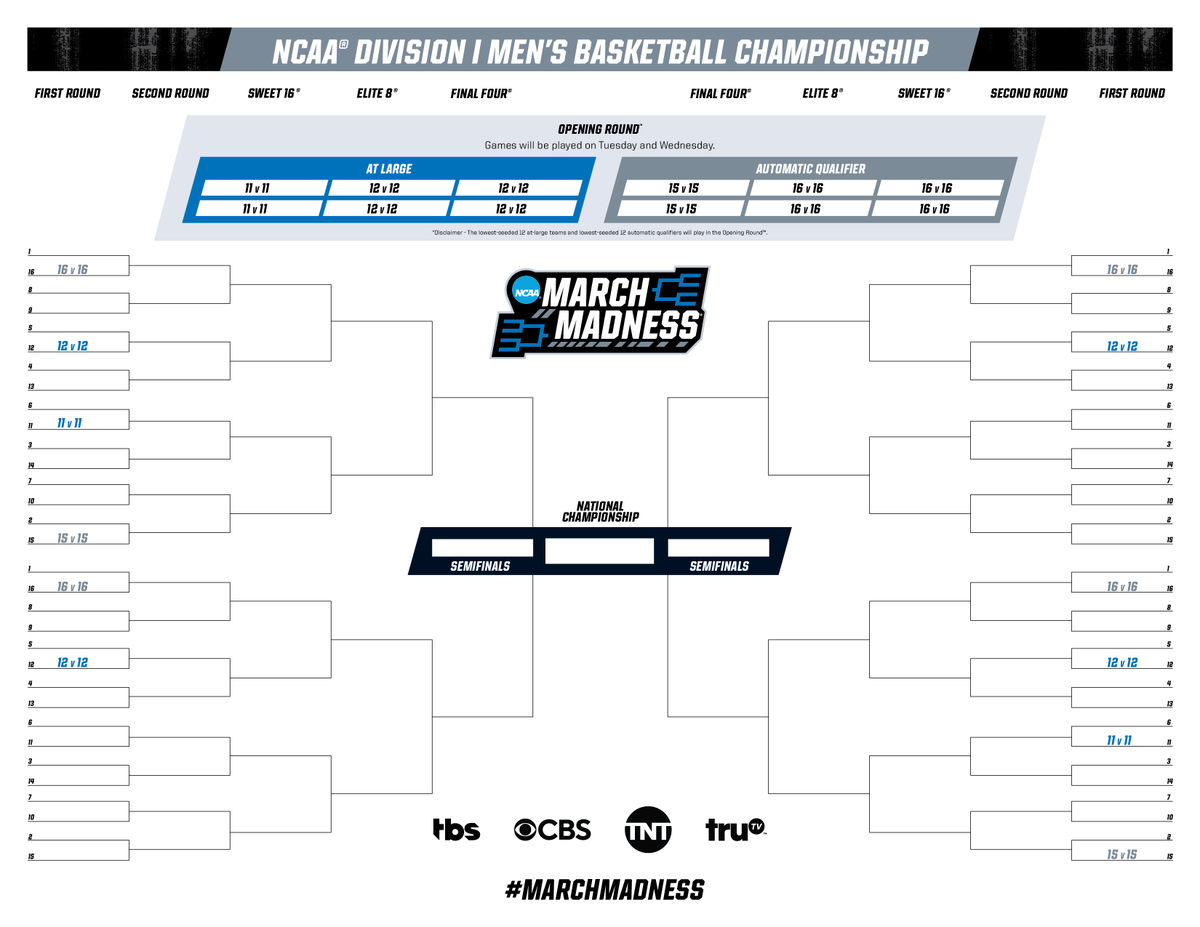


Following today’s game, the Yankees returned INF Anthony Volpe from his rehab assignment, reinstated him from the 10-day injured list and optioned him to Triple-A Scranton/Wilkes-Barre.
English
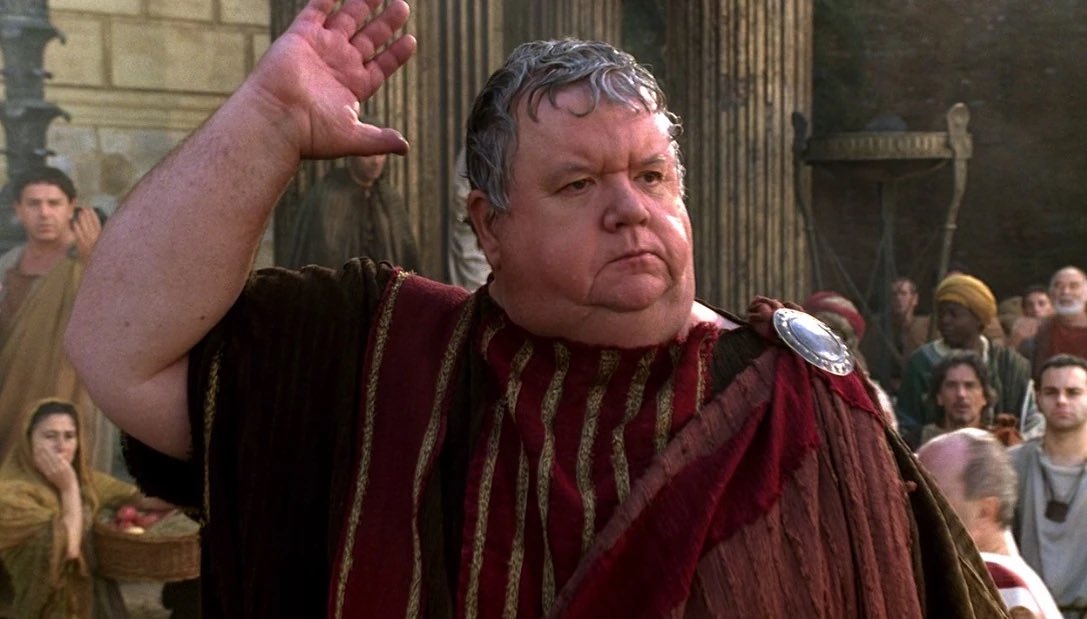
Season 3 of HBO Rome but make it about the reign of Marcus Aurelius.
English

The Boston Red Sox fired manager Alex Cora, hitting coach Peter Fatse, bench coach Rámon Vazquez and game-planning coach Jason Varitek, sources tell ESPN.
While the Red Sox won today, they are 10-17 and in last in the American League East. Massive change is coming in Boston.
English
You fellas prefer westchester county or midtown?

English

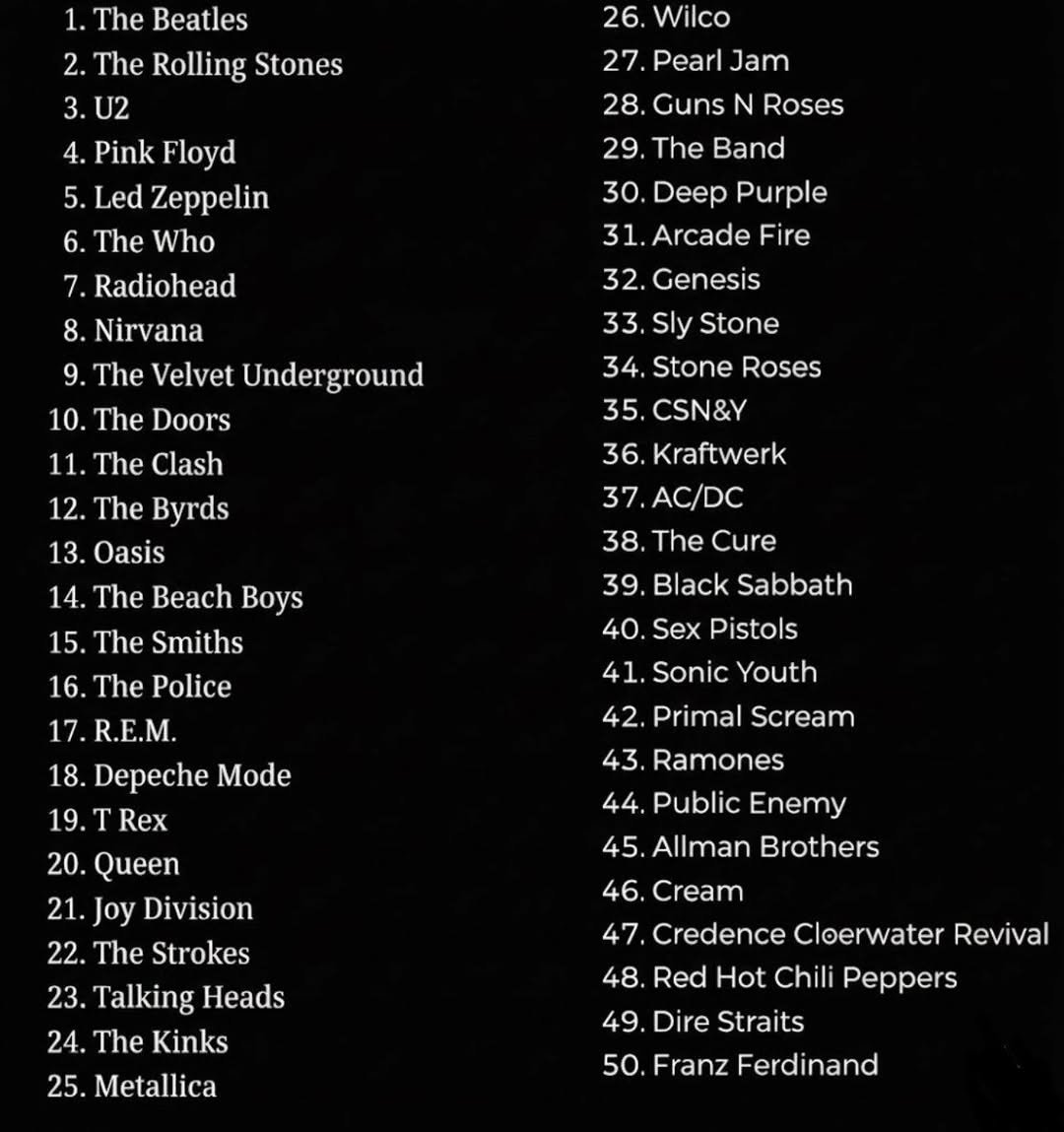
The 50 best bands of all time according to Rolling Stone magazine.
Who got left out, and which band is ranked a little too high?
English