Moti Tabulo

285 posts

Moti Tabulo

Moti Tabulo

@MTabulo

Product Leader

Katılım Temmuz 2014
733 Takip Edilen231 Takipçiler
Moti Tabulo retweetledi

Andrej Karpathy
Andrej Karpathy@karpathy·
LLM Knowledge Bases Something I'm finding very useful recently: using LLMs to build personal knowledge bases for various topics of research interest. In this way, a large fraction of my recent token throughput is going less into manipulating code, and more into manipulating knowledge (stored as markdown and images). The latest LLMs are quite good at it. So: Data ingest: I index source documents (articles, papers, repos, datasets, images, etc.) into a raw/ directory, then I use an LLM to incrementally "compile" a wiki, which is just a collection of .md files in a directory structure. The wiki includes summaries of all the data in raw/, backlinks, and then it categorizes data into concepts, writes articles for them, and links them all. To convert web articles into .md files I like to use the Obsidian Web Clipper extension, and then I also use a hotkey to download all the related images to local so that my LLM can easily reference them. IDE: I use Obsidian as the IDE "frontend" where I can view the raw data, the the compiled wiki, and the derived visualizations. Important to note that the LLM writes and maintains all of the data of the wiki, I rarely touch it directly. I've played with a few Obsidian plugins to render and view data in other ways (e.g. Marp for slides). Q&A: Where things get interesting is that once your wiki is big enough (e.g. mine on some recent research is ~100 articles and ~400K words), you can ask your LLM agent all kinds of complex questions against the wiki, and it will go off, research the answers, etc. I thought I had to reach for fancy RAG, but the LLM has been pretty good about auto-maintaining index files and brief summaries of all the documents and it reads all the important related data fairly easily at this ~small scale. Output: Instead of getting answers in text/terminal, I like to have it render markdown files for me, or slide shows (Marp format), or matplotlib images, all of which I then view again in Obsidian. You can imagine many other visual output formats depending on the query. Often, I end up "filing" the outputs back into the wiki to enhance it for further queries. So my own explorations and queries always "add up" in the knowledge base. Linting: I've run some LLM "health checks" over the wiki to e.g. find inconsistent data, impute missing data (with web searchers), find interesting connections for new article candidates, etc., to incrementally clean up the wiki and enhance its overall data integrity. The LLMs are quite good at suggesting further questions to ask and look into. Extra tools: I find myself developing additional tools to process the data, e.g. I vibe coded a small and naive search engine over the wiki, which I both use directly (in a web ui), but more often I want to hand it off to an LLM via CLI as a tool for larger queries. Further explorations: As the repo grows, the natural desire is to also think about synthetic data generation + finetuning to have your LLM "know" the data in its weights instead of just context windows. TLDR: raw data from a given number of sources is collected, then compiled by an LLM into a .md wiki, then operated on by various CLIs by the LLM to do Q&A and to incrementally enhance the wiki, and all of it viewable in Obsidian. You rarely ever write or edit the wiki manually, it's the domain of the LLM. I think there is room here for an incredible new product instead of a hacky collection of scripts.
English
2.2K
5.1K
44.6K
12.9M
Moti Tabulo retweetledi
cat
cat@_catwu·
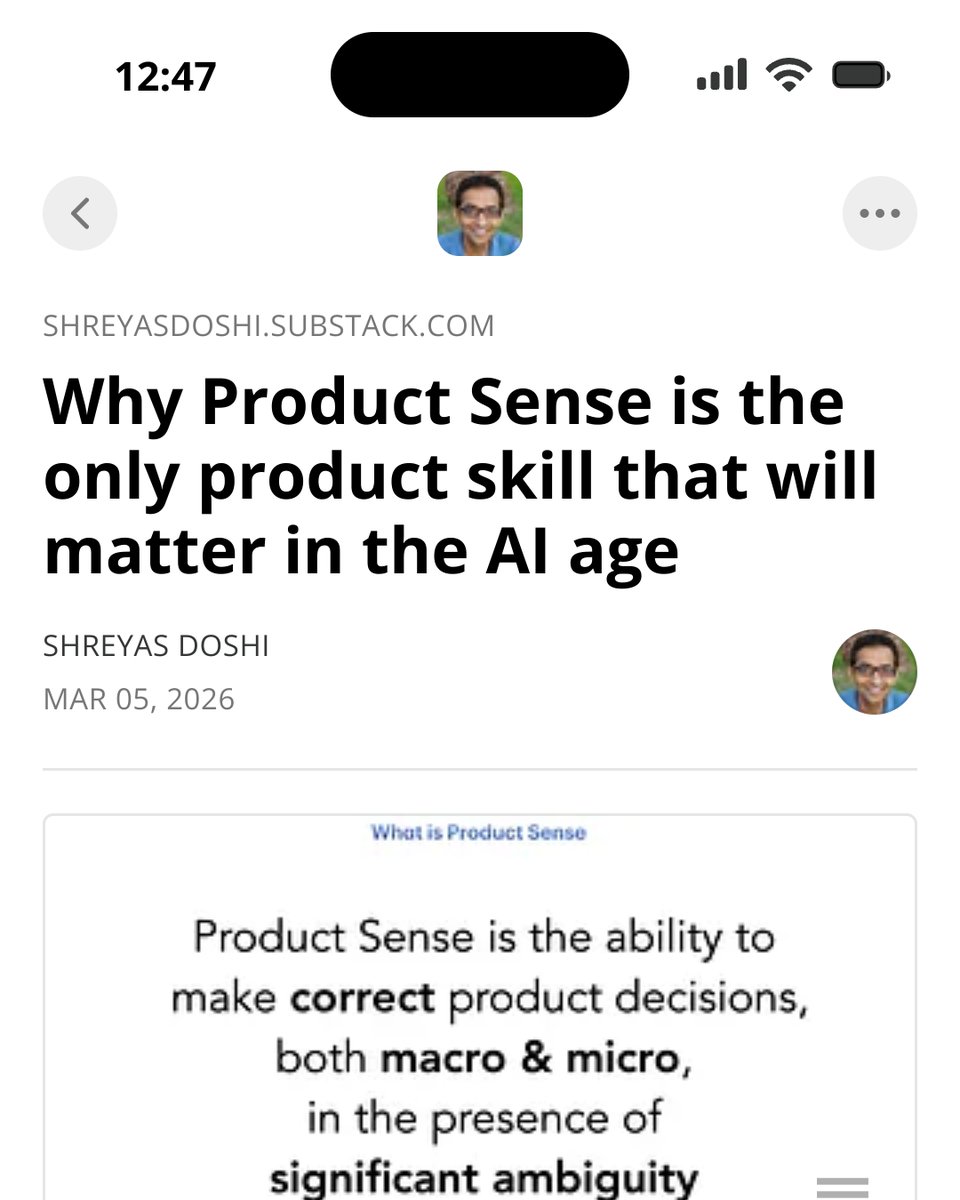
The PM playbook was built on an assumption that the technology underneath your product is roughly stable With the current pace of model progress, this is no longer true. Here's how we've evolved the PM role:
English
71
185
2K
362.6K
Moti Tabulo retweetledi
Balaji
Balaji@balajis·
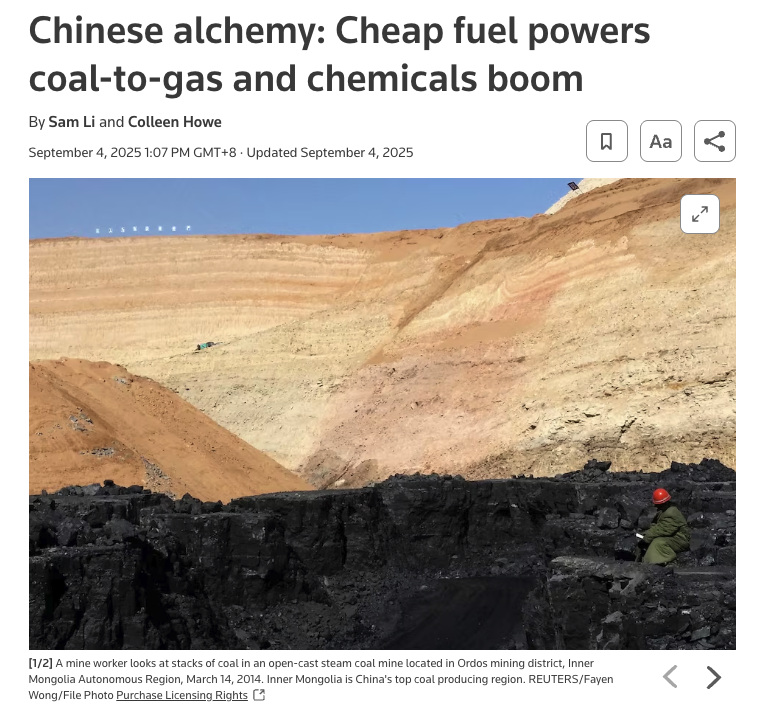
I'm going to make some obvious points. (1) Blowing up all the oil infrastructure in the Middle East is an insane idea, and may well result in a global economic crash and humanitarian crisis unrivaled in the lives of those now living. We're talking about the price of everything everywhere rising, from food to gas, at a moment when inflation was already high. All of that will be laid at the feet of the authors of this war. (2) The antebellum status quo of Feb 27, 2026 was just not that bad, but we're unlikely to return to it. Expect indefinite, long-term, ongoing disruptions to everything out of the Middle East. (3) Also assume tech financing crashes for the indefinite future. The genius plan to get the Gulf states caught in the crossfire has incinerated much of the funding for LPs, for datacenters, and for IPOs. Anyone in tech who supported this war may soon learn the meaning of "force majeure" as funding gets yanked. (4) Many capital allocators will instead be allocating much further down Maslow's hierarchy of needs, towards useful basic things like food and energy. (5) It's fortunate that all those progressives yelled about the "climate crisis." Yes, their reasoning about timelines was wrong, and much of the money was wasted in graft, but the result was right: we all need energy independence from the Middle East, pronto. It's also fortunate that Elon and China autistically took climate seriously. Now they're going to need to ship a billion solar panels, electric vehicles, batteries, nuclear power plants, and the like to get everyone off oil, immediately. (6) It's not just an oil and gas problem, of course. It's also a fertilizer problem, and a chemical precursor problem. Maybe some new sources will come online at the new prices, but it takes time to dial stuff up, particularly at this scale, so shortages are almost a certainty. That said, China has actually scaled up coal-to-chemicals[a,c] (C2C), and there's also something more sci-fi called Power-to-X[b] which turns arbitrary power + water + air into hydrocarbons. But all of that will need to get accelerated. I have a background in chemical engineering so may start funding things in this area. (7) Ultimately, this war is going to result in tremendous blame for anyone associated with it. It's a no-win scenario to blow up this much infrastructure for so many people. Simply not worth it for whatever objective they thought they were going to attain. But unless you're actually in a position to stop the madness, the pragmatic thing to do is: scramble to mitigate the fallout to yourself, your business, and your people. [a]: reuters.com/business/energ… [b]: alfalaval.com/industries/ene… [c]: reuters.com/sustainability…
Balaji tweet media
English
700
2.1K
11.7K
3.3M
Moti Tabulo retweetledi
Anish Moonka
Anish Moonka@anishmoonka·
Marc Andreessen just dropped ~105 mins on Lenny's Podcast covering AI, jobs, careers, and why everyone is panicking about the wrong thing. Just the clearest macro framework I've heard on where AI actually lands. My notes: 𝟭. 𝗔𝗜 𝗶𝘀 𝗮𝗿𝗿𝗶𝘃𝗶𝗻𝗴 𝗮𝘁 𝘁𝗵𝗲 𝗲𝘅𝗮𝗰𝘁 𝗺𝗼𝗺𝗲𝗻𝘁 𝗵𝘂𝗺𝗮𝗻𝗶𝘁𝘆 𝗻𝗲𝗲𝗱𝘀 𝗶𝘁. US productivity growth has been running at half the rate of the 1940-1970 era and a third the rate of 1870-1940. The global population is declining below replacement in dozens of countries, including China. Without AI, we would be panicking about economies shrinking from depopulation, not job loss. The timing is almost miraculous. This is what Andreessen means when he says the real boom has not started yet. We have been in a 50-year productivity drought, and most people do not even realize it. 𝟮. 𝗔𝗜 𝗶𝘀 𝘁𝗵𝗲 𝗽𝗵𝗶𝗹𝗼𝘀𝗼𝗽𝗵𝗲𝗿'𝘀 𝘀𝘁𝗼𝗻𝗲. Isaac Newton spent decades trying to transmute lead into gold and never succeeded. AI does something more powerful: it converts sand (silicon) into thought. The most common material in the world is the rarest output. This one metaphor reframes the entire AI conversation. You do not have a job loss problem. You have a philosopher's stone sitting on your desk that you are not using enough. 𝟯. 𝗔𝗜 𝗺𝗮𝗸𝗲𝘀 𝗴𝗼𝗼𝗱 𝗽𝗲𝗼𝗽𝗹𝗲 𝘃𝗲𝗿𝘆 𝗴𝗼𝗼𝗱, 𝗮𝗻𝗱 𝘃𝗲𝗿𝘆 𝗴𝗼𝗼𝗱 𝗽𝗲𝗼𝗽𝗹𝗲 𝘀𝗽𝗲𝗰𝘁𝗮𝗰𝘂𝗹𝗮𝗿𝗹𝘆 𝗴𝗿𝗲𝗮𝘁. The best coders right now are not reporting 2x productivity. They are reporting 10x. The gap between "pretty good with AI" and "elite with AI" is widening, not narrowing. This is the most important signal for career planning right now. If you are just using AI to do the same job slightly faster, you are leaving the real leverage on the table. 𝟰. 𝗧𝗵𝗲𝗿𝗲'𝘀 𝗮 𝗠𝗲𝘅𝗶𝗰𝗮𝗻 𝘀𝘁𝗮𝗻𝗱𝗼𝗳𝗳 𝗯𝗲𝘁𝘄𝗲𝗲𝗻 𝗣𝗠𝘀, 𝗲𝗻𝗴𝗶𝗻𝗲𝗲𝗿𝘀, 𝗮𝗻𝗱 𝗱𝗲𝘀𝗶𝗴𝗻𝗲𝗿𝘀. Every engineer now thinks they can be a PM and designer. Every PM thinks they can code and design. Every designer knows they can do both. And they are all correct, because AI enables each role to absorb the tasks of the other two. I have seen this firsthand in the investing world. The analyst who can build models and write narratives is 5x more valuable than someone who can do only one. The same convergence is happening in the product. 𝟱. 𝗙𝗼𝗿𝗴𝗲𝘁 𝗧-𝘀𝗵𝗮𝗽𝗲𝗱. 𝗕𝘂𝗶𝗹𝗱 𝗮𝗻 𝗘-𝘀𝗵𝗮𝗽𝗲𝗱 𝗰𝗮𝗿𝗲𝗲𝗿. Scott Adams could not have created Dilbert by being the world's best cartoonist or the world's best business mind. He needed both. The additive effect of two skills is more than double. Three skills are more than triple. Larry Summers puts it differently: don't be fungible. The person who can code, design, and ship a product is no longer a unicorn. They are the new baseline for "extremely valuable." If you are only one of those three things, you are increasingly replaceable. 𝟲. 𝗝𝗼𝗯𝘀 𝗮𝗿𝗲 𝗯𝘂𝗻𝗱𝗹𝗲𝘀 𝗼𝗳 𝘁𝗮𝘀𝗸𝘀. 𝗧𝗮𝘀𝗸𝘀 𝗰𝗵𝗮𝗻𝗴𝗲. 𝗝𝗼𝗯𝘀 𝗽𝗲𝗿𝘀𝗶𝘀𝘁. Executives never typed their own emails in the 1970s. Secretaries printed incoming emails and hand-delivered them. Both roles survived the transition, just with different task sets. The same will happen with AI and coding, PM work, and design. Everyone obsessing over "will my job disappear" is asking the wrong question. The right question is: which tasks in my job are about to rotate, and am I ready to pick up the new ones? 𝟳. 𝗔𝗜 𝗰𝗼𝗱𝗶𝗻𝗴 𝗶𝘀 𝗷𝘂𝘀𝘁 𝘁𝗵𝗲 𝗻𝗲𝘅𝘁 𝗮𝗯𝘀𝘁𝗿𝗮𝗰𝘁𝗶𝗼𝗻 𝗹𝗮𝘆𝗲𝗿. We went from human calculators to machine code to assembly to C to scripting languages. Each layer was dismissed by the previous generation. Each time, the new layer won, and total coding employment grew. AI coding is the same pattern, not a rupture. The Perl programmers of 2005, laughing at JavaScript, are the C programmers of 1995, laughing at scripting. History rhymes, and it always rewards the people who adopt the next abstraction first. 𝟴. 𝗔𝗜 𝘁𝘂𝘁𝗼𝗿𝗶𝗻𝗴 𝗱𝗲𝗺𝗼𝗰𝗿𝗮𝘁𝗶𝘇𝗲𝘀 𝗲𝗹𝗶𝘁𝗲 𝗲𝗱𝘂𝗰𝗮𝘁𝗶𝗼𝗻. One-on-one tutoring is the only method proven to move a student from the 50th to the 99th percentile (Bloom's two sigma effect). It used to require being born into royalty. Alexander the Great was tutored by Aristotle. Now, any kid with a phone can access the same quality of personalized instruction. This is the most under-discussed consequence of AI. Every parent reading this should be supplementing their kid's education with structured AI tutoring right now. Not next year. Now. 𝟵. 𝗣𝗲𝘁𝗲𝗿 𝗧𝗵𝗶𝗲𝗹 𝘄𝗮𝘀 𝗺𝗼𝗿𝗲 𝗿𝗶𝗴𝗵𝘁 𝘁𝗵𝗮𝗻 𝗔𝗻𝗱𝗿𝗲𝗲𝘀𝘀𝗲𝗻 𝗼𝗿𝗶𝗴𝗶𝗻𝗮𝗹𝗹𝘆 𝗮𝗱𝗺𝗶𝘁𝘁𝗲𝗱. Progress in bits masked stagnation in atoms. The built world is barely different from 50 years ago. Same bridges from the 1930s, same dams from the 1910s. Cartels, monopolies, unions, and regulations prevent the rate of change that people had 100 years ago. This is also why AI will not transform everything overnight. Institutional sclerosis is real. Healthcare alone could take a generation. If you are building in atoms, budget for a war of attrition, not a blitzkrieg. 𝟭𝟬. 𝗠𝗼𝗮𝘁𝘀 𝗶𝗻 𝗔𝗜 𝗮𝗿𝗲 𝗴𝗲𝗻𝘂𝗶𝗻𝗲𝗹𝘆 𝘂𝗻𝗸𝗻𝗼𝘄𝗻. Within a year of ChatGPT's launch, five American companies, five Chinese companies, and open-source all had roughly equivalent models. DeepSeek emerged from a hedge fund in China and basically replicated the American labs' work. The smartest AI insiders privately admit there aren't many real secrets among the big labs. This is the most honest take I have heard from a top-tier VC. No one knows if the value accrues to models, apps, or infrastructure. Anyone who tells you otherwise is selling you certainty they do not have. 𝟭𝟭. 𝗔𝗜 𝗜𝗤 𝘄𝗶𝗹𝗹 𝗯𝗹𝗼𝘄 𝗽𝗮𝘀𝘁 𝗵𝘂𝗺𝗮𝗻 𝗹𝗶𝗺𝗶𝘁𝘀. Human IQ caps around 160 because of biology. Current AI models test around 130-140. There is no theoretical ceiling stopping AI from reaching 200, 250, or 300. The concept of AGI as a "human equivalent" will be a footnote because AI will race past that threshold. This is the frame that makes the "will AI take my job" debate feel small. We are not building a replacement for human thought. We are building something that will be better than the best human thought has ever been. 𝟭𝟮. 𝗧𝗵𝗲 𝗯𝗲𝘀𝘁 𝗳𝗼𝘂𝗻𝗱𝗲𝗿𝘀 𝗮𝗿𝗲 𝗿𝗲𝘁𝗵𝗶𝗻𝗸𝗶𝗻𝗴 𝘄𝗵𝗮𝘁 𝗮 𝗰𝗼𝗺𝗽𝗮𝗻𝘆 𝗲𝘃𝗲𝗻 𝗶𝘀. Layer one: AI redefines products. Layer two: AI redefines jobs within companies. Layer three, which has not dropped yet: AI redefines the very concept of having a company. The holy grail is the one-person, billion-dollar outcome, and the best founders are chasing it. Satoshi did it with Bitcoin. Instagram and WhatsApp came close with tiny teams. The question is no longer if this is possible with software. The question is how many of these we will see in the next five years. AI is the philosopher's stone. The question is whether you pick it up. The full podcast is worth your time. Link in replies.
Anish Moonka tweet media
English
89
567
3K
828.5K
Moti Tabulo retweetledi
Andrew Côté
Andrew Côté@Andercot·
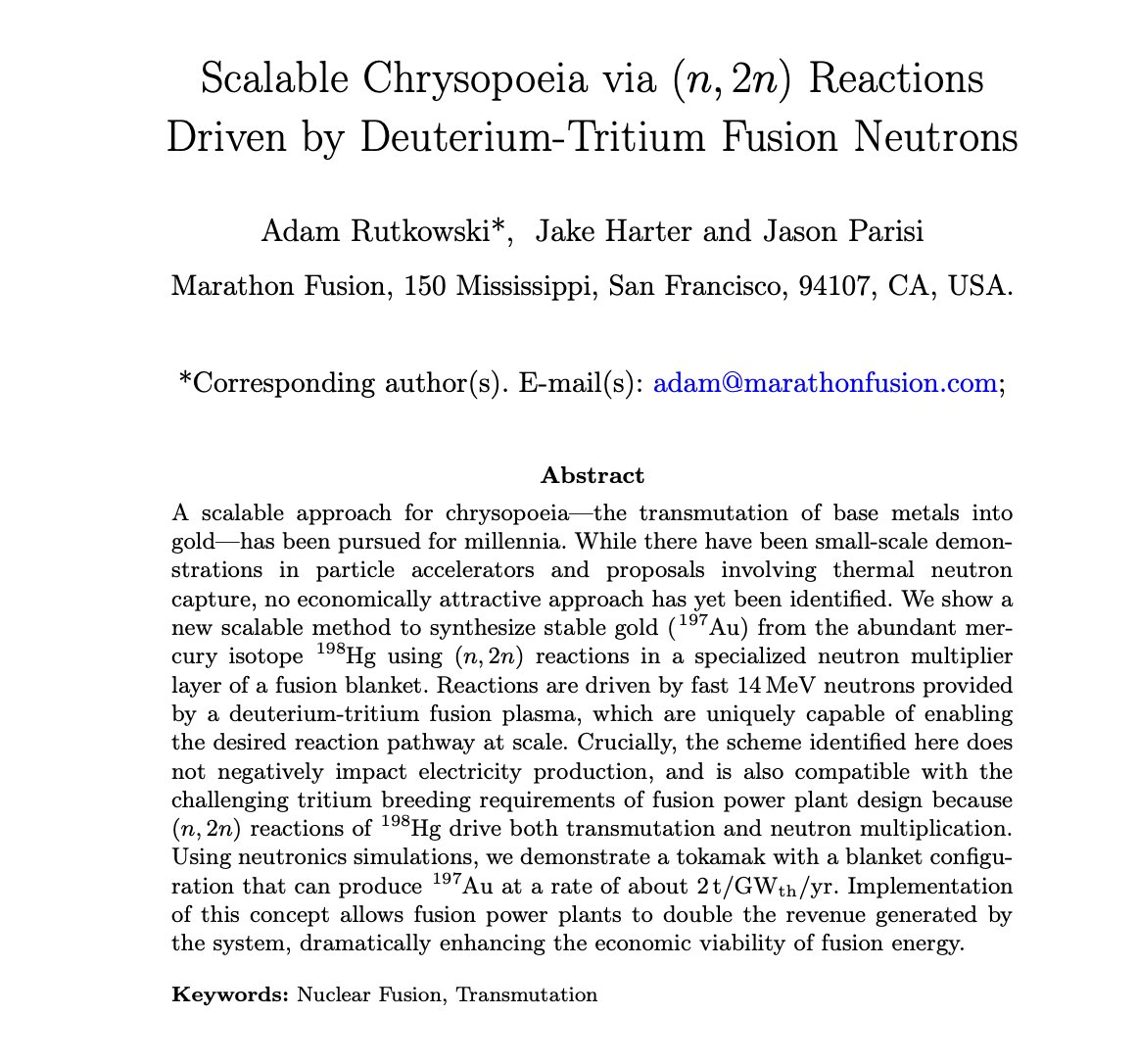
I must say that the most hilarious twist of tech trajectories of 2025 was the fusion industry realizing they could *double* the economics of fusion reactors by using the neutron blanket to.... Transmute Mercury into Gold. Alchemy is so back
Andrew Côté tweet media
English
196
1.3K
13.4K
406.6K
Moti Tabulo
Moti Tabulo@MTabulo·
26? Well, hello kids
Moti Tabulo tweet media
English
0
0
0
33
Moti Tabulo retweetledi
Haseeb >|<
Haseeb >|<@hosseeb·
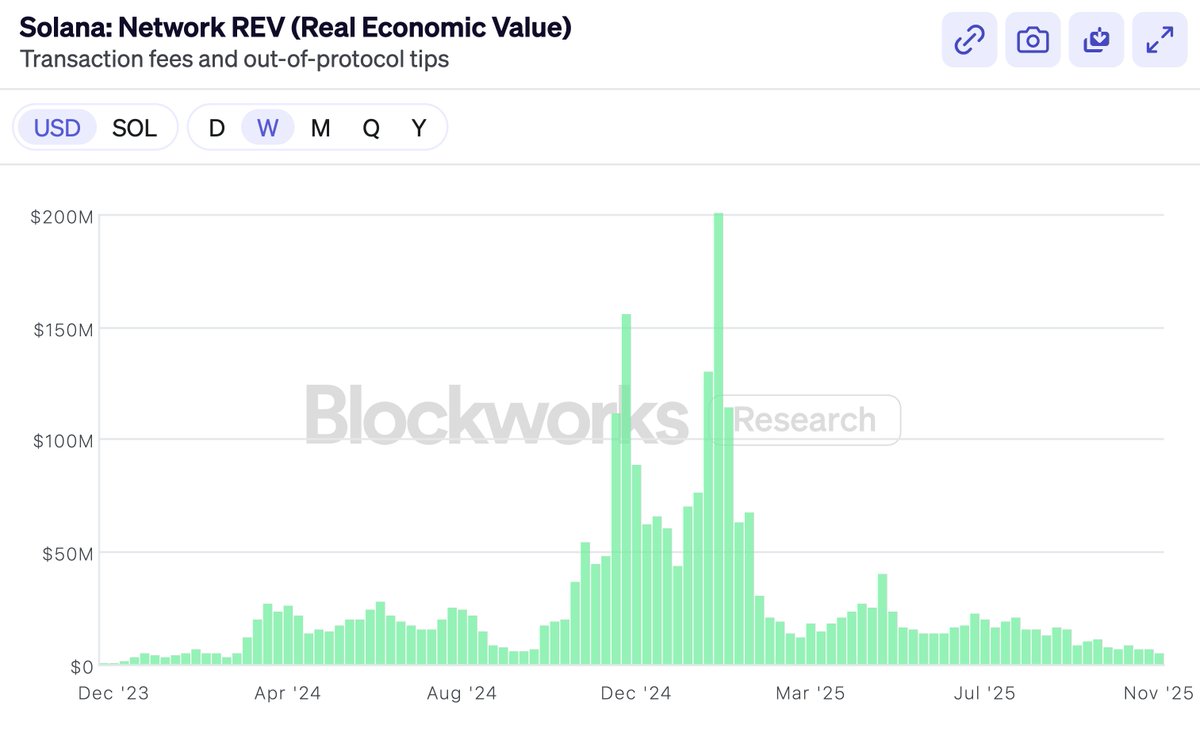
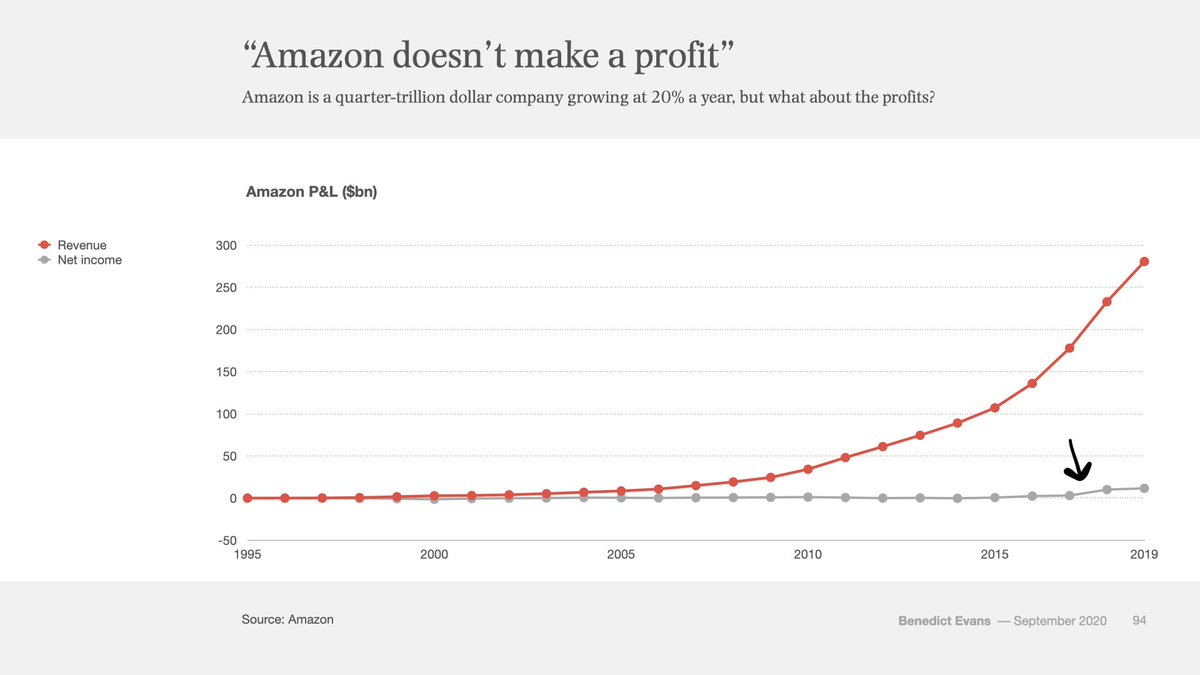
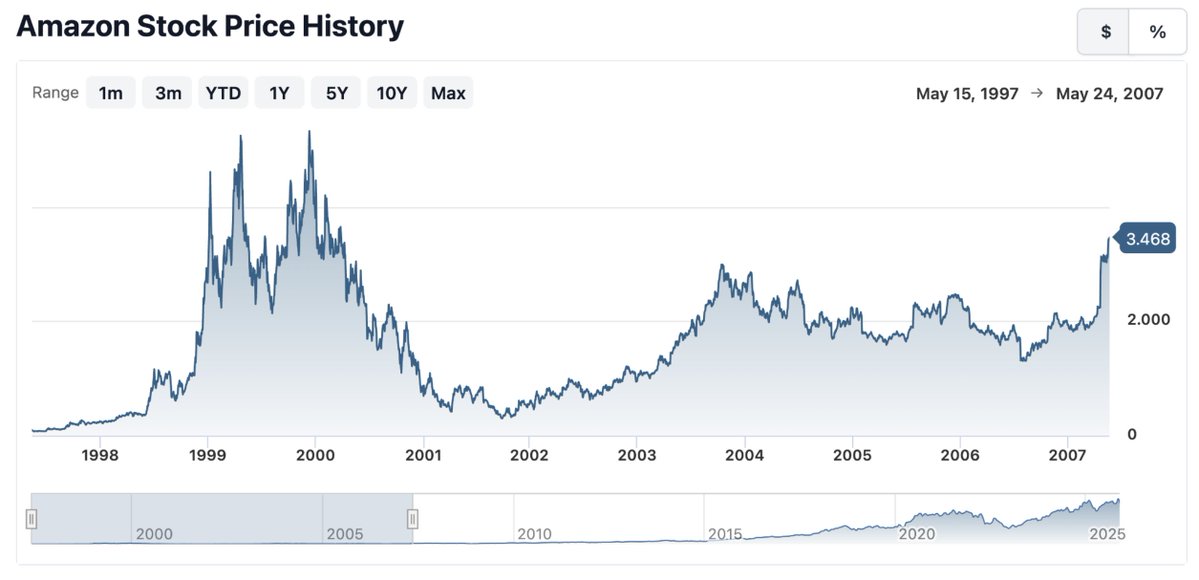
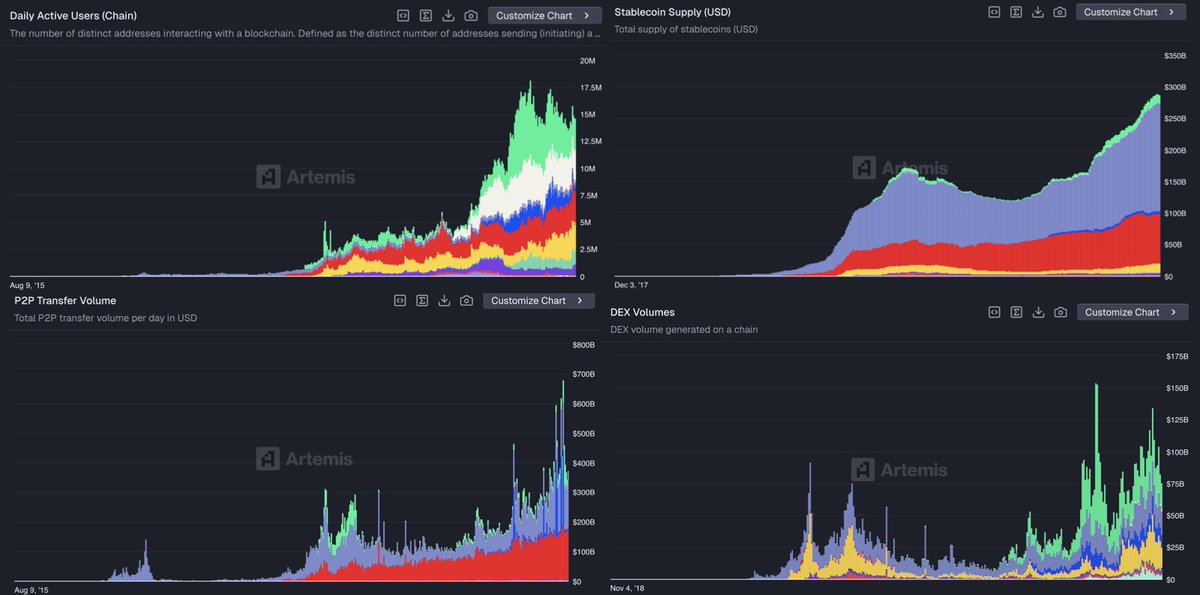
In Defense of Exponentials I used to tell founders, the reaction you are going to get to your launch is not hate, it’s indifference. By default, nobody cares about your new chain. I have to stop telling them that now. Monad just launched this week, and I’ve never seen so much hate about a blockchain that just launched. I’ve been investing into crypto professionally for 7+ years now. Before 2023, almost every chain I’ve ever seen that launched was mostly met with enthusiasm or indifference. But now, new chains are born into a chorus of hate. The amount of haters I’ve seen for projects like Monad, Tempo, MegaETH—before they even hit mainnet—is a genuinely new phenomenon. I’ve been trying to diagnose: why is this happening now, and what does it mean about the psychology of this market? The Cure is Worse than the Disease Forewarning: this is going to be the vaguest blockchain valuation post you ever read. I don’t have any fancy metrics or charts to sell you on. Instead, I’ll be arguing against the zeitgeist of Crypto Twitter, which for the last couple of years, I’ve been constantly on the opposite side of. In 2024, I felt like what I was arguing against was financial nihilism. Financial nihilism is the belief that none of these assets matter, it’s all memes at the end of the day, and everything we’ve built is inherently worthless. Thankfully, that’s no longer the vibe. We have broken out of that spell. But the zeitgeist now is what I’d call financial cynicism: OK, maybe some of this stuff has value, maybe it’s not all memes, but it’s grossly overvalued and it’s only a matter of time before Wall Street finds that out. Not that all chains are worthless. But these things are all maybe worth 1/5th-1/10th of what they’re currently trading at (have you seen these PE ratios?), and so you’d better pray like hell Wall Street doesn’t call us on our bluff, because once they do it’s all getting wiped out. You’ve got many bullish analysts now trying to conjure up optimistic L1 valuation models, inflating PE ratios, gross margins, DCFs, trying to fight against this mood. Late last year, Solana very proudly embraced REV as a metric that could finally justify their valuation. They proudly announced: we—and only we—are no longer bluffing to Wall Street! And, of course, almost immediately after REV was embraced, it fell off a cliff (though $SOL, tellingly, did better than REV did). Not that there’s anything wrong with REV. REV is a very clever metric. But the point of this post is not metric selection. Then came the launch of Hyperliquid. A DEX that had real revenue and buybacks and PE multiples. And the chorus said—look, look I told you! Finally, for the first time ever, a token that has some real profits and a proper PE multiple. (Nevermind BNB, we don’t talk about that.) Hyperliquid will eat everything because obviously Ethereum and Solana don’t make any real money, we can stop pretending to value them now. Hyperliquid, Pump, Sky, these buyback-heavy tokens are all great. But the market always had the ability to invest into exchanges. You could always buy Coinbase, or BNB, or whatever. We own $HYPE, and I agree that it’s a fantastic product. But that’s not why people were investing in ETH and SOL. The fact that L1s don't have exchange-like profit margins is not why people were buying them—if they wanted that, they could’ve bought Coinbase stock. So if I’m not critiquing blockchain financial metrics, maybe you think this post is going to be chiding the sinfulness of the token-industrial complex. Obviously, everyone has lost money on tokens in the last year, VCs included. Alts are down bad this year. And so the other half of the zeitgeist on CT is arguing about who's to blame. Who’s become greedy? Are the VCs greedy? Is Wintermute greedy? Is Binance greedy? Are the farmers greedy? Are the founders greedy? The answer, of course, is the same as it’s ever been. Everyone is greedy. Everyone. The VCs, Wintermute, the farmers, Binance, the KOLs, they're all greedy, and you are greedy too. But it doesn't matter. Because no functioning market has ever required anyone to act against their self-interest. If we're right about crypto, we can all be greedy and the investments will still work out. Trying to analyze a market that has gone down by figuring out “who’s greedy” is going to be about as fruitful as commissioning witch trials. I guarantee you, nobody just started being greedy in 2025. So this, too, is not what I’m going to be writing about. Many people want me to write a post about why $MON should be valued at X or $MEGA at Y. I’m not interested in writing this post, or advocating that you buy anything in particular. In fact, you probably shouldn’t buy any of them if you don’t already believe in them. Will any new challenger chain win? Who knows. But if it has a material chance of winning, it's going to be priced on that basis. If Ethereum is worth $300B or Solana is worth $80B, a project that has a 1-5% chance of becoming the next Ethereum or Solana will be priced according to those probabilities. Somehow CT is scandalized by this, but it’s no different than Biotech. A drug that has less than a 10% chance of curing Alzheimer's is priced by the market as worth billions of dollars, even if 90% chance it won’t pass stage 3 trials and will go to 0. That's how the math works—and turns out, markets are pretty good at doing math. Binary outcomes are priced on probabilities, not on run rates or moral turpitude. It’s the “shut up and calculate” school of valuation. I really don’t think that’s an interesting question to write about. “5% chance to win? No way, that’s clearly a 10% chance!” Markets, not articles, are the best way to assess that for any individual token. So here’s what I am going to write about: CT doesn't seem to believe anymore that chains are valuable. I don’t think this is because they don’t believe new chains can win market share. We just saw Solana dominate market share after emerging from the ashes less than 2 years ago. It’s not easy, but of course it’s possible. It’s more that people have come to believe that even if a new chain wins, there’s no prize worth winning. If $ETH is just a meme, if it’ll never generate real revenue, then even if you win, you won’t be worth $300B. The contest is not worth winning, because these valuations are all bunk and it’ll all come crashing down before you go to claim your prize. Being optimistic about chain valuations has become passé. Not that nobody is optimistic—obviously there must be optimists out there. For every seller there’s a buyer, and as much as CT cool kids love to drag L1s, people are comfortable buying SOL at $140, ETH at $3000. But there’s a perception now that all the smartest people are over buying smart contract chains. Smart people know the jig is up. If not now, then soon. The only people buying here are suckers—Uber drivers, Tom Lee, and KOLs who say stuff like “trillions.” And maybe the US Treasury. But not the smart money. This is bullshit. I don’t believe it, and you shouldn’t either. So I felt like I had to write a smart person’s manifesto on why general purpose chains are valuable. This post is not about Monad or MegaETH. It’s really in defense of ETH and SOL. Because if you believe ETH and SOL are valuable, the rest is straight downstream. Defending ETH and SOL valuations is generally not my job as a VC, but fuck it, if nobody else is willing to do it, then I’ll write it. Feeling the Exponential My partner Bo experienced the Chinese Internet boom first-hand as a VC. I’ve heard how “crypto is like the Internet” so many times now that it doesn’t even register for me anymore. But when I hear his stories, it always reminds me how costly it is to be wrong about these things. A story he often tells is about when all the early e-commerce VCs (it was a small group back then) got together for coffee in the early 2000s. They debated: how big is the market for e-commerce going to be? Is it going to be mostly electronics (maybe only techies will use PCs)? Could it ever work for women (perhaps they’re too tactile)? What about food (maybe impossible to manage perishables)? These were deeply important questions for early VCs to decide what to invest in and what prices to pay. The answer, of course, was that literally every single one of them was devastatingly wrong. E-commerce would sell everything, and the target audience was the whole fucking world. But nobody at the time actually believed it. And even if they did, it would be too absurd to say out loud. You just had to wait long enough for the exponential to show you. Even among the believers, very few thought e-commerce would become as big as it became. And those few who did, almost all of them became billionaires from just not selling. Every other VC—as Bo tells me, since he was one of them—sold too early. It has become passé in crypto to believe in the exponential. I believe in the crypto exponential. Because I’ve lived it. When I started in crypto, nobody used this stuff. It was tiny and broken and awful. TVL on-chain was in the millions. We invested into the first generation of DeFi, MakerDAO, Compound, 1inch, back when they were science projects. I remember playing around on EtherDelta back when DEXes traded single digit millions a day, and that was considered to be a huge success. It was complete dogshit. Now we routinely trade in the tens of billions on-chain every day. I remember believing it was crazy that Tether hit a billion dollars in issuance and was being written up in the NYT as a ponzi scheme on the brink of shutdown. Now stablecoins are over $300B and regulated by the Federal Reserve. I believe in the exponential because I’ve lived it. I’ve seen it over and over again. But you might respond—well, stablecoin growth might be exponential, maybe DeFi volumes are exponential, but they don’t accrue to ETH or SOL. The value doesn’t get captured by the chains. To which I answer: you still don’t believe in the exponential. Because the exponential’s answer is always the same: it doesn’t matter. This stuff is going to be so much bigger than it is today. And when it’s absolutely enormous, you’ll make it up on scale. Study this chart. This is Amazon’s P&L from 1995 to 2019. That’s 24 years. Red is revenue, gray is profit. You see that little blip on the end where the gray line goes up? That’s when, 22 years in, Amazon started actually making a profit. Amazon was 22 years old when this little gray line of net income first peeled off of 0. Every single year before then, there were op eds and critics and short sellers claiming that Amazon was a ponzi scheme that would never make any money. Ethereum just turned 10 years old. This is what the first 10 years of Amazon stock looked like: 10 years of chop. All along the way, Amazon was beset with doubters and non-believers. Is e-commerce a VC-subsidized charity? They’re selling underpriced cheap low-quality knick-knacks to bargain hunters, who cares? How are they ever going to make actual money, like Walmart or GE? If you were arguing about Amazon’s P/E ratio, you were in the wrong regime. That’s the regime of linear growth. But e-commerce was not a linear trend, and so every single person for 22 years arguing about P/E ratios was devastatingly wrong. No matter what you paid, no matter when you bought, you were not bullish enough. Because that’s what exponentials do. When it comes to truly exponential technologies, no matter how big you think it’s going to get, it just keeps getting even bigger. This is the thing that Silicon Valley has always understood better than Wall Street. Silicon Valley was raised on exponentials, while Wall Street was raised on linearity. And over the last few years, crypto’s center of gravity has migrated from Silicon Valley to Wall Street. You can feel it. Granted, crypto growth doesn’t look as smooth as e-commerce’s growth. It’s burstier, it goes in fits and starts. This is because crypto, being about money, is deeply tied to macro forces, and it also has more violent regulatory push and pull than e-commerce. Crypto strikes at the heart of the state—money—and so it’s more unnerving to governments than e-commerce ever was. But the exponential is no less inevitable. It's a crude argument. But if crypto is exponential, then the crude argument is correct. Zoom out. Financial assets want to be free. They want to be open. They want to be interconnected. Crypto turns financial assets into file formats, makes it as easy to send a dollar or a stock as to send a PDF. Crypto makes it possible for everything to talk to everything. It makes it all 24/7, global, interconnected, and open. That will win. Open always wins. If there’s no other lesson I've learned from the Internet, it’s that. Incumbents will fight against it, governments will huff and puff, but eventually they will give up against the adoption, the generativeness, the sheer efficiency that this technology enables. It’s what the Internet did to every other industry. Blockchains are how that same trend will gobble up all of finance and money. Yes—with enough time—all of it. An old saying goes: people overestimate what can happen in two years, but they underestimate what can happen in ten. If you believe in the exponential, if you zoom out enough, then it’s all still cheap. And it should humble you that every day, the holders outlast the sellers and naysayers. Big capital has a longer time horizon than CT swing traders might lead you to believe. Big capital has been trained through history not to fade big technologies. You know, the big gushy story that originally got you to buy $ETH or $SOL? Big capital believes that story and hasn't stopped. So what exactly am I arguing? I am arguing that applying P/E ratios to smart contract chains (the “revenue meta,” as it’s now called), is giving up on the exponential. It means you have consigned this industry to the regime of linear growth. It means you believe 30 million DAUs on-chain and <1% of M2 is it. Crypto is just one of the things in the world. A sideshow. It did not win. It was not inevitable. More than anything, I’m arguing to be a believer. Not just a believer, but a long-term believer. I’m arguing that this exponential will be bigger than anything else you’ve been a part of in your life. That this is your e-commerce. That you will look back when you’re old and tell your kids—I was there when it all happened. Not everyone believed it was possible, that whole societies could change, that all of money and finance would be transformed by programs running on decentralized computers that we collectively owned. But it actually happened. It changed the world. And you were a part of it. Disclosure: These are my own views. Dragonfly is an investor in $MON, $MEGA, $ETH, $SOL, $HYPE, $SKY among many other tokens. Dragonfly believes in the exponential. This is not investment advice, but is advice of another kind.
Haseeb >|< tweet mediaHaseeb >|< tweet mediaHaseeb >|< tweet mediaHaseeb >|< tweet media
English
910
681
3.6K
2M
Immunefi
Immunefi@immunefi·
LISTEN UP DEGENS 📣 Shield My Bags v0 is live. Are your DeFi bags safe, or are you not gonna make it? Comment 🫶 to get access to the app and farm Shield Points. How? Refer friends [100 pts/fren] and make sure to share your security score card on X. Easy. We’re still in beta, lots to build. New features coming soon.
Immunefi tweet media
English
124
19
154
26.3K
Moti Tabulo retweetledi
Immunefi
Immunefi@immunefi·
🚨 The Immunefi Foundation is launching its community token sale on @CoinList. With the next decatrillion coming onchain, security will be the biggest market in crypto. Sale goes live on Nov 12, 17:00 UTC. coinlist.co/immunefi
English
28
33
212
84.7K
Moti Tabulo retweetledi
Base Build
Base Build@buildonbase·
Head of Security for Base, Shashank Agrawal, is joining the Immunefi team at 9:30am PT this Thursday to discuss security and answer your questions:
Immunefi@immunefi

.@base is architecting its ecosystem with a Security by Design philosophy. What does this mean? Join Immunefi CEO @MitchellAmador and Base head of security @sha2nk_ to find out. We’ll also have an AMA for all Base builders to talk about their questions and security needs. 🗓️ Nov 6 ⏰ 5:30pm UTC x.com/i/spaces/1ynxa…

English
10
8
64
10.5K
Moti Tabulo retweetledi
Immunefi Foundation
Immunefi Foundation@ImmunefiFdn·
The next chapter of the Immunefi Foundation is live. Same purpose, more details (and tokenomics). We’ve revealed how $IMU will power the Security OS for the Onchain Economy and the three tenets behind our technology philosophy: Unified, Adaptive, Proactive.
English
2
1
15
8.3K
Moti Tabulo retweetledi
Mitchell Amador
Mitchell Amador@MitchellAmador·
Every security researcher knows the drill: a new program launches, and before the real work begins, you’re deep in setup: pulling contracts, fixing imports, chasing proxies. Now, that entire process is automated with Instascope. It fetches verified code, resolves proxy and ENS links, installs dependencies, and builds a clean, ready-to-run environment with a single click. No setup scripts or guesswork. Just generate and get hunting. It makes life sooo much easier, I really encourage you to try it out at your next hunting opportunity. Believe me, you’ll never go back to the old way.
GIF
English
2
9
92
6.6K
Moti Tabulo retweetledi
Yassine
Yassine@yassine3eth·
Bug bounty hunting shouldn't start with setup hell. Nope. It should start with hacking. That's why we built Instascope - a tool that lets SRs instantly spin up ready-to-test environments for Ethereum Mainnet Immunefi scopes. Made for our hunters. 🎯
English
14
28
222
17.1K
Moti Tabulo retweetledi
Immunefi
Immunefi@immunefi·
Starting Oct 1st, new anti-spam rules go live on Immunefi for Audit Competitions and Bug Bounty Programs. They cut spam and improve the experience for good-faith researchers. Important: these rules only apply to new users and SRs with 0 paid reports. 1/6
English
8
15
88
10K
Moti Tabulo retweetledi
Immunefi
Immunefi@immunefi·
Big names, big alpha. Immunefi’s Founder & CEO @MitchellAmador, Head of Product @MTabulo, and @dedaub's co-founder @YSmaragdakis will be on stage for a fireside chat you can’t afford to miss! Secure your spot now:
English
6
28
613
23.1K