Sabitlenmiş Tweet

‘How a paperclip saved a $750 million aircraft.’
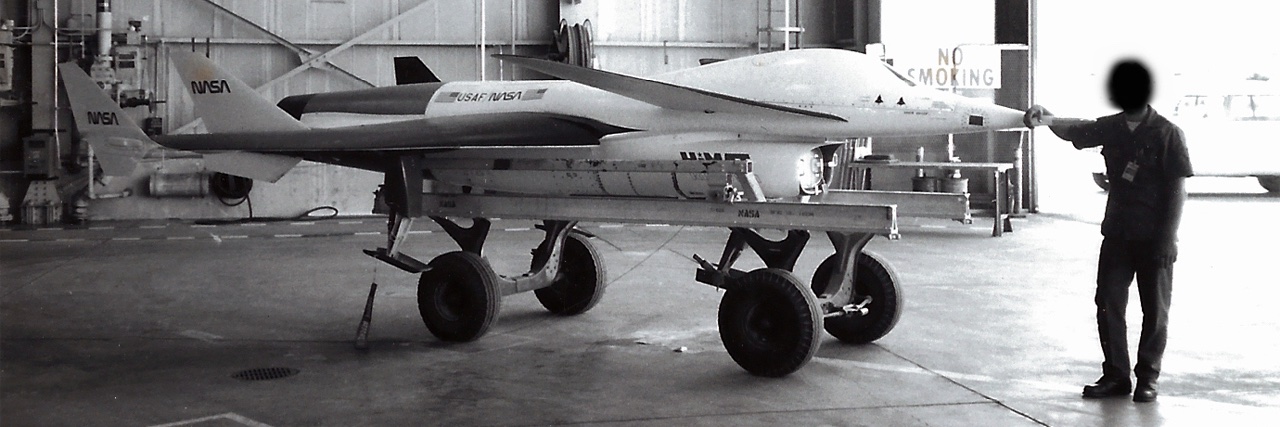
April 30, 1966. The moment had come. Test pilots Al White and Joe Cotton were poised to push the XB-70 #20207 Valkyrie through its final trial: a grueling 30-minute sprint at Mach 3, the last step toward earning the elusive “unlimited” status. All systems were go—until they weren’t.
Shortly after takeoff, Cotton retracted the gear. A sickening jolt followed—the nose gear jammed hard into its door. Suddenly, what had begun as a routine test flight spiraled into a high-stakes emergency. Attempts to lower the gear via the primary hydraulic system failed. Switching to the backup electrical system, Cotton heard a sharp pop. Dead. The system was gone.
A belly landing wasn’t just risky—it was impossible. The Valkyrie's long, elegant nose and wide intake geometry left no clearance for such a maneuver. North American engineers hadn’t even simulated one.
White tried a desperate move—bringing the XB-70 down for a touch-and-go, hoping the impact would jar the gear free. Nothing. He tried again. Still jammed. Options were running out. Bailing out and sacrificing the $750 million prototype loomed as the only choice.
But there was fuel to burn, and hope to chase. As engineers on the ground scrambled through diagrams and wiring charts, White and Cotton circled above Edwards Air Force Base, each minute ratcheting up the pressure. Cotton crawled to the rear of the cockpit, opening service panels and probing systems like a surgeon mid-flight. After more than an hour of diagnosis—and nearly two hours in the air—the culprit was found: a tripped circuit breaker.
But fixing it was another problem. The Valkyrie had no onboard toolkit. Yet Cotton had brought his briefcase. Inside—an unlikely hero—a paperclip. He straightened it, gripped it with a leather glove, and carefully reached in. ZAP!
The breaker came to life. White hit the switch—and the nose gear extended. It worked. Cotton dropped back into his seat, exhausted but victorious.
The drama wasn't over. When the Valkyrie finally came down at 173 knots, the earlier malfunction showed its final consequence: hydraulic pressure had stayed locked on three of the four main wheel brakes. As the tires touched down, they couldn’t spin. The result was catastrophic—intense friction ignited the rubber, and the XB-70's massive landing gear tires erupted in flames. The main gear bogies were severely damaged. Still, the plane remained upright.
The Valkyrie lived to fly again—though it would take two weeks to repair the scorched gear. It was a steep price, but far better than losing a one-of-a-kind marvel of engineering. It took me a several hours to restore and upscale the archive video enjoy! No sound.
English