Marcelo O'Higgins

18.6K posts

Marcelo O'Higgins banner
Marcelo O'Higgins

Marcelo O'Higgins

@MarceloOHiggins

Médico Psiquiatra. Profesor Asistente de Psiquiatría y Psicología Médica, Jefe de Sala. Medicina-UNA. Hospital de Clínicas de la FCM-UNA.

Asuncion, Paraguay Katılım Nisan 2012
2.1K Takip Edilen558 Takipçiler
Marcelo O'Higgins retweetledi
News from Science
News from Science@NewsfromScience·
About 20 years ago, neuropathologists began to report an inconvenient finding in the autopsied brains of people with dementia: Most have evidence of more than one disease. Studies since have shown the brains of up to half of people diagnosed with Alzheimer’s disease also have a key feature of Parkinson’s disease—deposits of the protein alpha synuclein. At the same time, up to half of Parkinson’s patients who develop dementia have elevated levels of beta amyloid and tau proteins, hallmarks of Alzheimer’s. Researchers studying neurodegenerative diseases are catching on to the importance of this phenomenon, often called copathology. Tests now being developed to pick up multiple biomarkers should give a clearer picture of these mixed pathologies in living patients. And an upcoming clinical trial will be the first to take aim at a common dementia copathology, testing the amyloid-clearing Alzheimer’s drug donanemab in people who have both amyloid in their brains and dementia with Lewy bodies—abnormal clumps of alpha synuclein. Learn more: scim.ag/42towPR
News from Science tweet media
English
2
21
39
4.6K
Marcelo O'Higgins retweetledi
PsyPost.org
PsyPost.org@PsyPost·
A new study shows that individuals with similar levels of autistic traits are naturally drawn to one another. Brain scans reveal they use alternative, highly effective neural strategies to connect, challenging traditional deficit-based models of autism. dlvr.it/TSSN7t
English
683
2.4K
35.4K
22M
Marcelo O'Higgins retweetledi
Pablo Malo
Pablo Malo@pitiklinov·
Este artículo de revisión propone una explicación unificada de por qué existe el rasgo de personalidad Openness to Experience (Apertura a la Experiencia) y por qué varía tanto entre personas, culturas y épocas históricas. La Apertura no es solo “ser creativo o gustar del arte”. Se trata de una orientación psicológica profunda hacia la exploración de lo desconocido y la tolerancia a la ambigüedad. Se basa principalmente en dos mecanismos: la curiosidad (el deseo de buscar información nueva) y la tolerancia a la incertidumbre (la capacidad de sentirse cómodo ante lo complejo, ambiguo o desconocido). Esto explica por qué las personas abiertas tienden a disfrutar del arte abstracto, la ficción imaginativa, la música compleja, las experiencias nuevas, los viajes, las comidas exóticas, vacunarse, defender el medio ambiente o los derechos animales, y tener actitudes políticas más liberales e inclusivas. Lo más interesante es que la Apertura no es fija sino que se adapta al entorno en el que vivimos. En contextos seguros, prósperos y predecibles, las personas se vuelven más abiertas porque explorar vale la pena. En cambio, en entornos duros, peligrosos o de escasez, la Apertura disminuye, ya que es más adaptativo ser prudente y aprovechar lo conocido. Esta regulación ecológica se observa en animales, niños, diferentes países y a lo largo de la historia. Como consecuencia, cuando una sociedad en promedio se vuelve más abierta, su cultura también cambia: aparecen más obras experimentales, ficción imaginativa e innovación científica, aumenta la tolerancia moral y social (multiculturalismo, derechos animales, etc.) y disminuye el autoritarismo. En resumen, la Apertura es un mecanismo psicológico que ayuda a equilibrar la exploración (buscar lo nuevo) frente a la explotación (usar lo seguro). Su nivel sube o baja según las condiciones ecológicas, y esto explica gran parte de las diferencias culturales e históricas que vemos en el mundo.
Edgar Dubourg@EdgarDubourg

New in Trends in Cognitive Sciences (@TrendsCognSci) 👇 Why do people who love abstract art or imaginary worlds 🎨 also tend to get vaccinated 💉, support redistribution 💸, endorse animal rights 🐥, and try novel foods 🫐?

Español
1
29
78
5.4K
Marcelo O'Higgins retweetledi
Samuel Fitoussi
Samuel Fitoussi@SamuelFitouss10·
Pourquoi les intellectuels sont-ils si souvent socialistes ? Les intellectuels pourraient avoir un faible pour les théories qui ouvrent la porte à une forme d’ingénierie sociale, qui impliquent que les changements positifs doivent être impulsés par le haut, de manière verticale. Pourquoi ? Parce que si le progrès naît de la mise en place de la recette de la bonne société, alors les intellectuels sont les garants du bonheur de leurs concitoyens, investis d’une mission : orienter la société vers un avenir meilleur. En revanche, si le progrès advient surtout par le bas, par l’initiative spontanée d’individus, par la société civile, par le marché, alors les intellectuels doivent se limiter à un travail descriptif, et ne peuvent avoir d’influence significative, en tout cas pas d’influence positive significative. « L’idée de reconstruire entièrement la société, notait Hayek, séduit davantage l’intellectuel que les réflexions plus pragmatiques des tenants d’une amélioration graduelle de l’ordre établi. » Dans L’Opium des intellectuels, Raymond Aron raconte que si l’intelligentsia française, pendant la guerre froide, était plutôt hostile aux États-Unis, c’était justement parce que le pays avait enregistré d’immenses progrès grâce à l’entreprise individuelle de ses citoyens plutôt que par le biais d’une idée de génie (le communisme) appliquée à tous. [...] Thomas Sowell, lui, constate que les intellectuels ont tendance à étudier, décrire et s’enthousiasmer pour les périodes de l’Histoire où ont eu lieu des changements législatifs (nouveaux droits, acquis sociaux, etc.) dont ils imaginent pouvoir s’attribuer partiellement le mérite, mais semblent indifférents aux améliorations de la condition humaine, parfois plus significatives, imputables à la vitalité de la société civile (même lorsque ce sont précisément ces progrès qui rendent possibles les acquis sociaux des décennies suivantes). [...] Encore aujourd’hui, les sciences sociales ne se passionnent pas pour l’extraordinaire amélioration des conditions de vie en quelques décennies à Hong Kong, à Singapour, ou en Corée du Sud, permise par la réduction du poids de leurs gouvernements dans l’économie. Ce qui soulève une question : les intellectuels se disant attachés à la justice sociale ont-ils comme priorité l’amélioration du sort des plus malheureux, ou bien l’affirmation de leur propre importance dans l’amélioration du sort des plus malheureux ? « Ce qui préoccupe réellement les doctrinaires, écrivait Gustave Le Bon, ce n’est pas l’avènement du socialisme mais l’avènement des socialistes. » Dans la même veine, l’essayiste Vera Nikolski a montré que les intellectuels sous-estiment l’influence du progrès technique dans la libération de la femme (électroménager, pilule, avortement, augmentation générale de la productivité ayant dévalué l’importance de la force physique) et surestiment celle des idées égalitaristes. Il est aussi amusant de noter qu’au XIXe siècle, pendant que John Stuart Mill appelait les universités à former « des esprits capables d’améliorer et de régénérer la société », décrivant l’élite intellectuelle comme des « têtes pensantes », « en avance sur le reste de la société », « sans qui la vie humaine serait stagnante » , la révolution industrielle transformait radicalement la condition humaine. Elle était menée entre autres par Thomas Edison et Henry Ford, qui n’étaient presque pas allés à l’école, et par les frères Wright (inventeurs du premier avion), qui n’avaient pas le bac. [...] La discussion présente peut offrir une réponse à cette interrogation : comment expliquer la « tyranophilie » des intellectuels ? Pourquoi, tout au long du 20ème siècle, ont-ils affiché une telle complaisance pour les dictateurs de la pire espèce ? Réponse du philosophe Roger Scruton : « Les intellectuels sont naturellement séduits par l’idée d’une société planifiée, car ils pensent qu’ils en seront les responsables. » Selon l’anarchiste russe Bakounine, le but réel des intellectuels marxistes était l’instauration d’une « pédantocratie », c’est-à-dire un régime dans lequel les pédants (ici, les théoriciens marxistes) exerceraient les responsabilités. Le tort des démocraties libérales serait donc qu’étant libérales, elles « laissent une part à l’action spontanée de tous et de chacun, s’interdisent l’ambition de construire l’ordre social selon un plan et de soumettre l’avenir à leur volonté » (Aron). Si à l’inverse, le communisme a tant plu à l'intelligentsia, c’est peut-être car il s’agit, selon la formule de Jan Waclav Makhaïski, d’un « régime basé sur l’exploitation des ouvriers par les intellectuels ». Orwell, dès 1946, livrait la même analyse. Au Royaume-Uni, les intellectuels les plus favorables à Staline, écrivait-il, sont « en général des individus sans éclat, frustrés par le système […], avides de plus de pouvoir et de reconnaissance. Ces individus se tournent vers l’URSS et y voient, ou croient y voir, un système qui élimine la classe supérieure, maintient la classe ouvrière à sa place et accorde un pouvoir absolu aux gens comme eux. […] Leur désir inavoué : remplacer le socialisme égalitaire par une société hiérarchisée où l’intellectuel pourrait enfin s’emparer du fouet ». De retour d’un voyage à Cuba, Simone de Beauvoir, enthousiaste, a raconté la façon dont Sartre, elle-même et Fidel Castro ont arpenté l’île, notamment pour que ce dernier puisse « gronder » les paysans, leur « demander de faire mieux ». Un jour, ils sont passés devant des ouvriers qui construisaient un village. En un coup d’œil, Castro a discerné des défauts dans le projet architectural. Alors il « s’est jeté par terre de tout son long et il a dessiné sur le sable le plan d’un village ; on lui a apporté un bout de carton où il a recopié le plan. Les paysans l’ont acclamé : ils suivront ses indications. » Les ouvriers cubains, relate-t-elle avec ravissement, avaient « tout le temps la tête levée » pour voir si l’hélicoptère de Castro arrivait, avec l’espoir que celui-ci descende du ciel pour les éclairer de ses lumières. On ne peut donner plus belle métaphore de la verticalité. En lisant l’entretien où de Beauvoir dit toute son admiration pour la dictature cubaine, il est difficile de ne pas y déceler une forme de paternalisme intellectuel, une fascination romantique pour un modèle de société où une élite éclairée guide le petit peuple dans le droit chemin. Cela semblait d’ailleurs être l’un des fils directeurs de sa pensée politique. Quelques années plus tôt, elle se réjouissait que le régime maoïste, par son appareil de propagande, tienne le peuple « au courant des événements », « lui en explique le sens et les raisons » et « le forme politiquement ». Comme le notait Orwell, certains intellectuels ne voient pas « la révolution comme un mouvement des masses auxquelles ils souhaitent s’associer ; ils l’envisagent comme un ensemble de réformes que eux, savants, vont imposer aux autres, membres de l’ordre inférieur ».
Rothmus 🏴@Rothmus

It’s not “equality”. Based on Schumpeter’s Capitalism, Socialism, and Democracy Lamont makes in his article the case that capitalism rewards practical doers who create value for consumers, while undervaluing abstract verbal brilliance, breeding resentment. Socialism elevates them to central planners & directors with status & protection from markets. TLDR: Capitalism rewards those who do. Socialism elevates those who direct. Note: this view is echoed by thinkers like Nozick and Sowell. Nozick argued intellectuals (“wordsmiths”) develop entitlement in school where verbal brilliance earns top status, then resent capitalism for rewarding practical value-creation for consumers over abstract intellect. Sowell described them as “the anointed” who overestimate their knowledge for grand social engineering, blame capitalism for society’s ills while ignoring trade-offs and dispersed practical wisdom, and promote visions that elevate their role as planners and critics.

Français
148
814
2.6K
230.9K
Marcelo O'Higgins retweetledi
Adam Hunt
Adam Hunt@RealAdamHunt·
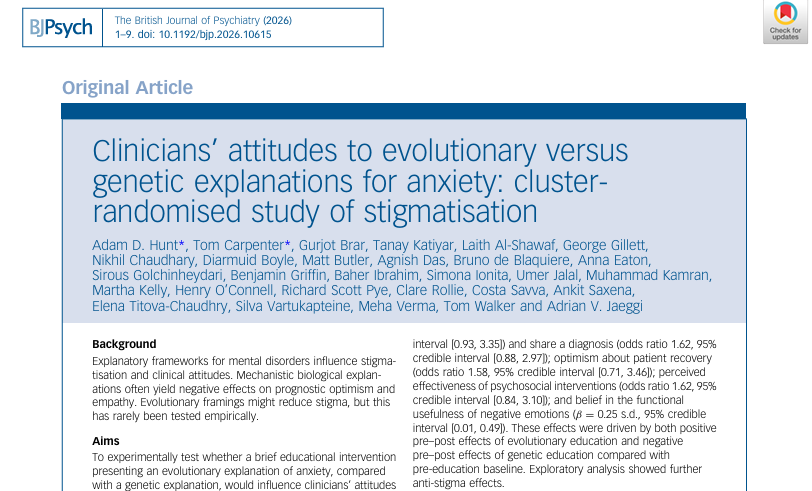
🚨Just published in the British Journal of Psychiatry!🚨 Evolutionary explanations of anxiety rated as 5x more useful for patients and 3x more useful for clinicians than genetic explanations of anxiety! Our paper is the largest RCT of evolutionary explanations to date!
Adam Hunt tweet media
English
16
84
320
26.8K
Marcelo O'Higgins retweetledi
Edward A. Perin - Psychologist
This generation’s greatest psych neologism is “Grippy sock vacation”
Edward A. Perin - Psychologist tweet media
English
6
4
63
2.4K
Marcelo O'Higgins retweetledi
Jose Ramos Vivas
Jose Ramos Vivas@joseramosvivas·
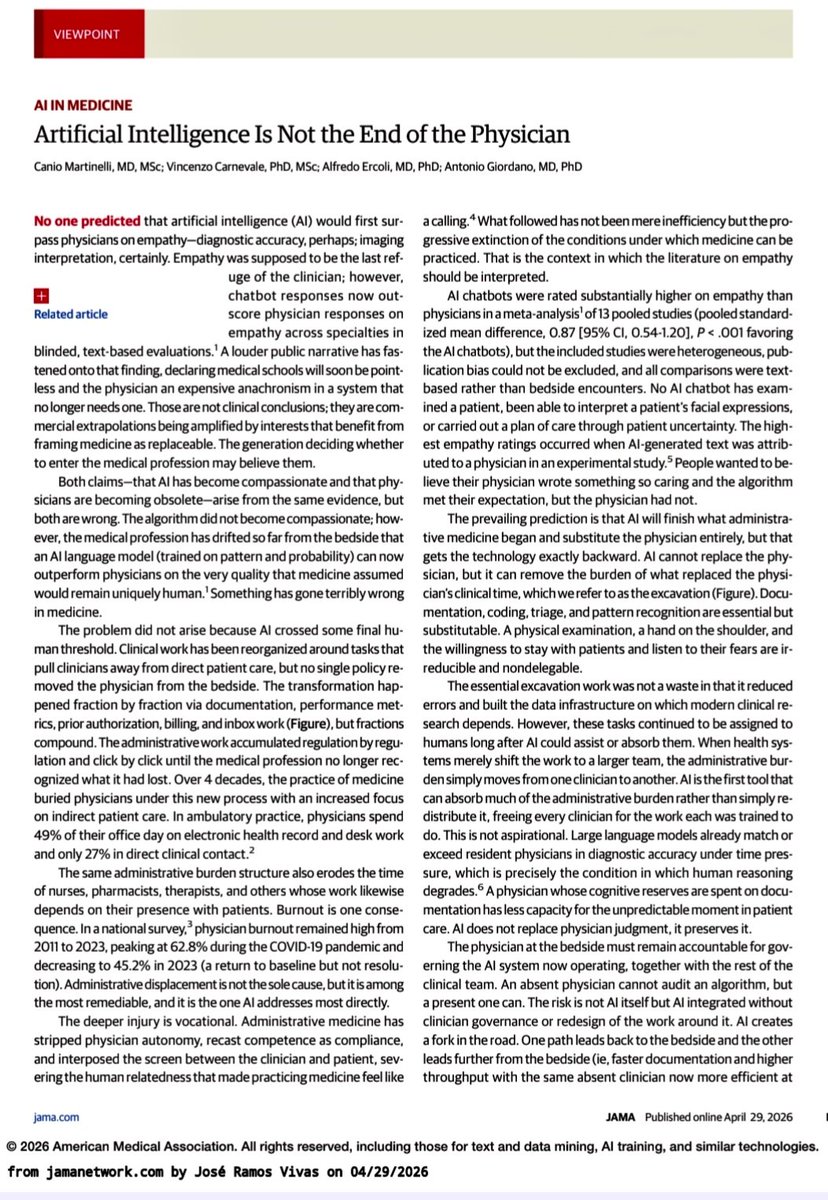
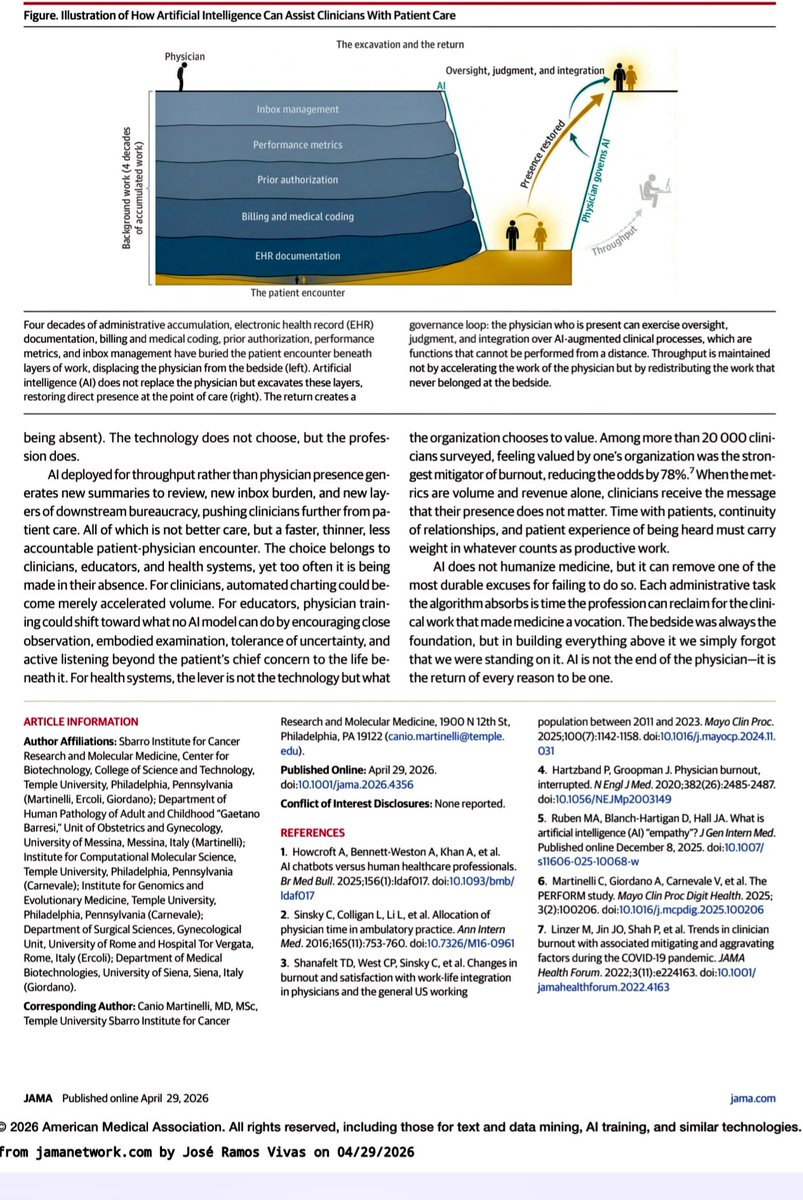
¿Es la IA el fin de los médicos? 🩺 👩🏻‍⚕️👨🏻‍⚕️ ¡Al contrario! Un nuevo artículo en JAMA propone que la IA no viene a reemplazarnos, sino a “desenterrarnos” de la montaña de burocracia. 🚜💎 🧵👇 1️⃣ El problema: Durante décadas, la medicina se ha enterrado bajo capas de tareas administrativas (EHR, facturación, métricas, autorizaciones previas). 📑 Los médicos pasan casi la mitad de su jornada en tareas de pantalla, muy por encima del tiempo dedicado al paciente. 📉 2️⃣ El mito de la empatía: Los chatbots de IA puntúan más alto en “empatía” en respuestas textuales, pero no porque “sientan” más, sino porque el agotamiento clínico ha erosionado la presencia emocional del médico en consulta. 🤖💔 3️⃣ La IA como “Excavadora”: El gran potencial de la IA no es solo el diagnóstico, sino absorber la carga administrativa acumulada durante cuatro décadas. 🧹 Al eliminar ese sedimento burocrático, la IA devuelve al médico a su lugar natural: la cabecera del paciente. 🛌✨ 4️⃣ El riesgo: Si usamos la IA únicamente para aumentar productividad (“ver más pacientes más rápido”), solo crearemos una ausencia más eficiente. 🚫 El objetivo debe ser restaurar la exploración física, la escucha activa y la presencia clínica. 👂🤝 5️⃣ Gobernanza: El médico debe supervisar, auditar y contextualizar el algoritmo. No es IA vs. Humano: es IA + Humano presente y responsable. ⚖️👨‍⚕️ #IA #Medicina #SaludDigital #Doctor #Innovación #JAMA #HealthTech #HumanismoMédico
Jose Ramos Vivas tweet mediaJose Ramos Vivas tweet media
Español
3
119
311
14.6K
Marcelo O'Higgins retweetledi
Jesus Ramirez-Bermudez
Jesus Ramirez-Bermudez@JRBneuropsiq·
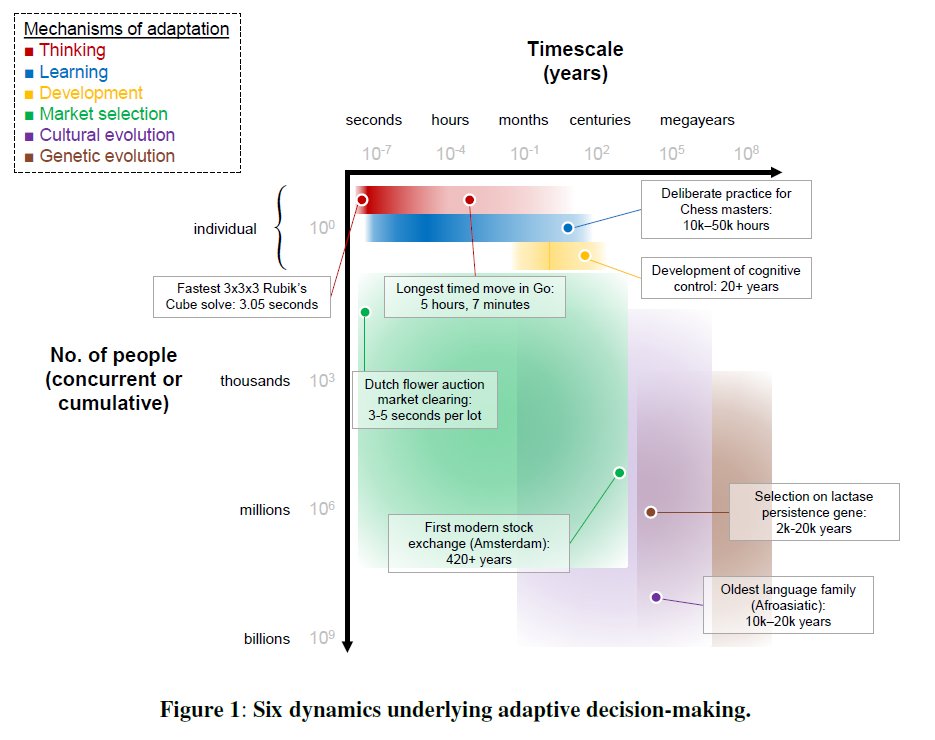
This paper makes a good analysis of the dimentions of rationality. I think this is key not only to philosophers, but also to mental health practitioners, as we rely on implicit or explicit concepts of rationality. Figure 1 shows the scales of adaptive decision-making 👇
Jesus Ramirez-Bermudez tweet media
Rob Sica@robsica

"Natural selection should not necessarily favor accurate perception of the world, or even of the self, if misperception can yield fitness benefits — such as when deceiving oneself facilitates deceiving others." osf.io/preprints/psya…

English
1
16
54
7K
Marcelo O'Higgins retweetledi
Michael Inzlicht
Michael Inzlicht@minzlicht·
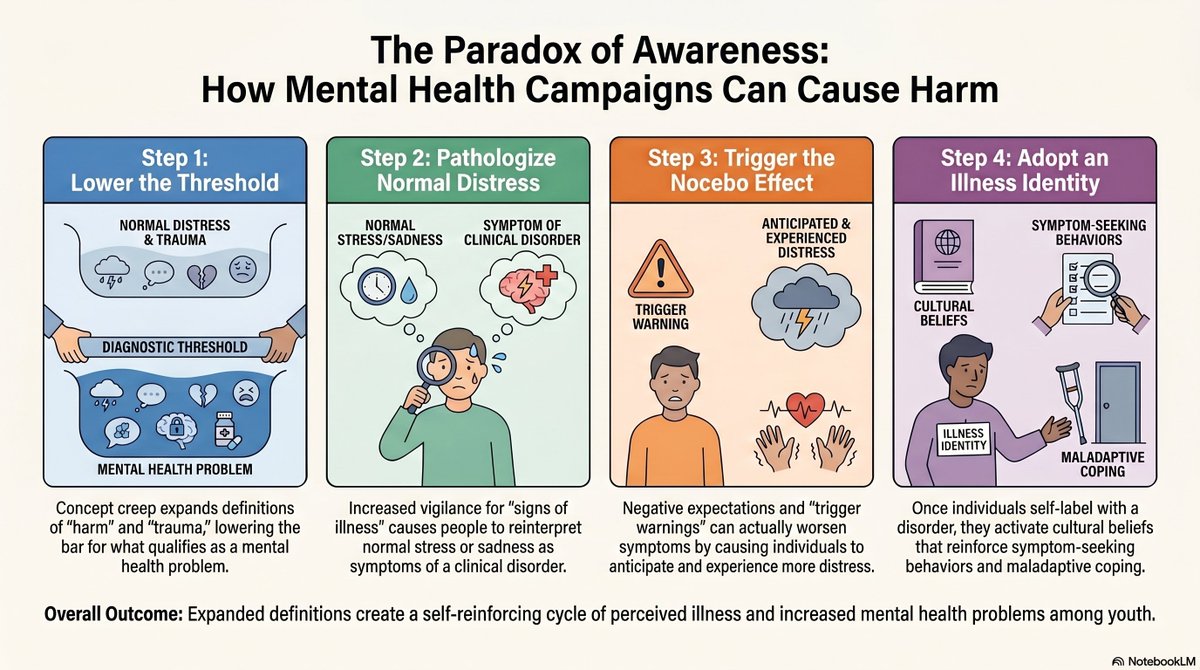
Imagine a 19-year-old scrolling TikTok. She watches a creator list five "signs you have undiagnosed anxiety." She recognizes three in herself. By the end of the week, she's describing herself as anxious to her friends. A month later, she's avoiding situations she used to handle fine. What went wrong? In a new paper by my PhD student Dasha Sandra, titled "Why mental health awareness can harm: Converging explanations for a societal problem", we argue that well-meaning mental health awareness can backfire, and we identify how. Four separate literatures (concept creep, nocebo effects, prevalence inflation, and illness self-labeling) have been circling the same problem from different angles. We show they converge on three mechanisms: 1.Awareness lowers the threshold for what counts as a disorder. 2. It trains people to scan their inner lives for symptoms and reinterpret normal distress as pathology. 3. Once someone adopts an illness identity, they behave in ways that confirm and deepen it. The evidence is wide. Learning that loneliness is harmful makes solitude feel worse. Learning that stress is harmful worsens well-being and performance. Awareness videos about fake conditions like "wind turbine syndrome" produce real headaches. Trigger warnings raise anticipatory anxiety without reducing distress. This does not mean awareness should stop. It means awareness can have unintended consequences, including manufacturing the suffering it tries to prevent. Inoculating people against these mechanisms works, and we already have evidence it does. Link to paper: michael-inzlicht.squarespace.com/s/The-psycholo…
Michael Inzlicht tweet media
English
236
1.8K
7.5K
525.1K
Marcelo O'Higgins retweetledi
Medicina UNA
Medicina UNA@MedicinaUNA·
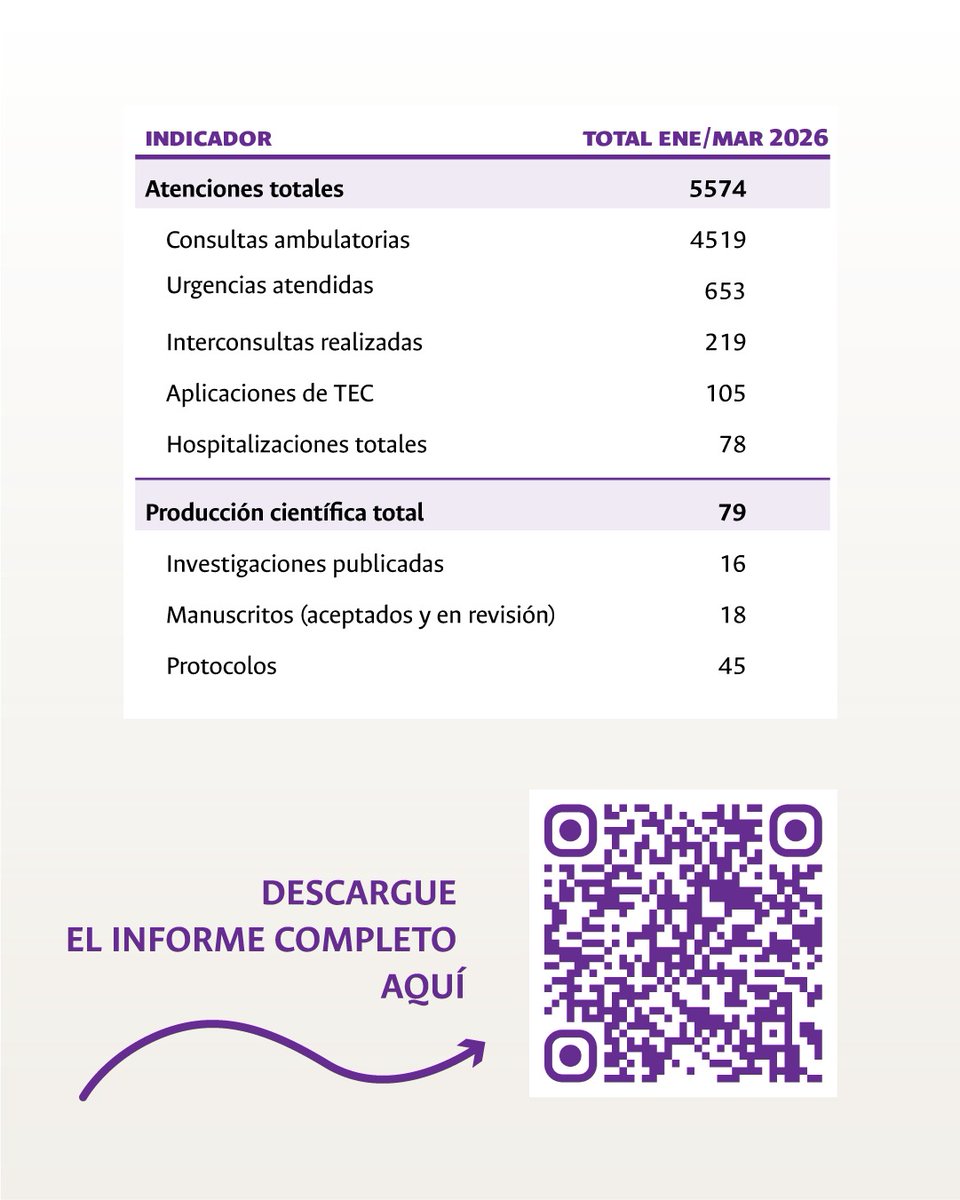
Más de 5.500 atenciones en tres meses. Un mismo equipo, múltiples áreas: asistencia, docencia e investigación en salud mental durante el primer trimestre de 2026 en la #FCMUNA. Accedé al informe trimestral completo escaneando el código QR de la imagen. ➡️facebook.com/cienciasmedica…
Medicina UNA tweet mediaMedicina UNA tweet media
Español
0
1
2
87
Marcelo O'Higgins retweetledi
Psychiatric Times
Psychiatric Times@PsychTimes·
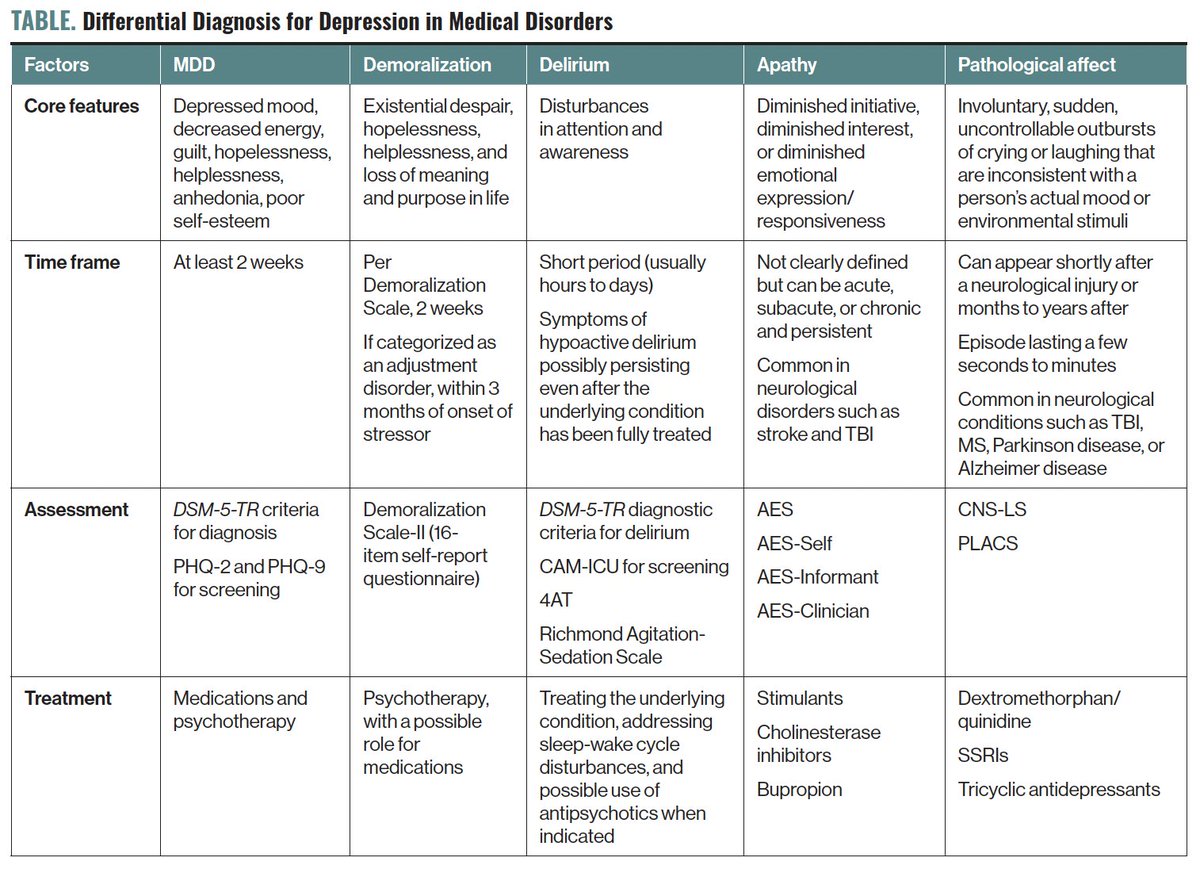
Medical illnesses can impact the way in which depression presents, and cultivating an awareness of how depression can manifest is an essential skill in psychiatry. Learn more in our latest CME: psychiatrictimes.com/view/shared-pa…
Psychiatric Times tweet media
English
2
16
47
2.6K
Marcelo O'Higgins retweetledi
Psychiatrist.com
Psychiatrist.com@PsychiatristCNS·
Systematic review of inpatient suicidality treatments: IV ketamine most consistent for rapid reduction; esketamine showed "lack of efficacy" in two large studies. Of 35 nonpharmacologic trials (chronotherapy, DBT, CBT, neurostimulation), results were mixed. Full article here -----> bit.ly/3OUTo8E Sign up for our newsletter here -----> bit.ly/42qq1y2 #Psychiatry #Suicide #Ketamine #Psychopharmacology #InpatientPsychiatry #EvidenceBasedMedicine #JCP
Psychiatrist.com tweet media
English
0
11
39
3K
Marcelo O'Higgins retweetledi
Milciades Benítez
Milciades Benítez@Benitez_yambay·
Fake news. Y, además, estos locos quieren que ni un solo cuero producto de la faena de todo el Chaco paraguayo (25.000.000 de ht) sea comercializable en el exterior.
Maximiliano Manzoni@maxtropiero_

Infona dejó prescribiera el sumario a Chortitzer por la deforestación ilegal de 526 hectáreas del Patrimonio Ayoreo Totobiegosode pese a reconocer su gravedad. De allí salía el cuero a Europa. consen.so/p/exclusivo-de…

Español
9
19
47
7K
Marcelo O'Higgins retweetledi
Yannick Buccella MD
Yannick Buccella MD@YannickBuccella·
I just came across this very sad story from Spain, where a third cancer patient has died after by mistake having received 6 times the recommended dose of the chemo protocol. How can that happen in an advanced and well trained medical system? Obviously I don’t have the insight into that very hospital, but how do these procedures normally work? If we prescribe intravenous cancer treatment, we calculate the dose according to body weight and height (most chemos, some antibodies) or apply the standardized dosage, if the drug is given irrespective of these parameters (e.g. immunotherapies in most cases). This will be sent to the hospital’s pharmacy, where pharmacists prepare the solution for the patient. They receive the drug from the manufacturer highly concentrated in a few milliliters. It would be too toxic to give most of the drugs in a single, only seconds lasting shot, but you can’t apply a few milliliters only over a couple of hours either. Additionally, these drugs come in stock dosages, so they need to be diluted into the right dose for the patient in the right solution (mostly 100-500 ml). And this is apparently where the mistake occurred: a 6 fold higher dose was prepared and afterwards applied to the patients, while labels on the drug showing “correct” dosages, so they won’t have raised any concern with the nursing staff. It remains unclear, if it was a human error like a miscalculation/typo or if the new administration software was flawed, the consequences are obviously devastating. Chemo drugs in these doses are highly toxic, can lead to multiple organ failure and this is tragically the result here. This is obviously a very serious incident with dire consequences, but I hope the hospital doesn’t just blame the involved people, but closely looks into the circumstances how this could have happened and how they can prevent similar incidents in the future, not just by change of staff. Mistakes like that happen for a reason.
EL PAÍS@el_pais

🔴 ÚLTIMA HORA | Tercer paciente oncológico muerto en Burgos tras recibir seis veces la dosis necesaria shorturl.at/f519x

English
9
38
175
51.7K
Marcelo O'Higgins retweetledi
Dr Sanil Rege FRANZCP | MRCPsych
The DODO bird verdict and the 3 common pathways in psychotherapy outcomes 🚨 The idea that psychotherapies may work through common factors is not new. It was first articulated by Saul Rosenzweig in 1936 (Rosenzweig 1936), who noted that different therapies often produced broadly similar outcomes. From this, he proposed that therapies may derive much of their benefit from elements they share in common, rather than from their differences alone. He famously illustrated this with the Dodo bird’s verdict in Alice’s Adventures in Wonderland👉 “Everybody has won, and all must have prizes” (Carroll [1865] 1998, p. 34). Therapy begins with a basic bond, then works through 3 pathways: 1. Real relationship : genuine, empathic human connection. 2. Hope and expectations : meaning, direction, and belief in change. 3. Specific techniques : therapy-specific methods promote healthier thinking, behaviour, relationships, and self-understanding. Reference : Cuijpers et al,2019
Dr Sanil Rege FRANZCP | MRCPsych tweet media
Crémieux@cremieuxrecueil

The Dodo Bird Verdict, that all bona fide psychotherapies (+ other treatments) work about the same just scored another win. DBT and schema therapy produced totally equivalent results.

English
1
8
29
4.4K
Marcelo O'Higgins retweetledi
The BMJ
The BMJ@bmj_latest·
Uncontrolled expansion of Brazil’s medical schools has resulted in thousands of students on the verge of entering the health system without basic competence bmj.com/content/393/bm…
English
15
194
1.3K
384.6K
Marcelo O'Higgins retweetledi
Guinness World Records
Dr. Howard Tucker has been awarded the record title for the oldest doctor ever after working until the age of 103. He was continuing to work as a neurologist until just two months before his passing on 22 December 2025.
English
116
1.3K
7.2K
657.9K