Maria Constantinou

10.5K posts

Maria Constantinou banner
Maria Constantinou

Maria Constantinou

@MariaConst_

Church School Primary Headteacher. DSL. Mum of 2. Passionate about inclusion and getting it right in class for all learners. #LFC fan. Views: my own.

London, England Katılım Temmuz 2014
291 Takip Edilen2.8K Takipçiler
AR
AR@llewelyn20·
@dsprimed Ha, I'm looking forward to meeting you too. I'm wondering how I can get beer and sandals into our day now...
English
2
0
1
112
David
David@dsprimed·
So, it's really going to happen. I am going to meet @llewelyn20 for the first time in real life, in a professional context. I will report on footwear - because I bet it's not sandals. I will report on beverage offers - because I bet it's not a quality ale... 1/2
English
6
0
34
4.1K
Maria Constantinou
Maria Constantinou@MariaConst_·
@llewelyn20 This is so true - an excellent blog. 👏 I’m also lucky enough to have seen this in action at your lovely school.
English
0
0
1
119
Maria Constantinou
Maria Constantinou@MariaConst_·
@jon_severs Totally. Many of our parents of children with SEND will be really concerned and will no doubt be in contact to ask what this all means. Our SENCOs will be panicking at how on earth they will be able to meet even more demand. More paperwork = less direct support.
English
0
1
9
1.9K
Jon Severs
Jon Severs@jon_severs·
Major 'leaks' of huge changes for schools - not fleshed out enough to provide any certainty or enable practical thought - during half term is really, really poor.
English
10
9
71
18K
Maria Constantinou
Maria Constantinou@MariaConst_·
@llewelyn20 I had exactly the same thought. There is a definite hint that more work and pressure will rest with schools. Many settings are already at breaking point. But we don’t know yet - all speculation at this stage. Let’s see what happens…
English
1
0
5
1.8K
AR
AR@llewelyn20·
Been reading the early leaks, and speaking to a couple of people about the send white paper. I hope I’m wrong, and over simplifying things, but I have a horrible feeling that we are about to return to the days of ‘action’ and ‘action +’.
English
15
7
78
19.9K
school data updates
school data updates@jpembroke·
The Databusters are getting the band back together and going on the road with a new one-day course: AM: external data: IDSR, ASP, performance measures PM: internal data: TA, tests, SEND, reporting to parents/govs @InsightHQ schools, get in touch if you’re interested
English
11
4
15
3.3K
Maria Constantinou
Maria Constantinou@MariaConst_·
What a brilliant summary - parallels drawn between 2 seemingly different worlds. I’ve been referring to this book for years and teasing out what we can relate to school leadership. Thank you for sharing @LeeWoods0722
Lee Woods@LeeWoods0722

Most school leaders are not chasing perfection. They are chasing progress. Quietly. Relentlessly. Under pressure. That is why Better by Atul Gawande resonates so deeply with leadership in schools. It is not about brilliance. It is about systems, habits and the discipline of improvement. In surgery, failure costs lives. In education, it costs opportunity. The lesson is the same in both fields: Care is not enough. Systems matter. That simple truth sits at the heart of Better: A Surgeon’s Notes on Performance by Atul Gawande. Although written through the lens of medicine, it may be one of the most quietly powerful leadership books a leader can read. Because it strips performance back to its essentials. Not vision statements. Not slogans. But habits, systems, humility and the relentless pursuit of improvement. In schools, as in surgery, we often celebrate individual excellence. The outstanding teacher. The inspirational leader. The charismatic head. Gawande dismantles this myth with precision. He shows that even the most talented professionals fail without: •Clear systems •Consistent routines •Feedback that is acted upon •A culture that allows challenge and learning The lesson is uncomfortable but necessary. Performance does not improve because people care more. It improves because systems make the right actions more likely and the wrong ones harder to repeat. One of Gawande’s central arguments is that improvement rarely comes from dramatic breakthroughs. It comes from marginal gains applied consistently. This is profoundly relevant to school leadership. Better attendance rarely comes from one assembly. Better behaviour rarely comes from one policy rewrite. Better teaching rarely comes from one INSET day. It comes from leaders who: •Clarify expectations •Remove ambiguity •Build routines that survive pressure •Accept that good intentions are not enough In Gawande’s world, checklists save lives. In ours, systems save learning time. Perhaps the most striking section of Better is Gawande’s exploration of coaching. Even elite surgeons, at the top of their profession, actively seek feedback from others who can see what they cannot. This is where leadership in schools is often tested. Senior leaders are expected to have answers. Yet the most effective leaders are those who remain open to scrutiny. The parallel is clear. Schools improve fastest when leaders: Invite challenge rather than defend practice Use evidence to refine decisions Model learning rather than certainty Leadership is not diminished by coaching. It is strengthened by it. What makes Better resonate so strongly with education is its realism. Gawande does not argue that failure can be eliminated. He argues that it can be reduced. He does not promise excellence overnight. He commits to progress, relentlessly pursued. This mirrors the reality of schools. We work in complex systems, serving diverse communities, under constant pressure. Improvement is rarely neat. But it is possible. The leaders who make the biggest difference are those who ask, repeatedly: What worked today? What did not? What one thing can we do better tomorrow? That mindset is not glamorous. It is transformative. Better is not a book about medicine. It is a book about responsibility. Responsibility to design systems that protect people. Responsibility to reflect honestly on performance. Responsibility to keep improving even when progress feels slow. For school leaders, that message could not be more relevant. Because the work is not about being flawless. It is about being better. Every day.
English
1
0
2
435
Maria Constantinou retweetledi
Lee Woods
Lee Woods@LeeWoods0722·
Most school leaders are not chasing perfection. They are chasing progress. Quietly. Relentlessly. Under pressure. That is why Better by Atul Gawande resonates so deeply with leadership in schools. It is not about brilliance. It is about systems, habits and the discipline of improvement. In surgery, failure costs lives. In education, it costs opportunity. The lesson is the same in both fields: Care is not enough. Systems matter. That simple truth sits at the heart of Better: A Surgeon’s Notes on Performance by Atul Gawande. Although written through the lens of medicine, it may be one of the most quietly powerful leadership books a leader can read. Because it strips performance back to its essentials. Not vision statements. Not slogans. But habits, systems, humility and the relentless pursuit of improvement. In schools, as in surgery, we often celebrate individual excellence. The outstanding teacher. The inspirational leader. The charismatic head. Gawande dismantles this myth with precision. He shows that even the most talented professionals fail without: •Clear systems •Consistent routines •Feedback that is acted upon •A culture that allows challenge and learning The lesson is uncomfortable but necessary. Performance does not improve because people care more. It improves because systems make the right actions more likely and the wrong ones harder to repeat. One of Gawande’s central arguments is that improvement rarely comes from dramatic breakthroughs. It comes from marginal gains applied consistently. This is profoundly relevant to school leadership. Better attendance rarely comes from one assembly. Better behaviour rarely comes from one policy rewrite. Better teaching rarely comes from one INSET day. It comes from leaders who: •Clarify expectations •Remove ambiguity •Build routines that survive pressure •Accept that good intentions are not enough In Gawande’s world, checklists save lives. In ours, systems save learning time. Perhaps the most striking section of Better is Gawande’s exploration of coaching. Even elite surgeons, at the top of their profession, actively seek feedback from others who can see what they cannot. This is where leadership in schools is often tested. Senior leaders are expected to have answers. Yet the most effective leaders are those who remain open to scrutiny. The parallel is clear. Schools improve fastest when leaders: Invite challenge rather than defend practice Use evidence to refine decisions Model learning rather than certainty Leadership is not diminished by coaching. It is strengthened by it. What makes Better resonate so strongly with education is its realism. Gawande does not argue that failure can be eliminated. He argues that it can be reduced. He does not promise excellence overnight. He commits to progress, relentlessly pursued. This mirrors the reality of schools. We work in complex systems, serving diverse communities, under constant pressure. Improvement is rarely neat. But it is possible. The leaders who make the biggest difference are those who ask, repeatedly: What worked today? What did not? What one thing can we do better tomorrow? That mindset is not glamorous. It is transformative. Better is not a book about medicine. It is a book about responsibility. Responsibility to design systems that protect people. Responsibility to reflect honestly on performance. Responsibility to keep improving even when progress feels slow. For school leaders, that message could not be more relevant. Because the work is not about being flawless. It is about being better. Every day.

Lee Woods tweet media
English
11
65
270
91.5K
Claire Lotriet 🌞 #ubuntu
I actually wasn’t going to because I feel like I already have enough tabs open in my brain this year, but I’ve literally decided to u-turn on that after seeing this, Maria. I’ve planned nothing but tomorrow Global Nativity returns with #globalnativity25 🌍✨ ☺️
Maria Constantinou@MariaConst_

@OhLottie can we expect a Global Nativity post tomorrow….?? Pretty please… 🌍🌟

English
2
0
16
1.7K
Maria Constantinou
Maria Constantinou@MariaConst_·
@OhLottie can we expect a Global Nativity post tomorrow….?? Pretty please… 🌍🌟

English
0
0
6
1.3K
Maria Constantinou retweetledi
Jon Severs
Jon Severs@jon_severs·
Are EHCPs driving the SEND crisis or a symptom of it? Is SEND demand in 2025 any larger than it was in 2010? Will scrapping EHCPs actually achieve anything productive? One of the best analyses of the SEND crisis I have read from @MargaretMulhol2 tes.com/magazine/analy…
English
4
32
45
36.3K
Maria Constantinou
Maria Constantinou@MariaConst_·
@LGfL Staff mail seems to be down - server errors across school. Forbidden: access denied error messages. Please address ASAP!
English
0
0
0
18
Mr G
Mr G@DeputyGrocott·
Do primary schools teach the ‘piano’ video any more in English? Was so powerful
English
22
0
46
11.6K
Maria Constantinou
Maria Constantinou@MariaConst_·
@DavidBartram_ 8 for the amazing illusion and 2 for creativity and fun 🎃 Always an October highlight. Well done to you all!
English
0
0
23
1.1K
Nourish the Workplace - Kimberley Evans
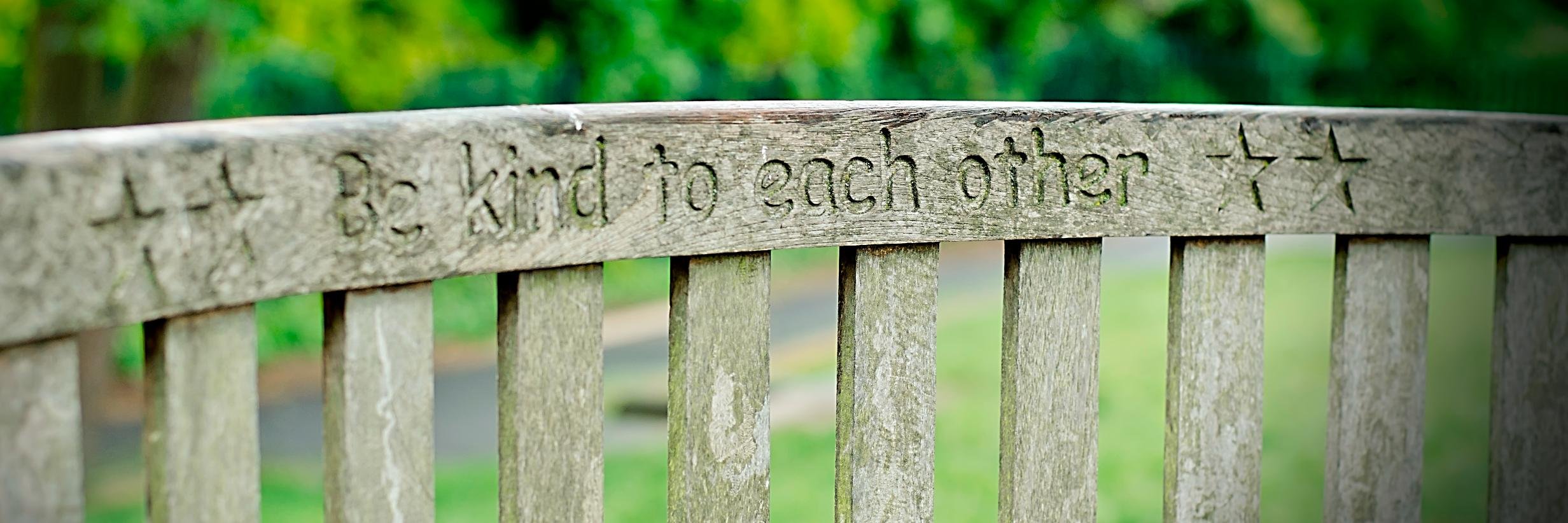
@Headteacherchat Model kindness everywhere. Talk about how staff have been kind to each other to the pupils, praise kindness of staff in front of pupils and parents. In assemblies, in conversation, in newsletters.
English
2
0
4
205
HeadteacherChat
HeadteacherChat@Headteacherchat·
How do you create a kinder school community?
English
6
0
3
4.9K
Maria Constantinou retweetledi
Shaun Allison
Shaun Allison@shaun_allison·
Our trust is looking to appoint a headteacher at Oak Tree Primary School, West Sussex. You’ll be joining a great, forward thinking team. Please share dmat.education/vacancy/headte…
Shaun Allison tweet media
English
0
2
0
933
Amjad Ali
Amjad Ali@TeachLeadAAli·
🧵 Prompted by a question from @MariaConst_ - My top advice to all schools that use radios is to get carry bags and ear pieces for users. As well as ensuring you have written/developed a radio talking etiquette/protocol. Benefits…
English
1
1
2
1.6K