

Mark Hirsch
4.8K posts

Mark Hirsch
@MarkAHirsch
Carolinas Rehabilitation | Atrium Health | Professor of Physical Medicine and Rehabilitation, Wake Forest University School of Medicine- Charlotte
Charlotte, USA Katılım Aralık 2015
776 Takip Edilen871 Takipçiler
Mark Hirsch retweetledi

Get fitter, think sharper, your brain upgrades with exercise
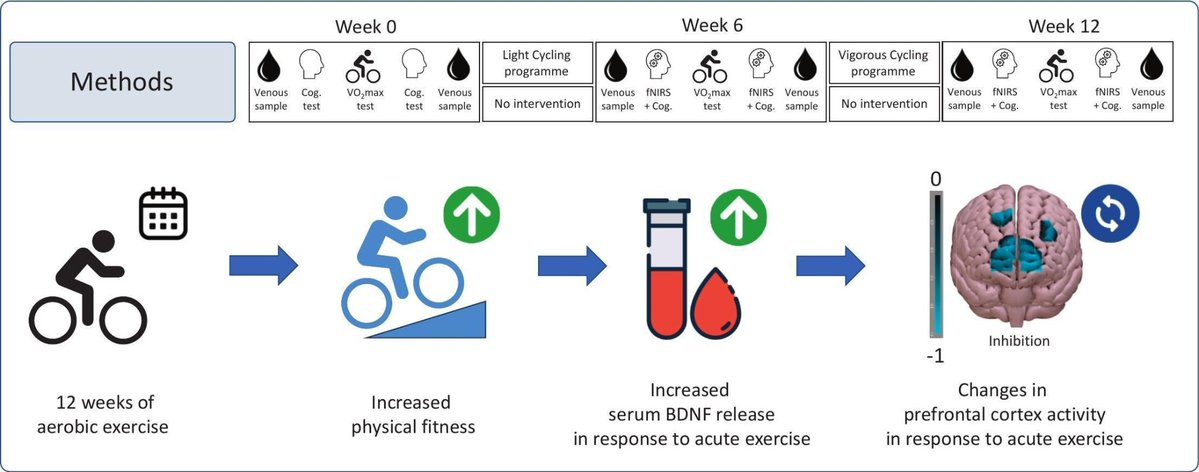
New research from UCL shows fitness doesn’t just help your body, it amplifies your brain’s response to exercise.
Key findings:
1. Just 15 minutes of moderate to intense exercise triggers BDNF, a protein that supports new brain cells and connections
2. After 12 weeks of training, participants released significantly MORE BDNF from the same workout
3. Higher fitness (VO2max) = stronger brain boost after exercise
4. Enhanced activity seen in the prefrontal cortex, improving attention and inhibitory control
5. Baseline brain levels stayed the same, but the response to exercise became more powerful
What this means:
The fitter you get, the more your brain benefits from every single workout
Train your body, upgrade your brain 🧠
English
Mark Hirsch retweetledi

New NIH-funded research is taking a closer look at neurogenesis—the process of creating new neurons—in the hippocampus and how it relates to cognitive function. The findings highlight important differences in the brains of adults across a range of ages and levels of cognitive function, offering new insight into how our brains change over time.
Read more: bit.ly/476blah

English
Mark Hirsch retweetledi

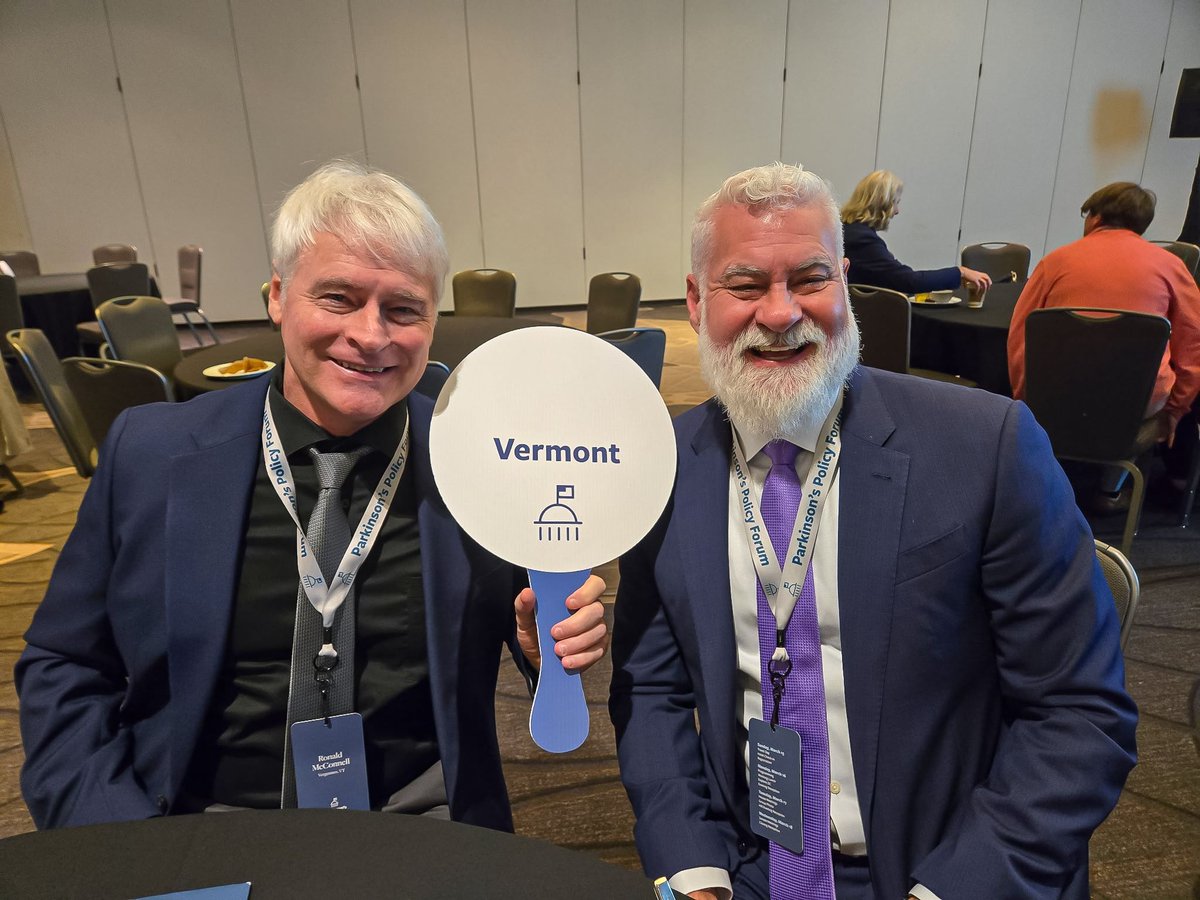
We had a great first day on the Hill for the Parkinson's Policy Forum! Advocates met with their Representatives to share their stories and why we need our government to prioritize brain health research for millions of Americans like them.
➡️ YOU can advocate for PD research at home by visiting: Policy.Parkinson.org



English
Mark Hirsch retweetledi

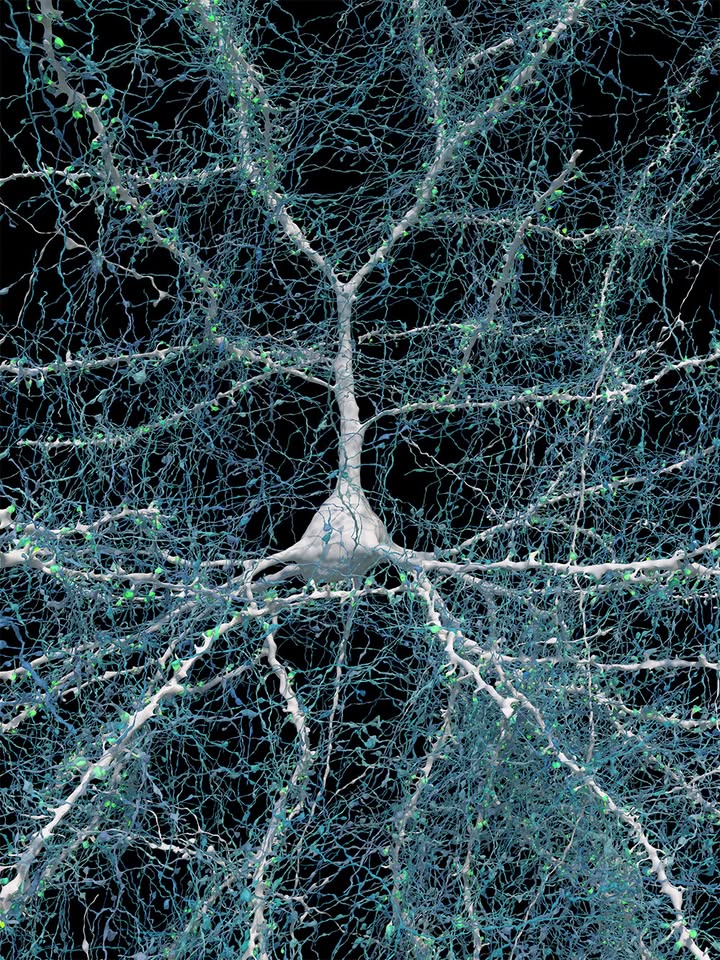
In a 2024 Science paper, researchers detailed a nanoscale-resolution reconstruction of a millimeter-scale fragment of human cerebral cortex, giving an unprecedented view into the structural organization of brain tissue at the supracellular, cellular, and subcellular levels.
Learn more during #BrainAwarenessWeek: scim.ag/3ZEKgpZ
English
Mark Hirsch retweetledi

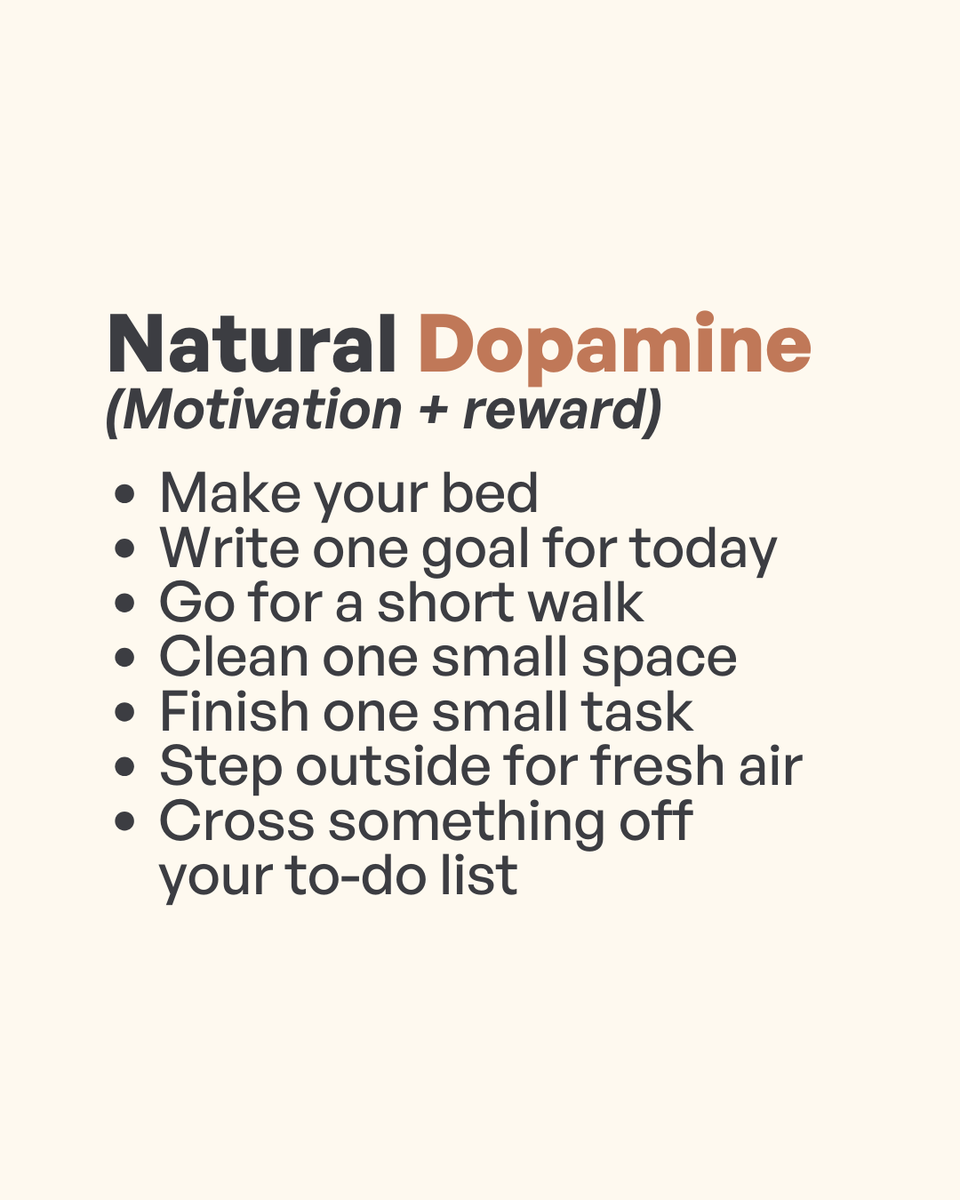
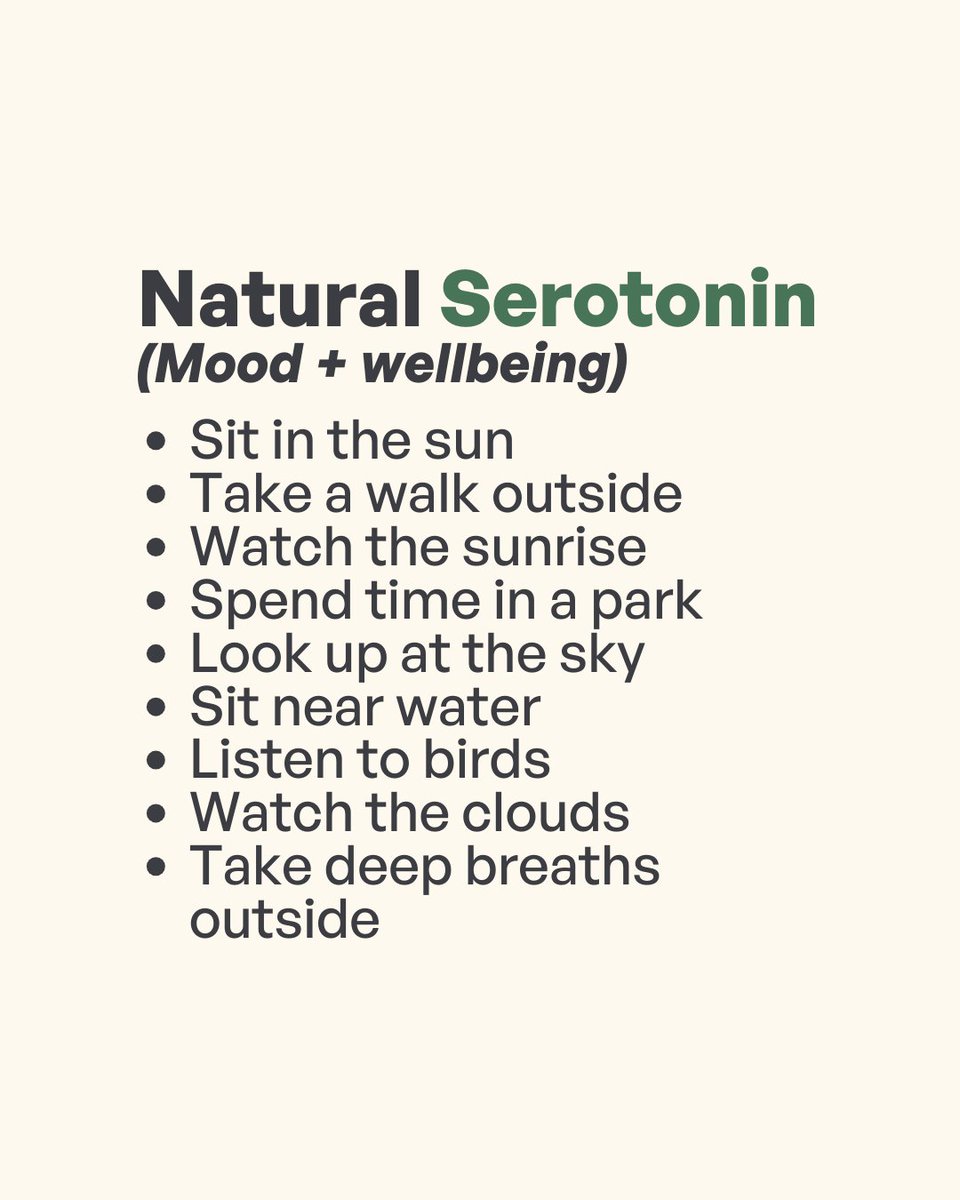
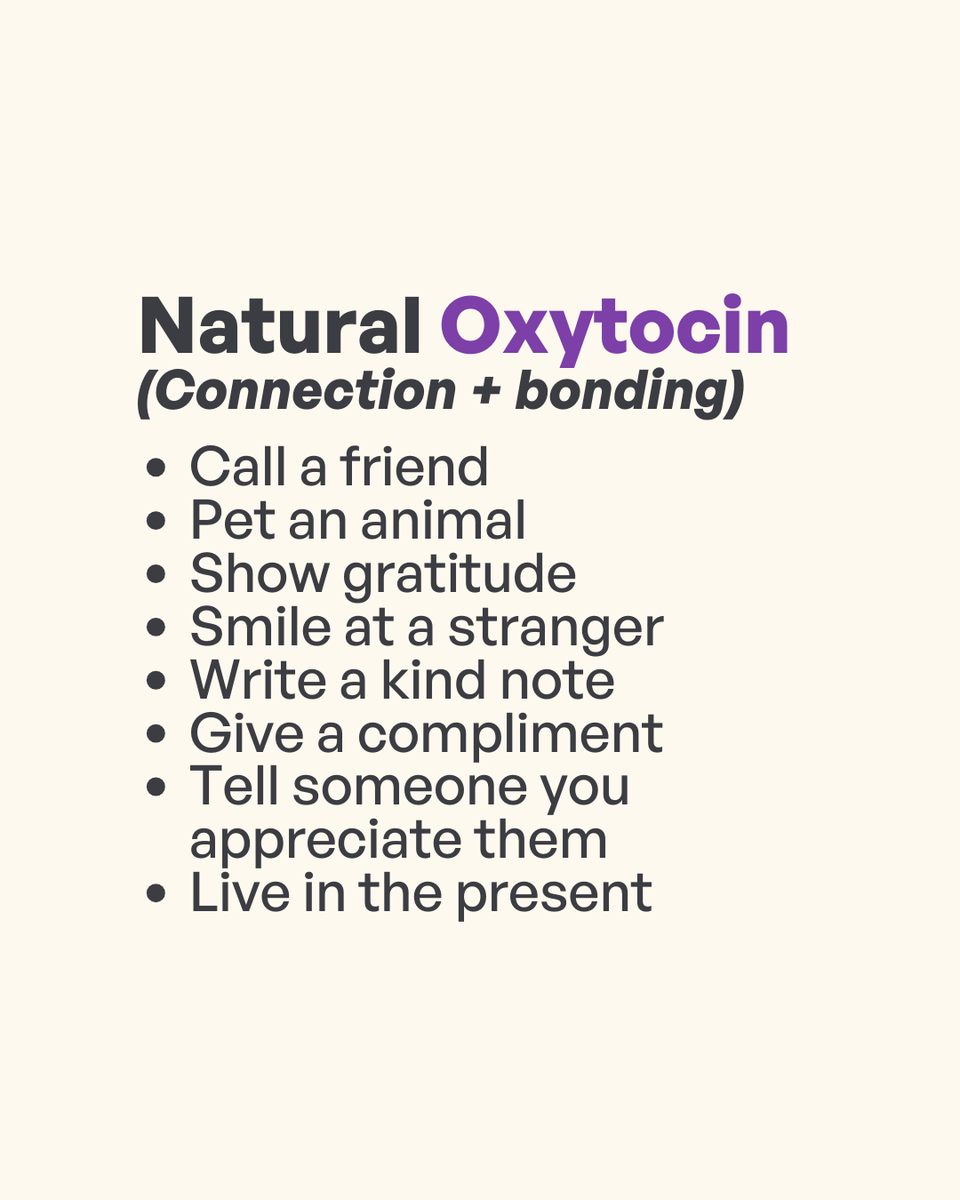
How to support your brain’s key signaling systems without a screen 🧠
These habits don’t directly “boost” a single chemical on demand, and they aren’t treatments for mental health or sleep disorders. But practiced consistently, they may help support the biological systems involved in mood, focus, stress regulation, and sleep.
Which one of these will you try today?

English
Mark Hirsch retweetledi
New research in Nature just changed how I think about Parkinson’s disease.
For years, we treated it as a problem in isolated motor areas that control the hand or foot. But brain imaging across 863 participants suggests something bigger.
Parkinson’s may involve a whole body control system in the brain called the Somato-Cognitive Action Network (SCAN).
Researchers found that deep brain regions like the substantia nigra become overconnected to this network. Treatments that work, like levodopa and deep-brain stimulation, seem to improve symptoms by normalizing this hyperconnectivity.
In a small clinical trial, patients who received magnetic stimulation targeting the SCAN improved twice as much as those treated at traditional limb motor areas.
This suggests Parkinson’s might not just be a movement disorder of isolated regions. It may be a network disorder of whole body control.
Early results, but a fascinating shift in how we may treat the disease.

English
Mark Hirsch retweetledi

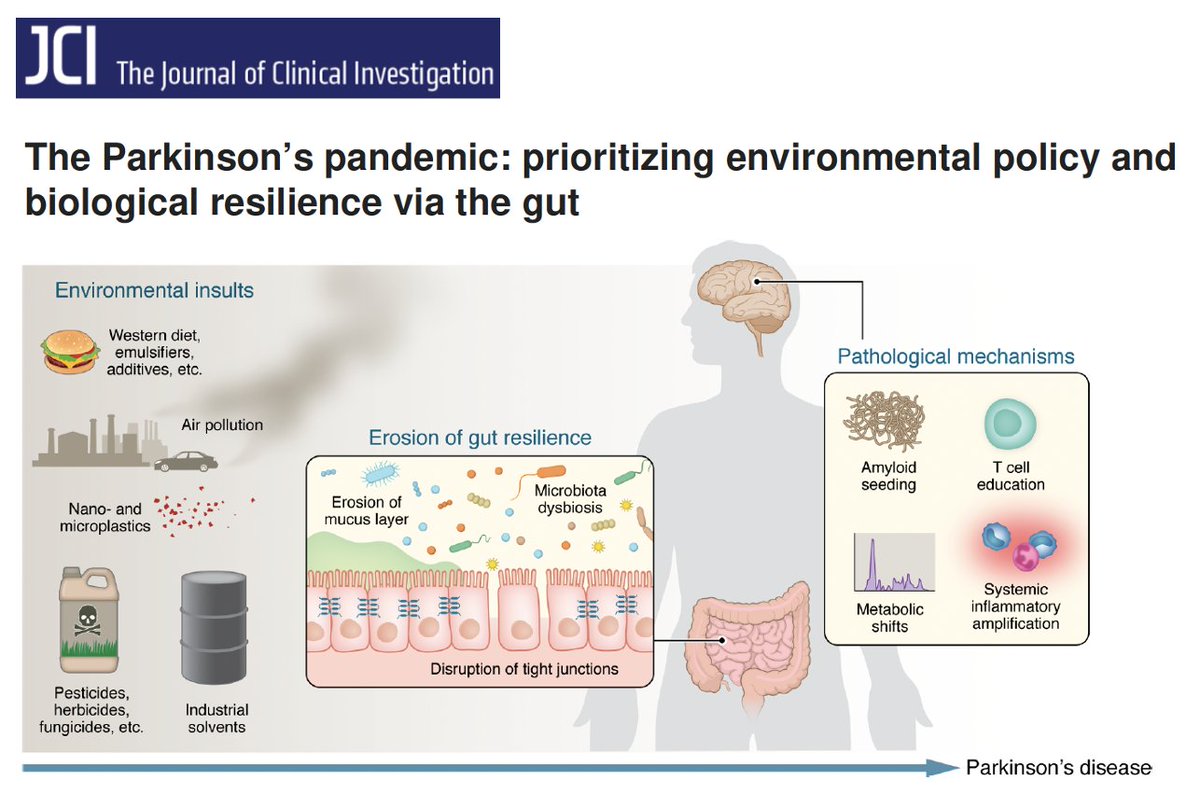
Where do environmental exposures and biological vulnerability collide? Your gut of course. This is why as we face down the Parkinson’s pandemic, environmental policy may shape the future of brain health. Gut microbiome means the community of bacteria and microorganisms living in the digestive tract that influence immunity, metabolism and even brain health. Bianca Palushaj and Robin Voigt describe in a new paper in the Journal of Clinical Investigation how environmental exposures and the gut microbiome may together shape the rising global burden of Parkinson’s disease.
Key Points:
-Parkinson’s disease incidence has more than doubled in many industrialized regions and is projected to rise more than 50 percent globally by 2040, suggesting environmental pressures may be contributing beyond aging and genetics.
-The gut serves as a major interface between the body and environmental chemicals including pesticides, solvents, microplastics and food additives which may reshape gut microbes and weaken intestinal barrier defenses.
-Disruptions in the gut microbiome may promote inflammation, immune activation and amyloid related processes that eventually lower the threshold for alpha synuclein misfolding and neurodegeneration.
My take: This paper reminds us that Parkinson’s disease is not just in the brain. Could the gut be where environmental exposures and biological vulnerability collide? If that is true, then prevention strategies must move upstream and include environmental policy, nutrition and gut health.
Here are 5 points that resonated w/ me:
1- Parkinson’s disease may represent a convergence of environmental exposures and biological vulnerability rather than a purely genetic disorder.
2- The gut is uniquely positioned as one of the largest interfaces between the environment and the nervous system and it may influence whether disease begins.
3- Environmental chemicals such as pesticides, solvents and air pollution may reshape the microbiome and reduce biological resilience.
4- Strengthening gut resilience through diet, microbiome targeted therapies and barrier protection may become part of future treatment strategies.
5- Environmental policy may ultimately be one of the most powerful tools for slowing the global rise of Parkinson’s disease.
jci.org/articles/view/… @ParkinsonDotOrg #parkinson
English
Mark Hirsch retweetledi
When I exercise, my brain is not just helping my body move. It is actively strengthening my memory.
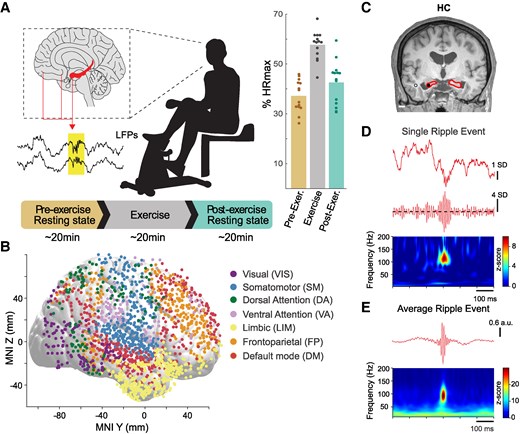
This research shows that during and after about 20 minutes of cycling, the hippocampus becomes more active. The hippocampus is the brain structure that helps form and organize memories. Scientists recorded brain signals from this region and observed brief bursts of electrical activity called hippocampal ripples. These ripples last only milliseconds but they are critical for memory consolidation. This is the process where the brain stabilizes and stores information we have learned.
The figure shows that ripple activity increases during exercise and stays elevated afterward. That means physical activity can stimulate the neural patterns that help the brain replay and reinforce experiences.
In simple terms, when I move my body, I am also giving my brain a chance to strengthen the circuits that support learning and memory. Exercise not only trains muscles. It also activates the biological processes that help the brain remember.
English
Mark Hirsch retweetledi

The most important skill for creativity is no longer original thinking. It’s taste and tenacity.
In the age of AI, ideas are abundant. Good judgment and execution are scarce.
The future belongs to those who excel at finding and amplifying the signal in the noise.
English
Mark Hirsch retweetledi
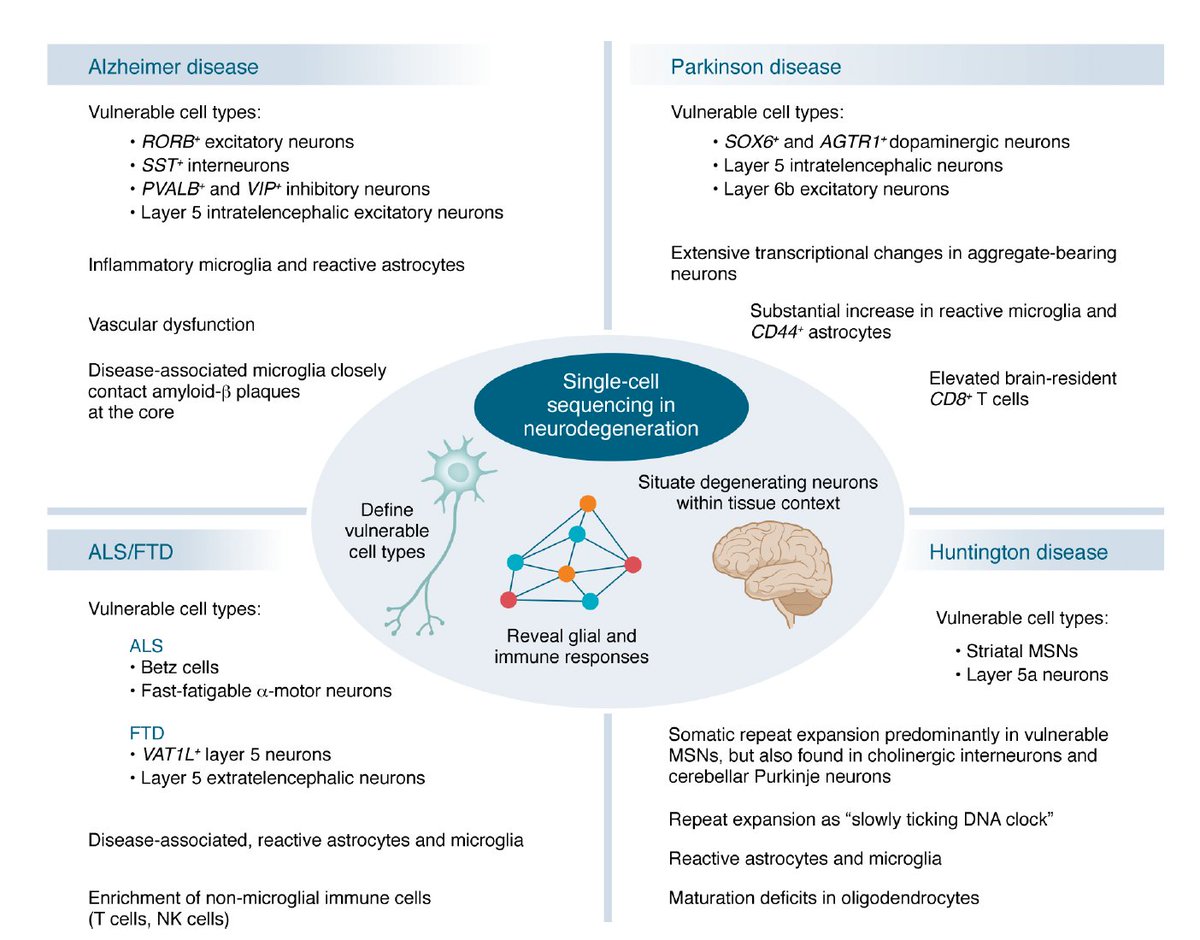
Neurodegenerative diseases at the single-cell level, a powerful tool to differentiate and better understand jci.org/articles/view/… @jclinicalinvest
English
Mark Hirsch retweetledi

Exercise is good for the brain and that's thanks to a protein made in the liver that repairs the blood-brain barrier. The discovery could lead to better ways to treat and prevent the decline of aging by targeting this barrier rather than the brain itself. tiny.ucsf.edu/veiWWb
English
Mark Hirsch retweetledi

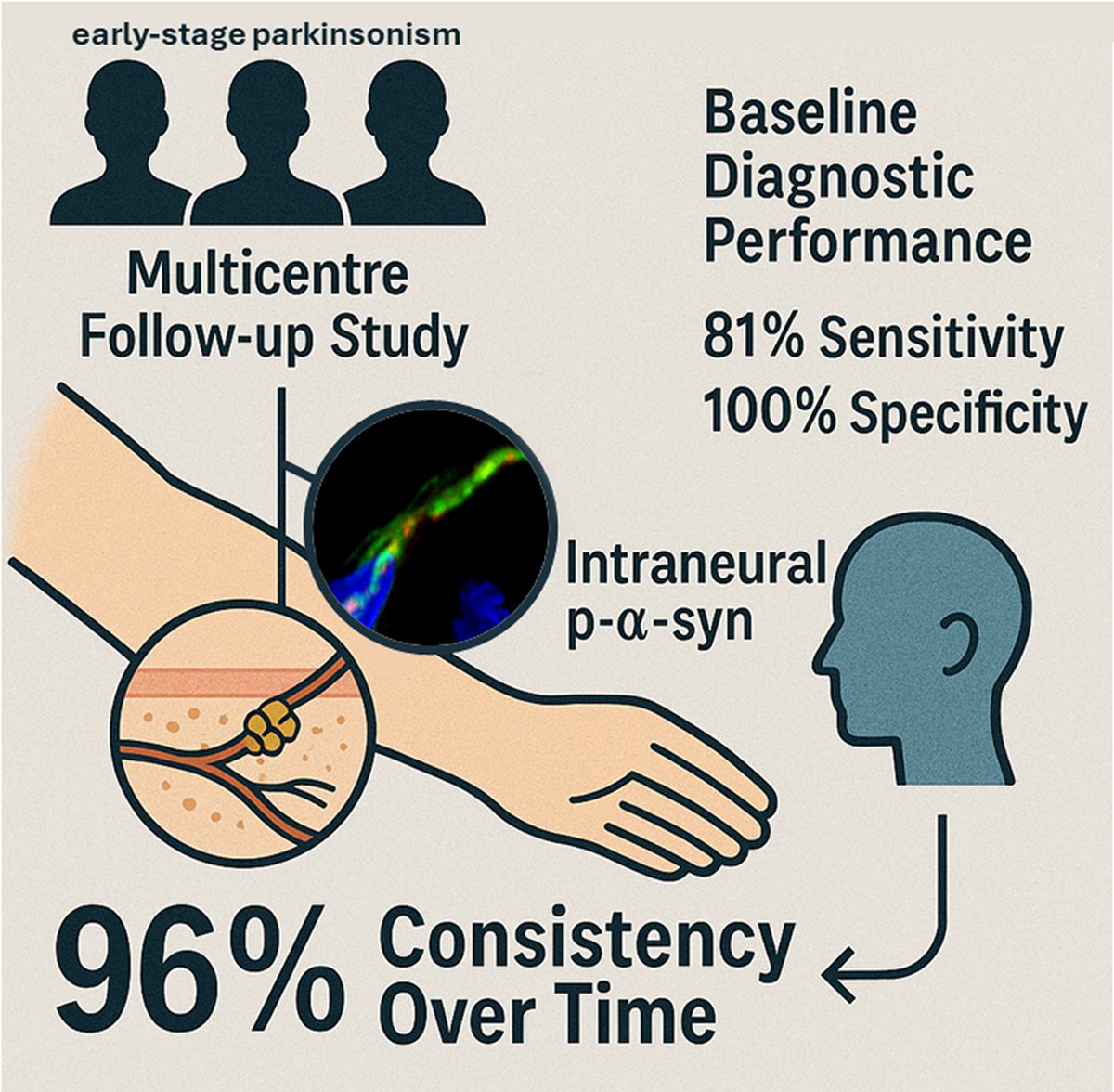
Donadio et al. show that the detection of phosphorylated alpha-synuclein in skin nerves is a highly reliable biomarker for the early identification of Parkinson’s disease. shorturl.at/iRKBE
English
Mark Hirsch retweetledi

1/
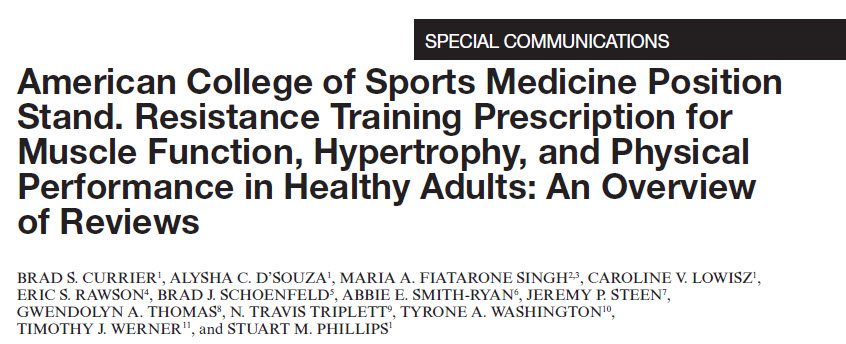
Big update in exercise science: ACSM has revised its resistance training Position Stand for the first time since 2009. That is a 17-year gap, and a lot has changed. 🧵pmc.ncbi.nlm.nih.gov/articles/PMC12…
English
Mark Hirsch retweetledi

The scientist has a lot of experience with ignorance and doubt and uncertainty, and this experience is of very great importance, I think.
When a scientist doesn't know the answer to a problem, he is ignorant. When he has a hunch as to what the result is, he is uncertain. And when he is pretty darn sure of what the result is going to be, he is in some doubt. We have found it of paramount importance that in order to progress we must recognize our ignorance and leave room for doubt. Scientific knowledge is a body of statements of varying degrees of certainty — some most unsure, some nearly sure, but none absolutely certain.

English
Mark Hirsch retweetledi

Working memory is crappy and cannot be improved. Most of human memory capability is earmarked for specific tasks, … navigation, social interactions, skill learning. Use Method of Loci for 1,000x better ‘memory’ biorxiv.org/content/10.648…
npj Digital Medicine@npjDigitalMed
Can digital cognitive training improve working memory? A meta-analysis of 45 neuroimaging studies finds computerised working memory training produces moderate behavioural gains and measurable changes in brain activity, supporting its potential as a scalable digital tool for cognitive health. nature.com/articles/s4174…
English
Mark Hirsch retweetledi
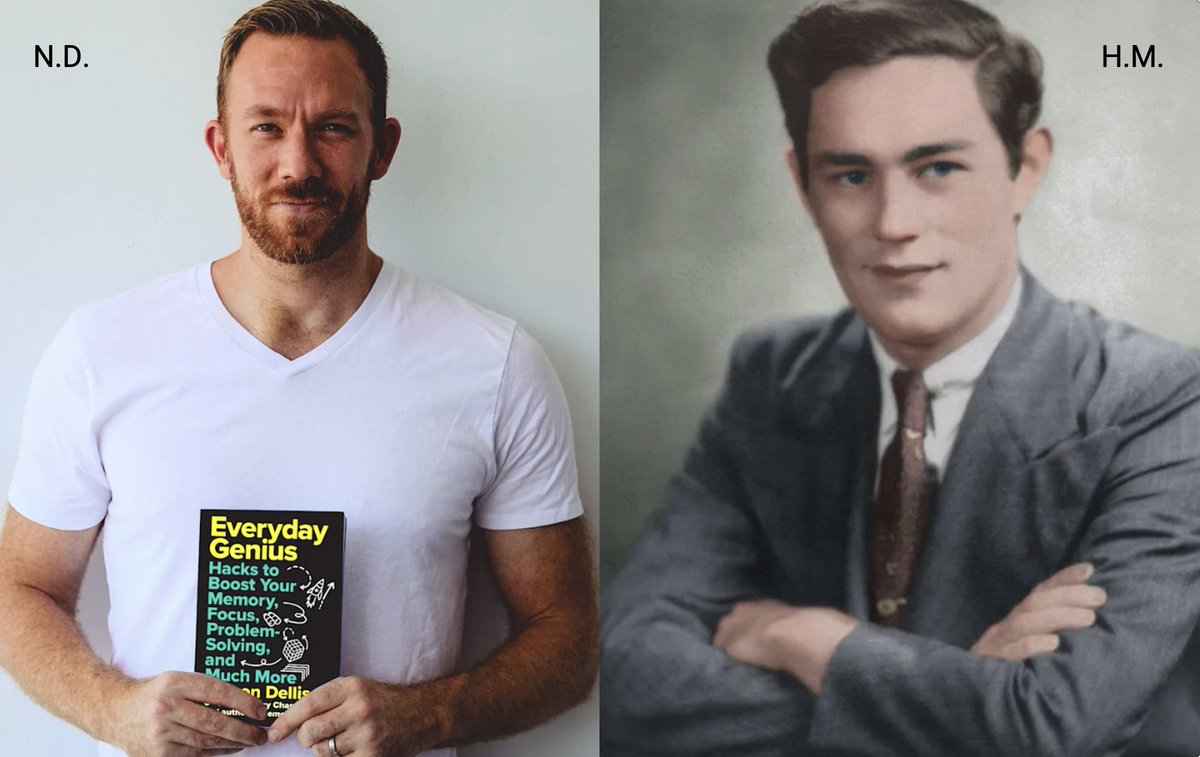
Most of what's known about human memory stems from H.M., who had his hippocampus removed bilaterally. So we studied memory champion Nelson Dellis with precision brain mapping. Everyone's memory is crap ... 10 digits. He's memorized 10,000, by making it a skill, more like juggling
Roselyne Chauvin@RoselyneChauvin
The 6x US memory champion – @NelsonDellis – can memorize a deck of cards in 40 seconds and knows the first 10K digits of pi. To figure out how, he let us peak inside his brain. youtube.com/shorts/MryMqWo…
English
Mark Hirsch retweetledi

Scientists put kids through 100 hours of reading, then scanned their brains. New wiring had physically grown inside the language regions. Communication between brain areas sped up by a factor of 10. Kids who didn't read showed zero change.
That was a 2009 Carnegie Mellon study. It gets wilder.
In 2013, Emory University scanned 19 students every morning for 19 straight days while they read one novel chapter each night. Mornings after reading, the brain areas responsible for understanding other people's emotions lit up with new connections. So did the region that processes physical sensation. Their brains were simulating what the characters felt, as if it were happening to them. Those changes stuck around for 5 days after they finished the book.
Now flip to scrolling. A massive review published in Psychological Bulletin last September pulled together 71 studies covering 98,299 people. Heavy short-form video use (TikTok, Reels, Shorts) showed a clear pattern: worse attention, weaker self-control, and more anxiety. Consistent across teenagers and adults, across every platform tested. Oxford didn't name "brain rot" its 2024 Word of the Year for nothing.
A 2024 brain wave study found that people hooked on short-form video had weaker activity in the front of the brain, the part that controls focus and impulse control. Separate brain scans showed the same thing: heavy scrollers had less activation in the exact regions that deep reading strengthens.
UCLA neuroscientist Maryanne Wolf has been studying this for decades. Humans were never born to read. There's no gene for it. Reading is something we invented, and it hijacked neurons that were originally meant for recognizing faces. Over time, it built entirely new brain circuits connecting language, vision, and emotion. But those circuits only survive if you use them. Stop reading, and they fade. Wolf's conclusion is simple: screens built for speed produce a speed-wired brain. Books built for depth produce a depth-wired brain.
One honest caveat: most of these studies are snapshots, not long-term tracking. People who already struggle to focus might just prefer short videos. But the same pattern showing up across nearly 100,000 people is hard to shrug off.
The tweet repeats the line seven times. The research backs it up with brain scans, EEG data, and white-matter imaging across tens of thousands of people.
✒️@Literariium
The antidote for brain rot is books. The antidote for brain rot is books. The antidote for brain rot is books. The antidote for brain rot is books. The antidote for brain rot is books. The antidote for brain rot is books. The antidote for brain rot is books.
English
Mark Hirsch retweetledi

Brittany Krzyzanowski, PhD, a 2024 Next Generation Research Grant recipient, has released a preliminary study finding that drinking water from newer groundwater is associated with a higher risk of #Parkinsons disease compared to older groundwater.

English
Mark Hirsch retweetledi
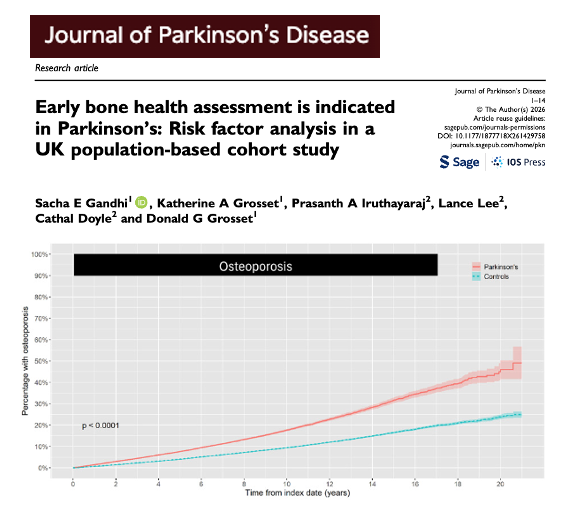
Parkinson’s disease and bone health: why I think screening should be mandatory. Bone health screening refers to testing for weak bones, frequently using a DXA scan that measures bone density and helps identify osteoporosis before fractures occur. Gandhi and colleagues describe in a new paper that just dropped in the Journal of Parkinson’s Disease why early bone health assessment should be part of routine Parkinson’s care, and I strongly agree.
Key Points:
– Folks w/ Parkinson’s disease have roughly double the risk of osteoporosis and major osteoporotic fractures compared to individuals w/o Parkinson’s.
– The increased fracture risk is driven by several factors including reduced mobility, lower body weight, vitamin D deficiency and medication related biological effects.
– Despite the elevated risk, osteoporosis screening and treatment remain underutilized, particularly in men and in individuals from poorer communities.
My take: Bone health has historically been overlooked in Parkinson’s disease care, even though fractures can dramatically impact independence and survival. In my practice I screen all Parkinson's for bone health, even men. This study highlights that Parkinson’s itself is an independent risk factor for weak bones and fractures, meaning we should be screening earlier and more consistently. Preventing fractures should be a central goal of Parkinson’s care, not an afterthought. Here are 5 points that resonated w/ me:
1- Parkinson’s disease increases the risk of osteoporosis and fractures across ages, sexes and demographic groups.
2- Falls are common in Parkinson’s and weak bones make the consequences of those falls far more dangerous.
3- Bone health screening using tools such as DXA should become a routine part of Parkinson’s management.
4- Treatment for osteoporosis exists and can strengthen bone density and reduce fracture risk.
5- The future of Parkinson’s care should include proactive bone health strategies rather than waiting until a fracture occurs.
journals.sagepub.com/doi/full/10.11… @ParkinsonDotOrg @journal_PD #parkinson #osteoporosis
English