Martín Oré

893 posts

Martín Oré banner
Martín Oré

Martín Oré

@MartinOreArce

Oncólogo Médico. 🇵🇪 de nacimiento y adoptado por 🇪🇸 desde el 2007. Ciudadano del mundo. Enamorado de la vida y de mi mujer. Loco x el ceviche 🇵🇪🇵🇪🇵🇪.

San Juan de Alicante, España Katılım Nisan 2016
137 Takip Edilen110 Takipçiler
Martín Oré retweetledi
Adam B. Weiner, MD
Adam B. Weiner, MD@Adam_Weiner535·
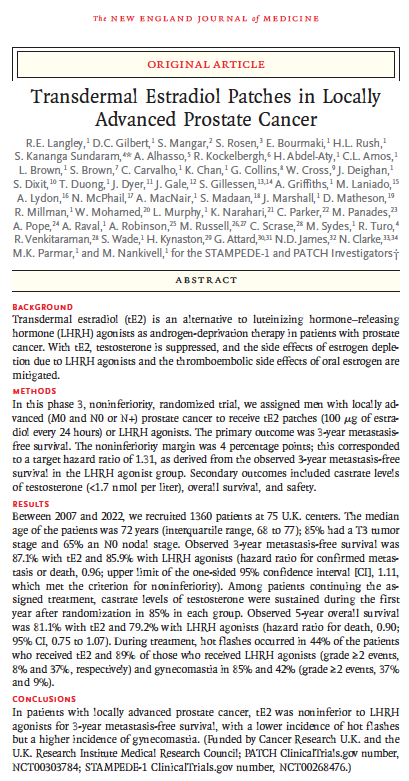
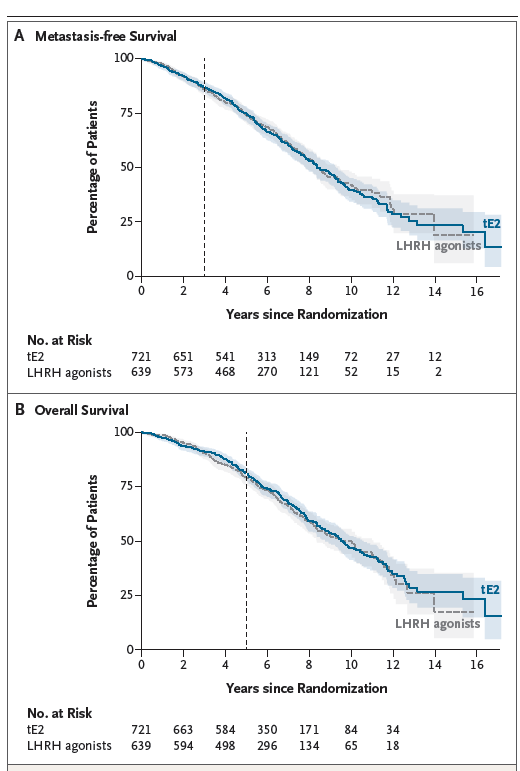
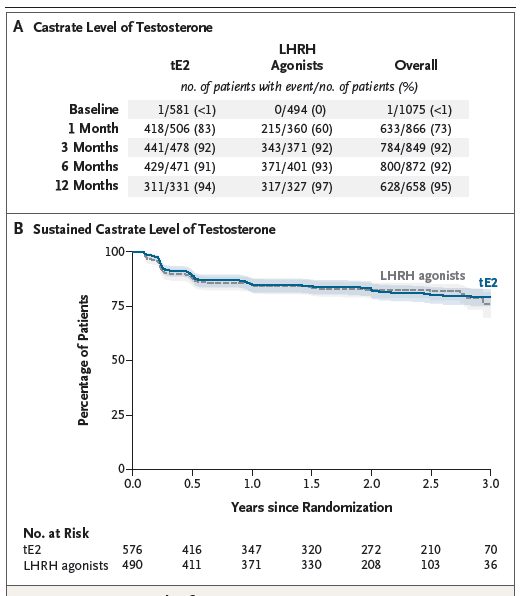
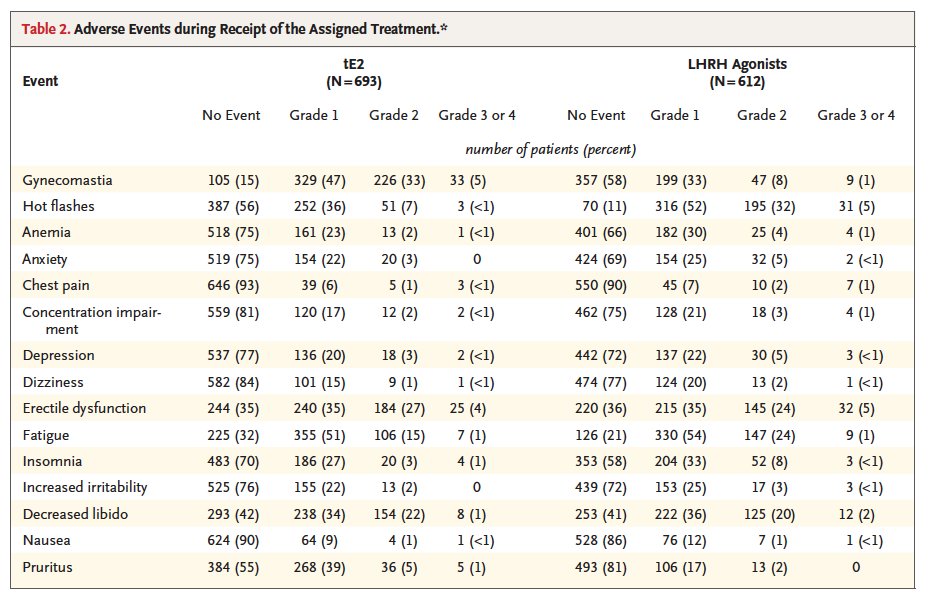
🚨Tansdermal Estradiol (tE2) vs ADT for locally advanced #prostatecancer🚨 @NEJM New phase 3 RCT (PATCH/STAMPEDE-1) 🔑tE2 patches are noninferior to LHRH agonists for metastasis-free survival (n=1,360) ✅ 87.1% vs 85.9% 3-yr MFS 🌡️ Way fewer hot flashes (44% vs 89%) 🦴 Lower fracture rates ⚠️ More gynecomastia 🔥Same cancer control. Better side effect profile. Patient-applied. Cheaper. 👀Time to rethink ADT? 👀 @PCFnews @PCF_Science @UrologyTimes @renalandurology @urotoday 🔗shorturl.at/rC2x3
Adam B. Weiner, MD tweet mediaAdam B. Weiner, MD tweet mediaAdam B. Weiner, MD tweet mediaAdam B. Weiner, MD tweet media
English
2
30
72
10.8K
Martín Oré retweetledi
Caio Suartz
Caio Suartz@CSuartz·
Just published in European Urology Oncology, our paper on ctDNA in bladder cancer. A noninvasive biomarker that could nos ajudar to reflects tumor burden, predicts treatment response, and identifies recurrence earlier than standard methods. Take a look 🧵
Caio Suartz tweet media
English
1
8
49
3.6K
Martín Oré retweetledi
Oscar Tahuahua
Oscar Tahuahua@OscarTahuahua·
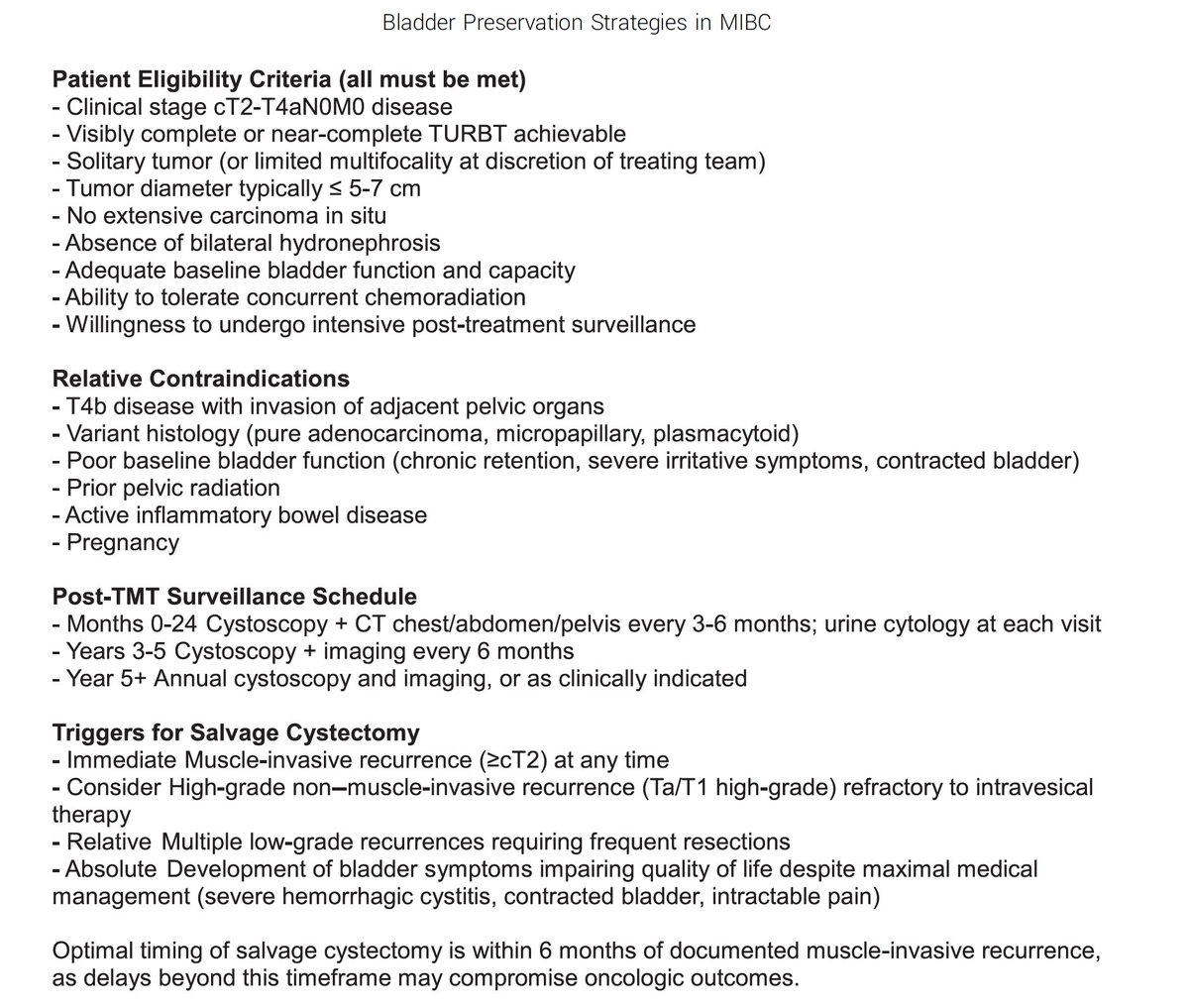
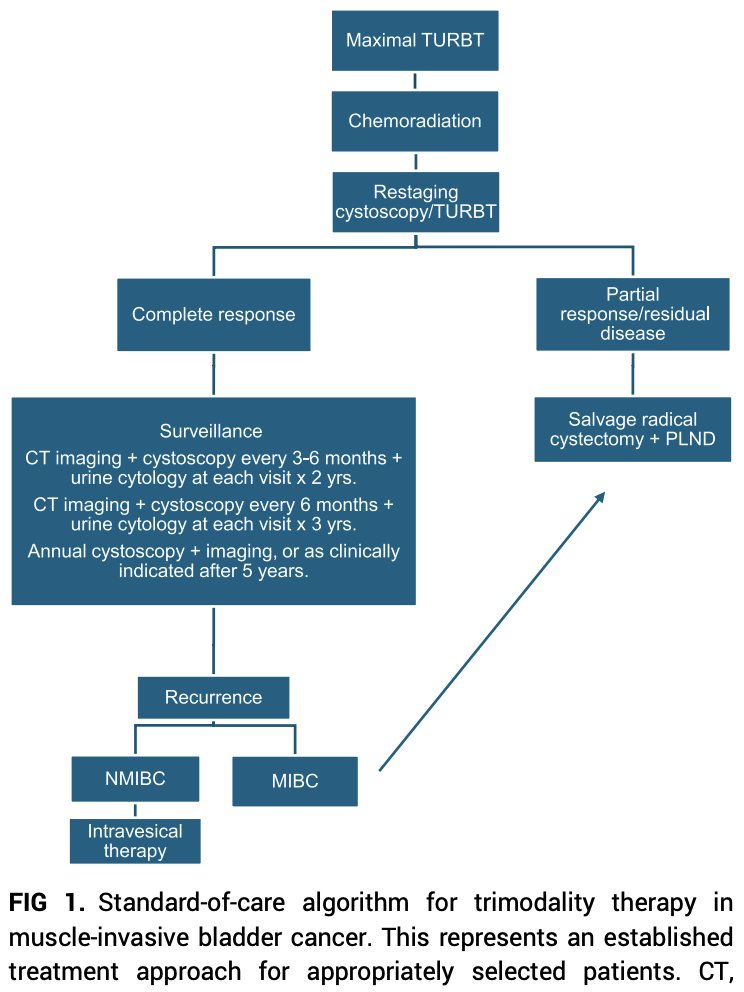
Bladder Preservation Strategies in Muscle-Invasive Bladder Cancer in @JCO_ASCO ➡️TMT achieves survival comparable to radical cystectomy in selected pts, with better QoL ➡️Immunotherapy +/- ChT/ADC +/- ctDNA/utDNA are redefining who can safely avoid surgery The future is bright 🌟🤩 ascopubs.org/doi/pdf/10.120… @OncoAlert
Oscar Tahuahua tweet mediaOscar Tahuahua tweet media
English
2
38
83
7.4K
Martín Oré retweetledi
Julian Chavarriaga
Julian Chavarriaga@chavarriagaj·
#EAU26 ctDNA after cystectomy is promising… but not ready for prime time Dr. Masson-Lecomte highlights key hurdles: 🔹 Complex & costly infrastructure 🔹 One post-RC test is not enough 🔹 Rapidly evolving systemic therapy landscape 🔹 ctDNA ≠ local disease biology @uroweb @UroToday
Julian Chavarriaga tweet media
English
1
10
21
1.5K
Martín Oré retweetledi
Mirrors of Medicine
Mirrors of Medicine@mirrorsmed·
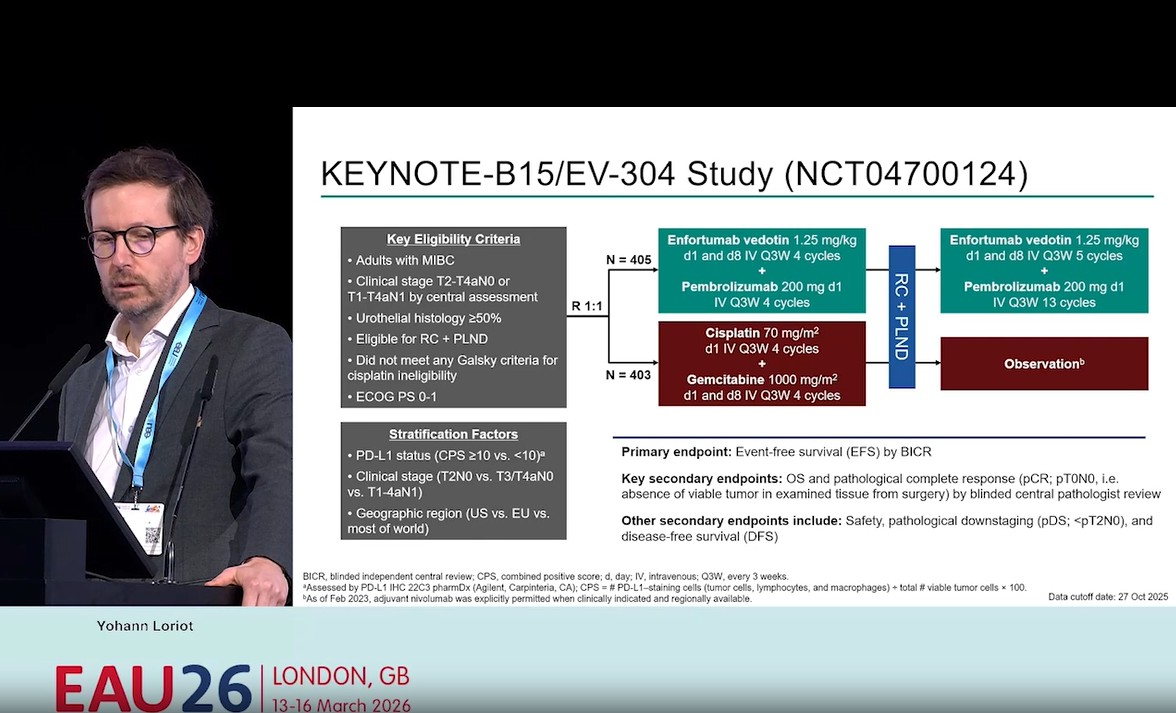
🔥 Presented at #EAU2026: new KEYNOTE-B15 / EV-304 data ✅After previously reported survival benefits, new data now also highlight improved pathological downstaging and disease-free survival with perioperative enfortumab vedotin + pembrolizumab in cisplatin-eligible MIBC while surgical outcomes remained comparable.
Mirrors of Medicine tweet mediaMirrors of Medicine tweet mediaMirrors of Medicine tweet media
English
1
21
31
3K
Martín Oré retweetledi
MV Chandrakanth
MV Chandrakanth@ChandrakanthMv·
ADC toxicity = Antibody vs Payload. Antibody → toxicity in normal tissues expressing the target Payload → toxicity of the cytotoxic drug class. Quick comparison of EV, Sacituzumab, T-DM1, T-DXd & Inotuzumab. #MVOnco #Oncology #MedEd #ADC #OncoTwitter #CancerEducation
MV Chandrakanth tweet media
English
1
16
47
1.6K
Martín Oré retweetledi
Advanced Prostate Cancer Consensus Conference
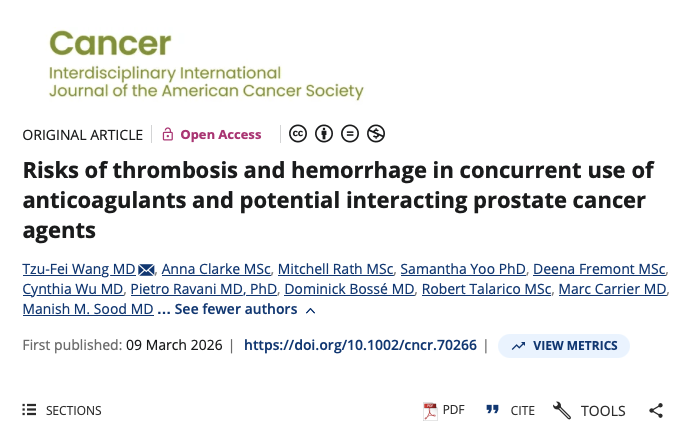
Risks of thrombosis and hemorrhage in concurrent use of anticoagulants and potential interacting prostate cancer agents acsjournals.onlinelibrary.wiley.com/doi/10.1002/cn… In a population-based retrospective study from Ontario and Alberta, Canada🇨🇦 (2012–2023), investigators evaluated whether androgen receptor pathway inhibitors interact with direct oral anticoagulants (DOACs) in patients with #ProstateCancer . Among 2,997 patients, concurrent use of enzalutamide or apalutamide with DOACs did not increase thrombosis risk, and abiraterone with DOACs did not increase bleeding risk🩸 Overall, combining these therapies showed no clinically meaningful impact on thrombotic or bleeding outcomes. @TzufeiWang @Dominick_Bosse @pietro_ravani @Msood99M @MarcCarrier1 @OncoAlert @silkegillessen @AOmlin @weoncologists @JournalCancer
Advanced Prostate Cancer Consensus Conference tweet media
English
2
13
20
1.4K
Martín Oré retweetledi
Diego A. Díaz-García
Diego A. Díaz-García@diegoadiazg·
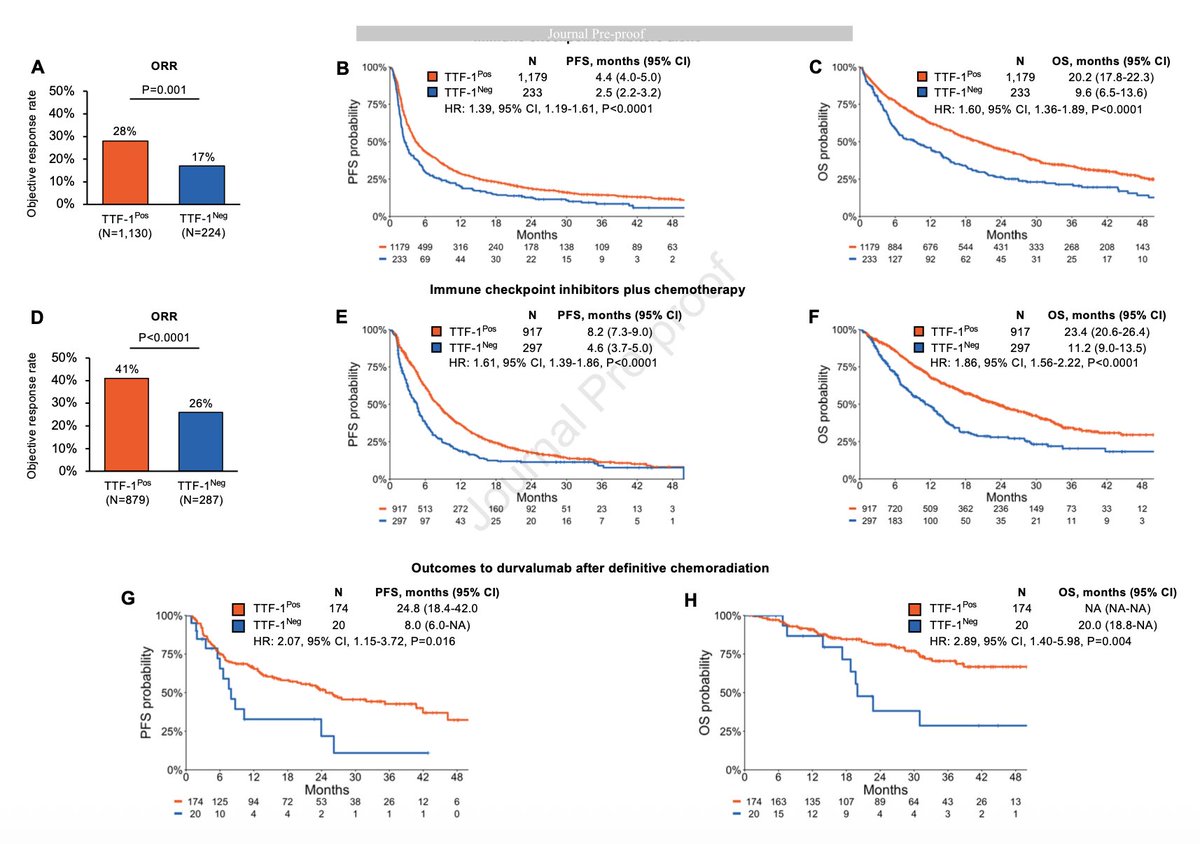
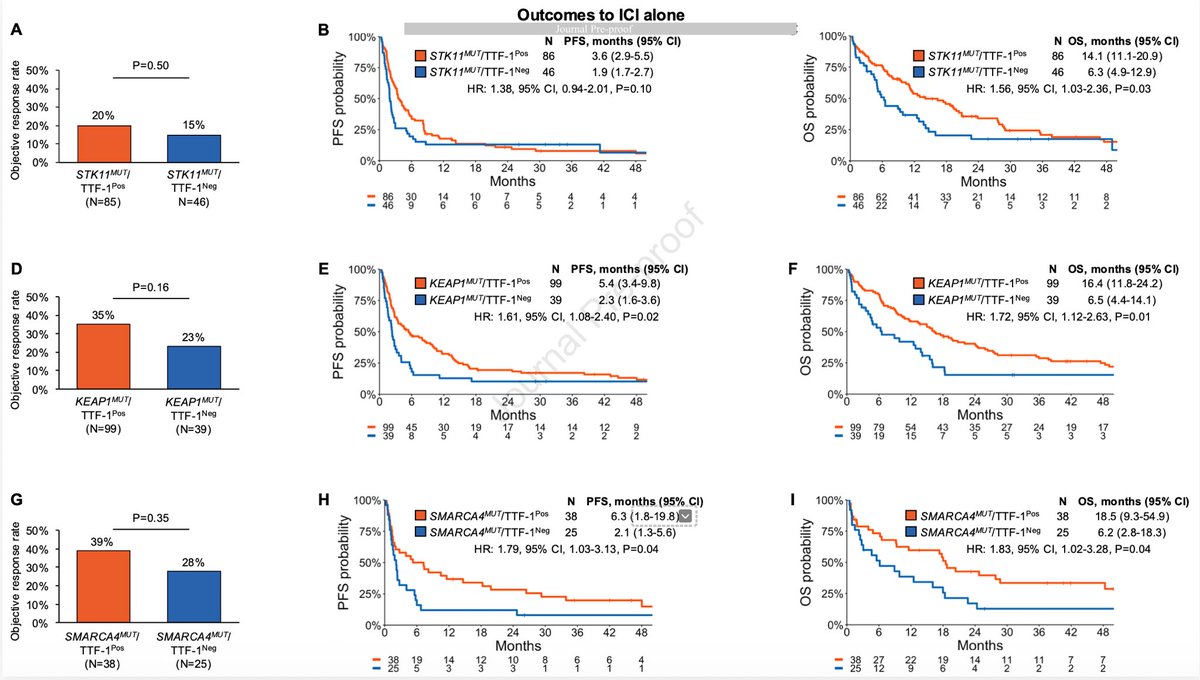
🫁 TTF-1 negativity in lung adenocarcinoma. In a multi-cohort analysis (n=3,297), TTF-1 negative LUAD (~15%) showed distinct biology and consistently worse outcomes. ICI: ORR 17% vs 28%, mPFS 2.5 vs 4.4 mo, mOS 9.6 vs 20.2 mo Chemo-IO: ORR 26% vs 41%, mOS 11.2 vs 23.4 mo KRASG12C inhibitors: ORR 13% vs 36% TTF-1 negativity may identify a high-risk subset with limited benefit from current strategies. 📖 @JTOonline @OncoAlert DOI 👉🏻 doi.org/10.1016/j.jtho… #CánCare #lungcancer #nsclc #immunotherapy #kras #biomarkers #lcsm
Diego A. Díaz-García tweet mediaDiego A. Díaz-García tweet mediaDiego A. Díaz-García tweet mediaDiego A. Díaz-García tweet media
English
5
19
77
5.6K
Martín Oré retweetledi
Oscar Tahuahua
Oscar Tahuahua@OscarTahuahua·
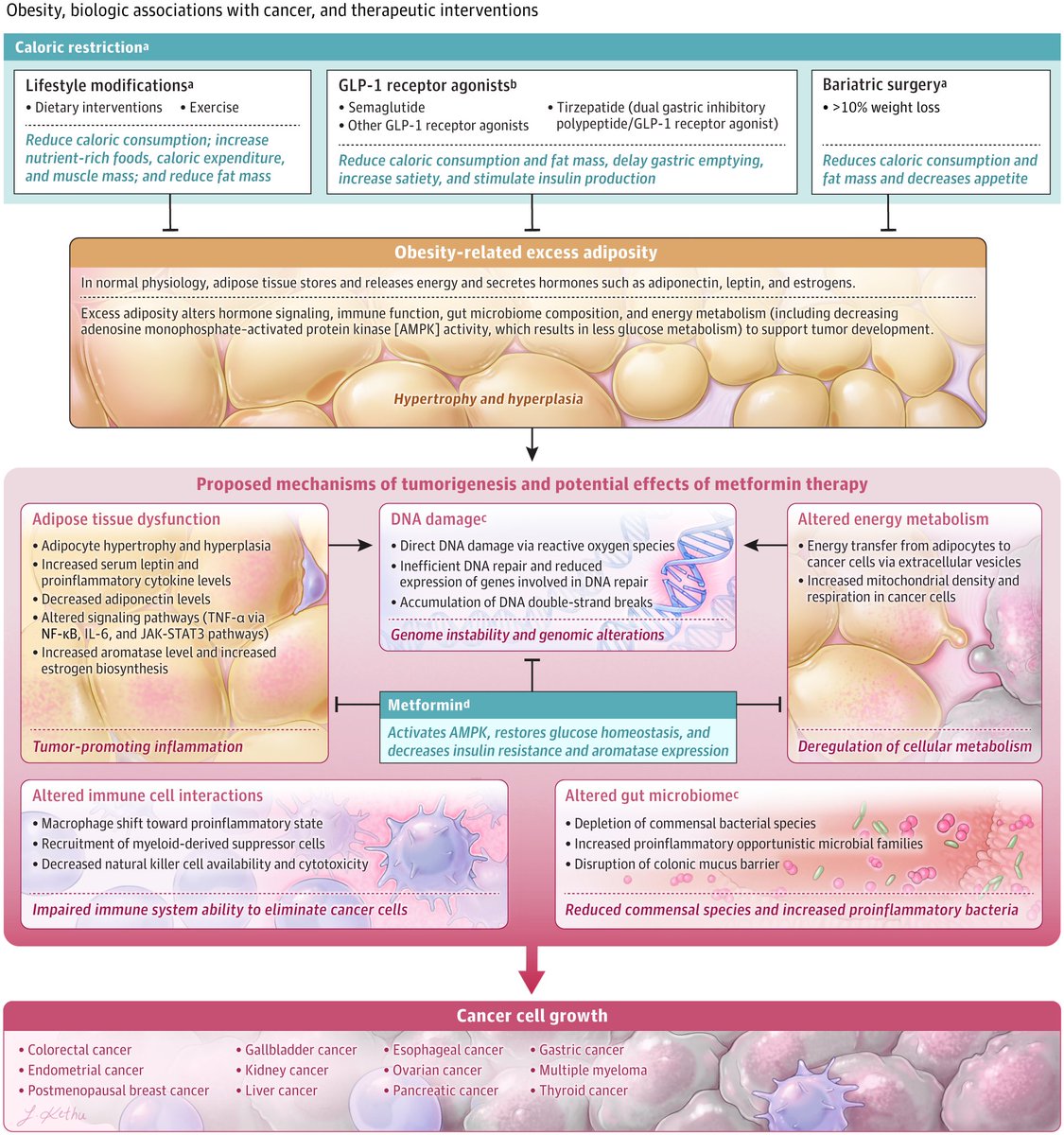
Obesity is linked to at least 12 cancers. Here’s part of the biology in @JAMA_current Dysfunctional adipose tissue becomes a pro-tumor endocrine organ, driving insulin signaling, estrogen excess, chronic inflammation, and immune suppression. In other words: obesity can help create the ecosystem cancer needs to grow. jamanetwork.com/journals/jama/… @OncoAlert
Oscar Tahuahua tweet media
English
3
81
150
41.1K
Martín Oré retweetledi
Liang Cheng, MD
Liang Cheng, MD@LiangChengMD·
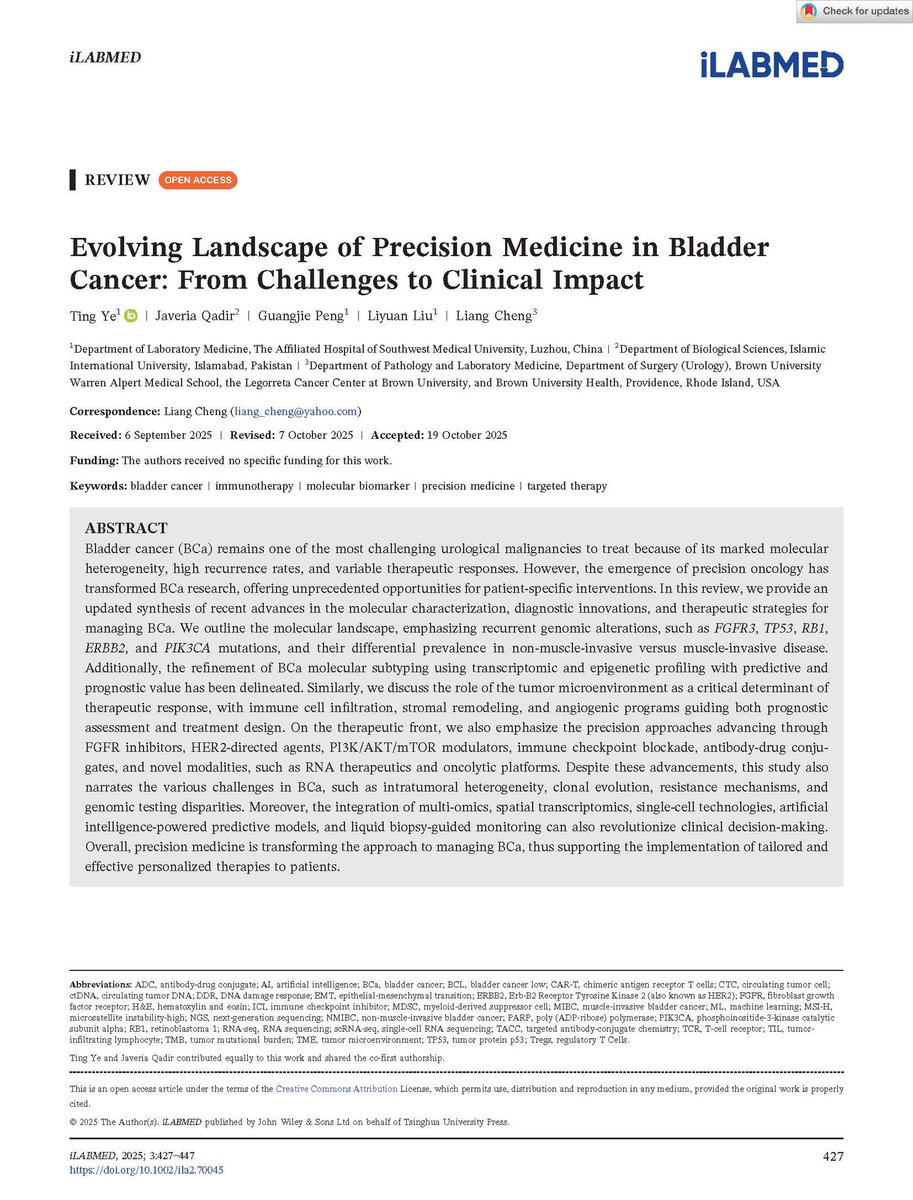
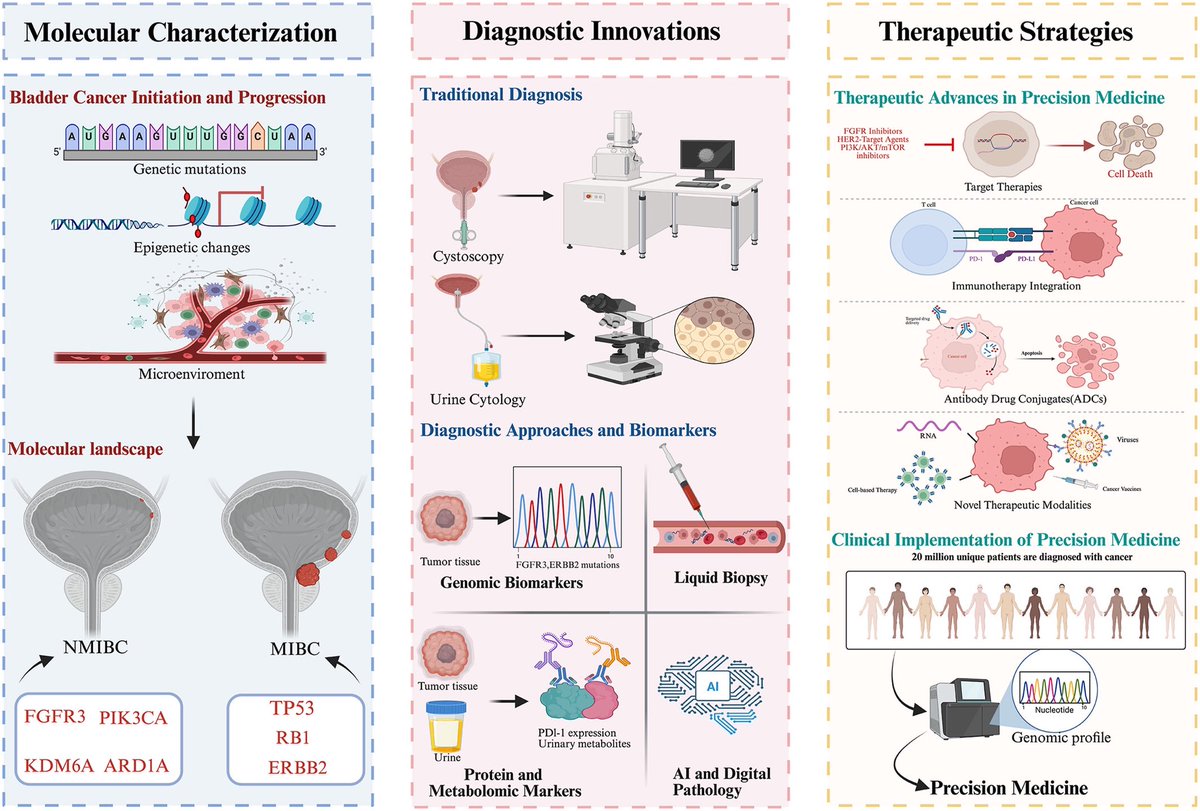
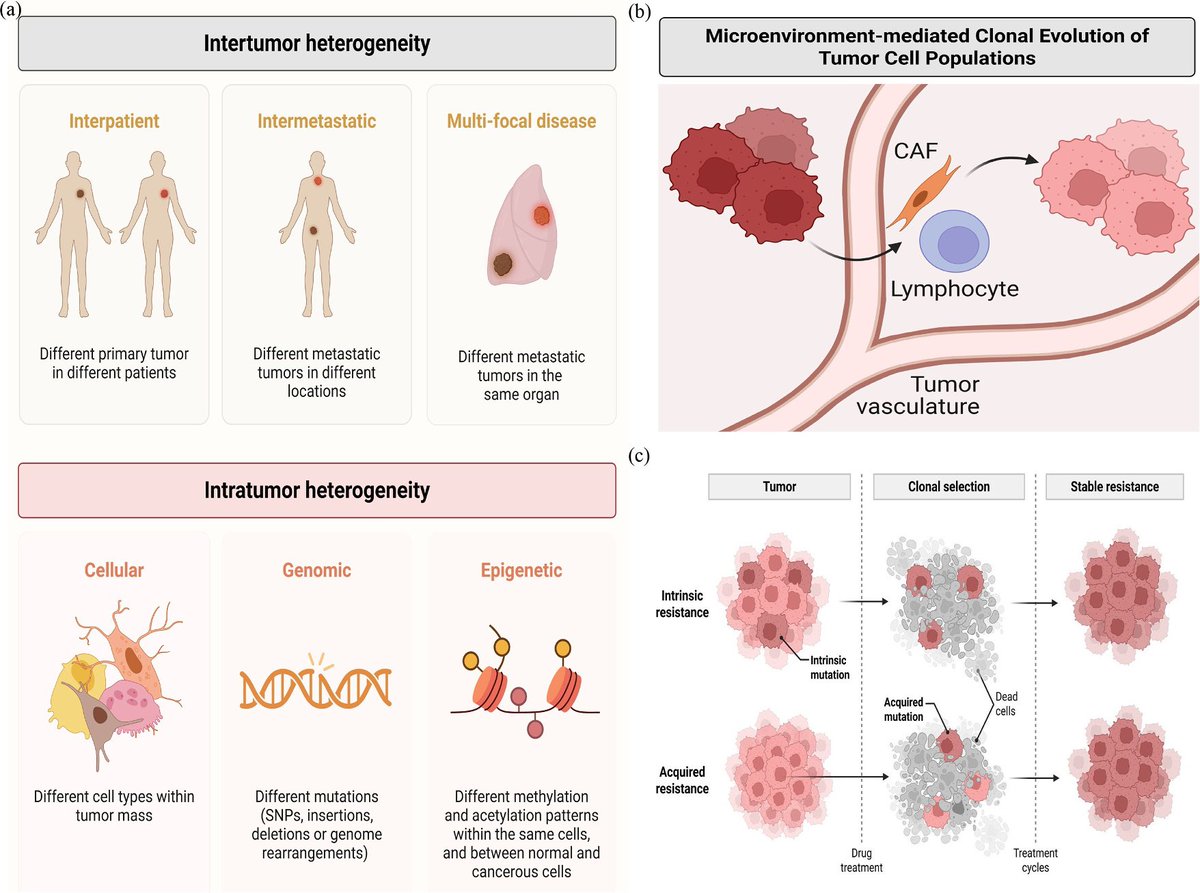
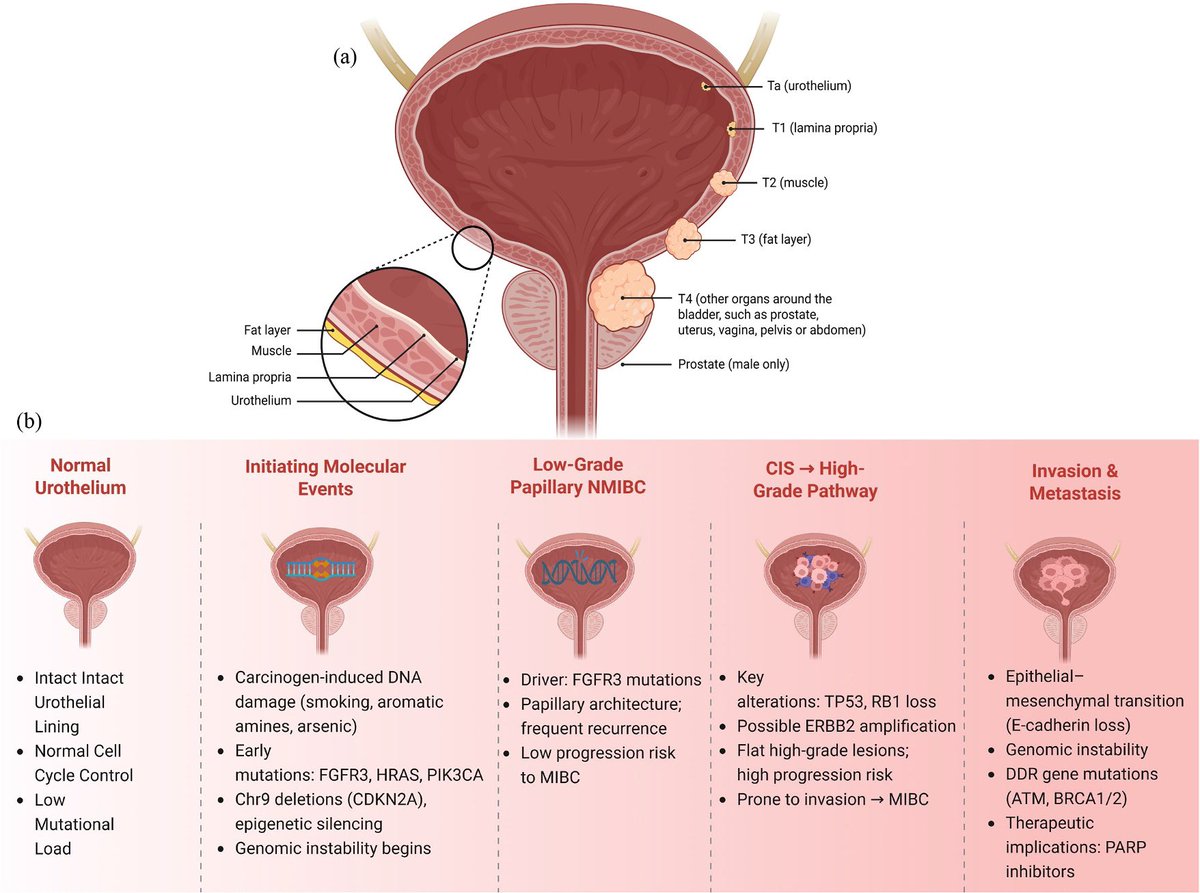
Free access: onlinelibrary.wiley.com/doi/10.1002/il… I am absolutely delighted to share this state-of-the-art review on “Evolving Landscape of Precision Medicine in Bladder Cancer: From Challenges to Clinical Impact.”, written by Prof. Ting Ye and colleagues – one of most comprehensive and up-to-date review on bladder cancer care. Bladder cancer (BCa) remains one of the most challenging urologic malignancies due to its marked molecular heterogeneity, high recurrence rates, and variable therapeutic responses. However, the rapid emergence of precision oncology is transforming the field and opening unprecedented opportunities for personalized treatment strategies. In this review, we provide an updated synthesis of recent advances in the molecular characterization, diagnostic innovations, and targeted therapeutic strategies for BCa. We discuss the evolving molecular landscape, highlighting recurrent genomic alterations - including FGFR3, TP53, RB1, ERBB2, and PIK3CA - and their differential prevalence in non–muscle-invasive versus muscle-invasive disease. Advances in molecular subtyping using transcriptomic and epigenetic profiling have further refined prognostic and predictive stratification. We also examine the critical role of the tumor microenvironment, including immune cell infiltration, stromal remodeling, and angiogenic programs, in shaping therapeutic response and guiding treatment strategies. On the therapeutic front, we highlight precision approaches involving FGFR inhibitors, HER2-targeted agents, PI3K/AKT/mTOR pathway inhibitors, immune checkpoint blockade, antibody-drug conjugates, and emerging modalities such as RNA therapeutics and oncolytic platforms. Despite these advances, important challenges remain, including intratumoral heterogeneity, clonal evolution, resistance mechanisms, and disparities in access to genomic testing. Emerging technologies - including multi-omics integration, spatial transcriptomics, single-cell profiling, artificial intelligence–driven predictive modeling, and liquid biopsy monitoring - hold great promise for overcoming these barriers and improving clinical decision-making. Looking ahead, the future of precision medicine in BCa will rely on the integration of comprehensive multi-omics datasets, AI-enabled predictive analytics, and minimally invasive monitoring strategies such as circulating tumor DNA (ctDNA) and exosomal RNA profiling. Novel immunotherapeutic strategies - including bispecific antibodies, neoantigen vaccines, CAR-T therapies, and TCR-engineered cells - may further expand treatment options, particularly for patients with checkpoint inhibitor - refractory disease. Ultimately, the convergence of high-throughput molecular profiling, advanced computational analytics, and real-time tumor monitoring is shifting BCa management from a reactive, one-size-fits-all paradigm toward proactive, adaptive, and highly personalized cancer care.
Liang Cheng, MD tweet mediaLiang Cheng, MD tweet mediaLiang Cheng, MD tweet mediaLiang Cheng, MD tweet media
English
0
25
53
4.1K
Martín Oré retweetledi
EGFR Resisters
EGFR Resisters@EGFRResisters·
Amivantamab Plus Lazertinib and Platin-Based Chemotherapy Plus Osimertinib in EGFR-Mutant NSCLC: How to Choose Among Them and When Is Monotherapy with Osimertinib Still the Best Option? mdpi.com/1718-7729/33/1…
English
0
6
30
2K
Martín Oré retweetledi
Tom Powles
Tom Powles@tompowles1·
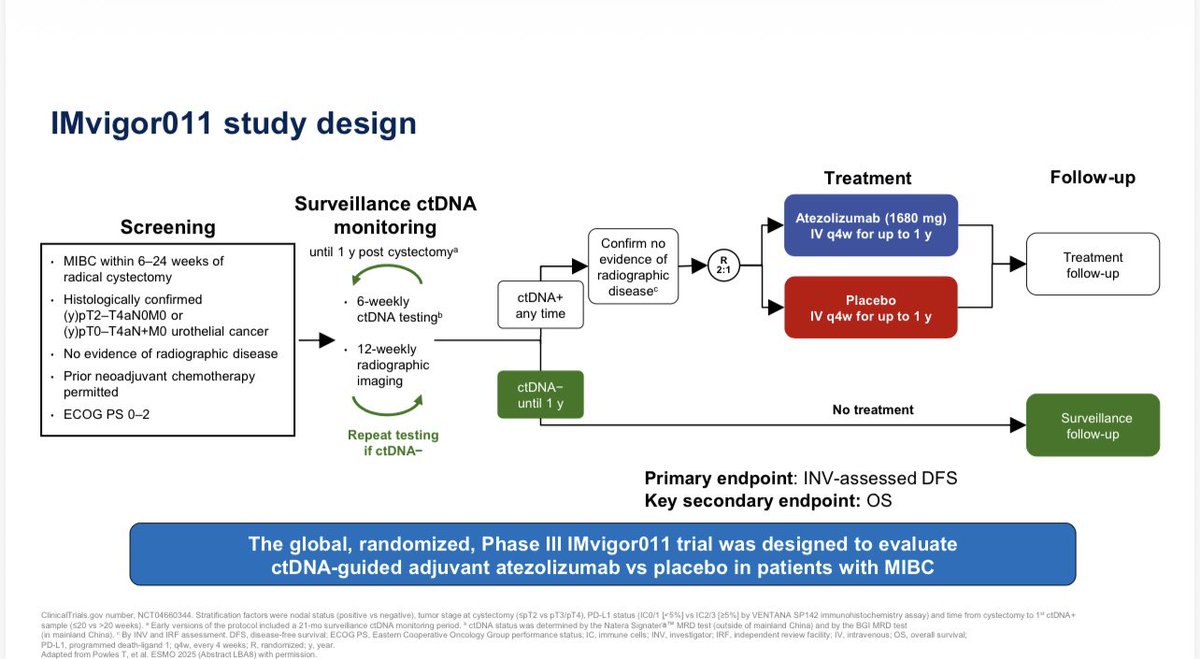
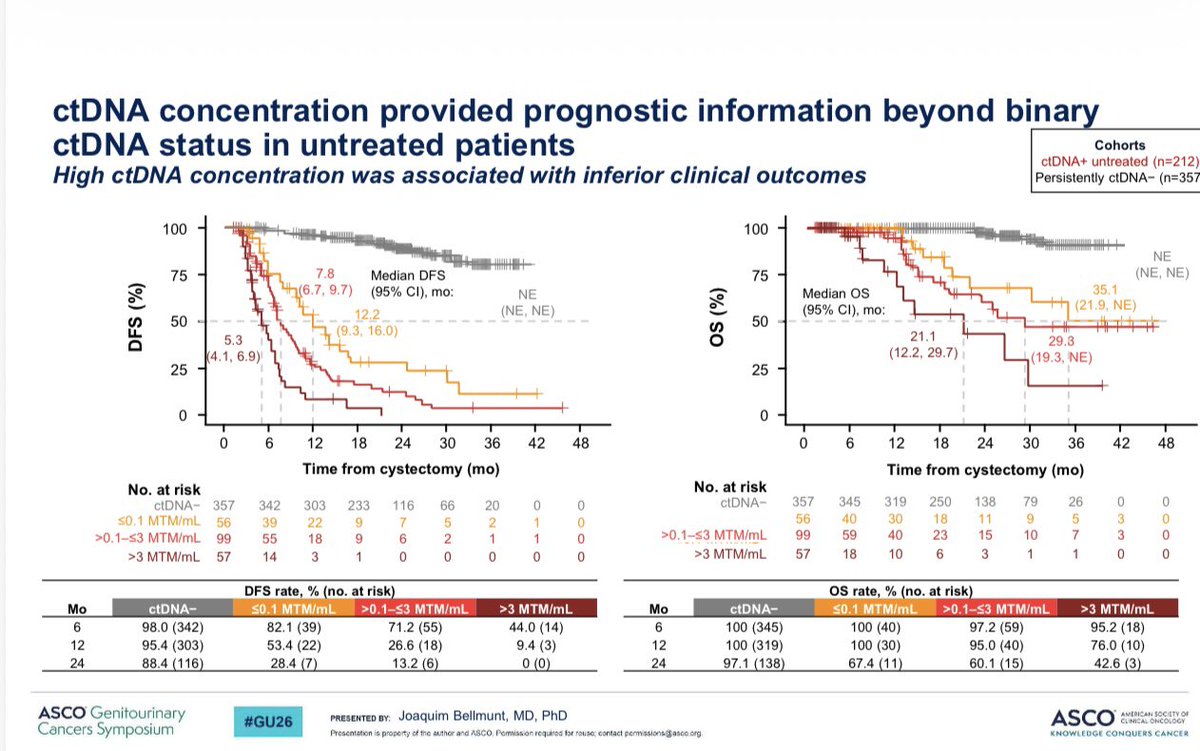
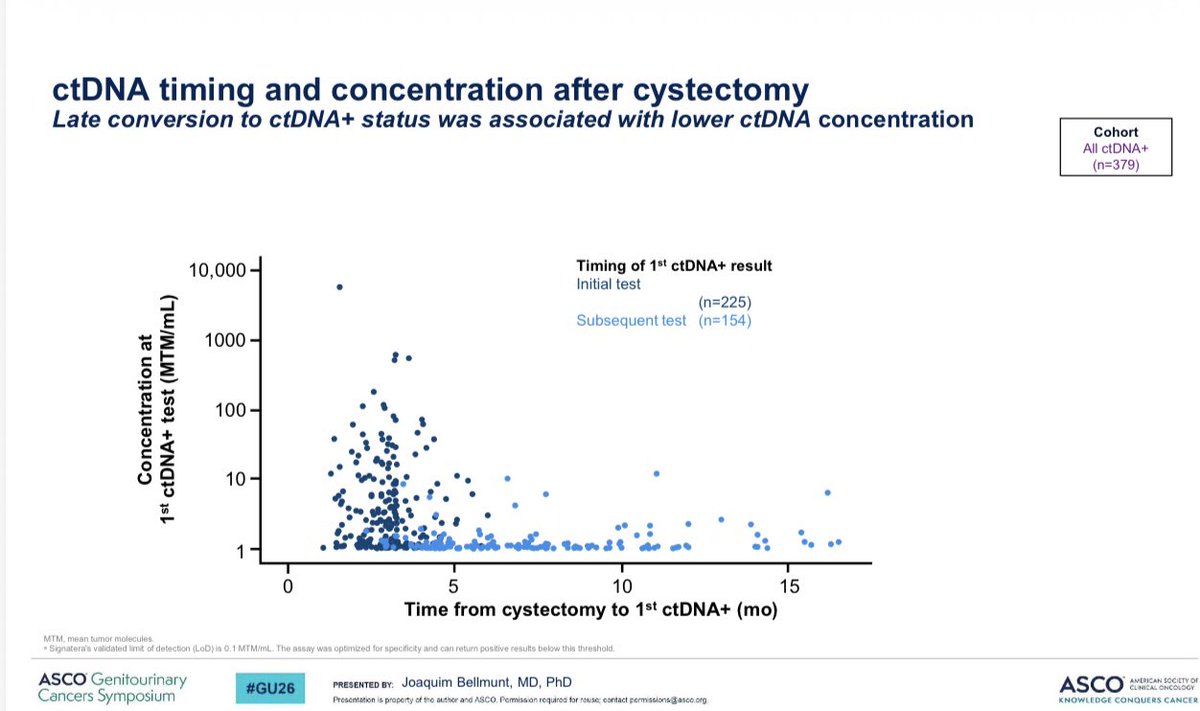
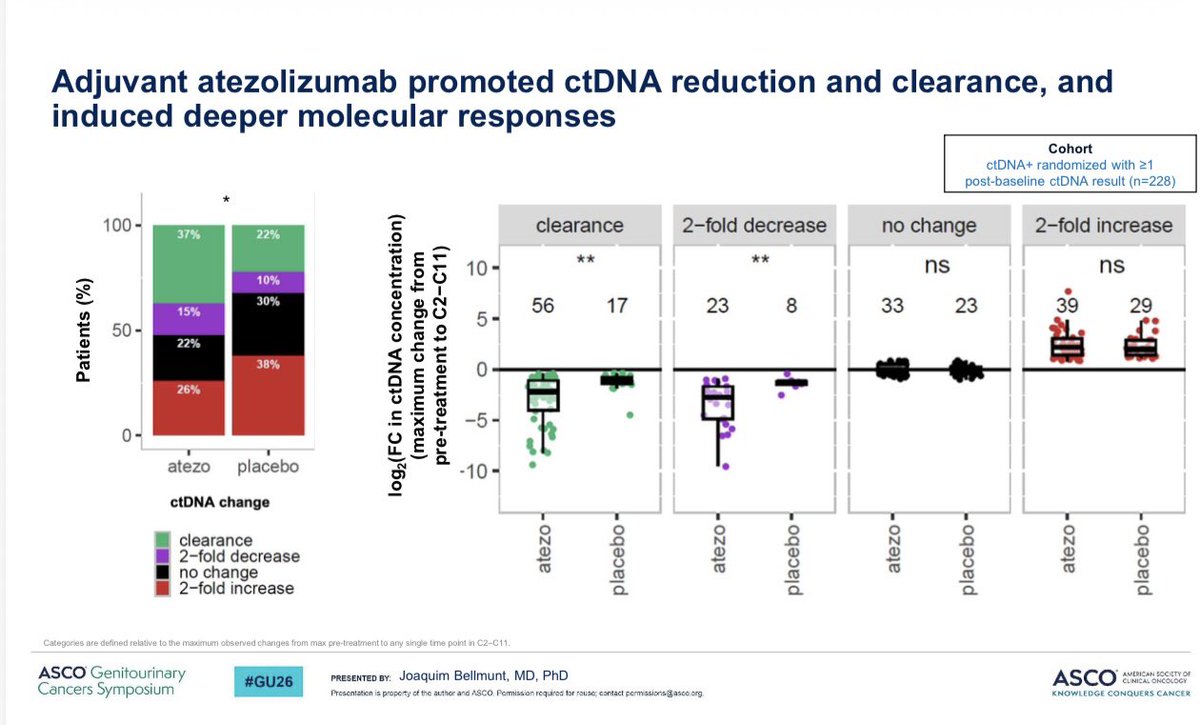
IMVIGOR011: ctDNA guided adjuvant atezolizumab in MIBC shows a ctDNA risk adapted approach identified high risk patients who benefit from ICI therapy, sparing persistently ctDNA-ves (at much lower risk) toxicity. Here #GU26 we show ctDNA+ves have dynamic MTM levels (a bit like PSA). ⬆️ MTM levels have poor prognosis. MTM reduction with atezo = better outcomes. But low MTM at baseline levels still do poorly (compared to persistently negatives) meaning all ctDNA +ves are at risk. These data suggests MTM levels adds useful prognostic information beyond the binary ctDNA +ve vs ctDNA -ve status. @OncoAlert
Tom Powles tweet mediaTom Powles tweet mediaTom Powles tweet mediaTom Powles tweet media
English
2
45
79
5.9K
Martín Oré retweetledi
Tom Powles
Tom Powles@tompowles1·
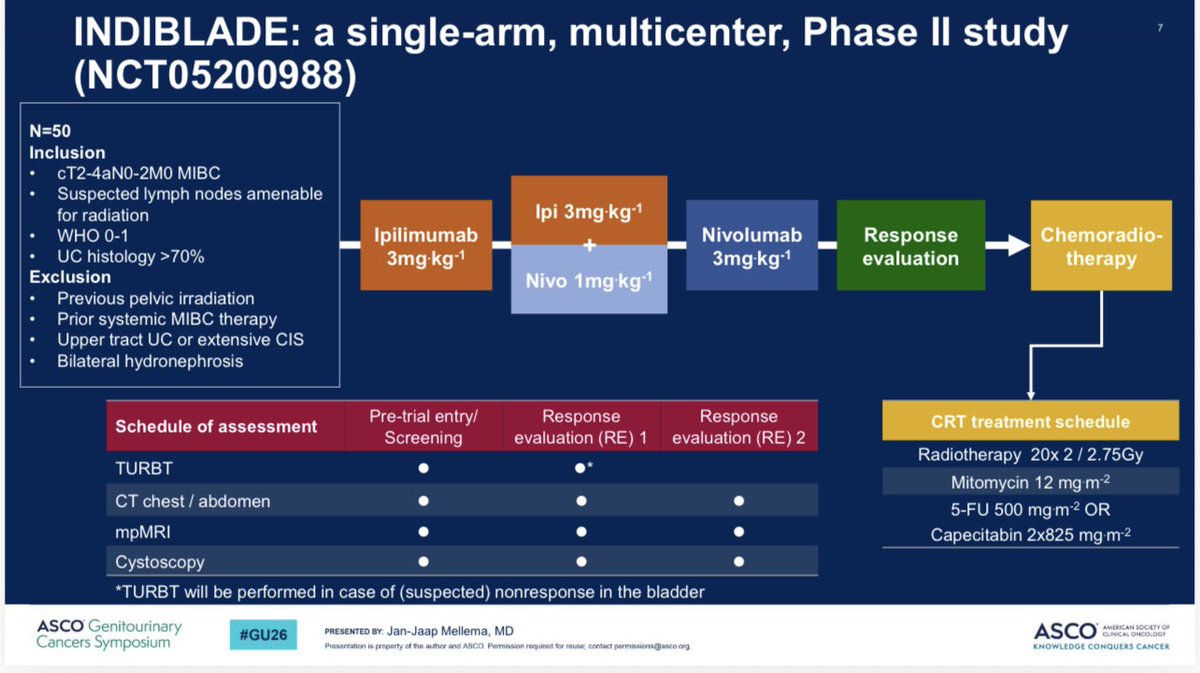
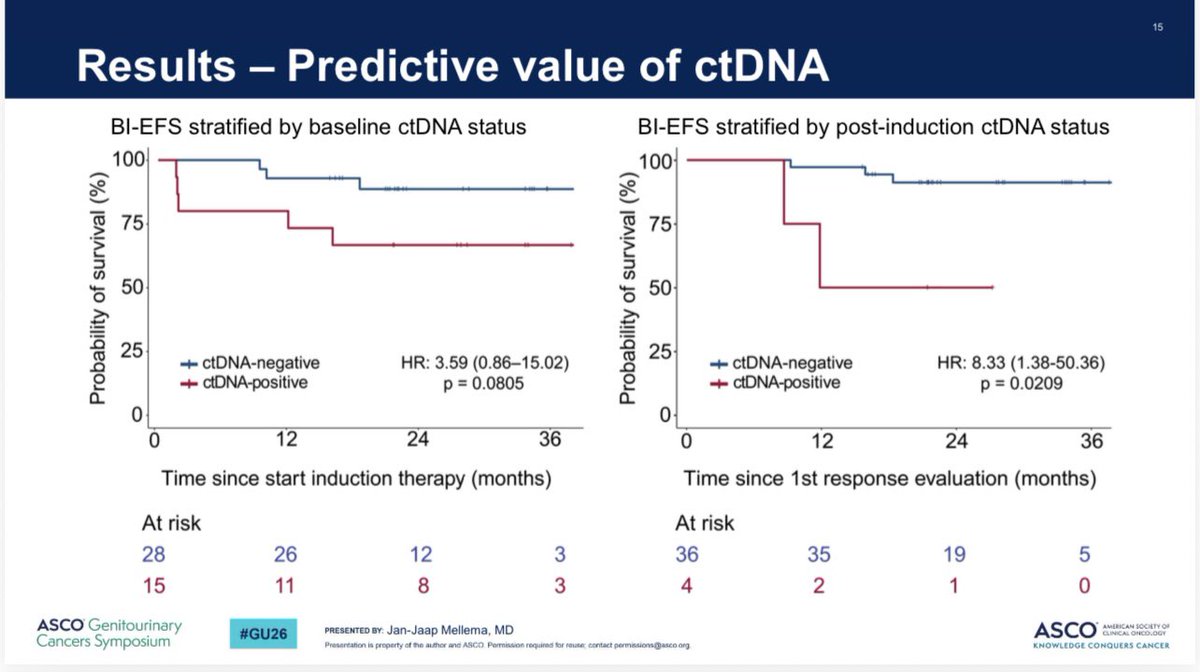
The INDIBLADE Trial (n=50): Neoadjuvant Ipi/nivo then Chemoradiotherapy in muscle invasive bladder cancer shows 2 yr Bladder-Intact EFS of 78% & 2 yr OS of 96%. #GU26 @MichvdHeijden . ⬆️⬆️ than previous chemo/rad trials. Only 39% ctDNA+ve at baseline suggests a lower risk population compared to NIAGARA (57%). CtDNA clearance with IPI/Nivo=76% is ⬆️ (gem/cis/durva=70%). IPI/nivo/TMT looks good. VOLGA is the last chance to answer the CTLA4 question. Outcome in MIBC is strongly influenced by the presence on MRD at baseline (2 yr DFS for IPI/nivo surgery was ~70%).
Tom Powles tweet mediaTom Powles tweet mediaTom Powles tweet mediaTom Powles tweet media
English
3
31
71
5.2K
Martín Oré retweetledi
Diego A. Díaz-García
Diego A. Díaz-García@diegoadiazg·
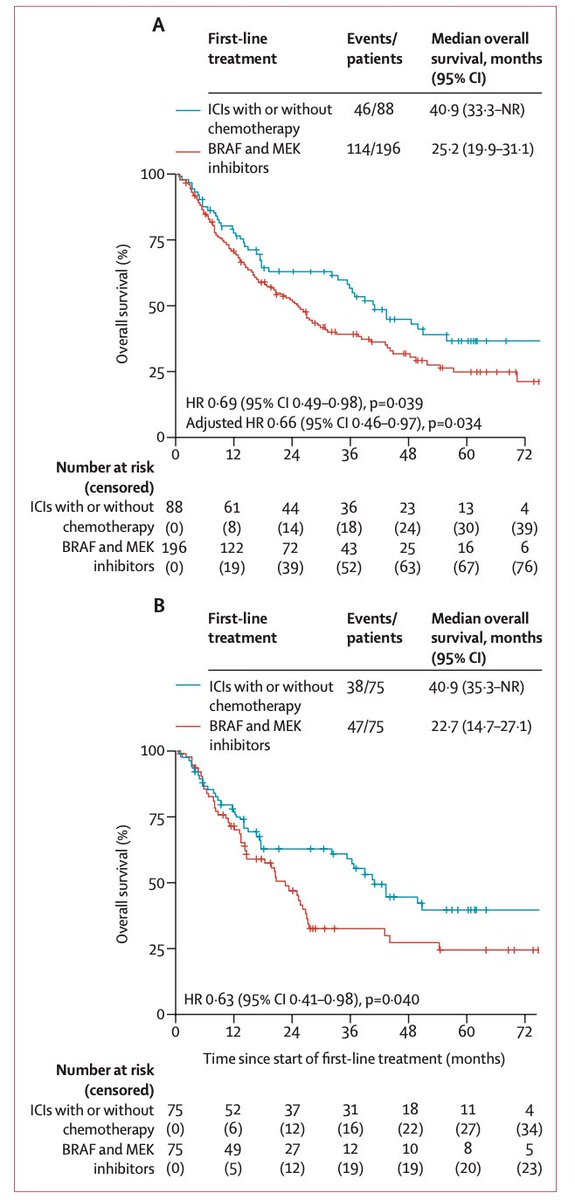
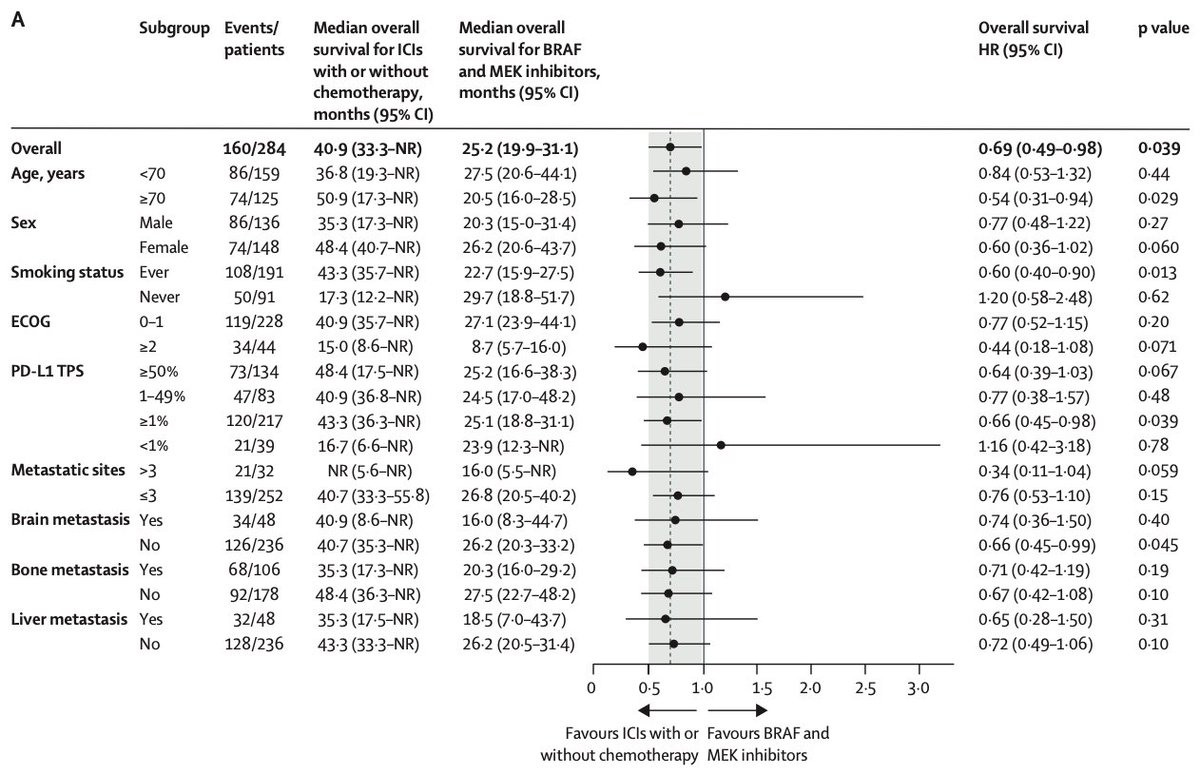
🫁 FRONT-BRAF: ICI vs BRAF+MEK in BRAFV600E NSCLC. In metastatic BRAFV600E NSCLC (n=284), first-line ICI ± chemotherapy improved OS vs BRAF+MEK inhibitors: OS 40.9 vs 25.2 months HR 0.69 (0.49–0.98), p=0.039 Greater benefit in smokers, PD-L1 ≥1%, ≥70 years, TP53 co-mutation, no brain metastases. Retrospective design. Selection bias possible. Prospective validation needed. 📖 @TheLancetOncol DOI 👉🏻 10.1016/S1470-2045(25)00409-7 #CánCare #NSCLC #BRAF #Immunotherapy #ThoracicOncology #lcsm
Diego A. Díaz-García tweet mediaDiego A. Díaz-García tweet mediaDiego A. Díaz-García tweet mediaDiego A. Díaz-García tweet media
English
3
15
56
2.9K