
Sabitlenmiş Tweet
Ripan Das
678 posts

Ripan Das
@MeetRipan7
Research Scholar | Climate Studies @IITBombay | Exploring the vegetation carbon cycle in India | Passionate about photography, travel, cricket & football ⚽📸✈️
Katılım Haziran 2014
461 Takip Edilen178 Takipçiler
Ripan Das retweetledi

hi @qatarairways @qrsupport I have a flight to US from India on 8th March (tomorrow) and it has been cancelled. Unable to get in touch with customer care via website. Please help.
English
Ripan Das retweetledi

🌲 Postdoc in Forest Carbon Cycling 🌍 | KIT Campus Alpin 🏔️, Germany
Join our team studying plant respiration & NPP in boreal & temperate forests. Stunning alpine location & collaborative environment!
Apply: pse.kit.edu/english/karrie…
English
Happy to share our recent publication, we have analyzed the NPP trend over India by expectily incorporating the direct effect of Carbon fertilization in the MODIS data for the recent period 2001-2014.
Centre for Climate Studies, IIT Bombay@ClimateIITB
Study by our PhD student Ripan Das and his supervisors Profs @subimal_ghosh & S Karmakar on NPP trends in India, vegetation productivity and CO2 fertilization Published in Env Research Comm @IOPscience iopscience.iop.org/article/10.108…
English
Ripan Das retweetledi

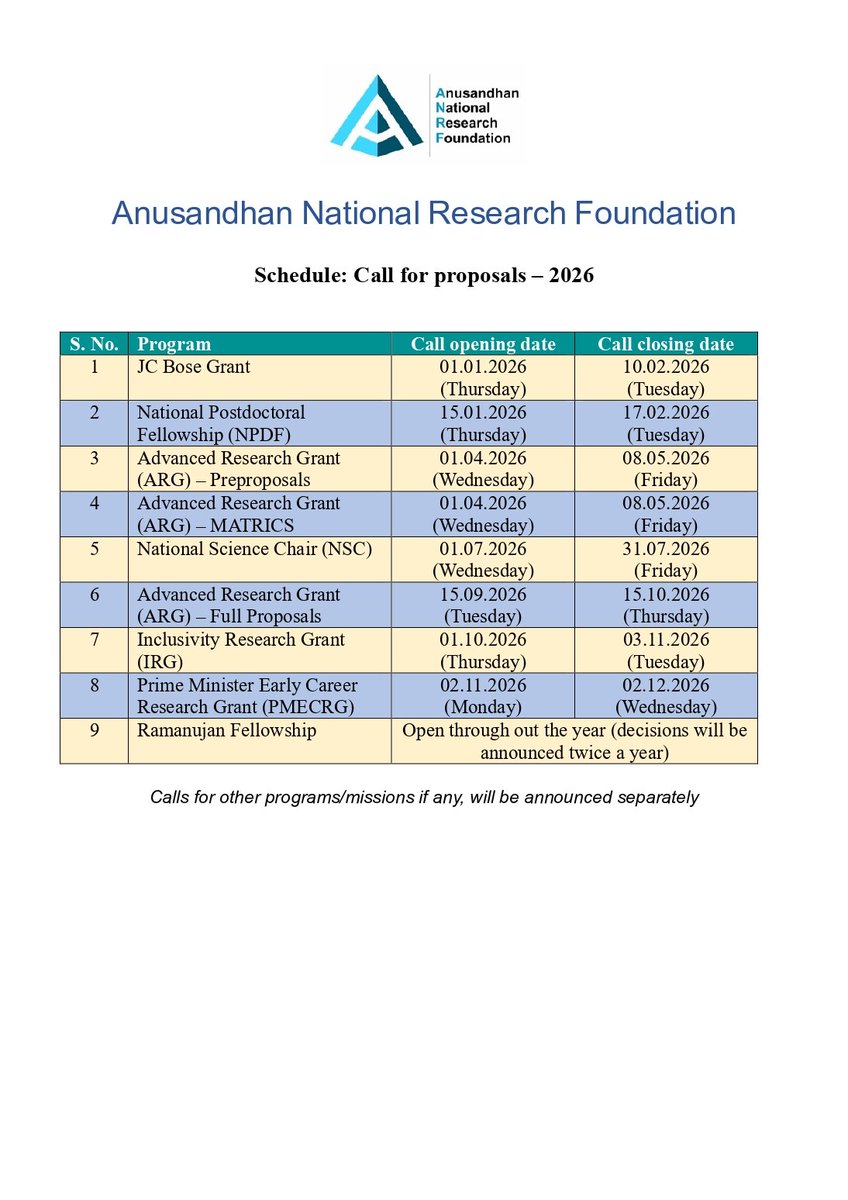
𝗔𝗡𝗥𝗙 | 𝗨𝗽𝗰𝗼𝗺𝗶𝗻𝗴 𝗖𝗮𝗹𝗹𝘀 𝗮𝗻𝗱 𝗞𝗲𝘆 𝗧𝗶𝗺𝗲𝗹𝗶𝗻𝗲𝘀
#ANRFIndia invites the research community to take note of the upcoming calls and key timelines & begin preparing accordingly.
English
Ripan Das retweetledi

Wishing everyone a very Happy New Year 2026 from our lab!
As we do every year, we began the year by having our first breakfast together—and captured this moment right after, celebrating togetherness, collaborations, and new beginnings. @iitbombay @ClimateIITB @EnggHead

English
Ripan Das retweetledi
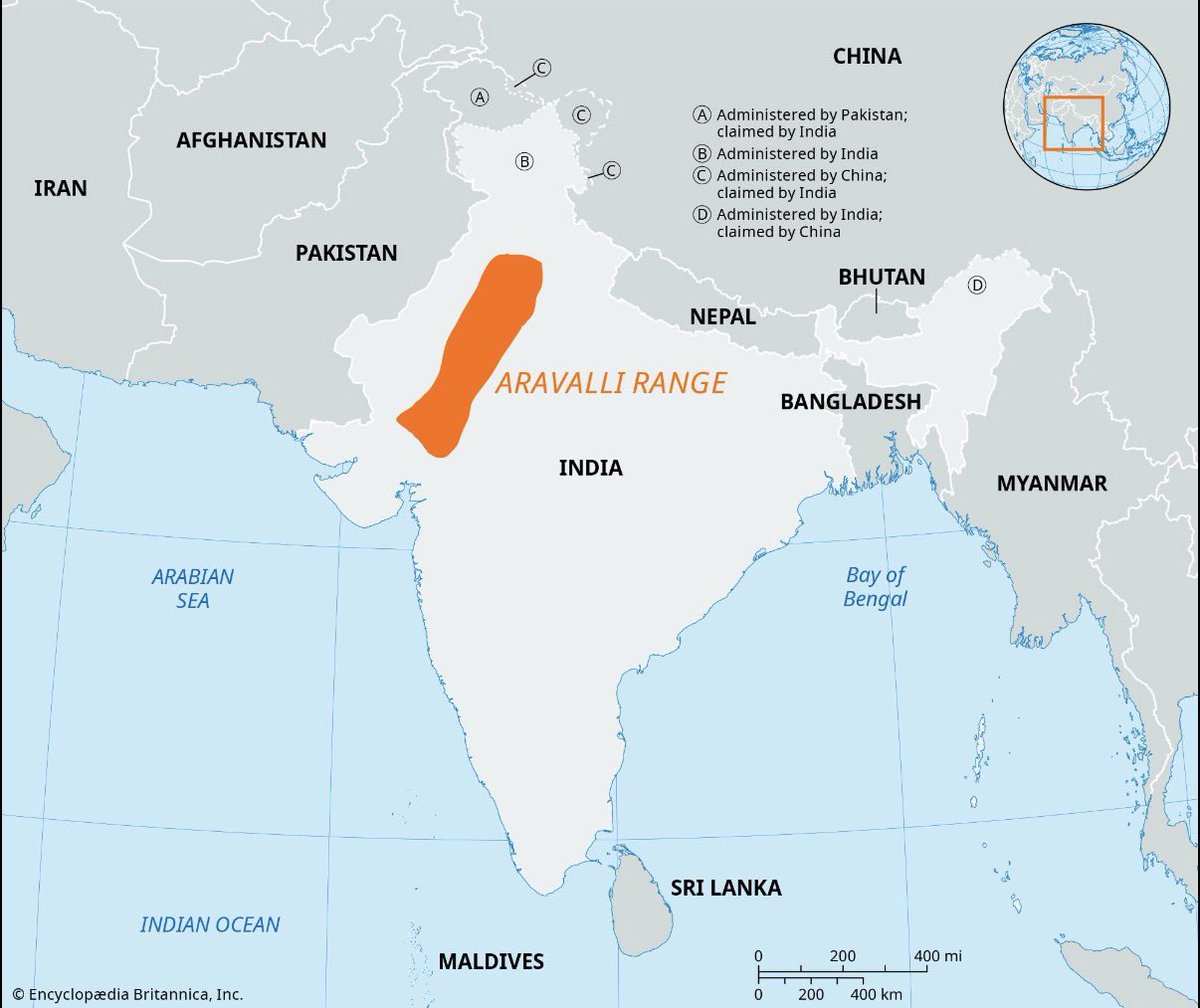
The new definition of the Aravalli hills by the Modi government is nothing less than dropping a nuclear bomb on our own people.
The Aravallis are among the oldest mountain ranges in the world and cannot be recreated once destroyed. Illegal mining permanently flatten these hills, causing damage that no policy or technology can reverse.
The Aravalli range acts as a natural wall between the Thar Desert and the fertile plains of North India. It blocks hot desert winds and dust storms from entering regions like Delhi, Haryana, Punjab, and western Uttar Pradesh. If the Aravallis are destroyed, desert dust will move freely into these areas, making air toxic permanent.
Aravalli forests hold the soil together and retain moisture in the land. This prevents fertile regions from slowly turning into desert. When these hills are mined or forests cleared, the land dries up and becomes barren, allowing Rajasthan-like desert conditions to spread eastwards into North India.
The Aravallis trap this dust and reduce dangerous particulate matter (PM10 and PM2.5). Without them, AQI levels remain in the severe category for long periods, making outdoor life unsafe and causing serious health problems, especially for children and the elderly.
The Aravallis recharge groundwater and support seasonal rivers and streams that feed the Yamuna basin. Their destruction leads to falling water tables, drying borewells, and increasing dependence on water tankers. Cities like Delhi, Gurugram, and Jaipur already face water stress, which will worsen dramatically.
Forests and hills in the Aravallis help regulate temperature, reduce heatwaves, and support local rainfall. When they disappear, temperatures rise sharply, heatwaves last longer, and monsoon patterns become erratic. This pushes North India toward extreme and dangerous climate conditions.
If the Aravallis are lost, North India will face toxic air, water scarcity, extreme heat, failing agriculture, and recurring health emergencies. This will eventually force people to migrate, turning a slow environmental collapse into a human crisis.
#SaveAravalli


English
Ripan Das retweetledi

📢🌱📈 Postdoc opportunity at @UQ_News, @QAAFI We’re hiring a postdoc to work at the interface of Crop Modelling & Physiology & #Photosynthesis & Crop Improvement.
Job description and apply here: tinyurl.com/54rcwkt6
CI Wu: tinyurl.com/595t98wa


English
Ripan Das retweetledi

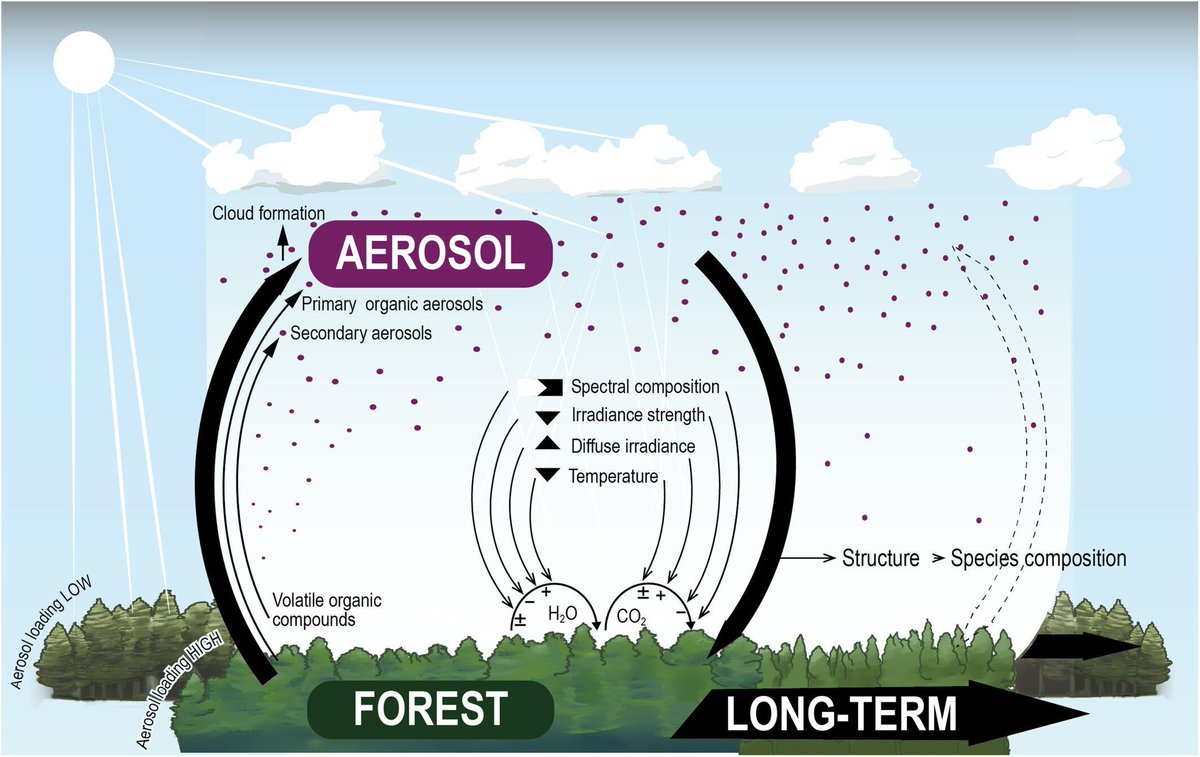
#TansleyInsight: #Forest #canopy interactions with aerosols: important considerations in approaching future impacts and #ClimateManagement
Durand, Lintunen & Ezhova 👇
📖 nph.onlinelibrary.wiley.com/doi/10.1111/np…
#LatestIssue #PlantScience
English
@Ihor1777 @EASFCDirect Same here, getting disconnected in Rivals not in the friendly
English

FC 26 v1.1.0 is now live on XBSXS/XB1/PS5/PS4/PC.
It's full of updates based on your feedback, here's what you can expect to see:
- Faster Jockeying for more effective manual defending.
- More aggressive man marking during kick-offs.
- Through Passing improvements.
- New FUT features.
- Manager Market improvements.
- And much more!
Check out the full FC 1.1.0 notes on the EASFC Tracker, and keep an eye out for a Pitch Notes dropping soon with even more details.
trello.com/c/IglJMNh2
English
Ripan Das retweetledi
New Science paper by Ohlert et al with a rainfall-exclusion experiment at 74 sites over the globe shows extreme droughts caused high productivity declines and low recovery, especially in drier locations with low plant diversity. science.org/doi/10.1126/sc…
English
Ripan Das retweetledi

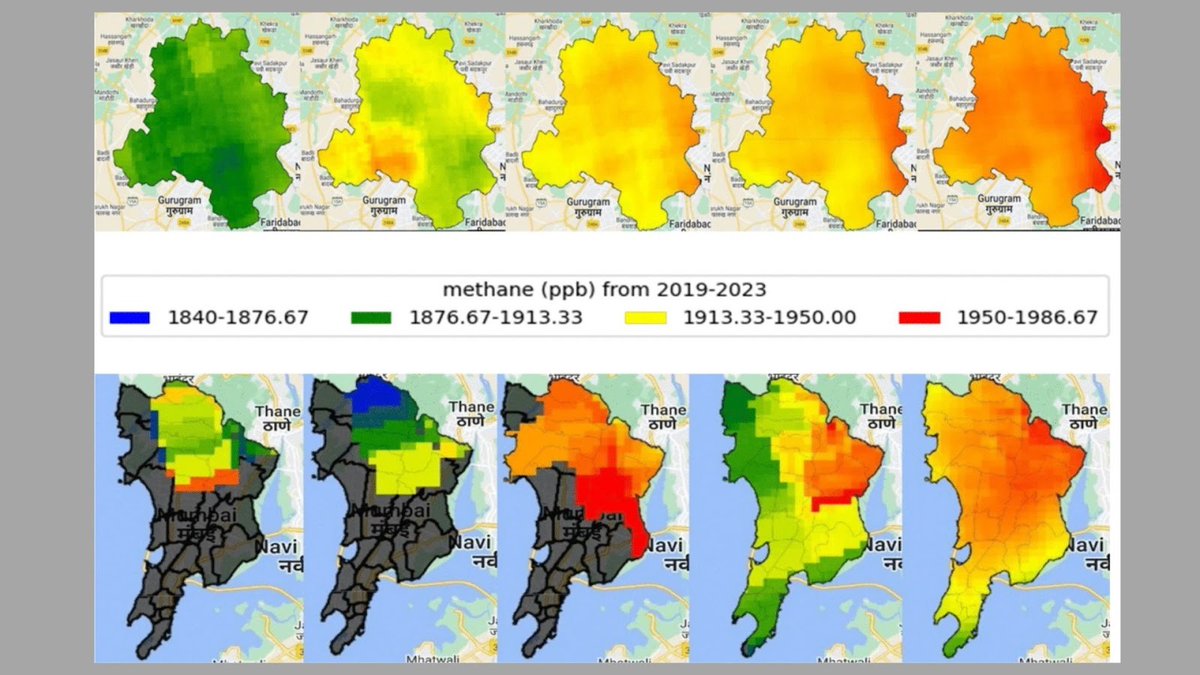
Accurate knowledge of atmospheric greenhouse gases like Carbon dioxide (CO₂) and Methane (CH₄) is critical to monitoring emission levels and meeting NDC commitments. However, India lacks an extensive network of ground stations to measure GHGs. To bridge that gap, researchers from Indian Institute of Technology Bombay (IIT Bombay), Prof. Manoranjan Sahu and Mr. Adarsh Alagade, turned to satellite data.
In a recent study, they demonstrated that remote sensing data can be used to reliably measure the levels of carbon dioxide and methane in metro cities such as Mumbai and Delhi. Using satellite derived measurements, the researchers noticed that GHG levels in both cities are on the rise and that they show seasonal and spatial variations. Further, the researchers also developed city-specific statistical models to forecast the level of GHGs.
iitb.ac.in/research-highl…
English
Ripan Das retweetledi
PhD Students - Which tense to use in your research papers?
Inconsistent tense usage is a common mistake.
And it matters more than you think.
Do you want to use the right tenses in your paper?
Here is a breakdown you can use right away:
↳ 𝐀𝐛𝐬𝐭𝐫𝐚𝐜𝐭
Present tense → To state what the paper shows overall.
Past tense → To summarize what you did and found.
↳ 𝐈𝐧𝐭𝐫𝐨𝐝𝐮𝐜𝐭𝐢𝐨𝐧 / 𝐋𝐢𝐭𝐞𝐫𝐚𝐭𝐮𝐫𝐞 𝐑𝐞𝐯𝐢𝐞𝐰
Present tense → For general facts and accepted knowledge.
Past tense → For specific prior studies.
↳ 𝐌𝐞𝐭𝐡𝐨𝐝𝐬
Past tense → To describe what you did.
↳ 𝐑𝐞𝐬𝐮𝐥𝐭𝐬
Past tense → To report your findings.
Present tense → When referring to tables and figures.
↳ 𝐃𝐢𝐬𝐜𝐮𝐬𝐬𝐢𝐨𝐧
Past tense → To restate your findings.
Present tense → To interpret what they mean.
Future tense → To recommend next steps.
↳ 𝐂𝐨𝐧𝐜𝐥𝐮𝐬𝐢𝐨𝐧
Present tense → To highlight what is true now.
Past tense → To recap what was done.
Future tense → To show next directions.
Go through your draft section by section.
· Ask yourself:
· Am I consistent?
· Am I signaling the right meaning?

English
Ripan Das retweetledi

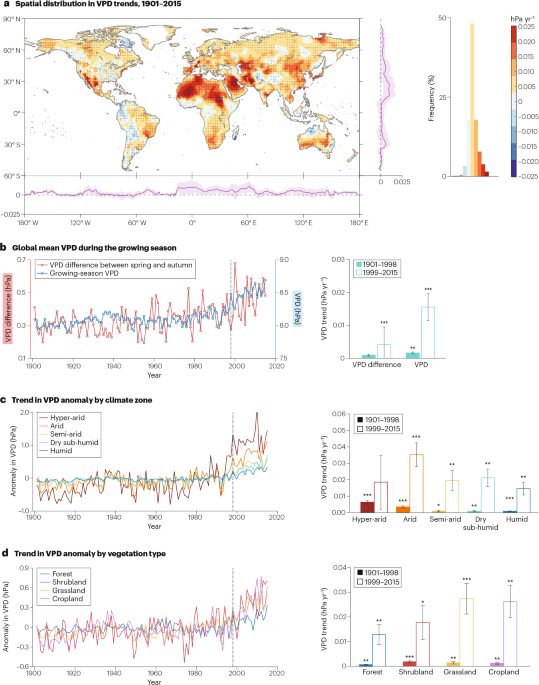
New online! Impacts of rising atmospheric dryness on terrestrial ecosystem carbon cycle bit.ly/46HBAE4
English

Ripan Das retweetledi

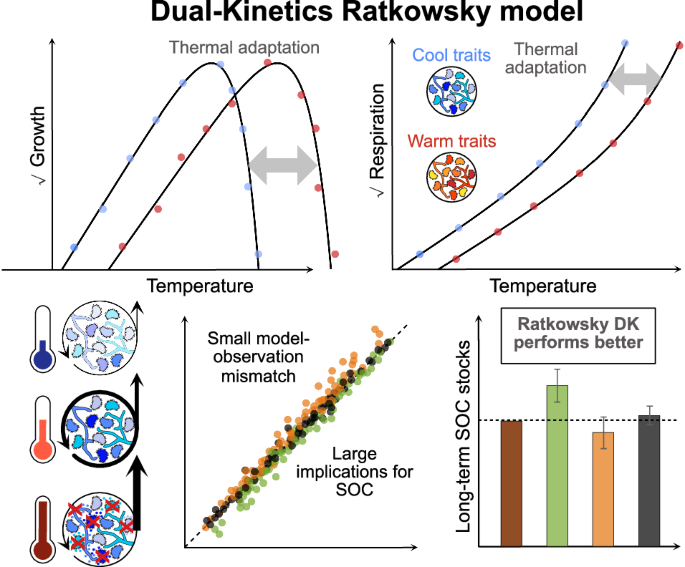
A unified representation of the temperature dependences of soil microbial growth and respiration bit.ly/4g9TKS8
English
Ripan Das retweetledi

Satellite data🛰️, especially solar-induced chlorophyll fluorescence, accurately tracks plant🌱growth and carbon uptake, highlighting physiology's key role in carbon cycling. This study boosts our understanding of global carbon dynamics.👇
#plant #carbon #forest
@Forestecosyst
sciencedirect.com/science/articl…

English
Ripan Das retweetledi

Excessive Wetness Suppresses Carbon Sink of Amazon Forest Under Seasonal Water Surplus
🔗 buff.ly/T93HQl8

English
Ripan Das retweetledi
New study shows forest productivity is key for Earth’s carbon cycle. It’s driven by local factors like leaf area, but regional effects are trickier. Understanding both helps us tackle climate change.🧐
#forest #carbon #climate
@Forestecosyst
sciencedirect.com/science/articl…

English
Ripan Das retweetledi
@timesofindia 3/4 The project was funded by HE IITB Innovation Lab @HDFCERGOGIC , mentored by @rmurtugudde and I, contributed by @Pujaiitb @akshaysunil172 @navalkar_aniket @Sheebuski @mayank_clim @shrabanitripath and many other collaborators from @ClimateIITB @MCMCR_Powai @mybmc @RMC_Mumbai
English
Ripan Das retweetledi
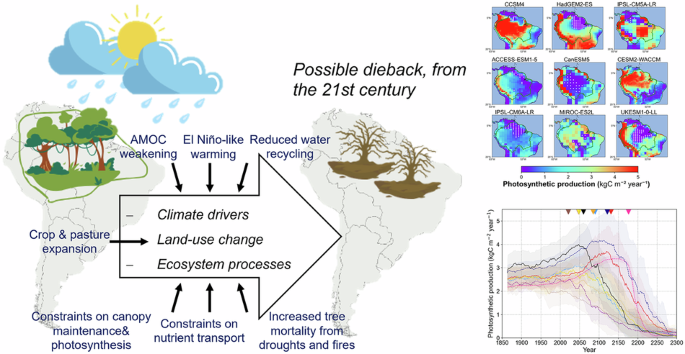
Amazon dieback beyond the 21st century under high-emission scenarios by Earth System models bit.ly/41SBuGL
English