
Chris Callis

3.8K posts

Chris Callis banner
Chris Callis

Chris Callis

@MenofHabit

Head of Design @propercloth and effort guy @sdaprotour

New York City Katılım Haziran 2009
318 Takip Edilen3.2K Takipçiler
R.F. Kenmore
R.F. Kenmore@rfkenmore·
New madras from Simon/Permanent Style Such an easy formula btw and looks good everywhere
R.F. Kenmore tweet mediaR.F. Kenmore tweet media
English
8
0
86
14K
Chris Callis
Chris Callis@MenofHabit·
@rfkenmore @DanAlroyPhilo @rfkenmore and rarely is a madras good if it’s not from the source. Have seen some decent things from Japan, but India always best bet. Anytime I see a traditional poplin with a madras pattern it’s usually followed by bad collars, cut corners, and unconsidered details…
English
1
0
2
97
Chris Callis
Chris Callis@MenofHabit·
@rfkenmore @DanAlroyPhilo @rfkenmore poplins typically higher thread count, denser, best ones 2-ply. Madras lower count single ply and a little more open weave to be more airy and casual soft feel. Historically handloomed, not as twisted in spinning or mercerized or which gives them more irregular yarns.
English
1
0
7
524
R.F. Kenmore
R.F. Kenmore@rfkenmore·
Poplin is a type of plainweave fabric that’s usually pretty smooth, tightly woven with fine yarns — can feel dressy Can be solid, can be check, stripe, plaid, etc. Madras is also a plainweave, but more irregular and casual in construction. Originates from Madras in India which I think got renamed since The most notable part about madras is the plaid patterns, which people also call madras. It’s always plaid, unlike poplin. Someone down market like A&F might apply a madras-inspired plaid they create in-house to their stock fabric in a broad shirting program and just call it madras for ease of use
English
2
0
7
13.6K
Chris Callis
Chris Callis@MenofHabit·
@rfkenmore another bad year for linen crop means linen prices going up for SS27. General trend that will continue with climate stuff, some years are worse than others. Expect linen to move more and more towards a luxury fiber direction over time.
English
1
0
3
619
R.F. Kenmore
R.F. Kenmore@rfkenmore·
Wool prices are going up As sweater knits trend in market, and as brands prioritize natural fibers, I just saw a +50% increase On a $200 sweater, this could be $5 increase to material cost Meaning $20 ticket price increase in order to hold markup/margin rate flat
R.F. Kenmore tweet mediaR.F. Kenmore tweet media
English
8
2
180
27K
Chris Callis
Chris Callis@MenofHabit·
@rfkenmore they're great, bit of a cult following. Crazy wait list at one point. If you haven't had a golden before would suggest getting a show rather than field golden for the city. We have a field, love him, but they are higher energy and can be more difficult with city life and sounds.
English
1
0
0
118
R.F. Kenmore
R.F. Kenmore@rfkenmore·
@MenofHabit haha literally had Goldiva on my screen as your notification popped up
English
1
0
1
332
Chris Callis retweetledi
Proper Cloth
Proper Cloth@ProperCloth·
The Merino Wool Dress Shirt can be your all-natural, four-season, easy-care replacement for non-irons. Chris Callis, our Head of Design, breaks it down.
English
0
2
14
2.5K
Chris Callis
Chris Callis@MenofHabit·
@rfkenmore Well, I'd call it more of a breakdown of process/brand guidelines than an intentional vibe. We're evolving some things on the art and styling side, and working on accessorizing more on casual looks is part of that. Excited for the direction, but plenty of refinement to do.
English
0
0
3
324
R.F. Kenmore
R.F. Kenmore@rfkenmore·
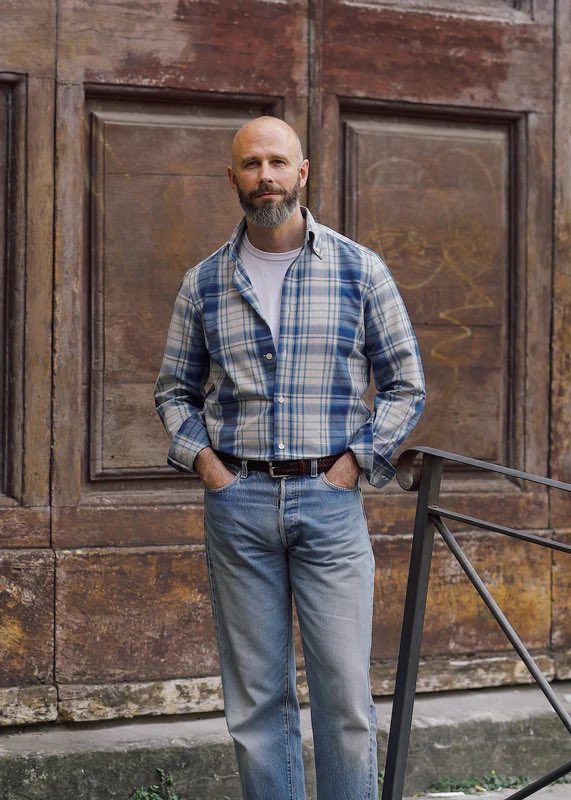
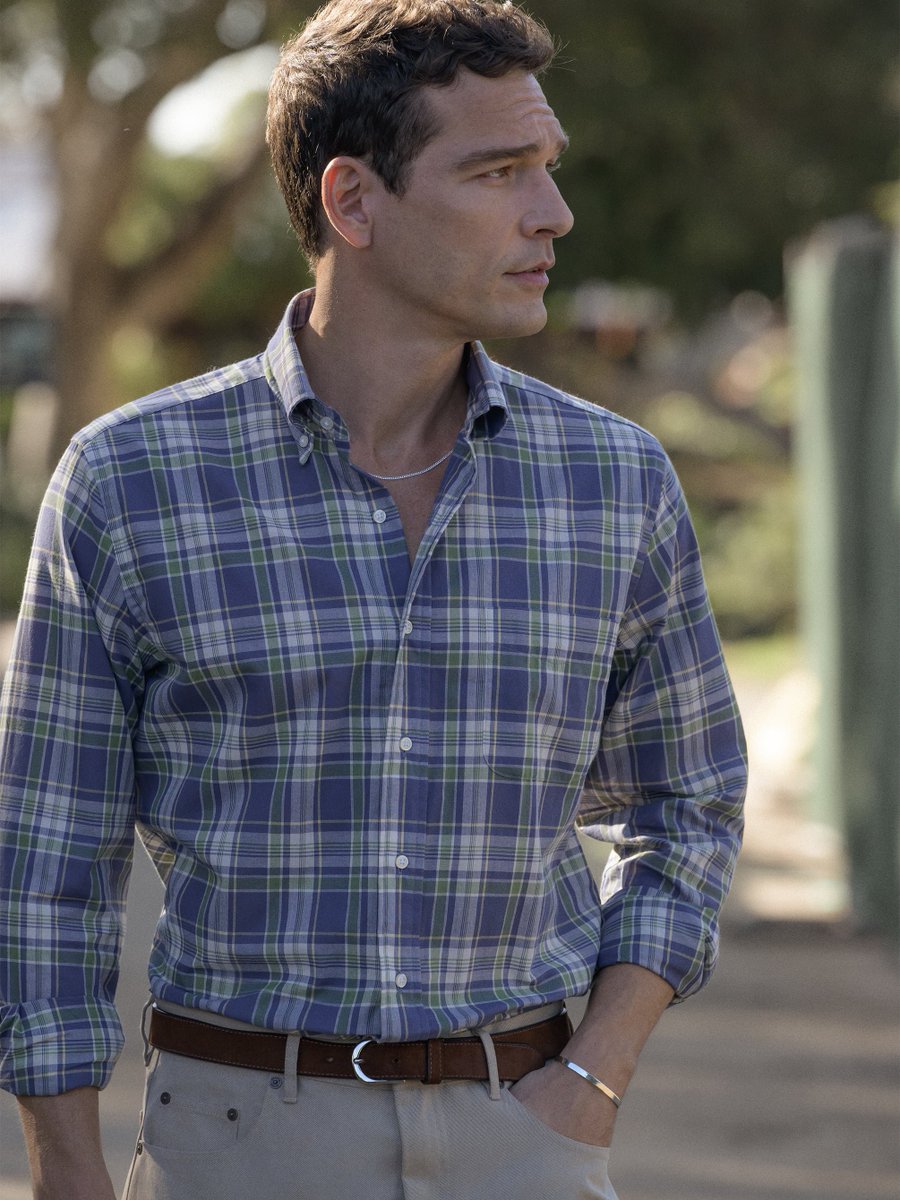
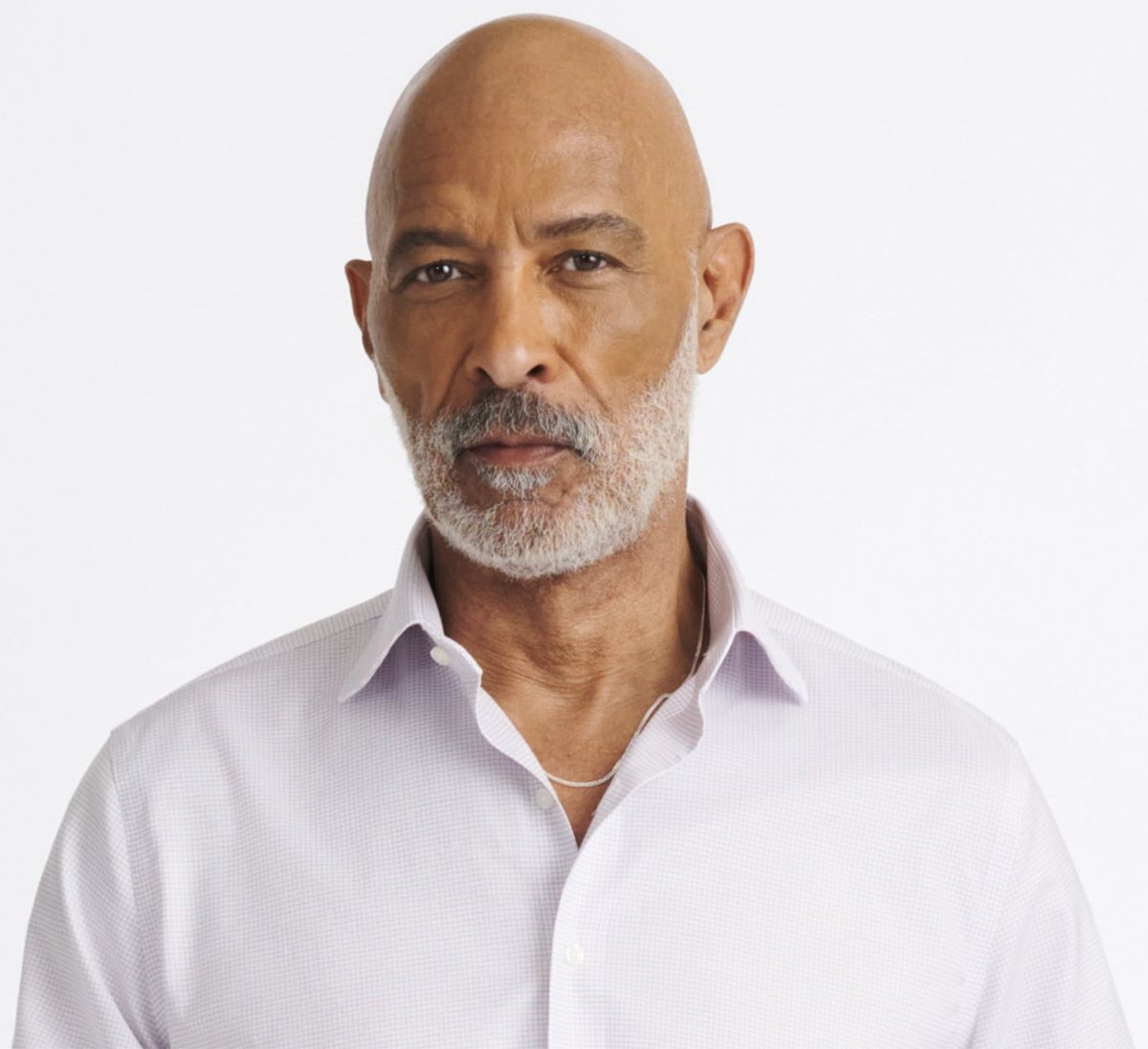
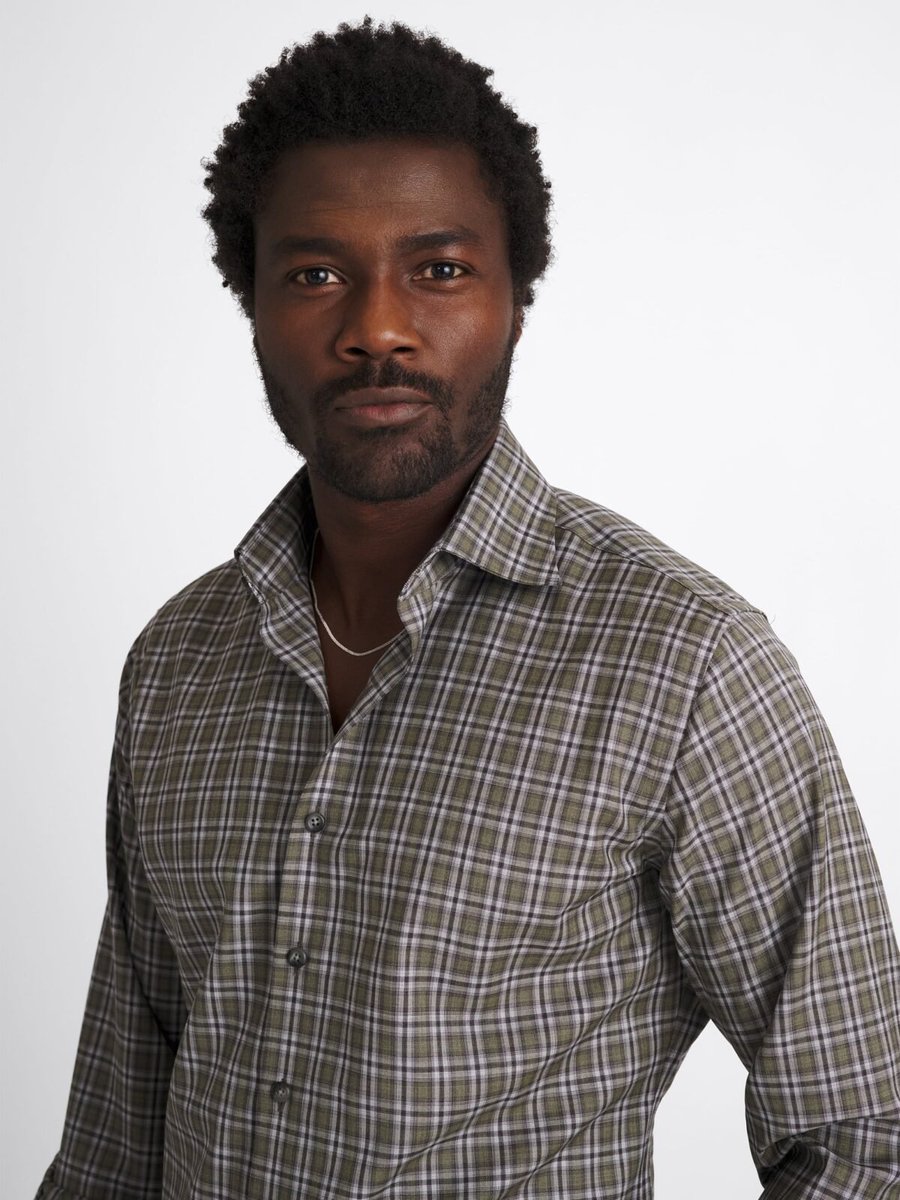
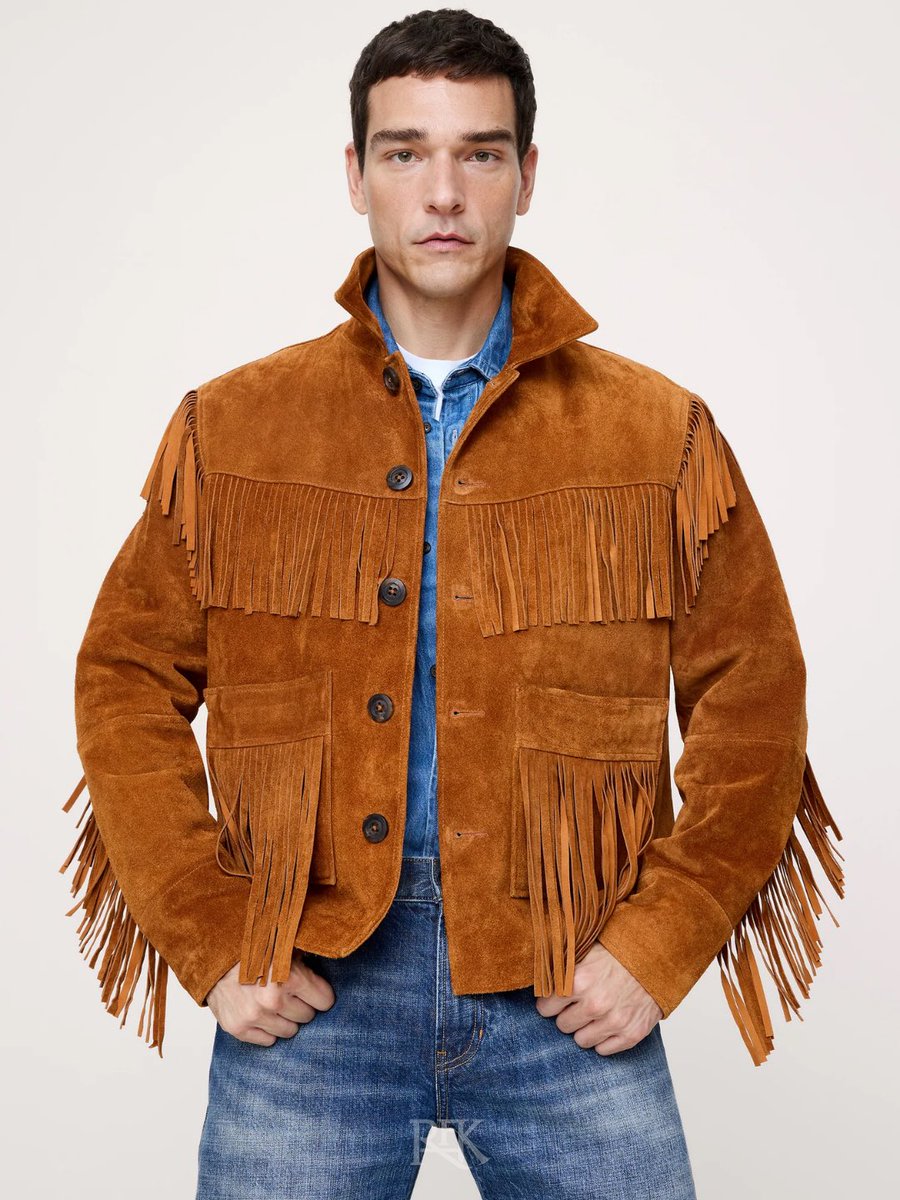
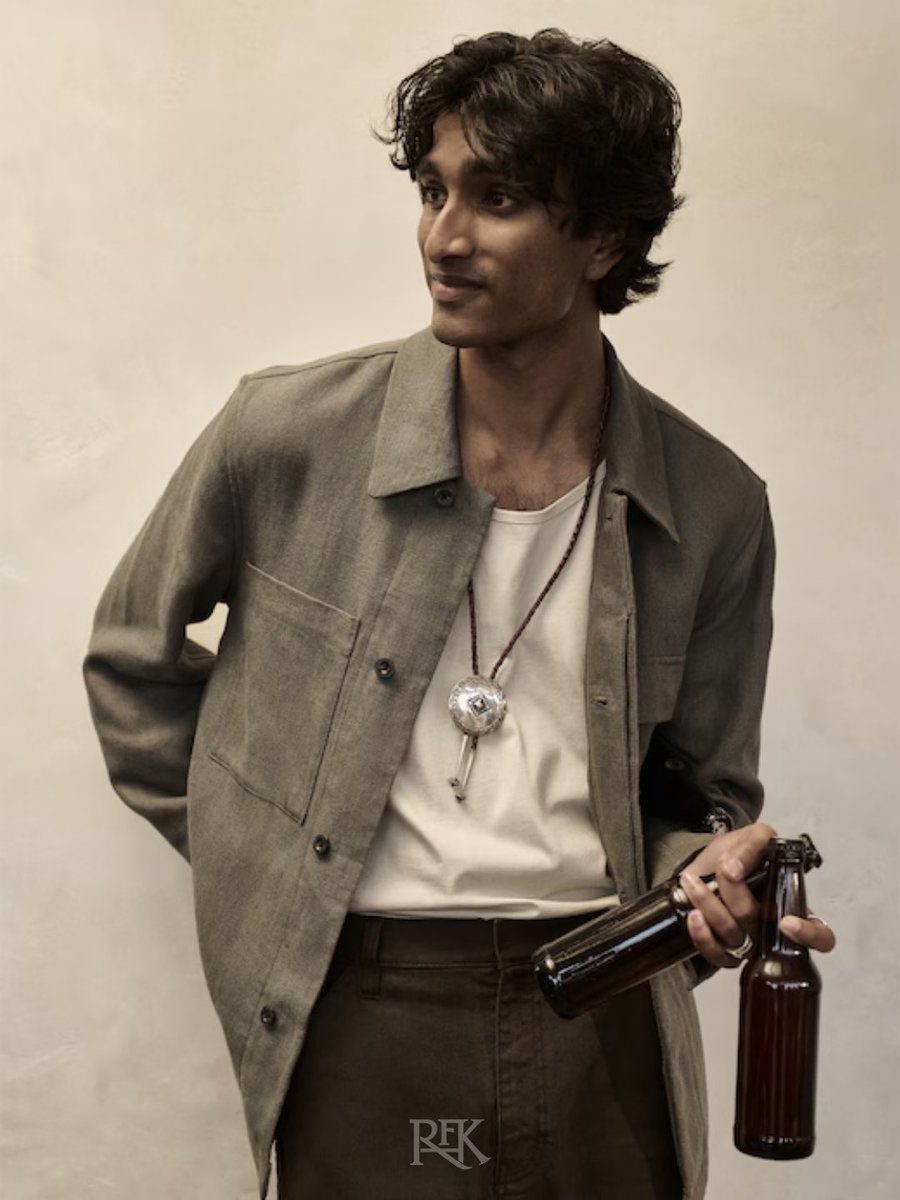
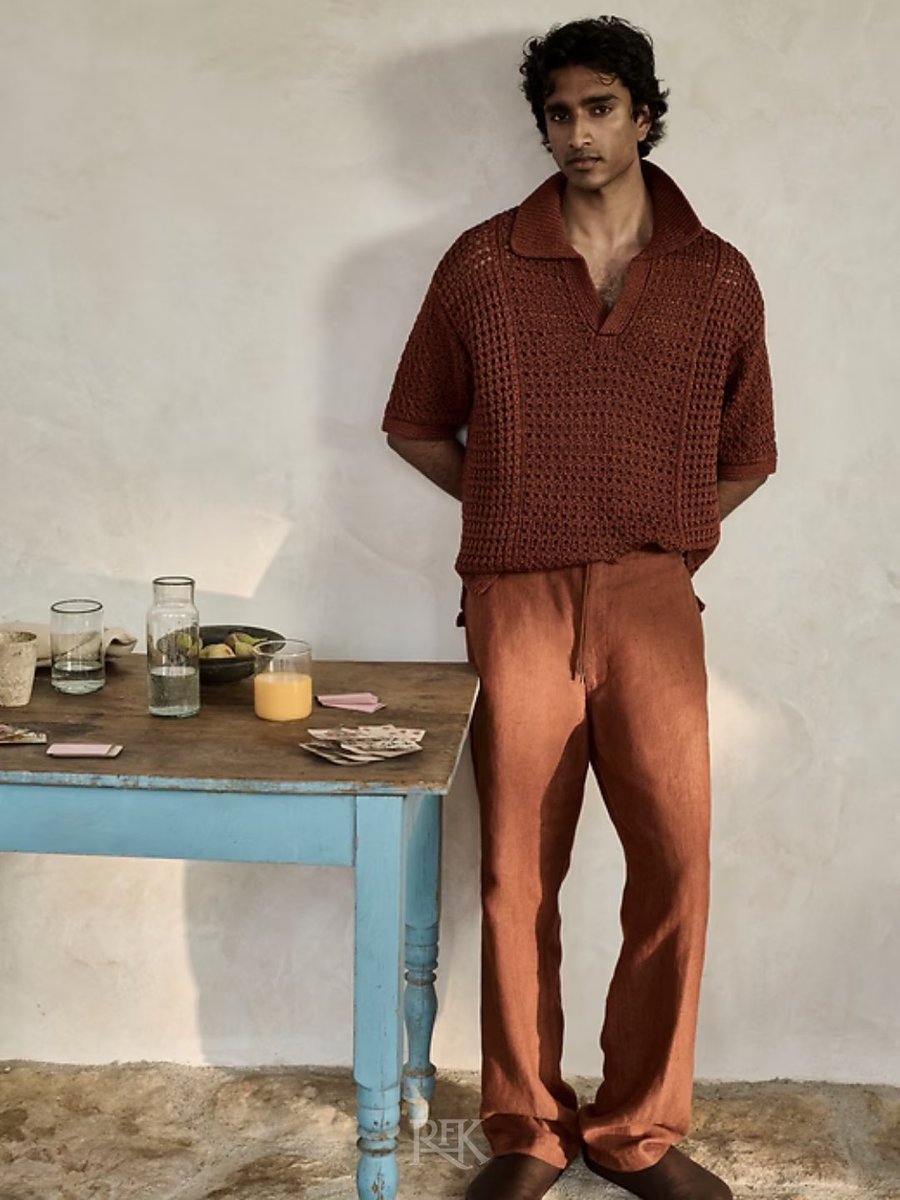
Proper Cloth has every single model wearing the exact same dainty necklace in their Spring looks Perhaps a little overzealous, boys?
R.F. Kenmore tweet mediaR.F. Kenmore tweet mediaR.F. Kenmore tweet mediaR.F. Kenmore tweet media
English
12
2
119
28.9K
Chris Callis
Chris Callis@MenofHabit·
@rfkenmore Tough to find identity when your heritage is safari but you become an officewear brand. Feels like they want to be be affordable Todd Snyder, while bring back heritage items, without letting go of their core sellers.
English
0
0
16
74.9K
R.F. Kenmore
R.F. Kenmore@rfkenmore·
And I am having a hard time figuring out what the hell it’s for Or what the brand strategy is
R.F. Kenmore tweet mediaR.F. Kenmore tweet mediaR.F. Kenmore tweet mediaR.F. Kenmore tweet media
English
7
0
38
11.9K
R.F. Kenmore
R.F. Kenmore@rfkenmore·
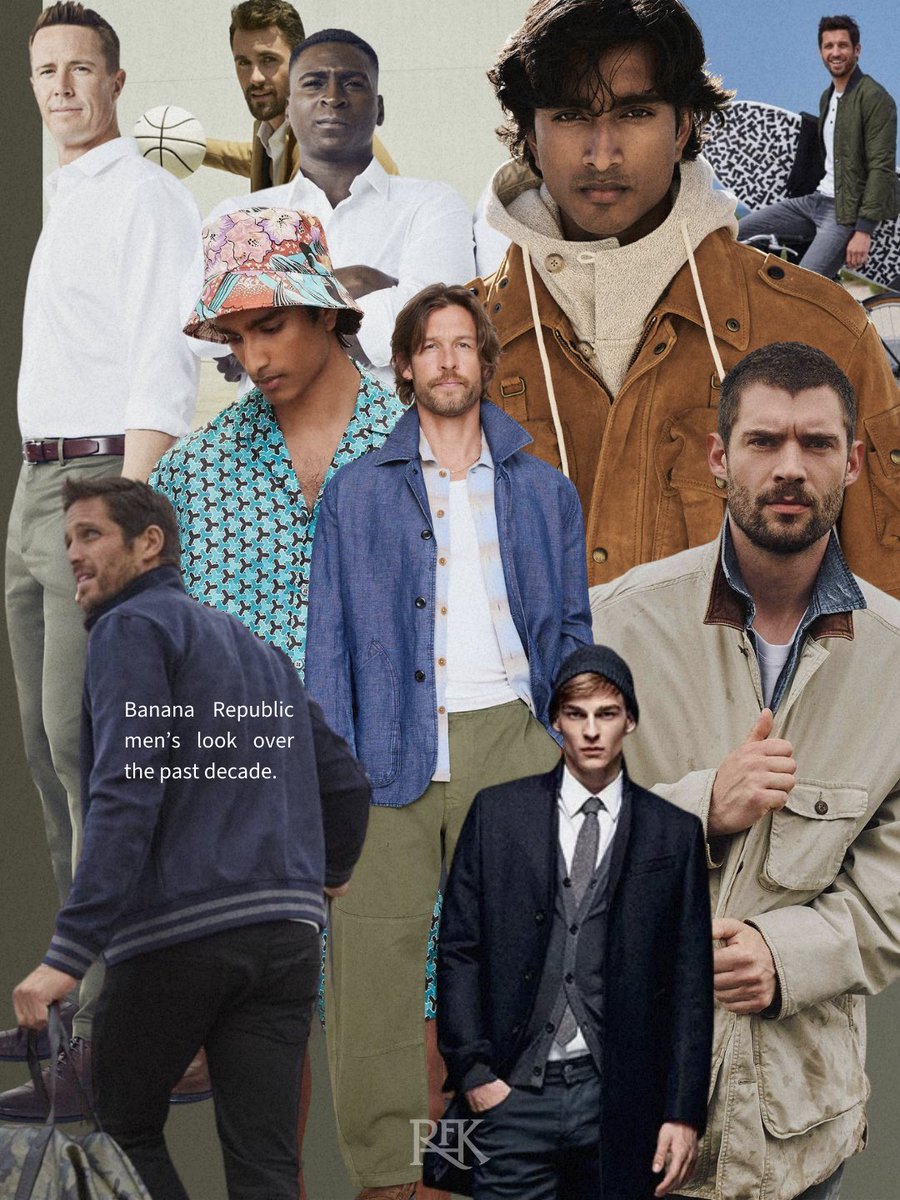
I feel like it used to be obvious why Banana Republic existed Clothes for the office or a nice dinner, etc. A universal and necessary part of a man’s closet But they look different now
R.F. Kenmore tweet mediaR.F. Kenmore tweet mediaR.F. Kenmore tweet media
English
27
1
203
104.1K
R.F. Kenmore
R.F. Kenmore@rfkenmore·
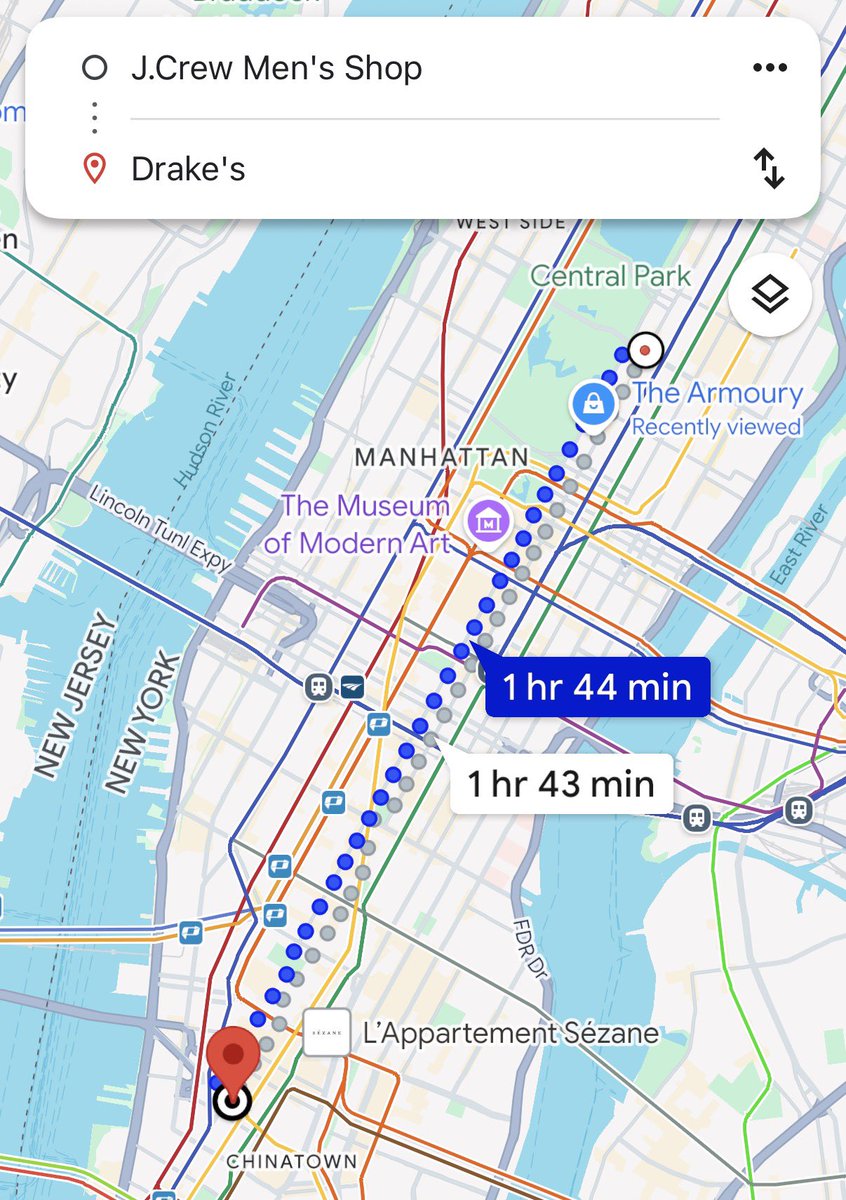
The Menswear March On Manhattan 79th → Canal Over 40 stores 2 rides in the Buck Mason Porsche 0 seconds in line at ALD 2 cortados 1 mutual spotted 17,000 steps (not so bad tbh) This one was alone, but I can only imagine next is with an army
R.F. Kenmore tweet mediaR.F. Kenmore tweet media
R.F. Kenmore@rfkenmore

1: J Crew Men’s (79/madison) Almost wouldn’t bother going to J Crew in NY if not this or Bond St. locations Brand is moving toward the mean after big Babenzian surge when he initially joined Infusing learnings and trying to move forward They sell Caswell Massey fragrance too

English
16
5
551
160.2K
Chris Callis
Chris Callis@MenofHabit·
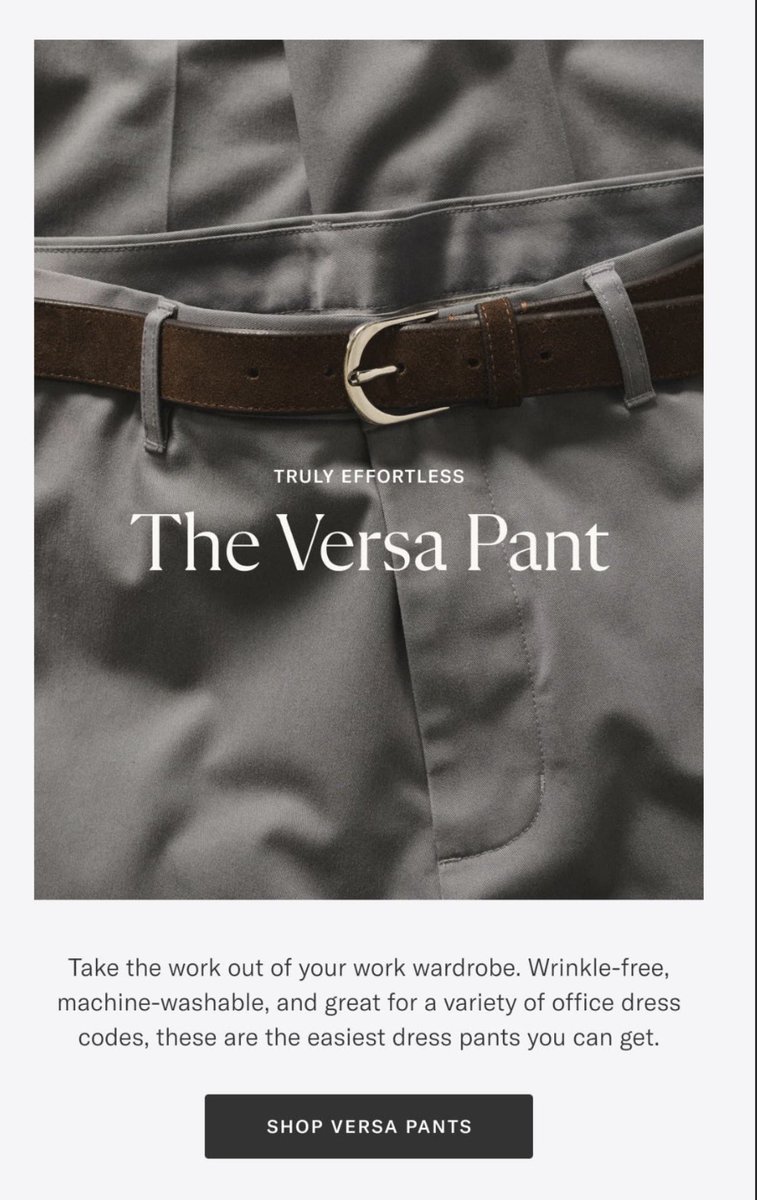
@rfkenmore These have quietly been one of our best selling bottoms since 2023. Much more popular than our ABC pant alternative.
English
1
0
4
570
R.F. Kenmore
R.F. Kenmore@rfkenmore·
Someone try these Proper Cloth and report back Look like a premium version of Weekday Warrior Chinos @MenofHabit looking at my notes?
R.F. Kenmore tweet mediaR.F. Kenmore tweet media
English
9
2
83
31.2K
Chris Callis
Chris Callis@MenofHabit·
@ebitdaddy90 @rfkenmore Fwiw I think Buck Mason is doing as good or better of a job as anyone in the menswear space—very impressive stuff. All this being said, I promise not to use your criticism as motivation for future work…
Chris Callis tweet media
English
0
0
2
201
Chris Callis
Chris Callis@MenofHabit·
@ebitdaddy90 @rfkenmore Yeah, to each their own. From where I’m sitting things are def getting better and the fits have changed quite a bit. I would also encourage you to consider that different content has different goals—not everything is a brand campaign like the one @rfkenmore referenced.
English
1
0
1
80
R.F. Kenmore
R.F. Kenmore@rfkenmore·
New IG ad template just dropped Buck Mason, Knickerbocker, Huckberry
R.F. Kenmore tweet media
English
5
6
207
16.8K
Chris Callis
Chris Callis@MenofHabit·
@dieworkwear Personally, I could see a Cucinelli model working in the US. The right brand could build a community/workforce in a more affordable living area where they really focus on training and building expertise. But would be a massive investment and need to be a core value of the brand.
English
0
0
0
58
Chris Callis
Chris Callis@MenofHabit·
@dieworkwear For US clothing manufacturing to become relevant, I agree with @dieworkwear that you'll need to do it at the luxury level. Most importantly, you need a brand that inspires people to be interested in artisanship and manufacturing, as finding workers will be the hardest part.
English
1
0
1
80
derek guy
derek guy@dieworkwear·
I don't understand this argument. The US doesn't suffer from an unemployment problem. It suffers from a wage growth problem. If you don't work in certain jobs within certain industries, you've seen low wage growth over the last 50 years. Every discussion of re-shoring US manufacturing harkens back to a 1950s America, when a man could graduate high school and raise a family by getting a job at the local factory. Yet, every discussion talks about this issue from the perspective of the nation or the factory owner. They are not thinking about the worker. If a factory implements AGI robots, many of the jobs within clothing factories will automatically be wiped out — the person doing simpler jobs (e.g. marking pockets), the person packing boxes, the person doing quality control, etc. All of these jobs will be wiped out. Will this make the US factory more competitive to a Chinese factory? I don't know, although I assume the Chinese factory will have the same robots. Perhaps shipping and logistics will play a bigger role, as this person says. This is great news for the factory owner! Or people with deep pockets who can build a factory! But this is not the average American who just graduated high school and has no such privileges. You are taking the perspective of the factory owner (the capitalist), who never had a problem surviving in the old post-industrial economy. Some will say, "well even if we fill the clothing factory with AGI robots, someone will have to maintain those robots." True! And in the old post-industrial economy, we needed engineers to program software, design products, and do other high-end knowledge work. This again doesn't benefit the guy who just graduated high school and has no such privileges. You are simply swapping one knowledge-intensive service economy for another. I simply don't understand why Americans can only think of making cheap t-shirts and jeans for a domestic market. They should instead thinkig of moving upstream to higher-end products — tailoring, knitwear, footwear — and focus on the global market. The average Italian doesn't buy high-end suits. Yet there's a robust Italian luxury clothing sector. The same is true in France (leather goods) and Japan (denim). The US should invest in *skilled work* in clothing manufacturing. Yes, this will require some training, but it broadens the scope of opportunities for the high-school graduate. Anyone can go into a factory and slap jersey fabric onto a machine, letting the machine set the pockets. Soon, that person won't even be needed. Not everyone can baste a canvas onto a suit. And even if one day we develop AGI robots to deo this work, there is the *romance* of handcraftsmanship, which allows the worker to stay employed. IMO, when people discuss this issue, they should think about class. What is good for the worker? Do not just think about factory owners.
Thom@thombax

Logistics becomes a bigger relative cost input that advantages the local manufacturer. They can deliver quicker, cheaper, and carry less inventory. They can respond to trends faster. If the cost to make a US shirt is $3, it sells for $50, is MTM and is delivered in 3 days. That's a deal compared to a China made shirt that costs $1 to make, sells for $48 and arrives in two weeks.

English
69
489
4.6K
502.4K