

@GooseRox505 The city is doing just fine. You can always move if you don’t like it here!
English
Pig
6.3K posts


We're making it more expensive to leave properties neglected and easier to hold owners accountable. Our Ordinance requires vacant buildings to be registered, increases penalties the longer they sit empty, and helps us identify unsafe properties before they become hazards.




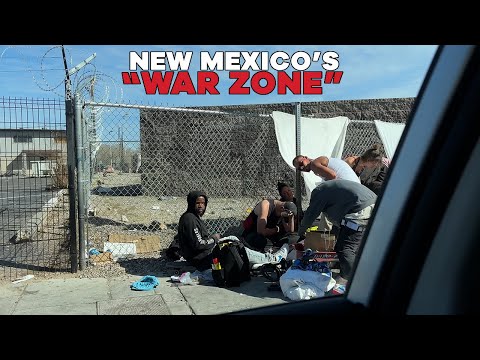
People are afraid to leave their homes. Parents are afraid to take their kids to school. Families are afraid go shopping. This cannot go on. We cannot allow this country to become a surveillance state. We must hold this Administration accountable.



Someday, our children and grandchildren will ask what we did when our communities were struggling. Did we ignore it? Did we complain but stay on the sidelines? Or did we step forward and fight for something better? I entered this race because I want the next generation to inherit a New Mexico that is safer, stronger and filled with opportunity. That is the legacy worth fighting for.
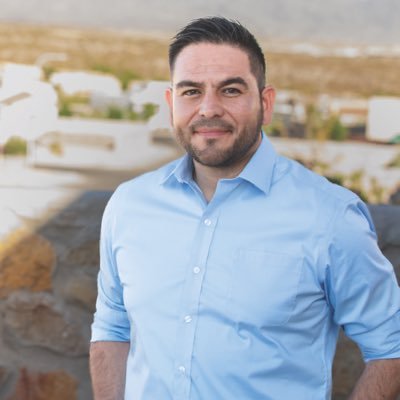
At the end of the day, these enforcement actions are not making our street safer, and communities across our country are left grieving and searching for answers. The racial profiling of Hispanic Americans must stop.


Albuquerque's Biggest Opponent Might Be Some of Albuquerque's Residents Think Small. Stay Small. Wonder Why Nothing Changes. By Wes Henderson As a former Albuquerque resident, I've always believed one of the city's biggest obstacles isn't geography, funding, or a lack of opportunity. It's mindset. Albuquerque is a city with tremendous potential. It has a unique culture, incredible food, beautiful scenery, a major university, passionate sports fans, and one of the most recognized events in the world with the Albuquerque International Balloon Fiesta. Yet despite all those advantages, the city often seems reluctant to embrace the very projects that could help it grow. Time and time again, major developments face years of opposition, delays, lawsuits, studies, committee meetings, and public battles before anything ever gets built. In some cases, nothing gets built at all. I'm not suggesting every project deserves automatic approval. Residents should ask questions. Neighborhood concerns matter. Public money should be scrutinized. But at some point, a city has to decide whether it wants to build for the future or spend decades debating it. The most visible example today is the New Mexico United stadium. What should have been one of Albuquerque's biggest recent success stories has become another long-running fight. Instead of celebrating the opportunity to give one of New Mexico's most successful sports organizations a permanent home, the city has spent years mired in legal challenges, public opposition, and delays. Supporters see the project as a chance to create jobs, host concerts and community events, attract visitors, and generate economic activity. Opponents continue to raise concerns about traffic, location, and neighborhood impact. What has always puzzled me is that the stadium is proposed at @balloonfiesta Park, a location that already handles one of the largest annual events on the planet. Every October, hundreds of thousands of visitors descend on Albuquerque for Balloon Fiesta. Yet somehow a soccer venue attracting roughly 10,000 people on occasional nights throughout the year is viewed by some as an unacceptable burden. At some point, it becomes fair to ask whether Albuquerque is debating the project itself or simply resisting change. This isn't a new pattern. Albuquerque has been having versions of this same argument for decades. Even the effort to build what is now @ABQTopes Park faced opposition. There were arguments over cost, location, and whether a new stadium was necessary at all. Eventually the project moved forward, and today it is widely viewed as one of the best minor league baseball facilities in the country. It has become home to the Albuquerque Isotopes and has served as the temporary home of @NewMexicoUTD . Looking back, it's hard to imagine Albuquerque sports without it. But getting there required the city to stop debating and start building. Perhaps the most frustrating example is Albuquerque's arena situation. For years, city leaders, business groups, planners, and consultants have talked about the need for a modern arena capable of attracting major concerts, sporting events, conventions, and entertainment development. Studies have been completed. Proposals have been discussed. Locations have been debated. Yet decades later, Albuquerque still lacks the type of modern arena that comparable cities use as anchors for economic growth and tourism. Instead, Albuquerque continues relying heavily on #TingleyColiseum, a facility that opened in 1957. #Tingley deserves respect. It has been part of countless memories for generations of New Mexicans. It has hosted concerts, rodeos, sporting events, and State Fair traditions for nearly seventy years. But a city of Albuquerque's size should not be depending on a venue built in the 1950s as one of its primary entertainment facilities. At some point, preserving history and planning for the future have to exist at the same time. The lack of a modern arena is part of a larger issue. Albuquerque has spent years discussing entertainment districts, mixed-use developments, and downtown revitalization projects, yet the city often struggles to turn those conversations into reality. Across the country, cities have invested in districts built around stadiums, arenas, restaurants, hotels, nightlife, retail, and public gathering spaces. These developments create destinations. They generate jobs. They attract tourists. They encourage people to stay downtown longer and spend money locally. Meanwhile, Albuquerque's downtown often feels like it's stuck in a loop. Every few years there is a new proposal, a new study, a new committee, or a new vision for redevelopment. The language changes, but the conversation often feels familiar. Plans come and go while visible transformation remains limited. The same pattern appears when discussing infrastructure. Albuquerque has spent years debating projects involving the Montaño corridor, river crossings, traffic improvements, and transportation upgrades. Residents understandably raise concerns about growth and neighborhood impact, but growth requires infrastructure. Cities cannot attract more residents, jobs, visitors, and development while simultaneously resisting many of the improvements needed to support them. That contradiction appears throughout Albuquerque. Residents frequently ask why the city doesn't attract more major concerts, more professional sports, more conventions, more tourism, and more entertainment options. Those are fair questions. But those opportunities usually require new venues, new attractions, new infrastructure, and new investment. They require cities to think beyond today's concerns and plan for what they want to become twenty years from now. For a city with more than 500,000 residents, Albuquerque still lacks many of the amenities that residents often say they want. There is no major destination entertainment district. There is no modern downtown arena. There is no large-scale water park. There is no major theme park attraction. Sports venues take years to move forward. Significant redevelopment projects routinely become battlegrounds before construction can begin. The frustrating part is that Albuquerque already has so much working in its favor. It has a distinct identity that many cities would love to have. It has a world-famous event in Balloon Fiesta. It has passionate college and professional sports fans. It has a thriving local culture and a growing tourism industry. The city has the foundation to become a larger sports, entertainment, and tourism destination. What it often seems to lack is the confidence to embrace growth. Albuquerque doesn't need to approve every proposal that comes along. It shouldn't. Responsible development requires debate and accountability. But there is a difference between thoughtful scrutiny and creating an environment where every major project becomes a years-long battle. Eventually, cities earn reputations. Some become known for building. Others become known for debating. Some become known for taking calculated risks to improve themselves. Others become known for finding reasons not to. Albuquerque has spent too much time asking why something shouldn't happen. It may be time to start asking how it can happen responsibly. Because if the city truly wants more jobs, more tourism, more entertainment, more events, and more opportunities for future generations, it cannot continue fighting every major idea while wondering why progress feels so slow. And that is why I believe Albuquerque's biggest opponent may not be another city, economic conditions, or outside competition. It might be some of Albuquerque's own residents. If that mindset doesn't change, the city risks spending the next twenty years having the same conversations it spent the last twenty years having: thinking small, staying small, and wondering why nothing changes. #Albuquerque #NewMexico #ABQ #NewMexicoUnited #DowntownABQ #EconomicDevelopment #FutureOfABQ


