Swimming

55 posts

Swimming

Swimming

@MokaPearl

Katılım Eylül 2025
10 Takip Edilen4 Takipçiler
Swimming
Swimming@MokaPearl·
@SkySportsF1 @bernie_collins1 Congratulations to Kimi !!!! But it will be a Ferrari leading into Turn One !!! Hopefully Lewis GOAT. It is so great having you as a pundit for F1. You sure explain everything so well.
English
0
0
0
33
Sky Sports F1
Sky Sports F1@SkySportsF1·
You know the drill, who's leading into Turn One in Shanghai? 🇨🇳👀
Sky Sports F1 tweet media
English
169
107
2K
67.5K
Swimming
Swimming@MokaPearl·
@SaraCrafts3 @Canucks That’s very mean. Could you go into a war to fight and kill and maybe lose a leg or worse or get killed yourself? Some of those soldiers are women.
English
0
0
0
10
Sara Crafts
Sara Crafts@SaraCrafts3·
@Canucks Every single "man" on that picture has a rainbow tampon up their bums, don't they? Canada doesn't have an army, we have soyboys in camo drag.
English
1
0
3
49
Vancouver Canucks
Vancouver Canucks@Canucks·
Tonight, we honoured those who serve and protect the country we call home. 🇨🇦 To the brave members of the Canadian Armed Forces and the servicemen and women, thank you for your courage, sacrifice, and commitment.
Vancouver Canucks tweet media
English
59
92
1K
25.6K
Swimming
Swimming@MokaPearl·
@HKurwinski54630 @Canucks Canada has not been invaded by anybody except the us a long time ago so who did the us military protect it from ? Nobody has even threatened to invade Canada except
English
2
0
0
19
Hujek Kurwinski
Hujek Kurwinski@HKurwinski54630·
@Canucks You should thank the united states military for protecting canada
English
1
0
9
123
Swimming
Swimming@MokaPearl·
@archeohistories Well, she probably wasn’t black if they’re talking about Cleopatra VII. There were other Cleopatras who made cosmetics & were doctors. But the queen was actually part of the Greek/Macedonian Ptolemy family - considered white. DNA testing on mummies show a ‘Mediterranean type’
English
0
1
18
985
Archaeo - Histories
Archaeo - Histories@archeohistories·
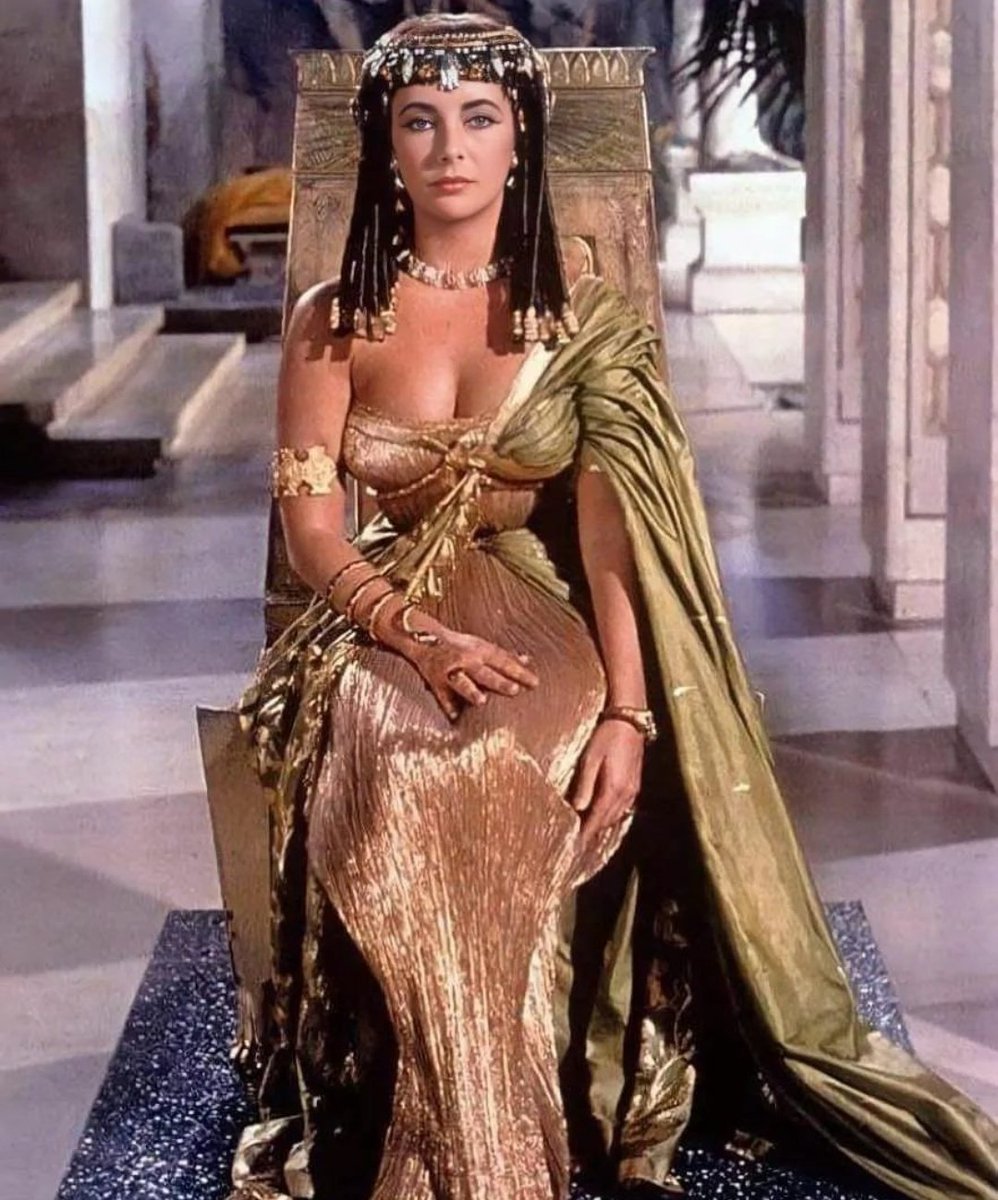
Cleopatra ascended the throne at the age of 17 and died at the age of 39. She spoke 9 languages. She knew the language of Ancient Egypt and had learned to read hieroglyphics, a unique case in her dynasty. Apart from this, she knew Greek and the languages ​​of the Parthians, Hebrews, Medes, Troglodytes, Syrians, Ethiopians and Arabs. With this knowledge, any book in the world was open to her. In addition to languages, she studied geography, history, astronomy, international diplomacy, mathematics, alchemy, medicine, zoology, economics, and other disciplines. She tried to access all the knowledge of her time. Cleopatra spent a lot of time in a kind of ancient laboratory. She wrote some works related to herbs and cosmetics. Unfortunately, all her books were destroyed in the fire of the great Library of Alexandria in 391 AD. The famous physicist Galen studied her work, and was able to transcribe some of the recipes devised by Cleopatra. One of these remedies, which Galen also recommended to her patients, was a special cream that could help bald men regain their hair. Cleopatra's books also included beauty tips, but none of them have come down to us. The queen of Egypt was also interested in herbal healing, and thanks to her knowledge of languages ​​she had access to numerous papyri that are lost today. Her influence on the sciences and medicine was well known in the early centuries of Christianity. She, without a doubt, is a unique figure in the history of humanity. 📷 © Elizabeth Taylor in Cleopatra (1963) by Joseph L. Mankiewicz/Universal History Archive/Universal Images Group via Getty Images #archaeohistories
Archaeo - Histories tweet media
English
519
423
2.8K
245.9K
Swimming
Swimming@MokaPearl·
@archeohistories So incredibly interesting what technology can tell us about the distant history of this anciently inhabited and worked area that was once lush with life.
English
1
0
2
158
Archaeo - Histories
Archaeo - Histories@archeohistories·
British and French archaeologists began exploring the Fertile Crescent for the remains of storied Mesopotamian cities such as Assyria and Babylonia as early as the mid-1800s. Some of the most famous Mesopotamian archaeological sites include: Ziggurat of Ur: It’s an enormous temple in southern Iraq and one of the best remaining examples of Sumerian architecture. Archaeologists think it was built around 2100 BC. Babylon: Founded nearly 5,000 years ago on the Euphrates River in present-day Iraq, this ancient metropolis and Biblical city was the last major power in Mesopotamia to fall under Persian control in 539 BC. Hattusha: This UNESCO World Heritage site is one of Turkey’s greatest ruins and was once the capital of the Hittite Empire, which reached its peak in 2nd millennium BC. Persepolis: An ancient Mesopotamian city in southern Iran, Persepolis ranks among the world’s greatest archaeological sites with a large number of architecturally significant Persian buildings. Today the Fertile Crescent is not so fertile: Beginning in the 1950s, a series of large-scale irrigation projects diverted water away from the famed Mesopotamian marshes of the Tigris-Euphrates river system, causing them to dry up. In 1991, the government of Saddam Hussein built a series of dikes and dams to further drain the Iraqi marshes and punish dissident Marsh Arabs who made a living cultivating rice and raising water buffalo there. NASA satellite images showed that that by 1992 roughly 90% of the marshland had disappeared, turning more than a thousand square miles into desert. More than 200,000 Marsh Arabs lost their homes. Many of the Hussein-era dams have since been removed, though the wetlands remain only about half of their pre-drained level.
Archaeo - Histories tweet media
English
1
9
63
8.2K
Archaeo - Histories
Archaeo - Histories@archeohistories·
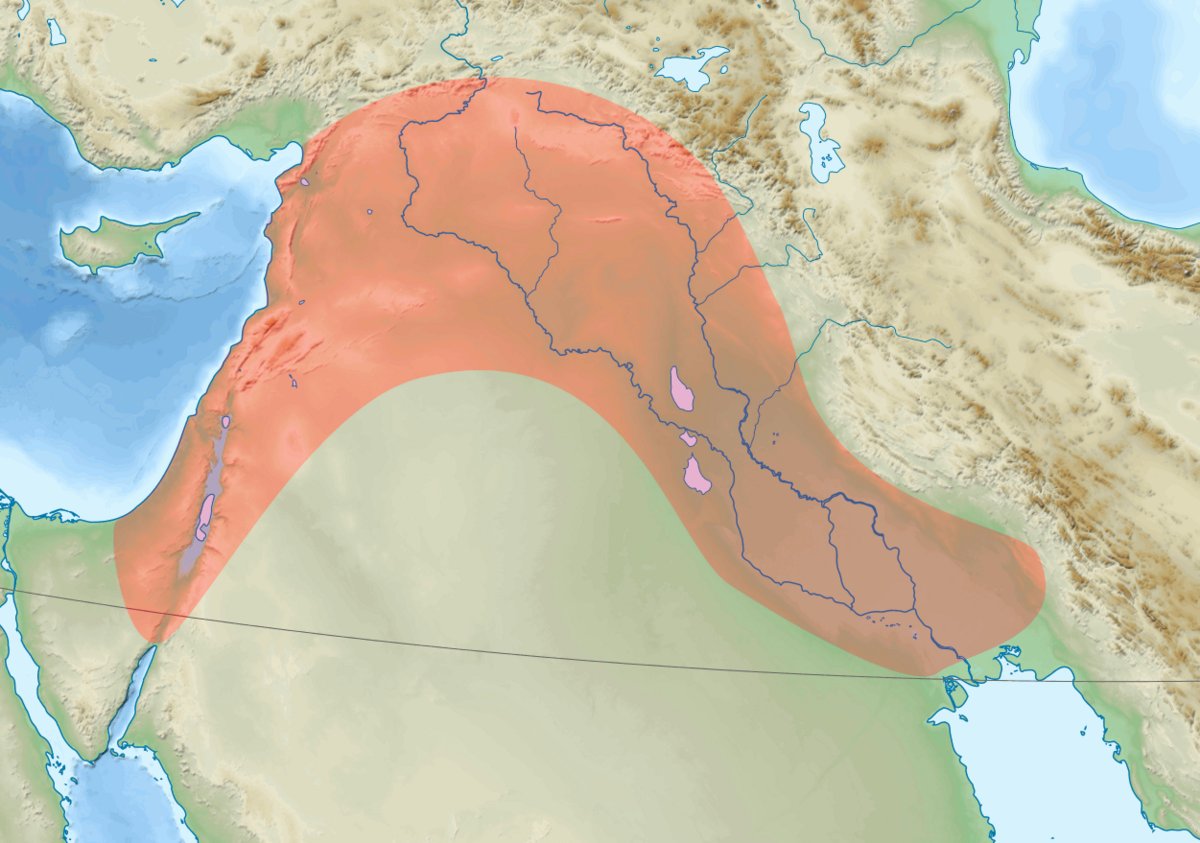
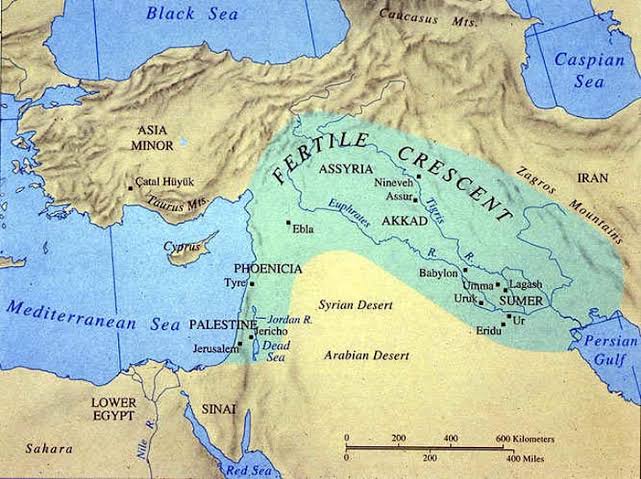
Fertile Crescent is the boomerang-shaped region of the Middle East that was home to some of the earliest human civilizations. Also known as the “Cradle of Civilization,” this area was the birthplace of a number of technological innovations, including writing, the wheel, agriculture and use of irrigation. Fertile Crescent includes ancient Mesopotamia... American archaeologist James Henry Breasted coined the term “Fertile Crescent” in a 1914 high school textbook to describe this archaeologically significant region of the Middle East that contains parts of present day Egypt, Jordan, Lebanon, Palestine, Israel, Syria, Turkey, Iran, Iraq and Cyprus. On a map, Fertile Crescent looks like a crescent or quarter-moon. It extends from the Nile River on Egypt’s Sinai Peninsula in the south to the southern fringe of Turkey in the north. The Fertile Crescent is bounded on the west by the Mediterranean Sea and on the East by the Persian Gulf. The Tigris and Euphrates rivers flow through the heart of the Fertile Crescent. The region historically contained unusually fertile soil and productive freshwater and brackish wetlands. These produced an abundance of wild edible plant species. It was here that humans began to experiment with the cultivation of grains and cereals around 10,000 BC as they transitioned from hunter-gatherer groups to permanent agricultural societies. Mesopotamia is an ancient, historical region that lies between the Tigris and Euphrates rivers in modern-day Iraq and parts of Kuwait, Syria, Turkey and Iran. Part of Fertile Crescent, Mesopotamia was home to the earliest known human civilizations. Scholars believe the Agricultural Revolution started here. Earliest occupants of Mesopotamia lived in circular dwellings made of mud and brick along the upper reaches of the Tigris and Euphrates river valleys. They began to practice agriculture by domesticating sheep and pigs around 11,000-9,000 BC. Domesticated plants, including flax, wheat, barley and lentils, first appeared around 9,500 B.C. Some of the earliest evidence of farming comes from the archaeological site of Tell Abu Hureyra, a small village located along the Euphrates River in modern Syria. The village was inhabited from roughly 11,500-7,000 BC. Inhabitants initially hunted gazelle and other game before beginning to harvest wild grains around 9,700 BC. Several large stone tools for grinding grain have been found at the site. One of oldest known Mesopotamian cities, Nineveh (near Mosul in modern Iraq), may have been settled as early as 6,000 BC. Sumer civilization arose in the lower Tigris-Euphrates valley around 5,000 BC. In addition to farming and cities, ancient Mesopotamian societies developed irrigation and aqueducts, temples, pottery, early systems of banking and credit, property ownership and the first codes of law. The origins of Sumer civilization are debated, but archaeologists suggest Sumerians had established roughly a dozen city-states by 4th Millennium BC, including Eridu and Uruk in what is now southern Iraq. Sumer is earliest known civilization in ancient Mesopotamia and may have been first human civilization anywhere in the world. They called themselves the Sag-giga, the “black-headed ones.” Ancient Sumerians were among the first to use bronze. They pioneered the use of levees and canals for irrigation. Sumerians invented cuneiform script, one of the earliest forms of writing. They also built large stepped pyramids called ziggurats. Sumerians celebrated art and literature. The 3,000-line poem, the Epic of Gilgamesh, follows the adventures of a Sumer king as he battles a forest monster and quests after the secrets of eternal life. #archaeohistories
Archaeo - Histories tweet media
English
43
80
321
23.8K
Swimming
Swimming@MokaPearl·
@thx1138_v2 @archeohistories It is incredible that we have the technology to ascertain how things used to be so long ago and to know that even Palestine was once lush with plant and animal life and water.
English
0
0
2
119
Swimming
Swimming@MokaPearl·
@archeohistories How fantastic to have found such a rare and beautiful thing. Wonderful.
English
0
0
0
184
Archaeo - Histories
Archaeo - Histories@archeohistories·
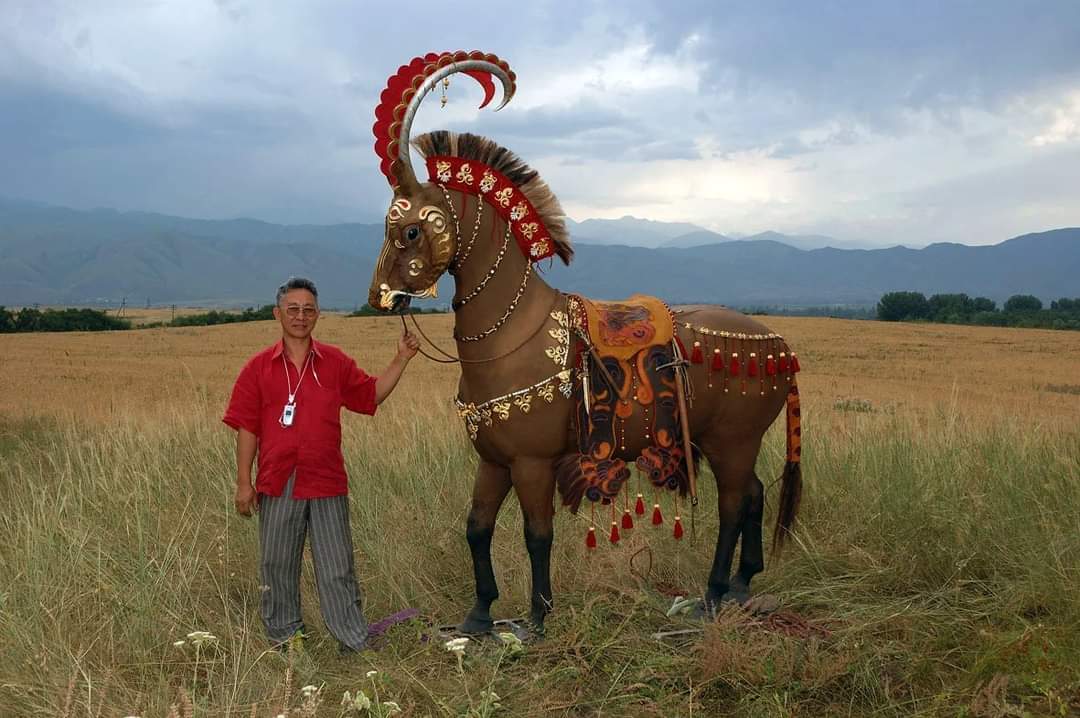
Horse wearing reconstructed 2500 year-old Scythian 'Horse' Armor, unearthed in the Altai Mountains in Siberia : Scythian, member of a nomadic  people, originally of Iranian stock, known from as early as 9th Century BC, who migrated westward from Central Asia to southern Russia and Ukraine in 8th-7th centuries BC. Scythians founded a rich, powerful empire centred on what is now Crimea. Empire survived for several centuries before succumbing to Sarmatians during period from 4th Century BC to 2nd Century CE. Until 20th Century CE, most of what was known of the history of Scythians came from the account of them by the ancient Greek historian Herodotus, who visited their territory. In modern times that record has been expanded chiefly by anthropologists excavating kurgans in such places as Tyva and Kazakhstan. Scythians were feared and admired for their prowess in war and in particular, for their  Horsemanship. They were among earliest people to master art of riding and their mobility  astonished their neighbours. Migration of Scythians from Asia eventually brought them into the territory of Cimmerians, who had traditionally controlled Caucasus  and plains north of Black Sea. In a war lasted 30 years, Scythians destroyed Cimmerians and set themselves up as rulers of an empire stretching from west  Persia through Syria and Judaea to borders of Egypt. Medes, who ruled Persia, attacked them and drove them out of Anatolia, leaving them finally in control of lands which stretched from Persian  border north through the Kuban and into southern Russia. Ancient militaria from Scythians is extremely rare and their scarcity in any collection, private or institutional, proves that. Hallmark of Scythians was their love, dependence and glorious decorations in battle on their horses. Very few ancient cultures can come close to the elaborate dress of their warriors and war horses. Numerous excavations and recreations show light armor on their horses and in some cases, chanfrons or horse head armor.  Danger of Scythian cavalry was their speed and agility so weighing horses down with heavy armor was impractical. Most vulnerable part of horse was the head as this was first part most exposed in an attack. Horse armor for head would have been made up of heavy leather and cloth padding and sometimes, armor plate insert as this rare specimen is. This iron horse head armor insert would have been inside a larger leather padded chanfron as seen in the above images of recreated mounts based on excavations. Cut outs above middle would have been for recessed part for horse's eyes.  Flared top was to protect upper skull and heavy plate on the lower pointed region would have followed down nose. There is a slight curvature to this armor plate to better conform to horse head.  Circular impression in center would have been to secure this internal armor plate outer layers of padding and leather by means of a rondell affixed to this point. There have only been a couple times we have come across ancient horse armor, not medieval which is far more prevalent. Since this time is so early in mounted warfare, heavy armor that later medieval cavalry would wear had not been developed nor was needed at this time. Other than small fragments of scale armor, this would be the largest form of horse armor one could positively identify from such an early time in mounted combat. It is rare beyond measure and ultimate horse armor specimen from one of greatest mounted armies of ancient world. 📷© Peter Voyé #archaeohistories
Archaeo - Histories tweet media
English
8
72
357
11.3K
Swimming
Swimming@MokaPearl·
@F1 Aston Martin
English
0
0
0
114
Formula 1
Formula 1@F1·
Before the first test in Bahrain, we asked who you reckon will get the 2026 regulations right... 👀 Mercedes topped the vote with 31% 👊 #F1
Formula 1 tweet media
English
134
270
5.1K
569.1K
Holiness
Holiness@F1BigData·
🚨WINS IN THE HYBRID ERA ● 83 - Hamilton ○ 82 ○ 81 ○ 80 ○ 79 ○ 78 ○ 77 ○ 76 ○ 75 ○ 74 ○ 73 ○ 72 ● 71 - Verstappen ○ 70 ○ 69 ○ 68 ○ 67 ○ 66 ○ 65 ○ 64 ○ 63 ○ 62 ○ 61 ○ 60 ○ 59 ○ 58 ○ 57 ○ 56 ○ 55 ○ 54 ○ 53 ○ 52 ○ 51 ○ 50 ○ 49 ○ 48 ○ 47 ○ 46 ○ 45 ○ 44 ○ 43 ○ 42 ○ 41 ○ 40 ○ 39 ○ 38 ○ 37 ○ 36 ○ 35 ○ 34 ○ 33 ○ 32 ○ 31 ○ 30 ○ 29 ○ 28 ○ 27 ○ 26 ○ 25 ○ 24 ○ 23 ○ 22 ○ 21 ● 20 - Rosberg ○ 19 ○ 18 ○ 17 ○ 16 ○ 15 ● 14 - Vettel ○ 13 ○ 12 ● 11 - Norris ● 10 - Bottas ● 9 - Piastri ● 8 - Ricciardo / Leclerc ○ 7 ● 6 - Pérez ● 5 - Russell ● 4 - Sainz ○ 3 ○ 2 ● 1 - Räikkönen / Gasly / Ocon
Holiness tweet mediaHoliness tweet media
English
22
61
2.2K
146.8K
Formula 1
Formula 1@F1·
A milestone moment for @Cadillac_F1! 🎯 The first laps of their F1 journey are completed during a shakedown at Silverstone 👏 #F1
Formula 1 tweet media
English
101
831
11.4K
623.5K
Хмурый Вангур
Хмурый Вангур@hmuriyvangur·
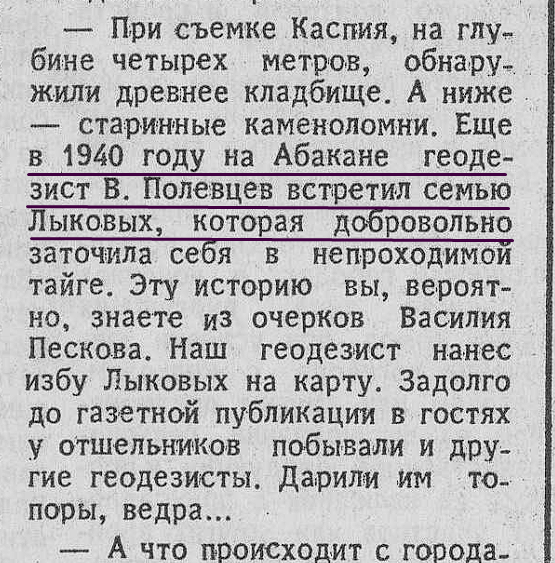
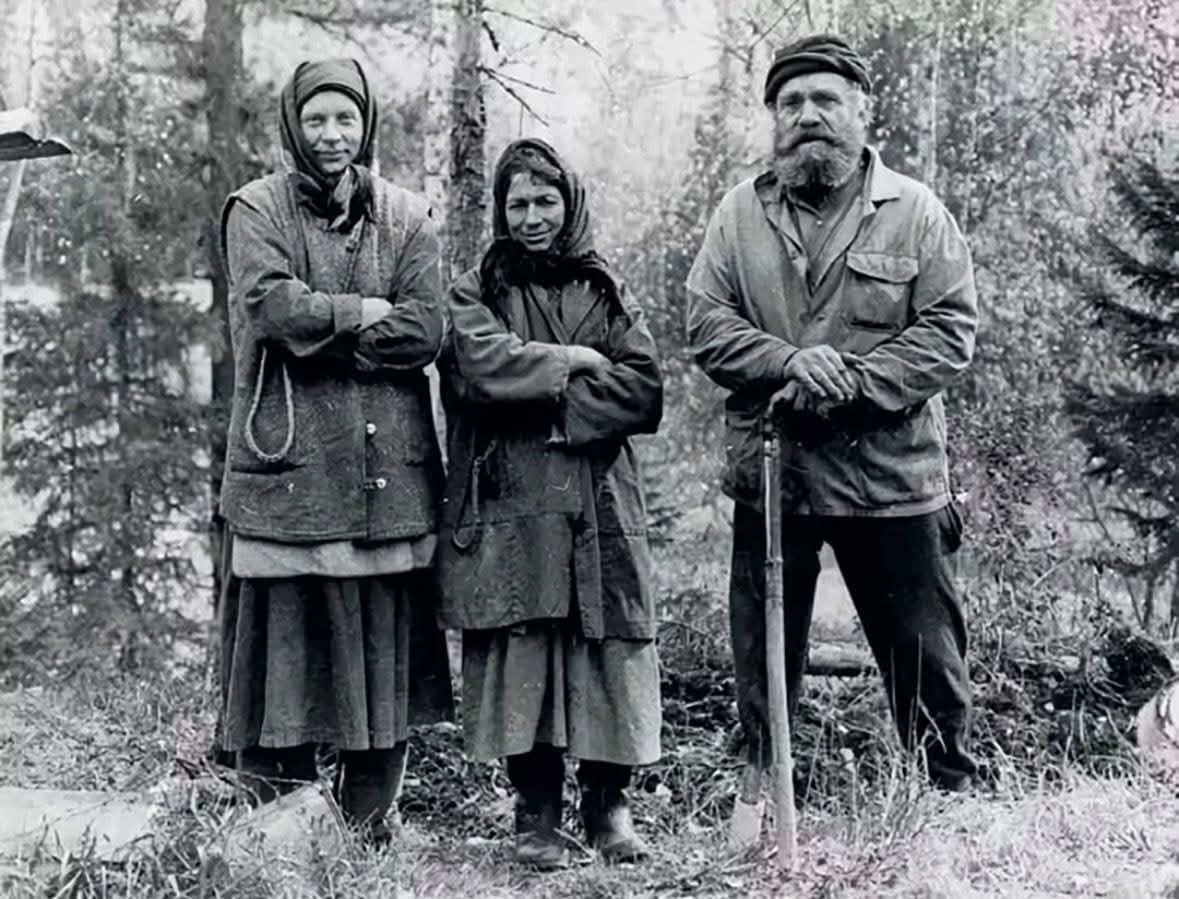
@archeohistories Когда Карп Лыков впервые увидел прозрачный полиэтиленовый пакет, от с удивлением долго мял его в руках и всё повторял : "стекло, а мнётся!" Геологи и геодезисты знали о семье Лыковых ещё с 1940 года. Просто до Василия Пескова никто не хотел публично о них рассказывать в прессе.
Хмурый Вангур tweet media
Русский
5
14
218
16.9K
Archaeo - Histories
Archaeo - Histories@archeohistories·
In 1978, Soviet geologists discovered a family living in complete isolation deep in Siberia. The Lykovs had fled Stalin’s persecution in 1936 and, for 42 years, survived without any human contact, technology, or knowledge that World War II had even happened. The group of Soviet geologists surveying the remote Sayan Mountains of Siberia stumbled upon a wooden hut that seemed abandoned. To their astonishment, it was inhabited, by the Lykov family, who had been living in total isolation since the 1930s. Karp Lykov, a devout Old Believer, had fled with his wife and two children in 1936 to escape Stalin’s religious persecution. Deep in the taiga, over 150 miles from the nearest settlement, the family built a life entirely disconnected from the modern world. They grew rye and potatoes, made clothes from hemp, and lived without metal tools or contact with outsiders. When discovered, two more children had been born in the wilderness, neither had ever seen a stranger or even tasted bread. The Lykovs’ isolation lasted 42 years, ending only when they were rediscovered. When the geologists told the family that humans had landed on the Moon, they were astonished, unaware that World War II or the Space Race had ever occurred. © History Pictures #archaeohistories
Archaeo - Histories tweet media
English
364
1.5K
14.5K
957.8K
Swimming
Swimming@MokaPearl·
@TrotskyTrotter @histories_arch Thanks for bringing it up. Loved the Sylvia Hotel and actually did notice a cat there inside when I went for drinks. 😃
English
0
0
1
24
Tahiti Trot
Tahiti Trot@TrotskyTrotter·
@histories_arch Vancouver BC; The famous Sylvia Hotel cat, "Mr. Got To Go", has inspired three popular children's books. They are engaging tales of the stray cat who arrived at the Sylvia Hotel one day, took control of the premises and decided to check in permanently.
Tahiti Trot tweet media
English
2
2
49
2.5K
ArchaeoHistories
ArchaeoHistories@histories_arch·
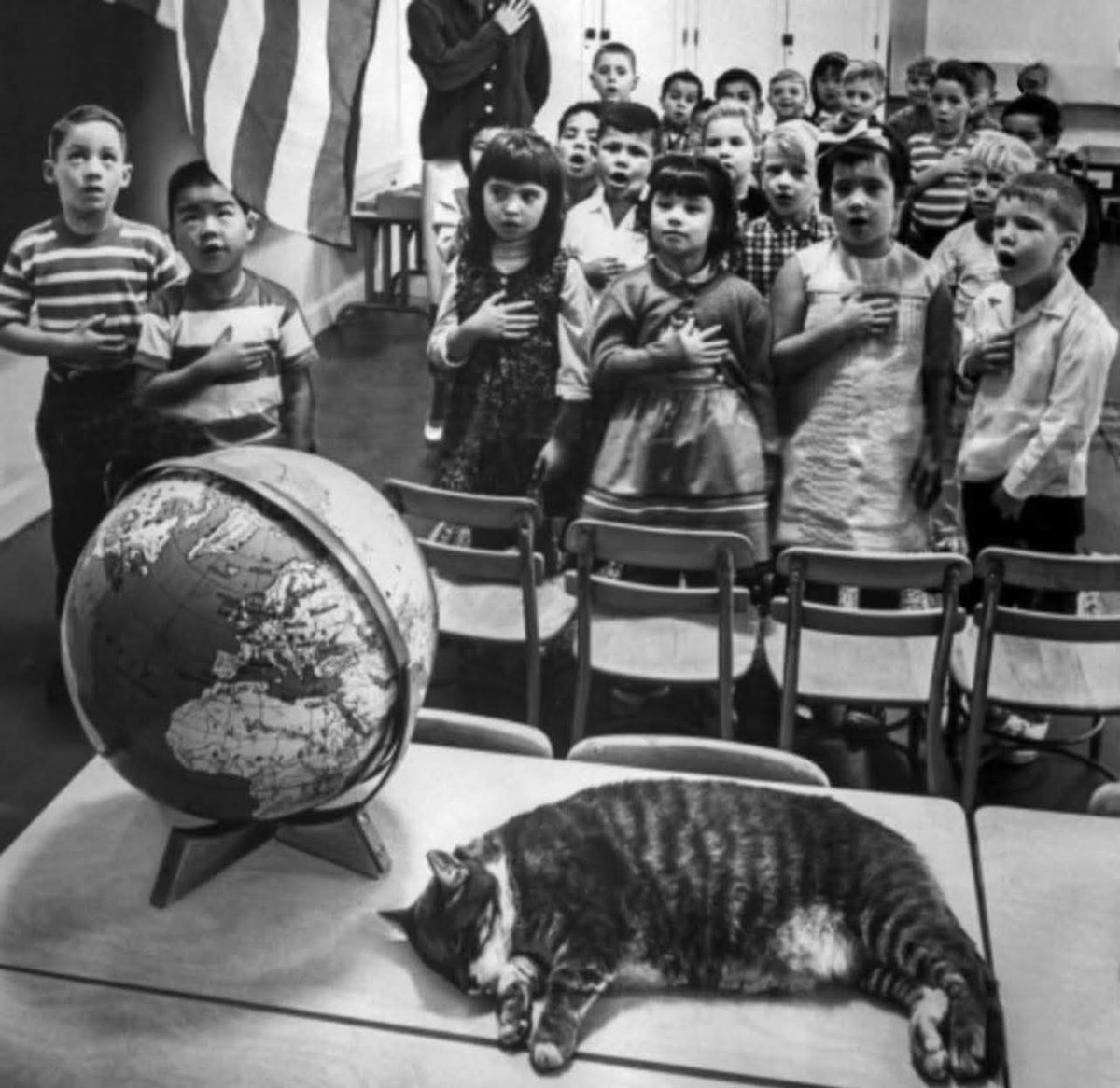
In the autumn of 1952, a thin and hungry tabby cat walked into a classroom at Elysian Heights Elementary School in Los Angeles. A lesson was already in progress. The cat calmly entered, sat down in the middle of the room, and began to groom himself. The students were delighted. The teacher allowed him to stay. When the school day ended, the cat quietly left. The next morning, he came back. Then he returned again the day after that. Soon, it was clear this was not an accident. The cat had chosen the school. The students named him Room 8, after the classroom he first entered. Room 8 quickly found his routine. Each morning, he arrived at school. During the day, he rested in sunny spots, let children pet him, and moved calmly from room to room. In the afternoon, he left. He never disrupted lessons. Teachers and students noticed his gentle and quiet presence. Small privileges became important to the children. Feeding him was special. So was carefully moving him if he fell asleep in an awkward place. Over the years, Room 8 became part of everyday school life. He was there during reading time, math lessons, and art classes. He did not take part. He simply watched. When yearbook photos were taken, Room 8 was often included. From 1952 through the late 1960s, he appeared in class photos, sitting among the students as if he belonged. By the early 1960s, his story spread beyond the school. In 1962, LOOK magazine published a feature about him. It brought national attention to the school cat. Soon, fan mail began to arrive. The letters were addressed to “Room 8, Elysian Heights Elementary School, Los Angeles.” Children and adults from across the country wrote to him. Some sent small gifts or drawings. Room 8 had become a celebrity. Years later, guitarist Leo Kottke composed an instrumental piece titled Room 8, inspired by the cat. As Room 8 grew older, his health declined. By the mid 1960s, he was injured in a fight and later developed pneumonia. One of the teachers, Virginia Finley, offered him a home. She lived in a house directly across the street from the school. From then on, Room 8 spent his nights with her and his days at Elysian Heights. When he was strong enough, he crossed the street on his own each morning. As he grew weaker, teachers and students sometimes carried him so he could keep his routine. On August 11, 1968, Room 8 died peacefully. His exact age was unknown, but he was believed to be about 20 to 22 years old. This was very old for a cat who had once lived as a stray. The Los Angeles Times published a long obituary about him. It described his years at the school, his national fame, and the love students felt for him. Room 8 was buried with care. Teachers, students, and admirers mourned his passing. In 2006, Virginia Finley wrote a children’s book titled “Room 8: The True Story of the School Cat.” The book preserved his story for future generations. Through the book, new readers learned about the cat who slept in classroom windows and sat quietly during lessons. Room 8 was never trained. He was never officially adopted by the school. No one planned for him to stay. He simply arrived. And the community made space for him. For sixteen years, Room 8 was a steady presence in the lives of thousands of children. He became part of their memories, their yearbooks, and their lessons about kindness and care. His legacy is not about fame. It is about belonging. Sometimes, all it takes to find a place in the world is to walk through an open door and be allowed to stay. © Reddit #archaeohistories
ArchaeoHistories tweet media
English
230
1.8K
9.9K
228.3K
Swimming
Swimming@MokaPearl·
@F1 It is in alphabetical order, nothing else.
English
0
0
0
26
Formula 1
Formula 1@F1·
Back to square one 👀 Resetting the Constructors' Standings back to 0️⃣ for the new season! #F1
Formula 1 tweet media
English
288
1.2K
17.6K
727.9K
Swimming
Swimming@MokaPearl·
@archeohistories Wow - did I miss something? These comments are confusing me. Did God/Allah/Gott/Whatever you call it in your own language tell you that HATRED is the main thing required for your soul or spirit to get into heaven?? We are digressing.Please save the children Great Spirit Creator.
English
0
0
4
452
Archaeo - Histories
Archaeo - Histories@archeohistories·
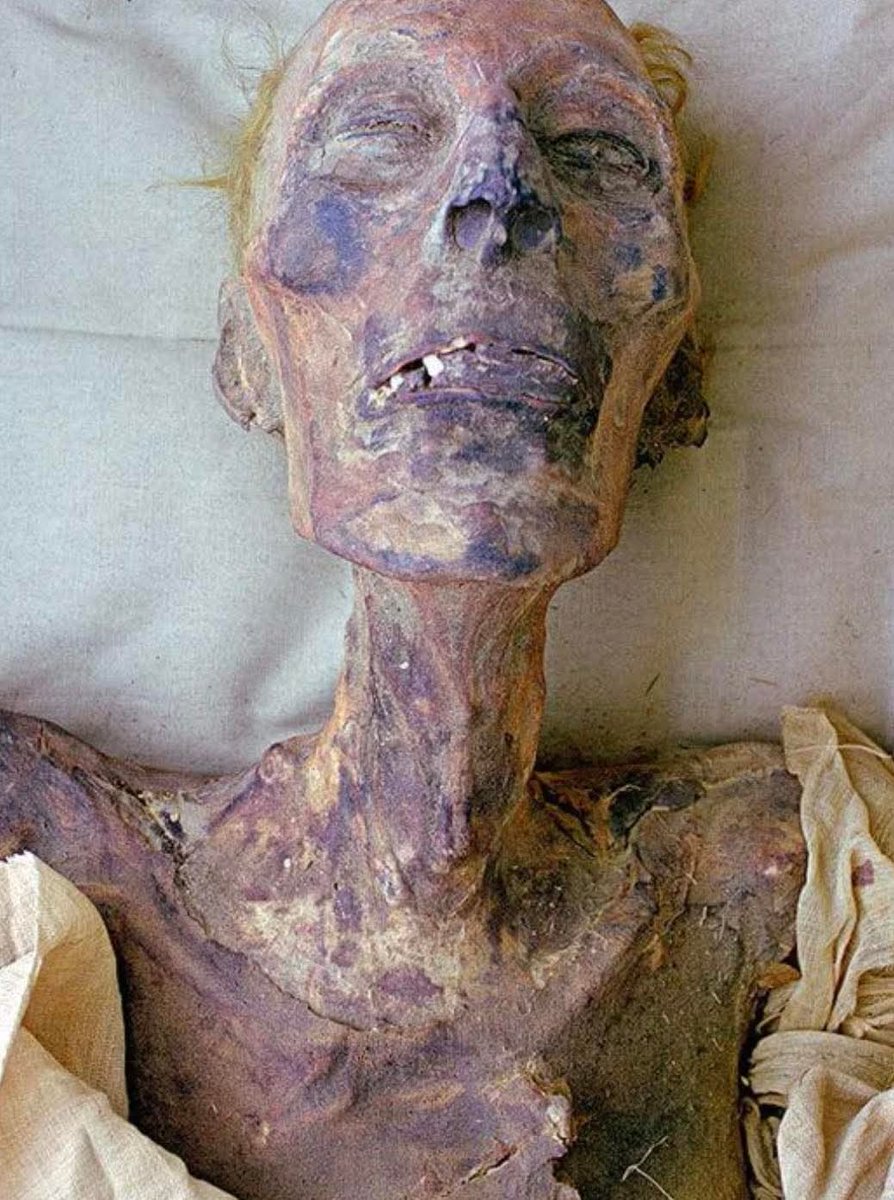
The Mummy of Ramesses II, also known as Ramesses the Great .... Ramesses was one of the most powerful and long reigning rulers in ancient Egyptian history. Ramesses II ruled for approximately 66 years during the 13th Century BC, and became a symbol of imperial strength, monumental architecture, and divine kingship. He led numerous military campaigns, most famously against the Hittites at the Battle of Kadesh, and commissioned an extraordinary number of temples, statues, and monuments across Egypt, including Abu Simbel and the Ramesseum. The condition of his mummy reflects both advanced embalming practices and the turbulent history of royal burials in ancient Egypt. Like many pharaohs, Ramesses II was reburied multiple times by priests attempting to protect his remains from tomb robbers. His body was eventually hidden in a royal cache at Deir el Bahari, where it remained undisturbed for centuries before its rediscovery in the 19th century. Modern scientific studies have revealed remarkable details about his life. Analysis suggests he lived into his late 80s or early 90s, an exceptional lifespan for the ancient world. His preserved facial features closely resemble statues made during his reign, offering a rare and direct link between ancient art and the physical reality of one of history’s most famous rulers. In 1976, Ramesses II’s mummy was flown to France for conservation and was issued an official Egyptian passport that listed his occupation as “King (deceased).” #archaeohistories
Archaeo - Histories tweet media
English
243
170
1.1K
144.4K
Swimming
Swimming@MokaPearl·
@retiredshelly @richbonds63 @archeohistories Yes yes. We are all sons/daughters of God. I’m hoping women are worthy of life after earth life. Hoping it’s only human men who are misogynists writing all this stuff (God=He) & not actually the “God” - who doesn’t identify as any sort of sexual thing. Female prophets ignored.
English
0
0
0
11
Soulriser11
Soulriser11@ToniVieira82300·
@richbonds63 @archeohistories Jesus was a ascended master much like many other teacher that walked the earth with a message that We are made from god and you find divinity inside of yourself, not threw a middle man, not in a building, not in a book and that message was dangerous so they killed him
English
1
0
1
90
Swimming
Swimming@MokaPearl·
@richbonds63 @archeohistories Didn’t Jesus pray to his “father”? Wasn’t he a god, too? Father of god must be a god, right? Allah is the Arabic word for God. Mohamed was the man who was the prophet of God/Allah. He transmitted the message from God/Allah, like Abraham, Moses, etc. Mohamed didn’t claim to be god
English
0
0
1
35
Richard Bonds
Richard Bonds@richbonds63·
@archeohistories There is only one god the lord Jesus Christ. Allah is not god he was just a man that like children
English
24
1
75
5.9K
Swimming
Swimming@MokaPearl·
@archeohistories Archaeo - Histories, it must be disheartening to get some of these comments when you put much effort into creating informative articles about ancient subjects. I will only read the articles. Forget the garbage. Thanks
English
0
0
0
17
Swimming
Swimming@MokaPearl·
@archeohistories Such a big deal about his hair colour! Since he was into 80s-90s as article says, he was probably all gray. whole body was soaked in chemicals for preservation, then oils applied, then a sort of brown bitumen applied. These things stained the hair probably. OR 90 yr old redhead.
English
0
1
9
1.5K
Swimming
Swimming@MokaPearl·
@archeohistories Thank you for this very interesting article. R.A. Schwaller de Lubicz lived in Egypt & studied the temples & beliefs for 17 yrs. His books explain much. Semites invaded Egypt & when got kicked out took same religion, became Jews then it went to Christians to Muslims.
English
0
0
2
1.2K