monosov_lab

2.8K posts

monosov_lab

monosov_lab

@MonosovLab

algorithms & circuits of decision making, motivation, emotion, and biological and artificial learning at Johns Hopkins

Baltimore, MD, USA Katılım Temmuz 2016
299 Takip Edilen1.8K Takipçiler
Sabitlenmiş Tweet
monosov_lab
monosov_lab@MonosovLab·
How do non-neuronal CNS cells called astrocytes contribute to cognition & computation? See our preprint Headed by my students Julia Pai and Fatih Sogukpinar, also working with Hiratani, Pignatelli, Papouin, Frank, and Ching labs. This was a huge effort biorxiv.org/content/10.110…
English
1
7
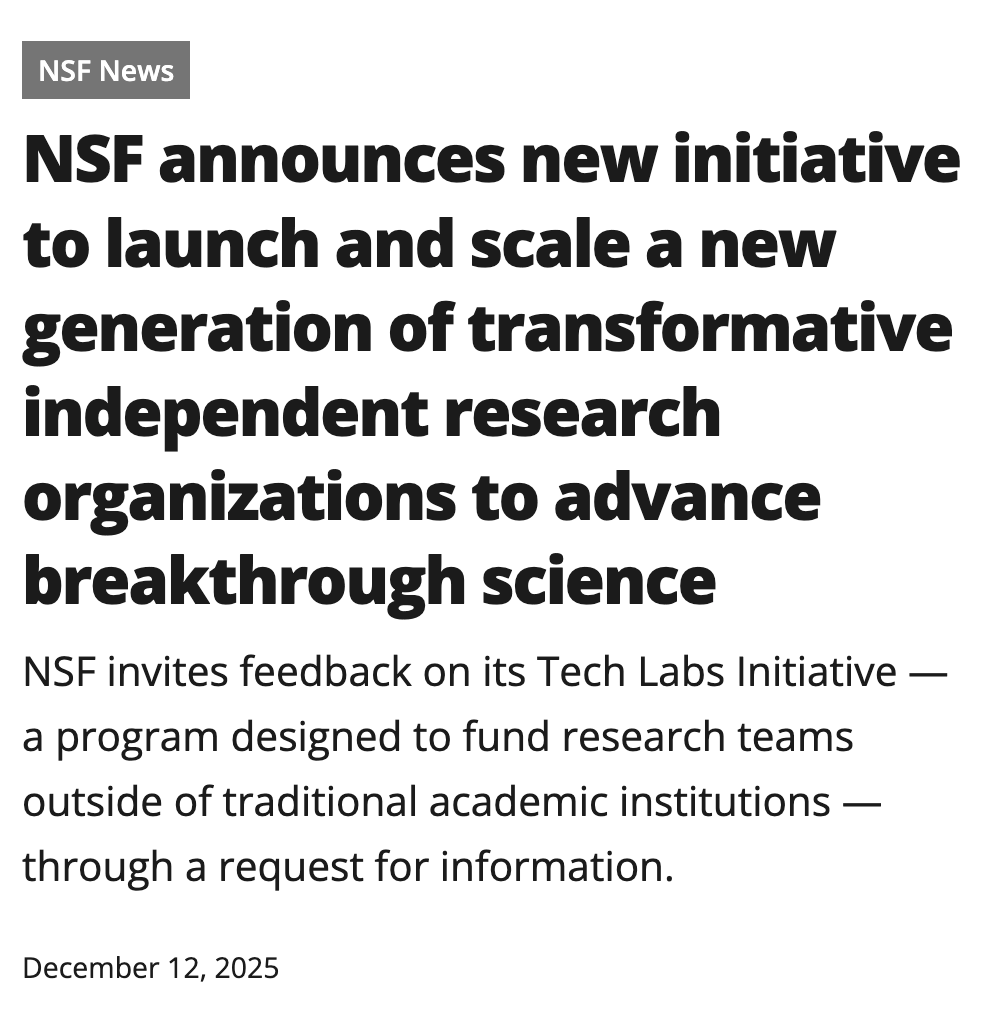
16
2.8K
monosov_lab retweetledi
Denis Wirtz
Denis Wirtz@deniswirtz·
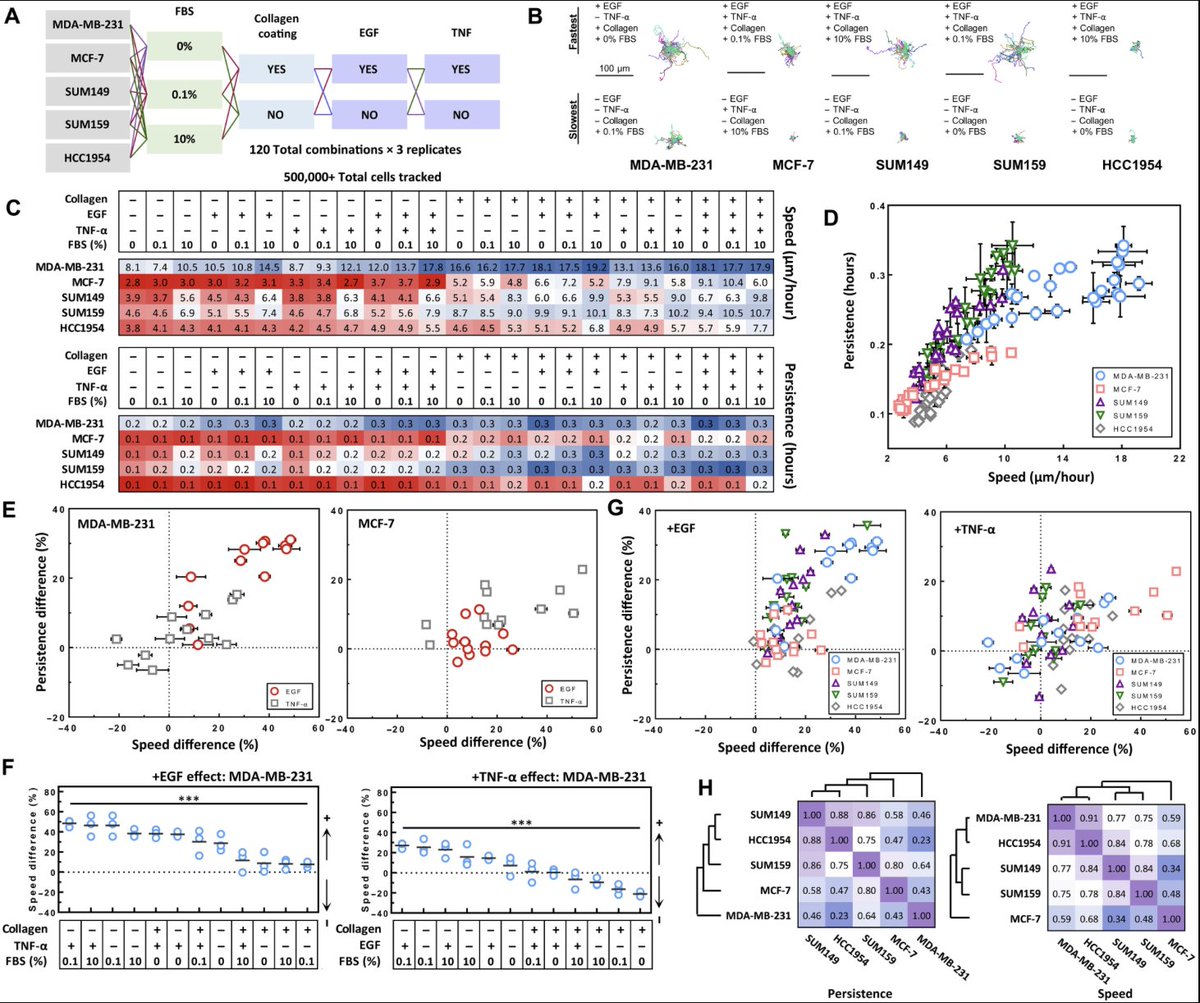
We have developed a new AI-based assay to rapidly identify new molecular targets to inhibit cancer cell migration and metastasis. See more details here: science.org/doi/10.1126/sc…
Denis Wirtz tweet media
English
1
33
118
17K
monosov_lab retweetledi
Dingchang Lin
Dingchang Lin@DingchangLin·
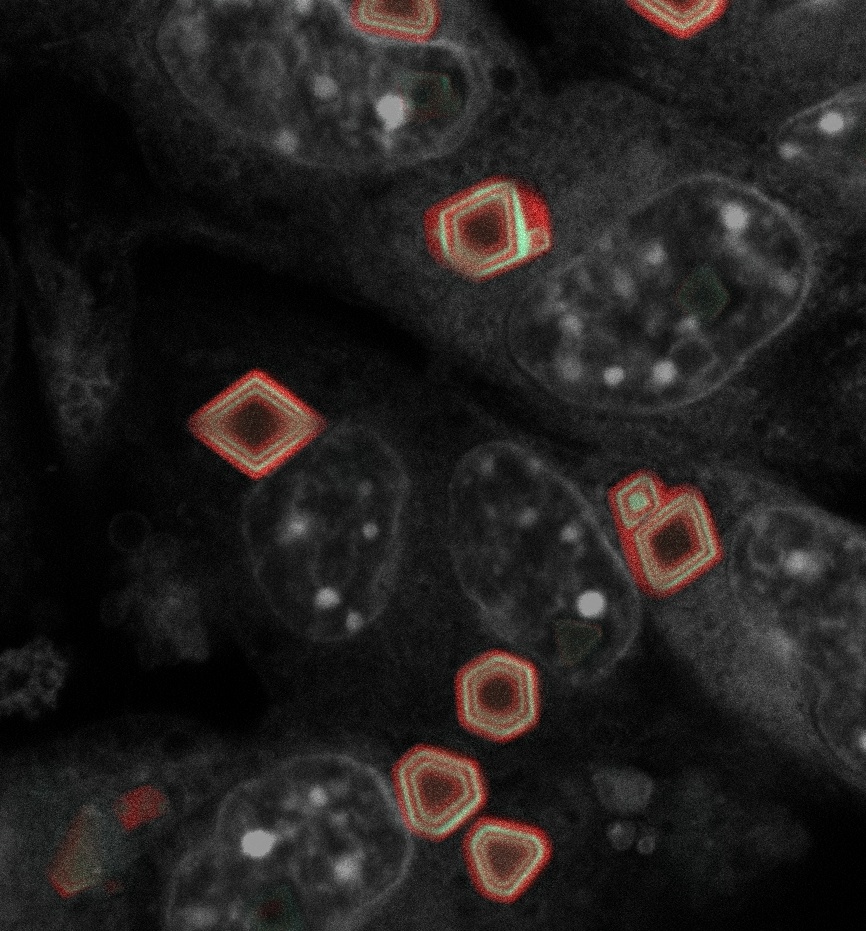
🚨 Today in @Nature, we report GEMINI—a genetically encoded intracellular memory device that writes cellular dynamics into tree-ring-like fluorescent patterns within cytoplasmic protein assemblies.[1/n] nature.com/articles/s4158…
Dingchang Lin tweet media
English
37
298
1.2K
143.8K
monosov_lab
monosov_lab@MonosovLab·
@drugmonkeyblog could you give post the link to read about this? the one you posted in the comments appears to be broken. thnx
English
0
0
1
578
Drug Monkey
Drug Monkey@drugmonkeyblog·
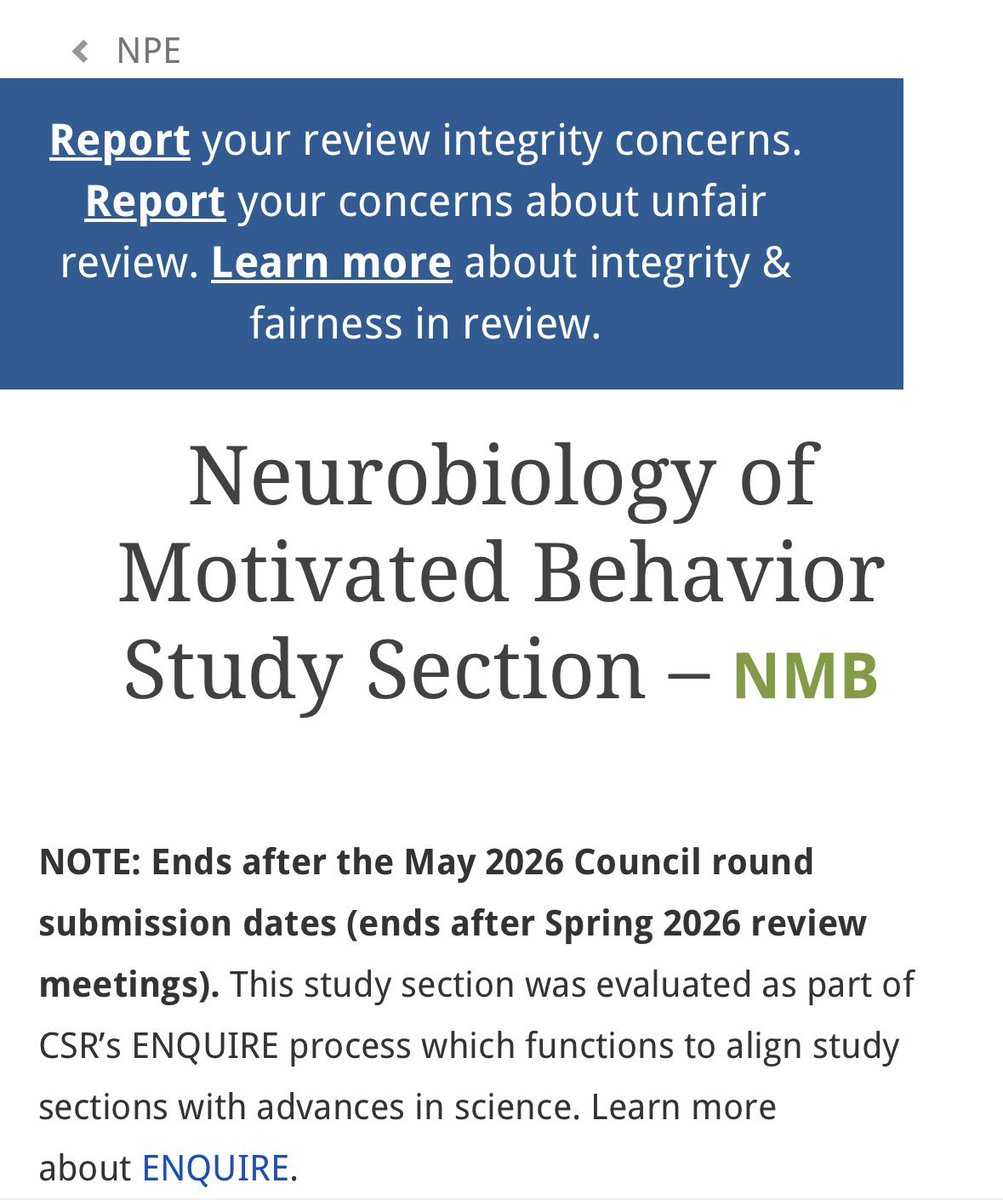
NIH is shutting down some study sections. E.g.,
Drug Monkey tweet mediaDrug Monkey tweet mediaDrug Monkey tweet media
English
3
12
33
9.8K
monosov_lab retweetledi
Lindsay Halladay
Lindsay Halladay@LindsayHalladay·
Congratulations to Olena, Andrew, and the rest of our incredible team! These exciting findings challenge neuron-centric models of fear - take a look! nature.com/articles/s4158…
English
1
19
73
7.4K
monosov_lab retweetledi
monosov_lab
monosov_lab@MonosovLab·
! New paper from the lab ! How does novelty impact value-based decision making ? What are the circuits and what mechanisms do they implement? Congratulations to Dr. Takaya Ogasawara and team cell.com/neuron/fulltex…
English
1
12
46
6.3K
monosov_lab retweetledi
Mackenzie Weygandt Mathis, PhD
Mackenzie Weygandt Mathis, PhD@TrackingActions·
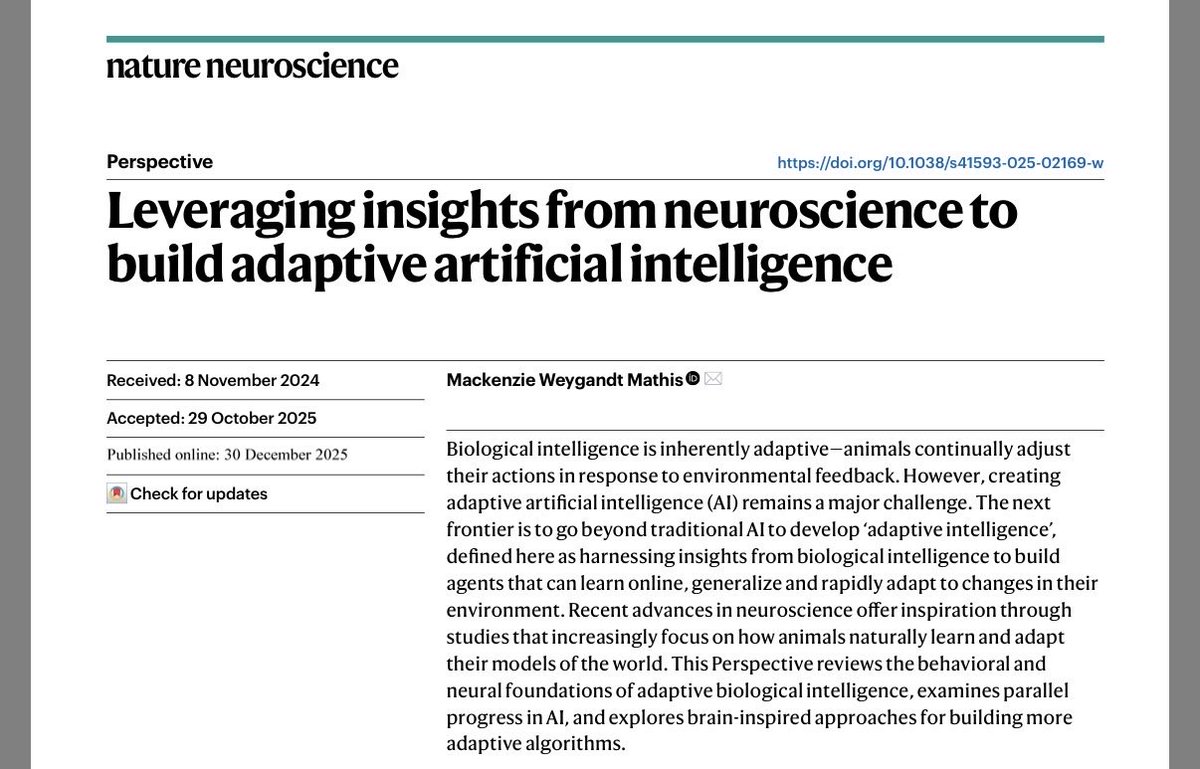
Interested in the latest advances in neuroscience (neural dynamics and internal models) and how they can be leveraged to build smarter, adaptive AI? ➡️ My first real solo piece 🖤🫶 @NatureNeuro rdcu.be/eWVmA
Mackenzie Weygandt Mathis, PhD tweet media
English
5
91
445
26.9K
monosov_lab retweetledi
Neuron
Neuron@NeuroCellPress·
Online now: How heterogeneity shapes dynamics and computation in the brain dlvr.it/TQ4ccQ
Neuron tweet media
English
1
38
150
10.6K
monosov_lab
monosov_lab@MonosovLab·
@calebwatney @calebwatney what about institutes within universities that are pointed and have clear leadership? Also where in the “need to understand -> understanding -> building/rolling out ” continuum do you envision this mechanism being most useful?
English
0
0
0
170
Caleb Watney
Caleb Watney@calebwatney·
NSF is launching one of the most ambitious experiments in federal science funding in 75 years. The program is called Tech Labs, and the goal is to invest ~$1 billion to seed new institutions of science and technology for the 21st century. Instead of funding projects, the NSF will fund teams. I’m in the @WSJ today with a piece on why this matters (gift link): wsj.com/opinion/scienc… Here’s the basic case: 1) Most federal science funding takes the form of small, incremental, project-based grants to individual scientists at universities. 2) The typical NSF grant is ~$250k/year to a professor with a couple of grad students and modest equipment over a few years. This is a perfectly reasonable way to fund some science, but it's not the only way. 3) A healthy portfolio needs more than one instrument. Project-based grants are like bonds: low-risk, steady, safe. But no one trying to maximize long-run returns would put 70% of their portfolio in bonds. 4) Yet that's basically what our civilian science funding portfolio looks like. Around 3/4ths of NSF and NIH grant funding is project-based. 5) Tech Labs is NSF's attempt to diversify that portfolio. The Tech Labs program is aiming for: - $10-50 million/year awards per team - 5+ year commitments - Measuring impact through advancement up the Tech Readiness Level scale rather than papers published - Up to ~$1 billion for the program - Supporting research orgs outside traditional university structures 6) Scientific production looks very different than it did when the NSF launched 75 years ago. The lone genius at the chalkboard can only do so much. Frontier science + tech today is increasingly team-based, interdisciplinary, and infrastructure-intensive. 7) The team behind AlphaFold just won the Nobel Prize in Chemistry. It came from DeepMind, an AI lab with sustained institutional funding and full-time research teams. It would be near-impossible to fund this kind of work on a 3-year academic grant. 8) Same pattern at the @arcinstitute (8-year appointments, cross-cutting technical support teams) and @HHMIJanelia (massive infrastructure investments to map the complete fly brain). Ambitious science increasingly needs core institutional support, not a series of project grants stapled together. 9) Similarly, Focused Research Organizations (@Convergent_FROs) have showcased a new model supporting teams with concrete missions and predefined milestones to unlock new funding. 10) There’s a whole ecosystem of philanthropically-supported centers doing amazing research, like the Institute for Protein Design, the Allen Institute, the Flatiron Institute, the Whitehead Institute, the Wyss Institute, the Broad — the list goes on. 11) But philanthropy can’t reshape American science alone. The federal government spends close to $200 billion each year on research and development, an order of magnitude more than even the largest foundations. 12) If we want to change how science gets done at scale, federal funding has to evolve. And the NSF and NIH don’t have dedicated funding mechanisms to support or seed these sorts of organizations. 13) Earlier this year, I started working on a related framework called “X-Labs” that built on all this exciting institutional experimentation that’s been happening within the private and philanthropic sectors. It’s time for the federal government to step into the arena: rebuilding.tech/posts/launchin… 14) Traditional university grants are still important for training the next generation of scientists and for certain kinds of curiosity-driven work. But after 75 years of putting nearly everything into one model, we should try something different. 15) And key program details are still being developed! You can reply to the Request for Information with suggestions or feedback on how to design this program here: nsf.gov/news/nsf-annou… 16) Science is supposed to be about experimentation. Science funding should be too.
Caleb Watney tweet media
English
77
374
1.4K
698.6K
monosov_lab retweetledi
Stanford Medicine
Stanford Medicine@StanfordMed·
Our community mourns the loss of Nolan Williams, MD, an innovative neuroscientist whose rapid-acting treatments for severe depression brought relief to patients struggling with serious mental illness. stan.md/3KBMSRX
Stanford Medicine tweet media
English
0
76
655
138.3K
monosov_lab
monosov_lab@MonosovLab·
@jonykipnis It’s very much a systems-level approach to the problem (still).
English
0
0
1
136
monosov_lab
monosov_lab@MonosovLab·
How do non-neuronal CNS cells called astrocytes contribute to cognition & computation? See our preprint Headed by my students Julia Pai and Fatih Sogukpinar, also working with Hiratani, Pignatelli, Papouin, Frank, and Ching labs. This was a huge effort biorxiv.org/content/10.110…
English

1
7
16
2.8K
monosov_lab
monosov_lab@MonosovLab·
@jonykipnis @Pignatelli_Lab they often do have agenda or a program - e.g., like if donor wants to fund particular style of research. Also, they may be optimizing for time spent (takes time to get reviews out). transparency is always best on front end, thats for sure
English
0
0
1
27
Jonathan Kipnis 🟦
Jonathan Kipnis 🟦@jonykipnis·
Since when did it become a norm that reviewers' comments are not shared with the authors of grant proposals? If you run a major foundation/agency and are not willing to share reviewers' comments, then your review process is likely dishonest. I decided that I will not be applying for grants if I cannot see a feedback. If only all of us did that, this horrible practice would cease immediately.
English
3
4
63
7.1K
Marco Pignatelli
Marco Pignatelli@Pignatelli_Lab·
@MonosovLab @jonykipnis Not in my experience. Some foundations (I am not going to say which one) give you feedback from extremely competent reviewers. Comments of this kind: "Based on a quick scan on the literature the proposed work looks too easy to be true". (true story) 😂
English
1
0
0
78
monosov_lab
monosov_lab@MonosovLab·
issues r of architecture (u cant solve the problem by pilling perceptrons) , algorithm (we don't understand algorithms that govern behavior), & that NN units r not neurons (and they may not have to be, BUT current setup is likely not ideal). So, I agree with this article...
Michael Platt@MichaelLouisPl1

@CoryMillerMarmo nails it. Human brains outperform AI while running on the power of a 20 watt light bulb. It's not all about sheer compute but design for efficiency and generalizability. We need to study natural Intelligence to optimize artificial intelligence.

English
0
1
3
695