Dingchang Lin

193 posts

Dingchang Lin

Dingchang Lin

@DingchangLin

Asst. Prof @JohnsHopkins; Broadly interested in neurotechnology, genetically encoded tools, and materials science.

Katılım Şubat 2020
629 Takip Edilen1.7K Takipçiler
Sabitlenmiş Tweet
Dingchang Lin
Dingchang Lin@DingchangLin·
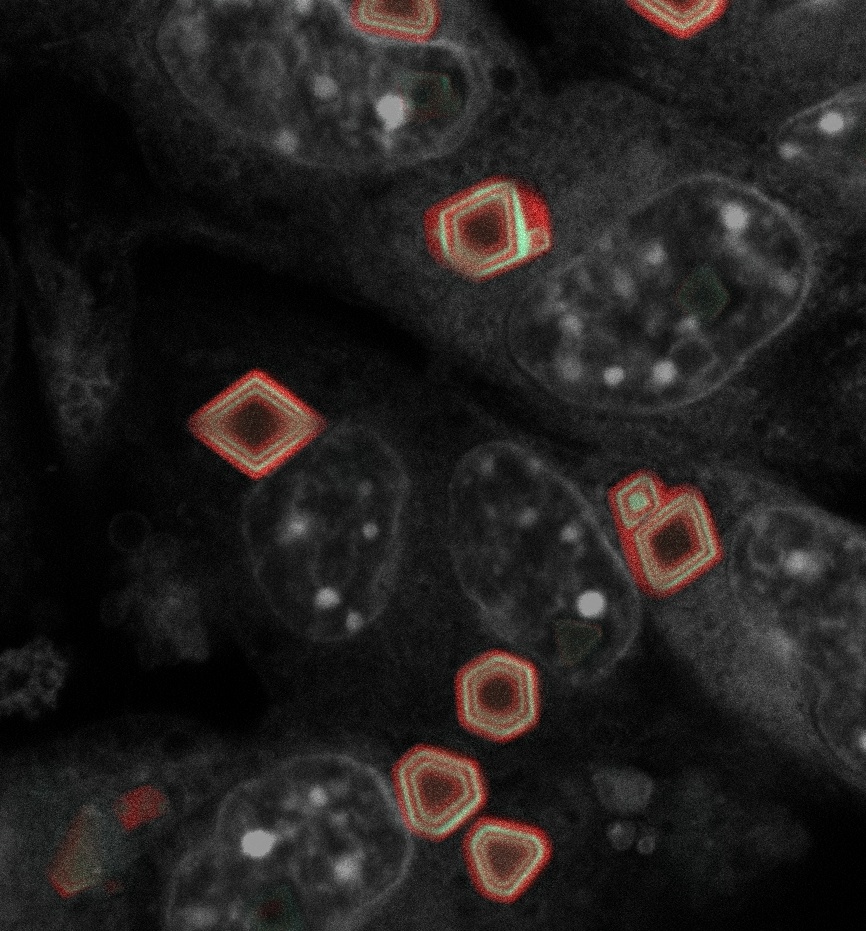
🚨 Today in @Nature, we report GEMINI—a genetically encoded intracellular memory device that writes cellular dynamics into tree-ring-like fluorescent patterns within cytoplasmic protein assemblies.[1/n] nature.com/articles/s4158…
Dingchang Lin tweet media
English
37
298
1.2K
143.8K
Dingchang Lin retweetledi
Yulong Li Lab
Yulong Li Lab@yulonglilab·
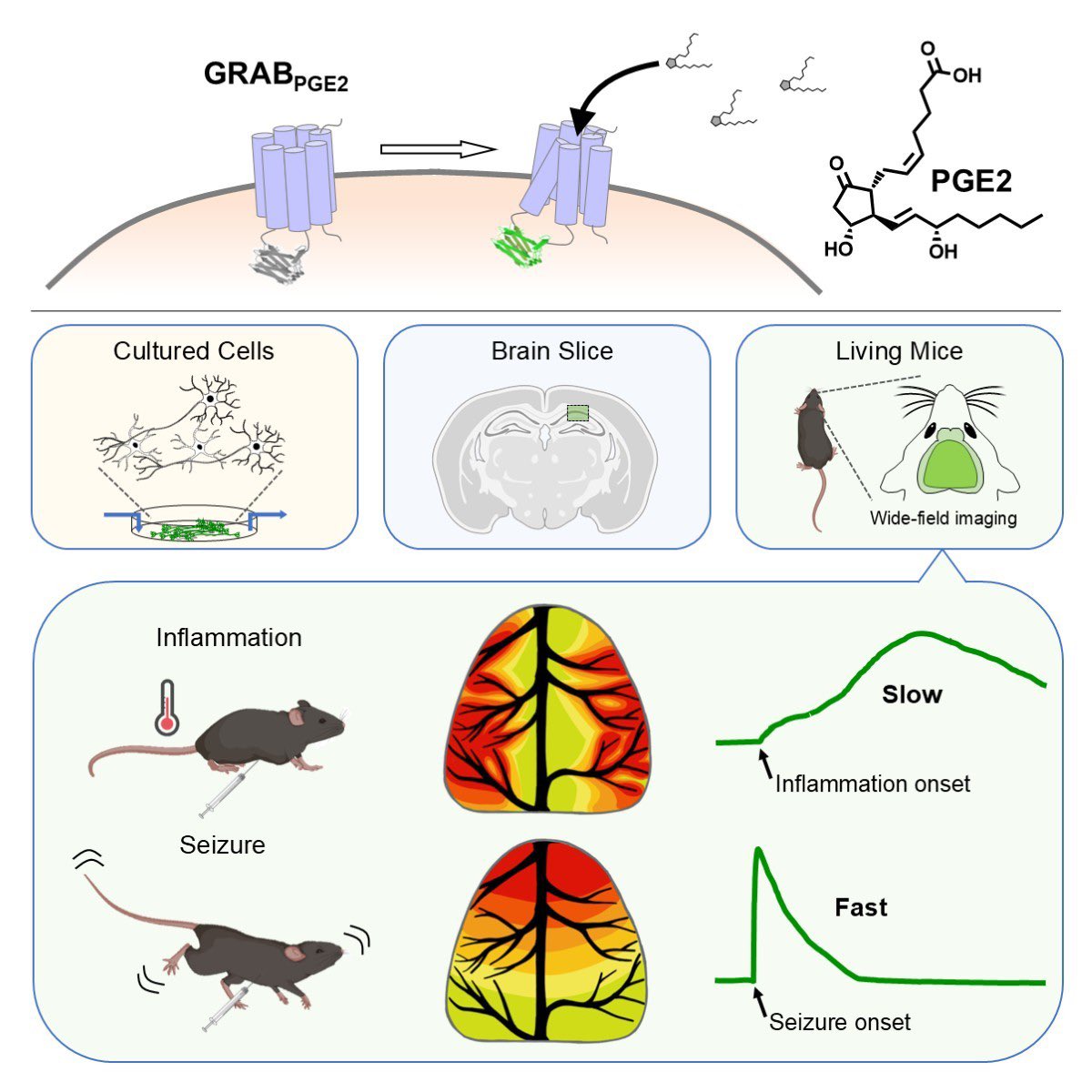
Excited to share our new paper on GRAB_PGE2-1.0, the first genetically encoded fluorescent sensor for monitoring spatiotemporal prostaglandin E2 (PGE2) dynamics in vivo! It enables real-time imaging in cultured cells, acute brain slices, and living mice.
Yulong Li Lab tweet media
English
2
17
126
5.8K
Dingchang Lin retweetledi
Denis Wirtz
Denis Wirtz@deniswirtz·
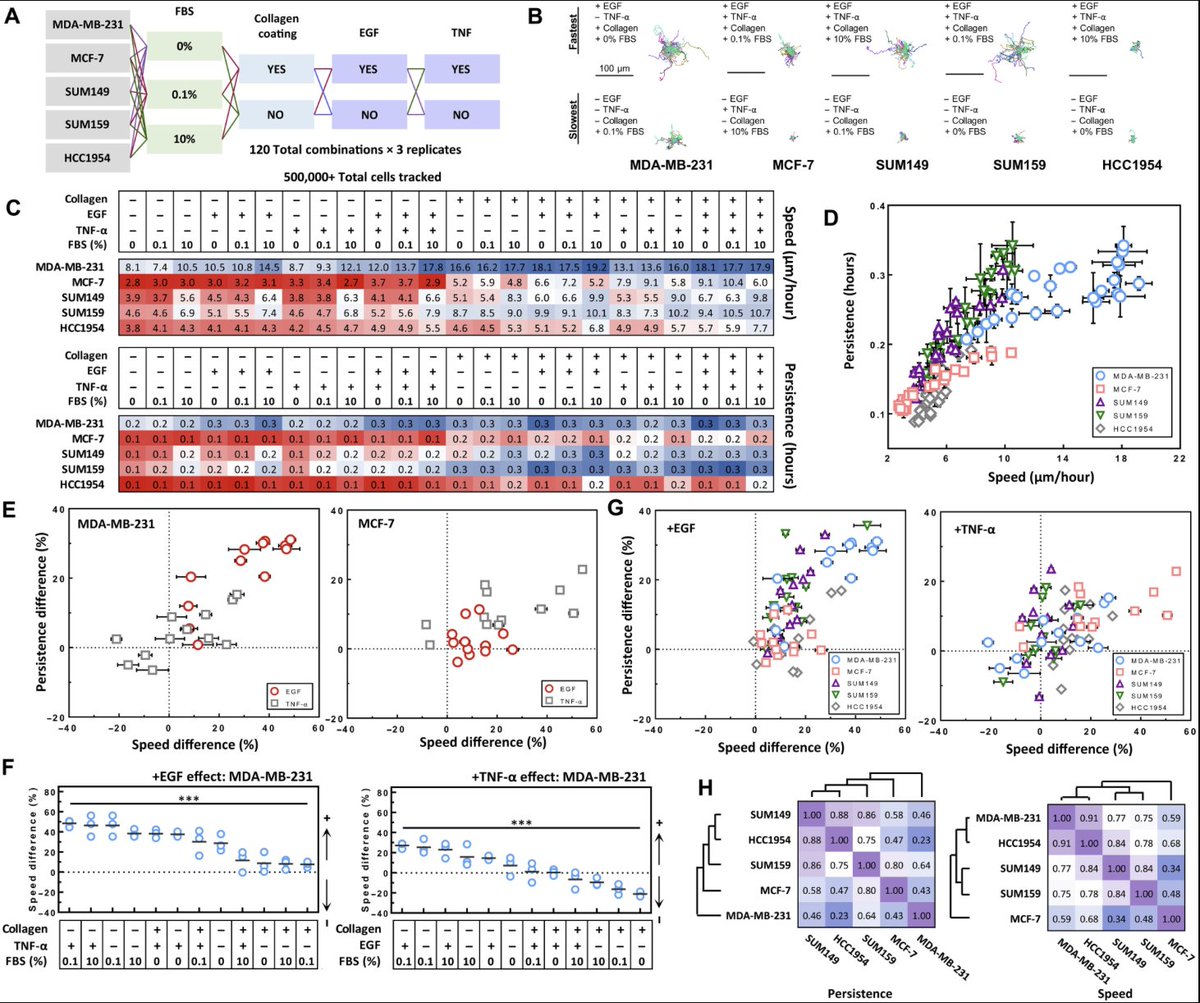
We have developed a new AI-based assay to rapidly identify new molecular targets to inhibit cancer cell migration and metastasis. See more details here: science.org/doi/10.1126/sc…
Denis Wirtz tweet media
English
1
33
118
17K
Dingchang Lin
Dingchang Lin@DingchangLin·
🚨 Today in @Nature, we report GEMINI—a genetically encoded intracellular memory device that writes cellular dynamics into tree-ring-like fluorescent patterns within cytoplasmic protein assemblies.[1/n] nature.com/articles/s4158…
Dingchang Lin tweet media
English
37
298
1.2K
143.8K
Dingchang Lin
Dingchang Lin@DingchangLin·
@N_Rajewsky Sorry we are unable to share more details about our ongoing research in this open channel. But we are willing to share offline if you are interested.
English
0
0
1
48
Dingchang Lin
Dingchang Lin@DingchangLin·
@N_Rajewsky e.g. we are currently using GEMINI to study signaling dynamics in tumors w/wo drug treatment
English
1
0
0
69
Nikolaus Rajewsky
Nikolaus Rajewsky@N_Rajewsky·
@DingchangLin would be good to understand the “fundamental understandings” a bit better-thank you.
English
1
0
0
56
Dingchang Lin
Dingchang Lin@DingchangLin·
@N_Rajewsky Push the technology to broader applications (recording more different stuffs and being used beyond our lab) and also to advance fundamental understandings.
English
1
0
1
93
Nikolaus Rajewsky
Nikolaus Rajewsky@N_Rajewsky·
@DingchangLin what do you mean by “push this technology”- to push your paper or to understand something? thank you.
English
1
0
0
176
Patrick Hsu
Patrick Hsu@pdhsu·
Computationally designed “tree rings” for recording cellular history 🤯 I love synthetic biology inspired by mother nature’s tricks. Congrats to the authors
Dingchang Lin@DingchangLin

🚨 Today in @Nature, we report GEMINI—a genetically encoded intracellular memory device that writes cellular dynamics into tree-ring-like fluorescent patterns within cytoplasmic protein assemblies.[1/n] nature.com/articles/s4158…

English
3
10
189
24.1K
Dingchang Lin retweetledi
Patrick Hsu
Patrick Hsu@pdhsu·
Evo 2, our fully open-source biological foundation model trained on trillions of DNA tokens spanning the entire tree of life, is out in @Nature today We & the scientific community have done a lot with this @arcinstitute @nvidia model in the last year! 🧵👇
English
55
320
2K
241.3K
Bo Wang
Bo Wang@BoWang87·
A new Nature paper from Johns Hopkins (by Prof. Lin @DingchangLin ) just solved one of the hardest problems in biology: how do you record what every cell in a tissue experienced over time, not just what it looks like right now? The answer: GEMINI — Granularly Expanding Memory for Intracellular Narrative Integration. It works exactly like tree rings. Cells are genetically engineered to express a computationally designed protein assembly. As the assembly grows inside the cell, it captures cellular activity as fluorescent ring patterns — each ring a timestamp, each ring's properties encoding signal intensity. Look at a cross-section under a microscope and you can read the cell's history backward, with ~15-minute resolution. The key: cells build the recorder themselves. GEMINI doesn't interfere with normal function — it just quietly writes. What they demonstrated: In a full tumor xenograft, GEMINI captured every cancer cell's activity history across the entire tumor while it continued to grow normally. For the first time, researchers can look back and see how different regions of the same tumor responded differently to therapy over time — not snapshots, but film. In a mouse brain, GEMINI recorded neural activity dynamics without disrupting behavior, coordination, or memory. It could temporally resolve the history of a brain seizure. Why this matters: Every tool we have in biology gives you state — what the cell looks like now. Sequencing, imaging, proteomics — all snapshots. GEMINI gives you trajectory. It's the difference between a photograph and a video, applied to every cell in an organ simultaneously. The team is explicit that AI-based decoding tools will be central to reading GEMINI's output at whole-brain scale. This is the data layer that makes temporal single-cell atlases possible. Paper: nature.com/articles/s4158… Congratulations @DingchangLin
English
16
127
664
84.1K
Michael R. Kessler
Michael R. Kessler@MikeKesslerPhD·
Just published in Nature. Shout out to Johns Hopkins MSE Professor @DingchangLin and his team for developing a new intracellular recording platform that forms “molecular tree rings” inside cells, capturing cellular histories at scale. Learn more: inbt.jhu.edu/researchers-in…
English
2
8
46
5.7K
Dingchang Lin
Dingchang Lin@DingchangLin·
Huge shoutout to the Janelia Open Chemistry program for developing and sharing the amazing Janelia Fluor dyes! They are essential for timestamping in GEMINI! [12/n]
English
1
1
21
2.3K