Miss Rabbit's Resume retweetledi
Miss Rabbit's Resume
2.7K posts

Miss Rabbit's Resume retweetledi

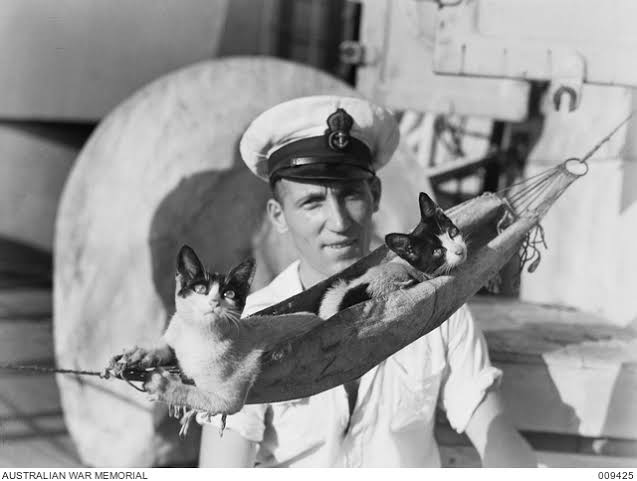
For as long as humans have sailed, rats have followed. They gnawed through rope and rigging, contaminated food stores, spread plague, and moved freely through the dark holds of wooden ships where no sailor wanted to reach.
The solution was obvious to anyone who had ever watched a cat work. By the time the ancient Egyptians were trading across the Mediterranean, cats were already traveling with them, brought aboard not as pets but as working animals with a job to do.
The practice spread from there to Greece, Rome, and eventually every seafaring civilization that followed.
But somewhere along the long centuries of maritime life, the practical became mystical. Sailors were among the most superstitious people in the ancient and medieval world, and it was not difficult to believe that an animal as observant and inscrutable as a cat was doing something more than hunting.
The belief system that grew around ship’s cats was elaborate and specific. A cat that approached a sailor on deck was a sign of good fortune.
One that came halfway and then turned back was an omen of disaster. If a cat fell overboard, intentionally or not, it was understood that a violent storm would follow, and if the ship somehow survived, nine years of misfortune still awaited.
Throwing one over was essentially considered an act of deliberate self-destruction.
Cats were also believed to carry weather knowledge that humans simply lacked. If a cat licked its fur against the grain, a hailstorm was coming. If it sneezed, rain.
If it became unusually restless and wild, wind was on the way. These were not random beliefs. Cats are genuinely sensitive to changes in atmospheric pressure, and sailors who observed them closely enough over years at sea may have noticed real correlations between feline behavior and shifting weather.
Superstition and practical observation had quietly merged into the same tradition.
Some of the most striking ship’s cat stories come from the 20th century.
A cat named Simon served aboard the British warship HMS Amethyst during the 1949 Yangtze Incident, when the ship came under sustained Chinese Communist fire and was trapped for three months on a hostile river.
Simon kept hunting rats throughout the siege, visited wounded sailors in the medical bay, and was credited with maintaining crew morale through one of the Royal Navy’s most harrowing postwar ordeals.
He was formally awarded the Dickin Medal, the animal equivalent of the Victoria Cross. Then there was Oscar, who survived the sinking of the German battleship Bismarck, was rescued by a British destroyer, survived the sinking of that ship too, and then survived the sinking of HMS Ark Royal shortly after.
He was eventually retired to shore duty in Gibraltar with six theoretical lives remaining, and spent his final years at a home for sailors in Belfast.
#drthehistories

English
Miss Rabbit's Resume retweetledi

Sensational that the last vestiges of duty to the British Empire means going out into your garden to check whether a large, geriatric reptile is dead or not,
Helena Horton@horton_official
The governor of St Helena just told me he went outside to check on the tortoise, who was sleeping as it is past his bedtime, but he is very much alive.

English
Miss Rabbit's Resume retweetledi

@RaminNasibov There are some people: Santa, the tooth fairy and Banksy who are just better off unseen. Why spoil the fun!
English
Miss Rabbit's Resume retweetledi

Johan, from the stables

Pop Base@PopBase
Twitter turns 20. What is your favorite tweet of all time?

English
Miss Rabbit's Resume retweetledi

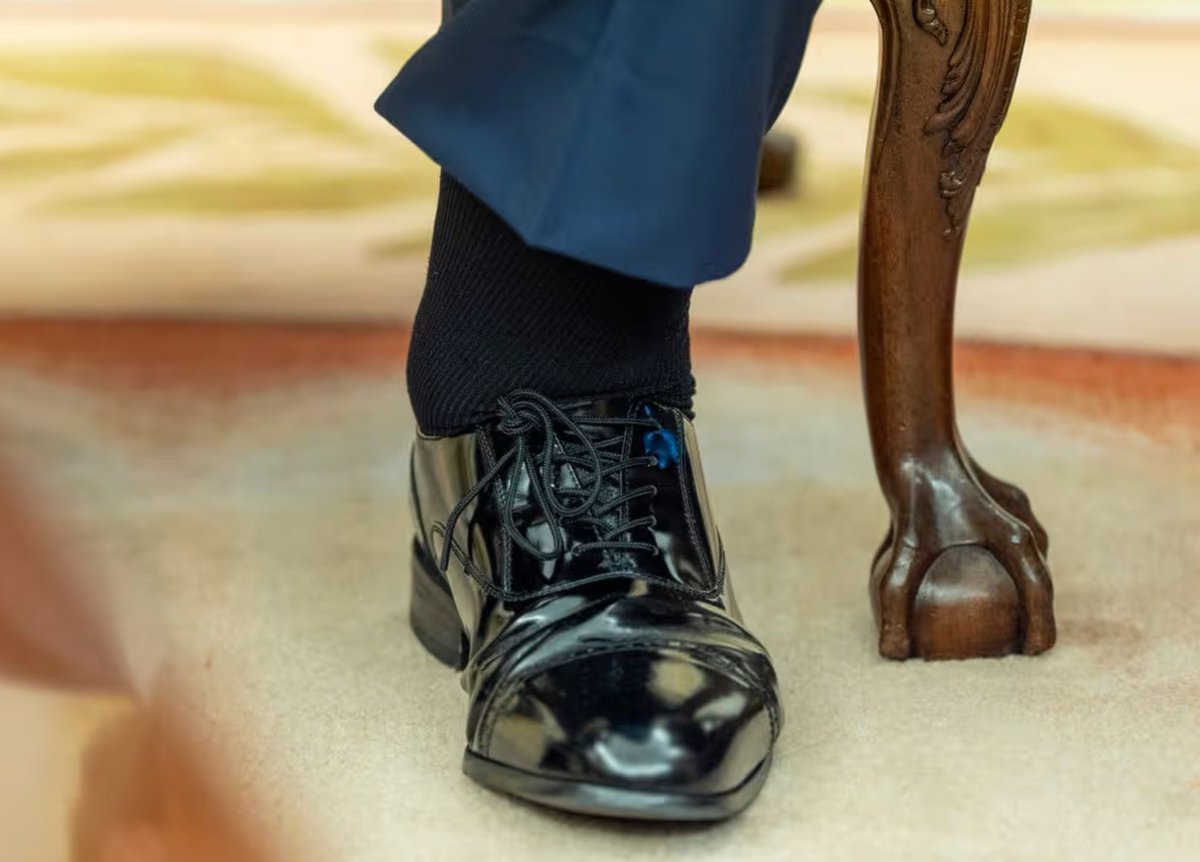
@Mollyploofkins Has he got tiny feet as well as tiny hands?
English