Hello, PhD

29.1K posts

Hello, PhD banner
Hello, PhD

Hello, PhD

@MrFreeFighter

Tājik | Geopolitics | History

Khorasan Katılım Kasım 2021
886 Takip Edilen6.1K Takipçiler
Sabitlenmiş Tweet
Hello, PhD
Hello, PhD@MrFreeFighter·
Embrace your roots.
English
78
131
814
0
Hello, PhD
Hello, PhD@MrFreeFighter·
@Barmakf The Arabs weren't armed, funded and backed by the Byzantine Empire. Would Afghanistan exist had the British not toppled Kalakani, or the Americans rushing in to install Karzai-Ghani after assassinating Massoud. Persians of Khorasan are better off learning English.
English
0
0
12
510
Barmak Farsiwan
Barmak Farsiwan@Barmakf·
پیشنهاد جدی به فارسی‌زبانان افغانستان: پشتو بیاموزید چرا آموختن پشتو می‌تواند ابزار شکستن ستم قبیله‌ای در افغانستان باشد تاریخ بارها نشان داده است که تحمیل یک زبان بر مردمی که زبان مادری‌شان نیست، الزاماً به تثبیت سلطه نمی‌انجامد؛ بلکه اغلب همان مردم را به ابزارهای فکری و زبانی مجهز می‌کند که در نهایت علیه قدرتِ تحمیل‌کننده به کار می‌رود. هنگامی که عرب‌ها زبان عربی را بر مردم خراسان تحمیل کردند، خراسانیان آن را آموختند، بر آن مسلط شدند و چند دهه بعد، همین توان زبانی را برای به چالش کشیدن سلطهٔ سیاسی عرب و بیرون راندن آنان از خراسان به کار گرفتند. عربی از ابزار سلطه به ابزار مقاومت تبدیل شد. در دوران استعمار، بریتانیا زبان انگلیسی را به‌عنوان زبان اداری و آموزشی بر هندوستان تحمیل کرد. اما یک قرن بعد، هندی‌ها با همان زبان، گفتمان ضداستعماری ساختند، سازمان‌دهی سیاسی کردند، با جهان ارتباط گرفتند و در نهایت استعمار بریتانیا را از شبه‌قاره بیرون راندند. این الگو محدود به این دو نمونه نیست: در شمال آفریقا، نخبگان الجزایر و تونس با استفاده از زبان فرانسوی، جنایات استعمار را افشا کردند و حمایت بین‌المللی علیه فرانسه بسیج نمودند. در آمریکای لاتین، مردمان بومی و کرئول‌ها زبان اسپانیایی را آموختند و با همان زبان، امپراتوری اسپانیا را فروپاشاندند و دولت‌های مستقل بنا کردند. در اروپای شرقی و آسیای مرکزی، تحمیل زبان روسی در دوران شوروی نسل‌هایی را پرورش داد که بعدها با همان زبان، استقلال‌طلبی را سازمان‌دهی کردند و از سلطهٔ مسکو خارج شدند. درس تاریخ روشن است: زبانی که برای سلطه تحمیل می‌شود، اغلب به ابزار رهایی تبدیل می‌گردد. تحمیل زبان، هویت را نابود نمی‌کند؛ بلکه آن را تیزتر، آگاه‌تر و مقاوم‌تر می‌سازد. زبان زنجیر نیست زیرا زبانی که آموخته شود، دیگر در مالکیتِ حاکم باقی نمی‌ماند. پس بیایید پشتو را بیاموزیم؛ نه برای تسلیم، بلکه برای آگاهی، افشا و مقاومت، و برای مبارزه با فرهنگ قبیله‌ای و ستم قومی.
Barmak Farsiwan tweet media
فارسی
19
0
29
4.1K
Hello, PhD
Hello, PhD@MrFreeFighter·
The American CIA flies in both Karzai and Ghani in 2001, just as the British brought Nadir Shah after toppling Tajik Habibullāh Kalakāni. Without foreign backing and imposition there would be no such thing as Afghan Pashtun rule, even with worthless traitors like Saleh. Afghanistan itself exists only because foreign powers want it to exist, not due to organic local power.
Hello, PhD tweet media
English
0
0
29
1.8K
Jan Achakzai / جان اچکزئی
No- they are not foreign‑imposed. They are Afghan/Pashtuns. Foreign powers may exploit them for short‑term advantage, but the real issue is Pashtun dominance—whether in the form of the Taliban, republicans, or other factions.  Outsiders strengthen, empower, or pit them against others depending on their own interests.   The Taliban are not new. As early as 1926 under Amanullah, they blocked women’s education, and a century later they continued the same practices.  This is a Pashtun‑grown phenomenon, effective because Pashtuns dominate the Afghan state and act as gatekeepers to other ethnic groups.   Yes, one could argue Pakistan has a strong establishment, which is why the Taliban have not taken over there. But in Afghanistan, Pashtuns themselves monopolize power as the de facto establishment, leaving minorities with only the scraps.   In 2021, neither the #US nor Pakistan imposed the Taliban. Afghan republicans surrendered power without resistance, even disarming a standing army in front of the Taliban—because Pashtuns did not want to fight fellow Pashtuns. Tajiks were represented by non-entities  Amrullah Saleh, Bismillah etc who without firing a shot fled like cowards.  No foreigner was ever going to fight on behalf of non‑Pashtuns nor is obliged to take care of their interests. Unless non‑Pashtun forces break this ethnic structure and dismantle their (Pashtuns) gatekeeper status, non-Afghans will continue blaming foreigners instead of confronting the internal imbalance and their shortcomings despite the claim of being majority population of Afghansitan-which is a fact though.
Hello, PhD@MrFreeFighter

How can Pakistan, or the region at large, ever see peace, when next door is ruled by such a mental illness. How can the 40 million hostages ever see peace, when the only criteria of the foreign-imposed Afghan Pashtun puppet rulers is "the national name and identity must be Afghan". The good news is that this issue, as the root cause to our region's existential problems, is being brought up, and the foreign-sponsored Afghan Pashtun minority are having to expose their true face. This primitive and monolithic face that leaves no room for anything civilized.

English
18
7
49
3.5K
Hello, PhD
Hello, PhD@MrFreeFighter·
Why should Pakistan and Pakistanis be my enemy. The nation of Pakistan and its people have shown nothing but respect and admiration for the Persian language and heritage. Persian is embraced in Pakistan with open arms, while in Afghanistan the primitive and barbaric Afghans dream of erasing this ancient civilization. The true enemy of Tajiks is the Afghaniat identity and ideology that attempts to erase the Persian heritage of Khorasan. Tajiks and Pakistanis know who our common enemy is.
Barmak Farsiwan@Barmakf

Pakistani 🇵🇰 professor of Persian literature, Dr. Uzma Z. Nazia of the University of the Punjab, speaks about her experience meeting little Agha Joya Jan from Kabul and the deep influence of Persian poetry on her culture. Dr. Nazia speaks Persian like a native speaker.

English
9
22
263
14.7K
Hello, PhD retweetledi
Barmak Farsiwan
Barmak Farsiwan@Barmakf·
Pakistani 🇵🇰 professor of Persian literature, Dr. Uzma Z. Nazia of the University of the Punjab, speaks about her experience meeting little Agha Joya Jan from Kabul and the deep influence of Persian poetry on her culture. Dr. Nazia speaks Persian like a native speaker.
English
11
45
374
34.6K
Hello, PhD
Hello, PhD@MrFreeFighter·
The Tajiks gave a million dead during the fight against Soviet in the 80s, most of northern and western afg which bore the front of the war was left in ruins. Finally when the war was over and the Tajiks were victorious, they established an Islamic government (not like Talibans tribal ethnocentric system) which was multi ethnic and according to sharia. However it was these Pashtuns, first gulbudin and secondly the Taliban, who waged a pointless unholy war which in Islam is called baghawat. This pointless unholy war caused further bloodshed and lives of 100s of 1000s innocent lives and caused further damaged the already war torn country. This war left the Tajiks weakened and tired, many had been fighting for 20-30 years of their lives at this point, and unlike the Pashtuns the Tajiks didn’t have a friendly neighbour to let them use their soil to regroup, rearm and attack again. Pakistan had given them this privilege (now they want to fight Pakistan), which many Pakistanis have realised was a big mistake on their behalf. And let’s not forget that during the American occupation only two groups had the freedom to operate inside Afghanistan/khorasan. One was their puppet regime and the other was Taliban. Americans never called the Taliban terrorists, rather as opposition or unhappy brothers. On the contrary they were calling the Tajik mujahideen as “warlords” and many of these great men were assasinated by “unknown gunmen” during the puppet republic. Saying that still many brave Tajik youth rose their voices and protested against the puppet Ghani/karzai and their American overlords, a lot of them were assassinated or met suicide bombers during protests, while the big American bases in qandahar and Helmand were left untouched. The soviets couldn’t even dream about opening a big base in the north during the 90s, casualty statistics of both wars will provide more on this.
English
3
7
50
2.2K
Hello, PhD
Hello, PhD@MrFreeFighter·
How can Pakistan, or the region at large, ever see peace, when next door is ruled by such a mental illness. How can the 40 million hostages ever see peace, when the only criteria of the foreign-imposed Afghan Pashtun puppet rulers is "the national name and identity must be Afghan". The good news is that this issue, as the root cause to our region's existential problems, is being brought up, and the foreign-sponsored Afghan Pashtun minority are having to expose their true face. This primitive and monolithic face that leaves no room for anything civilized.
English
6
8
79
7.1K
Hello, PhD retweetledi
Barmak Farsiwan
Barmak Farsiwan@Barmakf·
Keep your tribal identity and fake history to yourself.
Barmak Farsiwan tweet media
English
29
22
280
11.7K
Hello, PhD
Hello, PhD@MrFreeFighter·
پیام به فرزندان ایران از تاشقرغان تا تبریز
فارسی
0
2
21
1.4K
Hello, PhD
Hello, PhD@MrFreeFighter·
The Taliban are Afghan nationalists that follow the Afghanization/Pashtunization policies of all the previous Afghan puppet regimes. The Taliban, warlord Amanullah, warlord Najeeb, and all the others, differ in their approach, but have the same end goal. Nowruz being an ancient celebration of the native inhabitants, worries the Afghans who see Nowruz as a threat to their control over the land and native majority. This Taliban hatred of the native Persian language and the Iranian culture of the nation exposes them as enemies of the people. Once their foreign-backers are expelled from the region, the Taliban will collapse, and justice will be restored.
Ali Maisam Nazary@alinazary

Ahmad Al-Sharaa, the President of Syria, announced today that Nowruz will be recognized as a national holiday across Syria. It is deeply unfortunate that in Afghanistan, a cradle of Persian civilization and widely regarded as one of the birthplaces of Nowruz, the Persian New Year is banned and suppressed by the Taliban terrorist group. This reflects the Taliban’s hostility toward Afghanistan’s cultural identity and their willingness to continue the country’s destruction at any cost. The Taliban terrorists should learn from the ruling Islamists in Syria, who have recognized that in the 21st century, governments must respect diversity and acknowledge every community’s identity and cultural heritage.

English
2
4
38
2.8K
Hello, PhD retweetledi
Jan Achakzai / جان اچکزئی
It’s striking how Afghan/Pashtun rulers of Afghanistan have hijacked the history of non-Pashtun heroes. Here’s one example they’ve tried to erase: Ghazi Mir Bacha Khan Kahdamani. He was a fearless leader from the mountain regions of today’s #Kapisa and #Parwan—not tied to any royal court or foreign power. In the late 1800s, during the Second Anglo-Khorasan War (1878–1880), he led a grassroots resistance against British forces advancing toward Kabul. Mir Bacha Khan organized and led local fighters from the mountains, Panjshir, and surrounding areas. He wasn’t a conventional army general—he led a people’s war**. His resistance: - Inflicted heavy losses on British troops and their allies - Cut off British supply lines north of Kabul - Prevented full British control in the mountain regions - Created constant insecurity for the occupiers His success made him a threat—not just to the British, but to the Afghan rulers who had aligned with them. He was independent, popular, and refused to bow to colonial powers or the court. That’s why he was targeted. According to credible historical accounts, **he wasn’t killed by the British—but by forces loyal to Amir Abdul Rahman Khan**, who saw him as a political threat. He was arrested and executed in Kabul to crush the spirit of resistance. Mir Bacha Khan’s story is one of courage, betrayal, and erasure. He was a true hero of the people—yet because he didn’t fit the official narrative, his legacy was buried or reduced to a footnote. If he had lived, the official version of Afghan history would have been very different. And that’s exactly why they tried to erase him.
Jan Achakzai / جان اچکزئی tweet media
English
32
13
105
7.2K
Hello, PhD
Hello, PhD@MrFreeFighter·
If Pashtuns/Afghans in Afghanistan were anywhere near a majority, or even plurality, they would have conducted at least a single census in the 144 years that foreign powers kept them in power as warlords and dictator puppets. Pashtuns are 18-20%, while Tajiks are 47-56% of Afghanistan. This disparity deeply unsettles Afghanist Pashtuns that understand their barbaric foreign gifted hegemony is under constant threat of collapse. The collapse of Afghanism and the removal of the British-imposed name "Afghanistan" is inevitable. At every opportunity to do the right thing, Afghan Pashtuns have done the worst crimes imaginable, and they continue to do so.
Hello, PhD tweet media
English
23
21
156
7.7K
Hello, PhD
Hello, PhD@MrFreeFighter·
The blatant crimes of the Afghaniat Pashtun regimes make it easy for the people to restore every single Persian name that was Pashtunized. Every single Pashto imposition will be removed, and the original Persian will be restored. Liberation from Afghaniat is our destiny.
Hello, PhD tweet media
English
3
9
65
1.9K
Hello, PhD
Hello, PhD@MrFreeFighter·
Islam is not under threat in Afghanistan, the Persian language and the 80% Tajik Uzbek Hazara majority is. The Taliban are following the same policies as previous communist and non-Islamic regimes. The Taliban enforce linguistic and ethnic genocide and apartheid, not gender apartheid. The gender apartheid is just a byproduct of their practice of Pashtunwali. They impose that form of gender discrimination onto Pashtun women too. Hopefully the men who see themselves as leaders of movements learn from these activists, and begin to tackle the actual Taliban agenda.
English
10
25
89
3.2K
Hello, PhD retweetledi
Jan Achakzai / جان اچکزئی
@tariq_basir Interesting perspective. I will just add my two cents as a post-ideological pragmatist Pakistani Pashtun. The "Pashtunwali code" has regressive pillars. The first is "badal" (revenge), which creates hate and generates enemies that must be pursued for generations. The dispute resolution mechanism is archaic and tribalistic—a male-led system suited to mountainous regions, with no modern state structure overseeing it.  The status of women is particularly problematic: she is treated as second-class, a symbol of honour, with her thoughts and body subject to pardah (seclusion), and she receives no fair share of inheritance. As a political system, it is unstable, often marked by brothers conspiring to succeed an ancestor. It lacks mechanisms for intergenerational wealth transfer (no concept of corporate entities—this is why there are no Warren Buffetts among Pashtuns). Business remains family-oriented and equally distributed among male heirs after the death of the first generation, resulting in fragmented small holdings. Consequently, business acumen remains at a subsistence level. The Pashtunwali code works to create an enemy hierarchy: enemies outside the tribe; enemies outside the sub-branch; enemies outside the family; and a preference for male sons, even in competition with brothers. However, this has been moderated in Pakistan, where tribal social and economic ethos have progressed toward a more town- and village-based kaliwali (settled) social system, which is somewhat more progressive than pure tribalism. Afghan Pashtuns remain purely tribalistic, as do those in the border regions of Pakistan (e.g., Waziristan to Chaman). But Pashtuns in the Peshawar Valley (Peshawar, Mardan, Charsadda) and in cities like Karachi and Quetta are more progressive than tribalistic. They have undergone a process of "Pakistanization": exposure to civil structures, judicial systems, health, education, and other areas organized around official bureaucracy both civilian and military permanantly . Political life is organized around democratic votes and peaceful transfer of power rather than guns. Their gun-toting culture—from Khushal Khan Khattak to the soldiers of Ahmad Shah Durrani (they had soldiers from later day Pakistan pashtun and Baloch area as well)—was later moderated and diluted by British colonial structures.  Then came the soft power of Bacha Khan in KP, who established over 120 schools in the 1920s along with vocational training centres for skill-building (e.g., cloth stitching). His message was: leave the gun, adopt education and entrepreneurship. This, combined with Pakistanization, has uplifted them toward a more modern cultural Pashtun identity. Afghanistan never had colonial statecraft to impose structures. The tribal "Pashtunwali code" was meant to govern mountainous lives rather than organize a state encompassing multiple communities.  Out of Afghanistan, all the statecraft associated with later Afghan/Pashtun dynasties was not a product of the Afghanistan region itself; rather, it drew from the already developed subcontinental culture and statecraft from Lahore to #Delhi to Calcutta. Afghanistan never developed a civil bureaucracy (afsarshahi) that could help evolve and organize various community aspects, like the British legacy in Pakistan and India. So, attempts were made to adapt the Pashtunwali code to organize state structures—which never fully succeeded. Repeated expeditions into far-off lands for power and plunder distracted them from developing their own territory into a cohesive state, as achieved by the Turks/Ottomans, the Tsars (Russians), the Iranians/Persians, the Mughals, or the British in India. Though they the Pashtun rulers visited all capitals of these regions in 20th century. @Jan_Achakzai
Tariq Basir@tariq_basir

تا همین اواخر فکر می‌کردم افغانستان به لحاظ تاریخی نظام سلطنتی داشته است. تا اینکه با نظریهٔ مانکور اولسن دربارهٔ «راهزنانِ سیّار» در برابر «راهزنانِ مستقر» (سلطنت ها) روبه‌رو شدم؛ طبق این نظریه فقط نوع دوم است که برای افزایش شانس بقای بلندمدتِ خود، به رفاه بلندمدتِ رعایا/اتباعش علاقه‌مند است. نوع اول اما گرفتار «بحران‌های جانشینی» و یک فرهنگ سیاسیِ کوتاه‌بینانه و «شکارچی‌گری غنیمت جنگی» است. این موضوع کاملاً توضیح می‌دهد که چرا افغانستان در دو قرن گذشته هرگز توسعهٔ اجتماعی-اقتصادی را تجربه نکرده است؛ چون اساساً از ابتدا یک نظام سلطنتی نداشته است. حالا یک نظریه جدید برای توضیح تاریخ دارم و در حال کار کردن روی پیش‌نویسِ اولِ یک مقالهٔ جدید ام 😊

English
0
5
16
3.4K
Hello, PhD
Hello, PhD@MrFreeFighter·
پرچم جمهوری جعلی همان نشانِ بود که به طالبان اجازه داد تا در سرزمین ما جای پای پیدا کنند. هر تاجیکِ که این پرچم را بلند می‌کند - پرچم که طالب را بر مردم ما ترجیح می‌دهد - یا ساده‌لوح است، یا ترسو، یا دشمن
Hello, PhD tweet media
فارسی
7
1
58
1.8K
Hello, PhD retweetledi
Jan Achakzai / جان اچکزئی
🔵 چرا پاکستان و جهان بیرونی باید این منطق را درک کنند؟ 🟤 📌 دو قبیله نمی‌توانند در کنار هم زندگی کنند. در سطح عمومی، سیاست‌گذاری و سیاسی، ما یکدیگر را نمی‌کشیم. 📌 اما آن‌ها می‌کشند، سرزمین‌ها را اشغال می‌کنند، آزادی‌ها و حتی حریم شخصی را سلب می‌کنند. 📌 فرهنگ‌های فروپاشیده و ذهنیت‌های قبیله‌گرا هرگز به دولت-ملت یا وفاداری نخستین اولویت نمی‌دهند—even زمانی که شهروند آن کشور باشند. 📌 یک نمونه‌اش زلمی خلیل‌زاد است: با اینکه شهروند آمریکاست، اما هنوز اسیر ریشه‌های قبیله‌ای خود است و به‌جای پذیرش آگاهانه خانه جدیدش—یعنی آمریکا—در همان ذهنیت مانده است. 📌 همین موضوع در مورد مهاجران افغان/پشتون در پاکستان یا غرب نیز صدق می‌کند: آن‌ها ذهناً در افغانستان زندگی می‌کنند، جدا از واقعیت‌های فیزیکی اطرافشان. 📌 افغان-پشتون‌ها راه همزیستی و هرگونه اصلاح را گم کرده‌اند، چرا که تنها یک رفتار از خود نشان می‌دهند: سلطه‌طلبی. 📌 از تجربه‌های قبیله‌ای تا رژیم‌های کمونیستی گذشته و حتی غازی امان‌الله به‌اصطلاح مترقی در سال ۱۹۱۹—همه در همین مسیر بوده‌اند. 📌 این طرز فکر افغانستان را نابود کرده و هیچ شانسی برای اصلاح جامعه یا زندگی مسالمت‌آمیز با دیگران باقی نگذاشته است. 📌 فرافکنی ضعف‌های خود، روایتی‌ست که از نسلی به نسل دیگر منتقل می‌کنند. 📌 به پاکستان جوان نگاه کنید که در سال ۱۹۴۷ آزاد شد—امروز یک قدرت هسته‌ای است. 📌 و افغانستان قبیله‌گرا و فروپاشیده، هنوز در عصر حجر به‌سر می‌برد. آیا پاکستان و جهان باید این منطق را درک کنند؟ بله. 📌 افغان/پشتون‌ها باید منزوی شوند، چرا که نه به همزیستی با غیرپشتون‌های خود باور دارند و نه با جهان بیرون. آن‌ها باید با سرعت و مسیر خود تکامل یابند. 📌 دیگران نمی‌توانند منتظر بمانند تا آن‌ها به سطح توسعه برسند. حتی خویشاوندان قومی‌شان، یعنی پشتون‌های پاکستانی، آن‌ها را پشت سر گذاشته‌اند—حداقل ۵۰ سال جلوتر در تکامل سیاسی و اجتماعی. 📌 بنابراین، نخبگان افغان/پشتون باید ذهنیت، توهمات و جامعه خود را اصلاح کنند و بیاموزند که چگونه با دیگر جوامع زندگی کنند.
Jan Achakzai / جان اچکزئی@Jan_Achakzai

🔵 Why must Pakistan and the outside world understand this rationality? 🟤 📌 Two tribes cannot coexist. At public, policy and political levels, we do not kill each other. 📌 But they kill, invade lands, take away freedoms, and even personal spaces. 📌 Broken cultures and tribalistic minds never give precedence to the nation-state or first loyalty, even when they are citizens. 📌 One example is Zalmay Khalilzad: though a #US citizen, he remains hostage to his tribalistic roots instead of consciously adopting his new home—i.e., the U.S. 📌 The same is true in the case of Afghan/Pashtun migrants in Pakistan or in the West : they lived mentally in Afghanistan, isolated from the physical realities. 📌 Afghan-Pashtuns have lost their way toward coexistence and any chance for reform as they unfold in one behaviour ie dominance. 📌 From tribalistic experiences to the past communist regimes to the so-called progressive Ghazi Amanullah from 1919. 📌 This mindset destroyed Afghanistan and has no chance to fix its society or live with its counterparts and neighbors. 📌 Externalizing their flaws is the narrative they pass on to every generation. 📌 Look at young Pakistan, freed in 1947 — where it stands, a nuclear power. 📌 And broken, tribalistic #Afghanistan is a stone age society. Should Pakistan and the outside world understand this rationality? Yes. 📌 Afghan/Pashtuns need to be isolated, as they do not believe in coexistence—within their own non-Pashtuns and with the outside world. They need to evolve at their own pace and momentum. 📌 Others cannot wait for them to catch up. Even their ethnic cousins, #Pakistani Pashtuns, have left them behind, as they are ahead of them by at least 50 years of political, societal evolution. 📌 So, the Afghan/Pashtun elite need to fix their mindset, illusions, and society and learn how to live with the rest of the communities.

فارسی
4
5
21
2.4K
Hello, PhD
Hello, PhD@MrFreeFighter·
Khalilzad doesn't need a title or position. He is the one the American deep state turn to when they need to liaise with Afghan nationalist regimes such as the Taliban. The people that give him authority are the people that maintain American tax dollars to the Taliban despite total opposition by American patriots in the government.
Tajuden Soroush@TajudenSoroush

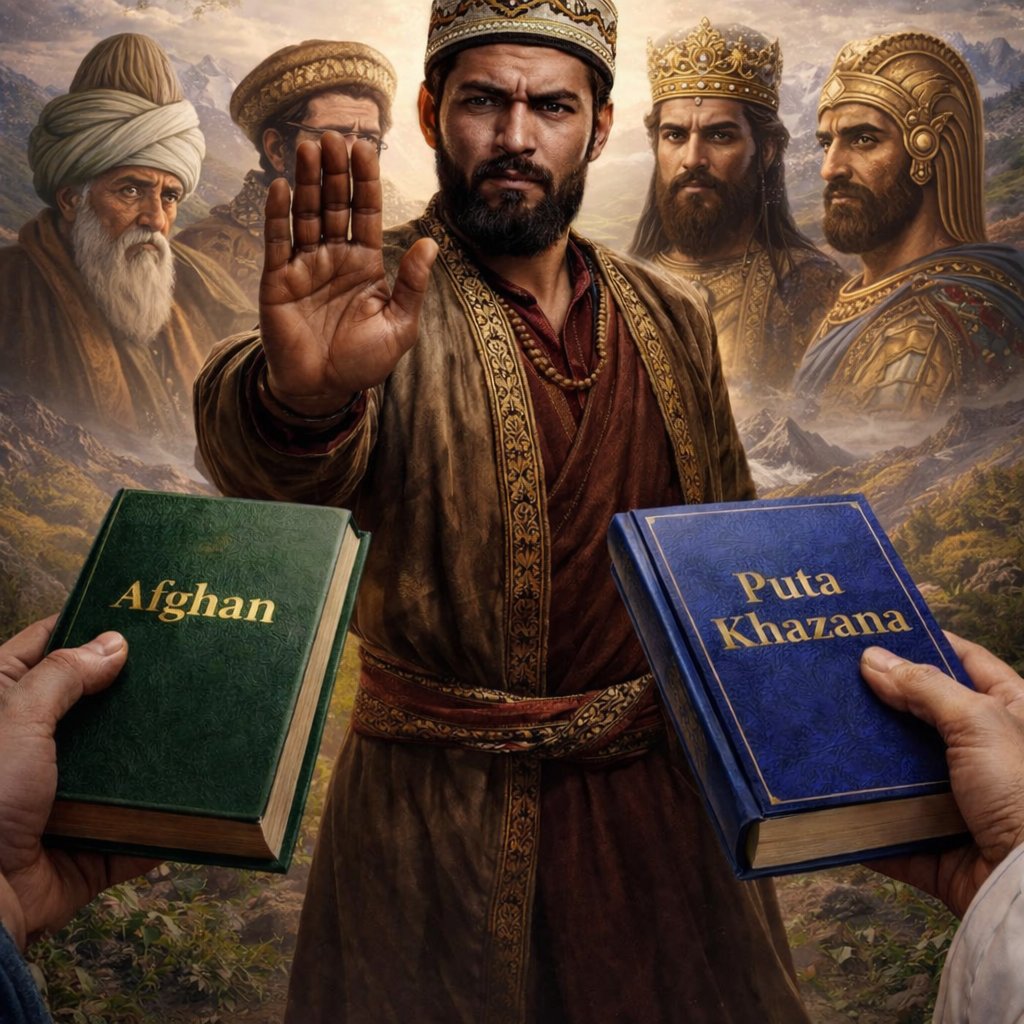
Can you clarify what position Zalmay Khalilzad holds in the US government that allows him to travel Kabul to discuss bilateral relations between the US and the Taliban? @USEmbassyKabul @SecRubio @USAmbKabul @StateDept
English
3
3
31
1.7K
Hello, PhD
Hello, PhD@MrFreeFighter·
Tajiks of Pakistan
Indonesia
12
21
134
6.3K