See you on Bluesky
3K posts

Hey @BlueJays you have some special guests in the building today cheering you on! Have fun Clyde River, NU students! Give them a shout out if you can
English
See you on Bluesky retweetledi

@rebeccamakkai The Whiz Mob and the Genedine Kid by Miles Ellis, Inkling by Kenneth Oppel, Pony by RJ Palacio. I could go on…
English
See you on Bluesky retweetledi

Red flags in math: If you hear these claims, perhaps you're being sold a (math) story.
-algebra is obsolete (reckless, uninformed claim)
-if kids construct/invent/design, skills will just follow
-avoid worksheets; practice is "drill & kill"
-avoid timed tests
-don't need to memorize times tables
-mistakes make your brain grow
-students don't learn by mimicking
-if you're not active, you're not thinking
-open-ended problems allow kids w/o skills to be successful
-standard algorithms are harmful
-procedures work against understanding
-conceptual understanding must precede procedures
-explicit instruction kills creativity
-engagement implies learning
-tyranny of the textbook (i.e. don't use textbooks)
-low floor, high ceiling (translates to no math)
English

@MrsLPRutledge Amazing!
Josh Funk@joshfunkbooks
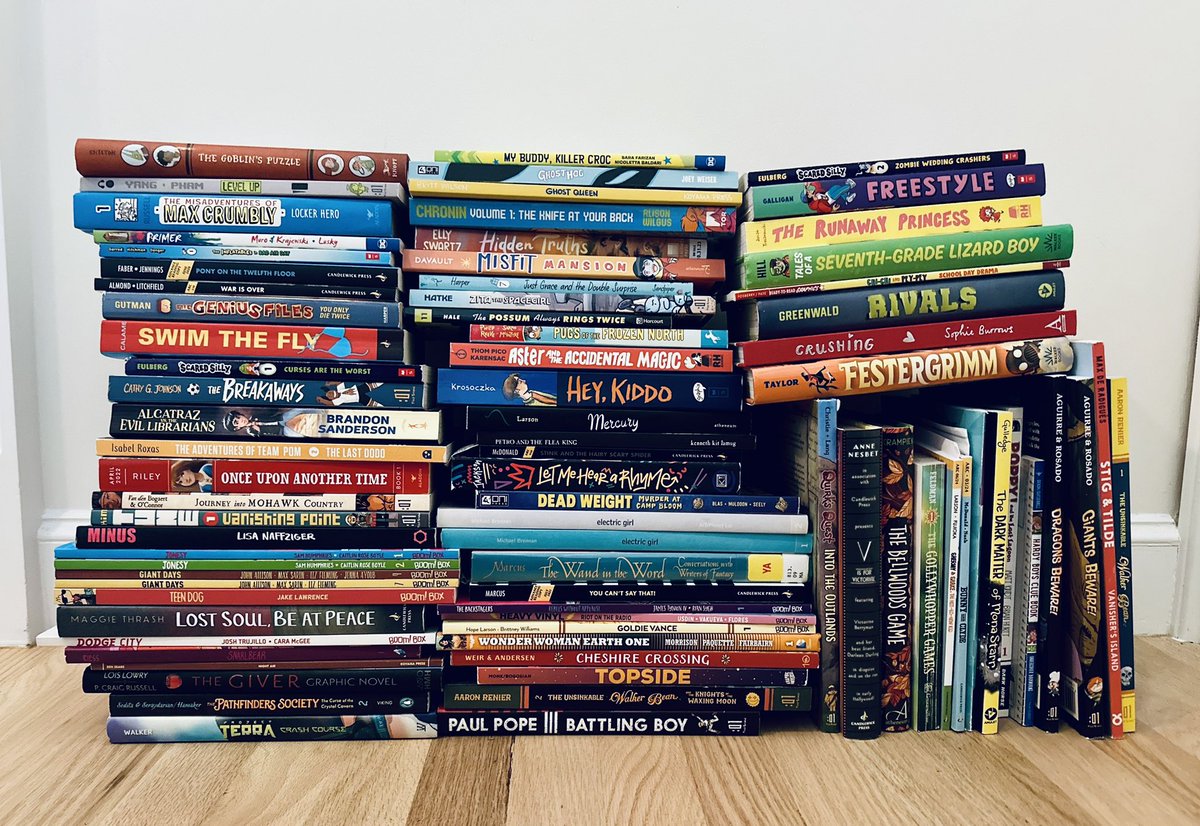
Teachers, librarians, educators, parents, & readers! It’s #giveaway time! I need to find these 28 graphic novels & comic collections a new home! Follow, ❤️, RT/QT and/or Comment+Tag a friend to enter for a chance to add these books 📚 to your collection! Winner selected 12/11.
English

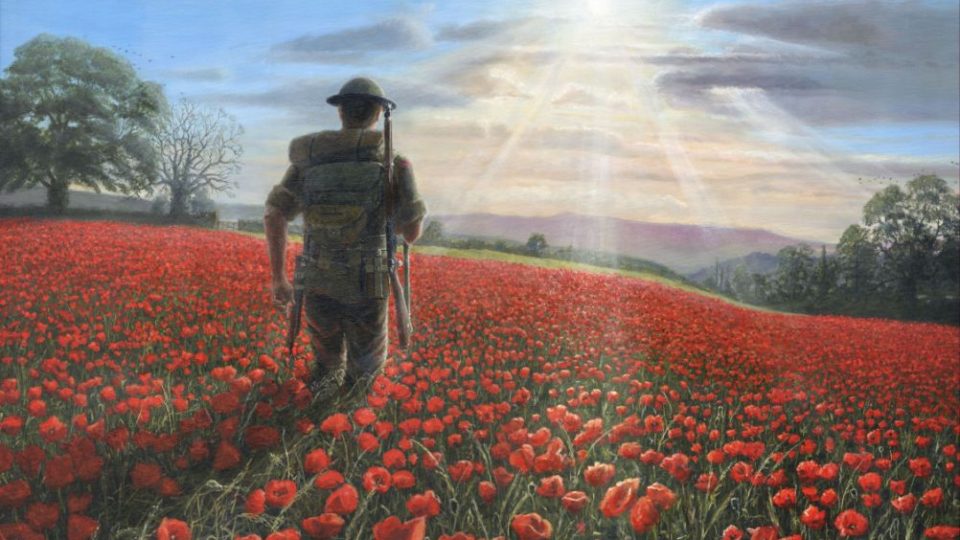
In Flanders Fields
In Flanders Fields, the poppies blow
Between the crosses, row on row,
That mark our place; and in the sky
The larks, still bravely singing, fly
Scarce heard amid the guns below.
We are the dead. Short days ago
We lived, felt dawn, saw sunset glow,
Loved and were loved, and now we lie,
In Flanders fields.
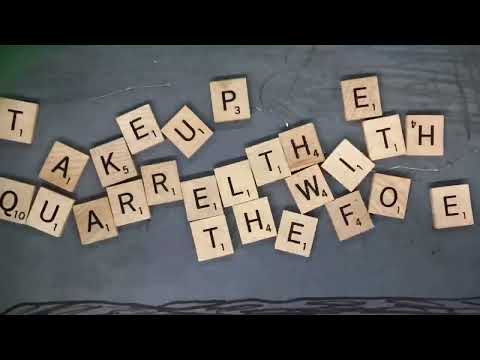
Take up our quarrel with the foe:
To you from failing hands we throw
The torch; be yours to hold it high.
If ye break faith with us who die
We shall not sleep, though poppies grow
In Flanders fields.
- John McCrae, May 3, 1915.

English
See you on Bluesky retweetledi

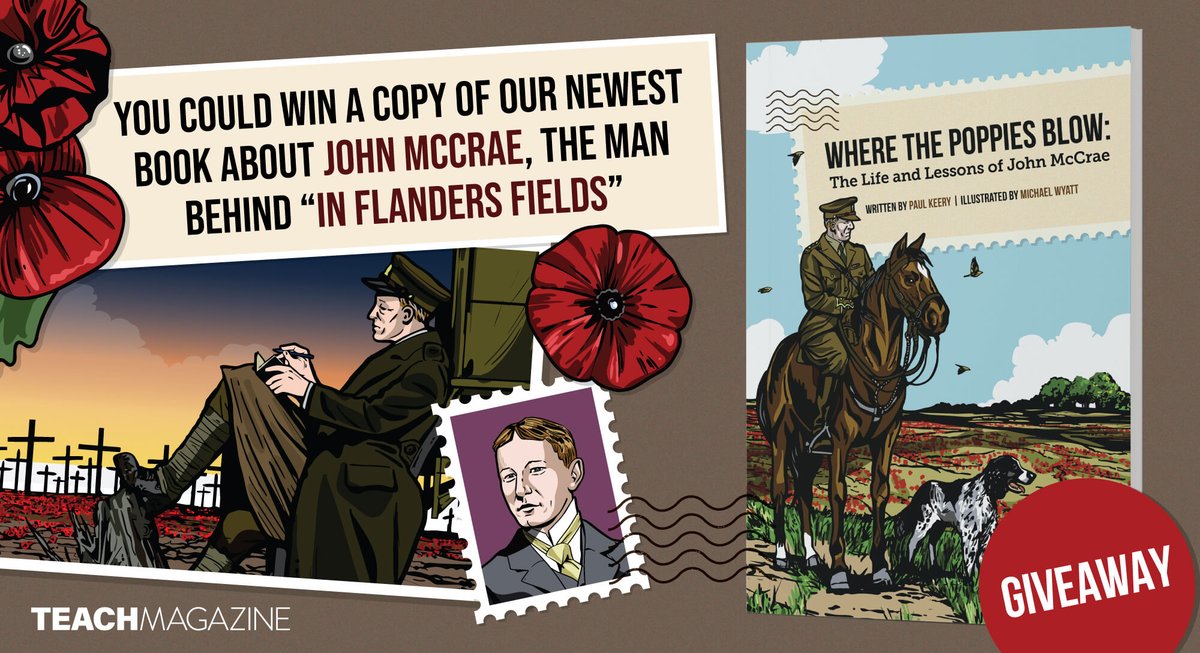
Attention #teachers, we're giving away 5 copies of our new graphic novel! Suitable for Grade 6-12 students, it tells the story of inspiring WWI figure #JohnMcCrae.
📕Like, follow & RT by Nov 30 for a chance to win
📗More info: bit.ly/46U4WNh
#Giveaway #KidLit

English

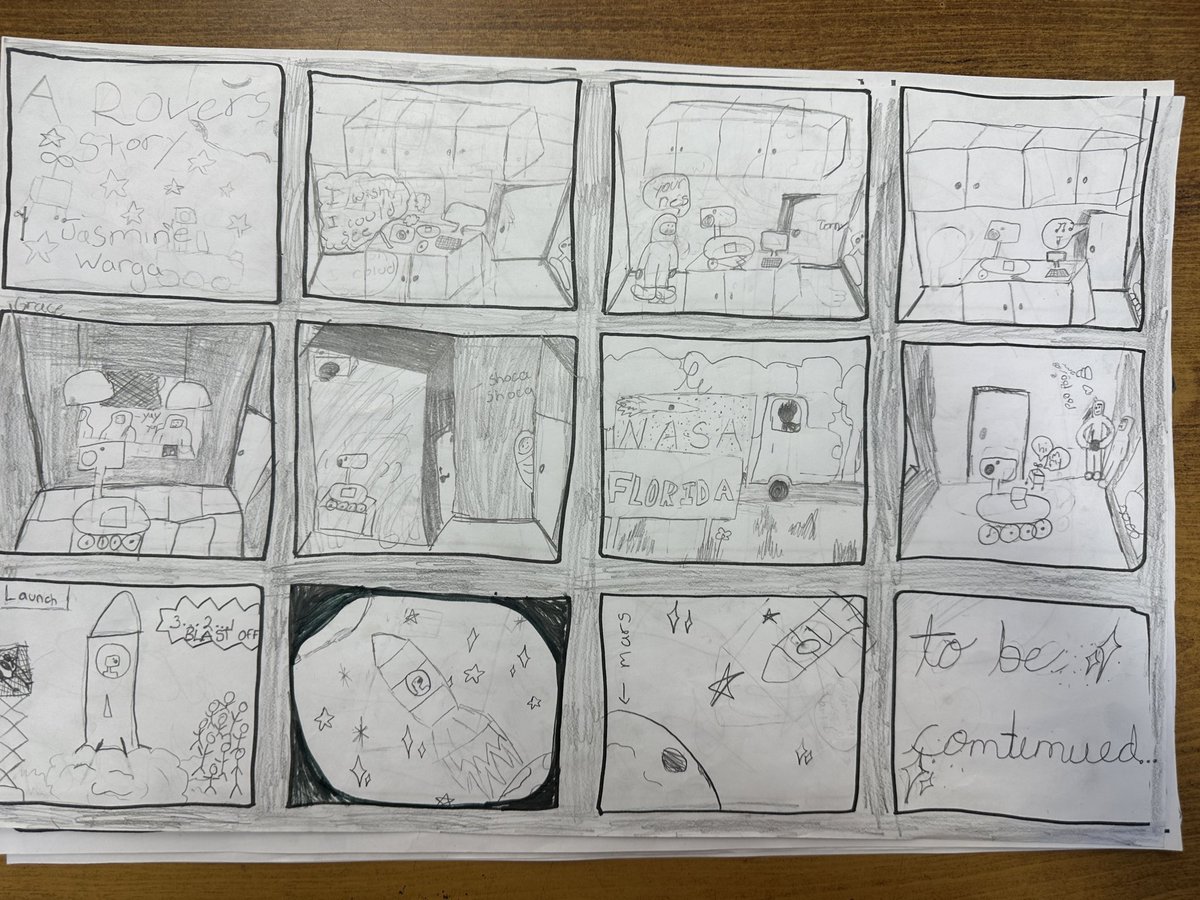
Look at these @GuthriePublic Ss amazing graphic representations of A Rover’s Story by Jasmine Warga for #GRA @HarperCollinsCh


English
See you on Bluesky retweetledi

‘27 RHP Callum Dickie
One of the more impressive arms here is Dickie working with a clean arm action. Still young with tons of time to develop.
FB 75-76
CB 64
CH 65-69
@barriebaseball || #BarrieScoutDay🇨🇦
English

Safe spaces give kids hope in a time where hope for a better and brighter future seems to be an idea that is very difficult to hold on to.
Darrell Wakelam@DarrellWakelam
@DavidNautilus1 A very experienced teacher once said to me “school is sometimes an island for children, an island in a sea of troubles. But they quickly realise that if there’s one safe island, then there may be others.” I’ve never forgotten this, it was 30 years ago. 👍
English
See you on Bluesky retweetledi

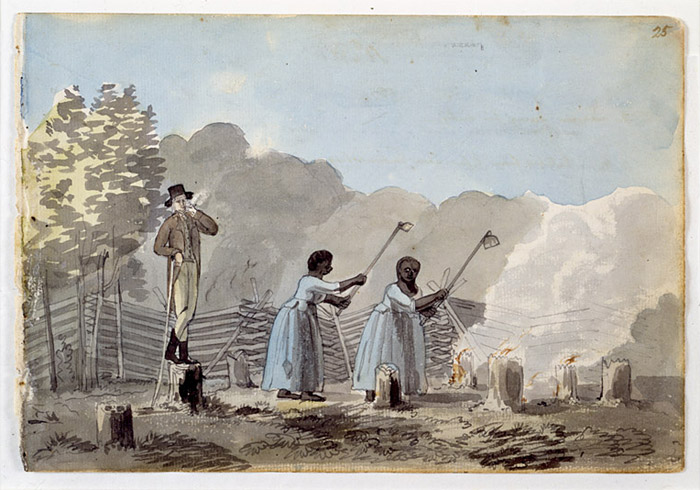
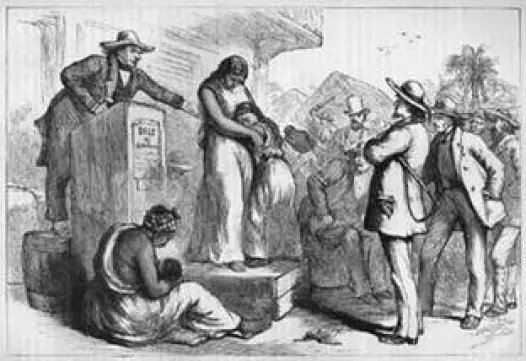
It is the International Day For The Remembrance of the Slave Trade and Its Abolition.
While many enslaved people fled to Canada from the United States in the 1800s, there was a time when enslaved people escaped from Canada, to find freedom in the United States.
Let's learn more.
Slavery existed in North America prior to the arrival of Europeans, but it differed from the later African slave trade.
When New France was established, both Black and Indigenous people were enslaved. Enslaved Indigenous People outnumbered Black slaves two-to-one.
The first recorded Black enslaved person was in 1628 when a boy named Olivier was taken from Madagascar and brought to New France.
In 1685, the Black Code or Code Noir was implemented. It consisted of 60 articles that gave some protection to the enslaved. This included an enslaver being responsible for damages if an enslaved person was harmed. The code also allowed an enslaver to whip or chain an enslaved person. Under the code, the enslaved were seen as property like furniture.
Between 1600 and 1750, about 1,400 enslaved people were taken from West Africa and brought to New France. Indigenous Peoples were still enslaved at this time as well.
By 1759, there were 4,000 enslaved people in New France, with two-thirds being Indigenous Peoples.
Violence against the enslaved was not unusual. In Halifax in 1779, two Black women were accused of theft and publicly whipped in front of a crowd.
In 1791, a Cape Breton enslaved person was killed by a white man for walking into an all-white public hall. The murderer was, according to the newspaper "honourably acquitted". The only punishment was he was banned from the Masonic Lodge.
After the British took over New France, slavery continued. Thomas Mallard, who owned the building where the first New Brunswick Parliament was held, was an enslaver.
Peter Russell, the first receiver and auditor general of Upper Canada was an enslaver.
James McGill, who founded McGill University, was an enslaver.
A total of 14 of 17 members of the second Parliament of Upper Canada from 1797 to 1800 were enslavers.
In 1793, after hearing the story of Chloe Cooley who was violently removed from Canada for sale in the United States by her enslaver, Upper Canada Lt. Governor John Simcoe set about to end slavery.
His Act Against Slavery was supposed to abolition slavery in Upper Canada but it met resistance in the Legislative Assembly. Many in the Assembly were enslavers. As a result, the Act became watered down.
Instead of banning slavery, the importation of the enslaved was stopped and anyone born into slavery was freed when they were 25. However, all enslaved people at the time of the Act remained enslaved.
When Vermont banned slavery in 1777, and New York in 1799, the enslaved in Canada sometimes fled into those states to find freedom.
It was not until 1833 when Britain abolished slavery that Canada followed suit as its colony and the story of the Underground Railroad began.
To learn more about Canada's slavery history, visit my episode about it:
canadaehx.com/2020/06/16/can…
If you enjoy my Canadian history content, please consider a donation to Canadian History Ehx at buymeacoffee.com/craigU


English