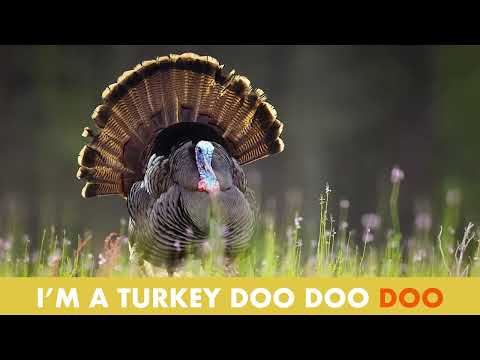
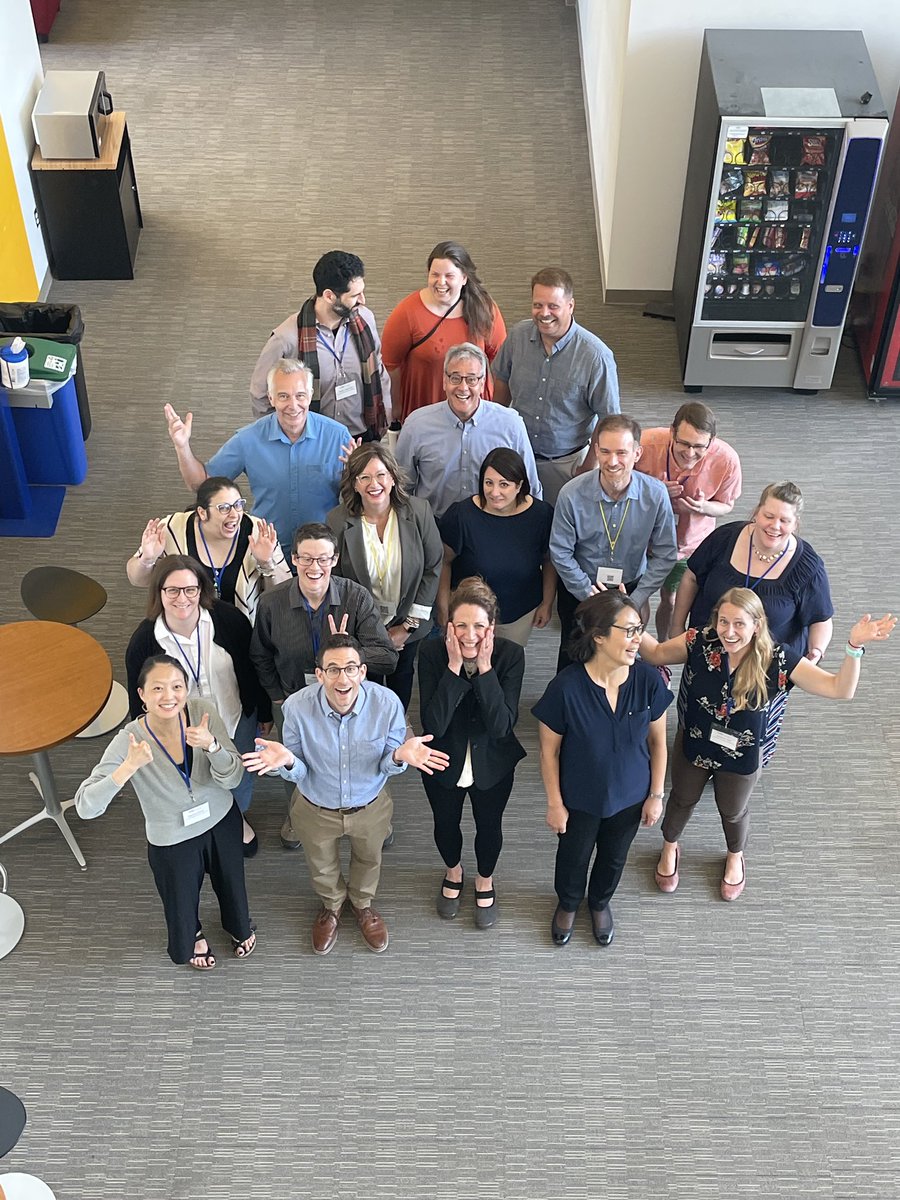
During my last two years of heavy committee service, I sang original jingles about shared governance at each college-wide faculty meeting. I'm pleased to now share them in this draft of the first (and probably last) shared governance musical. @AAUPdocs.google.com/document/d/1Af…
Congrats to my co-editor, Daniel Barolsky, and all the wonderful authors who contributed to Open Access Musicology Volume 2, out today via Lever Press! fulcrum.org/concern/monogr…
@theorymeg@nzjazzhistory Along similar lines, in a big intro to musicology class mixing majors and non-majors, I found that students with more than 1 year of musical experience (playing/taking lessons) scored significantly higher even though it wasn't a class that relied heavily on theory. Sigh.
@nzjazzhistory It was part of the impetus behind rebuilding our theory curriculum from scratch here. I felt like we were often assessing how well students had internalized 18th century norms before they got to college, and not much else.
New Musical Geography project out today! "Washington Conservatory Alumni in Black American Musical Life" explores the lives and impacts of 30 graduates of the first conservatory founded by and for Black classical musicians: musicalgeography.org/project/washin…
To recognize labor in music history, @drkcarithers suggests 1) acknowledging performers in recordings; 2) including diverse video examples; 3) discussing lots of musicians, not just composers. Assignments, too, move away from being composer-centered. #tmhc2022
Next we have @drkcarithers of @uofl presenting "Centering Labor: Teaching Through Work (Instead of Works). She frames her talk as relevant to revisions of assignments, syllabi, and entire curricula. #tmhc2022
Now @jadcarleton from @Carleton_U presenting "Teaching Neurodiversity in Music History: The Case of Robert Schumann and Madness," which is similarly about loss and recovery, and which (James says) will make the ice cream social all the more delicious. #tmhc2022
Laura Moore Pruett claims her #tmhc2022 reflection on not being able to write the paper she proposed is a "shitty" academic paper, but it's actually one of the best I've heard in a long time, because it's her truth, and she needs to speak it, and we need to hear it.
Laura Moore Pruett of @Merrimack now presenting “Music History and/in/on the Super Bowl LVI Halftime Show” which has an unpublishable subtitle 😂 and is a searing, deeply vulnerable reflection on the anxiety, burnout, emotional turmoil, pain of the past few years. #tmhc2022
Consider reframing grades: build in extra credit options from Day 1 (like create a meme or report on a news article); offer options to get more than 100%; grades = earning points, not losing them; ungrading or self-assessment are also good options. #tmhc2022
Kristen Strandberg of @UEvansville speaking on proactive pedagogies for student mental health at #tmhc2022, including alternate assignment formats with slightly different deadlines; #activelearning techniques using tools like @perusall.
When Dr. Wright observed a colleague, she saw a question-centered approach; Trudi advocates starting a music history survey with a question like, "What is good music?" and working with and against readings/listenings to continually circle back to it. #tmhc2022