


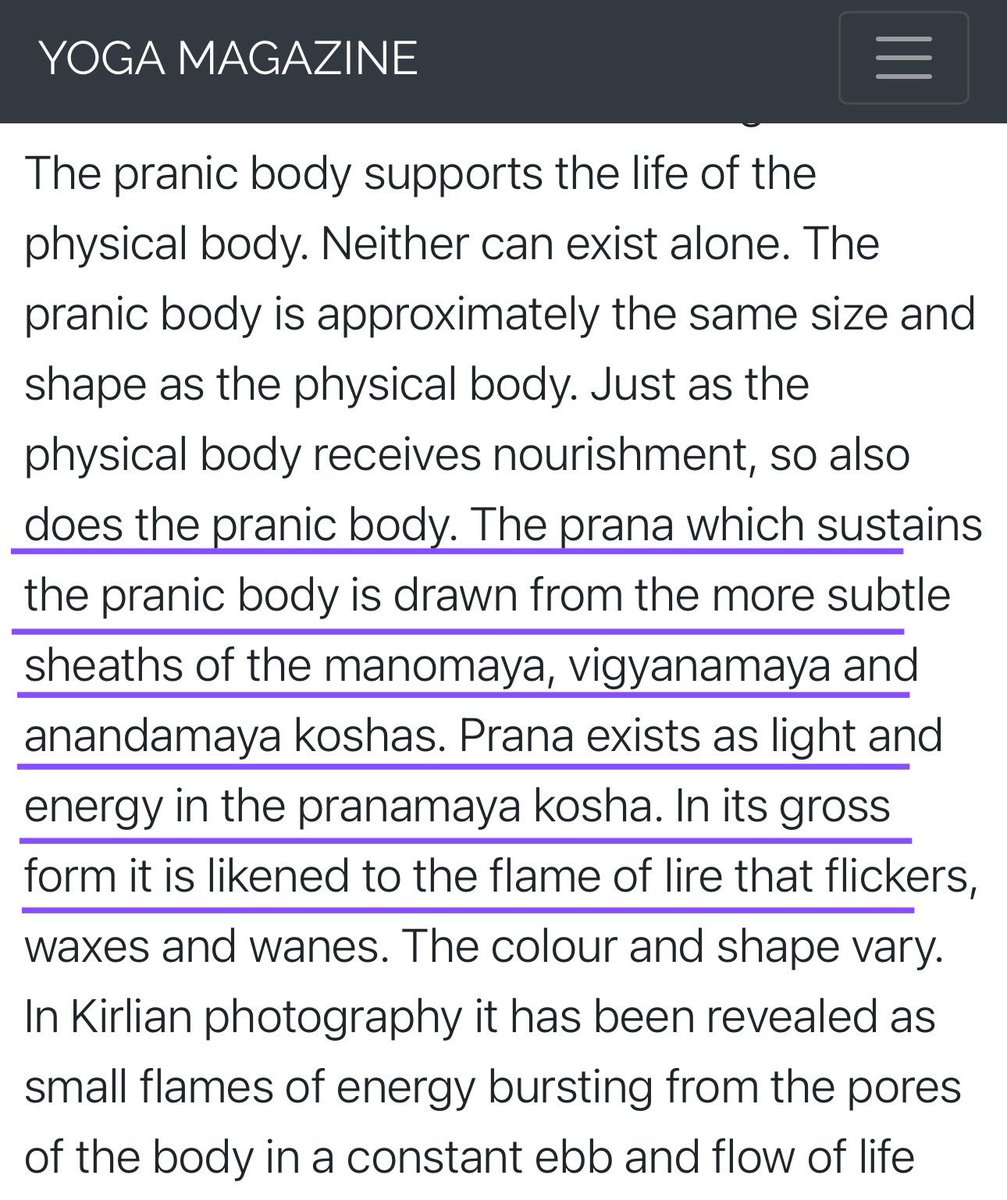
Life gives off a visible glow – and it disappears when we die. The discovery comes from experiments with mice and plant leaves, where scientists captured ultraweak photon emissions – tiny flashes of light thought to be generated by stressed cells. Researchers at the University of Calgary and the National Research Council of Canada used highly sensitive cameras to image mice in total darkness. While alive, the animals gave off faint photon emissions. After they were euthanized, the glow dropped sharply – even though their bodies were kept at the same temperature to rule out heat. The team saw the same pattern in plants. Leaves injured by chemicals or physical stress lit up faintly in damaged areas, compared to uninjured ones. The source appears to be reactive oxygen species – molecules cells produce when under stress. As these molecules interact with fats and proteins, they can excite electrons, releasing tiny photons of light as they return to rest. It’s too early to say what this means for humans. Our faint light is invisible to the naked eye. But scientists say one day, these emissions could become a non-invasive way to monitor stress, health, and disease in living tissue. ["Imaging Ultraweak Photon Emission from Living and Dead Mice and from Plants under Stress." ACS Publications, 2025]