Clyde Yancy, MD, MSc
7.4K posts
Clyde Yancy, MD, MSc
@NMHheartdoc
Chief, #Cardiology at @NorthwesternMed @NMCardioVasc. Magerstadt Professor of Medicine, Vice-Dean, Health Equity @NUFeinbergMed. Past President @American_Heart


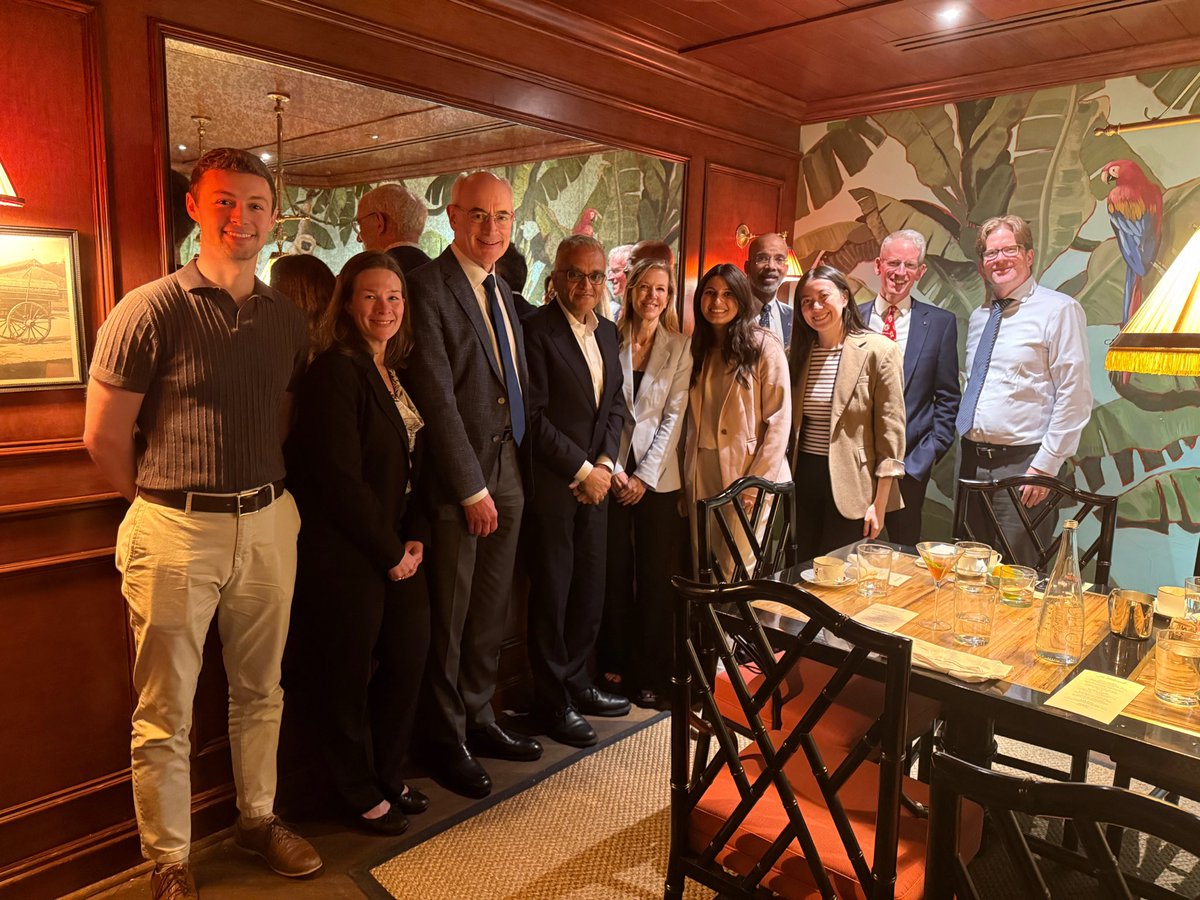
It was great to host my friend and someone who I admire, @NMHheartdoc in our house with my good friends @heshamasadek, @sadayappanlab, @J_Wertheim1. Wonderful evening! @UAZ_MDPHD @UAZHeart @UAZMedicineEdu @UAZMedTucson

Join us today, 12-1pm MDT/AZT, for @UAZMedicineEdu Grand Rounds w @NMHheartdoc, @NUFeinbergMed #Cardiology chief & @NMCardioVasc associate director. His topic: “Addressing a different approach to heart failure” Livestream & learn more: bit.ly/4tueGrN #HealthEquity



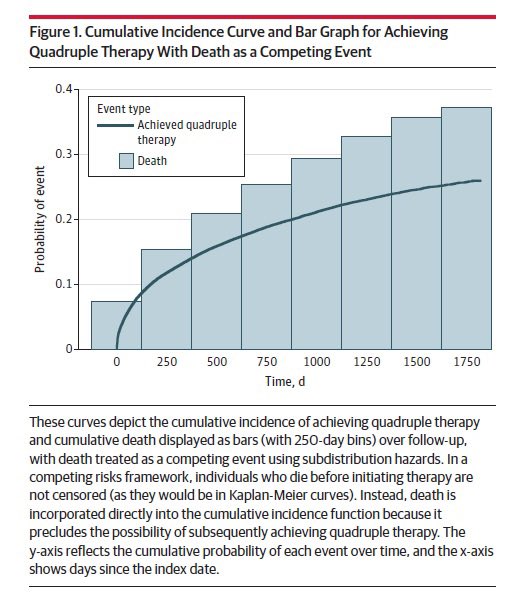
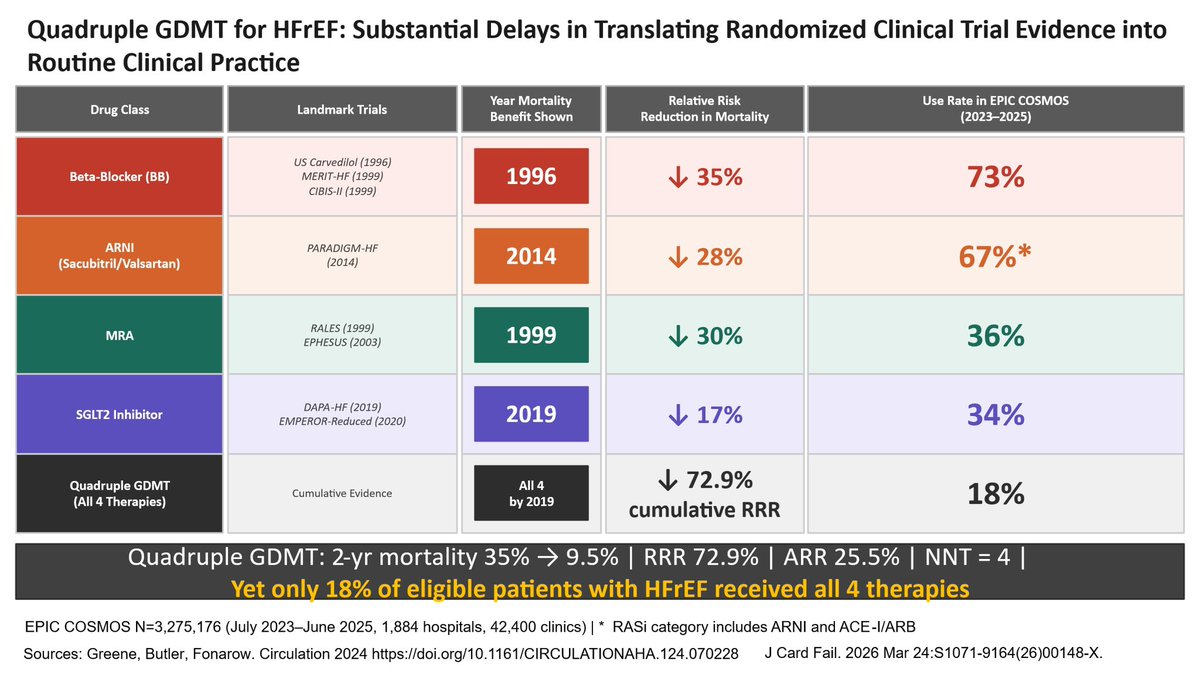
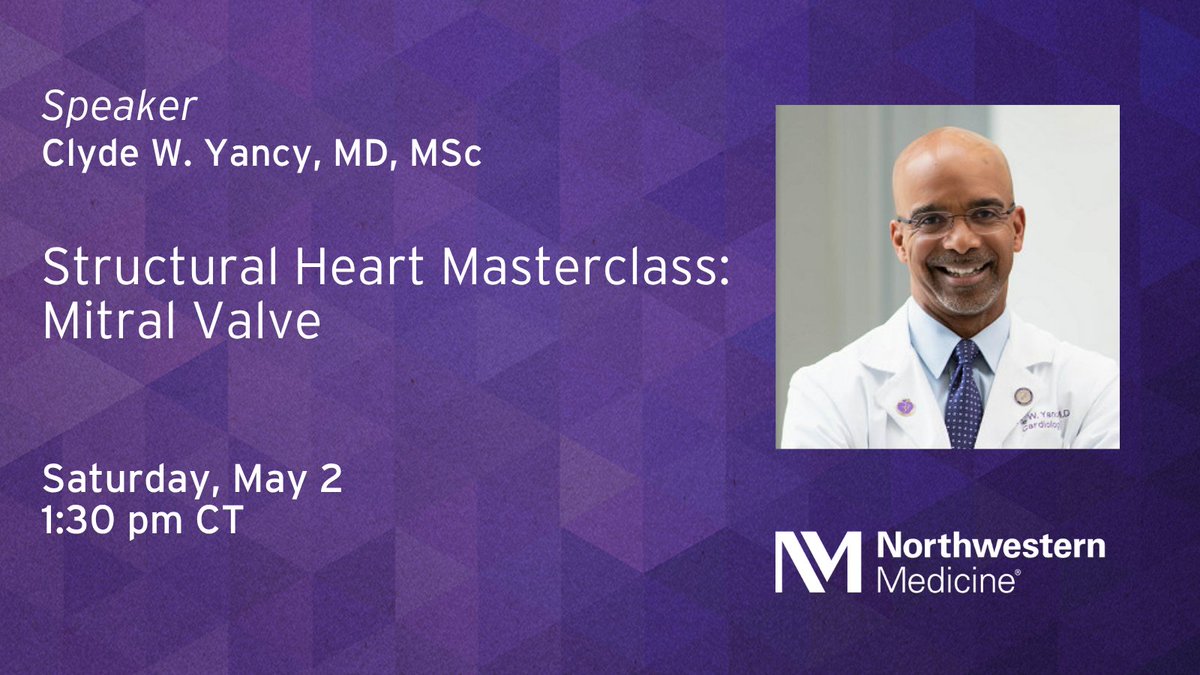
It was a privilege to welcome Dr. Clyde Yancy to Kansas City for a city-wide discussion on contemporary medical therapy for heart failure and the evolving challenge of sudden cardiac death risk. Few leaders have had as much influence across the modern eras of heart failure care as Clyde. The field has moved from an era largely defined by neurohormonal blockade and device-based prevention to one now shaped by rapid implementation of comprehensive, multi-drug GDMT. Across that arc, trials such as MADIT-II, SCD-HeFT, and DANISH helped define our thinking around sudden cardiac death prevention, while event rates have continued to shift as patient cohorts, background therapies, and competing risks have evolved. That history made the discussion timely. As therapies improve, the question is no longer simply whether we have effective treatments. It is whether we can reliably deliver them, optimize them, and still recognize where residual risk remains. Clyde and I have had the opportunity to work together on IMPLEMENT-HF, focused on improving defect-free heart failure therapy at discharge and 30 days after hospitalization. I was fortunate to lead the manuscript published in 2025, with Clyde as senior author, and the work reflects a core principle we both believe in: hospitalization is not just a marker of risk, but an opportunity to change the trajectory of care. We also took a deeper dive into the SCD PROTECT study. Even in a contemporary cohort with high adherence to four-drug GDMT, event rates while patients were using a wearable cardioverter-defibrillator remained meaningfully elevated. That finding reinforces an important message: modern GDMT has transformed heart failure care, but residual arrhythmic risk persists, particularly during vulnerable transitions and early treatment windows. On a personal level, this evening felt full circle. Clyde has been a mentor to me since 2010, when he came to Northwestern during my first year of fellowship. I was part of his first full graduating class of fellows under his leadership at Northwestern. I later left Chicago, where he was my Division Chair, to come to Kansas City and help build programs aimed at raising the bar for heart failure and cardiometabolic care across our region. That is what made this event so meaningful. It was a true city-wide conversation, with representation from most health systems in Kansas City, including Saint Luke’s / BJC, the University of Kansas, HCA hospitals, including Centerpoint and Research, North Kansas City Hospital, and others across the region. I was especially proud to have Dr. Zubair Shah from the University of Kansas join the panel, a colleague and mentee since I first came to Kansas City in 2015. Heart failure care advances when science, implementation, and community collaboration come together. Having Clyde with us in Kansas City was a reminder of how far the field has come, how much work remains, and how powerful mentorship can be when it comes full circle.




The American Heart Association mourns the passing of the legendary cardiologist Eugene Braunwald, M.D., widely recognized as one of the most influential figures in the history of cardiovascular medicine. Over seven decades, his work reshaped the understanding and treatment of heart disease, leading many to call him the father of modern cardiology. Braunwald was a lifelong contributor to the American Heart Association, helping advance its research and scientific mission, and was honored with some of the Association’s highest honors for his lasting influence on cardiovascular care and research. His influence extended well beyond his own discoveries, as generations of Association‑supported investigators, clinicians and academic leaders were trained by Braunwald or guided by the clinical trial standards and mentorship models he helped establish. newsroom.heart.org/news/american-…

@AndrewJSauer @hvanspall @texhern @rkwadhera @m_keykhaei @JamesCFangMD @docsabe @HFSA @NMHheartdoc @coconnormd @nancy_m_albert @JavedButler1 With increased resolve, commitment, and relentless efforts to combat inertia and unfounded nihilism, GWTG-HF achieved meaningful improvements in MRA use 2016 achieved >50% 2024 achieved >80% 100,000s more patients treated, 10,000s lives saved/extended @NMHheartdoc