
NOIRLab Science
759 posts

NOIRLab Science
@NOIRLabScience
Science info from NSF NOIRLab: the U.S. national center for ground-based, nighttime optical & infrared astronomy. Main channel is at @NOIRLabAstro
Katılım Mart 2023
46 Takip Edilen609 Takipçiler
International @geminiobs data are helping uncover the hidden lives of massive stars 👻✨Using GHOST observations in the Large Magellanic Cloud, astronomers found that true luminous blue variable (LBV) phases may last only ~1,000 years — far shorter than previously thought 🔭 👇
English
NSF's @NOIRLabAstro new publication The Scope brings the Universe to life with stunning visuals, deep-space discoveries, and the people building humanity’s next era of exploration.
Science communication at cosmic scale 🔭✨
noirlab.edu/public/product…
English
The International @Geminiobs GMOS longslit reduced data products are now available🔭📦 Fully processed spectra are on the GOA Archive after they are taken, accelerating science and reducing time spent on data reduction.
More science, less pipeline wrangling ✨

English
The Universe is open access 🌌
NSF's @NOIRLabastro Data Archive gives researchers and the public access to decades of observations from 40+ telescope & instrument combinations — including survey data, reduced images, and massive sky catalogs.
Astronomy at petabyte scale 🔭✨

English
NOIRLab Science retweetledi
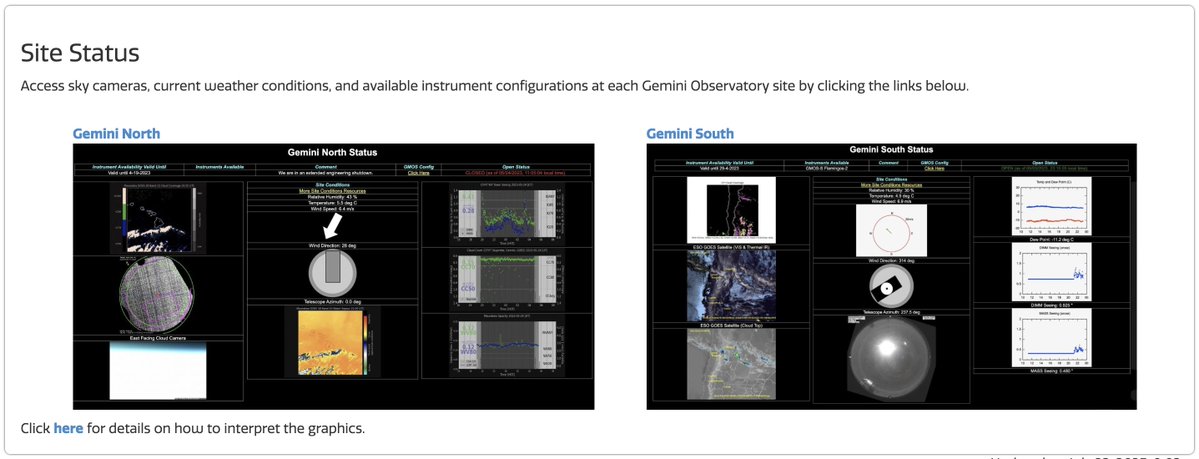
🔭 Planning a trigger at @GeminiObs? Want to check available instruments and get a quick look at current conditions?
👀 Take a peek at the Gemini North & South Status pages before you go!
🔗 noirlab.edu/science/progra…
Stay ready, stay informed. 🌌 @NOIRLabScience
English
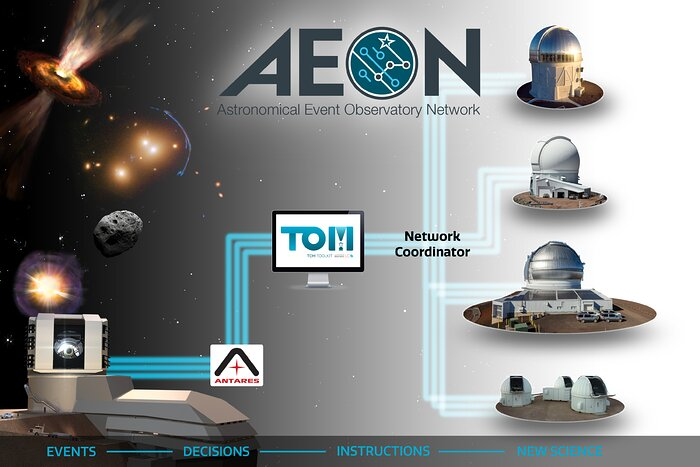
Astronomy is entering real-time mode ⚡🔭
NSF's @noirlabastro AEON connects major observatories into one automated system that can react to triggers within minutes — from supernovae to neutron star mergers.
Built for the NSF-DOE @VRubinObs era 🌌
noirlab.edu/public/project…
English
NOIRLab Science retweetledi

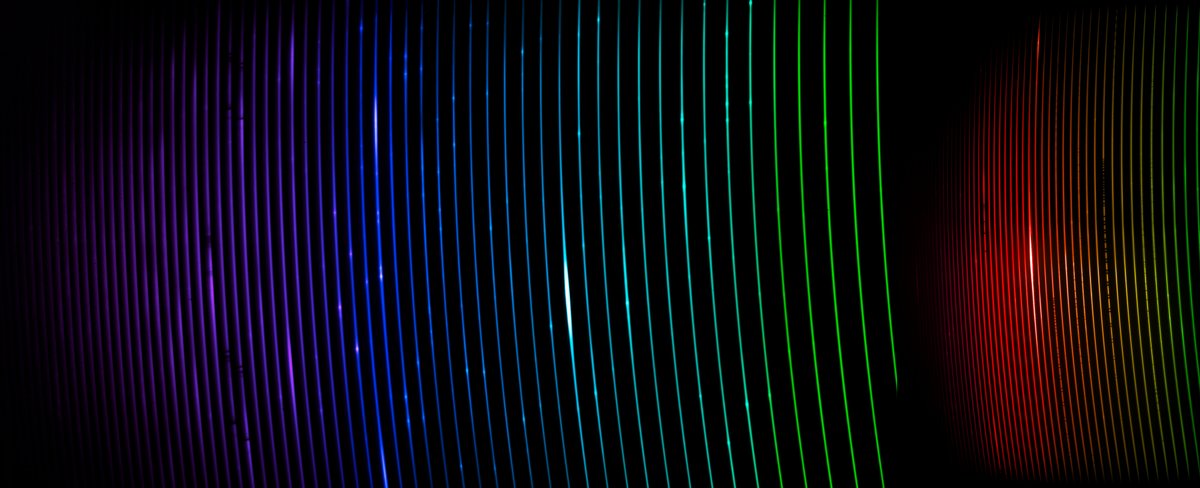
The spectrum of the binary star system Eta Carinae is seen here like a rainbow, stretching from ultraviolet to infrared. Spectra like this can tell scientists detailed information about an object’s chemical composition, motion, rotation & distance.
📷: CTIO/NOIRLab/SOAR/NSF/AURA
English
NOIRLab Science retweetledi
Are you dizzy yet? 😵💫
Star trails in this extra-long-exposure image of NSF–DOE @VRubinObs capture the apparent motion of the stars.
Rubin will observe about 17 billion stars during its 10-year survey.
📸 NSF-DOE @VRubinObs/NOIRLab/SLAC/AURA/H. Stockebrand

English
A huge recognition for NSF–DOE @VRubinObs!
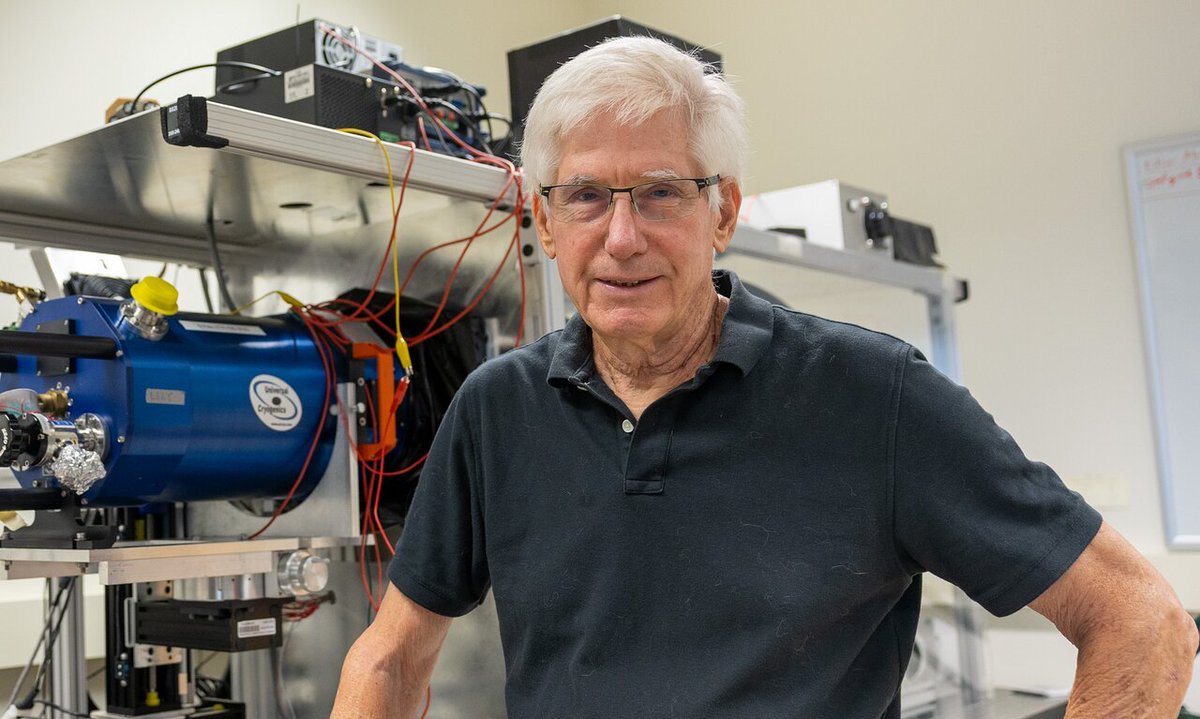
Tony Tyson—Founding Director of the @VRubinObs—is on the @TIME 100 list for 2026 🎉
Shaping the future of time-domain astronomy. noirlab.edu/public/announc…
English
Got a wild transient that won’t wait for TACs? 👀 The International
@GeminiObs DD Initiatives are taking shape—120 hrs for rapid, high-risk follow-up in the NSF-DOE @VRubinObs era.
This is where unexpected science happens. 🌌 Read more:
🔗 gemini.edu/observing/phas…
English
NOIRLab Science retweetledi
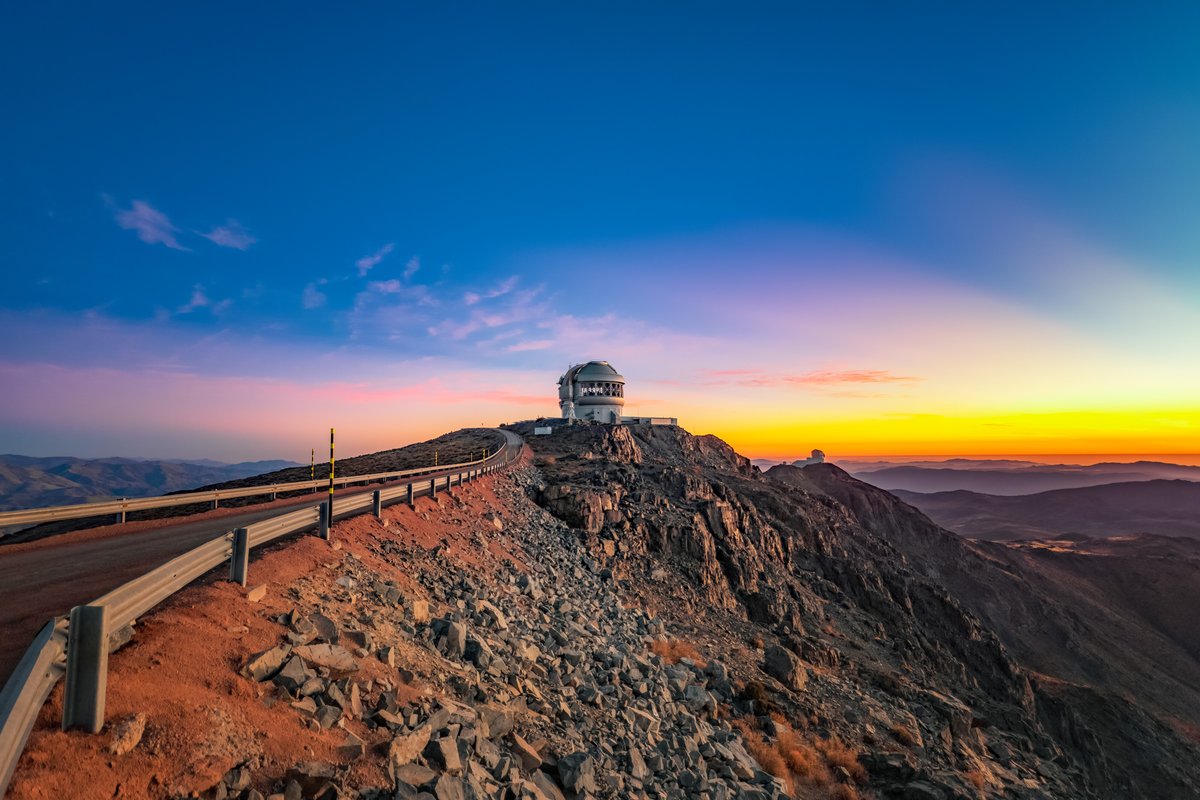
Korea’s @KASI_NEWS KS4 southern-sky survey goes global 📷📷
Now accessible via NSF @NOIRLabAstro Data Lab at datalab.noirlab.edu, bringing deep, uniform imaging to astronomers everywhere—fueling discovery in the era of big-data astronomy

English
NOIRLab Science retweetledi
Introducing The Scope: NSF NOIRLab’s NEWEST publication!
The Scope illuminates the possibilities for early-career professionals looking to work in astronomy and shows the passion behind scientific research.
Read here 🔗 bit.ly/4tiFOdv


English
A massive galaxy just ~2 billion years after the Big Bang shows no rotation—something usually seen only in evolved systems.
Thanks to @NASAwebb incl. NSF's @NOIRLabAstro authors, this discovery is challenging standard models of galaxy evolution. More ucdavis.edu/news/non-rotat…
English
📢 Fast Turnaround CFP now open!
Got a time-sensitive science case? Apply for fast turnaround time at the International @GeminiObs with quick review + scheduling. 🔭⚡ gemini.edu/observing/phas…
English
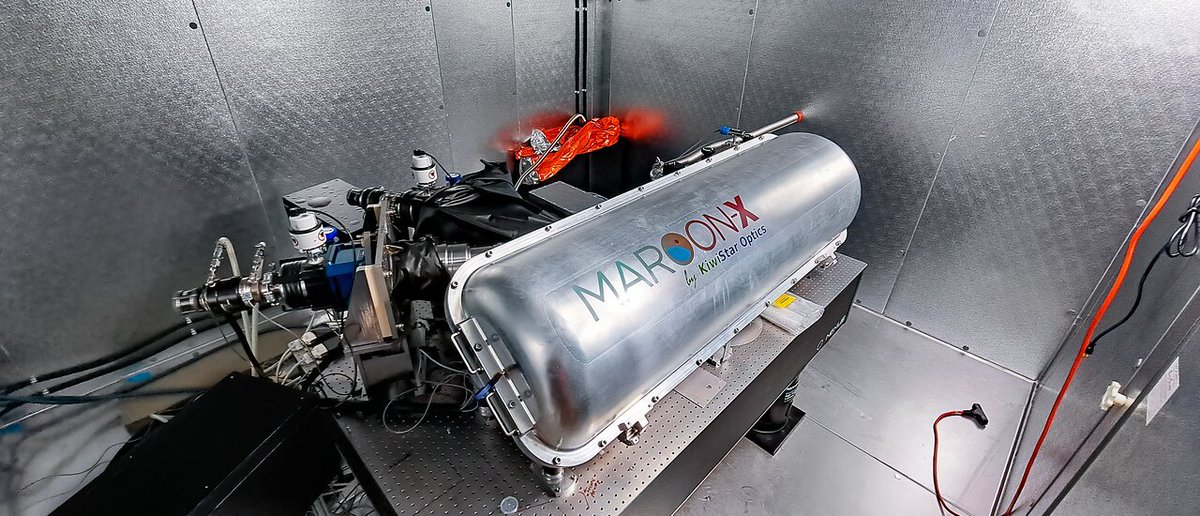
Across April at the International @GeminiObs, we used our visiting instruments `Alopeke🦊, Maroon-X, and Zorro🦊 taking a combined total of 4286 images 📸. See our visiting instrument program here- gemini.edu/instrumentatio…

English
How useful is poor-weather time at International @GeminiObs? See it in a new paper using it's near-infrared spectrograph IGRINS in mostly poor-weather time to produce a high-resolution spectra of massive stars ui.adsabs.harvard.edu/abs/2026arXiv2… 🌟🌟🌟

English