Nick Irons

187 posts

Nick Irons banner
Nick Irons

Nick Irons

@NicholasJIrons

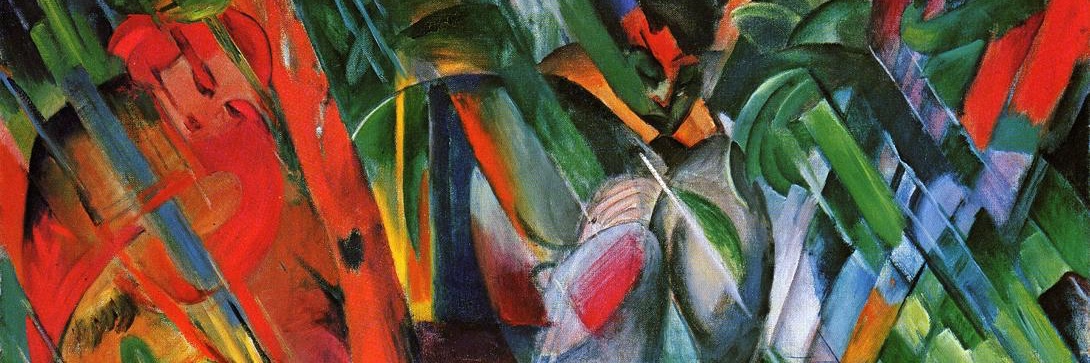
Florence Nightingale Fellow @OxfordStats @OxfordDemSci statistics, public health, urbanism, running, art. header @franzmarcart @nickirons.bsky.social
Oxford Katılım Mart 2021
960 Takip Edilen170 Takipçiler
Nick Irons retweetledi
M. Nolan Gray 🥑
M. Nolan Gray 🥑@mnolangray·
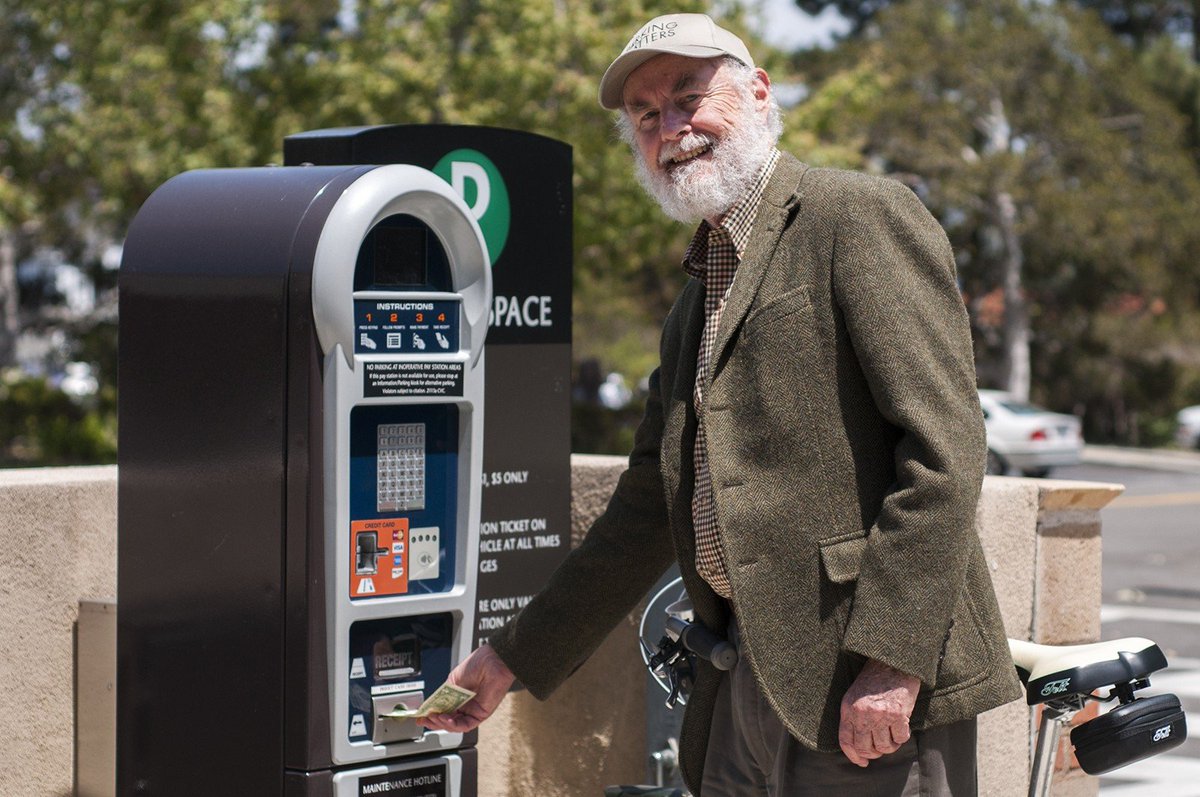
I'm deeply saddened to share that Donald Shoup passed away last night. He was the ideal academic—curious, methodical, and concerned with turning ideas into real-world change. TAing his parking course has one of the greatest honors of my life. Rest in peace, Shoup Dogg.
M. Nolan Gray 🥑 tweet media
English
53
443
2.9K
518.3K
Nick Irons retweetledi
Derek Thompson
Derek Thompson@DKThomp·
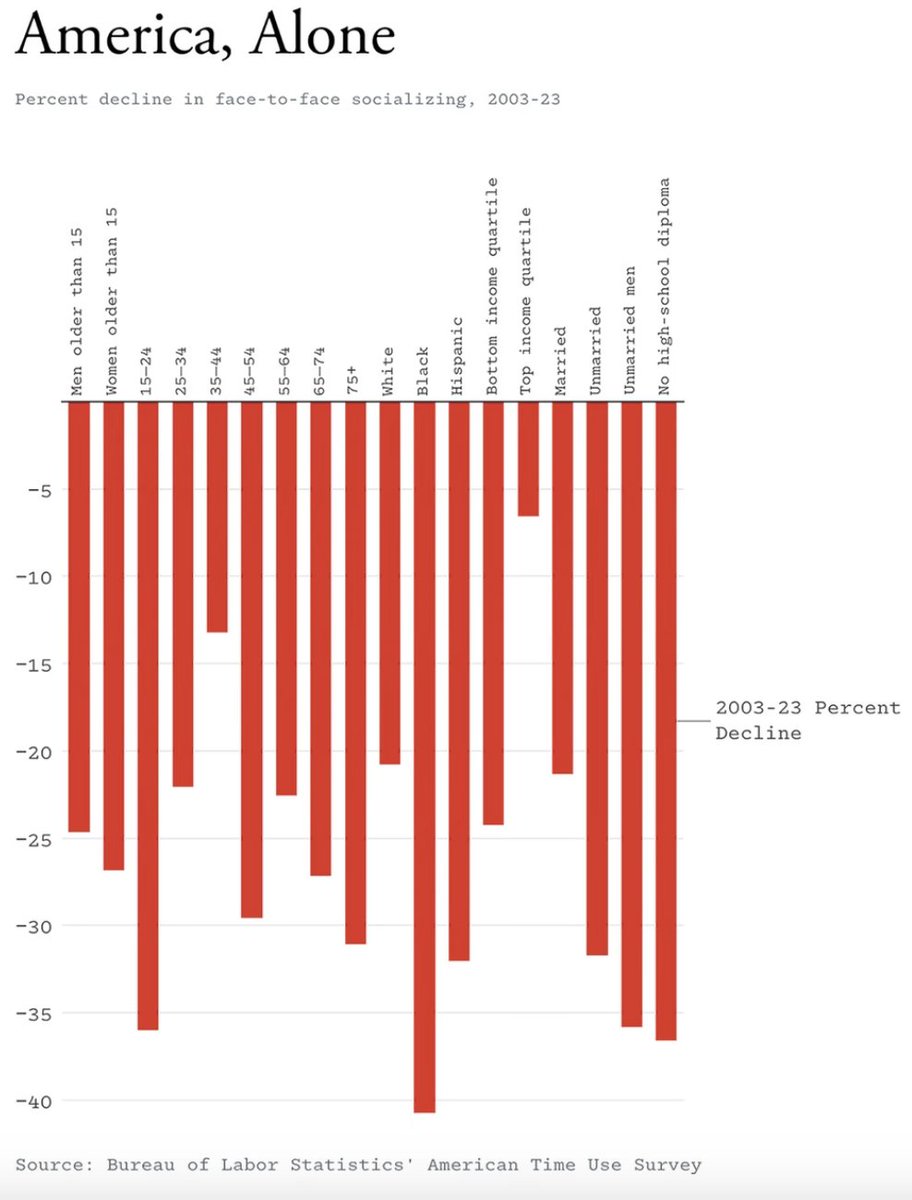
I wrote the cover story of the February issue of The Atlantic. It builds on a lot of reporting I did throughout 2024, and I'm really proud of it. It’s called: THE ANTI-SOCIAL CENTURY The thesis: Rising solitude is the most important social fact in American life today. The historic amounts of time that Americans spend alone and in their homes is reshaping the consumer economy—from dining to entertainment to delivery—warping our politics, alienating us from the realities of our neighbors and villages, and changing our very personalities. Here are the basic facts: 1. In the last few years, in-person socialization has declined, for every demographic group, to its lowest point on record 2. The typical American is now alone more than in any period where we have decent data, going back to at least 1965 3. Americans now spend an extra 99 minutes in their homes compared to 2003—a trend that crept up slowly before the pandemic, before exploding and remaining at a seriously elevated level. As Princeton’s Patrick Sharkey wrote in a 2024 paper, the homebound trend isn't just about remote work. Homebound life has “risen for every subset of the population and for virtually all activities” from eating to praying. 4. America's social depression is far-reaching. The share of adults having dinner or drinks with friends on any given night has declined by more than 30% in the past 20 years. The share of boys and girls who say they meet up with friends almost daily outside school hours has declined by nearly 50%. I don’t think these trends are simple. In many cases, they’re not even simply bad. (Ordering delivery: totally fine! Eating more meals alone, year after year after year: not so great!) But to see these trends—and their effects on American society—more clearly, I thought this phenomenon needed an anchoring, a naming, a media artifact for people to talk about, even if only to point out that I’m wrong. So, I wrote this.
Derek Thompson tweet mediaDerek Thompson tweet mediaDerek Thompson tweet mediaDerek Thompson tweet media
English
174
1K
4.3K
894.2K
Tom Woods
Tom Woods@ThomasEWoods·
The nomination of Dr. Jay Bhattacharya to be the director of the National Institutes of Health is the single greatest case of poetic justice in my lifetime. Jay, who holds both an MD as well as a PhD in economics, is a professor at Stanford University. During the COVID years he had to endure the slings and arrows of mental and moral midgets who were unfit to shine his shoes. He correctly spoke out against the useless and evil lockdown policy as well as much of the rest of the madness. Now that it's obvious that none of those things did any good, and simply destroyed millions of lives for no good reason, some people are trying to pretend they never supported any of it. But we remember the truth, and how those people behaved toward decent people and brilliant scientists like Jay. Jay was smeared by Francis Collins, who was director of the very institution Jay will now direct, as a "fringe epidemiologist" because he correctly insisted that lockdowns were no part of any pandemic policy ever proposed anywhere. Collins has since admitted that his institution had major blind spots during COVID. But Jay wasn't blind. The mild-mannered Jay Bhattacharya, who never sought the spotlight but was forced into it by events, spoke the truth from day one, and for that he has the gratitude of all thinking people everywhere.
English
316
4K
22.5K
699.8K
Kyle Lamb
Kyle Lamb@kylamb8·
Critics of @DrJBhattacharya are attempting to use his stance against lockdowns against him. We now have ample evidence finding lockdowns were an unmitigated disaster. From a Johns Hopkins University meta-analysis in 2022:
Kyle Lamb tweet media
Toby Young@toadmeister

New study looking at 20,000 papers on the global impact of the lockdowns says the benefits were "negligible", whereas the collateral costs were "staggering". “Biggest policy mistake in our lifetime," the authors conclude dailysceptic.org/2023/06/05/loc…

English
60
320
1.6K
173.9K
Nick Irons retweetledi
Eleonora Svanberg
Eleonora Svanberg@EleonoraSberg·
I'm a PhD student at @UniofOxford and I think I'm living in a fairytale :-) Foxes playing around in the snow at Magdalen College this morning — absolutely magical!
English
957
10.8K
106.3K
5.6M
Nick Irons retweetledi
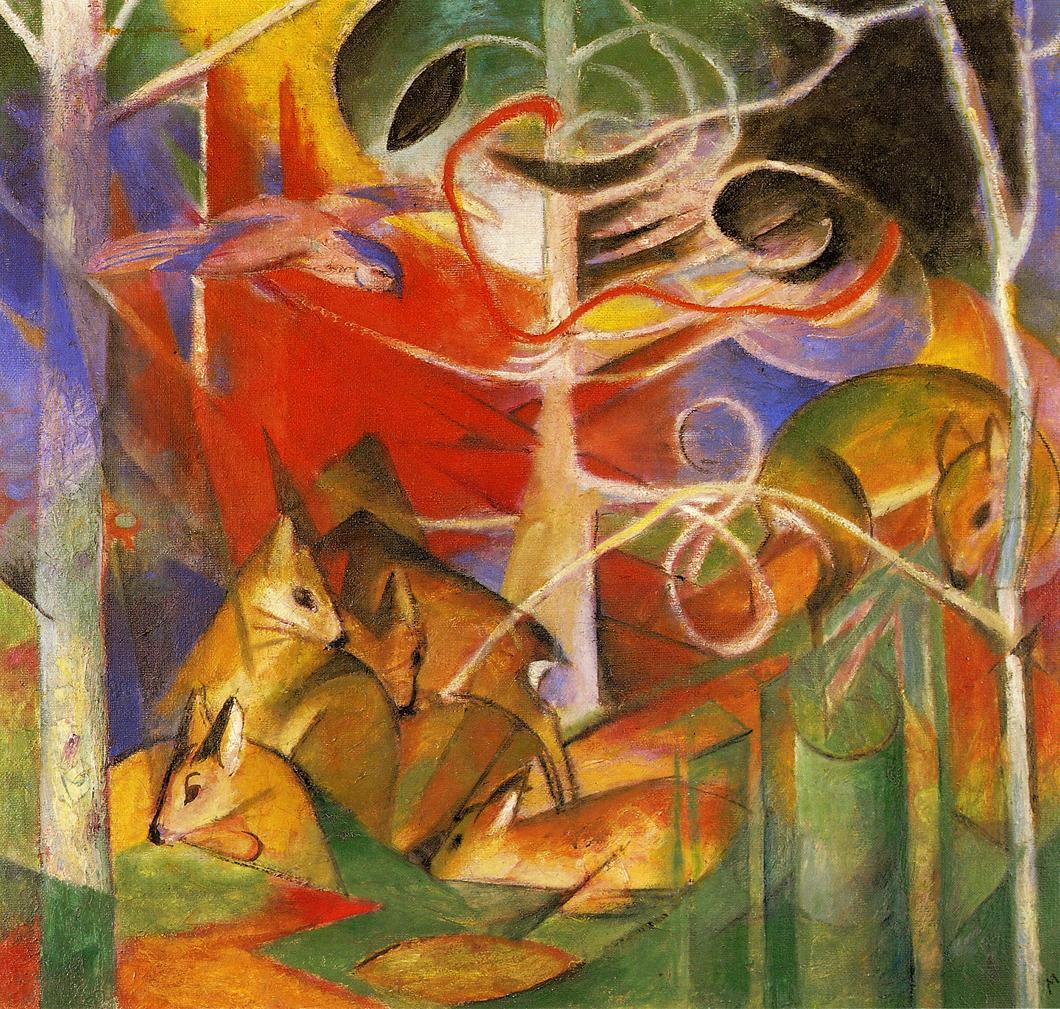
Franz Marc
Franz Marc@franzmarcart·
Deer in the Forest
Franz Marc tweet media
English
3
84
323
10.7K
Nick Irons retweetledi
Marcel Duchamp
Marcel Duchamp@artistduchamp·
Portrait of Chess Players
Marcel Duchamp tweet media
English
1
36
184
7.5K
Nick Irons retweetledi
Odilon Redon
Odilon Redon@redonart·
Sita
Odilon Redon tweet media
Español
0
37
214
4.2K
Nick Irons retweetledi
Odilon Redon
Odilon Redon@redonart·
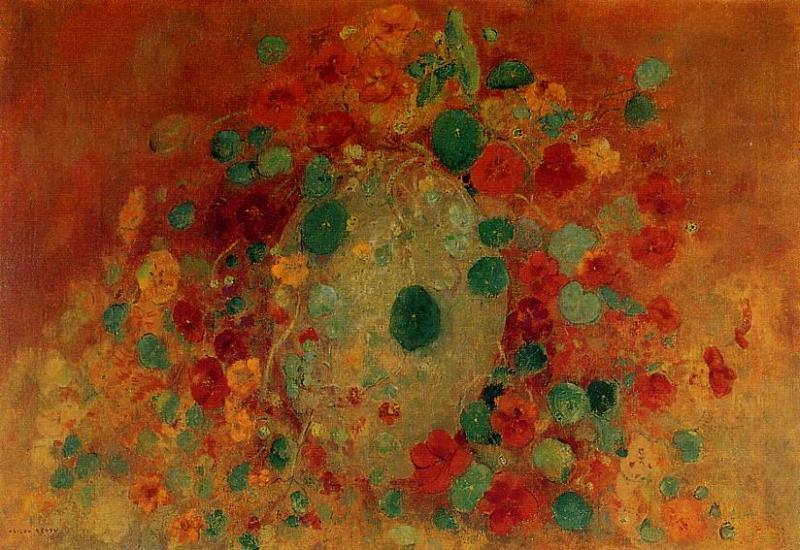
Nasturtiums
Odilon Redon tweet media
Lietuvių
0
56
214
12.3K
Nick Irons retweetledi
Anupreet Porwal
Anupreet Porwal@porwalanupreet·
New paper alert 🚨🚨🚨 Last paper from my PhD is finally out on arxiv arxiv.org/abs/2411.00471 We introduce Dirichlet process mixture of block-g priors and bridge the long-standing gap between g-priors and continuous shrinkage priors with several existing methods as special cases
English
1
1
10
191
Nick Irons retweetledi
James Medlock
James Medlock@jdcmedlock·
Huge paper on intergenerational poverty. In the US, children who grow up in poverty are far more likely to remain in poverty as adults, and the key factor that explains our divergence from peer countries is our weak welfare state
Zach Parolin@ZParolin

New at Nature Human Behaviour w/ Esping-Andersen, Pintro-Schmitt & @PFallesen: The intergenerational persistence of poverty (the link between poverty in childhood vs. adulthood) is 4x stronger in the US than in Denmark and 2x stronger than in UK/AUS. Why? nature.com/articles/s4156…
English
12
125
469
39.3K
Nick Irons retweetledi
Rachel Glennerster
Rachel Glennerster@rglenner·
In March 2020 as covid-19 struck I was in UK govt. I had expertise in vaccine innovation financing so was quickly brought into policy decisions on UK domestic & international covid-19 vaccine policy. Domestically, the UK made a lot of good calls and we got vaccines early... 🧵
English
3
41
114
34.3K
Nick Irons retweetledi
Marc Chagall
Marc Chagall@artistchagall·
Sacrifices Made to the Nymphs from Daphnis and Chloe #artbots #chagall
Marc Chagall tweet media
English
0
15
111
2K
Nick Irons retweetledi
Kelly Van Lancker
Kelly Van Lancker@KellyVanLancker·
New pre-print alert: arxiv.org/abs/2409.11162 When selecting a causal estimand, it’s crucial to balance asking the right question with the feasibility of answering it under realistic assumptions. Ignoring this in clinical trials risks chasing shadows.
English
3
7
43
3.5K