Sabitlenmiş Tweet

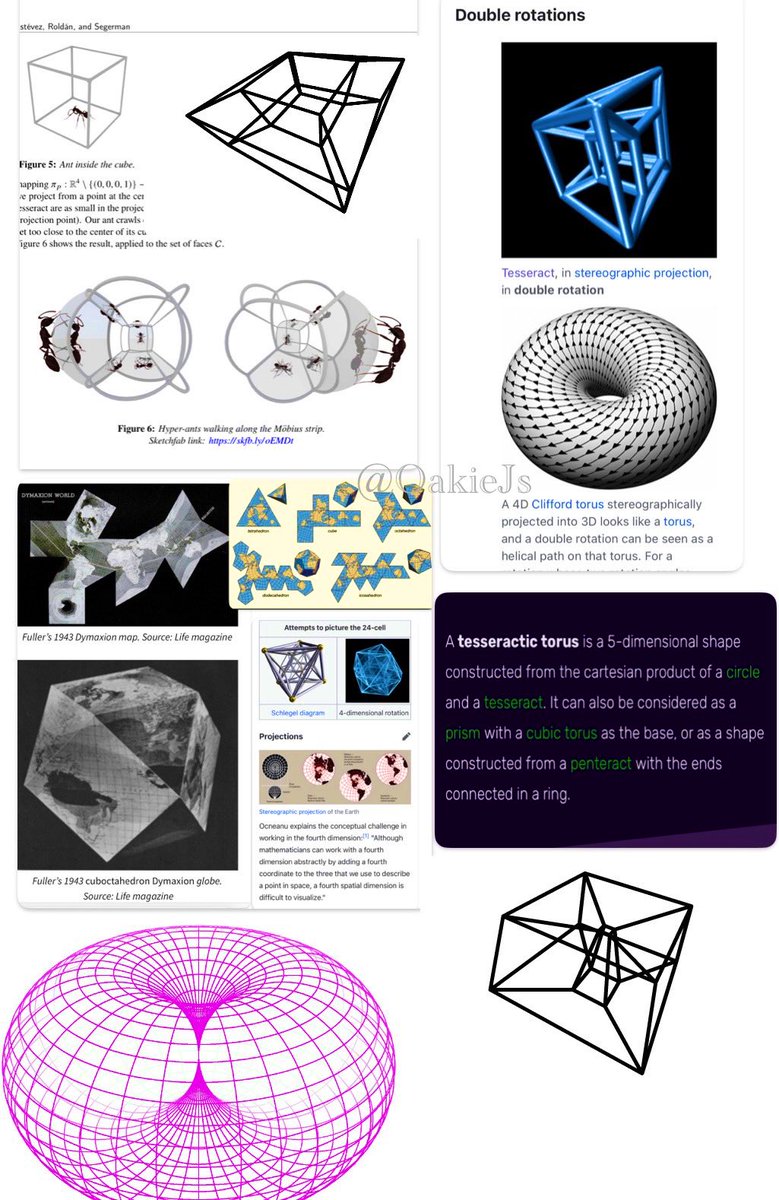
Uh-oh, getting dangerously close to figuring out the universe…. because I think I’ve finally figured out 42.
42 doesn’t answer one question. It answers many.
Over the last few years, I’ve learned so much about 42, if you search it on my account, many posts will come up.
But it’s far bigger than that, & speaks to so many more areas I’ve covered.
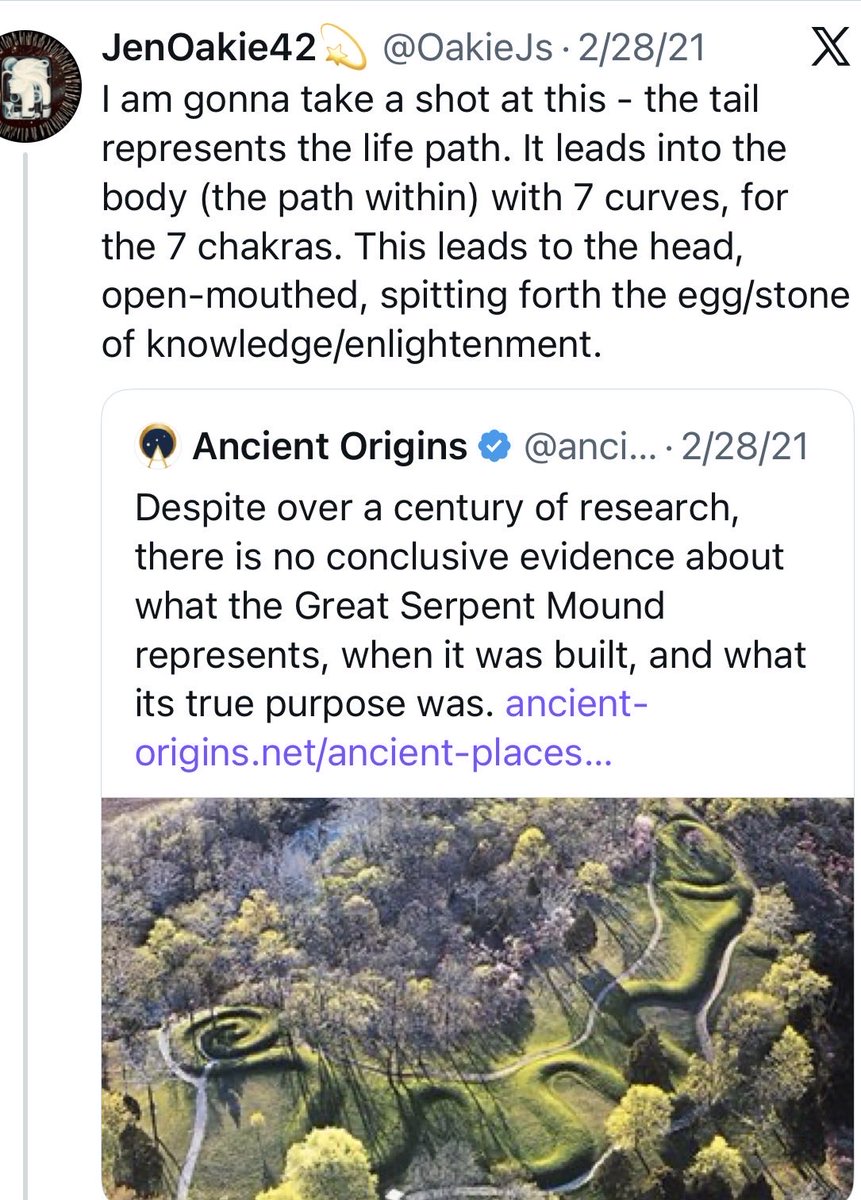
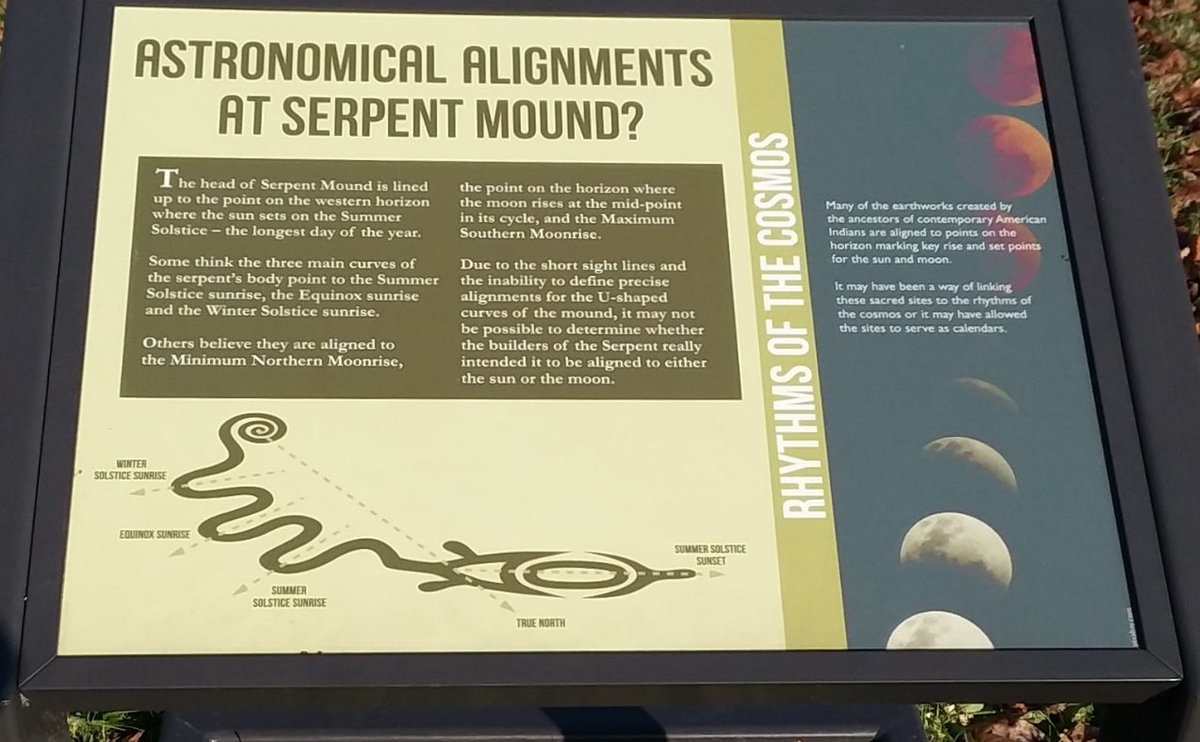
It unites upper dimensions, multiverses, Klein theory, ‘black holes’, Purgatory, shape of our realm, free will, it encompasses multi-faceted worldwide belief systems, codes to live by, dangers to avoid, and living to love.

JenOakie42💫@OakieJs
There is a theory which states if ever anyone discovers exactly what the Universe is for or why it is here, it will instantly disappear & be replaced by something even more bizarrely inexplicable. There is another theory which states that this has already happened. ~Douglas Adams
English