Mutate #9601

834 posts

Mutate #9601

Mutate #9601

@Oneiroz9601

So many faces, so few smiles. So many smiles, so many faces. All the same...

London Katılım Ekim 2022
2.6K Takip Edilen57 Takipçiler
Mutate #9601 retweetledi
SÁR
SÁR@ShalomOjo_·
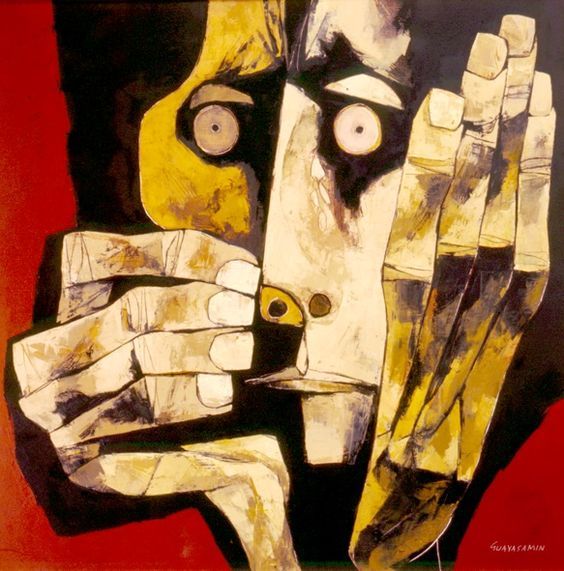
My favourite artist right now - Oswaldo Guayasamín
SÁR tweet mediaSÁR tweet mediaSÁR tweet mediaSÁR tweet media
7
314
3K
41.8K
Mutate #9601 retweetledi
Dixon D. White
Dixon D. White@TheDixonWhite·
The Truth Doesn’t Care About Your Comfort. ​Most white folks don’t have the stomach to say the truth out loud about race. We’d rather hide behind "polite" conversation and "touchy subjects" than admit the house we’re living in is built on a lie. ​But a wound doesn't heal just because you put a blindfold on. White supremacy isn't just a "them" problem—it’s a "we" problem. It’s a rot that eats us from the inside out, making us smaller, weaker, and more afraid. ​It’s time to stop protecting the lie. We’re sinking the only boat we’ve got just to watch our neighbor drown, forgetting that the lake is taking us both to the bottom. ​#AntiRacism #HardTruths #whitepeople #WhiteSupremacy #Accountability
English
65
285
936
12.6K
Mutate #9601 retweetledi
Kentah Gwanjez
Kentah Gwanjez@GWANJEZ·
Tire machèt is a Haitian martial art; a form of fencing with machetes. The origin of the practice lies in the Haitian Revolution of 1791-1804, in which rebel slaves, many armed only with the machetes they had used to cut sugarcane, defeated the French colonial army
English
8
131
510
12.2K
Mutate #9601 retweetledi
Don Salmon
Don Salmon@dijoni·
Motivation, Brother from the UK. Everything we do is black people/African people make other peoples uncomfortable. that include working, running, walking, talking, dressing, sleeping, being respective member of society. Including banking., driving., nothing we do in society make other people comfortable. Anti-blackness is global.. racism against Black people is global.
English
6
75
470
3.1K
Mutate #9601 retweetledi
Typical African
Typical African@Joe__Bassey·
The Hausa are one of the largest ethnic groups in Africa, spread across Nigeria and most parts of West Africa. Their culture is deeply rooted in language, trade, and tradition that have been passed down for centuries.
English
11
232
837
17.4K
Mutate #9601 retweetledi
Zack D. Films
Zack D. Films@zackdfilms1·
How To Carve An Apple Swan 😮
English
58
779
18.7K
751.9K
Mutate #9601 retweetledi
Epic Clip Vault
Epic Clip Vault@EpicClipVault·
When you basically have a PhD in pottery 😭
English
162
1.2K
12.8K
421.2K
Mutate #9601 retweetledi
603°
603°@demetrius3244·
603° tweet media
ZXX
50
1.8K
9.4K
397.4K
Mutate #9601 retweetledi
thais silva
thais silva@blackcollage_·
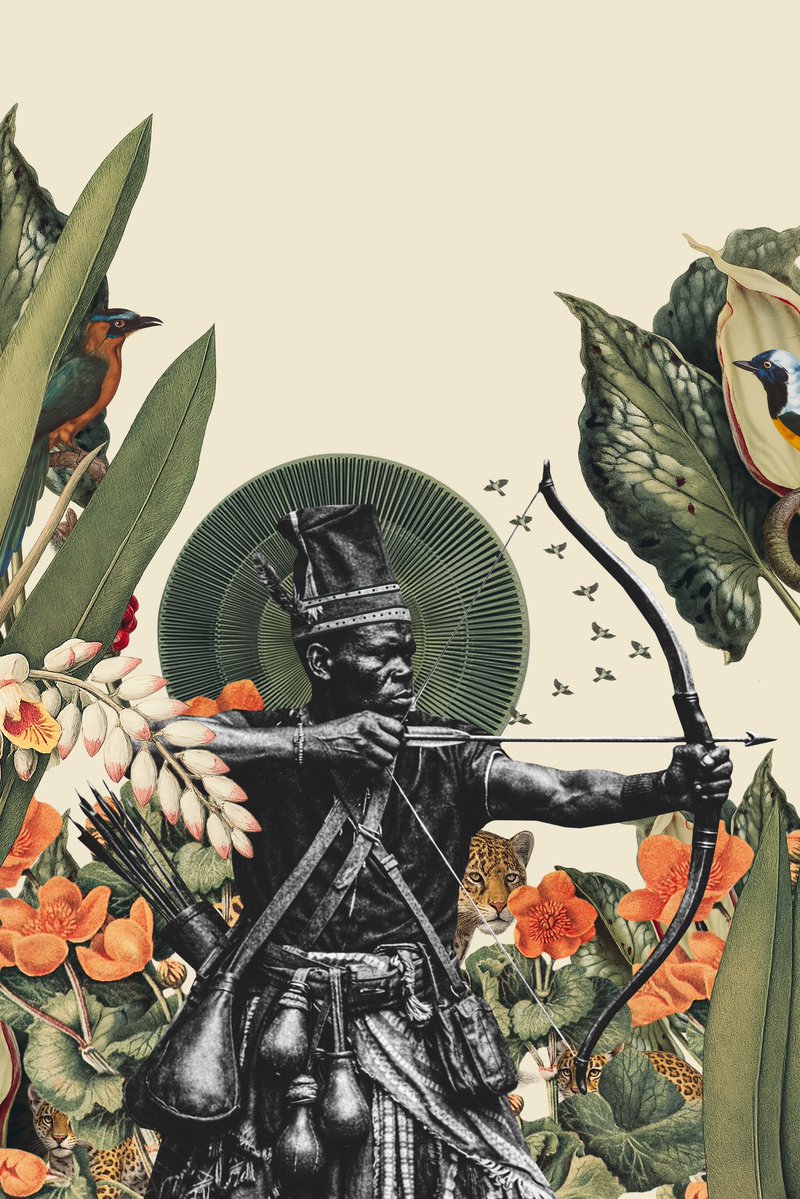
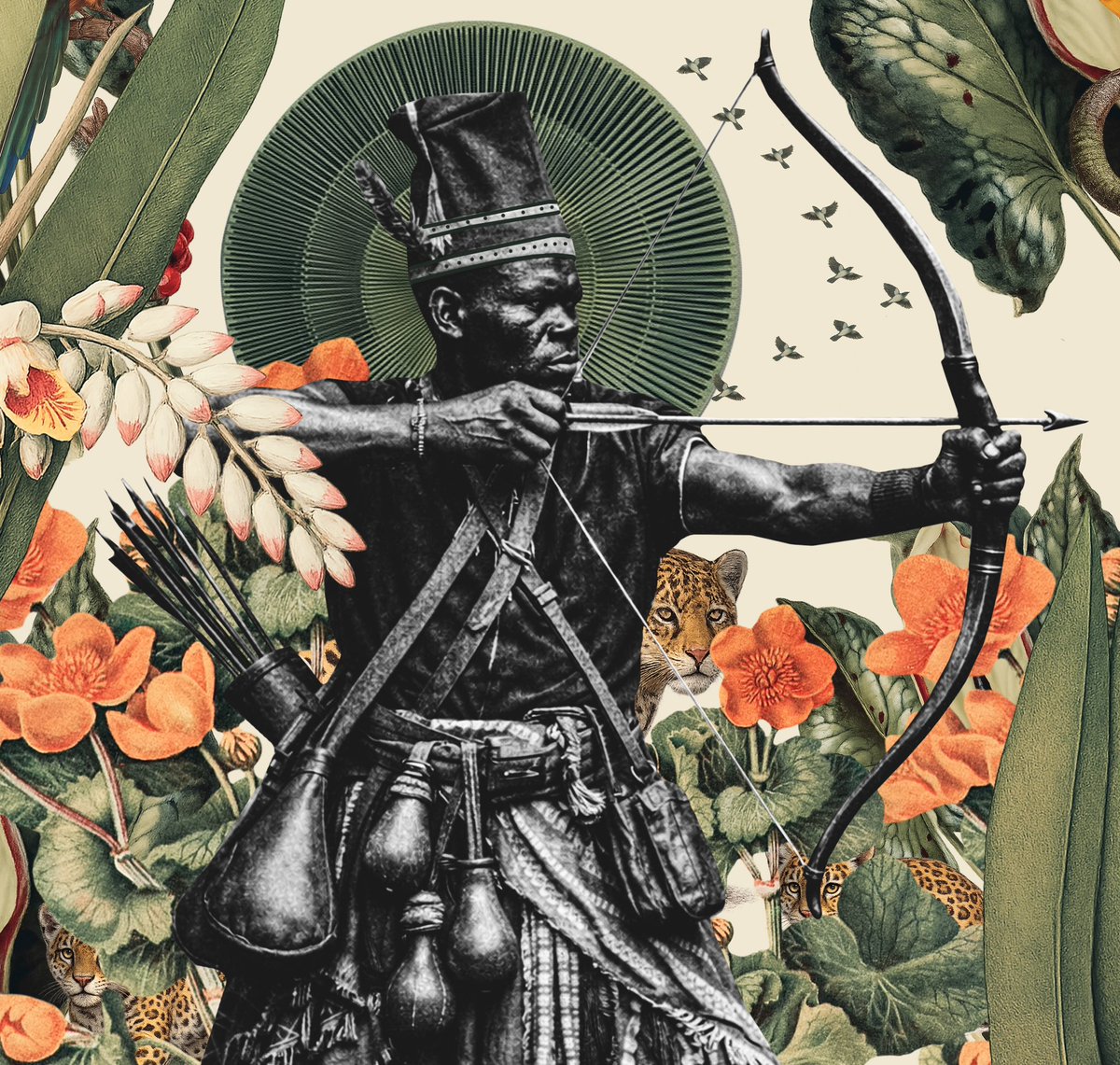
salve o senhor das matas
thais silva tweet mediathais silva tweet mediathais silva tweet media
Português
10
224
1.7K
24.3K
Mutate #9601 retweetledi
History ZAR
History ZAR@HistorySAZAR·
The film that launched Miriam Makeba to the world's stage - Come, Back Africa, 1959. Also featured in this clip is Can Themba, Bloke Modisane, Lewis Nkosi and Zacharia Mgibe
English
8
228
617
23.4K
Mutate #9601 retweetledi
Kehinde Andrews
Kehinde Andrews@kehinde_andrews·
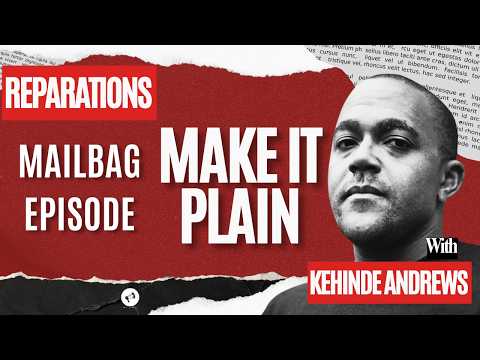
'There is no such thing as American slavery' I don't usually respond to social media comments, but the #ADOS and #FBA backlash to last week's reparations pod is a teachable moment. Then I open up the mailbag on this week's @makeitplainorg pod. Watch: youtu.be/Dufi57ChQTU
YouTube video
YouTube
English
93
38
132
30.6K
Mutate #9601 retweetledi
The Husky
The Husky@Mr_Husky1·
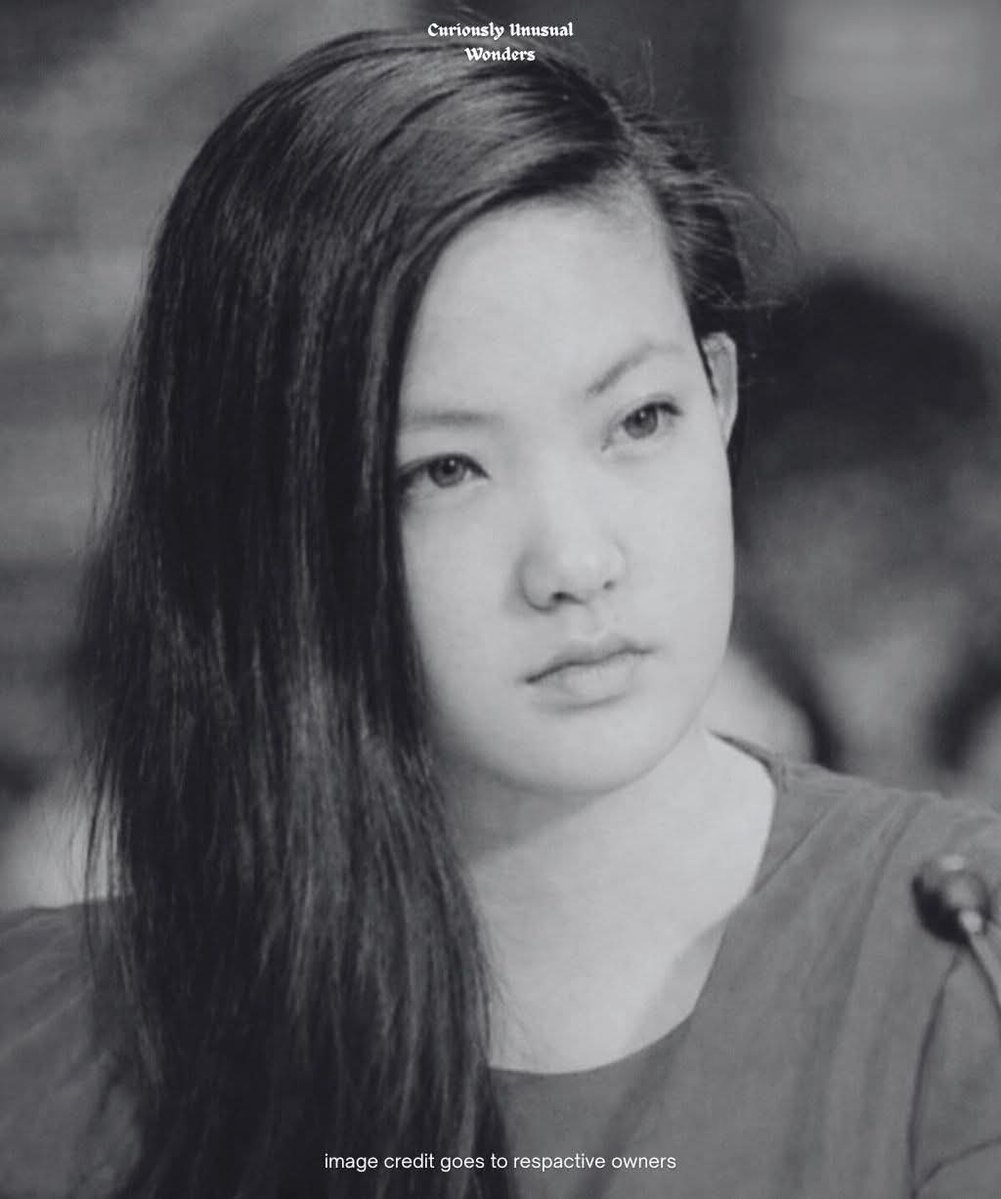
In her final semester at Harvard, Amanda Nguyen was raped. She did everything survivors are told to do. Then she discovered that the physical evidence collected from her own body would be destroyed in 6 months — unless she filed paperwork to stop it. And then filed it again. Every 6 months. Forever. She was 22 years old. She decided to change federal law instead. 🌟 Amanda had interned at NASA. She had big plans. The kind of future that takes years of hard work to build was finally within reach. Then everything shattered. She went to the hospital. She reported the assault to police. She endured the forensic exam. She made the careful decision to file her rape kit anonymously — worried that an open case could affect security clearance applications for her dream careers. That's when the system revealed how broken it truly was. Because she was anonymous, Massachusetts law gave her only 6 months before her rape kit — physical evidence collected from her own body — would be permanently destroyed. Not the 15 years the state allowed for pressing charges. Six months. No official process to extend it. No clear instructions. No one to guide her. She had to figure it out herself, every 6 months, forcing herself to relive the worst experience of her life just to preserve her right to eventually seek justice. She started researching rape kit laws in all 50 states. What she found was staggering. Some states kept kits for years. Others destroyed them in as little as 30 days. Some states charged survivors for the cost of their own kit collection. Others never notified survivors what happened to their evidence. No consistency. No standard. *"Justice should not depend on geography,"* she said. But it did. In November 2014, Amanda founded Rise — a nonprofit dedicated to changing that reality. Everyone who worked with Rise was a volunteer. They fundraised through crowdfunding. Their goal was rewriting federal law. She met with lawmakers across Washington. Staffers told her it wasn't a priority. Some questioned her story. She kept going. She learned that the most powerful thing she could do was stop being abstract — to walk into a room, look a senator in the eyes, and say: *this happened to me. I am sitting in front of you.* Together with Senator Jeanne Shaheen, she drafted the Sexual Assault Survivors' Rights Act — proposing that survivors should never be charged for their rape kit collection, should receive testing results, and must be notified at least 60 days before their evidence was scheduled for destruction. In February 2016, the bill was introduced. It passed the Senate unanimously. It passed the House unanimously. Not a single vote against. On October 7, 2016, President Obama signed the Sexual Assault Survivors' Rights Act into federal law. Amanda Nguyen was 24 years old. Rise continued working state by state. To date, Rise has helped pass 33 laws across the United States, covering protections for over 84 million rape survivors. A movement started in spare time, with no budget and only volunteers, became one of the most effective civil rights campaigns of its generation. And Amanda never stopped reaching for the stars — literally. In 2024, Blue Origin announced she would be the first Vietnamese woman to fly to space. The young woman who had once feared that fighting for justice would cost her a future in space proved the two didn't have to be a choice. She was nominated for the Nobel Peace Prize. Named a Time Woman of the Year. She wrote a memoir called *Saving Five.* But perhaps the most remarkable thing about Amanda Nguyen's story is not any single achievement. It is the fact that she turned the most painful moment of her life into something that made the world more just for millions of people who will never know her name. She was a college student who needed the system to work. When it didn't, she rebuilt it herself. **At 24 years old.
The Husky tweet media
English
220
6.2K
31.4K
2.2M
Mutate #9601 retweetledi
saber1431
saber1431@saber_1431·
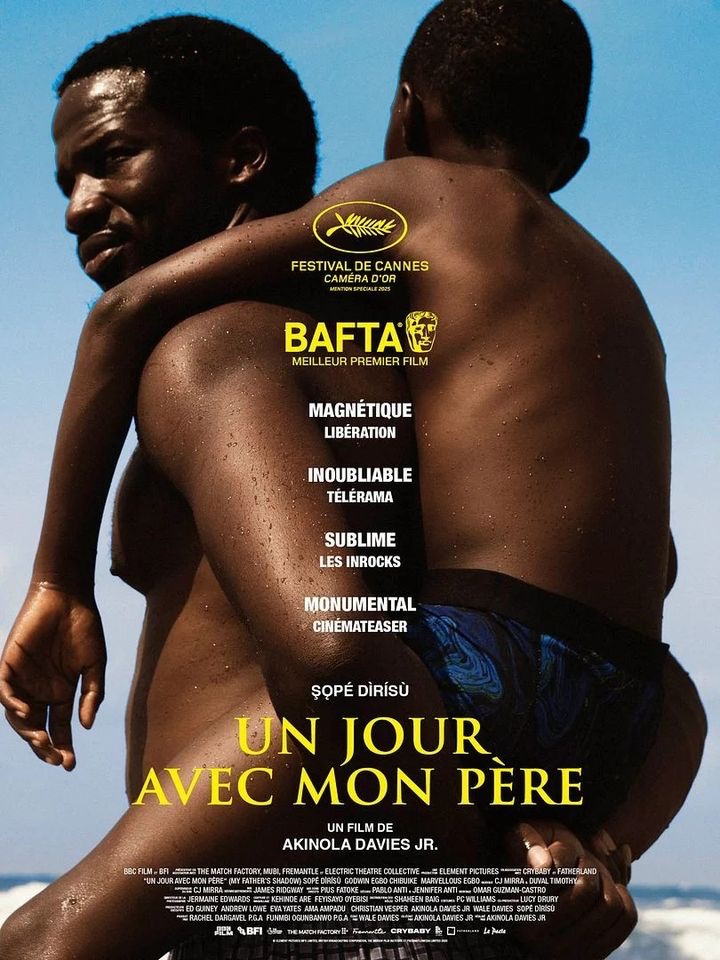
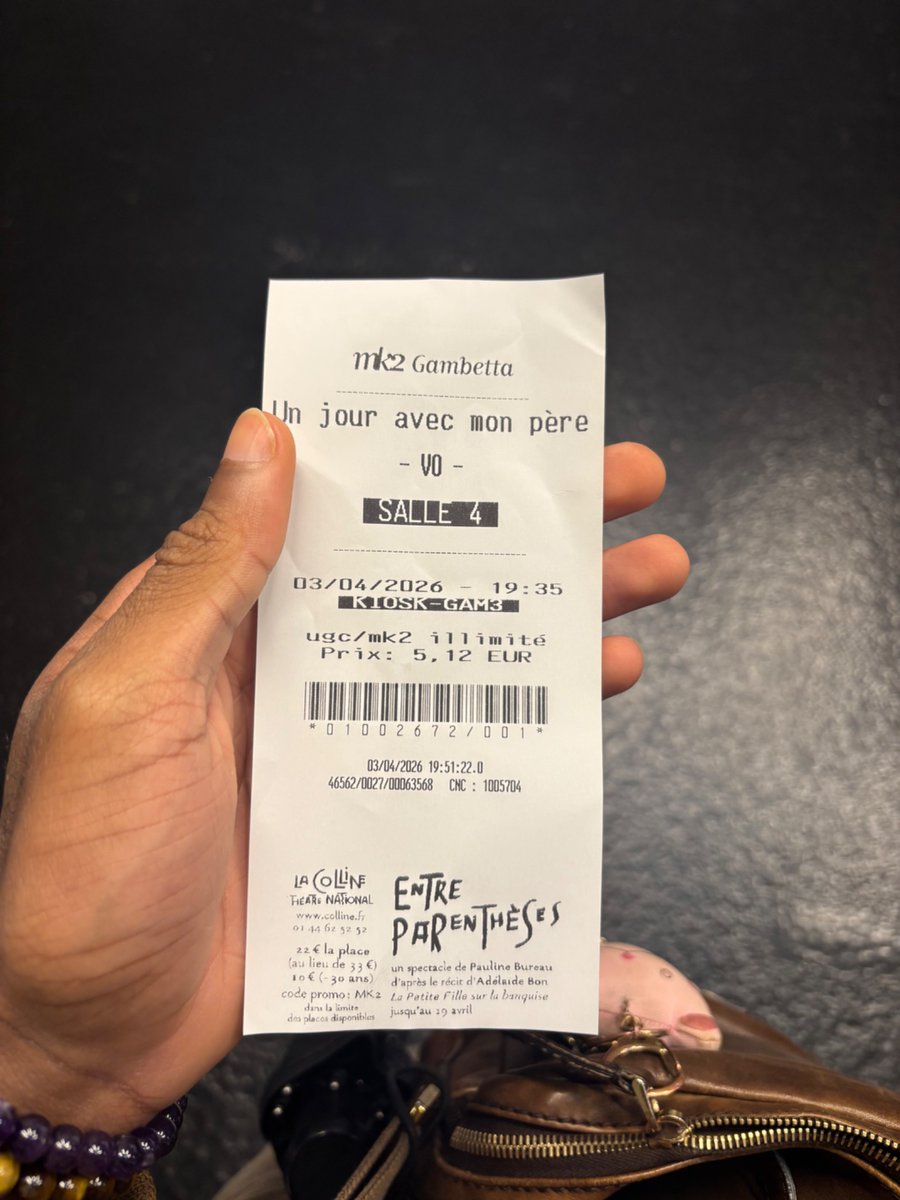
Enfants de la diaspora noire africaine je vous en supplie allez voir ce film… Les larmes ont coulé chaudement… autant pour l’histoire mise en lumière que pour le portait de l’Afrique et de ses identités qu’il dresse, l’intimité, les déchirures, les sacrifices… c’est dur.
saber1431 tweet mediasaber1431 tweet media
Français
10
876
4.2K
178.8K
Mutate #9601 retweetledi
Sovereign Media
Sovereign Media@sov_media·
BANNED FILM ON AFRICAN TREASURES In 1970, Ghanaian filmmaker Nii Kwate Owoo exposed the British Museum's hidden realities in "You Hide Me." He revealed not just history but a cover-up involving thousands of African artefacts; masks, bronzes, and sacred objects, stored in underground vaults, taken during colonial conquests from regions such as the Benin and Asante kingdoms. Catalogued and numbered for academic scrutiny, they have been extensively studied, yet remain hardly seen by the public. The film does more than document; it confronts and challenges the idea that these objects are being 'preserved' when, in reality, they remain far removed from the people who created them. Just a year after its release, the film was banned in Ghana, dismissed as 'anti-British'. But the attempt to suppress it only amplified its message, and what was meant to be buried instead echoed across borders. Control of the cultural narrative has always been a central weapon in the colonial arsenal. By stealing artefacts, ancient statues, artwork, and other material heritage, the defining characteristics of a people's past, colonial powers deliberately severed colonised peoples from the sense of national cohesion and groundedness that such heritage provides. While anti-colonial struggle must certainly address material needs, shedding the shackles of colonialism also requires confronting the immaterial: the restoration of dignity, memory, and identity. As Amílcar Cabral declared: "The liberation struggle is a cultural revolution. It is not only a struggle against the colonial regime, but also against the colonialist mentality that has been imposed on our people. We must decolonise our minds." More than five decades later, the question at the heart of Owoo’s film still stands—unresolved and urgent. Why are the cultural and spiritual inheritances of Africa still held behind glass or hidden underground in institutions built on empire? @venanalysis @VoxUmmah @qiaocollective @ProgIntl @blkagendareport @OrinocoTribune @KawsachunNews
English
7
337
535
12.4K