That Particular Baptist

11.7K posts

That Particular Baptist banner
That Particular Baptist

That Particular Baptist

@ParticularBapt

Mainly posting about the British Particular/Reformed Baptists | Sovereign grace over sin abounding | Second London Baptist Confession of Faith

London, England Katılım Mart 2024
970 Takip Edilen1.4K Takipçiler
Sabitlenmiş Tweet
That Particular Baptist
That Particular Baptist@ParticularBapt·
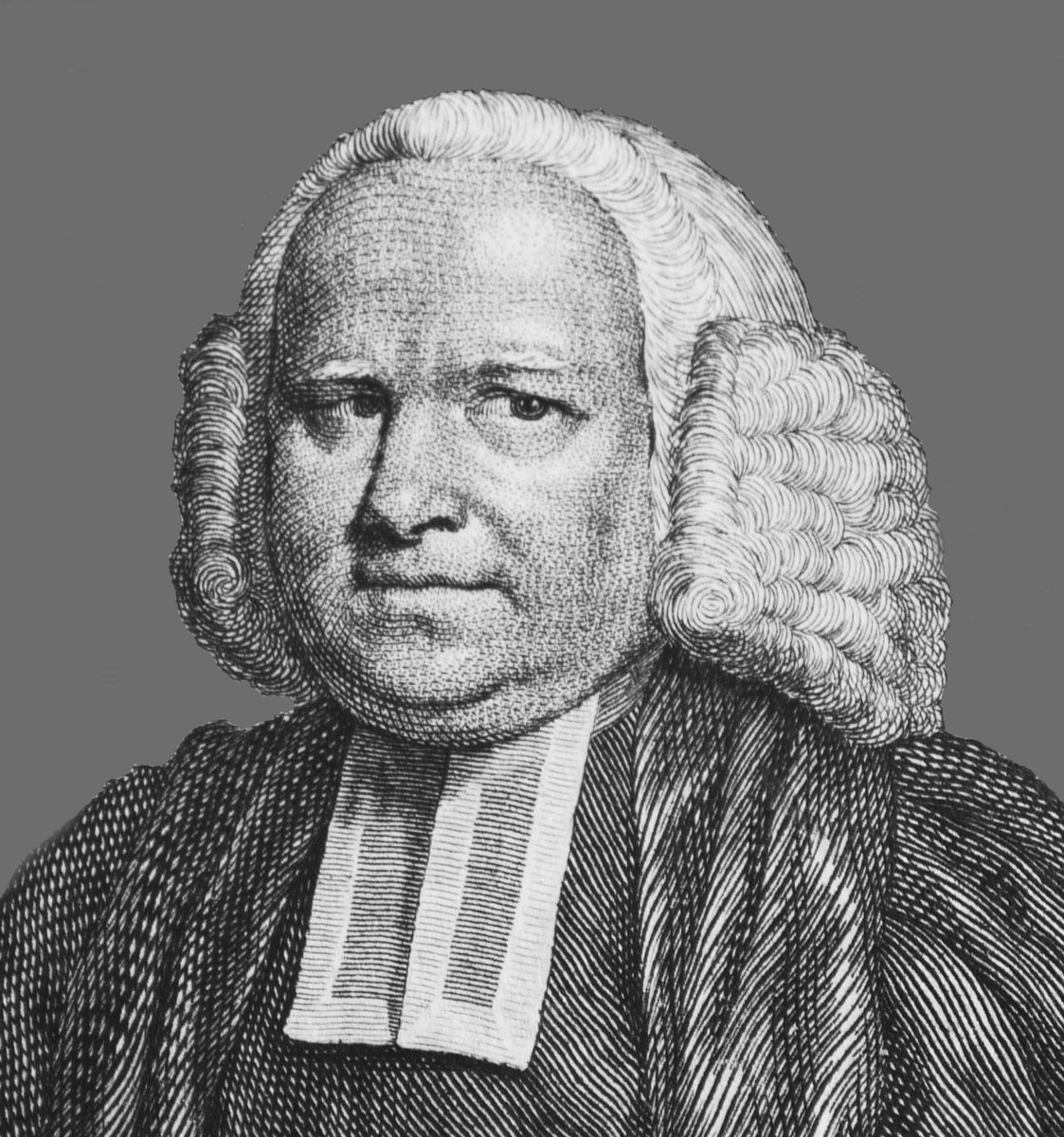
An extract from George Whitefield's letter to Anne Dutton: 'I long to be dissolved, to be with Christ. Sometimes it arises from a fear of falling, knowing what a body of sin I carry about me; sometimes from a prospect of future labours and sufferings, I am out of humour, and wish for death as Elijah did; at others I am tempted, and then I long to be freed from temptations. But it is not thus always. There are times when my soul hath such foretastes of God that I long more eagerly to be with Him; and the frequent prospect of the happiness which the spirits of just men, made perfect, now enjoy, often carries me, as it were, into another world. Many such sweet meditations hath my soul been favoured with; but in the midst of all, I have felt, and do feel, that I am the chief of sinners.'
That Particular Baptist tweet mediaThat Particular Baptist tweet mediaThat Particular Baptist tweet media
English
1
1
8
422
That Particular Baptist
That Particular Baptist@ParticularBapt·
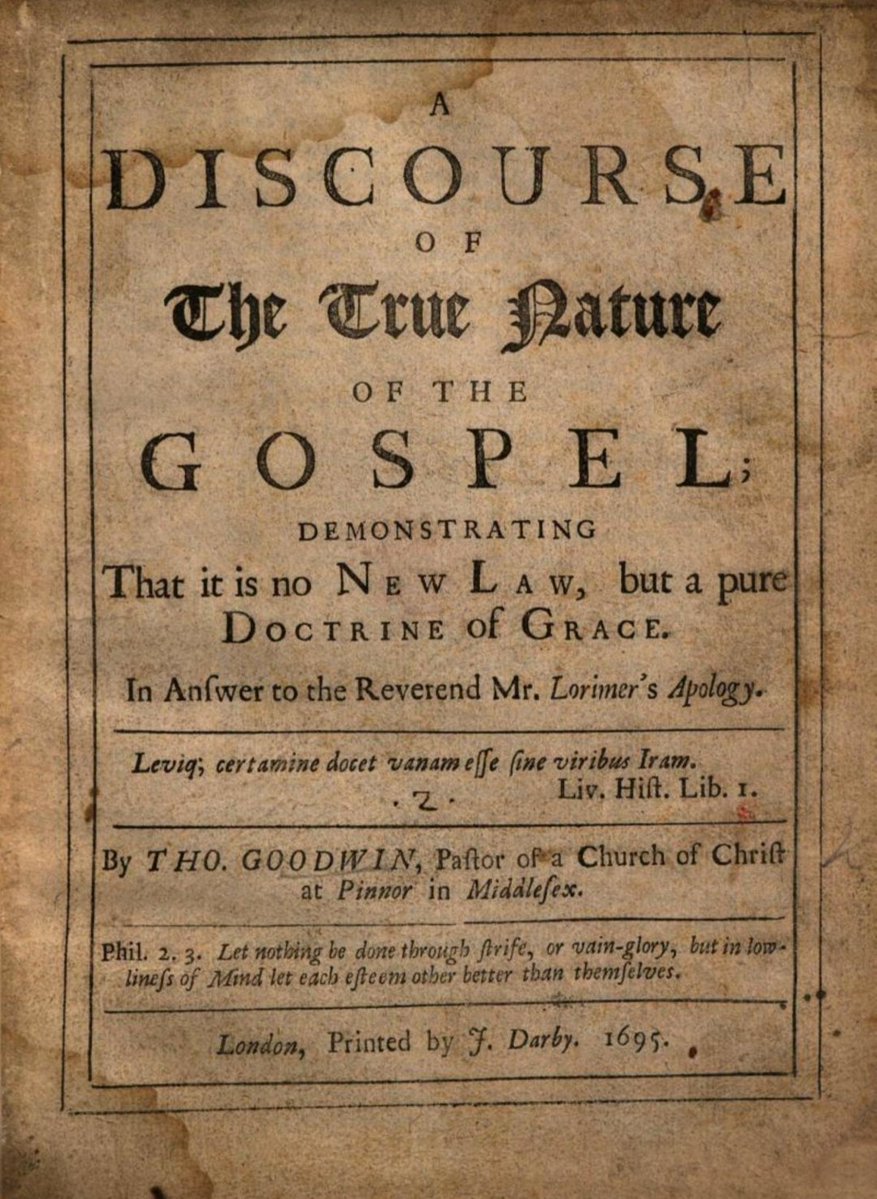
Thomas Goodwin the Younger with some preliminary remarks prior to responding to this position: 'Well then, when we meet with the word law, if we would not be imposed on by the mere sound of a word, we must carefully view the text on all sides, and survey and consider all its circumstances. When what is proper to the gospel is attributed to the law, the word law is not to be apprehended in the strict sense, as signifying a rule of duty and threatening penalties to the disobedient, or as importing a doctrine of works, but a doctrine of grace. Thus, when the law is said to turn the soul and to rejoice the heart, Psal. 19. 8, 9, since these are not the effects of the law as a doctrine of works, for that rather effects a sense of wrath than any hope in the heart of a guilty, condemned sinner, and its efficacy is more suited to wound him with anxious fears or tormenting despair, rather than to comfort him, Rom. 4. 15, we must by no means conceive a proper law, consisting of precepts and menaces, to be meant, but the doctrine of the mercies of God in Christ, which only can have those virtues and influences. And so when the Apostle too calls the gospel a law of faith, since he makes the righteousness of the law opposite to the righteousness which is of faith, Rom. 10. 4, 5, 6, and Rom. 3. 20, 21, 22, he must consequently mean not a law in the strict sense, not a doctrine of works, but of pure grace. And by this rule we are to proceed: when we find the gospel called a law, we are not to understand it in the strict meaning, as a rule of duty with a sanction, which is the proper and peculiar nature of the moral law, but as a revealed instruction to us what the mind of God is concerning our recovery and salvation by Christ. And when we hear of the precepts and threatenings of the gospel, and read them in that part of the Bible which we call the New Testament, whether in the sermons of our Saviour or in the writings of the Apostles, we are not to surmise presently that these are any parts of the gospel properly so titled, as it is a word of grace and the doctrine of our redemption by Jesus, though they are contained in that book to which we commonly give that name. For this would be to perplex our notions of things which are entirely distinct in their natures and ideas, and to jumble them so confusedly together that we should not be able, upon sight, to discern and know one from the other.For by the same method of proceeding, I might frame an imagination to myself, and strive to impose it on other men, that the moral law is the gospel, because there are so many declarations of God’s love to sinners, of his mercies to pardon them, and so many promises of grace interspersed in the Psalms and Prophets and other books of the Old Testament; all which, though so much of the gospel be contained in it, is so frequently called the law both by Christ and his Apostles, the primitive Fathers, and Protestant divines. So that, in a word, as the promises of the gospel spread through the books of Moses and the Prophets is no argument to prove the law to be the gospel; so it is as false a demonstration that the gospel is a law, because there are so many precepts and threatenings repeated in the Evangelists and Epistles. All that can be concluded is, that as there are promises in one volume of the Bible, so there are commands and menaces in the other: but yet, as it is the gospel which promises grace in the first, so it is the law which commands and threatens in the second. And to clear the equation, it is only needful to bring all the precepts in both to one side, and the promises to another, and then we have distinct law and gospel.' play.google.com/store/books/de…
That Particular Baptist tweet media
Summum@7ummumbonum

𝐓𝐡𝐨𝐦𝐚𝐬 𝐌𝐚𝐧𝐭𝐨𝐧 𝐚𝐠𝐚𝐢𝐧𝐬𝐭 𝐭𝐡𝐞 𝐞𝐫𝐫𝐨𝐫 𝐨𝐟 𝐭𝐡𝐨𝐬𝐞 𝐰𝐡𝐨 𝐭𝐞𝐚𝐜𝐡 𝐭𝐡𝐞 𝐠𝐨𝐬𝐩𝐞𝐥 𝐢𝐬 𝐧𝐨𝐭 𝐚 𝐥𝐚𝐰—𝐞𝐱𝐜𝐞𝐫𝐩𝐭𝐬 𝐟𝐫𝐨𝐦 𝐡𝐢𝐬 𝐬𝐞𝐫𝐦𝐨𝐧 𝐨𝐧 𝐑𝐨𝐦. 𝟖:𝟐, “𝐅𝐨𝐫 𝐭𝐡𝐞 𝐥𝐚𝐰 𝐨𝐟 𝐭𝐡𝐞 𝐬𝐩𝐢𝐫𝐢𝐭 𝐨𝐟 𝐥𝐢𝐟𝐞 𝐢𝐧 𝐂𝐡𝐫𝐢𝐬𝐭 𝐉𝐞𝐬𝐮𝐬 𝐡𝐚𝐭𝐡 𝐦𝐚𝐝𝐞 𝐦𝐞 𝐟𝐫𝐞𝐞 𝐟𝐫𝐨𝐦 𝐭𝐡𝐞 𝐥𝐚𝐰 𝐨𝐟 𝐬𝐢𝐧 𝐚𝐧𝐝 𝐝𝐞𝐚𝐭𝐡”: “First, In opening the words observe,— 1. Here is law opposed to law. 2. By the one we are freed from the other. […] The covenant of grace is called the 'law of the spirit of life in Christ Jesus.' A law it is, for it hath all the requisites of a law, a precept, and a sanction. They err certainly, that tell us the gospel is no law; for if there were no law, there would be no governor, and no government, no duty, no sin, no judgment, no punishment, nor reward. […] That the gospel hath the force of a law, I shall evidence by th[e] consideratio[n] that man, being God's creature, is his subject, and standeth related to him, as his rightful governor, and therefore is to receive what laws he is pleased to impose upon him: Is. xxxiii. 22, 'The Lord is our judge, the Lord is our law-giver, the Lord is our king, and he will save us;' and James iv. 21, 'There is one law-giver, who is able to save and to destroy.' […] The gospel, which is both our rule and charter, is the law which in Christ’s name is given to the world. That appeareth,— [1.] By the titles or terms wherein it is expressed ; as, Is. ii. 3, ‘Out of Zion shall go forth the law, and the word of God from Jerusalem.’ So Isa. lxii. 4, ‘The isles shall wait for his law ;’ and Is. li. 4, ‘A law shall proceed from me, and I will make my judgment to rest for a light to the people.’ And in the New Testament it is called ‘The law of faith,’ Rom. iii. 27, and the ‘Law of Christ,’ Gal. v. 2, so that the doctrine of salvation by Christ is that law which we should abide by. [2.] The reason of the thing showeth it. For here is a governor or ruler, the Lord Christ, who hath acquired a new dominion and empire over the world, to save and to rule men upon his own terms…Christ being possessed of this lordship and dominion, hath made a new law of grace, which is propounded as a remedy for the relieving and restoring the lapsed world of mankind to the grace and favour of God; granting pardon and life to all that sincerely repent and believe in him, and live in new obedience; and peremptorily concluding and damning those to everlasting death that shall refuse these terms. This new constitution and gospel covenant hath all the formalities of a law…it is not only enacted pleno jure, by an absolute and uncontrollable right; but proclaimed by authorised messengers sent by the Lord Christ, who in his name were to require the obedience of the world to his new law, cf. Mat. 28:19-20. There is not only direction given to us to obey the gospel, but a charge and obligation is laid upon us…There is a coactive power in laws; God hath not left the creatures to comply with his directions if they please; no, there is a strict charge laid upon them; they must do it at their peril. Laws have a binding force, from the authority of their law-giver…Therefore we read much of the 'Obedience of faith' (cf. Rom. 1, 16, Acts 5, 6, 2 Cor. 10, 2 Pet. 1)…All this is said to show it is not arbitrary or indifferent, but we are bound by the authority of this new law. This law hath a sanction, otherwise it were but an arbitrary direction, though delivered in a preceptive form. The sanction is by promises of reward, or by threatenings of punishment…The law of grace threateneth us with the highest penalties (cf. John 3:19, Heb. 10:29)…This sanction supposeth an exercise of government according to law; and so that there is a just governor and administrator, who will take account how this new law of grace is kept or broken…God's external government is according to the law of the gospel.”

English
1
0
2
288
That Particular Baptist
That Particular Baptist@ParticularBapt·
Thomas Goodwin the Younger contra Manton's false conclusion that if one asserts the gospel is no law, there is therefore now no law for the believer: 'That the precepts which the gospel employs are not any parts of itself, but borrowed from the law, will be undoubted if we consider what is their nature and use. They are designed as the rule of our actions; they instruct us what to do; they draw the lines of our duty, and set the limits of our obedience; and all this is the proper office of the moral law, which it completely discharges without calling in any assistance. It is the eternal and unalterable rule of manners, and a doctrine directing the whole conduct of human life. There is no defect in it which it was needful to supply by another new law; to assert that would be to impeach the wisdom of God as deficient, as not knowing at first all that was good and righteous and necessary to be commanded to his creatures and to be done by them; or as so short in its foresight as not able to discern at the first all the duties which men were bound to perform in the circumstances of their state, but was obliged afterward, taught by experience, to supply the failures by a new law, or by an addition of new precepts suited to man’s present state of sin, weakness, and misery.If then the moral law did not comprehend in it all precepts of duties, it would not be God’s law, for his is perfect; he is not like short‑sighted men, who cannot foresee what the consequences of a law made by them may be within the compass of one age, nor whether circumstances of affairs altering, it may not prove hurtful or unnecessary; and therefore all governments find themselves obliged to repeal old laws, or to add some clauses to suit them to a present posture of affairs, or to make new ones to repair the defects to which all human wisdom in her best provisions is obnoxious, for want of a certain foreknowledge of the future. But who can have such a thought of God, that these infirmities of a man should ever befall him in making his laws, that he should be forced, though not to repeal what he had made so many ages before, yet to promulgate a new one with additional precepts accommodated to the present case of his miserable creature man?And as it is repugnant to God’s perfections to make new laws, so it would infer that his antiquated law was imperfect, and so no rule; and this would unavoidably follow if any duties are to be performed which it neither regulates nor gives any direction about them. But Christ, though as Mediator he is no law‑giver, yet perfectly knows the nature of the law given at Mount Sinai; that the law contains all duties, for he makes the sum of it to consist in love to God, and in a due degree of love to ourselves, and in loving our neighbour, Matt. 22. 35–40. Now it will be very difficult to give an instance of any duty which we owe to him our great Creator, or to ourselves, or to men our fellow‑creatures, which are not included in one of those two tables, or to name a precept which may not be reduced to them. The Scripture alleged is the more demonstrative for this reason, that our Lord Christ’s answer is to a man enquiring concerning his duty; and then, if at any time, there was occasion to mention this new law and to have told him the additional precepts, had there been any such things. But Christ sends him to the moral law as comprehending all that man was to do, and as a perfect rule of duty sufficient completely to instruct him. And indeed, what more can be required of man than to love God with all the powers and faculties of his soul, and to love himself as he ought to do, and his neighbour in like measure?' (Pg.42-44) Keep reading for his thorough treatment of repentance and faith being duties of the moral law. play.google.com/store/books/de…
That Particular Baptist tweet media
Summum@7ummumbonum

𝐓𝐡𝐨𝐦𝐚𝐬 𝐌𝐚𝐧𝐭𝐨𝐧 𝐚𝐠𝐚𝐢𝐧𝐬𝐭 𝐭𝐡𝐞 𝐞𝐫𝐫𝐨𝐫 𝐨𝐟 𝐭𝐡𝐨𝐬𝐞 𝐰𝐡𝐨 𝐭𝐞𝐚𝐜𝐡 𝐭𝐡𝐞 𝐠𝐨𝐬𝐩𝐞𝐥 𝐢𝐬 𝐧𝐨𝐭 𝐚 𝐥𝐚𝐰—𝐞𝐱𝐜𝐞𝐫𝐩𝐭𝐬 𝐟𝐫𝐨𝐦 𝐡𝐢𝐬 𝐬𝐞𝐫𝐦𝐨𝐧 𝐨𝐧 𝐑𝐨𝐦. 𝟖:𝟐, “𝐅𝐨𝐫 𝐭𝐡𝐞 𝐥𝐚𝐰 𝐨𝐟 𝐭𝐡𝐞 𝐬𝐩𝐢𝐫𝐢𝐭 𝐨𝐟 𝐥𝐢𝐟𝐞 𝐢𝐧 𝐂𝐡𝐫𝐢𝐬𝐭 𝐉𝐞𝐬𝐮𝐬 𝐡𝐚𝐭𝐡 𝐦𝐚𝐝𝐞 𝐦𝐞 𝐟𝐫𝐞𝐞 𝐟𝐫𝐨𝐦 𝐭𝐡𝐞 𝐥𝐚𝐰 𝐨𝐟 𝐬𝐢𝐧 𝐚𝐧𝐝 𝐝𝐞𝐚𝐭𝐡”: “First, In opening the words observe,— 1. Here is law opposed to law. 2. By the one we are freed from the other. […] The covenant of grace is called the 'law of the spirit of life in Christ Jesus.' A law it is, for it hath all the requisites of a law, a precept, and a sanction. They err certainly, that tell us the gospel is no law; for if there were no law, there would be no governor, and no government, no duty, no sin, no judgment, no punishment, nor reward. […] That the gospel hath the force of a law, I shall evidence by th[e] consideratio[n] that man, being God's creature, is his subject, and standeth related to him, as his rightful governor, and therefore is to receive what laws he is pleased to impose upon him: Is. xxxiii. 22, 'The Lord is our judge, the Lord is our law-giver, the Lord is our king, and he will save us;' and James iv. 21, 'There is one law-giver, who is able to save and to destroy.' […] The gospel, which is both our rule and charter, is the law which in Christ’s name is given to the world. That appeareth,— [1.] By the titles or terms wherein it is expressed ; as, Is. ii. 3, ‘Out of Zion shall go forth the law, and the word of God from Jerusalem.’ So Isa. lxii. 4, ‘The isles shall wait for his law ;’ and Is. li. 4, ‘A law shall proceed from me, and I will make my judgment to rest for a light to the people.’ And in the New Testament it is called ‘The law of faith,’ Rom. iii. 27, and the ‘Law of Christ,’ Gal. v. 2, so that the doctrine of salvation by Christ is that law which we should abide by. [2.] The reason of the thing showeth it. For here is a governor or ruler, the Lord Christ, who hath acquired a new dominion and empire over the world, to save and to rule men upon his own terms…Christ being possessed of this lordship and dominion, hath made a new law of grace, which is propounded as a remedy for the relieving and restoring the lapsed world of mankind to the grace and favour of God; granting pardon and life to all that sincerely repent and believe in him, and live in new obedience; and peremptorily concluding and damning those to everlasting death that shall refuse these terms. This new constitution and gospel covenant hath all the formalities of a law…it is not only enacted pleno jure, by an absolute and uncontrollable right; but proclaimed by authorised messengers sent by the Lord Christ, who in his name were to require the obedience of the world to his new law, cf. Mat. 28:19-20. There is not only direction given to us to obey the gospel, but a charge and obligation is laid upon us…There is a coactive power in laws; God hath not left the creatures to comply with his directions if they please; no, there is a strict charge laid upon them; they must do it at their peril. Laws have a binding force, from the authority of their law-giver…Therefore we read much of the 'Obedience of faith' (cf. Rom. 1, 16, Acts 5, 6, 2 Cor. 10, 2 Pet. 1)…All this is said to show it is not arbitrary or indifferent, but we are bound by the authority of this new law. This law hath a sanction, otherwise it were but an arbitrary direction, though delivered in a preceptive form. The sanction is by promises of reward, or by threatenings of punishment…The law of grace threateneth us with the highest penalties (cf. John 3:19, Heb. 10:29)…This sanction supposeth an exercise of government according to law; and so that there is a just governor and administrator, who will take account how this new law of grace is kept or broken…God's external government is according to the law of the gospel.”

English
1
0
1
245
That Particular Baptist
That Particular Baptist@ParticularBapt·
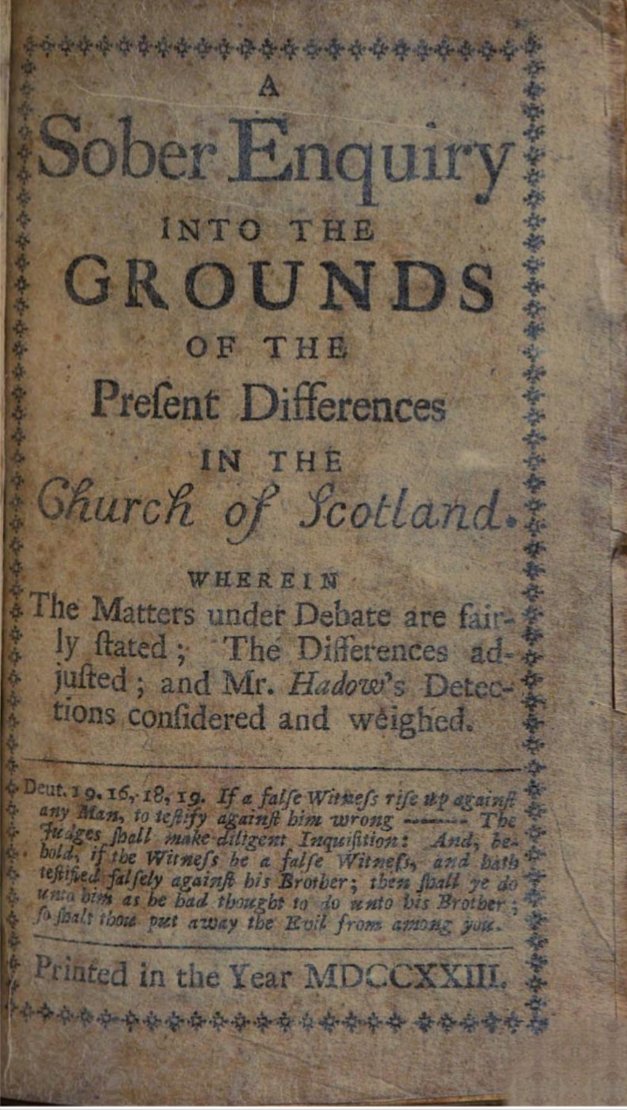
In his conclusion to Robert Riccaltoun treatment of the evangelical faith and evangelical repentance, and their order and relation to the pardon of sins in chapter 8 of A Sober Enquiry, he summarily responds to James Haddow's remarks as follows [read the whole chapter as he responds in detail]: '1st, As this opinion [i.e, the opinion of the marrow brethren] 𝙖𝙡𝙡𝙤𝙬𝙨 𝙧𝙚𝙥𝙚𝙣𝙩𝙖𝙣𝙘𝙚 𝙖 𝙧𝙤𝙤𝙢 𝙞𝙣 𝙩𝙝𝙚 𝙨𝙤𝙪𝙡 𝙖𝙨 𝙨𝙤𝙤𝙣 𝙖𝙨 𝙛𝙖𝙞𝙩𝙝 𝙝𝙖𝙨 𝙖𝙣𝙮, 𝙖𝙣𝙙 𝙩𝙝𝙖𝙩 𝙞𝙨, 𝙬𝙚 𝙖𝙧𝙚 𝙨𝙪𝙧𝙚, 𝙖𝙨 𝙨𝙤𝙤𝙣 𝙖𝙨 𝙩𝙝𝙚𝙧𝙚 𝙞𝙨 𝙖𝙣𝙮 𝙨𝙥𝙞𝙧𝙞𝙩𝙪𝙖𝙡 𝙡𝙞𝙛𝙚 𝙩𝙝𝙚𝙧𝙚; 𝙖𝙣𝙙 𝙩𝙝𝙚𝙣𝙘𝙚 𝙛𝙤𝙧𝙬𝙖𝙧𝙙 𝙩𝙤 𝙖𝙙𝙫𝙖𝙣𝙘𝙚 𝙝𝙖𝙣𝙙 𝙞𝙣 𝙝𝙖𝙣𝙙 𝙬𝙞𝙩𝙝 𝙞𝙩 𝙞𝙣 𝙖𝙡𝙡 𝙞𝙩𝙨 𝙖𝙘𝙩𝙞𝙣𝙜𝙨; it can be no injury done to the Spirit of Grace, not to reckon these things among his gracious and saving operations, which are supposed before these. And though legal convictions, where they are designed to end in a saving change, are indeed gracious operations of the Spirit, that will not make them saving ones until saving faith is wrought; nor will they produce gospel‑repentance until gospel‑light is taken in, and which is only done by evangelical faith. 2dly, It is a gross mistake that there are in the Word of God any promises annexed to any operations performed upon an unbeliever, or any duties done by him in that condition, since we are sure there are no promises, either of pardon or anything else, annexed to sins; and, whatsoever is not of faith, is sin. And whatever consequence follows upon this, is indeed none at all. Neither is it true that there is any such connexion made between anything in us, or done by us, and remission of sins in justification. 3dly, This can have no ill influence upon people’s morals, 𝙨𝙞𝙣𝙘𝙚 𝙞𝙩 𝙜𝙞𝙫𝙚𝙨 𝙣𝙤 𝙚𝙣𝙘𝙤𝙪𝙧𝙖𝙜𝙚𝙢𝙚𝙣𝙩 𝙩𝙤 𝙥𝙪𝙩 𝙤𝙛𝙛 𝙧𝙚𝙥𝙚𝙣𝙩𝙖𝙣𝙘𝙚 𝙖𝙣𝙮 𝙢𝙤𝙧𝙚 𝙩𝙝𝙖𝙣 𝙗𝙚𝙡𝙞𝙚𝙫𝙞𝙣𝙜; 𝙣𝙤𝙧 𝙘𝙖𝙣 𝙤𝙣𝙚 𝙤𝙛 𝙩𝙝𝙚𝙨𝙚 𝙗𝙚 𝙥𝙧𝙚𝙨𝙨𝙚𝙙 𝙪𝙥𝙤𝙣 𝙥𝙚𝙤𝙥𝙡𝙚 𝙬𝙞𝙩𝙝𝙤𝙪𝙩 𝙩𝙖𝙠𝙞𝙣𝙜 𝙞𝙣 𝙩𝙝𝙚 𝙤𝙩𝙝𝙚𝙧. 4thly, His fourth I know not so well what to make of, being founded upon the absurdity he thinks there is in God’s justifying the ungodly. To avoid which, he thinks the sinner must be sanctified first; as if the holiness of God’s nature were not as great a bar to the one as the other; or that God may not, with as much consistency therewith, justify a sinner actually interested in Christ, and in him, and for his sake, give him a title unto life and salvation, as he can give him such considerable parts thereof as the sanctifying Spirit, the spiritual life and actual holiness, and therein an earnest of the whole, without any interest in Christ; or that he does not as really look upon the sinner when he gives these, as when he declares his right to them, and removes his legal incapacity. 5thly, His fifth is such a visible injury done to the Marrow, and such as own his opinion, 𝙬𝙝𝙤 𝙖𝙡𝙡 𝙢𝙖𝙠𝙚 𝙧𝙚𝙥𝙚𝙣𝙩𝙖𝙣𝙘𝙚 𝙞𝙣𝙨𝙚𝙥𝙖𝙧𝙖𝙗𝙡𝙚 𝙛𝙧𝙤𝙢 𝙛𝙖𝙞𝙩𝙝, 𝙨𝙤 𝙖𝙨 𝙩𝙝𝙖𝙩 𝙜𝙧𝙤𝙬𝙨 𝙞𝙣 𝙥𝙚𝙧𝙛𝙚𝙘𝙩𝙞𝙤𝙣, 𝙧𝙚𝙥𝙚𝙣𝙩𝙖𝙣𝙘𝙚 𝙢𝙪𝙨𝙩 𝙙𝙤 𝙨𝙤 𝙩𝙤𝙤; that no man who cares what he says will venture to charge them with setting aside repentance as unnecessary to salvation, 𝙗𝙚𝙞𝙣𝙜 𝙞𝙩𝙨𝙚𝙡𝙛, 𝙞𝙣 𝙩𝙝𝙚𝙞𝙧 𝙤𝙥𝙞𝙣𝙞𝙤𝙣, 𝙖 𝙫𝙚𝙧𝙮 𝙢𝙖𝙩𝙚𝙧𝙞𝙖𝙡 𝙥𝙖𝙧𝙩 𝙤𝙛 𝙞𝙩.' books.google.com/books?id=gVhiA…
That Particular Baptist tweet media
☩ ℭ𝔥𝔢𝔱 ☩@CSWCF1646

"3. This Doctrine, that Men are not to repent and forsake their sins till they be justified, and know that their sins are pardoned, where it is embraced, may have very bad influence upon peoples morals, and be of dangerous consequence to their soul's salvation. For it teacheth and encourageth them to put off and delay the necessary duty of repentance: Whereas, our Lord in the Beginning of his public ministry, called for this duty in the first place (Matt 4:7, Mark 1:14) and the Apostle placeth it the very first of the principles of the doctrine of Christ (Heb 6:1) 𝑻𝒉𝒆𝒓𝒆𝒇𝒐𝒓𝒆, 𝒍𝒆𝒂𝒗𝒊𝒏𝒈 𝒕𝒉𝒆 𝑷𝒓𝒊𝒏𝒄𝒊𝒑𝒍𝒆𝒔 𝒐𝒇 𝒕𝒉𝒆 𝑫𝒐𝒄𝒕𝒓𝒊𝒏𝒆 𝒐𝒇 𝑪𝒉𝒓𝒊𝒔𝒕, — 𝒏𝒐𝒕 𝒍𝒂𝒚𝒊𝒏𝒈 𝒂𝒈𝒂𝒊𝒏 𝒕𝒉𝒆 𝑭𝒐𝒖𝒏𝒅𝒂𝒕𝒊𝒐𝒏 𝒐𝒇 𝑹𝒆𝒑𝒆𝒏𝒕𝒂𝒏𝒄𝒆 𝒇𝒓𝒐𝒎 𝒅𝒆𝒂𝒅 𝒘𝒐𝒓𝒌𝒔, 𝒂𝒏𝒅 𝒐𝒇 𝒇𝒂𝒊𝒕𝒉 𝒕𝒐𝒘𝒂𝒓𝒅 𝑮𝒐𝒅. 4. This Doctrine is apt to induce sinners to make light of sin; as if it were no great evil nor so dangerous to the souls of men, nor displeasing and hateful to God, as some represent it: seeing according to this opinion, it justifies the ungodly without repentance, and pardons their sins before they forsake them. Whereas the Scripture holds forth, that the holy God 𝒊𝒔 𝒐𝒇 𝒑𝒖𝒓𝒆𝒓 𝑬𝒚𝒆𝒔 𝒕𝒉𝒂𝒏 𝒕𝒐 𝒃𝒆𝒉𝒐𝒍𝒅 𝑬𝒗𝒊𝒍, (Heb. 1:13) 𝒂𝒏𝒅 𝒕𝒉𝒂𝒕 𝑺𝒊𝒏 𝒊𝒔 𝒕𝒉𝒆 α𝒃𝒐𝒎𝒊𝒏𝒂𝒃𝒍𝒆 𝒕𝒉𝒊𝒏𝒈 𝒉𝒆 𝒉𝒂𝒕𝒆𝒔, (Jer. 44:4) And that they are seducers 𝒘𝒉𝒐 𝒔𝒑𝒆𝒂𝒌 𝒑𝒆𝒂𝒄𝒆 𝒕𝒐 𝒊𝒎𝒑𝒆𝒏𝒊𝒕𝒆𝒏𝒕 𝑺𝒊𝒏𝒏𝒆𝒓𝒔, 𝒂𝒏𝒅 𝒅𝒂𝒖𝒃 𝒘𝒊𝒕𝒉 𝒖𝒏𝒕𝒆𝒎𝒑𝒆𝒓𝒆𝒅 𝒎𝒐𝒓𝒕𝒆𝒓, 𝒂𝒏𝒅 𝒔𝒕𝒓𝒆𝒏𝒈𝒕𝒉𝒆𝒏 𝒕𝒉𝒆 𝒉𝒂𝒏𝒅𝒔 𝒐𝒇 𝒕𝒉𝒆 𝒘𝒊𝒄𝒌𝒆𝒅, 𝒕𝒉𝒂𝒕 𝒉𝒆 𝒔𝒉𝒐𝒖𝒍𝒅 𝒏𝒐𝒕 𝒓𝒆𝒕𝒖𝒓𝒏 𝒇𝒓𝒐𝒎 𝒉𝒊𝒔 𝒘𝒊𝒄𝒌𝒆𝒅 𝑾𝒂𝒚, 𝒃𝒚 𝒑𝒓𝒐𝒎𝒊𝒔𝒊𝒏𝒈 𝒉𝒊𝒎 𝒍𝒊𝒇𝒆 (Ez. 13:10,22)" 𝑱𝒂𝒎𝒆𝒔 𝑯𝒂𝒅𝒐𝒘, 𝑻𝒉𝒆 𝑨𝒏𝒕𝒊𝒏𝒐𝒎𝒊𝒂𝒏𝒊𝒔𝒎 𝒐𝒇 𝒕𝒉𝒆 𝑴𝒂𝒓𝒓𝒐𝒘 𝒐𝒇 𝑴𝒐𝒅𝒆𝒓𝒏 𝑫𝒊𝒗𝒊𝒏𝒊𝒕𝒚 𝑫𝒆𝒕𝒆𝒄𝒕𝒆𝒅, pg. 61-62

English
1
0
3
300
That Particular Baptist retweetledi
Kyle Claunch
Kyle Claunch@kdclaunch·
One need not choose between Scripture’s teaching on the ecclesial office of pastor/elder being reserved for qualified men and Scripture’s teaching regarding the glorious truths of the triune God and the incarnate Son. Be careful that you seek to keep the whole counsel of God.
Malcolm Yarnell@MusingsOnChrist

Be careful that you don’t strain at the gnat of an ecclesiological locus while swallowing the camel of Trinitarian and Christological heresy.

English
1
4
44
4.3K
That Particular Baptist
That Particular Baptist@ParticularBapt·
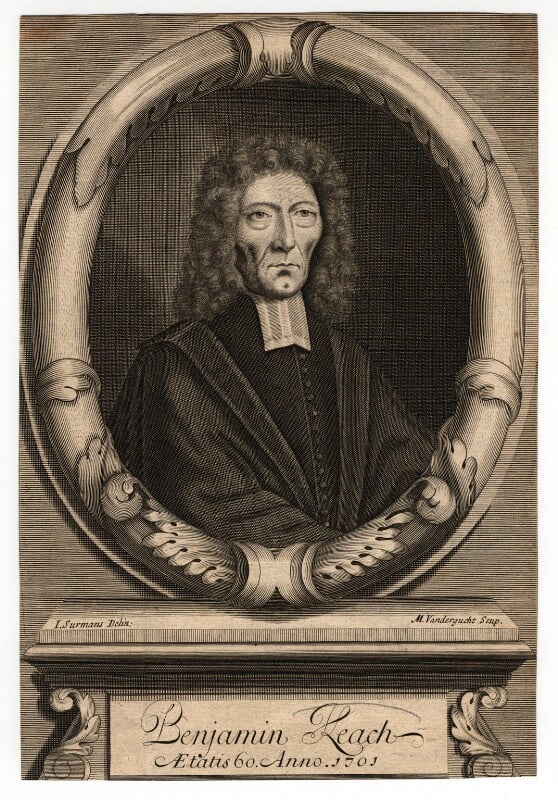
'Faith must be tried; for there is nothing men are more mistaken or deceived in. There is abundance of counterfeit faith in the world. Faith must also be tried by the true touchstone, viz., the Word of God. If a man fear his faith be not of the right kind, let him bring it thither; i.e. examine the nature and quality of it, by the marks laid down in the holy scriptures, and he will soon discover what faith he hath.' - Benjamin Keach, Tropologia, Pg. 612 [1856 edition] On page 614 of Tropologia, Benjamin Keach responds to the question, 'How may a man know true Faith from that which is common, and mere counterfeit?' Out of the 15 marks given by Keach, at least 10 of them concern inward and outward sanctification (see image 1 and 2), in which he mentions "love to God", longing for "power and dominion" over sin, "alteration in the course of thy life", "obedience" to his precepts, etc. So, I don't believe that Keach denies that one's justification is known by some fruit of sanctification (as stated by Burgess). After all, Keach in Exposition of the Parables (1704) said the following in response to a question about his thoughts on those who decry all signs of grace or marks of a justified person: 'Ans. I think they are under a delusion of Satan; and such who hearken to them, for want of trying themselves, may soon, with a presumptuous faith and hope of heaven, blindfold fall down to hell: will they contemn the teachings of the Holy Ghost and the holy apostles? Are there not many signs laid down in God's word, whereby we may and ought to try and examine ourselves?' Echoes what he said previously in Tropologia. Now to the quote posted by @MitchellSheten1 on Pg. 617 in the Tropologia [1856 edition]. Keach is dealing with the question of how one may distinguish between a weak and strong faith (Remember he has already spoken of how to try the genuineness of faith on previous pages). In this section (see image 3), Keach is highlights the fact that the one with a weak faith tends to look more within than without [not that there shouldn't be any looking within], focuses more on the power of the adversary than on God's power, is weakened by every discouragement encountered because they comfort is attached to every twist and turn in their frame, finds more of their peace and comfort from doing rather than his acceptance being in and through Christ, and is found attending the means and ordinances moreso for the sweet effects of them when blessed by the Spirit [not that we should also attend for this reason] rather than fundamentally attending them due to the command of Christ and manifesting obedience therein and on the occasion when there isn't a felt sense of those sweet effects, weak faith faints. Keach gives the quote as the 6th point, in which he highlights the issue that those with weak faith conclude their justification only when they have seen within themselves an "eminent power over sin". As he says, "then he begins to conclude he may be in a saved state". The issue isn't with the use of marks and signs of faith and justification as mentioned above, rather it is when has such a readiness to judge their justification by their inward sanctification that they won't even conclude they are justified unless they see within themselves an "eminent" power over sin. One's power over sin may have not reached an eminent degree, yet still be such a power over sin as is compatible with the state of a weak, though justified, Christian.
That Particular Baptist tweet mediaThat Particular Baptist tweet mediaThat Particular Baptist tweet media
Summum@7ummumbonum

“Now although it be seriously disputed, whether Justification or Sanctification go before one another; and generally it is asserted, that in priority of nature a man is justified before he be sanctified, though they be both together in time; yet withal they acknowledge, that according to our sense and feeling, and the Method we must take for comfort, we apprehend our Sanctification before our Justification; and no man may persuade himself, that he is justified, who doth not discover in himself the fruits of Sanctification. The one is the fruit, the other is the tree: so that the Apostle may very well put sanctification first, because to our sense and apprehension it is so.“ —Anthony Burgess, Spiritual Refining, Serm. LXI

English
1
0
3
346
That Particular Baptist retweetledi
SKI
SKI@skiistiredasf·
22-year-old Nothando Nhliziyo from Leicester was repeatedly dismissed by doctors and told to “just take paracetamol” for her severe back pain. She had to lie about falling down the stairs to finally get scans she needed Those scans showed incurable stage 4 angiosarcoma. A heartbreaking story. Sending her strength and prayers. 💔🙏🏾
SKI tweet mediaSKI tweet media
English
90
1.7K
8.4K
503.3K
That Particular Baptist retweetledi
Bear
Bear@BearJFK·
Decades telling British people that having kids is low status. Telling girls that to get pregnant is the worst thing that can happen. Social pressure to get half of all young people to go to university to then become heavily indebted, with it being a total waste of 3-5 years of their prime years. Decades terrifying people that the world is going to burn up. Decades telling people the world is overpopulated and therefore immoral to have children—but this doesn’t apply to non Western countries. Decades of an economic system that prioritises putting people in work over family formation. Yeah. Guess what? People stop having babies.
Daily Mail@DailyMail

Birth rates plunge to 50-year low while foreign-born parents account for record four in ten, official figures show trib.al/YA8qS6n

English
56
615
4.3K
131K
That Particular Baptist retweetledi
The Presbytery Inn
The Presbytery Inn@PresbyInn·
Even were the danger less imminent, still, when I consider the proper end for which churches are erected, it appears to me more unbecoming their sacredness than I well can tell, to admit any other images than those living symbols which the Lord has consecrated by his own word: I mean Baptism and the Lord’s Supper, with the other ceremonies. By these our eyes ought to be more steadily fixed, and more vividly impressed, than to require the aid of any images which the wit of man may devise. - John Calvin, Institutes, 1.11.13
The Presbytery Inn tweet media
English
4
8
108
3.2K
That Particular Baptist
That Particular Baptist@ParticularBapt·
Benjamin Keach commenting on the servants in the parable of the prodigal son (Luke 15:11-32): 'That the ministers of the Gospel may be meant by these servants, they are required ministerially, to bring forth the best robe, or offer the righteousness of Christ unto convinced sinners, and this first of all, there being no previous qualifications required of them in order to fit or prepare them to put it on.'
That Particular Baptist tweet media
English
1
0
3
235
That Particular Baptist retweetledi
MO 🇨🇩 #MoveForJack #FreeCongo
There’s been so many fatal stabbings and even shootings over the last 72 hours: Hackney, Reading, Kilburn, Brighton. Sunshine and sin and make people lose their minds! Have mercy, Lord
English
0
1
1
150
That Particular Baptist
That Particular Baptist@ParticularBapt·
'Brethren, the devil cares not what promises sinners make to become good and virtuous hereafter, if he can hinder them from closing in with Christ at present. Beloved, pray remember that tomorrow is the devil's time, I mean it is the time he chooses for sinners, but God's time is today. "Go work today in my vineyard"[Matthew 20], "today if you will hear my voice harden not your hearts," Heb. 3:7, 8. "While it is called today," ver. 13. "Boast not thyself of tomorrow," Prov. 27:1. "Behold, this is the accepted time, this is the day of salvation," 2 Cor. 6:2. But this time Satan likes not of, he is for another time, it is too soon, saith Satan; indeed he is for no time, he would have the sinner in hell before he sets about this work, and therefore strives to deceive the soul, by putting it upon resting on promises to close with Christ hereafter; certainly such promises will come to nothing that the devil stirs up men and women to make.' - Benjamin Keach
That Particular Baptist tweet media
English
0
0
1
107
That Particular Baptist
That Particular Baptist@ParticularBapt·
'That which there is an absolute necessity of is vain to dispute about, or cry, O it is difficult. You must, O young men, repent or perish, "I tell you nay, except ye repent, ye shall all likewise perish," Luke 13: 3, 5.' - Benjamin Keach
That Particular Baptist tweet media
English
0
1
8
106
That Particular Baptist retweetledi
Tom Ascol @tomascol
Tom Ascol @tomascol@tomascol·
Basil Manly, Jr. on the loss of the Sabbath: “It is fast becoming a question in this country, whether we shall have a Sabbath or not. The increasing press & hurry of business in this busy land; the lax views of some divines concerning the authority & sanctity of the Sabbath; the sanctions already given by custom & public opinion to large encroachments on its holy hours; &, above all, the influx of tens of thousands yearly from lands where practically they have no Sabbath, are powerful influences against which the friends of the Lord's day must contend.”
English
3
27
121
11.1K