

Paul Quirk
40 posts
Paul Quirk
@PaulQuirk87
Buying Businesses @CitiumCapital. Interviewing others who do the same @BuyBuildPodcast and helping others acquire with the Buy and Build Accelerator. Link⬇️
United Kingdom Katılım Eylül 2014
137 Takip Edilen52 Takipçiler
Paul Quirk retweetledi

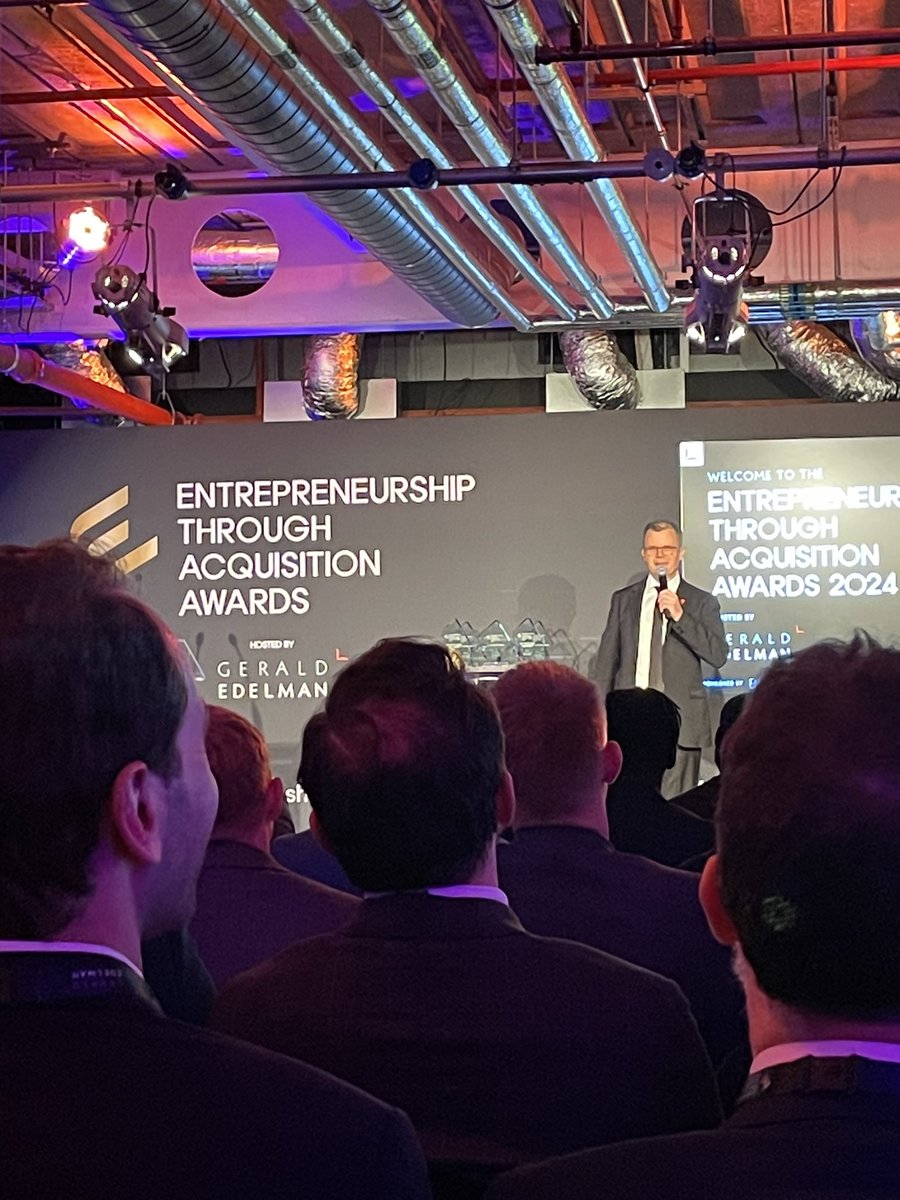
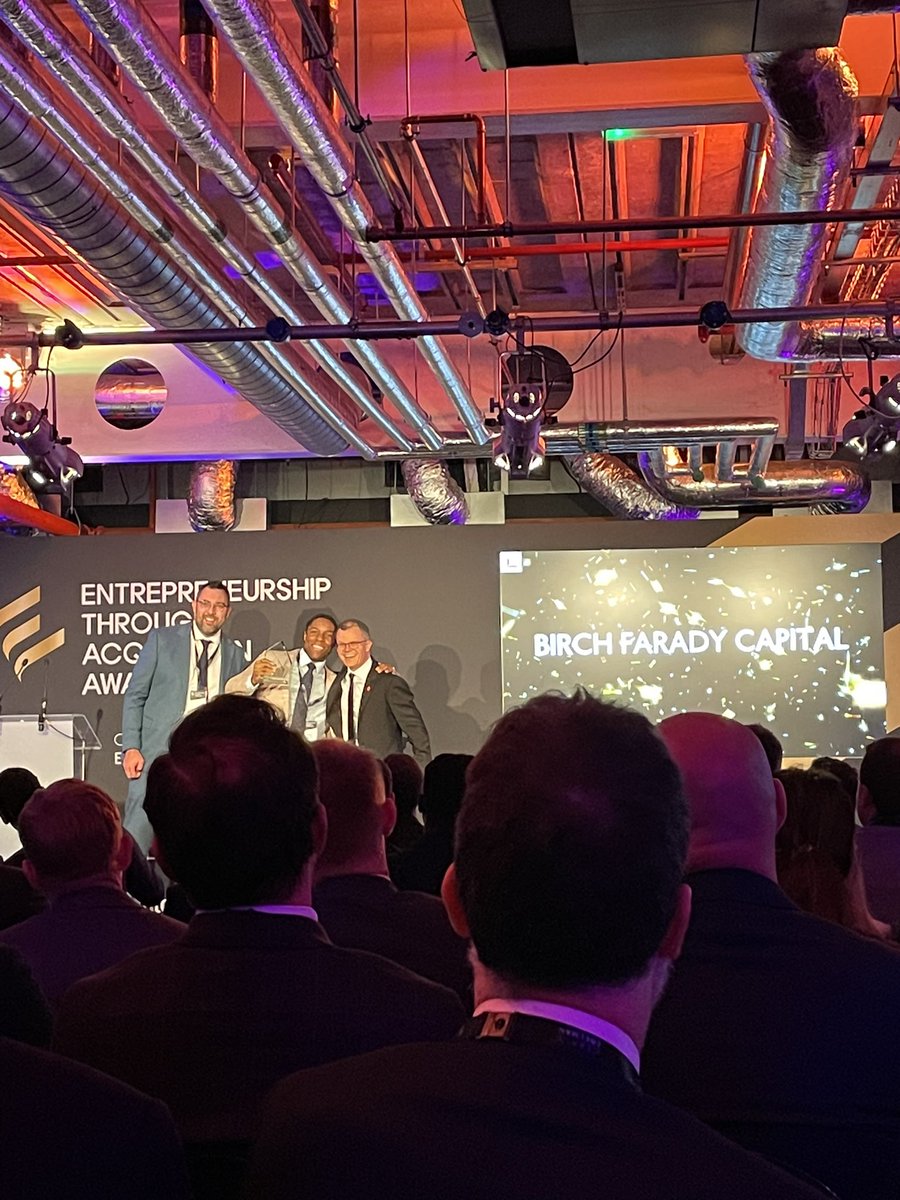
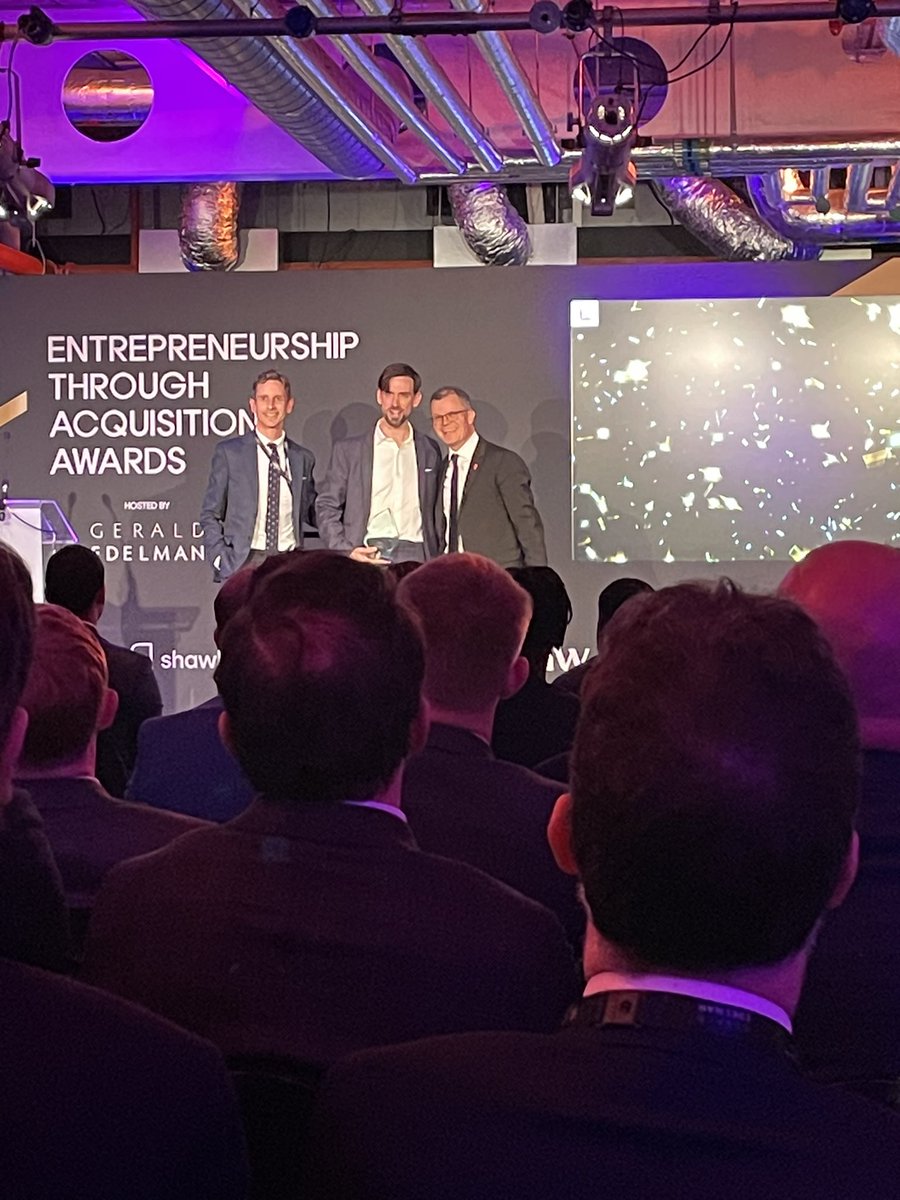
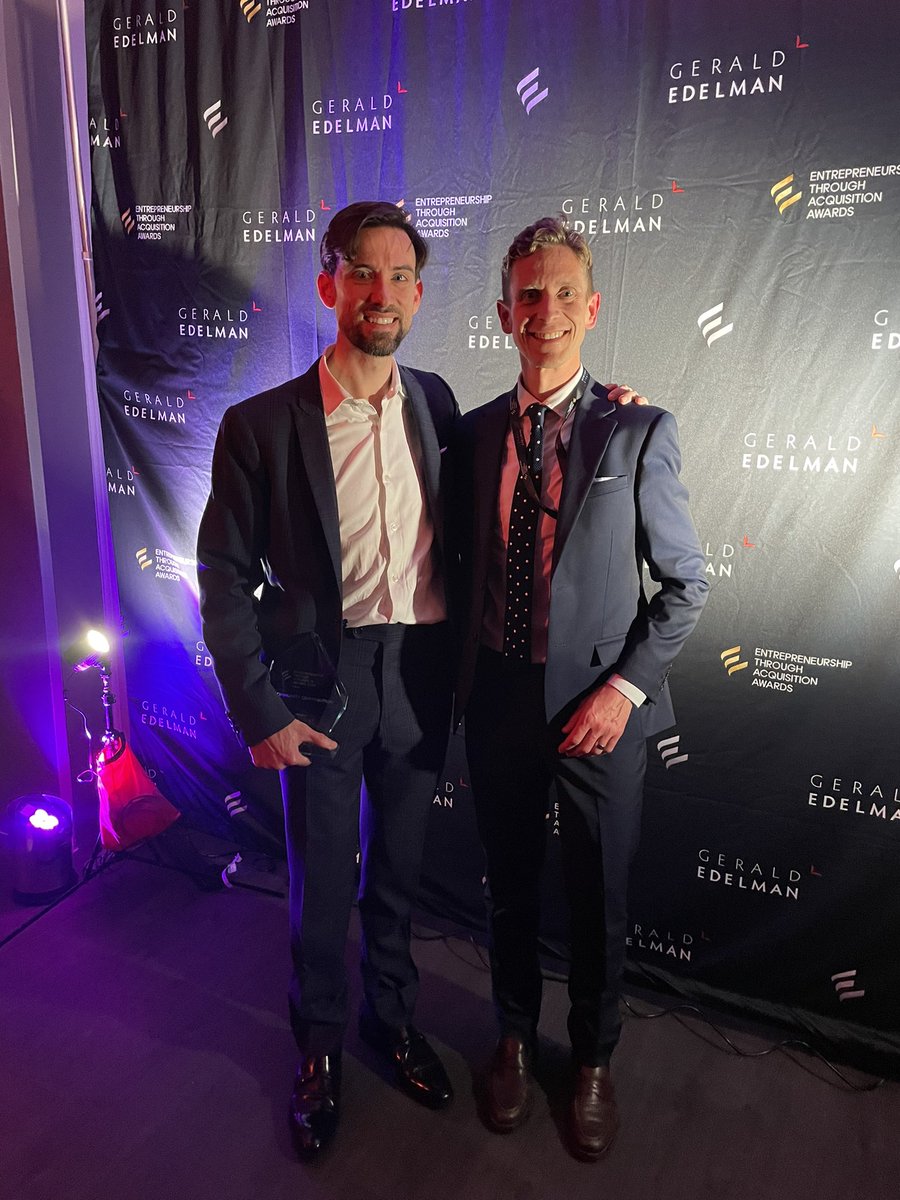
Congratulations to all the nominees and winners at the Gerald Edelman ETA Awards tonight - especially @PaulQuirk87 who won the @AshtonsLegal sponsored category presented by @CraigFiddaman! @domholland was a fabulously funny host!
English

Local SEO is the easiest way to make money as an agency right now, here's why...
1. It's easier than traditional SEO
Ranking in the Maps pack is far easier than the traditional SERPs. You don't have to worry about building a ton of expensive links or content, you can hire a VA to follow a simple checklist and get results within weeks.
2. It's faster than traditional SEO
Our agency works in one of the most competitive client types on the internet (personal injury lawyers) and we're able to move local rankings within weeks (sometimes even days).
3. The results are better
When you localize any search in Google (i.e. dentist near me), the Maps Pack dominates organic real estate. From working with over 100 local law firms this past year, our data shows that Maps Pack results drive 50% more leads than traditional SEO results.
The rank tracking screenshots below are from a New York based car accident law firm.
Using our Local SEO Process, we took them from 3 to 72 leads per month.
That same law firm usually pays $1,500 to a lead broker PER LEAD.
72 x $1,500 = $108k they would have paid to a broker for those leads.
When you have that level of impact on a client's business, you're able to charge far more.
The client doesn't care that it only takes us 10 hours / month to deliver the service, they just care about the results.
We're offering this local SEO service for $5k to $8k per location (depending on the market).
It's an easy sell when you show them they're going to get over $100k worth of leads for $5k.
If you want access to the EXACT process our agency uses, I'm holding a live bootcamp to teach it.
It's a 2 hour live event where I'll be giving you:
✅ Local SEO client onboarding SOP
✅ Google Business Profile optimization SOP
✅ Local SEO project plan template
✅ Local link building strategy
✅ Local content creation strategy
✅ Review generation strategy
✅ Lifetime access to the live session recordings
✅ Open format to ask me questions live
Now of course, this isn't free.
It's $199 for the event (but it's FREE for Blueprint members).
If you're interested in the details, comment MAPS PACK below and I will DM you the info.

English
Paul Quirk retweetledi

With just under 2 weeks left, we still have 3 spots open for those interested in attending our B+B Accelerator. Our participants include CEO's to MBA grads, eager to get their M&A going. I'm excited to see what is in store for this peer group. buyandbuildaccelerator.com
English
@AndyHVandenBerg Also, if you fly to Geneva or Grenoble you can access the top French domains and save circa 30% versus Switzerland. I’ll be there tomorrow 😉
English
Here's your annual reminder that because of Vail and Alterra's duopoly, it's cheaper to plan a week-long ski trip in Switzerland than Colorado.

English
@RJLiddiard @andrewglynch It is certainly more popular than a few years ago but the tighter credit market in the UK doesn’t really allow for a hype cycle. The flow of acquisition entrepreneurs is probably growing but the number deals getting done is not keeping up. It is hard to get a deal done in the UK
English
I’m not sure there will be much of a hype cycle here in the U.K., given the absence of SBA-type funding - do you see different @PaulQuirk87 or @andrewglynch ?
Walker Deibel@walkerdeibel
Here's the acquisition entrepreneurship lifecycle. Ready? In 2018 when I published Buy Then Build the big contrarian idea it contained was that entrepreneurs could buy existing companies, along with revenue, infrastructure, and earnings, rather than start companies from scratch. I of course, had been doing this for 12 years leading up to the release after my own startup struggles seemed to anchor in the fact that entrepreneurship was defined by Silicon Valley, rather than the practice of quiet, but successful entrepreneurs all around me in the Midwest. In my mind the best version of success for Buy Then Build would be that the idea of starting with acquisitionwould be adopted into the minds of practicing entrepreneurs, and expand the definition of what it means to be an entrepreneur. Of course, this is also based in the understanding that acquiring existing businesses often has a significantly higher success rate than starting from scratch, and is ridiculously easier to finance, allowing for more equity to the entrepreneur. However, operating a business, whether it be pre-existing, publicly traded, or start from scratch is a hard task. It’s scrappy, sweaty, uncomfortable. The biggest risk I saw was that readers were going to assume that buying an existing company meant it was easier to operate. Nope. Well, in some cases, sure, but the problem that acquisition solves for is the overly tricky and wrought with failure starting up process. I predicted at that time that the timeline would go like this: · Acquisition entrepreneurship would be adopted by entrepreneurs as the realization of how many quiet entrepreneurs are succeeding. · Social media influencers would pump it and invite many unqualified people to make the leap. · At the beginning, the craze would pump in popularity as success spread and even unqualified candidates had early wins. · Prospective buyers would then want to scale AE, deciding that they wanted to acquire a portfolio of small businesses. · Some businesses would start failing as the realization came that this is actually hard. · Social media would start talking about how Buy Then Build is misleading because it leaves out operating (again, not the problem the book solves for). · The world would laugh at acquisition as a practice that got many unexpecting people in trouble financially. · The quiet entrepreneurs would of course continue to succeed, and at greater rate. · Acquisition would then grow in popularity and finally become appropriately weighted in the definition of entrepreneurship—much like the internet after the tech bust or Bitcoin in 2025. Where do you think we are in this cycle?
English
Paul Quirk retweetledi
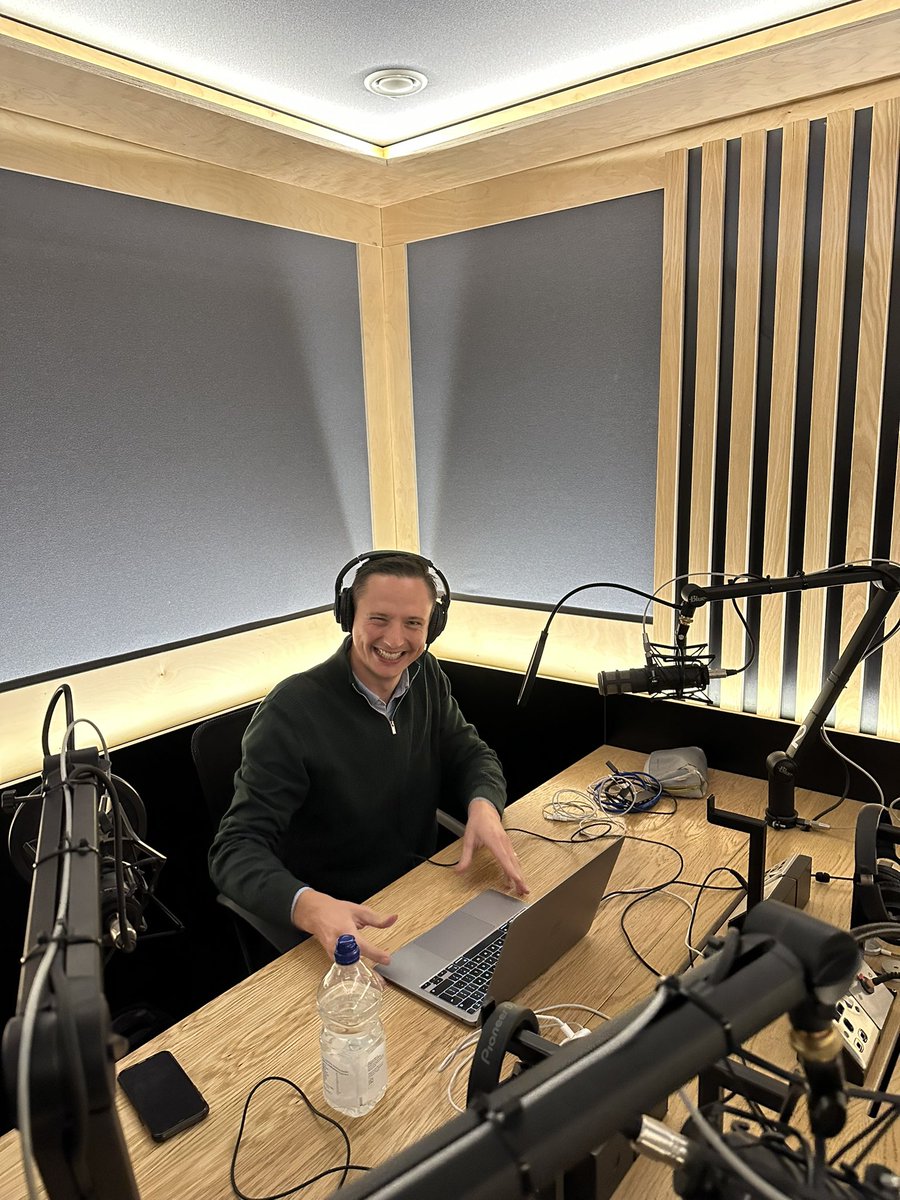
Coming soon: We recorded a great, in-person episode with @RJLiddiard about the @EOSWorldwide discovery session he ran at Amber Home Improvements. It was a lot of fun!
Stay tuned for this release. Maybe we make it a series 😉
English
I really enjoyed this conversation with Jordan. During the conversation, we touched on @EOSWorldwide. This got me really excited for an upcoming ep with @RJLiddiard where we will spend the morning with my senior managers at Amber to intro EOS, and then recap everything on the pod
Buy & Build Podcast@BuyBuildPodcast
Recently we spoke with @JHammSMBINV - owner of @genuinecomfort . Jordan grew his business from $0- $5m in rev before turning to strategic acquisitions to 3x top line while simultaneously doubling the profit margins. 🤯 Give it a listen to hear his story! open.spotify.com/episode/3Xa9Fc…
English

Ok it’s on … I’ve got a few spare hours later today. I’ll do a bit more reading, and get writing .
It’s a travesty.
The Secret CFO@SecretCFO
Who is following this scandal regarding improper allegations of fraudulence in the UK postal service? I’m going to write a thread on it , if enough people are interested.
English
Today I interviewed 4 final candidates (in person) for a replacement manager after a week of initial video interviews with ~12 solid candidates. What an intense week. Such a specific and important skill. Big respect for in-house recruiters and hiring managers.
English
@andrewglynch Ah yes. Turned 36 last year and snuck into the Lords members pavilion for the first time (in tie and jacket). Looked up at the greats all over the walls and found myself saying “ back in my day…”
English

I turn 36 this year so it’s time to enter my middle aged phase
Gonna start wearing red corduroys and a straw hat, drinking Rioja, watching test match cricket and starting sentences with “of course, back in my day…”
English
Finance rarely gets the credit, but when they do, they make sure there’s an equal and opposing debit
Matt McMichen | Margin® CFO and Bookkeeping@MarginCFO
Finance and accounting departments rarely get the credit. But behind every wildly successful business is a talented accounting/finance team. Every time.
English

I bootstrapped Myprotein to a ≈ $500M exit (inc. secondary)
That wouldn't be possible without:
• Delegation
• Strategic hires
• Resource management
I created a 14-page in-depth guide on the above.
Like + Comment "Send" & I'll DM it to you for free
(Must be following)
English
If you are early in your ETA journey and considering these topics, check out the Buy and Build Accelerator: a collaborative BootCamp built by subject-matter experts to help you acquire the right business quicker while avoiding costly mistakes. buyandbuildaccelerator.com
English
These are common topics I get from new ETA folks when thinking about acquiring a business. It is great to see the thoughtfulness and prudence in acquiring even a £3m+ EV business.
English
Tracking the progress of Candle Media and its $2 billion buy-and-build acquisition approach has been pretty sobering. Co-founded by 2 former Disney execs, Candle Media emerged with robust backing from Blackstone, boasting an impressive $2 billion initial investment
English