pettitfrontier

22.9K posts

pettitfrontier banner
pettitfrontier

pettitfrontier

@PettitFrontier

Katılım Mart 2023
2.2K Takip Edilen13.1K Takipçiler
pettitfrontier retweetledi

NASA
NASA@NASA·
LIVE: Following the conclusion of the Artemis II Flight Readiness Review, we're sharing the latest updates on our upcoming crewed mission around the Moon. twitter.com/i/broadcasts/1…
English
318
931
4.4K
342.8K
pettitfrontier retweetledi
NASA
NASA@NASA·
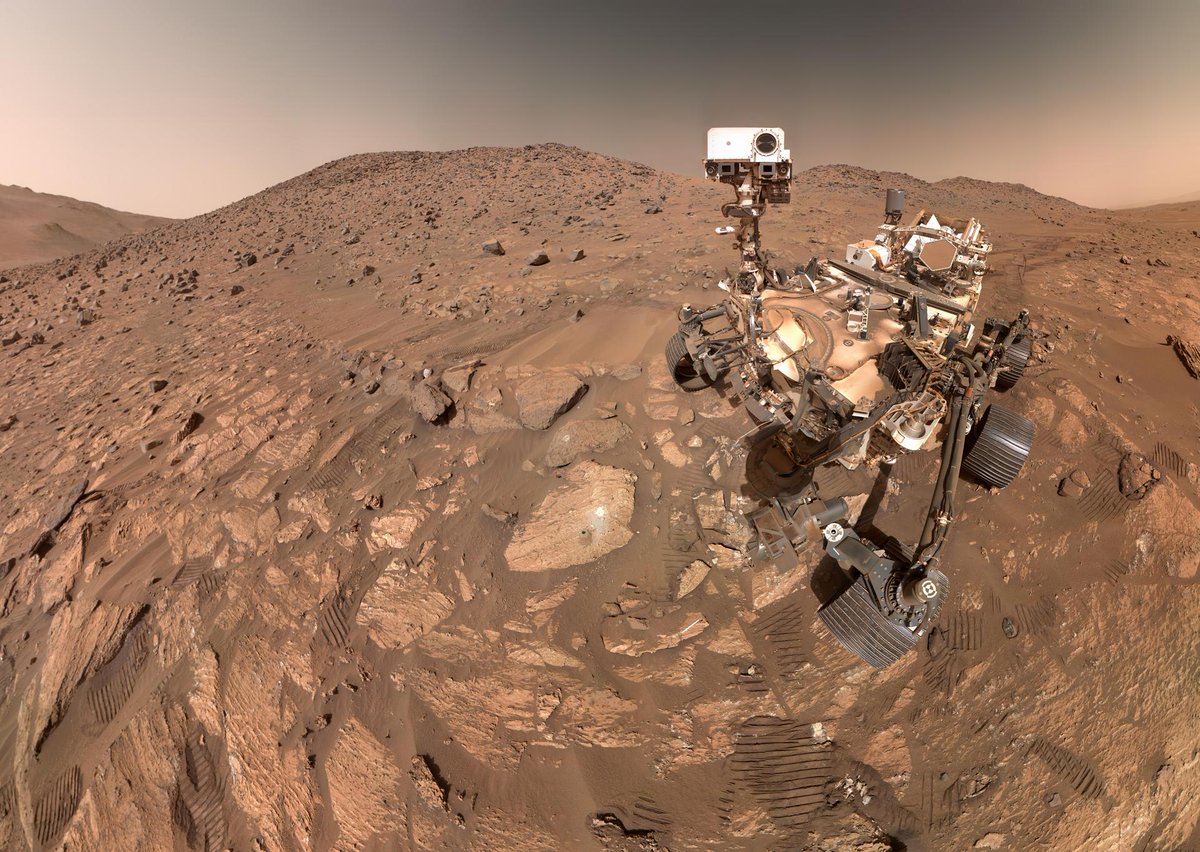
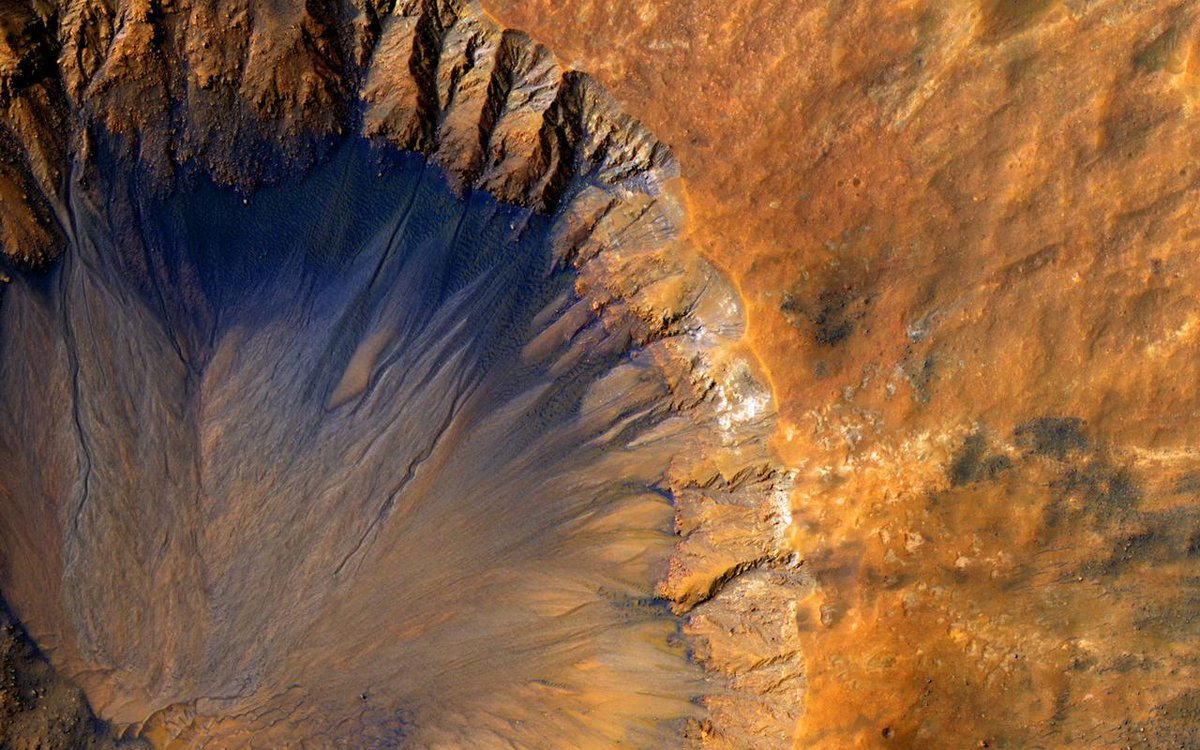
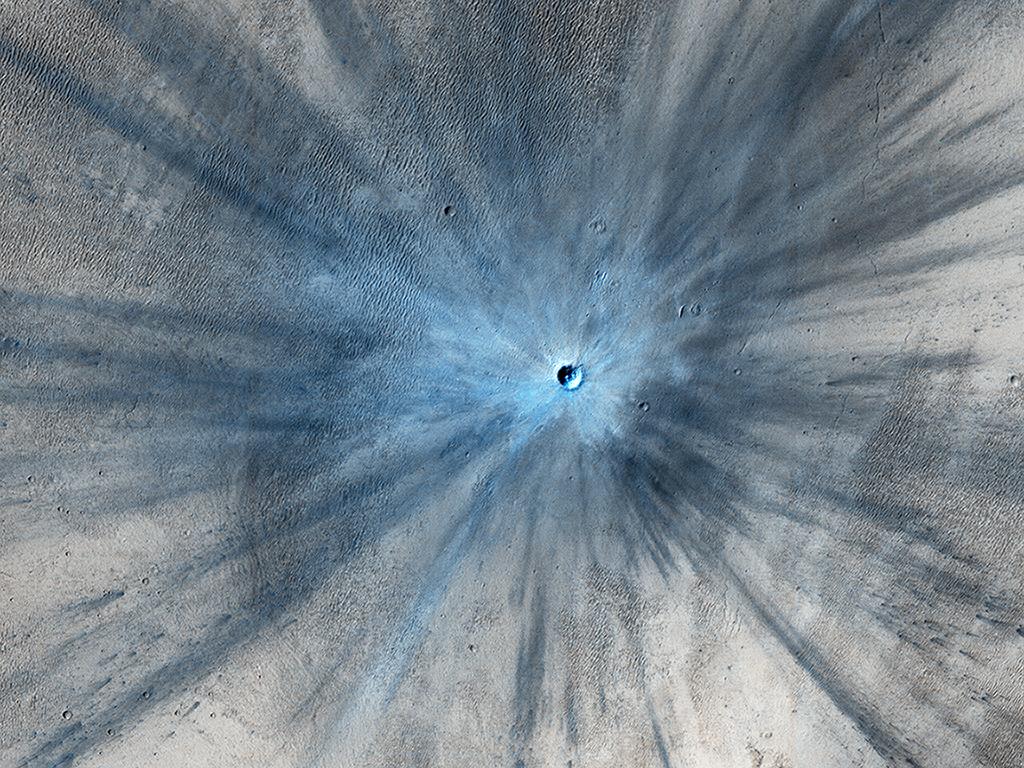
For 20 years, our Mars Reconnaissance Orbiter has searched the planet for signs of long-ago water. It has sent back photos that are not only stunning, but useful – they'll help us when future astronauts land on Mars to explore it. Which is your favorite?
NASA tweet mediaNASA tweet mediaNASA tweet mediaNASA tweet media
English
698
3.2K
20.5K
1.1M
pettitfrontier retweetledi
Elon Musk
Elon Musk@elonmusk·
Starship V3 first flight in about 4 weeks
English
5.6K
12.8K
129.6K
49M
pettitfrontier retweetledi
Peter Beck
Peter Beck@Peter_J_Beck·
100% mission success
English
109
384
5.7K
269.6K
pettitfrontier retweetledi
Eric Berger
Eric Berger@SciGuySpace·
The ISS is now likely to fly through 2032, and Congress wants NASA to get moving on selecting two developers for private space stations. arstechnica.com/space/2026/03/…
English
24
78
716
46K
Vast
Vast@vast·
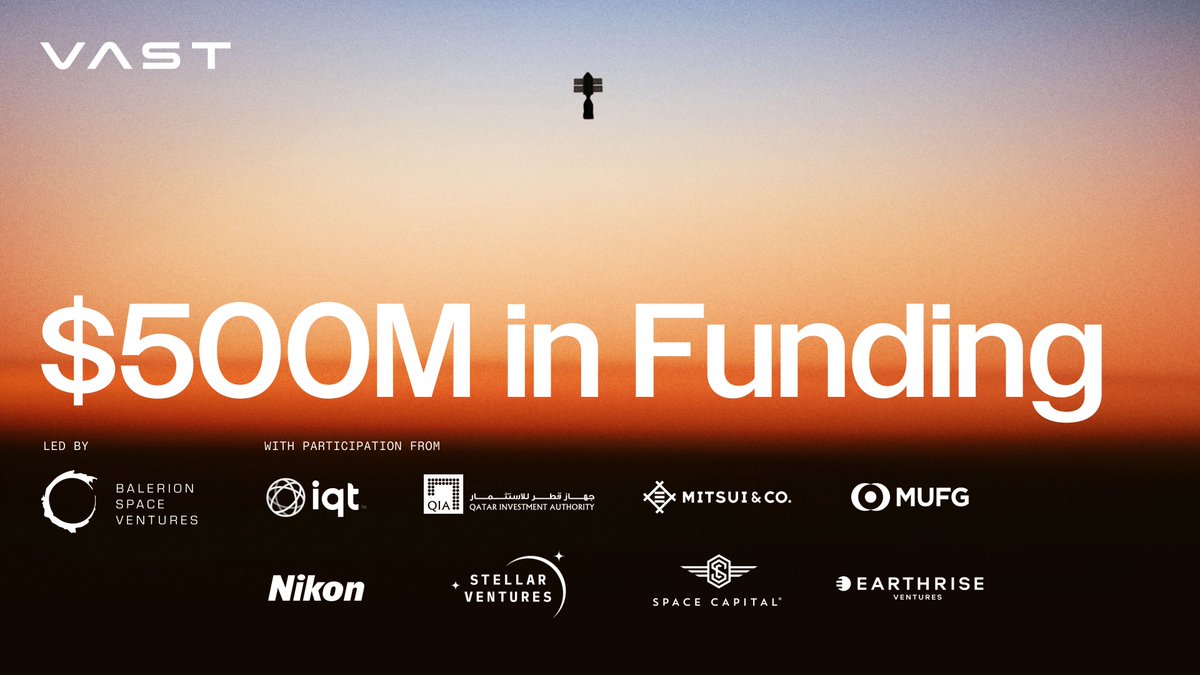
Vast has secured $500M in funding to advance next-generation space station technologies and infrastructure for America and its allies. vastspace.com/updates/vast-s…
Vast tweet media
English
26
131
1.1K
97.6K
The Launch Pad
The Launch Pad@TLPN_Official·
🚨BREAKING! Japan's SpaceOne KAIROS Rocket Launch Ends In Failure🚨 Space One’s KAIROS No. 3 rocket suffered an anomaly during first stage flight following liftoff on March 5, 2026 at 11:10 a.m. local time from the Kii Spaceport in Japan. According to the company, the vehicle experienced a major issue during ascent which led teams to determine that mission success was no longer possible. Flight controllers then activated the Flight Termination System (FTS) to safely end the mission. Video from the launch shows an explosion during first stage flight, after which the rocket began spinning out of control before breaking apart. Space One released the following statement: “Kairos No. 3 was launched on March 5, 2026, at 11:10:00 a.m., but we determined that mission success was difficult and implemented flight termination measures. Details are currently under investigation.” This marks another setback for the KAIROS launch vehicle, as the company continues working toward establishing Japan’s first private orbital launch capability.
English
35
88
605
94.6K
pettitfrontier
pettitfrontier@PettitFrontier·
@airkatakana the military technology, intelligence, and force projection is simply magnitudes beyond any other country it is bloated, expensive, wasteful, and relatively slow to produce and replenish but it is the best. that is indisputable
English
0
0
22
544
Air Katakana
Air Katakana@airkatakana·
why is no one talking about *how* the usa and allies effortlessly captured the head of state of one country and killed another? these countries have militaries. they’re investing tons into making sure these things don’t happen what does the usa have now that made it so easy?
English
624
54
2K
271.1K
pettitfrontier
pettitfrontier@PettitFrontier·
@Pinboard SANS and other eye problems will probably be around for a while, absent gravity but spaceflight is getting better at the human health elements each year!
English
0
0
0
66
Pinboard
Pinboard@Pinboard·
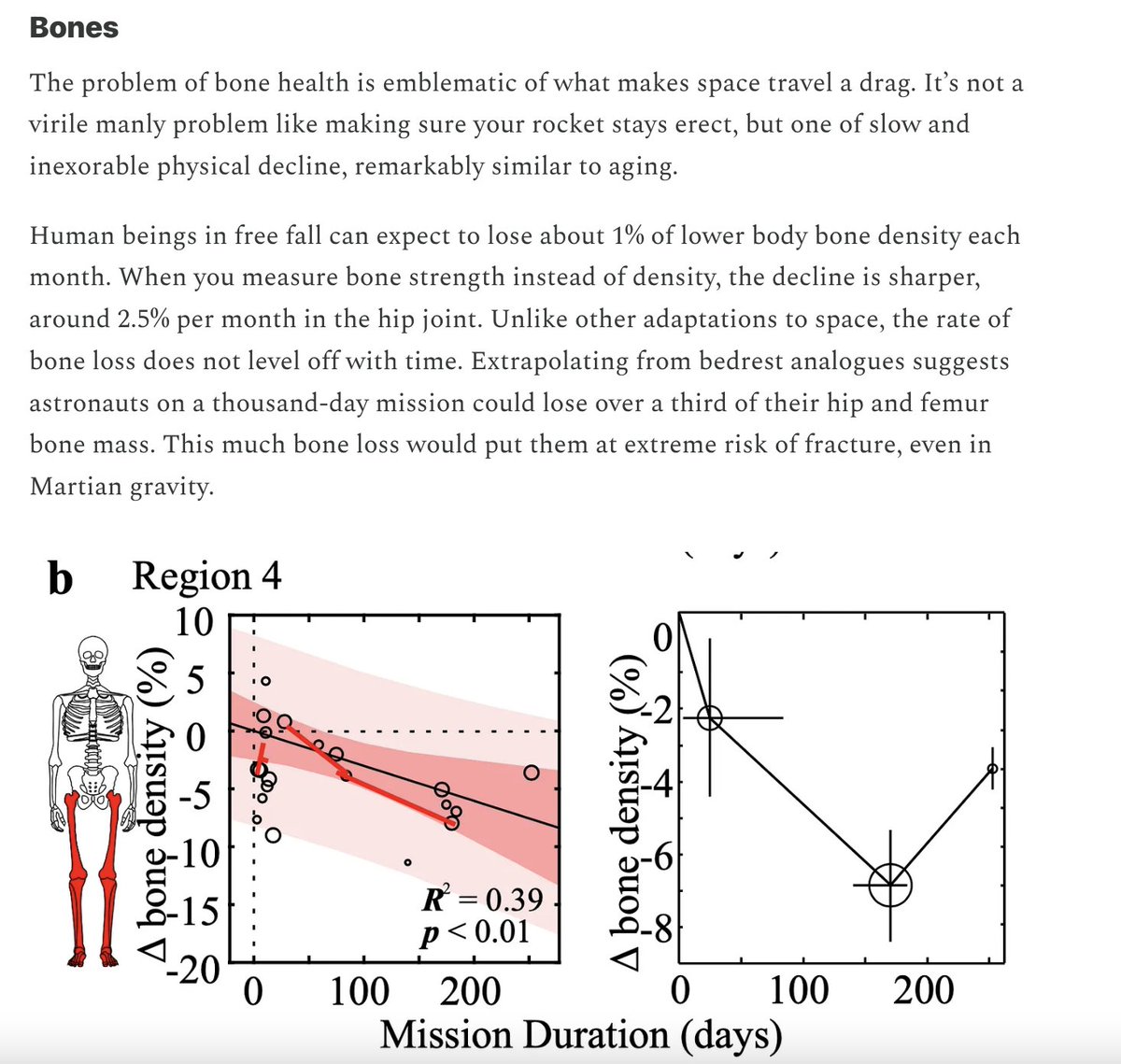
I published a new Mars post about the effects of long-term microgravity on eyes and bones. The good news is we may have a magic fix for the bone loss issue; the bad news is that eye damage in astronauts seems to be a lot worse than initially feared
Pinboard tweet media
English
4
1
19
2.5K
pettitfrontier retweetledi
SpaceX
SpaceX@SpaceX·
Falcon 9 launches 29 @Starlink satellites from Florida
SpaceX tweet mediaSpaceX tweet mediaSpaceX tweet mediaSpaceX tweet media
English
694
2.2K
9.9K
854.7K
pettitfrontier retweetledi
NASA Administrator Jared Isaacman
Endeavoring for not just one, but TWO Moon landings in 2028. Coming weeks: Artemis II around the Moon Mid-2027: Artemis III rendezvousing with one or both HLS providers, testing space suits in low Earth orbit Early 2028: Artemis IV lunar landing Late 2028: Artemis V lunar landing, beginning work on lunar base This is how we get back to the Moon with urgency, to stay.
English
259
680
5.4K
350.1K
pettitfrontier retweetledi
Defense Innovation Unit
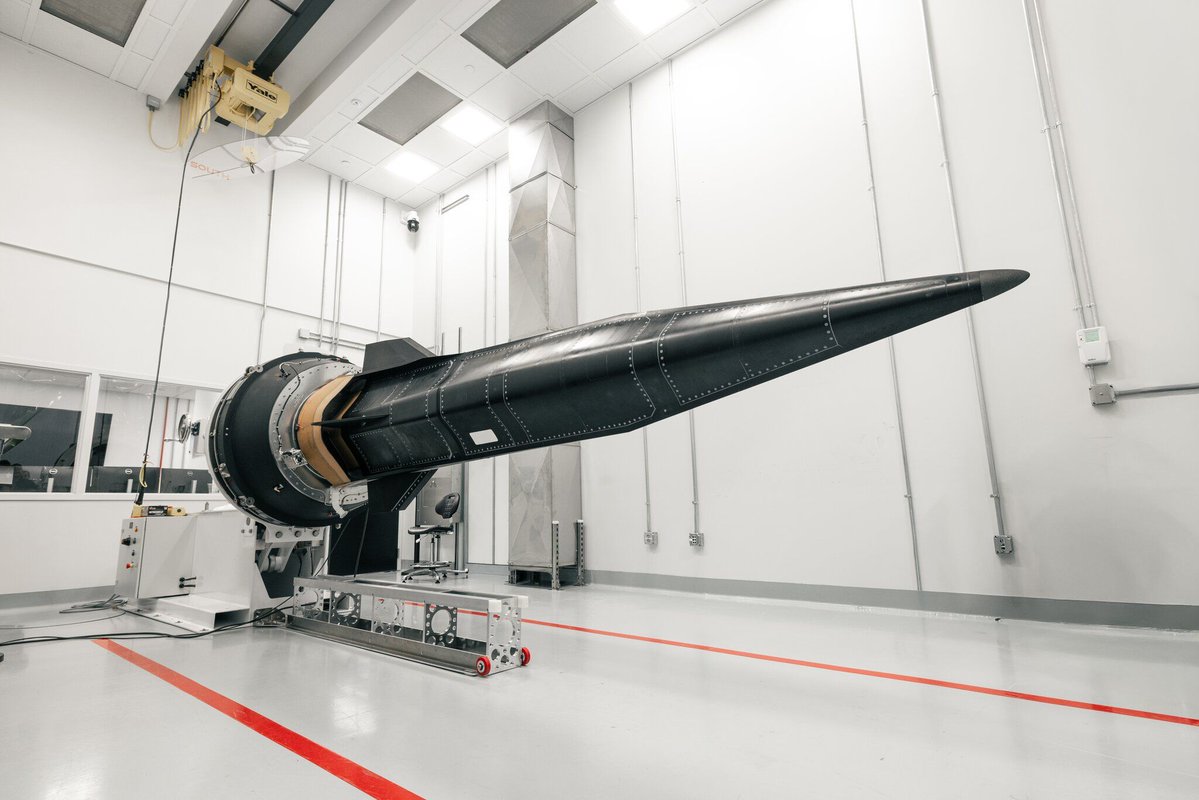
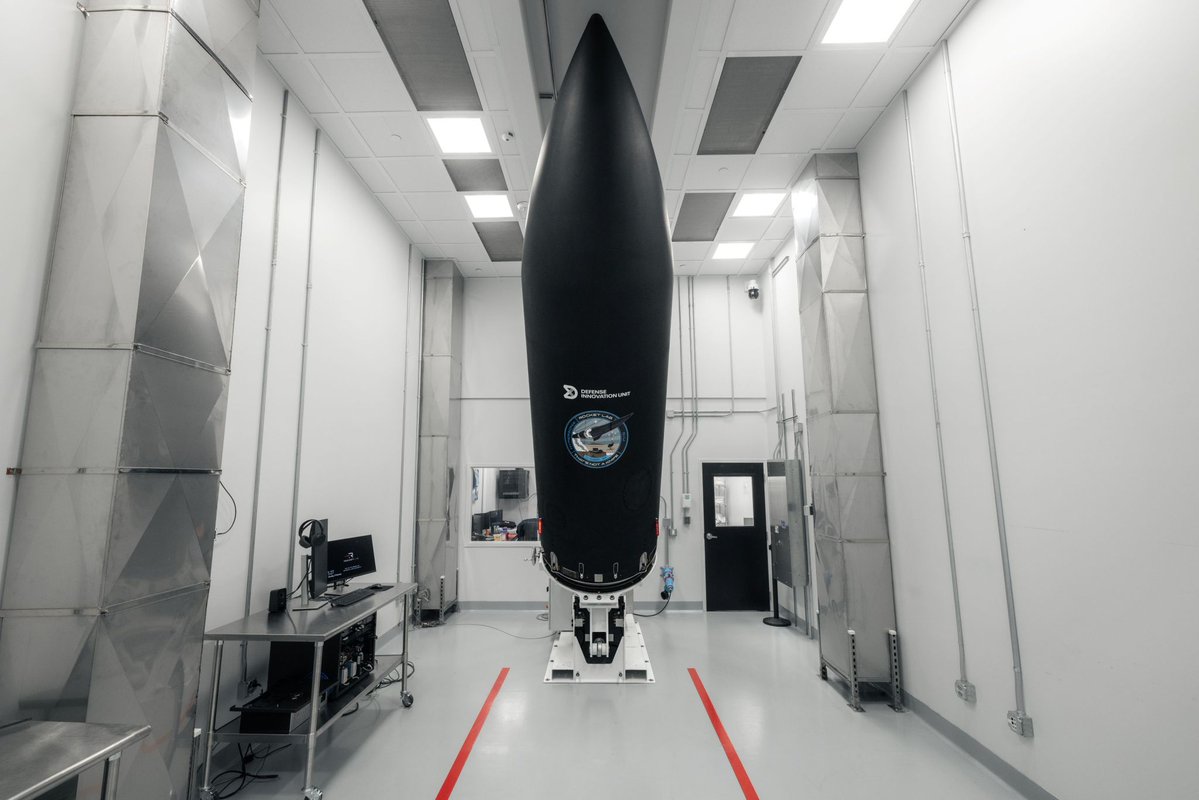
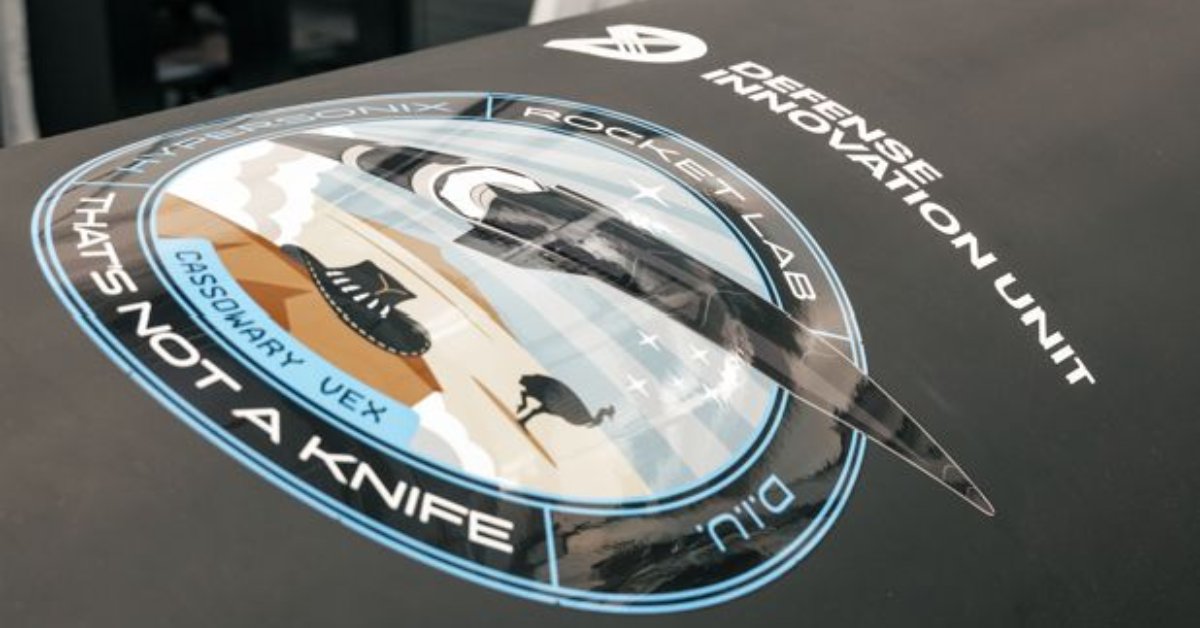
At 7 p.m. Eastern Time on February 27, DIU's Cassowary Vex mission successfully took flight from NASA’s Wallops Flight Facility in Virginia. The mission consisted of a suborbital launch of a fully integrated hypersonic test platform capable of sustained, maneuverable flight at speeds exceeding Mach 5 and leveraged a modified #Hypersonic Accelerator Suborbital Test Electron (HASTE) launch vehicle from @RocketLab. This project is a significant milestone and supports the DoW’s designation of Scaled Hypersonics (SHY) as one of six critical technology areas. Learn more here: diu.mil/latest/cassowa…
Defense Innovation Unit tweet mediaDefense Innovation Unit tweet mediaDefense Innovation Unit tweet mediaDefense Innovation Unit tweet media
English
16
146
1.3K
86.7K
Ken Kirtland IV
Ken Kirtland IV@KenKirtland17·
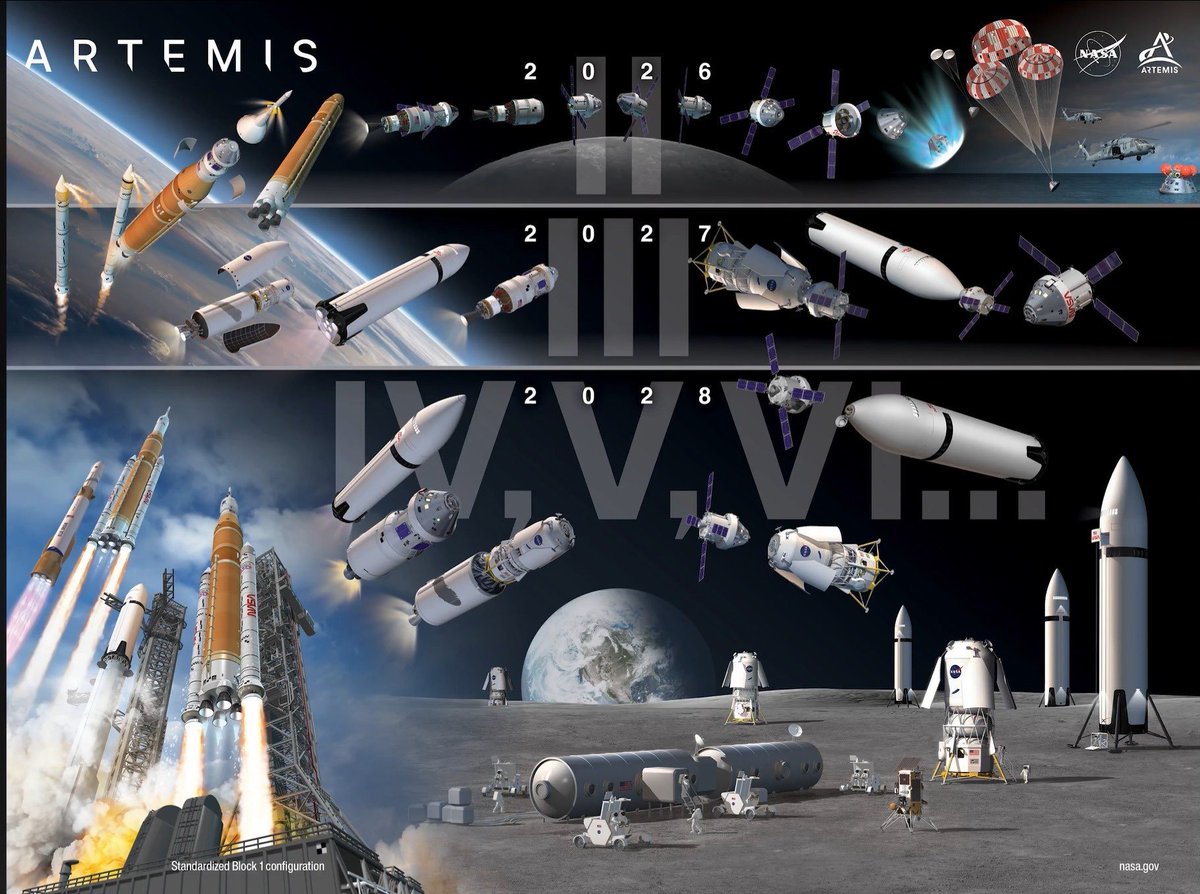
An artemis image with no gateway anywhere but literally nova C. Too beautiful to believe
Ken Kirtland IV tweet media
English
11
10
228
7.7K
pettitfrontier retweetledi
NASA Administrator Jared Isaacman
President Trump gave the world the Artemis Program, and NASA and our partners have the plan to deliver. We will standardize architecture where possible, add missions and accelerate flight rate, execute in an evolutionary way, and safely return American astronauts to the Moon, this time to stay. This is the NASA that once changed the world. This is the NASA that will do it again.
English
707
1.7K
9.9K
3M
pettitfrontier retweetledi
NASA
NASA@NASA·
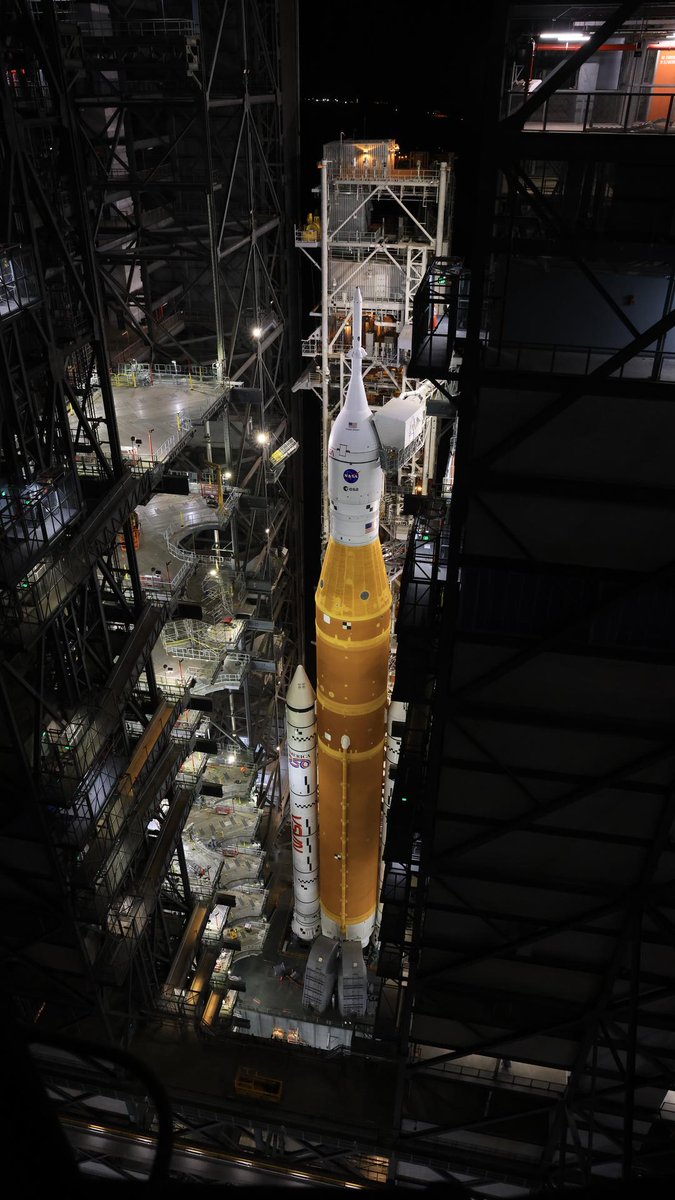
Our @NASAArtemis Moon rocket is in the Vehicle Assembly Building after a multi-hour trek from the launch pad. Next, technicians will troubleshoot the helium flow issue to the rocket’s upper stage and conduct other work. More: go.nasa.gov/4qSAVXb
NASA tweet media
English
841
1.7K
8.4K
450.5K
pettitfrontier retweetledi
NASA Administrator Jared Isaacman
As an update to my earlier post. - The ICPS helium bottles are used to purge the engines, as well as for LH2 and LOX tank pressurization. The systems did work correctly during WDR1 and WDR2. - Last evening, the team was unable to get helium flow through the vehicle. This occurred during a routine operation to repressurize the system. - We observed a similar failure signature on Artemis I. - The Artemis II vehicle is in a safe configuration, using ground ECS purge for the engines versus the onboard helium supply. - Potential faults could include the final filter between the ground and flight vehicle, located on the umbilical, though this seems least likely based on the failure signature. It could also be a failed QD umbilical interface, where similar issues have been observed. It could also be a failed check valve onboard the vehicle, which would be consistent with Artemis I, though corrective actions were taken to minimize reoccurrence on Artemis II. Regardless of the potential fault, accessing and remediating any of these issues can only be performed in the VAB. As mentioned previously, we will begin preparations for rollback, and this will take the March launch window out of consideration. I understand people are disappointed by this development. That disappointment is felt most by the team at NASA, who have been working tirelessly to prepare for this great endeavor. During the 1960s, when NASA achieved what most thought was impossible, and what has never been repeated since, there were many setbacks. One historic example is that Neil Armstrong spent less than 11 hours in space on Gemini 8 before his mission ended prematurely due to a technical issue. A little over three years later, he became the first man to walk on the Moon. There are many differences between the 1960s and today, and expectations should rightfully be high after the time and expense invested in this program. I will say again, the President created Artemis as a program that will far surpass what America achieved during Apollo. We will return in the years ahead, we will build a Moon base, and undertake what should be continuous missions to and from the lunar environment. Where we begin with this architecture and flight rate is not where it will end. Please expect a more extensive briefing later this week as we outline the path forward, not just for Artemis II, but for subsequent missions, to ensure NASA meets the President’s vision to return to the Moon and, this time, to stay.
NASA Administrator Jared Isaacman@NASAAdmin

After overnight data showed an interruption in helium flow in the SLS interim cryogenic propulsion stage, teams are troubleshooting and preparing for a likely rollback of Artemis II to the VAB at @NASAKennedy. This will almost assuredly impact the March launch window. @NASA will continue to provide updates as they become available.

English
471
880
7.2K
1.5M
pettitfrontier retweetledi
NSF - NASASpaceflight.com
NSF - NASASpaceflight.com@NASASpaceflight·
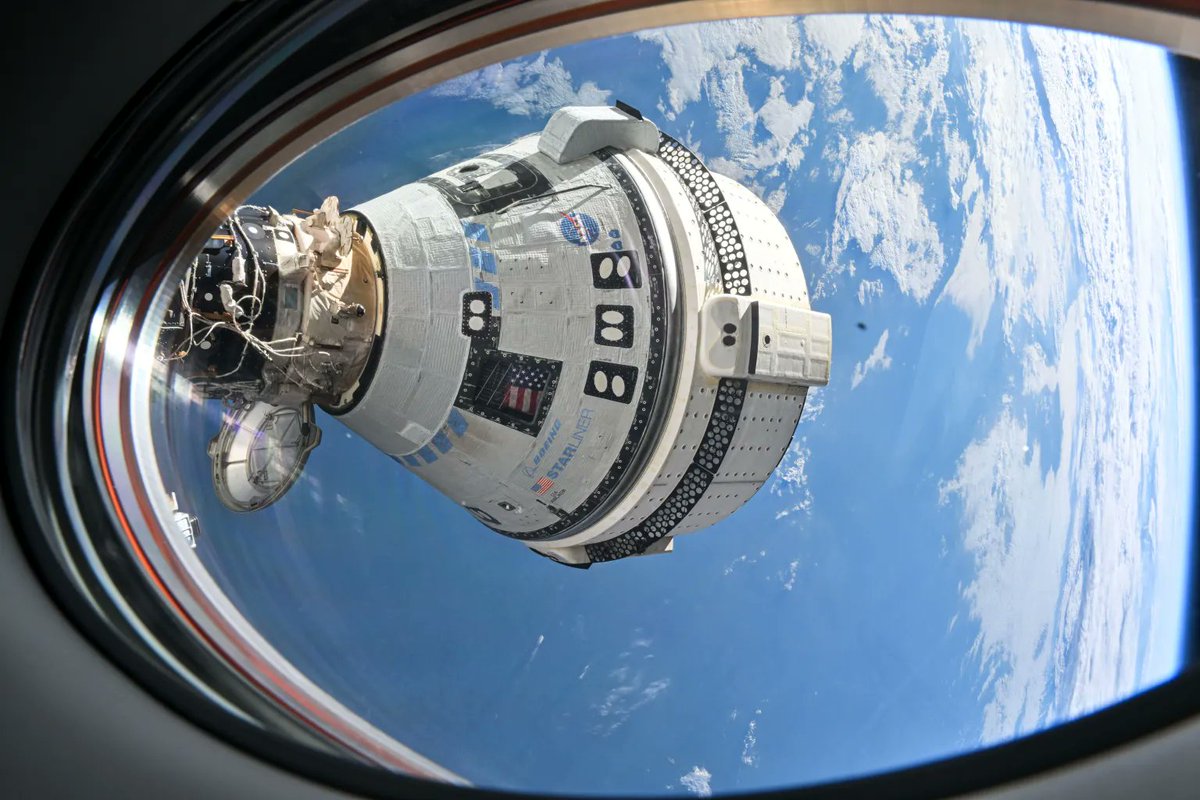
This will be interesting! NASA to Provide Starliner Crew Flight Test Review Findings Today. "During a news conference at 2 p.m. EST on Thursday NASA will discuss the findings of investigations into the 2024 crewed test flight of Boeing Starliner to the International Space Station. "
NSF - NASASpaceflight.com tweet media
English
4
51
498
40.1K
pettitfrontier retweetledi
NASA History Office
NASA History Office@NASAhistory·
Celebrating 5 years on Mars! 🎉 NASA's Perseverance Rover safely landed on the surface of the Red Planet 5 years ago today, ready to begin its search for signs of past life. In 2024, it made a significant find: the "Cheyava Falls" rock pictured here provides possible evidence of ancient life on Mars!
NASA History Office tweet media
English
173
604
3.7K
283.2K
pettitfrontier retweetledi
Zack Golden
Zack Golden@CSI_Starbase·
WOWWW HOLY SHIT!! First full test of Pad 2's deluge system. This is absolutely insane. Way more intense than I could have possibly expected. 🎥: @LabPadre
English
115
186
2.5K
88.9K