Physio_ Leanne SIMONCELLI

6.6K posts

Physio_ Leanne SIMONCELLI banner
Physio_ Leanne SIMONCELLI

Physio_ Leanne SIMONCELLI

@PhysioSIMONCEL1

Sports & MSK Physio @theISEH @HCAHospitalsUK @PGHosp @BUCSsport MSc: Sports Medicine @UCL Snow sports:@StrattonResort BSC(Hon): Physio @UCT_news

Marylebone, London, UK Katılım Mart 2018
494 Takip Edilen361 Takipçiler
Physio_ Leanne SIMONCELLI retweetledi

UK Sports Institute
UK Sports Institute@UKSportsInst·
In 2019 the @BritishCycling women’s sprint squad missed 458 training days due to lower back pain. UKSI’s Athlete Health Team was subsequently brought in to combat this. Cases of back pain plummeted, helping the women’s sprint squad become Olympic & World champions this year! 🚲
English

0
2
17
2K
Physio_ Leanne SIMONCELLI retweetledi
Kevin Wilk
Kevin Wilk@KevinWilkDPT·
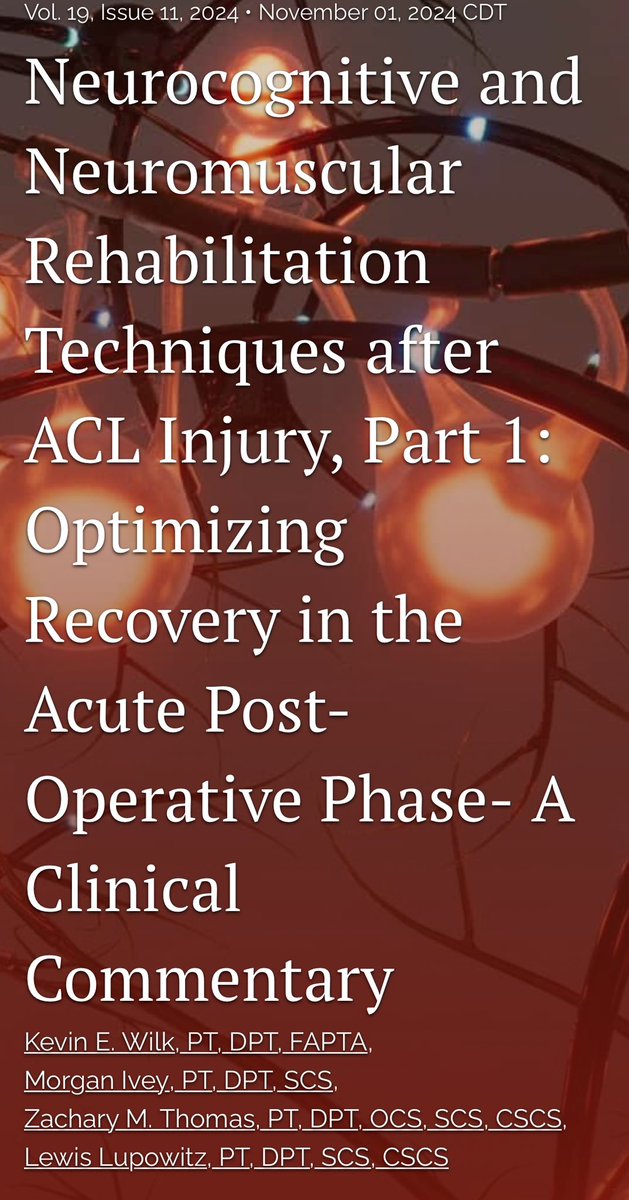
Just published our thoughts on ACL rehabilitation with an emphasis on neuromuscular control & neurocognitive training… Great issue in @IJSPT ijspt.org/neurocognitive…
Kevin Wilk tweet media
English
3
8
54
9.5K
Physio_ Leanne SIMONCELLI retweetledi
Bailey Lanser, PT, DPT, SCS, LAT
Interested in quad performance testing after ACLR? Want to dive into the research re: comparison of isometric/isokinetic testing? This “Peek Behind the Paper” might be for you! Date 📅: Thurs 11/14, 7pm CST Presenting author ✍🏼: Dan Cobian Link 🔗 : learn.sportspt.org/courses/42327/…
English
1
6
26
1.3K
Physio_ Leanne SIMONCELLI retweetledi
Dr. Lynn Snyder-Mackler
Dr. Lynn Snyder-Mackler@doclsmack·
@LenMacPT Aggressive elevation esp at home Felt donut under compression garment AROM (we use supine wall slides, which have the added advantages of elevation and muscle pumping) NMES (quads) limit weight bearing exercise and activity teach the patient to self monitor with the sweep test
English
1
1
5
540
Physio_ Leanne SIMONCELLI retweetledi
Gurpreet Singh
Gurpreet Singh@gsingh1902·
A patients journey of navigating care for her knee - the impact of inappropriate care, miscommunication and what we can learn to do better. READ AND SHARE THIS 👇👇
Gurpreet Singh tweet media
English
4
19
43
10.2K
Physio_ Leanne SIMONCELLI retweetledi
Howard Luks MD
Howard Luks MD@hjluks·
Power and balance... I was happy to get a lot of feedback on the last post on power (resistance+velolcity) and balance... it seems that most of us older folks are doing traditional strength training alone. Many didn't know how to fit them in... or they only learned to stand on one leg in the kitchen for balance. I worked with a great CSCC yesterday. It's possible to combine powerful movements with balance at the same time. The med ball example is one. Throwing that ball and not falling over is a win ;-). Staying stable in the coronal plane is a more significant win. The Keiser cable machines are also solid for balance training... start with two legs on the ground... build that baseline balance, then perturb the system by placing one leg on a med ball, bench or up in the air. Just be creative. Is my form perfect? Nope... but it works. And you will feel the difference in your everyday life with this type of training. I still have 1-2 strength days/week. Usually, just 1... and the other two days are power-based... upper/mid vs legs, some sled work, as well as balance. And since someone will mention it ;-). The cable pull was split into two movements on purpose... don't sweat the form... you could just twist, or just pull it across your body, too.
English
8
9
129
22.9K
Physio_ Leanne SIMONCELLI retweetledi
Dr Louise Newson
Dr Louise Newson@drlouisenewson·
Updated NICE menopause guidelines published today. While it’s welcome to see HRT as the preferred treatment for the menopause, this is a disappointing update overall. The focus remains primarily on vasomotor symptoms – hot flushes and night sweats – which are, for many women, not the main symptoms of perimenopause and menopause. Most women experience brain symptoms – brain fog, low mood, anxiety, poor concentration, sleep disturbances, memory problems and fatigue – and these are things we know are unlikely to be alleviated in the long term by CBT, as suggested. The guidelines also do not differentiate between older, synthetic HRT and the natural (body identical) hormones now more commonly prescribed – while the word “risk” is mentioned three times as often than the word “benefit”, these newer forms offer more benefit than risks. The true risk comes in NOT taking HRT at all, with good quality evidence showing that low hormones during menopause increases the risk of heart disease, osteoporosis, type 2 diabetes, dementia, neurodegenerative diseases, clincial depression, autoimmune diseases and an earlier death. These diseases reduce in women taking hormones and life expectancy increases. Women deserve to be fully informed and involved at every step of their healthcare consultation to make an informed decision on the right treatment or combination of treatments for them. While we have seen a rise in recent years in access to evidence-based treatments like HRT, a postcode lottery still exists, particularly for those from lower socio-economic backgrounds. Too many women are still struggling to receive HRT, and these guidelines will be confusing for both healthcare professionals and women. Perimenopause and menopause is sorely under-researched and under-funded, and this must change. In the meantime, women deserve to have a choice, and those who want to take HRT should be able to have it prescribed. That HRT is now the frontline treatment is refreshing, but future documents and consultations must go further to ensure women get the treatment they deserve. nice.org.uk/guidance/ng23/…
Dr Louise Newson tweet media
English
44
261
1.1K
89.1K
Physio_ Leanne SIMONCELLI retweetledi
Jackson Fyfe, PhD
Jackson Fyfe, PhD@jacksonfyfe·
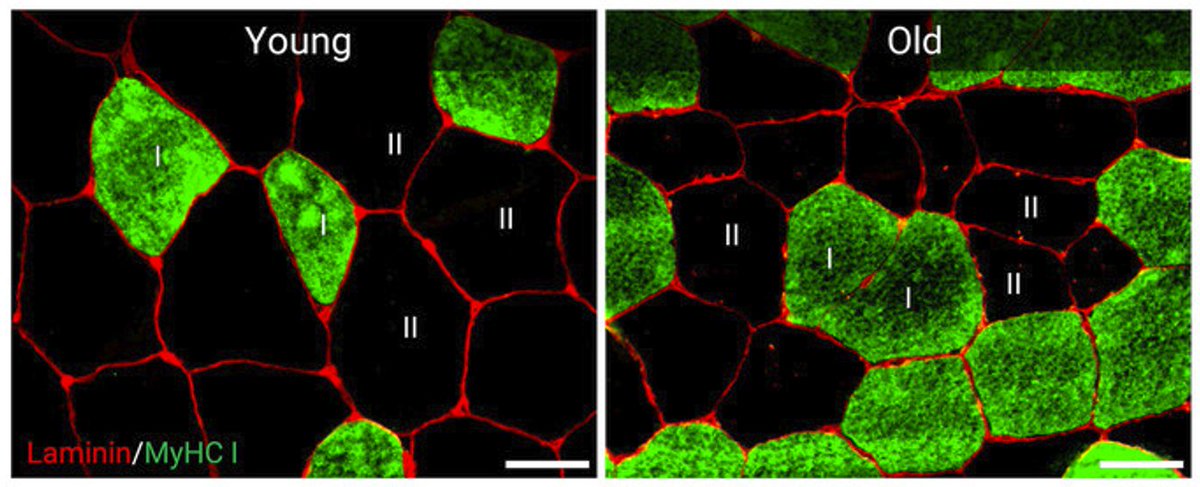
Type II muscle fibres are crucial when force is needed quickly. Think jumping, sprinting, changing direction, or stepping to avoid a fall. But it’s these larger and faster fibres that selectively deteriorate with ageing. Despite being recreationally active (but not strength training), older men aged 69 on average had: - 32% smaller type II fibres - 53% more type I fibres - 2.6-fold more denervated fibres - And 18-fold more grouped type I fibres All compared to younger males aged 22 on average. Regular strength training is the only intervention known to counter these age-related effects in type II muscle fibres.
Jackson Fyfe, PhD tweet media
English
9
54
238
42.1K
Physio_ Leanne SIMONCELLI retweetledi
angiejphysio
angiejphysio@angiejphysio·
Looking forward to speaking @basem_uk conference today on considerations for a safe RTP in junior athletes - let me know if you are going to be there and come and say hi
English
1
2
18
1.3K
Physio_ Leanne SIMONCELLI retweetledi
Jackson Fyfe, PhD
Jackson Fyfe, PhD@jacksonfyfe·
What's the smallest dose of resistance training that can build muscle or strength? And is training more - or more often - better? For resistance training, we haven’t had good answers to these questions - until now. A new study has revealed just how little training is needed to build muscle and strength - and whether more volume or more frequency matters. The findings might surprise you: 🧵👇
Jackson Fyfe, PhD tweet media
English
13
83
411
66.6K
Physio_ Leanne SIMONCELLI retweetledi
John Wehrer
John Wehrer@jwehrerDPT·
"In conclusion, incorporating neurocognitive training into ACL rehabilitation is essential to reduce re-injury rates and promote optimal recovery. Traditional rehabilitation methods that focus on physical aspects such as strength and range of motion, are missing a key element."
English
3
2
15
1.2K
Physio_ Leanne SIMONCELLI retweetledi
Myles Murphy
Myles Murphy@myles_physio·
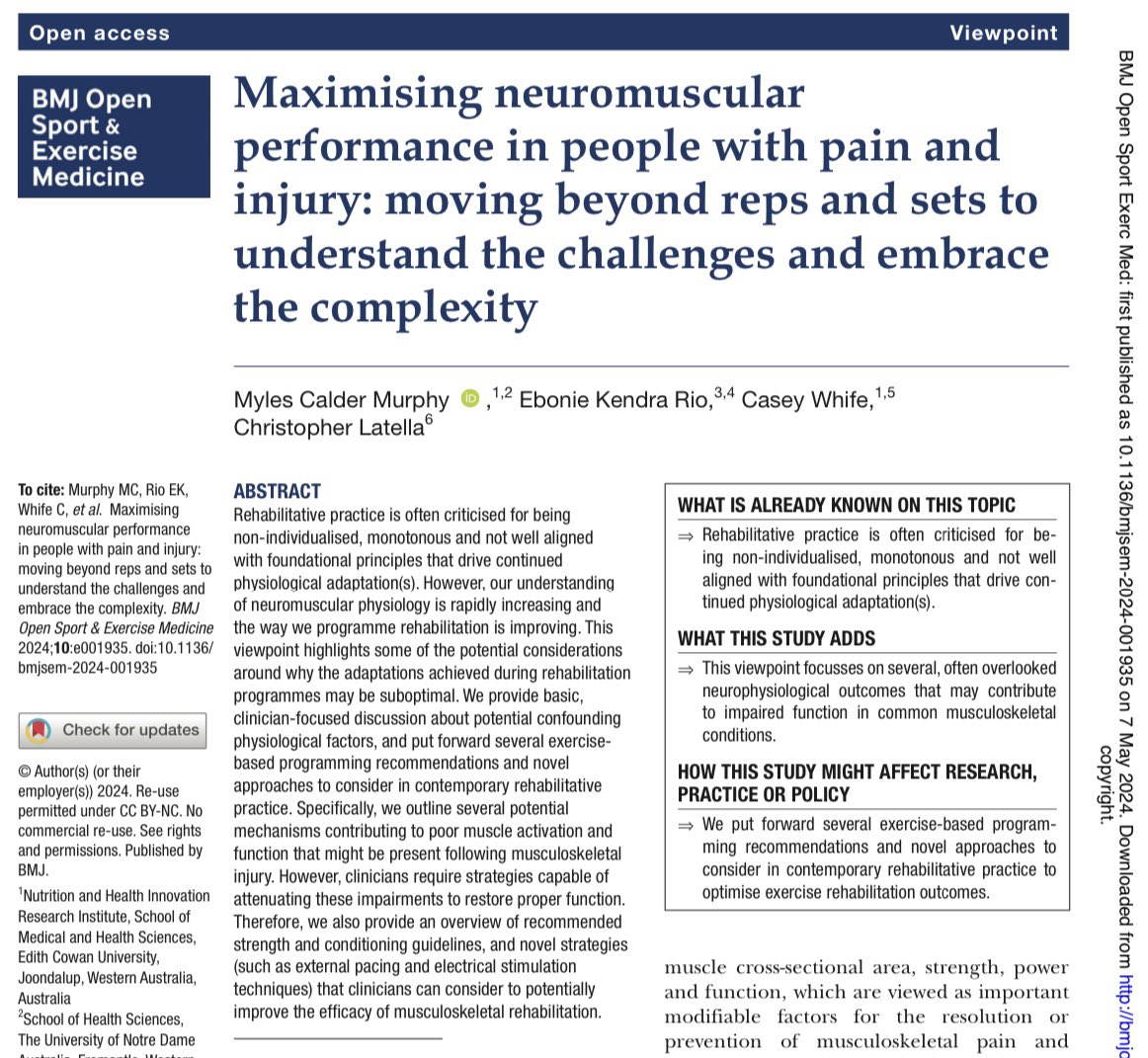
Ever wondered why people with pain and injury might struggle to improve their muscle strength or capacity despite exercise rehabilitation? We go into some of the neurophysiological reasons in our new @BMJOpenSEM viewpoint 💪🏻 bmjopensem.bmj.com/content/bmjose…
Myles Murphy tweet media
English
2
52
160
16.6K
Physio_ Leanne SIMONCELLI retweetledi
James Noake
James Noake@DrJN_SportsMed·
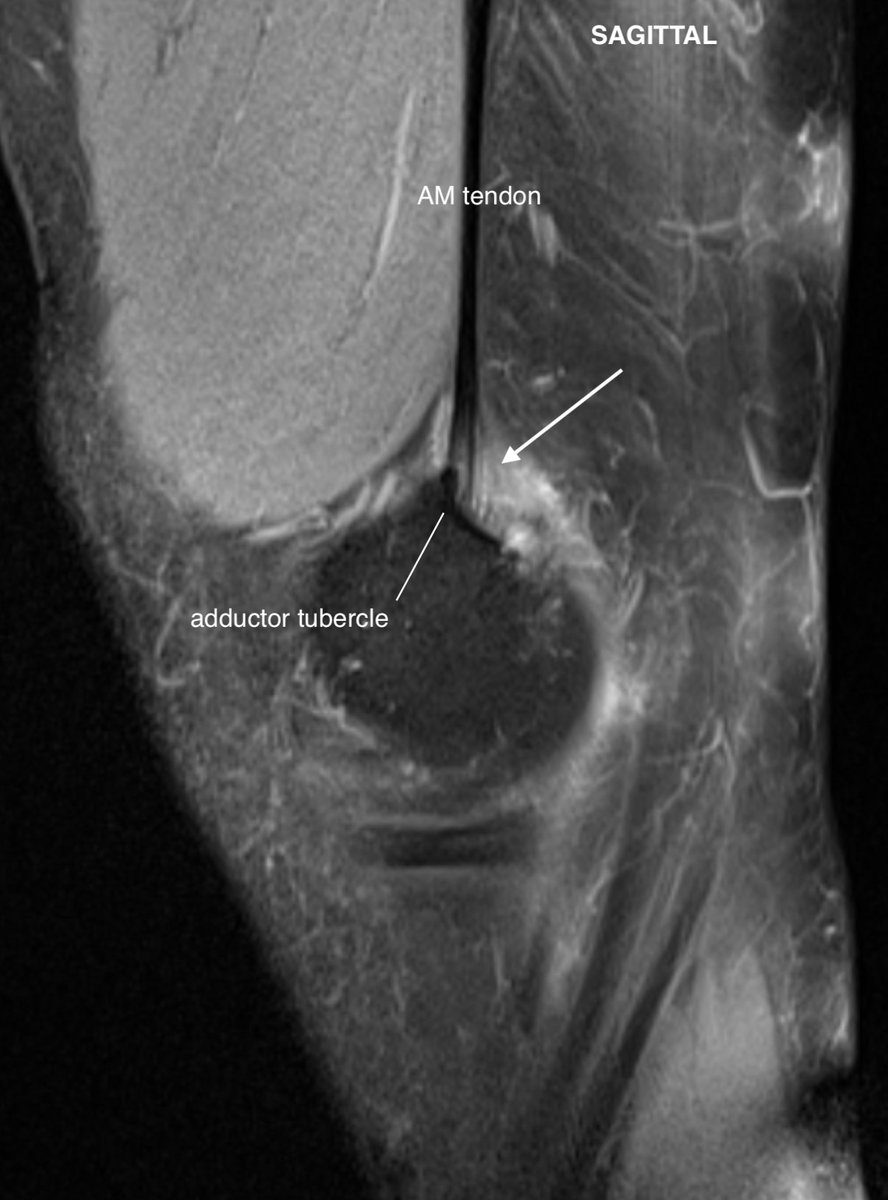
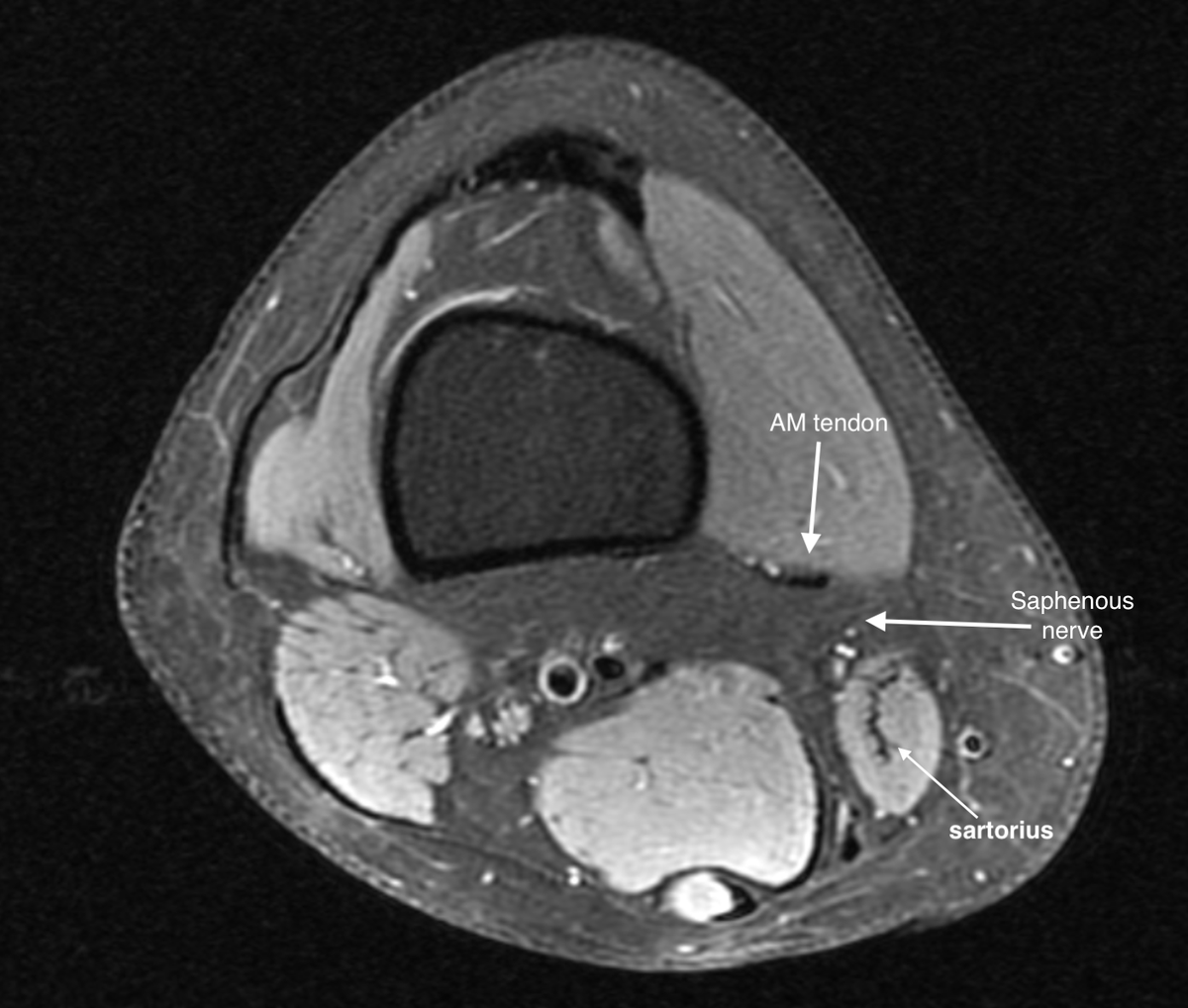
Consent ✅ The thing I enjoy most in my job is collaboration with expert physiotherapists on complex cases, especially in elite sportsmen & women It’s a symbiotic relationship – there is mutual learning & professional growth - and the patient gets the best of both worlds I had the privilege of assessing a professional ballet dancer who flew in from Budapest alongside the amazing @lizbayleyphysio recently I thought I’d summarise our joint knee assessment for those interested (get a cup of tea! 😆) 2 months ago, sharp pain in the medial knee after sitting with legs crossed for 30 minutes ‘Instability’ during Swan Lake rehearsals, with pinching pain and fear of knee buckling – had one fall on stage during a performance One episode woke up one morning with local swelling, ‘pressure’ in the joint, and diffuse anteromedial knee pain - unable to walk or fully extend / flex the knee Currently experiencing sensation of pain, ‘swelling’ & fullness, particularly anteromedial patella - burning, prickly sensation Warms up with activity – latent post exercise pain Aggs - Grand plie in first position, squatting, bridges with hip adduction, transferring weight in turned-out position, down stairs Reviewed MRI in Hungary – Normal menisci, Hoffa's fat pad & articular cartilage – but report missed adductor magnus distal tendinopathy! (see sagittal image) – always check the images yourself Exam- Hip joint & lumbar spine clear Full squat sore especially with R leg bias Tender medial aspect of the knee, particularly in the region of the pes anserinus Fat pad compression test negative Mild awareness PFJ compression Knee flexion pain at end range but other meniscal tests negative Adductor loading / stretch tests (including adductor magnus bias) negative Prone knee bend neural tension test with saphenous nerve bias – minimally provocative DDs: ·      Patellofemoral pain – ‘common things are common’ ·      Pes anserine bursitis with associated infrapatella branch of saphenous nerve irritation? ·      Distal adductor magnus tendinopathy with associated saphenous nerve irritation? (AM forms floor of Hunter’s canal) POCUS in clinic – Great for tracing saphenous nerve & distal branches reliably; no nerve pathology seen or pain reproduction on systematic Tinel’s test using probe. Adductor magnus tendinopathy confirmed  – but on further review of MRI, the inflamed adductor magnus tendon seems some distance from saphenous nerve (see axial image), so symptoms less convincing related to secondary nerve irritation However, pes anserine fluid noted vs contralateral side & correlates with her typical pain US guided local anaesthetic injection (video) significantly improves symptoms on comprehensive testing in gym & pilates studio P - @lizbayleyphysio refined a Ballet specific rehabilitation plan now we have more diagnostic confidence - so cool watching her piece this together! Observe how symptoms respond over 6-8 weeks If no improvement, consider definitive injections to pes & / or PFJ – but need to exercise caution especially around tendons that are placed under huge athletic demand
James Noake tweet mediaJames Noake tweet media
English
12
17
159
21.5K
Physio_ Leanne SIMONCELLI retweetledi
Luca Maestroni
Luca Maestroni@lucamae1987·
ISCC EXPERT #3 Paul critically analysed the various testing protocols used in RTP scenarios and how using technology and objective data capture can optimise this process. Examples were provided of how the data can be used to guide programming to enhance RTS readiness
Luca Maestroni tweet media
English
0
4
6
1K