Poiter Pomade🔞🔞🔞🔞

4K posts

Poiter Pomade🔞🔞🔞🔞 banner
Poiter Pomade🔞🔞🔞🔞

Poiter Pomade🔞🔞🔞🔞

@PomPomade

RT 🔞 only 🔞 :)

somewher nice Katılım Temmuz 2025
428 Takip Edilen13 Takipçiler
FeelsGuy
FeelsGuy@FeelsGuy2003·
“Orthodoxy will save the West!”
FeelsGuy tweet media
English
54
65
1.2K
75.9K
Sola Requiem
Sola Requiem@Sola_Requiem·
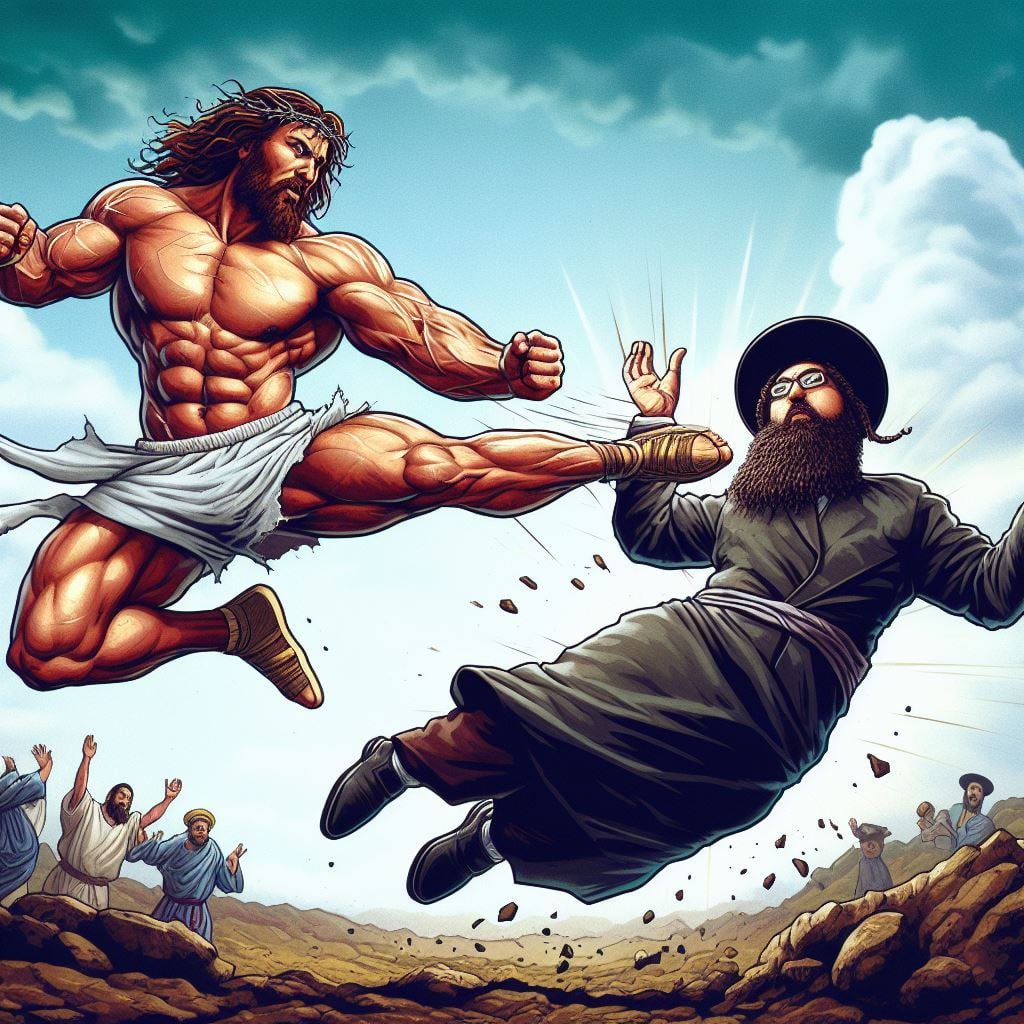
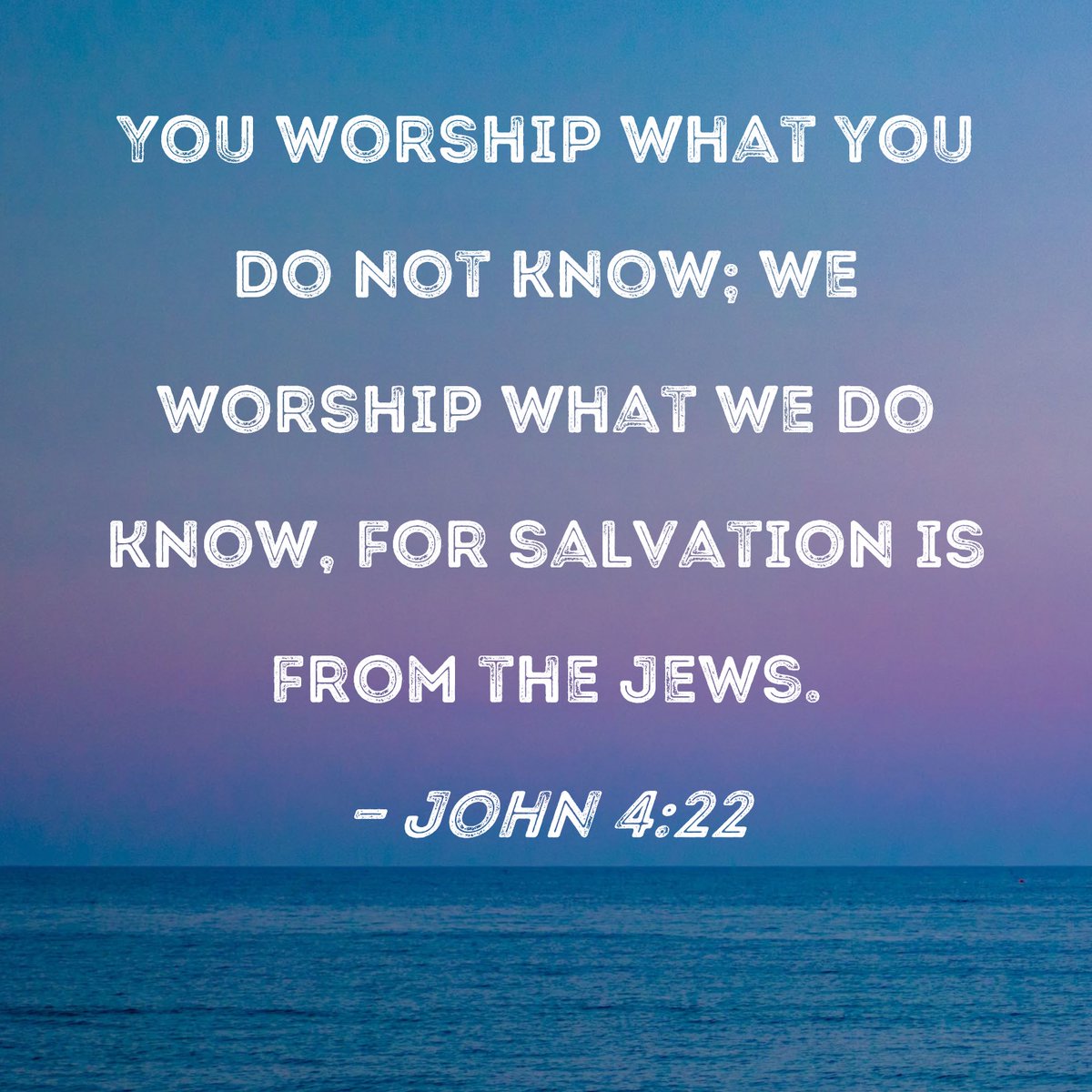
The most Jewish thing you can do is deny Christ.
Sola Requiem tweet media
English
70
182
5.2K
94.9K
idle🇻🇦
idle🇻🇦@idle128·
@Sola_Requiem Literally every religion except Christianity and technically Islam rejects him as the Messiah All the disciples were Jews, is accepting Christ the most Jewish thing you can do
English
2
0
7
357
POL POT GAMING 🇰🇭
POL POT GAMING 🇰🇭@POXIPOLPOT·
@PnishdMythMason @archeohistories America is a massive continent that held thousands of civilizations and peoples. The Aztecs were just one of the many peoples that existed simultaneously. Unless you think the Aztecs owned all of the continent, of course.
English
2
0
5
757
Archaeo - Histories
Archaeo - Histories@archeohistories·
In 1889, eleven Selk’nam natives, including an eight-year-old child, were taken from their homeland and sent to Europe to be displayed in Human Zoos. Stripped of agency, they were forced to perform, photographed, measured, and exhibited for public curiosity, treated as spectacles rather than human beings. The journey itself was brutal, and many perished from illness, exhaustion, or malnutrition. The Selk’nam were a remarkable people—tall, strong, and resilient—whose lives revolved around hunting, gathering, and elaborate cultural rituals like the Hain initiation, where boys and men transformed into spirits through masks, body paint, and ceremonial tests. Yet, their world was collapsing under colonization, sheep ranching, and violent persecution. By the early 20th century, their population had plummeted from thousands to a few dozen, and their culture and language were nearly lost. In Europe, their exhibitions were overseen by handlers who demanded obedience, turning rich traditions into a display for amusement and study. Their forced presence highlighted the arrogance and cruelty of societies that saw indigenous peoples as curiosities rather than human. Today, the Selk’nam are extinct as a distinct people, their language gone, and their culture surviving only in memory. The photographs from those exhibitions serve as haunting reminders of displacement, exploitation, and endurance—a testament to a people uprooted yet never forgotten. © Reddit #archaeohistories
Archaeo - Histories tweet media
English
424
2.9K
8.9K
577.9K
Poiter Pomade🔞🔞🔞🔞 retweetledi
鉄🦔
鉄🦔@atie1225·
🎀
鉄🦔 tweet media
QME
5
1K
9.1K
186K
Frank
Frank@frankonX_·
All I can do is laugh at this point 😭😂
English
27
118
1.2K
31.3K
Taysir
Taysir@Zexrow213·
@frankonX_ That guy has to be trolling there’s no way he said he’s not west African but a “White” Berber 😭
English
4
1
121
1.9K
THE GRUB GOD
THE GRUB GOD@CertifiedFatGuy·
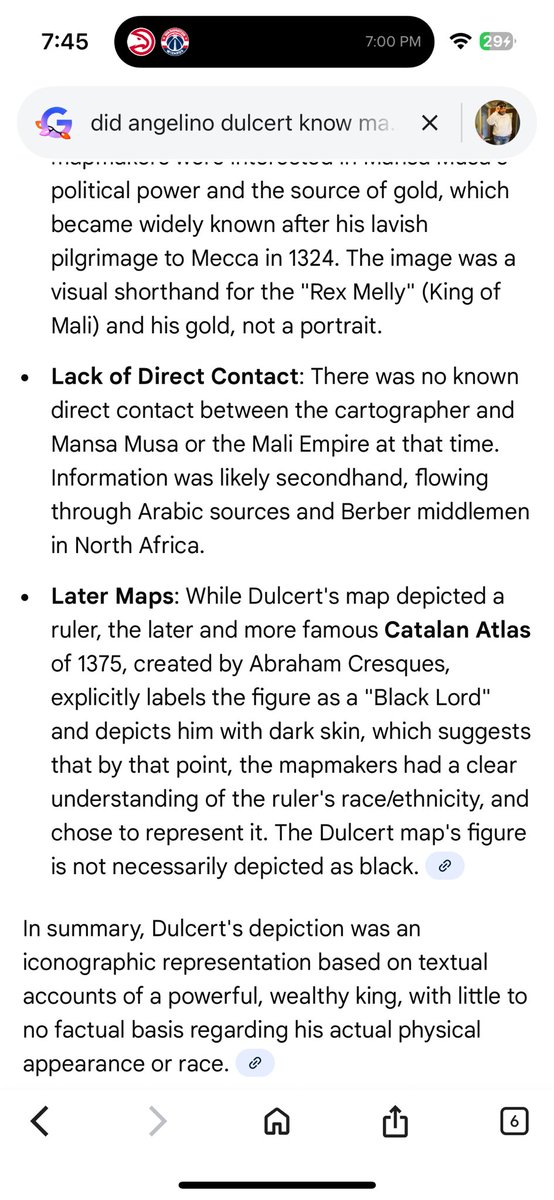
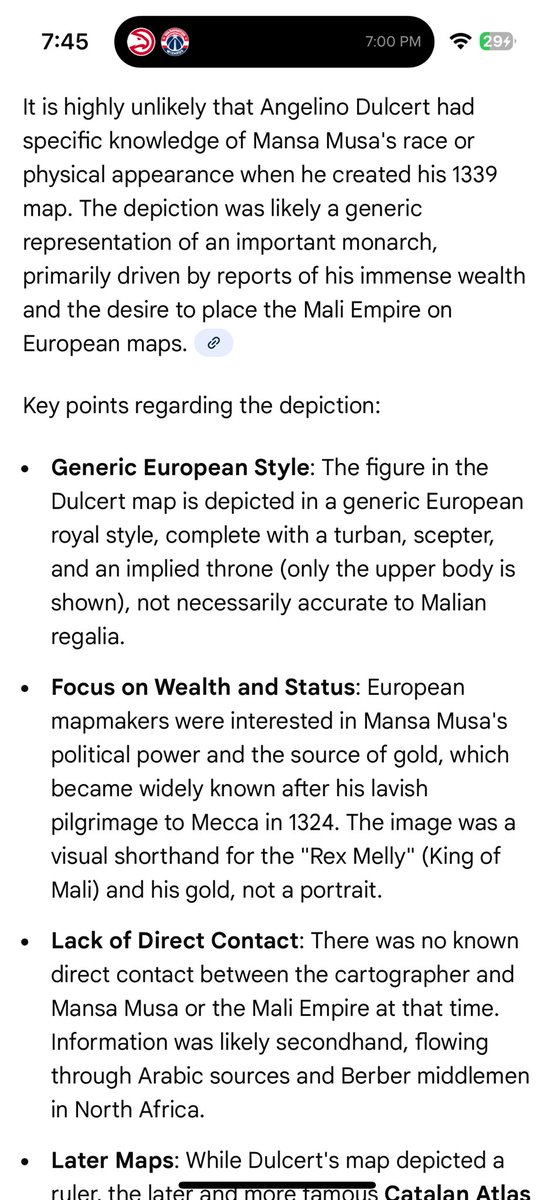
@robertsepehr @archeohistories You do realize this depiction was before Europeans had actually visited him right? The cartographer who made it didn’t actually know what he looked like before he made the drawings and assumed. There were also black Berber Muslims involved in slave trading prior to mansa Musa.
THE GRUB GOD tweet mediaTHE GRUB GOD tweet mediaTHE GRUB GOD tweet media
English
7
4
149
3.7K
Archaeo - Histories
Archaeo - Histories@archeohistories·
Mansa Musa Keita - The Wealthiest Person in the History of the World : We so often equate continent of Africa with poverty that it’s important to remember before its mineral wealth and resources were in large part extracted by European colonial powers, there existed fabulously wealthy empires that rose, traded, and fell as every other world empire has. Research has revealed that richest person of all time lived in West Africa and went by many names, including Kankan Musa Keita, Emir of Melle, Lord of Mines of Wangara, Conqueror of Ghanata and Lion of Mali II, but today he is usually referred to as Mansa Musa. Mansa Musa (Musa I of Mali) was ruler of Kingdom of Mali from 1312-1337 CE. He was a devout Muslim, a lover of architecture and scholarship and well known in medieval African history for making a remarkable pilgrimage to Mecca or Hajj. By metric of any western ‘civilization’ he was wildly successful as a ruler; he expanded borders of his land, established centers of learning such as at Timbuktu and had built important and long lasting construction projects. During his reign, Mali was one of richest kingdoms of Africa, and Mansa Musa was among richest individuals in the world. Kingdom of Mali spread across parts of modern-day Mali, Senegal, Gambia, Guinea, Niger, Nigeria, Chad, Mauritania and Burkina Faso. Mansa Musa developed cities like Timbuktu and Gao into important cultural centers. He also brought architects from Middle East and across Africa to design new buildings for his cities. Mansa Musa turned Mali into a sophisticated center of learning in Islamic world. Mansa Musa came to power in 1312 CE, after King, Abu Bakr II, disappeared at sea. Mansa Abu Bakr II had departed on a large fleet of ships to explore Atlantic Ocean and never returned. Mansa Musa inherited a kingdom that was already wealthy, but his work in expanding trade made Mali wealthiest kingdom in Africa. His riches came from mining significant salt and gold deposits in Mali kingdom. Elephant ivory was another major source of wealth. Adjusting his wealth to modern values, he was worth about an estimated $400 billion as Sultan of Mali, which controlled trade routes across Sahara Desert. Mali empire was a central to several key trading routes in the world, and with support of well trained army, Mali became a strong and powerful empire. When Mansa Musa went on a pilgrimage (Hajj) to Mecca in 1324 CE, his journey through Egypt caused quite a stir. Kingdom of Mali was relatively unknown outside of West Africa until this event. Arab writers from time said that he travelled with an entourage of tens of thousands of people and dozens of camels, each carrying 136kg of gold. While in Cairo, Mansa Musa met with Sultan of Egypt and his caravan spent and gave away so much gold that overall value of gold decreased in Egypt for next 12 years. Stories of his fabulous wealth even reached Europe. Catalan Atlas, created in 1375 CE by Spanish cartographers, shows West Africa dominated by a depiction of Mansa Musa sitting on a throne, holding a nugget of gold in one hand and a golden staff in other. After publication of this atlas, Mansa Musa became cemented in global imagination as a figure of stupendous wealth. After his return from Mecca, Mansa Musa began to revitalize cities in his kingdom. He built mosques  and large public buildings in cities like Gao and most famously, Timbuktu. Timbuktu became a major Islamic university center during 14th Century CE, due to Mansa Musa’s developments. Mansa Musa brought architects and scholars from across Islamic  world into his kingdom and reputation of Mali kingdom grew. Mansa Musa died in 1337 CE, and was succeeded by his sons. His skillful administration left his  empire  well-off at time of his death, but eventually, empire fell apart. However, his riches are only one part of his legacy, and he is also remembered for his Islamic faith, promotion of scholarship and patronage of culture in Mali. #archaeohistories
Archaeo - Histories tweet media
English
24
54
320
29.4K
Become A Saint
Become A Saint@BeSaintly·
@Poliploidy I think the whole bulk maxing culture rn is dumb, but we should be staying fit & healthy. No clue why he is shirtless though lol
English
1
1
58
865