Rema

1.8K posts

Rema banner
Rema

Rema

@REMAlternativas

Red Española para el Desarrollo de #Alternativas a la #experimentación #Animal

Katılım Şubat 2017
60 Takip Edilen435 Takipçiler
Rema retweetledi
Science Advancement and Outreach
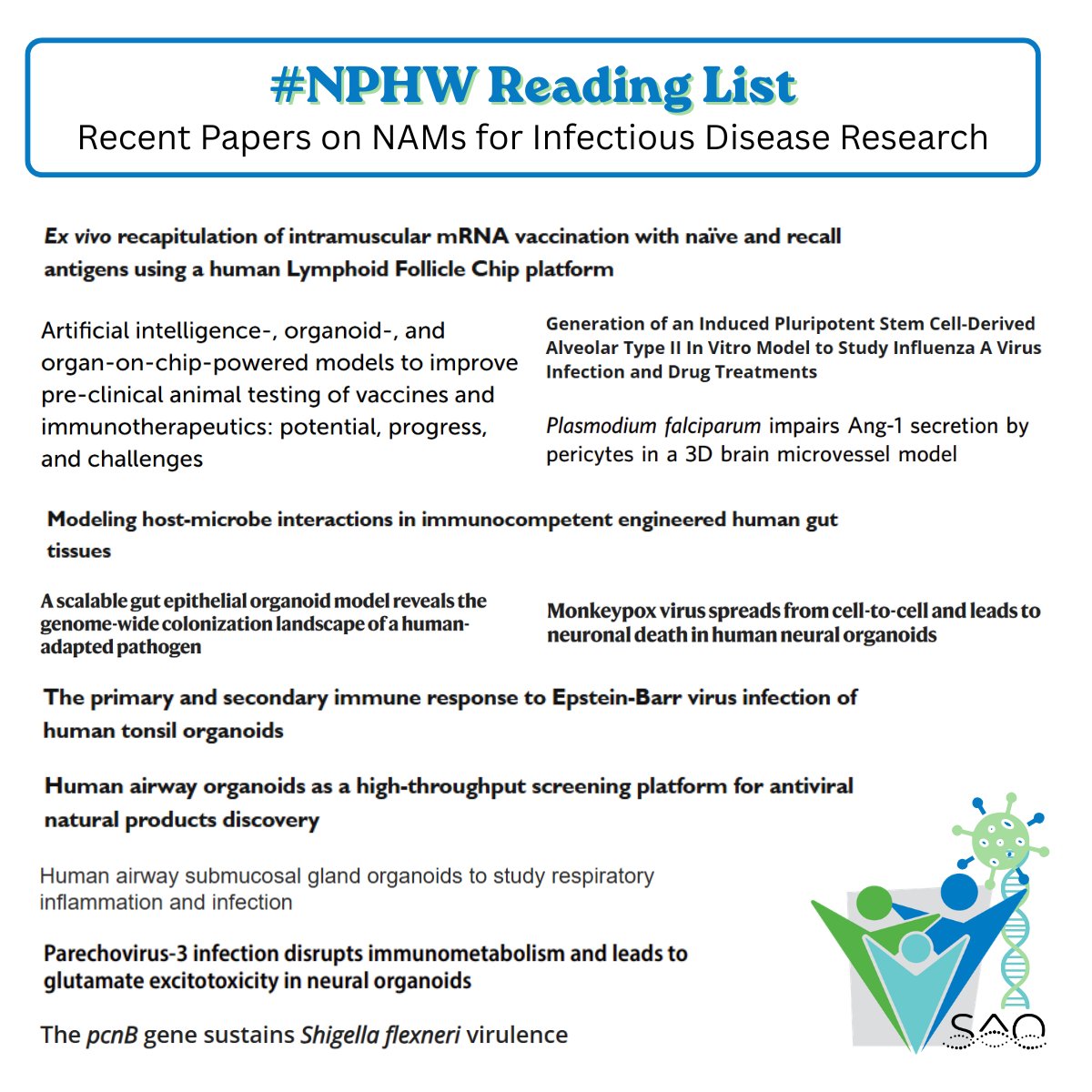
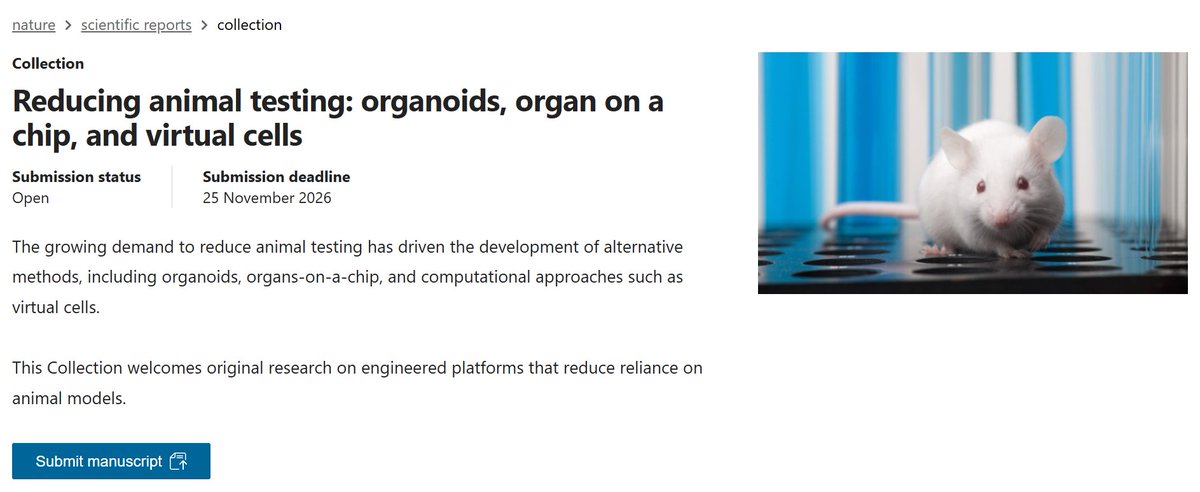
Across infectious disease research, experiments on animals fail to capture human‑specific immunity, tissue biology, & host–pathogen interactions. Check out these recent papers describing how human‑based technologies can deliver predictive insights into disease mechanisms, immune responses, & therapeutic efficacy (good reading for #NPHW!):
Science Advancement and Outreach tweet media
English
1
1
1
24
Rema retweetledi
Science Advancement and Outreach
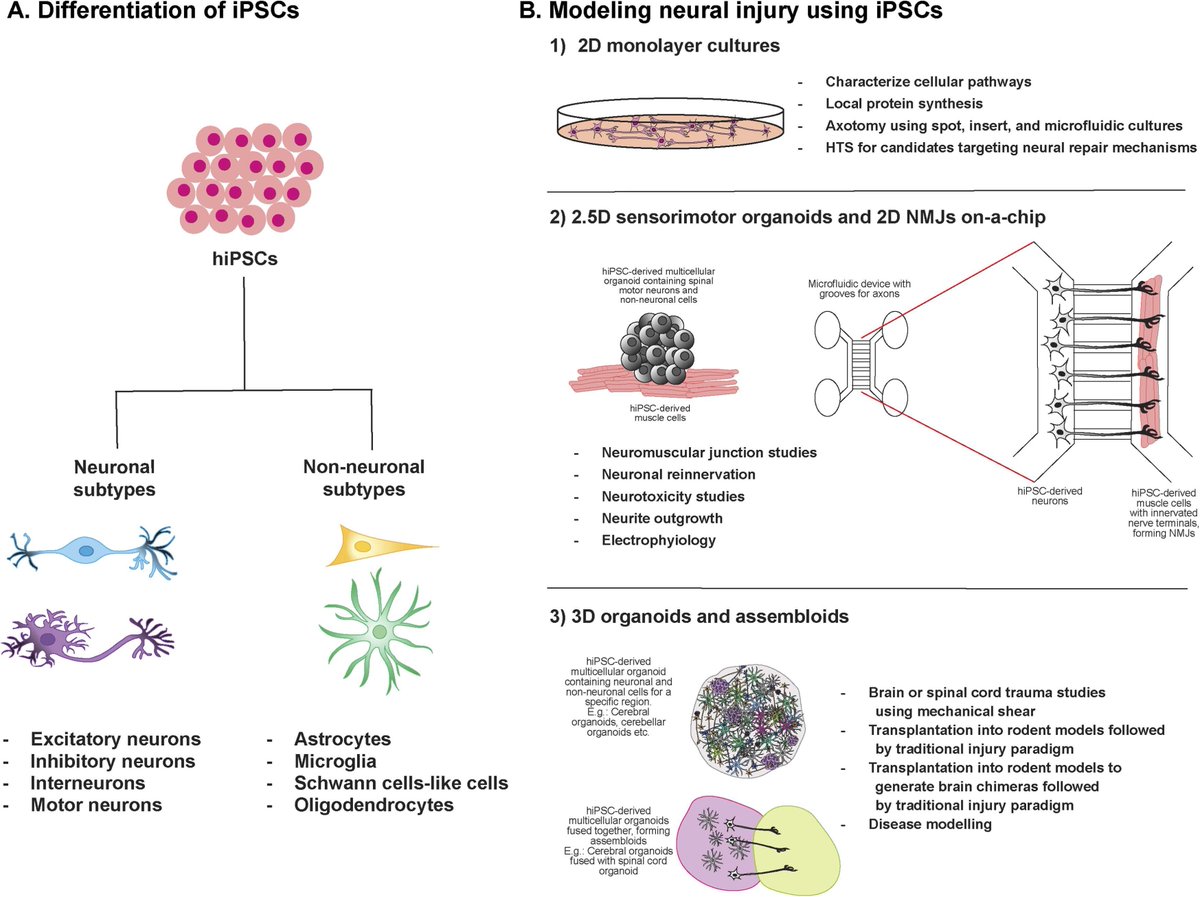
Progress in treating nervous system injuries has been historically limited by a lack of human‑relevant models. Neural repair experiments on animals "fall short in replicating human-specific features such as long axonal architecture, species-specific gene regulation, and cellular diversity, all of which are critical for understanding neural repair in humans." In this new review, @RutgersBioSci researchers highlight how human induced pluripotent stem cell (iPSC)–based models are changing what's possible for this field. doi.org/10.1016/j.pneu… From 2D cultures and 3D organoids to microengineered injury platforms and patient‑specific cell types, these models are revealing key regulators of neurite growth, clarifying how disease‑linked mutations disrupt axonal integrity, and accelerating the discovery of neuroprotective and pro‑regenerative compounds. @manasiagrawal1, Meghal Desai, Shruti Ghumra, Yashashree Bhorkar, and @SahooLab discuss how iPSC‑derived neurons, glia, Schwann cells, and neuromuscular junctions are advancing our understanding of remyelination, axon‑glia interactions, and circuit‑level repair—areas where translation from experiments on animals has repeatedly fallen short. Investing in human‑relevant platforms offers the best chance of developing therapies that restore function after nervous system injury and for furthering the field of regenerative neuroscience.
Science Advancement and Outreach tweet media
English
0
2
4
68
Rema retweetledi
Science Advancement and Outreach
In response to criticism of @CDCgov's decision to end its in-house experiments on non-human primates, Lynn Taylor, MD (@LMTaylor79), Etai Bally, and Zach Burns, DO penned a powerful letter outlining the many reasons the agency's choice was a good one. ✅ Myriad studies show that experiments on non-human primates fail to predict human responses. ✅ Scientific techniques exist that are more relevant to human health. ✅ "Nonhuman primates are highly intelligent, sensitive, social beings. Using them in research is cruel and sadistic, inflicting avoidable pain, fear and suffering." ✅ The use of monkeys in laboratories and the international monkey trade that supplies them poses zoonotic disease risks that endanger public health. ✅ Most of the world's primates are at risk of extinction. ✅ Past contribution does not entail present necessity. Read and share their letter in @JIDJournal: doi.org/10.1093/infdis…
Science Advancement and Outreach tweet media
English
0
3
5
86
Rema retweetledi
SECAL
SECAL@SECAL_T·
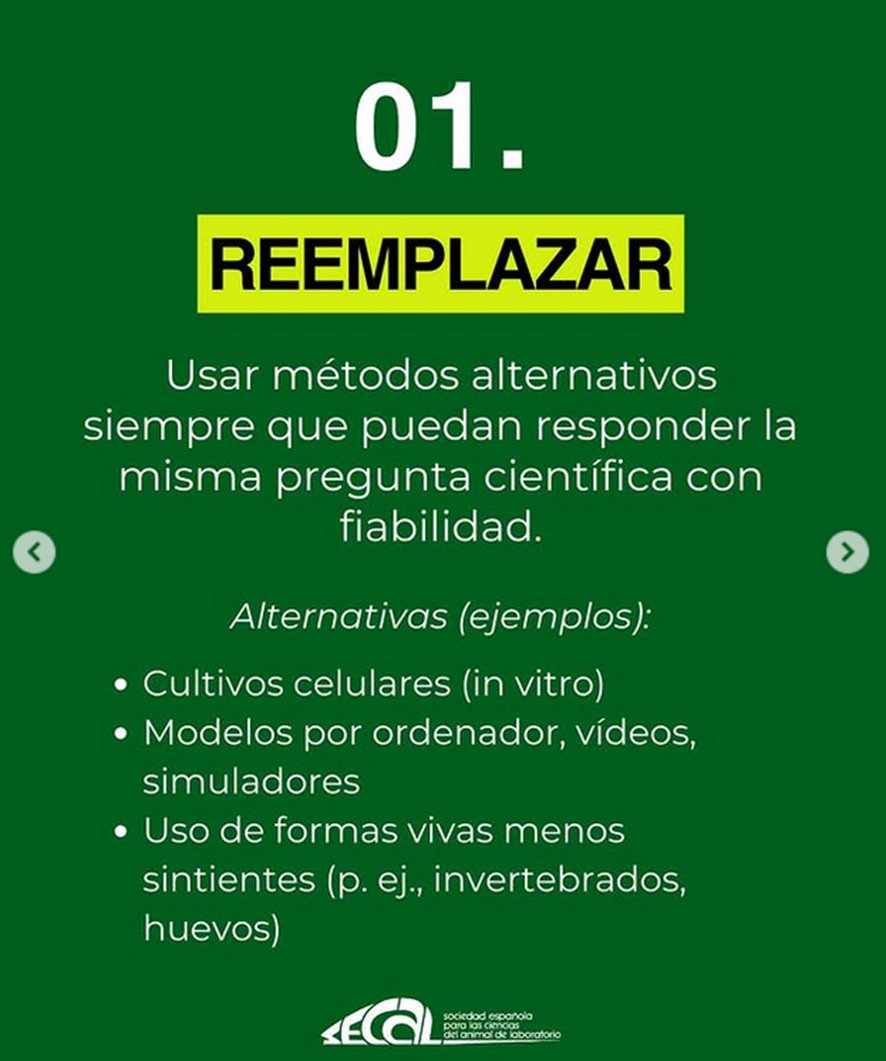
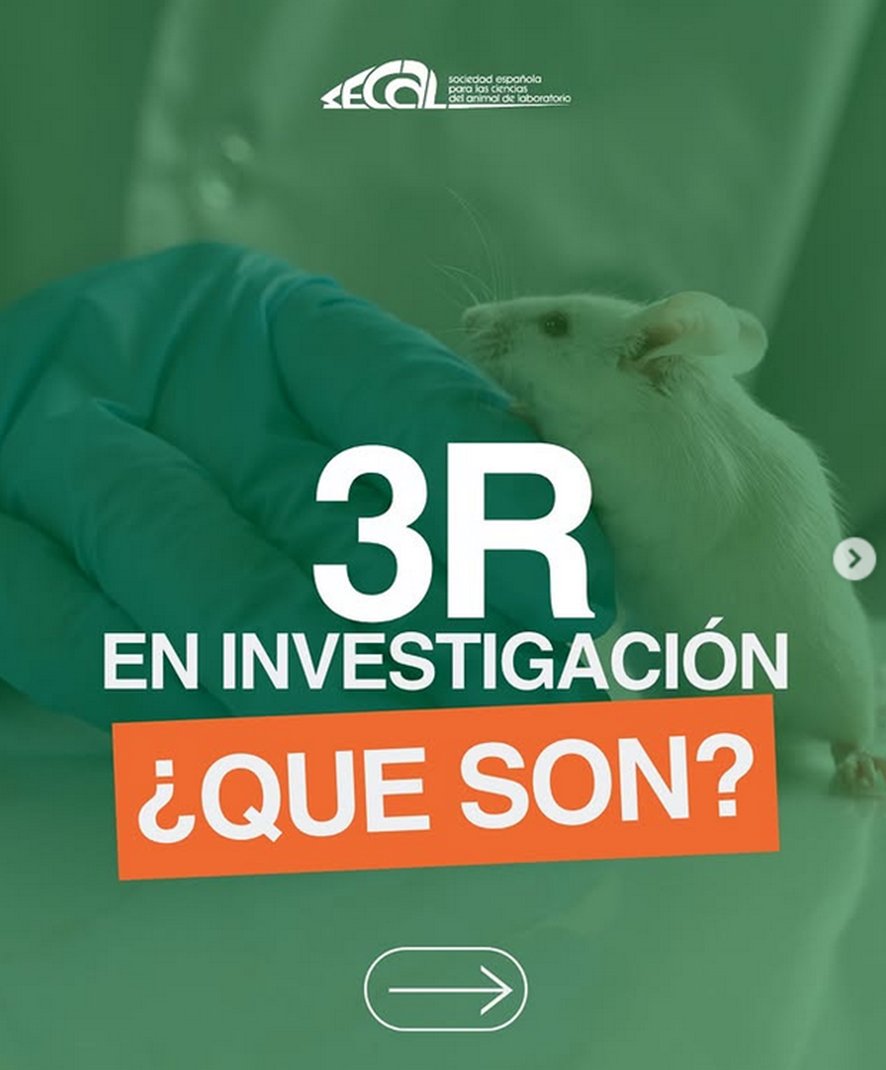
🔬 Impulsan la búsqueda de tecnologías innovadoras y una ciencia de alta calidad.
SECAL tweet media
Español
1
1
1
34
Rema retweetledi
Science Advancement and Outreach
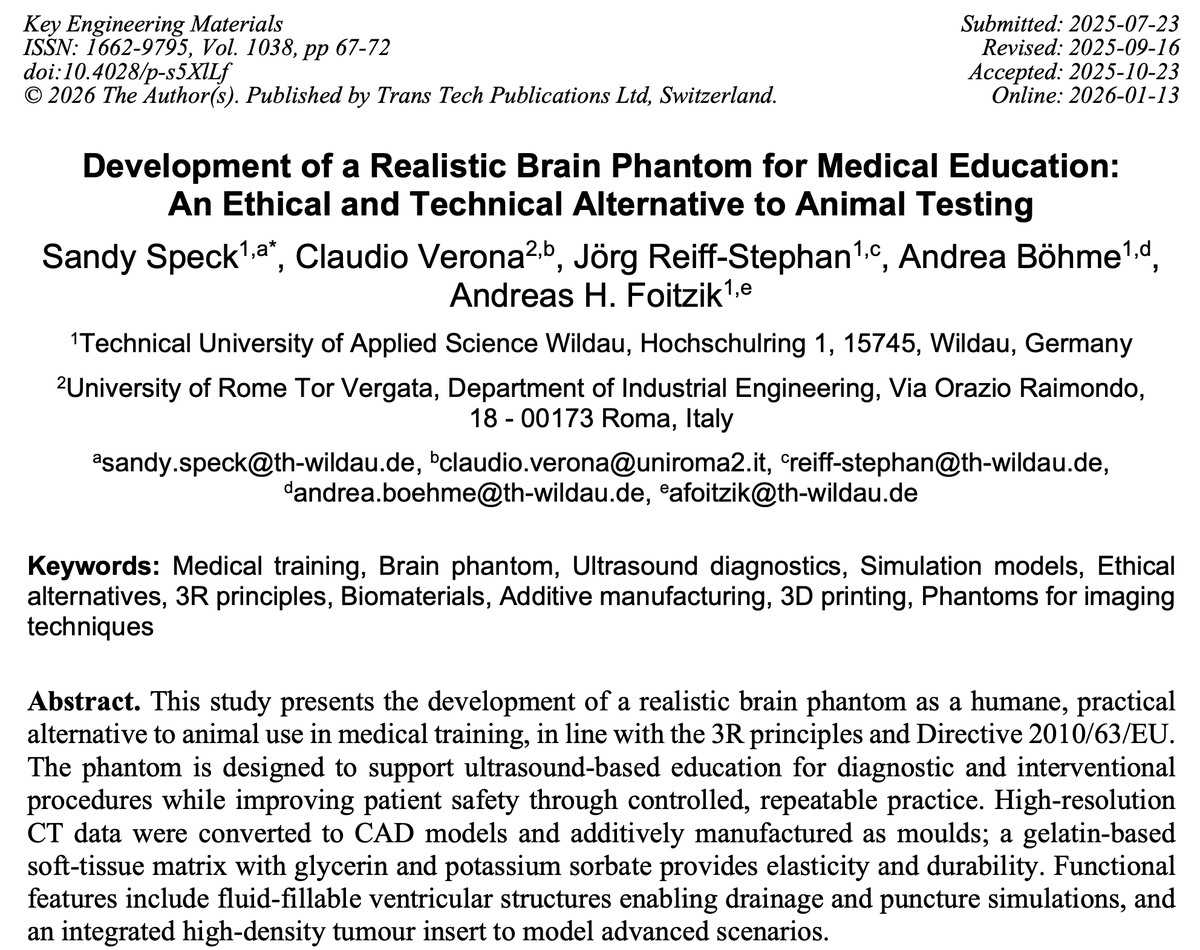
In a new study, Speck et al. developed a realistic brain phantom that allows medical trainees not only to practice brain ultrasonography, but also to safely rehearse procedures such as removing fluid from the brain’s ventricles and aspirating cerebrospinal fluid under ultrasound guidance. This tool serves “as a humane, practical alternative to animal use in medical training, in line with the 3R principles and Directive 2010/63/EU… [which] explicitly mandates minimisation of animal use” Additionally, this organ phantom is: 💲 low cost 🏭 rapidly manufacturable 🔃 reusable 📈 scalable And allows for: 🧠 realistic simulation of anatomy and pathophysiological conditions 🧑‍⚕️ standardized training 🐖 avoidance of ethics approvals and animal facilities While parts of the model are made of animal gelatin, the authors acknowledge that future development “should prioritise synthetic or hybrid matrices (e.g., synthetic gelatin analogues, alginate/PVA systems, cryogels) to enhance toughness, elastic recovery, shelf life, and acoustic matching.” 👥 Sandy Speck, Jörg Reiff-Stephan, Andrea Dr. Böhme, Claudio Verona, Andreas H. Foitzik 🏫 @TH_Wildau & @unitorvergata Read here: doi.org/10.4028/p-s5Xl…
Science Advancement and Outreach tweet media
English
0
1
4
55
Rema retweetledi
PETA Science Consortium International
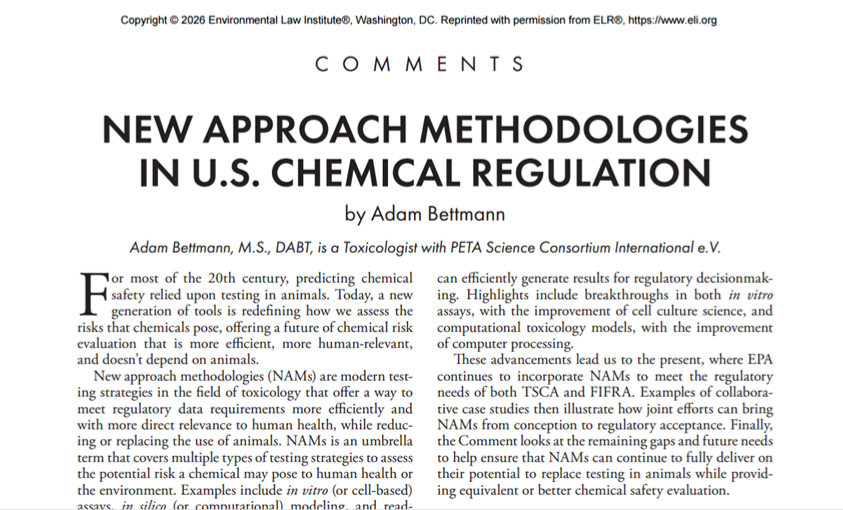
The @EPA has recommitted to ending its reliance on toxicity tests on animals. This is the latest step in the agency's long-standing commitment to advancing reliable and relevant non-animal testing approaches. Read about it here: bit.ly/4pRz4Bk
English
0
1
4
59
Rema retweetledi
Igualdad Animal
Igualdad Animal@IgualdadAnimal·
La consulta Europea sobre bienestar animal ha cerrado con una gran participación: 236.520 personas respondieron, y el 94,8 % de las respuestas provienen de ciudadanas y ciudadanos de la UE, exigiendo normas más ambiciosas para proteger a los animales. Esta enorme movilización demuestra que la sociedad europea no acepta más excusas y quiere una legislación que: Ponga fin al uso de jaulas en la industria ganadera. Acabe con prácticas crueles como la matanza sistemática de pollitos macho. Establezca estándares de bienestar animal basados en evidencia científica 👇 igualdadanimal.org/noticia/2026/0… #NoAlMaltratoAnimal
Igualdad Animal tweet media
Español
0
17
30
764
Rema retweetledi
Rema retweetledi
NIEHS
NIEHS@NIH_NIEHS·
🔬 The Scientific Advisory Committee on Alternative Toxicological Methods encouraged federal agencies to continue and broaden efforts to advance replacement of animal use for chemical safety testing during a fall meeting at NIEHS. niehs.nih.gov/news/factor/20… #NIEHSFactor
English
0
1
3
171
Rema retweetledi
Confederación de Sociedades Científicas de España
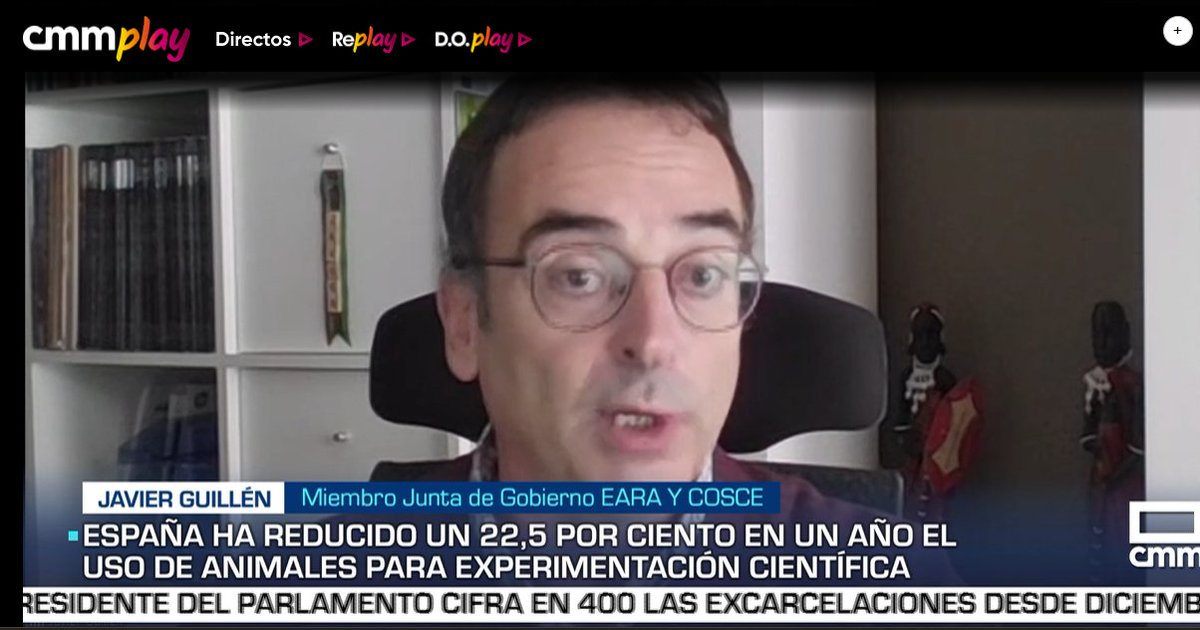
"Desde los últimos 15 años, ha habido un descenso en torno al 37% del uso de animales en investigación, gracias a la introducción de métodos alternativos y al exhaustivo control en su uso", explica Javier Guillén (@EARA_ES), miembro de la comisión COSCE sobre experimentación animal. @CMM_es
Confederación de Sociedades Científicas de España tweet media
Español
0
1
3
69
Rema retweetledi
𝗘𝗔𝗥𝗔 España
Los investigadores de la ETH de Zúrich han diseñado más de 400 tipos diferentes de células nerviosas humanas, lo que ofrece una nueva forma de estudiar enfermedades complejas in vitro #cérebro , como la enfermedad de Alzheimer, la enfermedad de Parkinson y la depresión. #NAMs eara.eu/post/researche…
EARA Portugal@EARA_PT

Os investigadores da ETH Zurich desenvolveram mais de 400 tipos diferentes de células nervosas humanas, oferecendo uma nova forma de estudar doenças complexas do #cérebro in vitro, como a doença de Alzheimer, a doença de Parkinson e a depressão. #NAMs eara.eu/post/researche…

Español
0
1
1
51
Rema
Rema@REMAlternativas·
Feliz navidad
Rema tweet media
Español
0
2
3
47