R. Yazan Kherallah

132 posts

R. Yazan Kherallah

R. Yazan Kherallah

@RYKherallah

ACHD fellow @ Baylor College of Medicine /Texas Children's. Into hiking, climbing, and cooking. Opinions my own

Houston, TX Katılım Haziran 2018
527 Takip Edilen189 Takipçiler
R. Yazan Kherallah retweetledi
Itai Yanai
Itai Yanai@ItaiYanai·
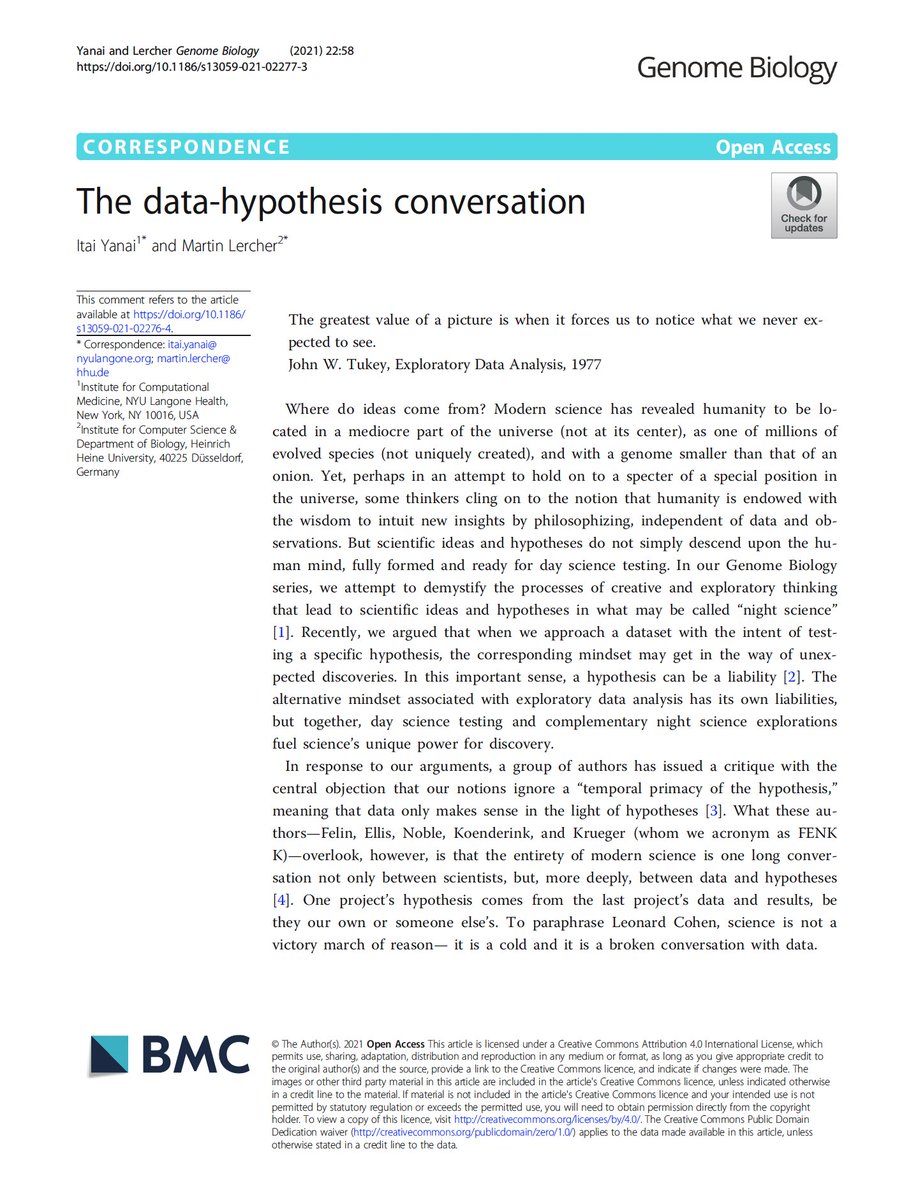
There's a strange myth about science: that theory comes first, and that data cannot show anything new. But anyone who's ever done science knows the truth that there's a long conversation between data & hypotheses. Back & forth.. until the discovery. And if you think about it, it has to be this way! (Night Science recap, Day 6)
Itai Yanai tweet media
English
11
67
279
22.8K
R. Yazan Kherallah retweetledi
Itai Yanai
Itai Yanai@ItaiYanai·
Doing science requires us to speak two very different languages: (1) Day science language is a highly precise and metaphor-free language for designing and executing experiments; while (2) Night science language uses analogies and anthropomorphizing to give us intuitions about the unknowns we explore. (Night Science recap, Day 4) link.springer.com/article/10.118… night-science.org
Itai Yanai tweet media
English
4
111
464
18.3K
R. Yazan Kherallah retweetledi
Katie Salciccioli, MD
Katie Salciccioli, MD@DrKBSalc·
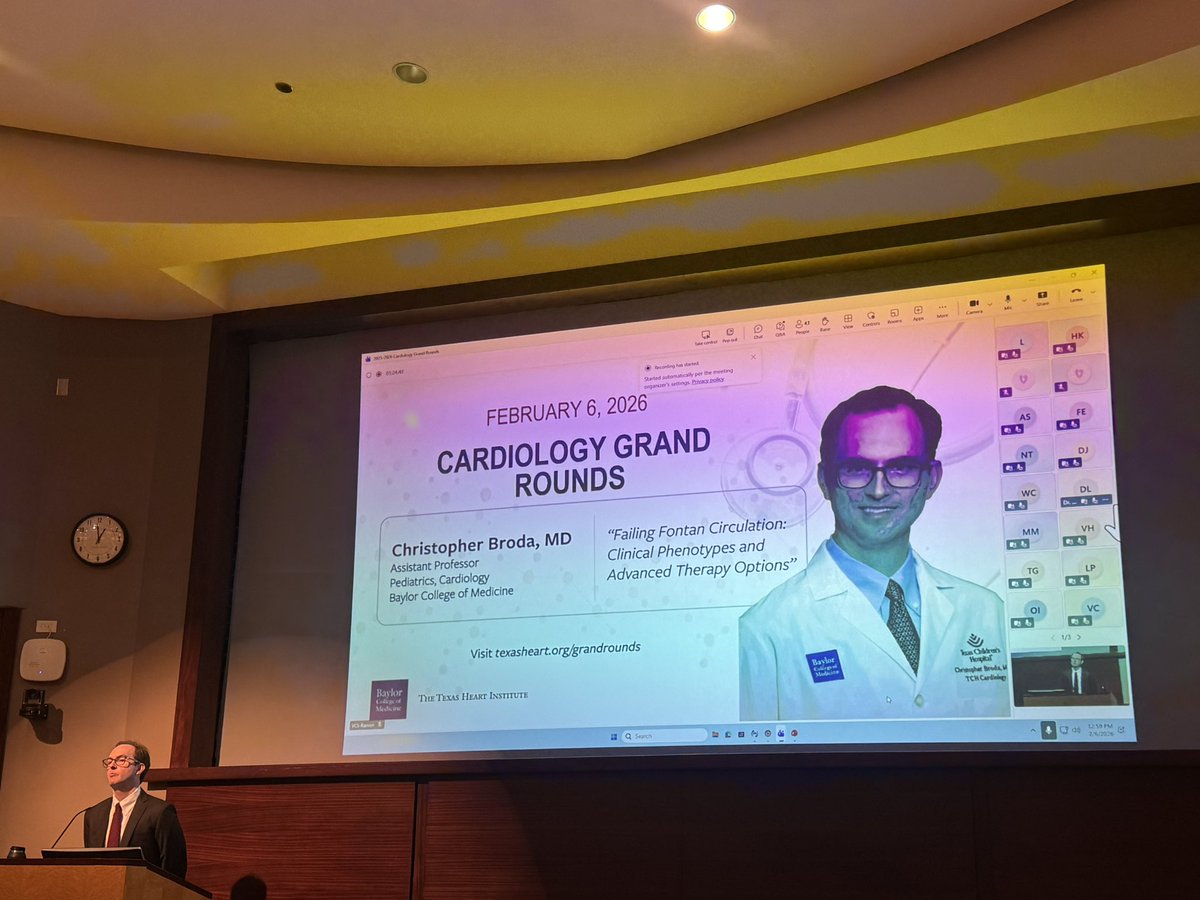
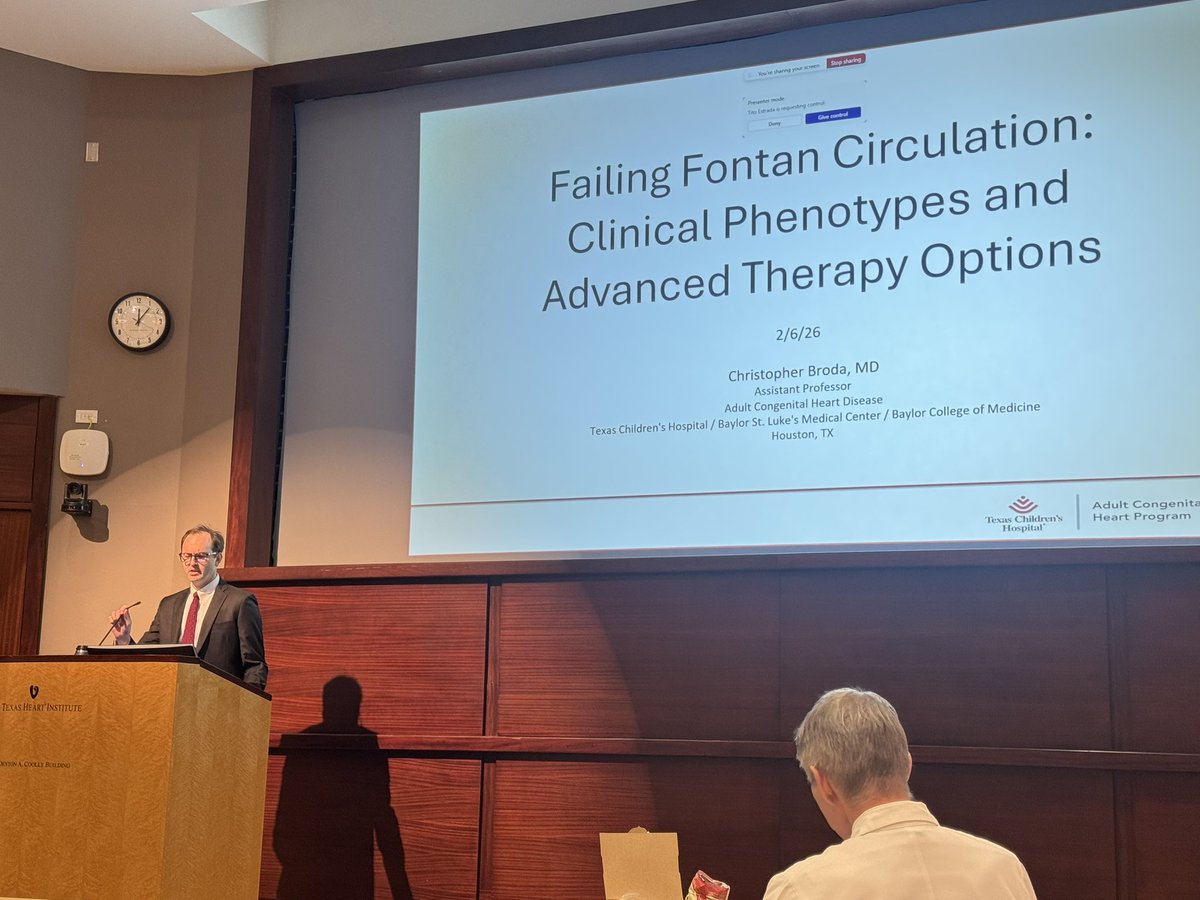
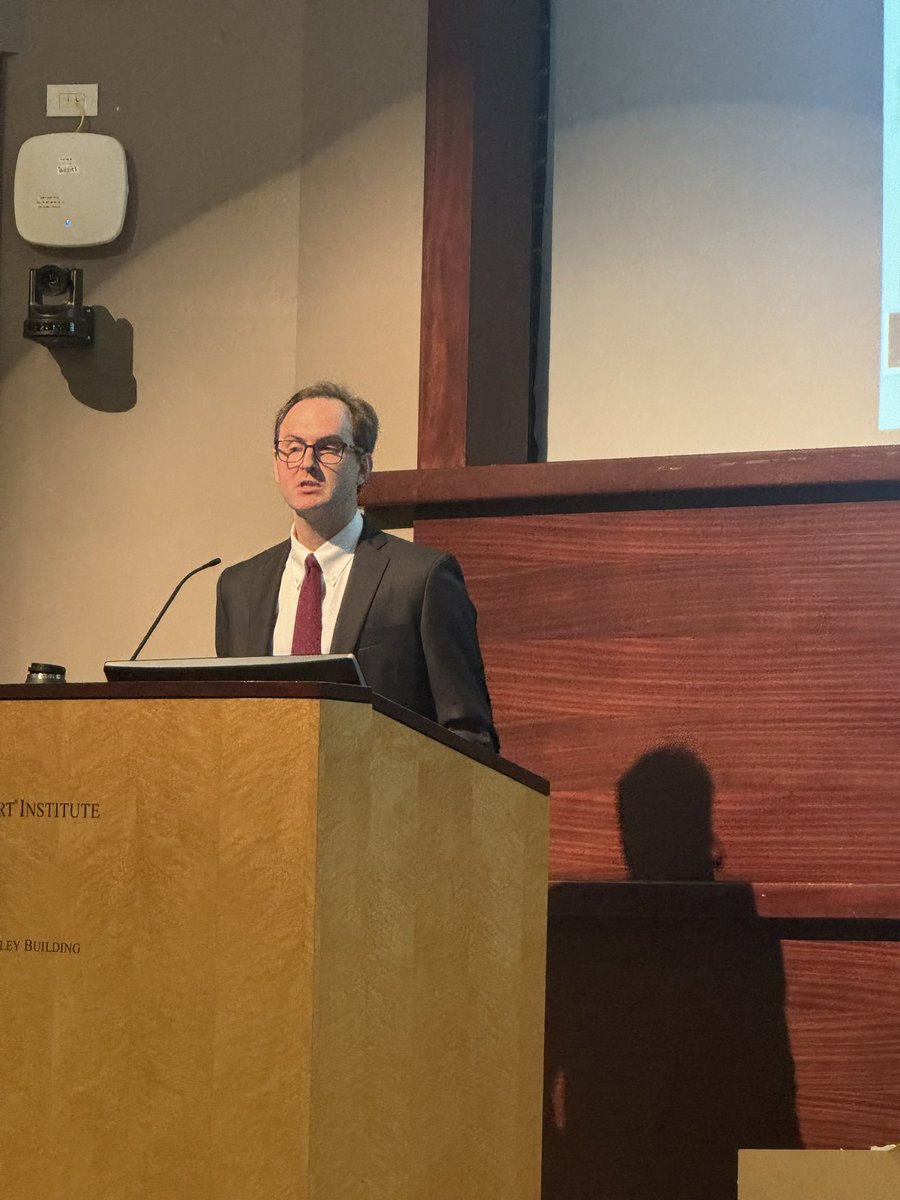
Brilliant grand rounds presentation about the history, current challenges, and future in managing Fontan failure by Dr. Chris Broda @TCH_adultCHD @BCMHeart
Katie Salciccioli, MD tweet mediaKatie Salciccioli, MD tweet mediaKatie Salciccioli, MD tweet media
English
0
1
8
163
R. Yazan Kherallah retweetledi
Sara Moscatelli
Sara Moscatelli@saramoscatelli7·
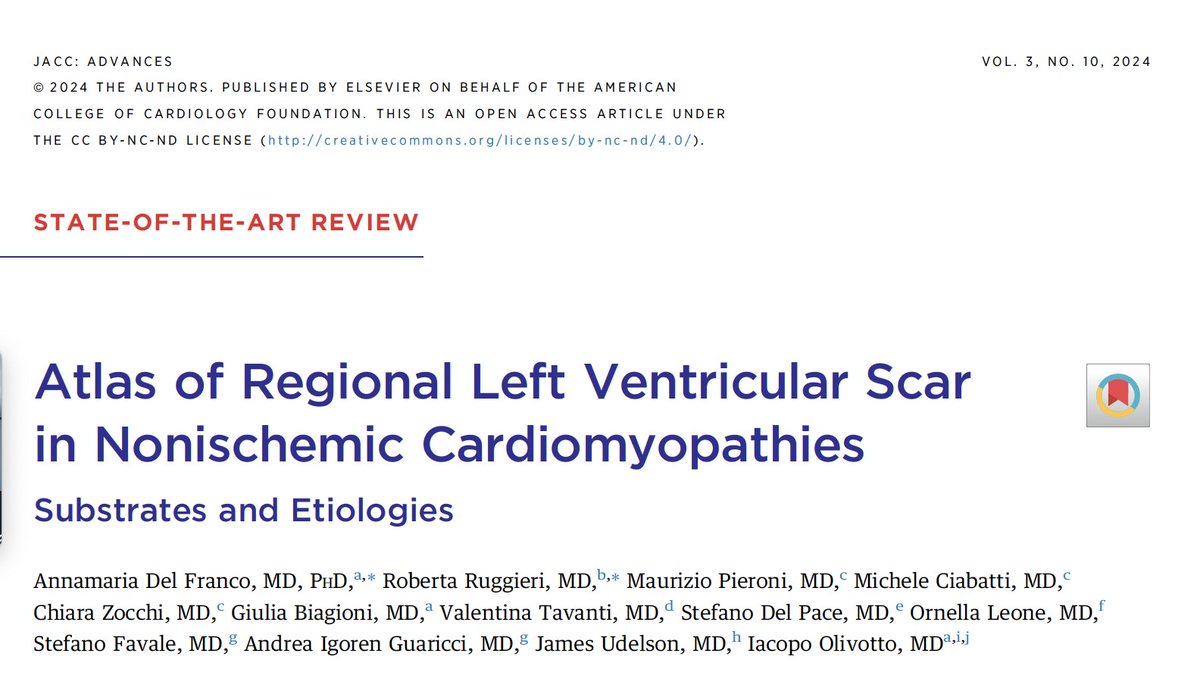
📚 Old article, but still one of my favourites — and worth sharing again! This “atlas” of non-ischemic left ventricular scar is a brilliant visual and practical guide to understanding how different cardiomyopathies leave distinct scar patterns on CMR. 🧭 It links scar location (anterior, septal, lateral, apical, inferior, ring-like) to: • specific diseases • genetics • arrhythmic risk • clinical red flags 🫀 It reminds us that scar ≠ ischemia, and that pattern recognition on CMR is a powerful diagnostic tool. Not new, but still extremely useful for daily practice — so I’m happily reposting it. #CardiacMRI #CMR #Cardiomyopathy #MyocardialScar #Imaging #Arrhythmias #HeartImaging #LearningFromThePast #StillRelevant 🫀📊✨ Link:jacc.org/doi/10.1016/j.…
Sara Moscatelli tweet media
English
3
25
141
9.8K
R. Yazan Kherallah retweetledi
NEJM
NEJM@NEJM·
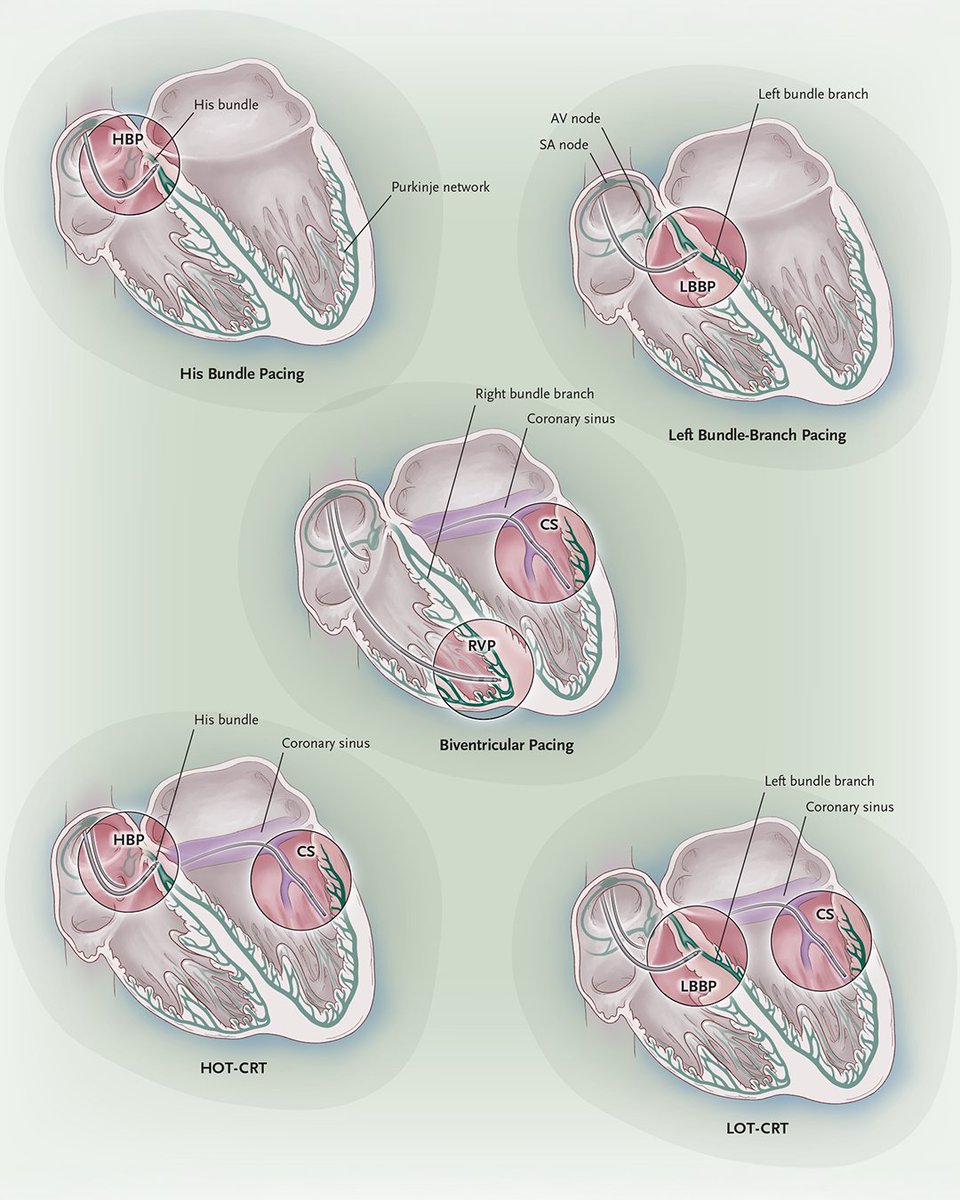
Cardiac physiologic pacing, also known as cardiac resynchronization therapy, is indicated in patients with heart failure, reduced left ventricular ejection fraction (LVEF) of 50% or less, and either a high (or anticipated high) ventricular pacing burden or a wide QRS complex. Traditionally, physiologic pacing has been achieved with biventricular pacing with a right ventricular lead and a coronary sinus branch lead. Randomized trials involving more than 10,000 patients with heart failure have shown clinical, exercise, and quality-of-life benefits associated with biventricular pacing, as well as improved LVEF and reduced mitral regurgitation and ventricular volumes. These benefits are greatest in patients with left bundle-branch block and a QRS duration of 150 msec or longer. Recent studies support targeting the His bundle or left bundle branch as an alternative cardiac physiologic pacing strategy. Ongoing randomized trials are expected to more clearly define the comparative efficacy and safety of conduction system pacing as compared with biventricular pacing. Read the Review Article “Physiologic Pacing in Heart Failure” by @MihailChelu, MD, PhD, Jeanne E. Poole, MD, and Kenneth A. Ellenbogen, MD (@KennethEllenbo1), from the Baylor College of Medicine (@bcmhouston), University of Washington (@UW), and Virginia Commonwealth University School of Medicine: nej.md/4qqjSfI
NEJM tweet media
English
2
114
358
31.3K
R. Yazan Kherallah retweetledi
Massimo
Massimo@Rainmaker1973·
CRISPR deleted the extra chromosome behind Down syndrome. In a groundbreaking world-first, researchers have successfully used CRISPR gene-editing technology to remove the extra chromosome responsible for Down syndrome, opening a potential path toward treating genetic disorders previously considered incurable. Down syndrome, or trisomy 21, occurs when a person has three copies of chromosome 21 instead of the usual two. It is one of the most common genetic conditions, affecting about 1 in 700 babies worldwide, and leads to intellectual disability, developmental delays, and various health issues. Until now, no treatment has been able to correct the underlying cause. That may soon change. In a new proof-of-concept study, scientists applied CRISPR-Cas9 to cells taken from people with Down syndrome—including skin cells and pluripotent stem cells—and successfully eliminated the extra chromosome 21. The edited cells showed a striking return to normal gene expression patterns and cellular function. To improve precision, the team briefly disabled certain DNA-repair pathways during the process, making the chromosome removal cleaner and more effective. At this stage, the technique has only been demonstrated in laboratory cell cultures and is far from ready for human use. Removing an entire chromosome carries significant risks, including possible off-target effects, so extensive safety work lies ahead. If those challenges can be overcome, however, the approach could one day be applied to brain cells or even used during early fetal development. The implications extend beyond Down syndrome. The same strategy might eventually treat other life-limiting trisomies, such as trisomy 13 and trisomy 18, which are often fatal in infancy or cause severe disability. For the first time, a tool exists that could, in principle, correct the root chromosomal abnormality rather than merely managing symptoms. ["Trisomic rescue via allele-specific multiple chromosome cleavage using CRISPR-Cas9 in trisomy 21 cells." PNAS Nexus, 2025]
Massimo tweet media
English
100
1K
6K
1.4M
R. Yazan Kherallah retweetledi
David Ouyang, MD
David Ouyang, MD@David_Ouyang·
On the heels of #AHA25, EchoPrime is published in @Nature! EchoPrime has the strong performance in a wide range of echo interpretation tasks and is validated across 5 international hospitals. Led by @milos_ai and @bryandhe. 1/n
David Ouyang, MD tweet media
David Ouyang, MD@David_Ouyang

1/n We are excited to announce EchoPrime – the first echocardiography AI model capable of evaluating a full transthoracic echocardiogram study, identify the most relevant videos, and produce a comprehensive interpretation! Great work lead by @milos_ai, EchoPrime is the largest and most complex #echofirst AI model yet, trained on 10x the data of existing models.

English
17
49
220
50.8K
R. Yazan Kherallah retweetledi
David Ouyang, MD
David Ouyang, MD@David_Ouyang·
I agree with @drjohnm’s perspective on LAAC. As an additional piece of orthogonal evidence: Our group, as well as multiple others, have shown that AI-ECG can predict AF from sinus ECGs. When you apply these models or try to directly train an AI-ECG model to predict stroke, they perform poorly. Given the publication bias of negative results, we’ve never tried to publish this work, but we’ve tried tens to hundreds of approaches, but AI applied to ECG uniformly only weakly predict stroke. In parallel, notice that most of the input variables for CHADs2vasc and other stroke risk calculators primarily have EXTRACARDIAC risk factors. There is a long list of positive trials that show efficacy of anti platelet therapy and anticoagulation for stroke, but these are systemic therapies for what’s likely a systemic issue. In parallel, there’s almost an equally long list of negative trials for treatments that are cardiac only (LAAC and PFO closure). Treating a sole cause (no matter how compelling) when there are multiple culprits of similar effect size is a losing strategy. Sick patients are more likely to have strokes, irrespective if they have AF or don’t have AF. In this way, AF is almost a collider. An to clarify, maybe a little pedantic, LAAC is and never as been a treatment of/for AF. It is a potential (but not very efficacious) treatment for stroke. Systematic therapies have a much larger surface area of potential efficacy compared to targeted treatments that only one mechanism of action/benefit. An analogy from one of my former attendings, David Liang, come to mind. When humans were on the savanna and more active, it makes sense to err in being slightly hypercoagulable. If you had a chance of being bitten by wild animals, evolution probably selected for faster clotting. But now, we mostly sit out coaches and chairs all day, perhaps the same risk trade off no longer applies. Perhaps most people might benefit from a little anticoagulation, and this corroborates the gradual expansion of indications low dose anticoagulation therapy. This is not true for mechanical devices in the heart.
John Mandrola, MD@drjohnm

Great comments below: "but at this stage it seems appropriate to pause and reflect." Good luck with that Professor. I've been encouraging a pause and reflection on 5 continents, with little success. All of this could have been predicted from PROTECT and PREVAIL data.

English
4
20
79
26.2K
R. Yazan Kherallah retweetledi
Pradeep Natarajan
Pradeep Natarajan@pnatarajanmd·
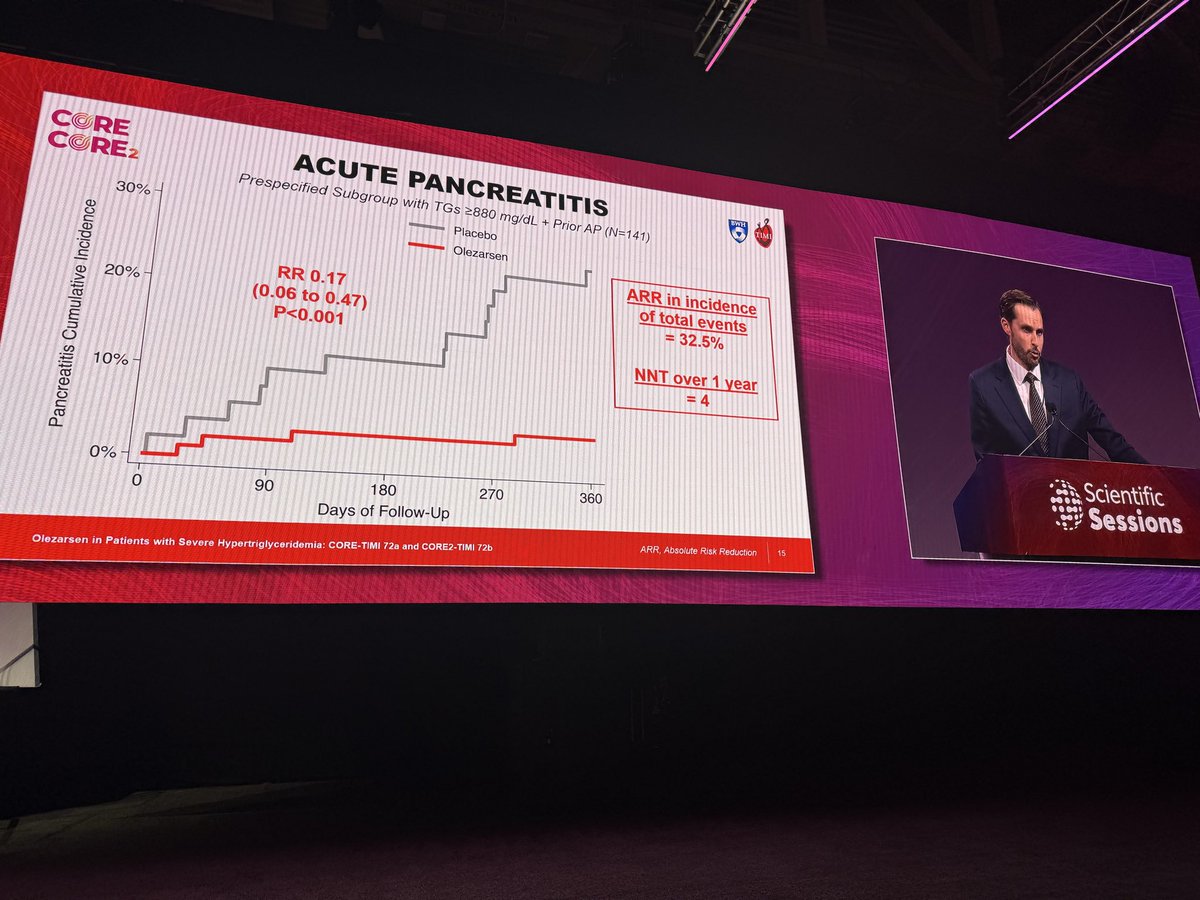
When I was a medical student, I vividly recall taking care of very very sick patients with acute pancreatitis in the ICU. Remarkable to see how APOC3 inhibition (here, olezarsen) is now shown to be a highly effective therapy for severe hypertriglyceridemia, esp among those with prior pancreatitis to reduce risk for acute pancreatitis (NNT 20 for all and 4 for those with prior) & yield remission (up to ~50%) for hypertriglyceridemia. Congrats @marstonMD @TIMIStudyGroup! nejm.org/doi/full/10.10… #AHA25 @NEJM
Pradeep Natarajan tweet media
English
11
80
524
87.7K
R. Yazan Kherallah retweetledi
AHA Science
AHA Science@AHAScience·
CLOSURE-AF results presented at #AHA25
AHA Science tweet media
English
1
93
203
162.3K
R. Yazan Kherallah retweetledi
NEJM
NEJM@NEJM·
Presented at #KidneyWk: In the PISCES trial involving participants receiving hemodialysis, fish oil (n−3 fatty acids) was compared with corn-oil placebo. The rate of serious cardiovascular events was lower with daily fish-oil supplementation. Full trial results: nej.md/49zWuqo Editorial: Fish Oil for Patients Receiving Hemodialysis — Red Herring or Great Catch? nej.md/49zWAOM @ASNKidney
NEJM tweet media
English
3
194
560
198.3K
R. Yazan Kherallah retweetledi
Stephane Redon
Stephane Redon@StephaneRedon·
🎉🎉🎉 Today, we have a huge announcement to make: SAMSON is now free for non-commercial use! This includes all extensions for docking, simulating, animating, scripting, and much, much more. Precisely, we are making the entire SAMSON molecular design platform - SAMSON + every SAMSON Extension on SAMSON Connect - free for non-commercial use. This means you can now use SAMSON at no cost in academic and nonprofit settings for: - Education (teachers, students, classrooms) - Academic & publicly funded research - Personal projects (no revenue, no paid consulting) If this is your case, you can activate your free non-commercial license yourself when you sign up at samson-connect.net. This will grant you a free Expert plan and make all SAMSON Extensions free to add on SAMSON Connect. (as you may know, most features run locally, but some optional calculations run in the cloud, such as structure prediction and cloud simulations - these require computing credits). When your work involves paid services, consulting, product development, or commercial R&D, just visit the Pricing page and select one of the commercial plans. You can later revert to non-commercial use. If you are unsure whether you are eligible to a free non-commercial license, please just contact us and we'll work it out with you. Of course, feel free to share the news with your friends, students, and colleagues (and everyone else 😊). #SAMSON #Community
Stephane Redon tweet mediaStephane Redon tweet mediaStephane Redon tweet mediaStephane Redon tweet media
English
16
184
770
46K
R. Yazan Kherallah retweetledi
NEJM
NEJM@NEJM·
Perspective essay by F. Sidhwa et al.: Standing by Our Colleagues in Gaza — A Plea to the U.S. Medical Community nej.md/4ns9yCi #MedicalEthics #GlobalHealth
NEJM tweet media
English
4
14
45
16.1K
R. Yazan Kherallah retweetledi
Hani Jneid MD
Hani Jneid MD@docHJ·
The research nucleus of ⁦@utmbcardiology⁩ & the Sealy Heart Vascular Institute who is launching the Galveston Heart Study-a landmark 10K-participant prospective study to advance CV health,drive discovery & improve care in our community❤️‍🔥⁦⁦⁦⁦@AHAScience
Hani Jneid MD tweet media
English
5
6
74
4.5K
R. Yazan Kherallah retweetledi
Itai Yanai
Itai Yanai@ItaiYanai·
Legend David Baltimore died yesterday. He understood the way things should work: "the real contribution of @MIT is that it doesn't take itself too seriously. It takes ideas seriously, but the people are relatively informal. They are not self-aggrandizing the way academics can be.
Itai Yanai tweet media
English
13
128
620
106.1K