HAART Race

735 posts

HAART Race banner
HAART Race

HAART Race

@RaceZeem

PLHIV/POZ/RVD ❤️| Gay 🏳️‍🌈 🅱️| Diagnosed: October 2015 | HAART: since September 2017 | UVL since 2018 | take HAART and think positive.

Johore, Malaysia Katılım Mayıs 2021
346 Takip Edilen1.2K Takipçiler
Sabitlenmiş Tweet
HAART Race
HAART Race@RaceZeem·
I da single for too long so here goes, tiber: Hello I am a #PLHIV seeking for partner who is the same as me in Johor Bahru. I am 25 years old this year, my height is 175 cm, weight 60 kg. I am a little bit of a softy 💁🏾‍♂️ and a clown 🤡. Wanna get to know me more? DM me! 😊😊
English
5
6
87
0
HAART Race retweetledi
China pulse 🇨🇳
China pulse 🇨🇳@Eng_china5·
JUST IN: China completes the first phase of trials for the world’s first self-replicating HIV vaccine, based on the “Tiantan” smallpox vaccine — a major step forward in the fight against HIV.
China pulse 🇨🇳 tweet media
English
90
1.5K
8.7K
723.4K
HAART Race retweetledi
Hadad Nuwagaba
Hadad Nuwagaba@OfficialHadad·
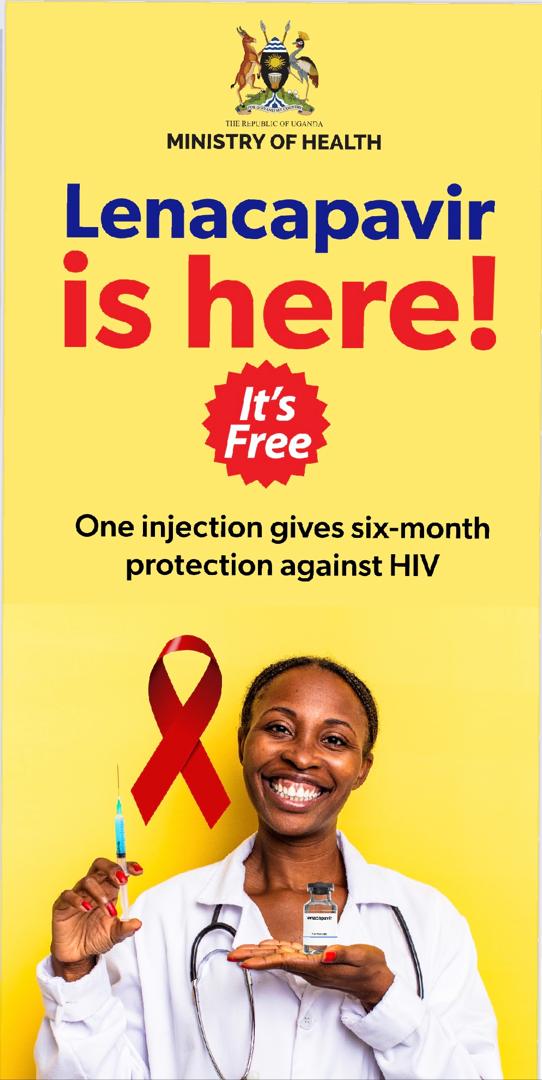
Here's another milestone achieved in the HIV epidemic control... Ask your Healthcare provider about the 6 months dosage of the #Lenacapavir drug (injection).
Hadad Nuwagaba tweet media
English
3
11
31
747
HAART Race retweetledi
Next Science
Next Science@NextScience·
🚨 Possible HIV Cure Reported in Norway In a rare and groundbreaking case, scientists in Norway report that a patient may have been cured of HIV after receiving a stem cell transplant from a sibling during leukemia treatment. The transplant replaced the patient’s immune system, potentially eliminating the virus from the body. Source:
HIV cure research reports and transplant case studies
Next Science tweet mediaNext Science tweet media
English
6
53
385
16.6K
HAART Race retweetledi
Smart Science
Smart Science@SmartScience·
🚨 A patient in Norway has been completely cured of HIV with the help of a stem cell transplant from their sibling for Leukemia treatment.
Smart Science tweet mediaSmart Science tweet media
English
6
42
302
10.9K
HAART Race retweetledi
The Philippine Star
The Philippine Star@PhilippineStar·
The 63-year-old man, dubbed the "Oslo patient," is the latest in around 10 people worldwide who have gone into long-term remission from HIV after receiving a transplant to treat unrelated blood cancer. The high-risk procedure normally requires a donor to have a specific mutation of their CCR5 gene, which blocks HIV from entering the body's cells. | @philstarlife READ MORE: tinyurl.com/mvr762yh
The Philippine Star tweet media
English
4
70
416
23.9K
Josh Howerton
Josh Howerton@howertonjosh·
If you overlay Christian beliefs on the end times with Islamic beliefs on the end times, what you discover will send a chill down your spine. Buckle up for this one 👇
English
3.1K
5.8K
33.2K
1.3M
HAART Race retweetledi
Be Kind 🧡
Be Kind 🧡@baby_miiloo·
Kurang lebih ada 3 yg sering kudenger dr orang: 1. HIV itu penyakitnya LGBT, Straight gak bakal kena 2. HIV itu cuma nyerang Bot, yg Top kebanyakan aman 3. Orang2 pd takut sm Odhiv yg udah Undetect, tp mereka gak takut celap celup sm orang yg gak jelas status kesehatannya
🎗️Harsha@gelbetojas

Unpopular opinion about HIV :

Indonesia
8
10
112
9.9K
HAART Race retweetledi
UNAIDS Global
UNAIDS Global@UNAIDS·
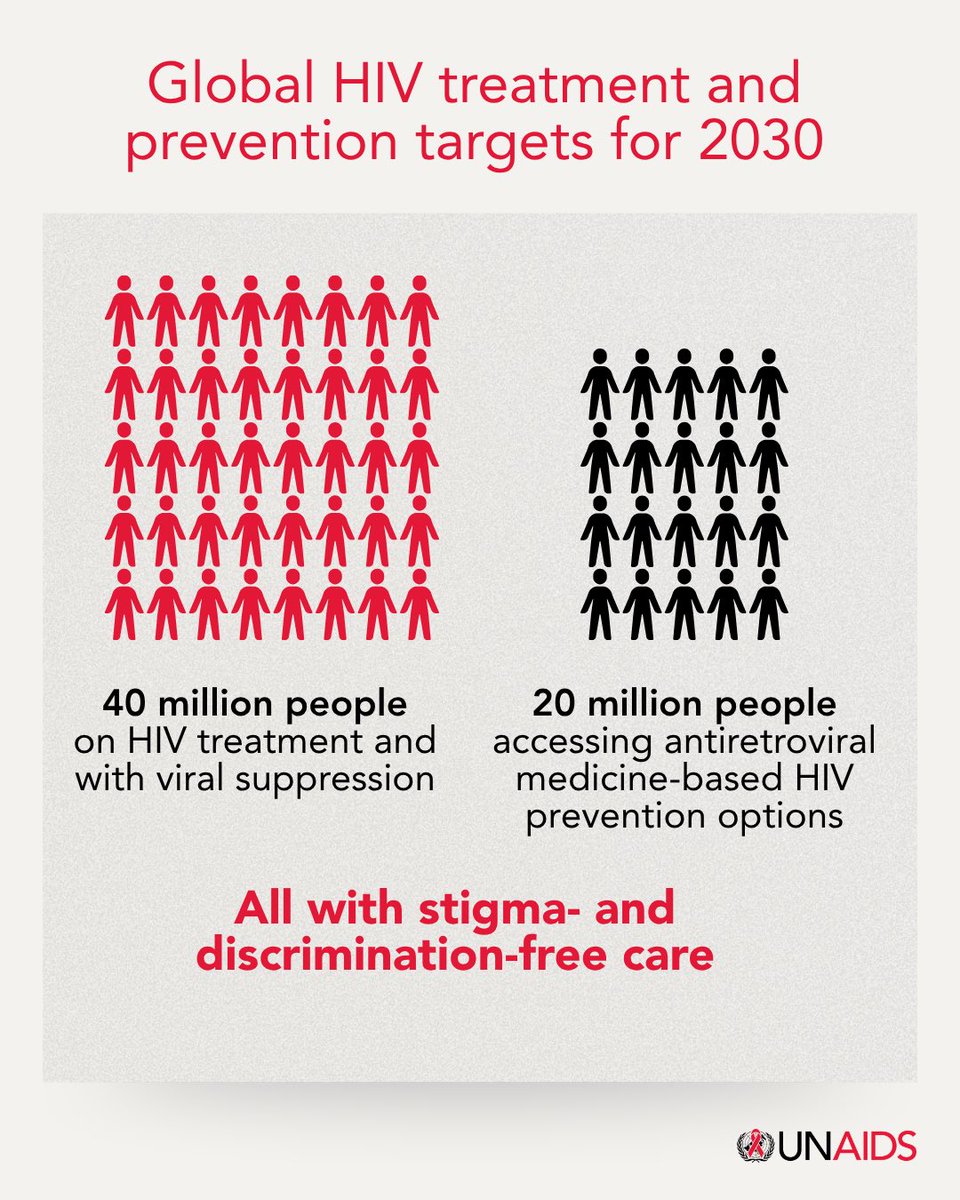
The goal is clear ➡️ Reach people with the HIV treatment or the HIV prevention services that they need, all within a safe and supportive environment. Find out how the strategy aims to achieve this by 2030: unaids.org/en/2026-2031-g…
UNAIDS Global tweet media
English
2
51
87
4.1K
HAART Race retweetledi
Dr. Priyam Bordoloi
Dr. Priyam Bordoloi@DocPriyamMD·
How risky is a single exposure to HIV? The answer depends entirely on the route. Here is the breakdown of the estimated risk per 10,000 exposures. 👇 1. Sexual Transmission Receptive Anal: 138 (~1 in 72) Insertive Anal: 11 (~1 in 909) Receptive Vaginal: 8 (~1 in 1,250) Insertive Vaginal: 4 (~1 in 2,500) Oral Sex: Extremely low / Negligible 2. Sharing Injection Equipment: 63 (~1 in 159). 3. Needlestick (Healthcare): 23 (~1 in 435). 4. Blood Transfusion: 9,250 (The highest risk, but extremely rare due to modern screening). Note: You cannot get HIV from spit, sweat, tears, or casual contact like hugging/sharing a toilet seat. The numbers above assume no protection. However, we have tools today that can bring those risks down to ZERO
English
60
309
1.9K
651.2K
HAART Race retweetledi
CuyY2
CuyY2@RIDERV3SOMBAN·
simple n easy to understand..tq Doc✌✌😇😇
English
1
37
142
9.1K
HAART Race retweetledi
Qemy chipsmore
Qemy chipsmore@QemyChipsmore·
05/04/26 JUST NAK BERITAHU . Kpd yg risau sgt about jenazah HIV “virus HIV akan mati tidak lama selepas manusia (hos) meninggal dunia kerana ia memerlukan sel hidup untuk terus hidup😷#hiv #plhv #lgbt
Indonesia
7
38
205
24.9K
HAART Race retweetledi
Smart Science
Smart Science@SmartScience·
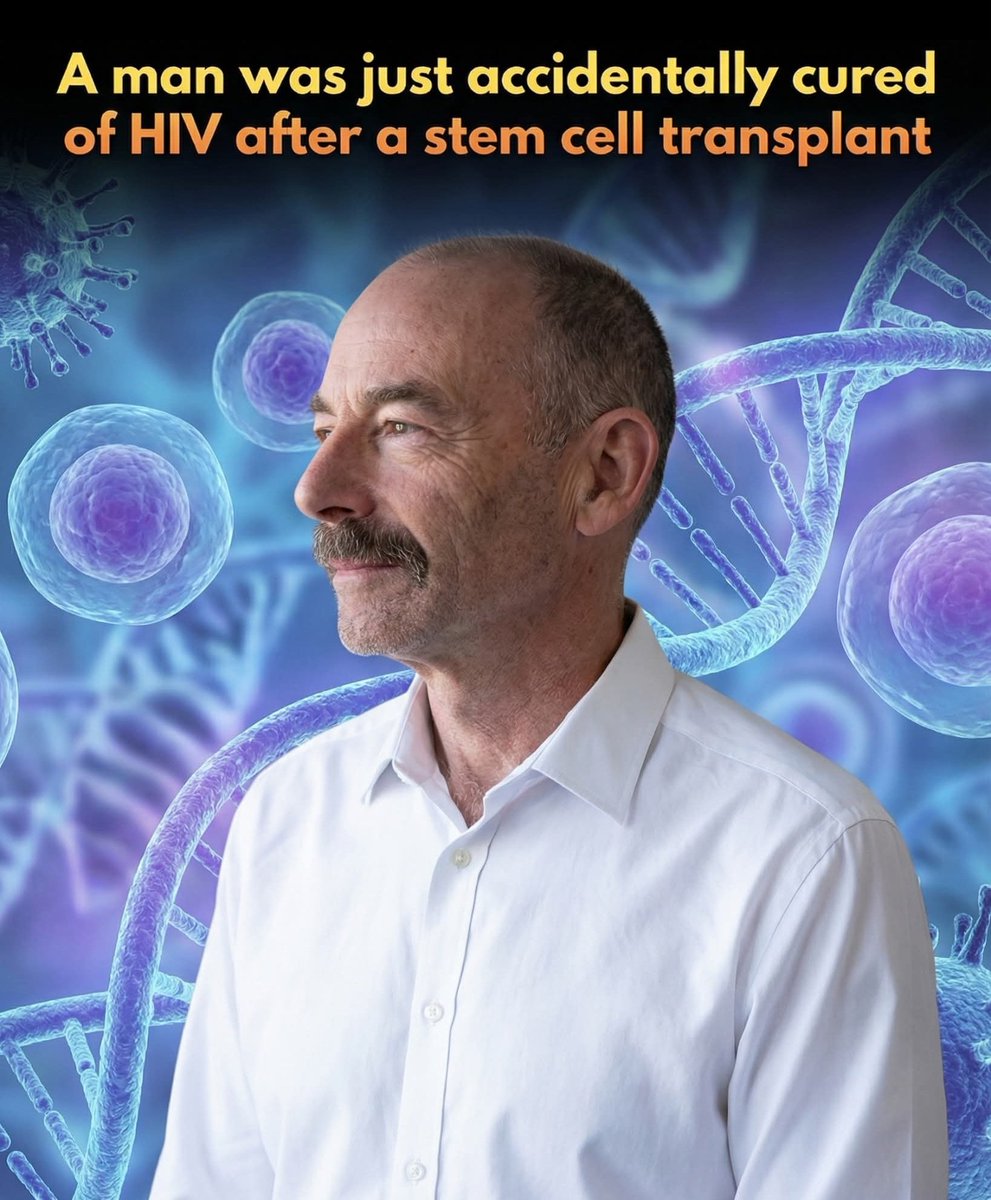
A man was cured of HIV. Yes, it happened before. But remarkably, this patient is only the second person among those cured to receive cells from a donor who lacked the specific genetic mutation known to naturally resist the virus. A seventh individual has been declared free of HIV after undergoing a stem cell transplant for blood cancer. This discovery challenges the long-held belief that rare, HIV-resistant donor cells are the only viable path to a cure, suggesting that the transplant process itself or subsequent immune responses might play a more significant role in eradicating the virus than previously understood. The implications of this case are profound for the global effort to end the HIV epidemic. Finding donors with the specific CCR5-delta32 genetic mutation is extremely difficult, often limiting transplant options to a tiny fraction of the population. By demonstrating that a cure is possible even without these rare cells, researchers like Christian Gaebler at the Free University of Berlin believe the medical community is gaining more versatile options for treatment. This milestone brings science one step closer to scalable interventions that could one day make long-term HIV remission a more accessible reality for patients worldwide. source: New Scientist. Man unexpectedly cured of HIV after stem cell transplant. New Scientist.
Smart Science tweet media
English
3
42
138
7.8K
HAART Race retweetledi
GMA News
GMA News@gmanews·
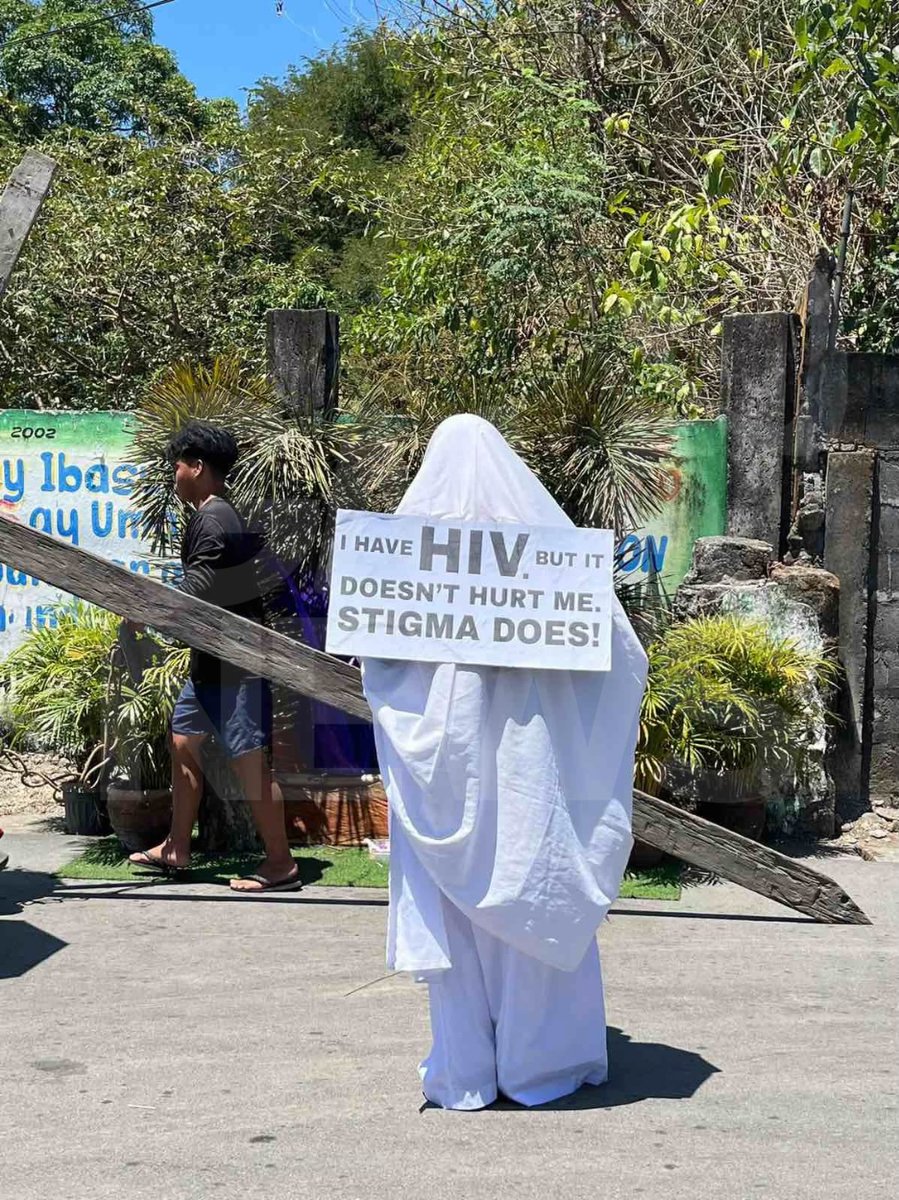
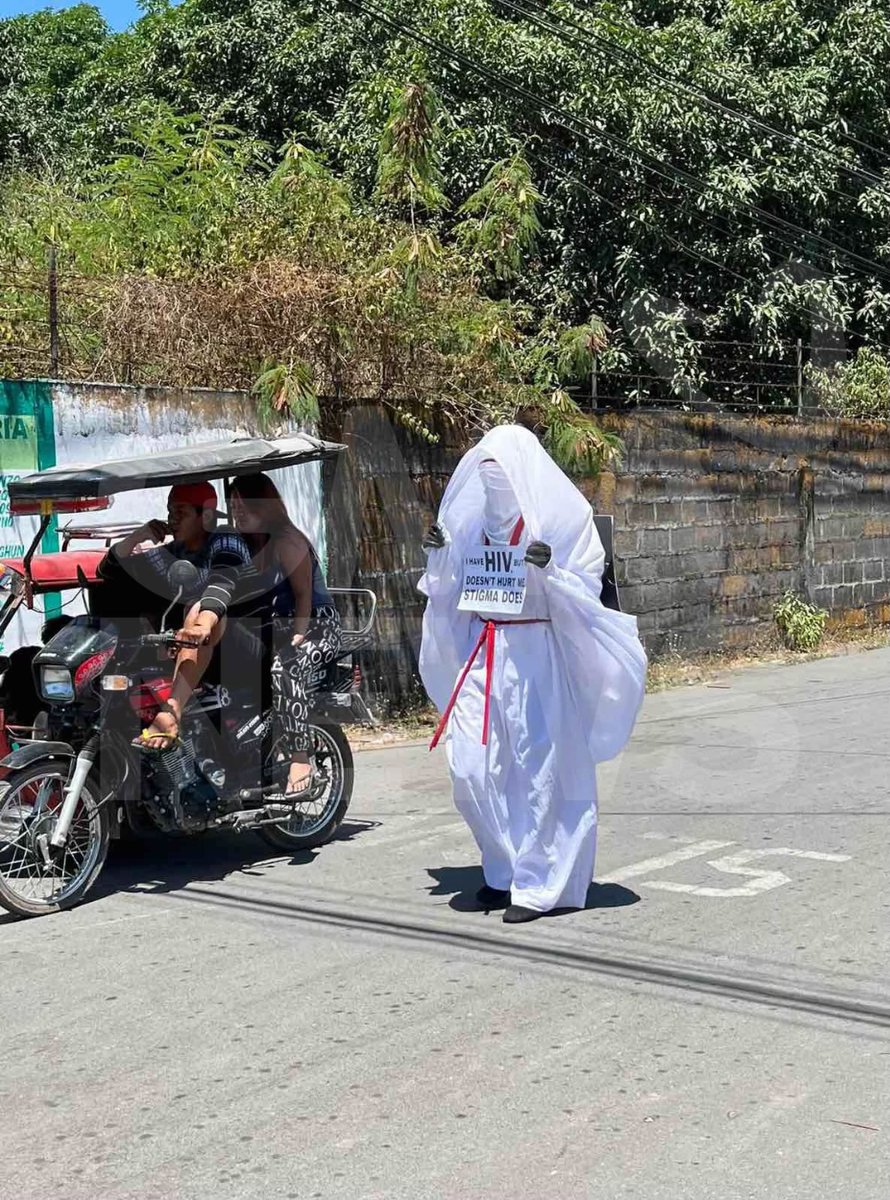
'HIV DOES NOT HURT ME, STIGMA DOES' 🤍 On Good Friday, a person garbed in white from head to toe walks under the heat of the sun in Castillejos, Zambales, sending a message that it is stigma that brings down people with HIV (human immunodeficiency virus), not the virus itself. "I have HIV. But it doesn't hurt me. Stigma does!" read the placard they hold. | via Denise Fajardo-Austria via GMA Regional TV News People living with HIV, tested early on, can get and keep an undetectable viral load by taking HIV medicine (called antiretroviral therapy or ART), given for free by the Department of Health. Scientific consensus holds that having an undetectable viral load means you will not anymore transmit HIV to other people. Most people who get treatment soon after their diagnosis and stay on it can live long, healthy lives, and expect to live as long as someone without HIV, according to the World Health Organization. Visit gmanetwork.com/news/ for the latest news and updates.
GMA News tweet mediaGMA News tweet mediaGMA News tweet media
English
8
213
858
161.5K
HAART Race retweetledi
Smart Science
Smart Science@SmartScience·
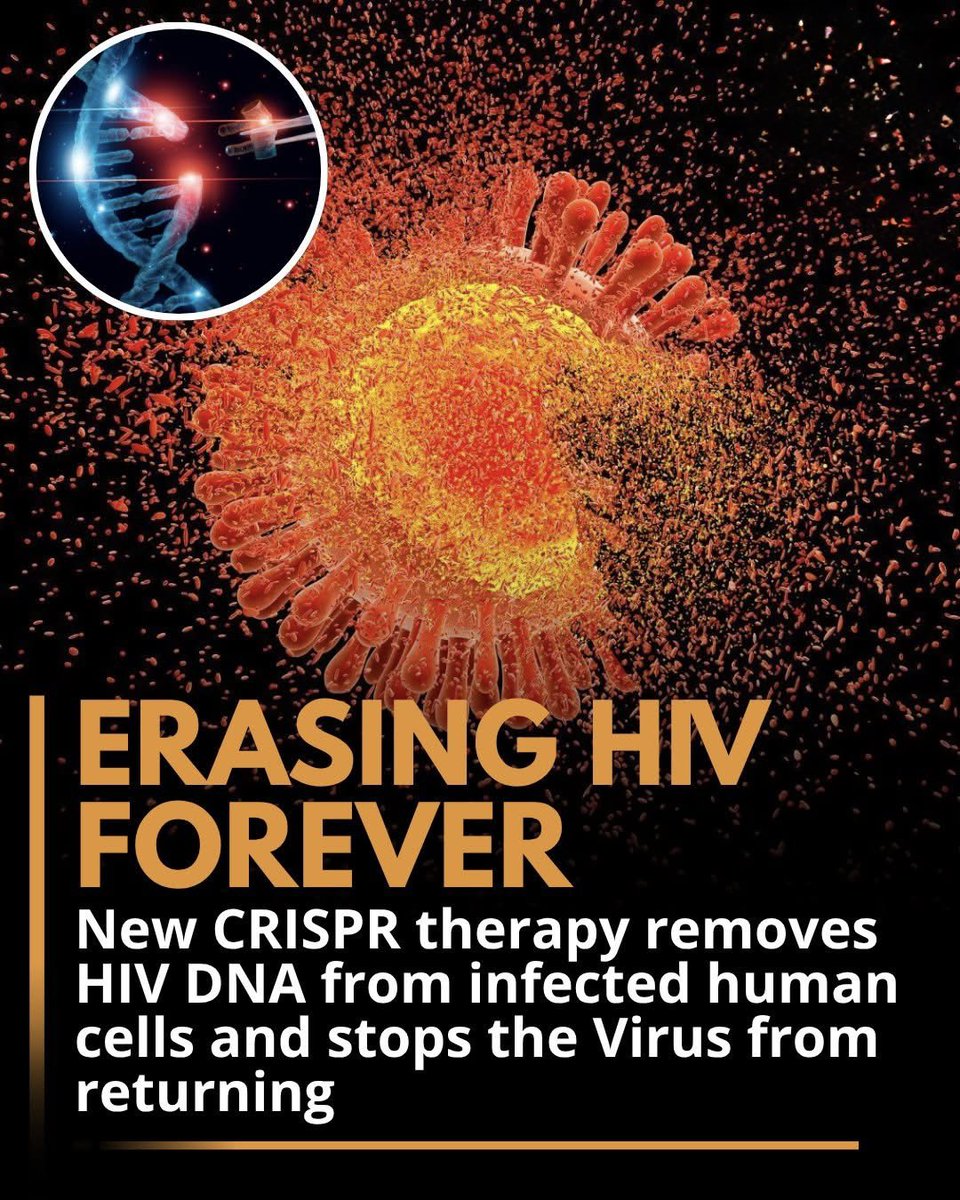
Medical researchers have successfully utilized precise molecular scissors to physically cut out latent retroviral genomes from infected host cells. This advanced gene-editing technique targets the deeply hidden viral reservoirs that traditional treatments simply cannot reach. With tens of millions of people currently relying on daily antiretroviral drugs, a functional cure would completely revolutionize global healthcare systems. Virologists suggest this could shift patient care from chronic, lifelong symptom management to a single, permanent intervention. The CRISPR-Cas9 system works by deploying a specialized guide RNA to locate the exact sequence of foreign viral material integrated into human chromosomes. Once located, an enzyme slices the DNA, completely disabling the pathogen and allowing the cell to heal naturally. What makes this specific approach so groundbreaking is its proven ability to stop the virus from reactivating during periods of immune stress. In laboratory models, cells treated with this targeted therapy remained entirely free of infection even when deliberately exposed to new viral triggers. While transitioning from cellular models to widespread human clinical trials is the next major hurdle, the scientific community remains highly optimistic. Perfecting the delivery mechanisms for these microscopic tools could ultimately bring an end to one of humanity's most persistent epidemics. Do you believe we will see a complete, global cure for HIV in our lifetime?
Smart Science tweet media
English
23
369
1.7K
102K