

Reggie Unthank
3.3K posts
Reggie Unthank
@ReggieUnthank
Decorative Arts from medieval to modern. https://t.co/PTOkZHT5Kt
Norwich, England Katılım Şubat 2016
2.8K Takip Edilen3.7K Takipçiler

@ReggieUnthank Hello, I was just wondering if you have moved on to a different platform
English
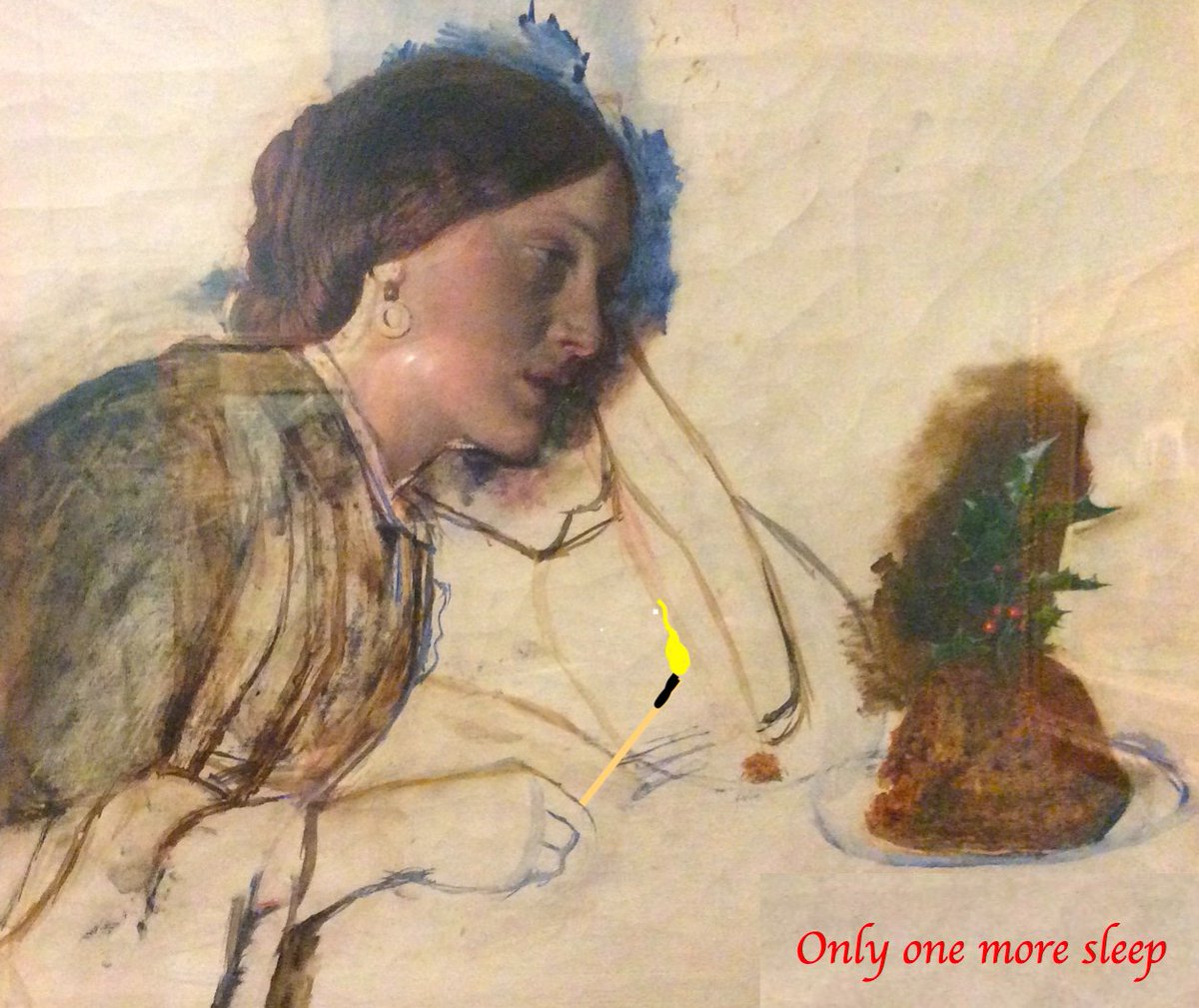


@ReggieUnthank Merry Christmas! Hope you have a wonderful holiday and New Year ✨
English
An Alphabet by the Beggarstaff Brothers' (1898) with William Nicholson himself as the poor artist

English

#Woodensday
A quiz question for you:
This stool caught my eye in a museum in northern England with its attractively simple, elegant design and confident craftsmanship.
When do you think it was made, and where?
I'll reveal all later today if you're interested.....

English
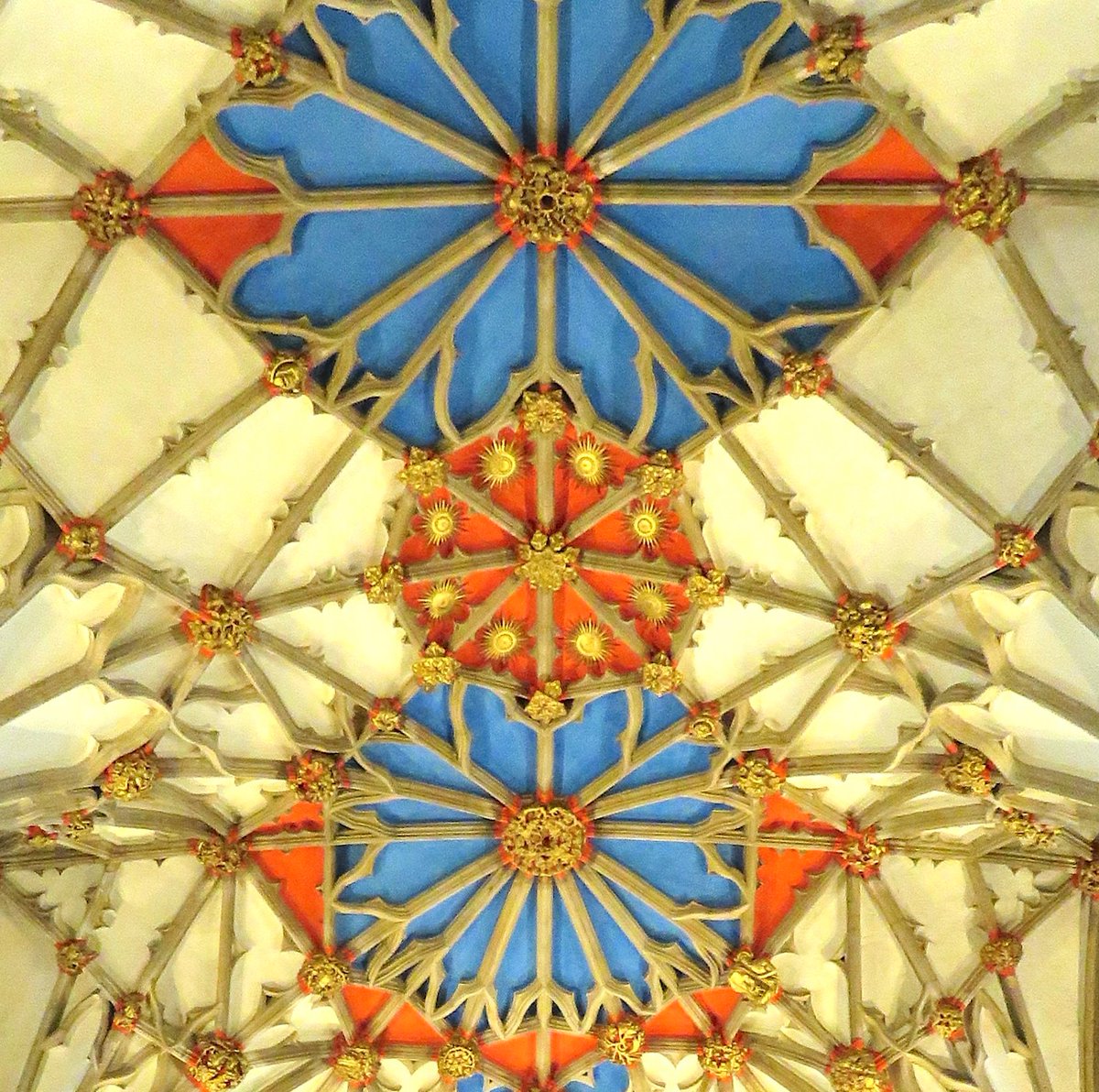
The ring of suns in splendour celebrating Edward IV's victory at the Battle of Tewkesbury (1471). Above the choir at Tewkesbury Abbey.
English
The opulent Decorated tracery of St Margaret's Cley-next-the-Sea, its south transept ruinous since the Black Death of 1349.

English
@EightiesFan73 @TheAttagirls There is a statue of 'Mrs Opie' above a shop in Opie St, Norwich. Sadly now overpainted in uniform cream paint; not good enough for a local heroine
English

@TheAttagirls This is just brilliant. Your account is inspiring and informative. I wish there were statues of these women up and down the country- how different our towns and cities would be. ♥️Amelia♥️
English

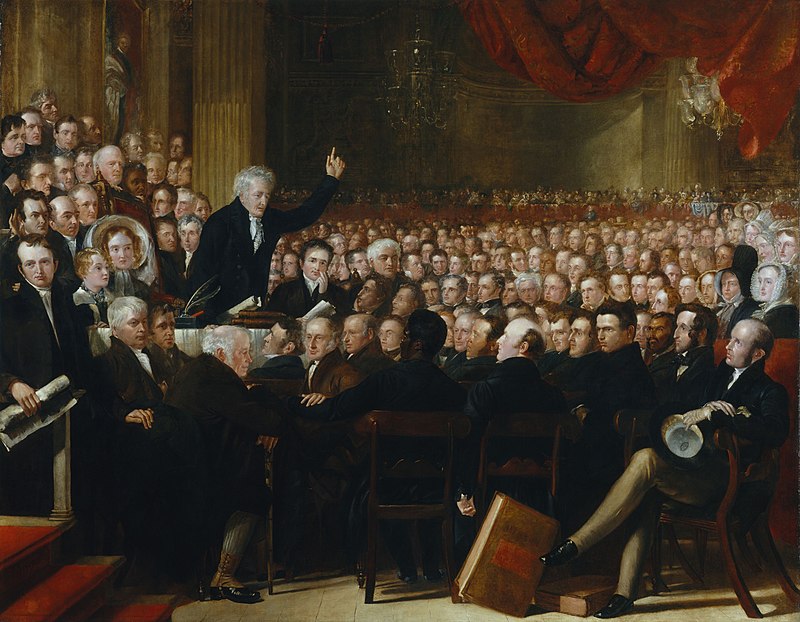
Woman of the Day writer, poet and leading abolitionist Amelia Opie of Norwich died OTD in 1853, aged 84. Women in this country played a significant and meaningful role in the campaign to abolish slavery but historically, very few received public acknowledgement. Amelia was one of the few.
Amelia’s teenage years were spent writing poetry and plays and organising amateur theatricals. Her first novel, The Dangers of Coquetry, was published anonymously in 1790. Writing was regarded as “an unsuitable profession for a woman” and female authors routinely resorted to pseudonyms or anonymity. However with the full support of her husband, her hugely popular novel, The Father and Daughter, was published under her own name in 1801: “When our marriage took place, Mr Opie knew that my most favourite amusement was writing, and always encouraged, instead of checking, my ambition to become an acknowledged author.”
Amelia’s next novel, Adeline Mowbray, was just as successful. Its main character was loosely based on the unconventional life of her friend, the early feminist Mary Wollstonecraft.
After her husband’s death in 1807, Amelia renewed the close friendship she had had since childhood with Norwich’s most prominent Quaker family, the Gurneys. She became a Quaker in 1825 working with the Angel of Prisons, Elizabeth Gurney Fry, and visited workhouses, hospitals and prisons. She also promoted a refuge for women who had escaped prostitution.
Amelia became an open supporter of the anti-slavery movement, a stance that came at considerable social cost to her. She had long been interested in the campaign to abolish slavery and had touched upon the then highly controversial subject in her novel, Adeline Mowbray.
When Lucy Townsend and other women formed the Female Society for Birmingham in April 1825 to campaign for the end of slavery in the West Indies and the US - it served as a model for others in Britain and America and is considered by some to have had an international impact - Amelia and her friend Anna Gurney established a women’s abolitionist group in Norwich.
By 1831, there were seventy-three women's groups campaigning against slavery. They "promoted the sugar boycott, targeting shops as well as shoppers, visiting thousands of homes and distributing pamphlets, calling meetings and drawing petitions."
Amelia’s name was the first on a list of 187,000 signatories when a petition from women to abolish slavery was presented to Parliament in 1833. In June 1840, she represented Norwich at the World Anti-Slavery Convention at Exeter Hall, London, but she wasn’t allowed to speak. Women were not permitted to speak.
There are several public monuments to male abolitionists in this country including William Wilberforce and Thomas Clarkson, but none to women.
Amelia is one of the few women portrayed in Haydon’s commemorative painting of the World Anti-Slavery Convention of 1840, an historical acknowledgment of the vital role women played in shifting parliamentary and public opinion.

English
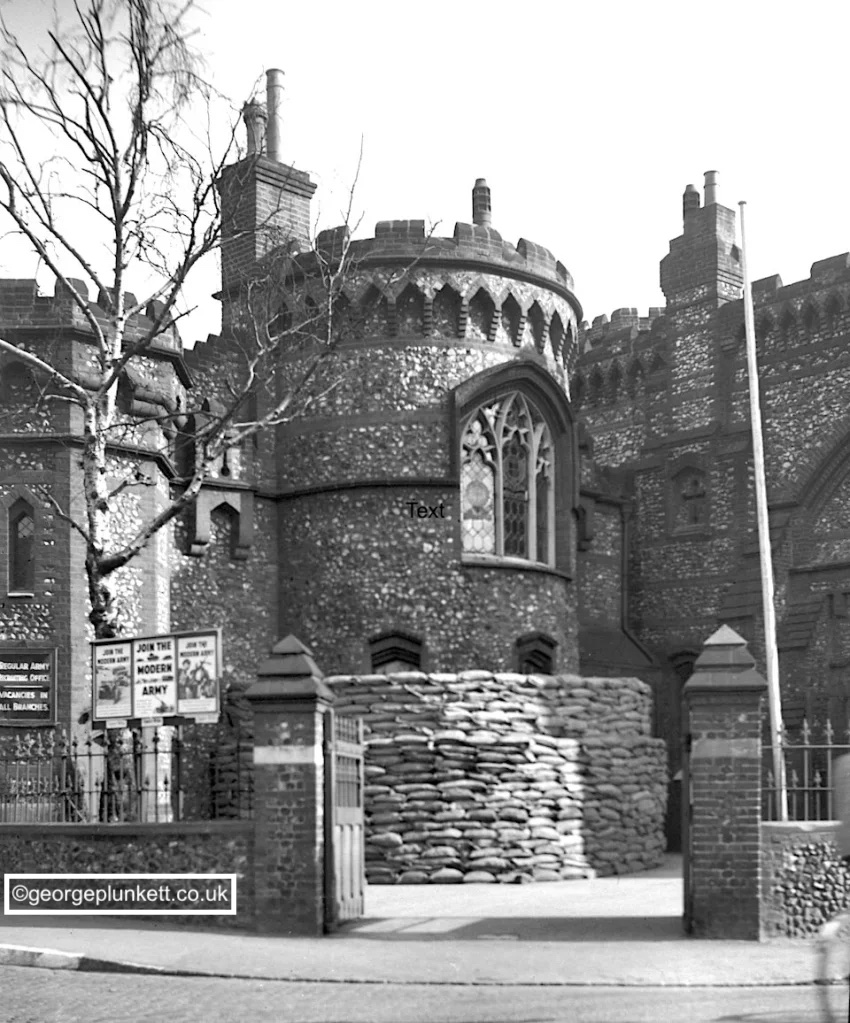
George Plunkett's photograph of the old Norwich Drill Hall getting ready for war (1938) . Read my new blog post on Gothic Revival in Norwich shorturl.at/qtyFY
English

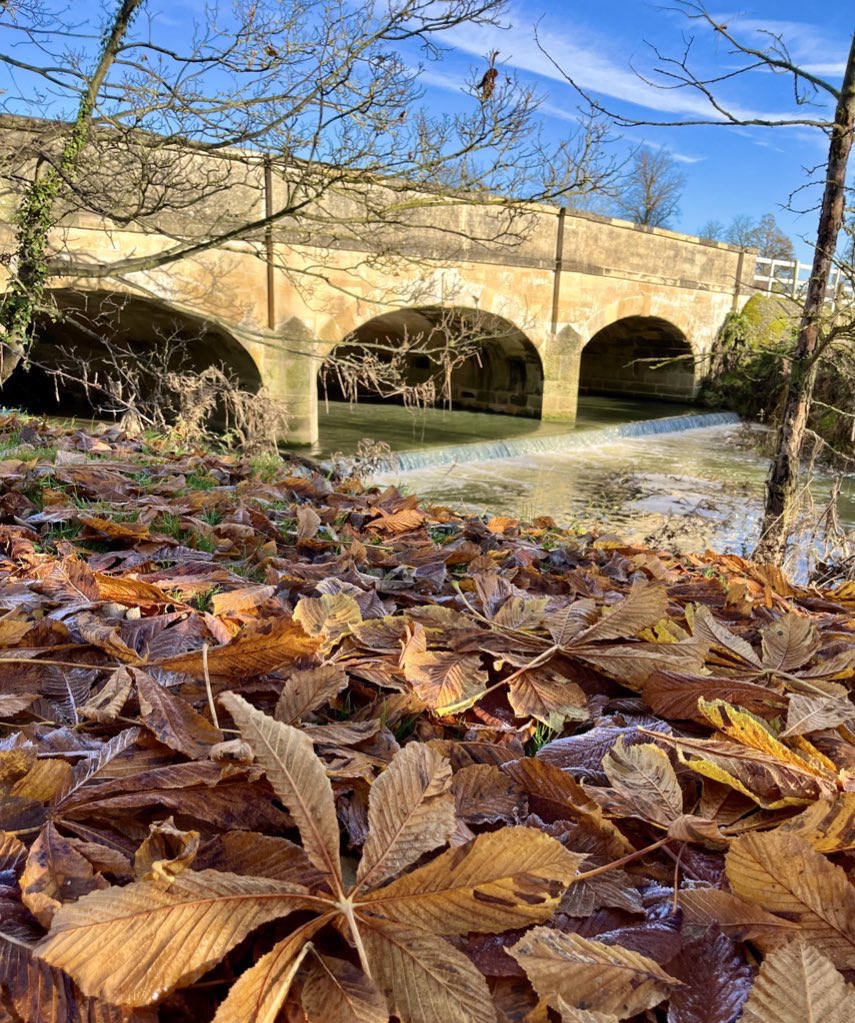
Crunchy leaves and a sunlit bridge in Bedfordshire yesterday 🥰
English

Norwich was pretty much the second city of England at that time, wasn't it - not just any old town. 😏
Reggie Unthank@ReggieUnthank
On Saturday saw Cuningham's 1558 Map of Norwich in Norfolk Heritage Centre. This was the first detailed map of any provincial town in the country. Drop in to see other treasures on display @NorfolkHC
English
On Saturday saw Cuningham's 1558 Map of Norwich in Norfolk Heritage Centre. This was the first detailed map of any provincial town in the country. Drop in to see other treasures on display @NorfolkHC

English
The magnificent Marble Hall of Surrey House designed by local architect George Skipper for Norwich Union, now Aviva. The marble was originally intended for Westminster Cathedral.

English
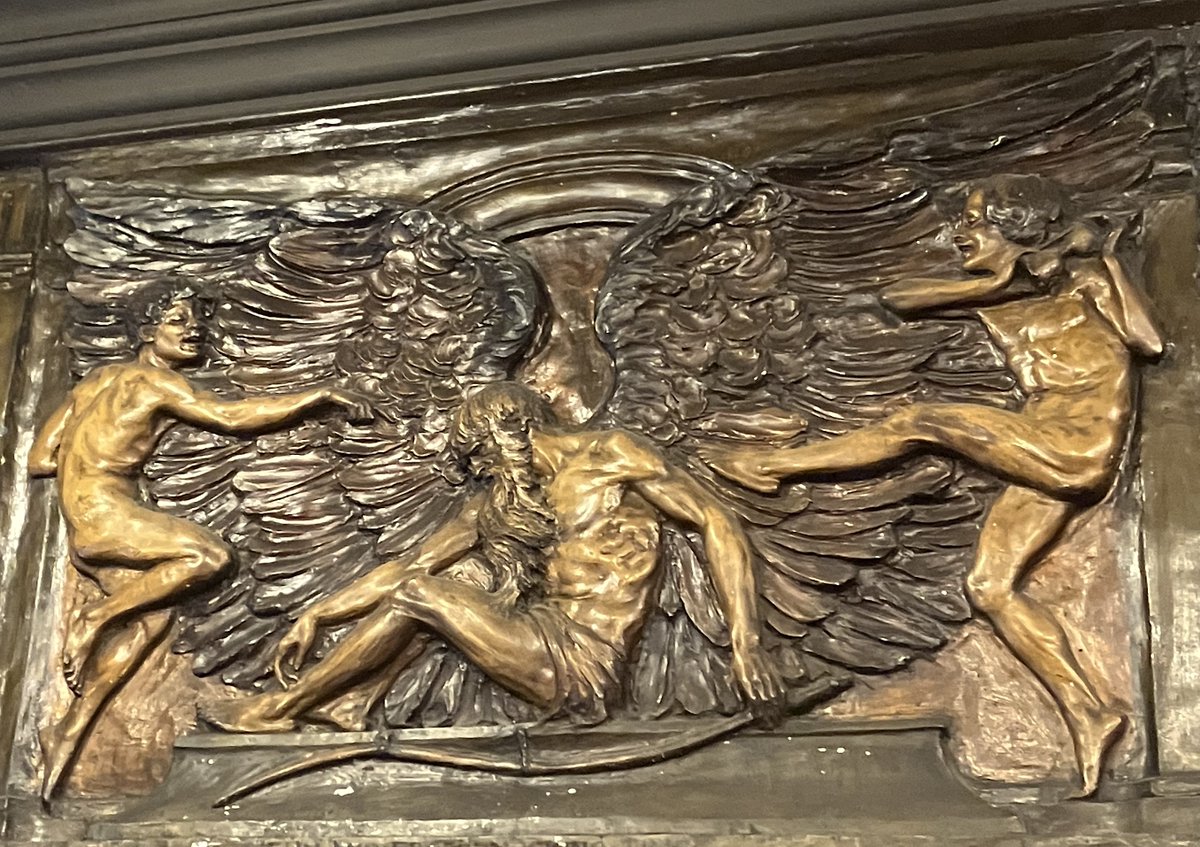
Youth taunting Father Time. Wonderful frieze by Yorkshire sculptor Frances Darlington c1911. Glimpsed in the Harrogate Theatre when watching grand-daughter perform.
English
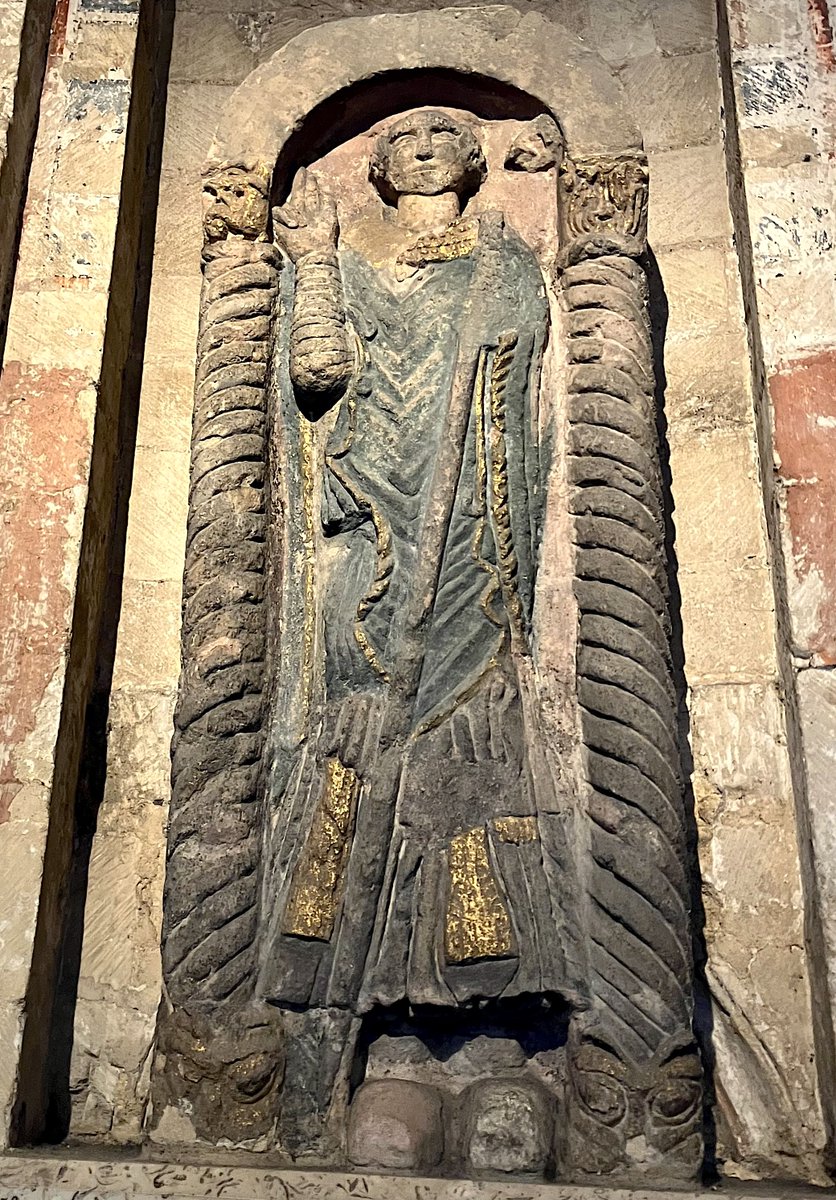
@HuwSayer Originally thought to be de Losinga but now St Felix
English

@ReggieUnthank Oh - I always thought that statue was meant to be of Herbert de Losinga who founded Norwich Cathedral. There were apparently two versions - the one on the outside is (afaik) a modern cast of the original that is now kept safe from the elements inside.
English
Above the bishop's entrance a statue of St Felix (d.647/8), first Bishop of East Anglia. In Norwich Cathedral
English

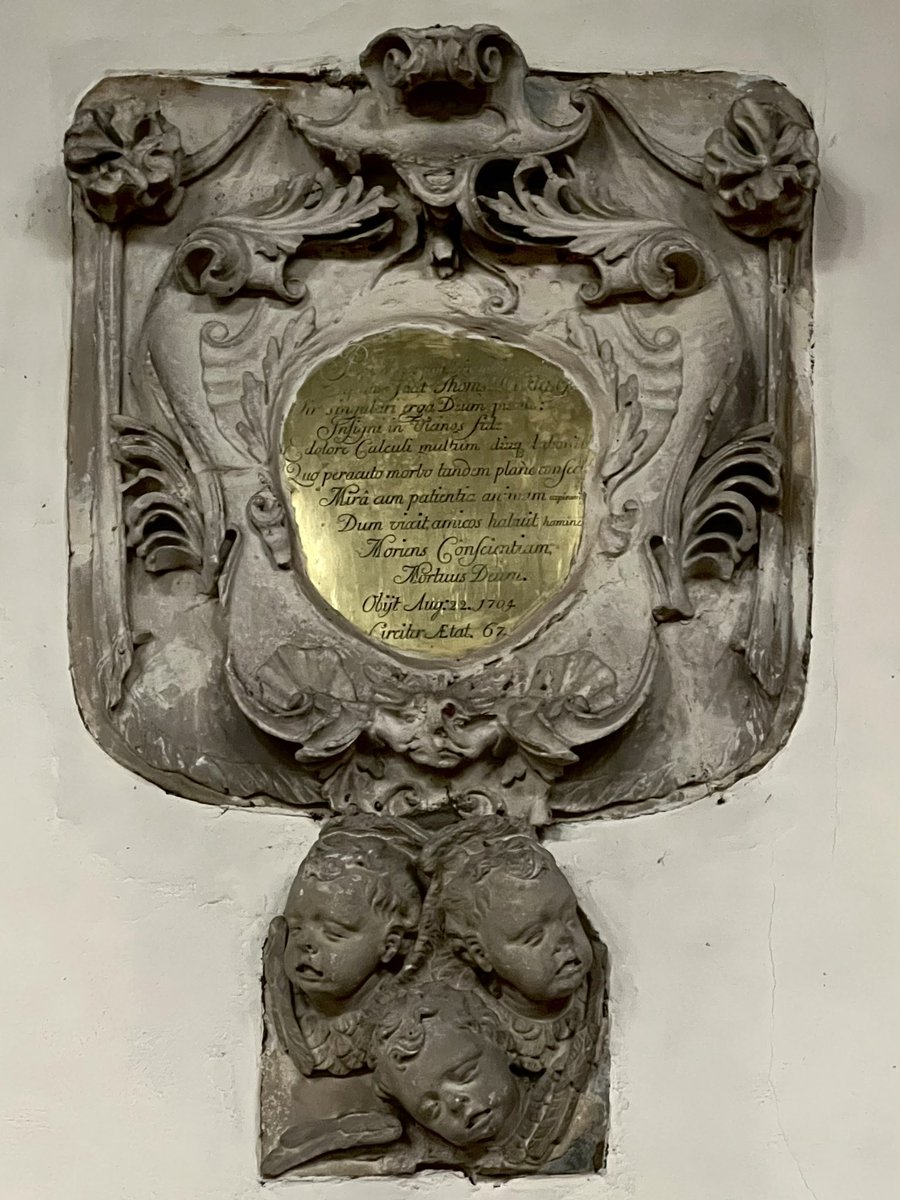
Three rather distraught looking cherubs are at the bottom of this otherwise strangely carved 1704 cartouche in memory of Thomas Buckler in St Denys, Warminster #Wiltshire #MonumentsMonday #MementoMoriMonday
English