Re:solve Global Health

1.1K posts

Re:solve Global Health banner
Re:solve Global Health

Re:solve Global Health

@Resolve_GH

Re:solve Global Health is a journalistic platform for insights, conversations and solutions to what is holding us back from building healthier societies.

Copenhagen, Denmark Katılım Ağustos 2020
468 Takip Edilen630 Takipçiler
Re:solve Global Health
Re:solve Global Health@Resolve_GH·
Brazil’s public health system serves more than 164M people but 15M still cannot obtain essential medicines. @angelatufvesson explores how open data platforms are making health procurement more transparent & why accountability needs more than transparency🔗bit.ly/4vnRq0I
Re:solve Global Health tweet mediaRe:solve Global Health tweet media
English
0
0
0
14
Re:solve Global Health
Re:solve Global Health@Resolve_GH·
Regional pooled procurement is gaining traction as African countries look for ways to strengthen medicine supply and reduce fragmentation in how essential health products are purchased. @zedgeloo explores what it takes for this to work in practice🔗bit.ly/4vZ11uO
Re:solve Global Health tweet media
English
0
0
1
11
Re:solve Global Health
Re:solve Global Health@Resolve_GH·
Procurement inefficiencies can mean unavailable medicines, blind referrals, extra costs & disrupted treatment. Explore the articles & op-eds in our latest report to learn more about how procurement shapes access to care🔗bit.ly/3OFuut9
Re:solve Global Health tweet mediaRe:solve Global Health tweet mediaRe:solve Global Health tweet mediaRe:solve Global Health tweet media
English
0
0
0
17
Re:solve Global Health
Re:solve Global Health@Resolve_GH·
When first-line antibiotics run short, clinicians are forced to use broader and last-resort drugs, and antibiotic resistance increases. Rahul Dwivedi argues that regional pooled procurement could help change that. Read his op-ed🔗bit.ly/4eocLB7
Re:solve Global Health tweet media
English
0
0
0
20
Re:solve Global Health
Re:solve Global Health@Resolve_GH·
Kenya’s digital procurement dashboards are helping make supply bottlenecks more visible across all 47 counties. @JoyceChimbi explores what that could mean for medicine access, forecasting, and more responsive procurement systems 🔗bit.ly/4uBMjsl
Re:solve Global Health tweet mediaRe:solve Global Health tweet media
English
0
1
1
57
Re:solve Global Health
Re:solve Global Health@Resolve_GH·
A person should never miss treatment because the health system sent them to the wrong place. In this op-ed, Dr Samuel Wambugu @PATHtweets explores how AI could move procurement intelligence closer to the point of care🔗bit.ly/4xE7xbW
Re:solve Global Health tweet mediaRe:solve Global Health tweet media
English
0
0
1
25
Re:solve Global Health
Re:solve Global Health@Resolve_GH·
Lower prices do not always mean better access. As donor funding becomes less certain, African countries are exploring whether market shaping can help make medicine supply more reliable, affordable and sustainable. ✍️@PaulAdepoju🔗bit.ly/4fRlqNu
Re:solve Global Health tweet media
English
0
1
0
30
Re:solve Global Health
Re:solve Global Health@Resolve_GH·
Procurement can look efficient on paper while still failing people in practice. In the foreword to our new Spotlight Report, Sean Lybrand argues that its real test is whether the right medicines and technologies reach the right people in time🔗bit.ly/4efE948
Re:solve Global Health tweet mediaRe:solve Global Health tweet media
English
0
0
1
7
Re:solve Global Health
Re:solve Global Health@Resolve_GH·
What does procurement have to do with whether care reaches people? Quite a lot. Our new report, Procurement Pathways for People not Price, explores how procurement shapes access, equity and accountability across health systems. Read and share: re-solveglobalhealth.com/special-reports
English
0
0
1
19
Re:solve Global Health
Re:solve Global Health@Resolve_GH·
What does it take for medicines and health technologies to reach people when they need them? Our upcoming Spotlight Report explores how procurement systems can deliver better health outcomes for people. Launching 18 June. Stay tuned!
Re:solve Global Health tweet media
English
0
0
0
10
Project HOPE
Project HOPE@projecthopeorg·
"By investing in multiple micronutrient supplements and strengthening the systems that connect women to care throughout pregnancy, we can ensure that a simple answer like “vitamins” is a standard part of care for every woman, everywhere." Thank you for the feature @Resolve_GH! bit.ly/4vqJwTw
English
1
0
4
120
Re:solve Global Health
Re:solve Global Health@Resolve_GH·
@rtorbay @projecthopeorg Thanks so much for sharing this and for amplifying Katie’s message. We’re glad the piece resonated and appreciate you bringing more attention to this🙏
English
0
0
2
10
Re:solve Global Health
Re:solve Global Health@Resolve_GH·
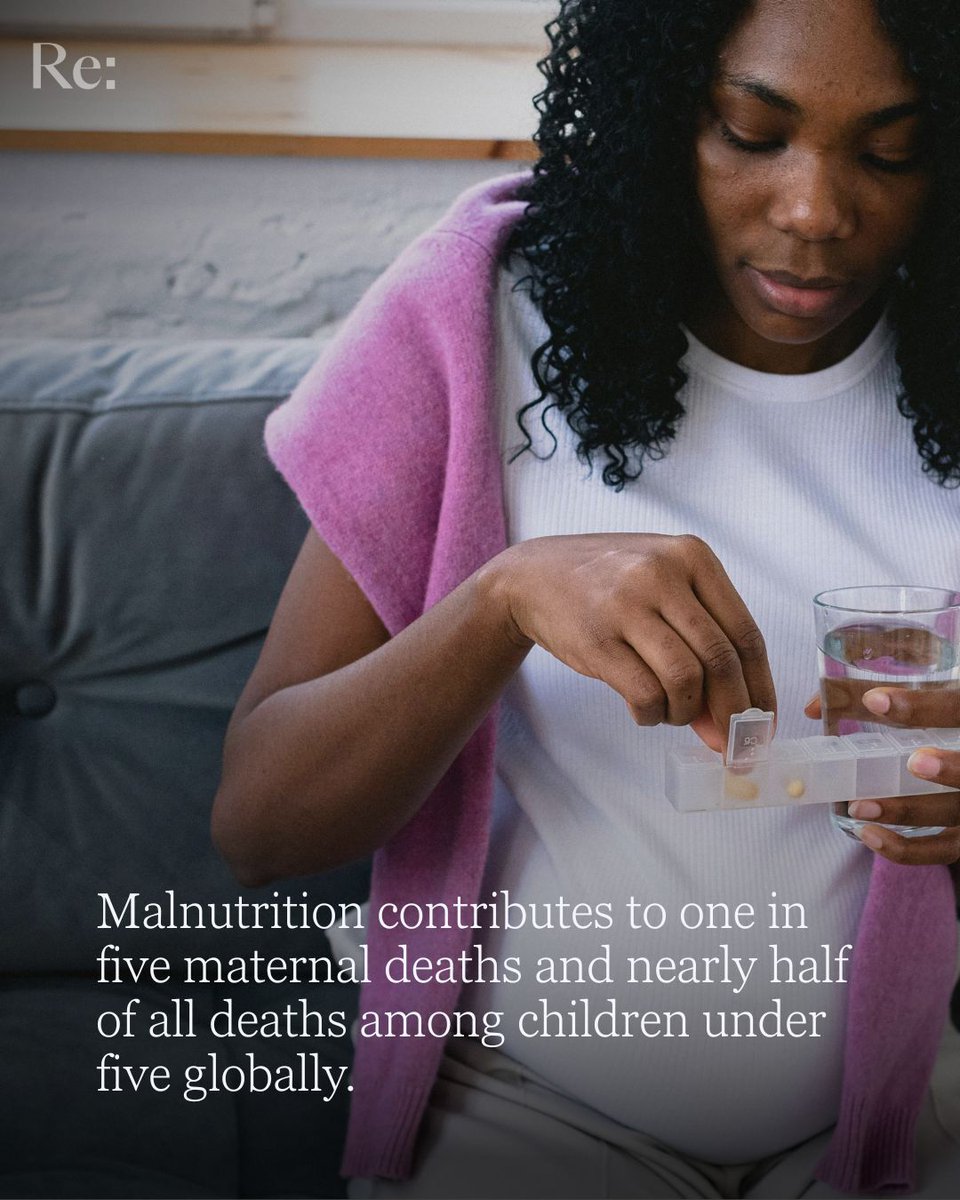
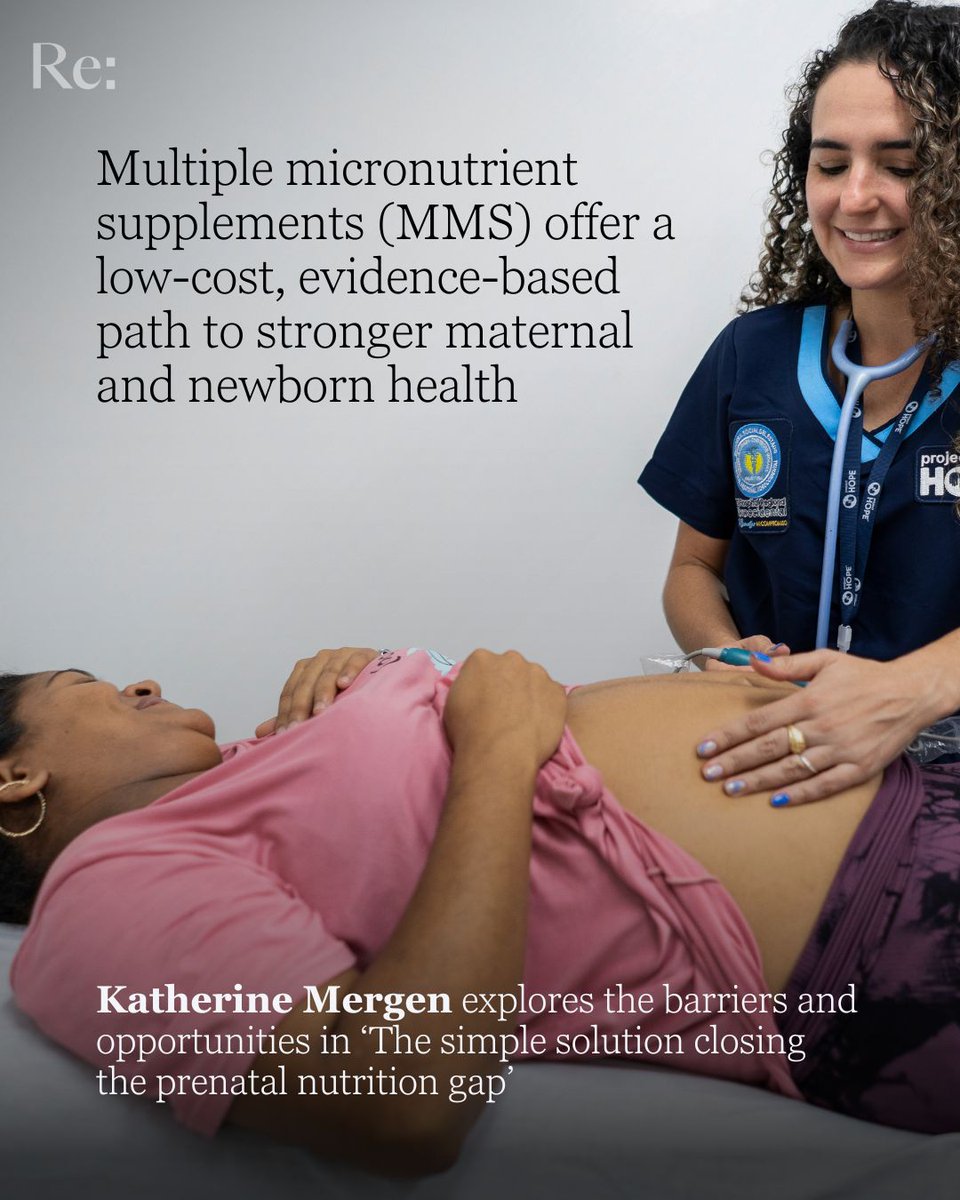
1B girls and women are undernourished globally, increasing risks during pregnancy. In many LMICs, pregnant women receive little to no supplementation. Katherine Mergen makes the case for investing in MMS to improve maternal and newborn health. Read🔗bit.ly/4o8IJUT
Re:solve Global Health tweet mediaRe:solve Global Health tweet media
English
0
1
2
172
Re:solve Global Health
Re:solve Global Health@Resolve_GH·
#ChildhoodObesity is rising, and digital spaces are the new battleground. Ultra-processed foods & sugary drinks flood social media, games & ads, shaping kids’ diets. With 390M+ affected, prevention is critical, not just in schools, but online. Read more🔗bit.ly/3PPmU07
Re:solve Global Health tweet mediaRe:solve Global Health tweet media
English
0
0
0
25
Re:solve Global Health
Re:solve Global Health@Resolve_GH·
400M+ people affected, up to 80% cases undiagnosed in LMICs. Following #WHA78, Professor Hossam Hosny urges action: make COPD care more accessible and address key risk factors. Without change, #COPD could cost the global economy $4.3T by 2050. Read more🔗bit.ly/4uv5nJv
Re:solve Global Health tweet mediaRe:solve Global Health tweet media
English
0
0
0
17
Re:solve Global Health
Re:solve Global Health@Resolve_GH·
The brutal murder of a trainee in a Kolkata hospital exposed a system where 62.6% of healthcare workers face violence, especially women, marginalised groups & contract staff. @singh_jyotsna explores what must change. Learn more🔗bit.ly/4tT0dpP
Re:solve Global Health tweet mediaRe:solve Global Health tweet media
English
0
0
1
23
Re:solve Global Health
Re:solve Global Health@Resolve_GH·
#Healthworkers are the foundation of care. 🩺 By 2030, the world could face an 11M health worker shortage. Building stronger systems means transforming education, expanding job creation, and supporting mental wellbeing. Read Rachel's op-ed🔗lnkd.in/e8Vgfg5z
Re:solve Global Health tweet media
English
0
0
0
8
Re:solve Global Health
Re:solve Global Health@Resolve_GH·
"Waiting to be put on payroll can be two… five… eight years." In SSA, 24% of trained health workers are unemployed while clinics are understaffed. This story argues for fair pay, better conditions, and coordinated govt planning to fix the health paradox🔗bit.ly/4uPdX5M
Re:solve Global Health tweet media
English
0
0
0
11
Re:solve Global Health
Re:solve Global Health@Resolve_GH·
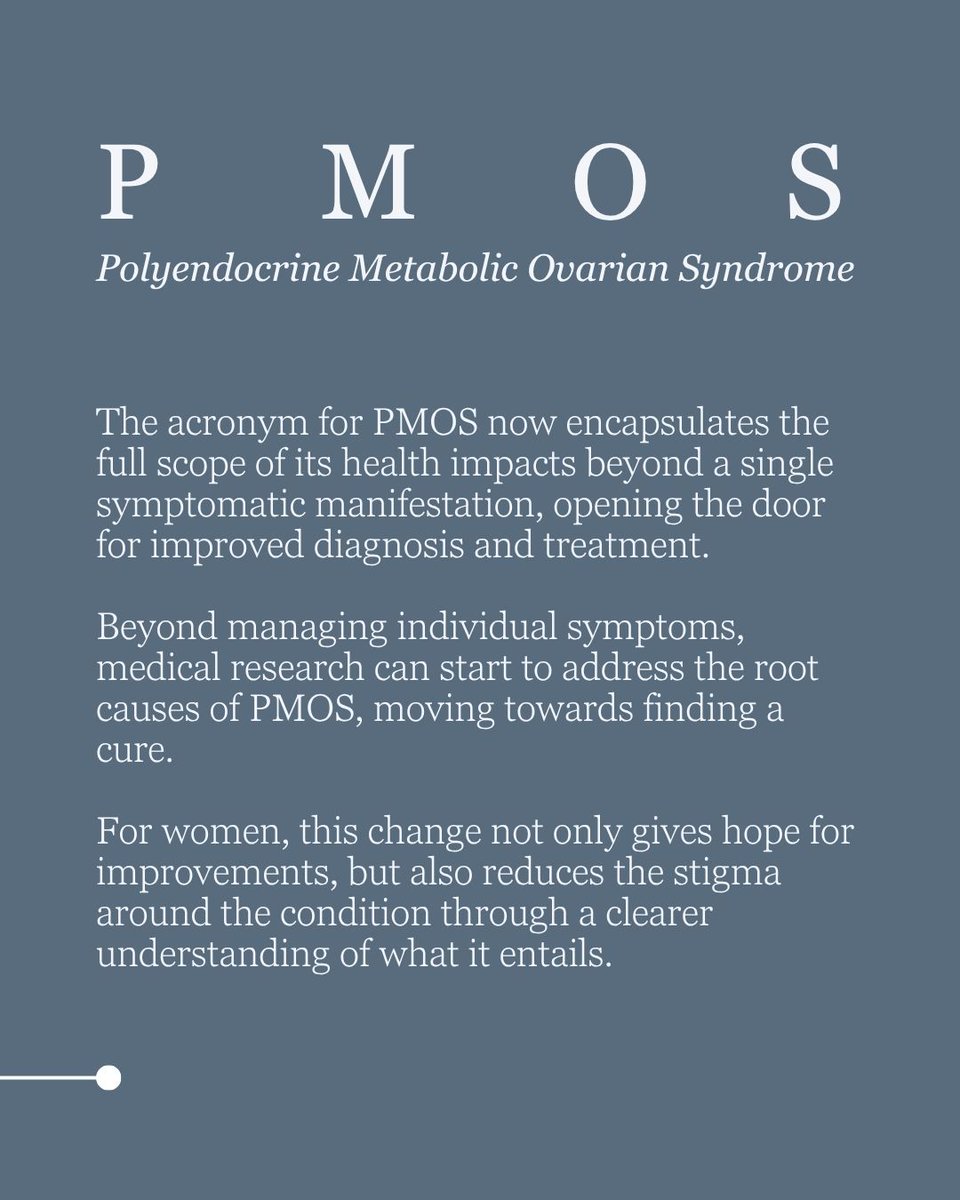
#PCOS is now #PMOS: Polyendocrine Metabolic Ovarian Syndrome. This new name shifts the focus beyond ovaries and medical preconceptions, giving hope for better diagnosis and holistic treatments through scientific research, for the 1 in 8 women living with PMOS worldwide.
Re:solve Global Health tweet mediaRe:solve Global Health tweet media
English
0
0
0
42