Rob Bellamy

451 posts

Rob Bellamy banner
Rob Bellamy

Rob Bellamy

@Rob_Bellamy

apartment buildings & mobile home parks https://t.co/c2Lbpy0ezi

Pacific Palisades, Los Angeles Katılım Ağustos 2013
280 Takip Edilen582 Takipçiler
Rob Bellamy
Rob Bellamy@Rob_Bellamy·
@LA_Multi_Fam Always wanted to build. Too afraid. Good for you and hope you crush it.
English
1
0
3
357
Paul
Paul@LA_Multi_Fam·
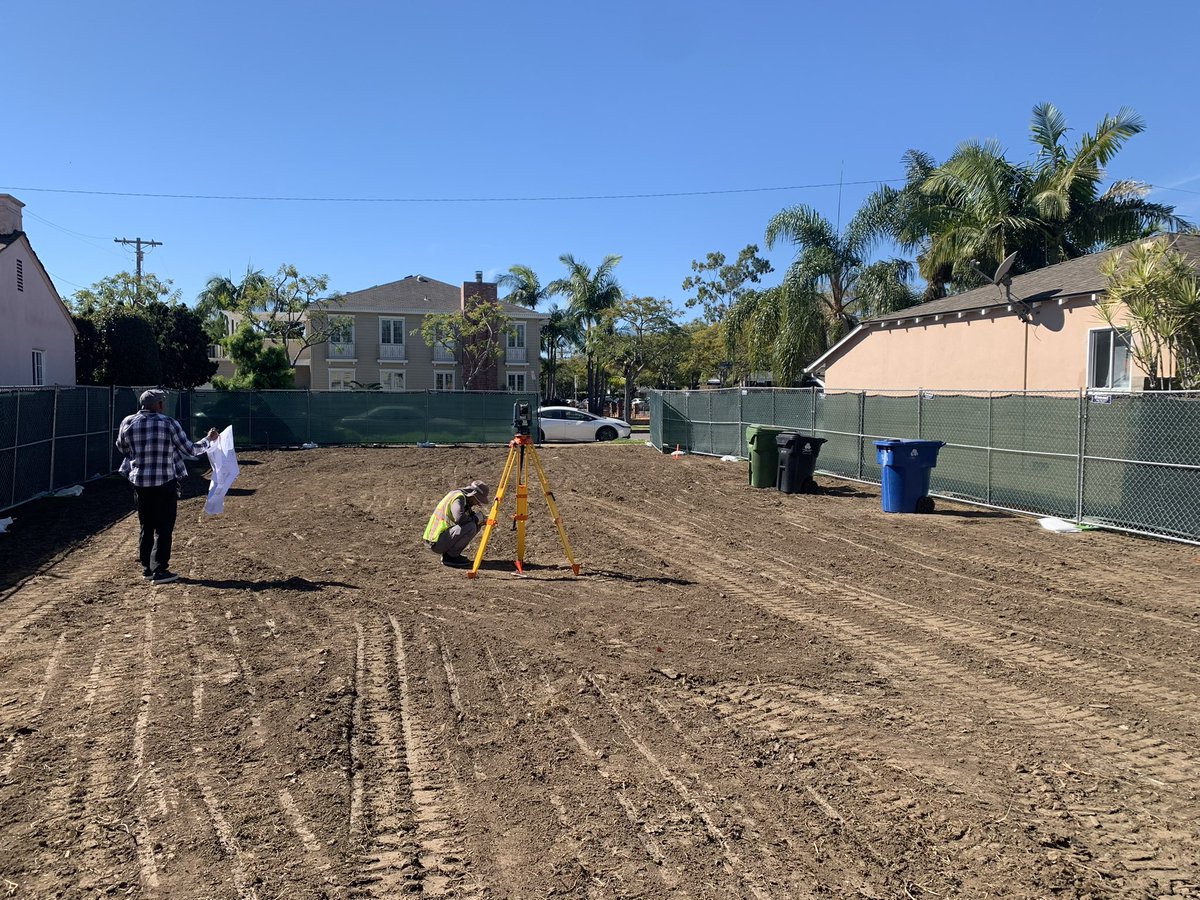
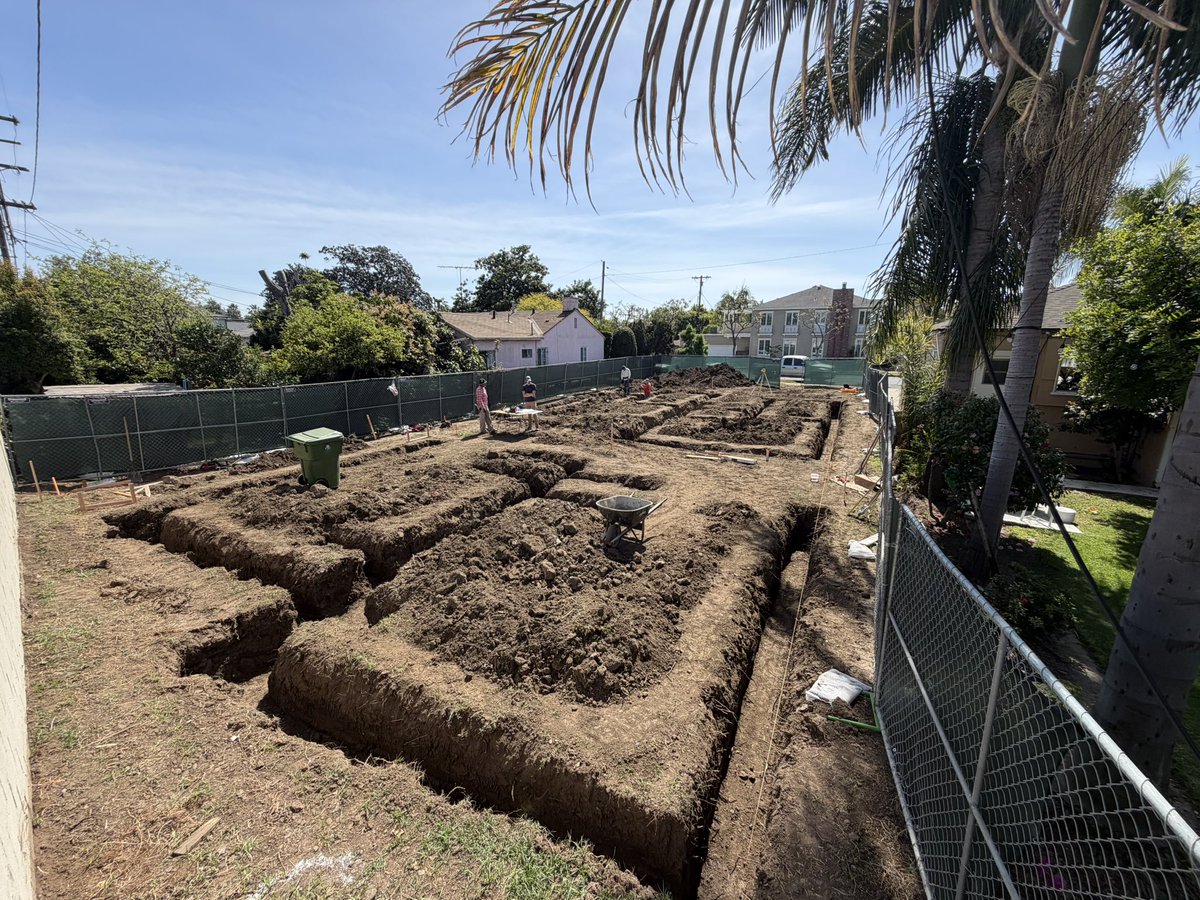
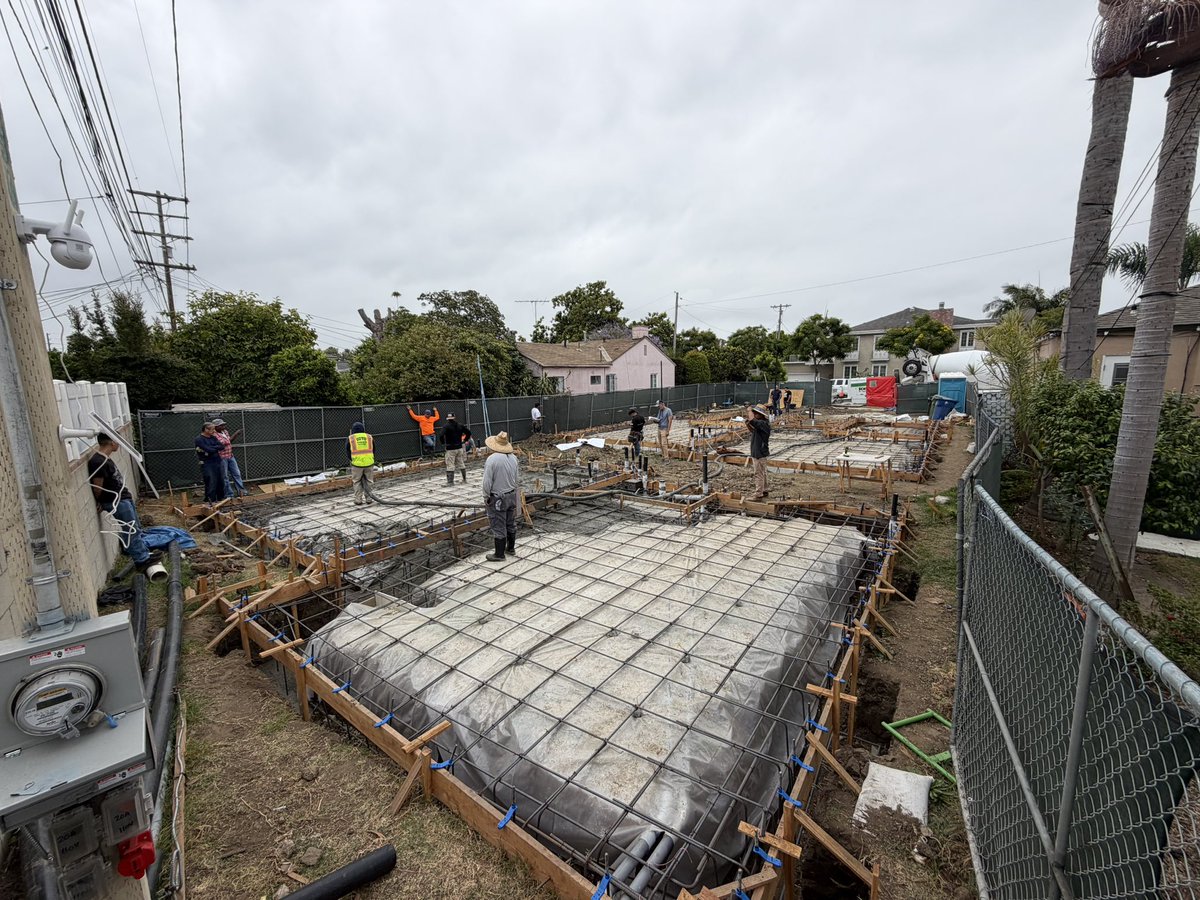
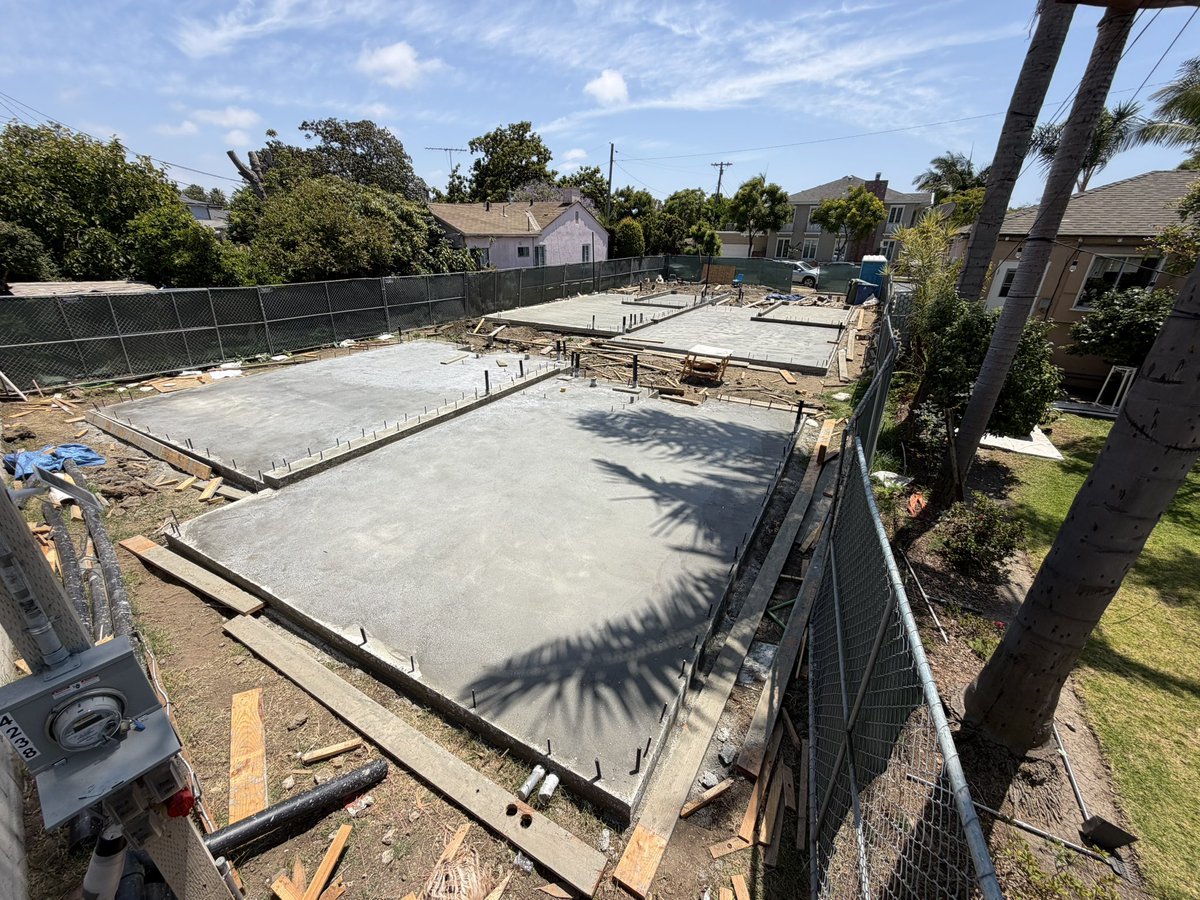
Foundation on our West LA Fourplex is done. Bids came in between $65K and $145K with a majority falling in the $90K to $100K range. These will be 2 story units. Two ~1,300 sq ft units & Two ~ 800 sq ft units We went with the $65K bid and definitely had to deal with some subcontractor brain damage, but we got there, eventually. We’d likely have finished it 4-6 weeks ago with another sub. Live and learn. On to framing :)
Paul tweet mediaPaul tweet mediaPaul tweet mediaPaul tweet media
English
21
1
130
9.8K
Taylor Avakian
Taylor Avakian@TAYVAY_·
This deal just hit market in Hollywood. 196 Units It was part of and Opp Zone fund that was started in 2019 by the sellers. Given it has not been 10 years since they bought it, you can tell that the 'faith' that values will reach 2019 levels by 2029 in Los Angeles are low. This is what happens when it becomes impossible to run and maintain a master metered building, where the city removes the 2% rent increases to keep up with costs. The insurance costs are likely $1500+ per unit and the expense ratio, on a STABILIZED building are probably 55%. Oh and the city/state is looking to get rid of RUBS which is the only thing that would make this building even operable at a profit if your looking forward. Crazy times in Los Angeles Real Estate.
Taylor Avakian tweet media
English
11
6
53
5.4K
Rob Bellamy retweetledi
Moses Kagan
Moses Kagan@moseskagan·
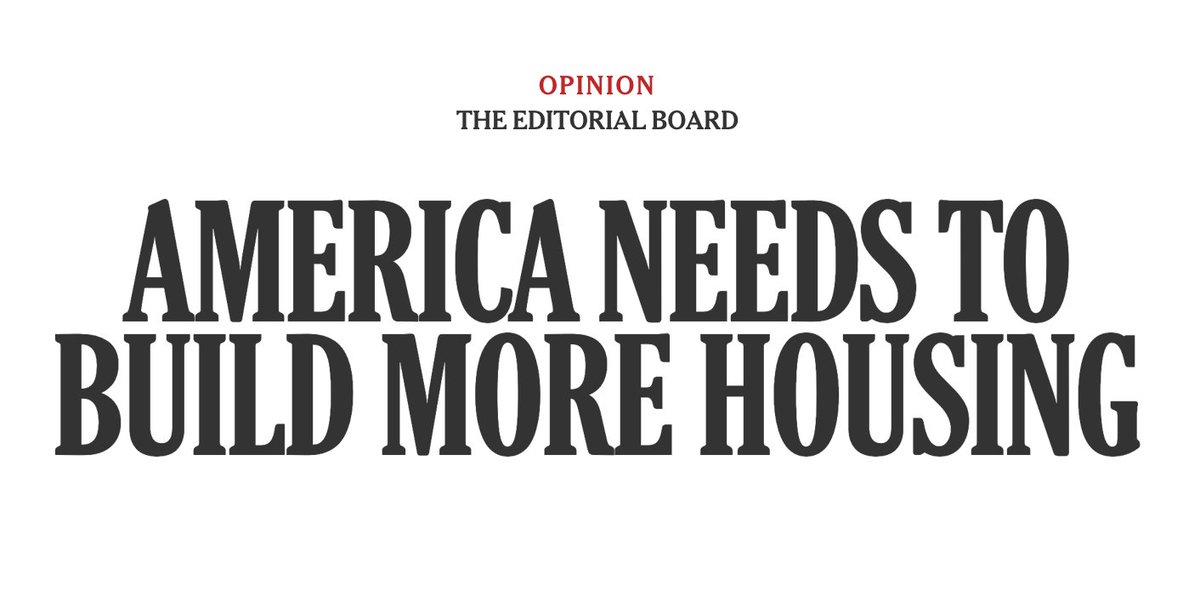
What every voter and apparently, the NY Times Editorial Board, should know about housing policy: 1. Rents reflect the balance of supply of apartments and demand for those apartments in a given area. That’s it; there’s no magic. If you want lower rents, you can hope for a recession that destroys jobs and, therefore, demand. Or you can add supply. 2. There is no amount of money that any big city government could feasibly spend that would add materially to supply. This is because, depending on the location, new apartments cost $250,000-1,000,000 to develop… building even a few hundred of those starts to stress any city budget, and many big cities need tens or hundreds of thousands. 3. On the other hand, investors (including pension funds and endowments, insurance companies, rich families, etc.) can collectively **easily** provide enough capital to build as much housing as we need **so long as they are confident they can get a reasonable return**. To get those investors to fund the creation of the housing our society needs, we must do two things: 1. Dramatically reduce the time & complexity associated with securing governmental permission to develop housing. This means reviewing and simplifying the overlapping regulations that constrain housing production: zoning codes, building codes, parking, ADA, etc. But it also means changing the cultures within the relevant governmental agencies from “default no” to “how can we help you?”. 2. Provide certainty around on-going regulation of apartment operations. The way investors get a return from building rentals is as follows: They hire managers to lease the apartments, collect the rents, pay operating expenses and any mortgage payments, and then send the investors the cashflow that remains. But governments all over the country have been restricting the manner in which apartment buildings can be operated in all kinds of ways. For example: Cities have been making it harder to screen tenants, while also making it much harder to evict tenants who don’t pay. You can see why both of those measures are politically popular. After all, who doesn’t want people to get second chances? And who wants anyone to get evicted? But, as a manager, the combination of those two regulations makes it much harder to predict, with any certainty, that the rent will get paid… and that makes it very difficult to get investors to provide capital to create more housing. Another example: Rent control. Again, I understand why renters love rent control and why politicians want to give it to them. But, if, as has been the case in NY, LA and San Francisco, city governments hold annual rent increases below the rate of growth in the operating expenses of the buildings, the cashflow payable to the investors shrinks… making them much less likely to invest capital in building more apartments. In conclusion: For ~every other good or service in the economy, we allow the market to function, and the result is that we have a surplus of choice at all price points (think of food or clothes or cars), which is spectacular for the consumer. If we want a surplus of choice at all price points in housing, we need to get comfortable with the idea of allowing the market to provide it. And that means allowing investors to build rental apartments *and* allowing them to operate those apartments in a manner consistent with making a reasonable profit. Remember: Every developer of rentals is either a landlord-in-waiting or hoping to sell to one.
Moses Kagan tweet media
English
74
133
957
155.9K
Moses Kagan
Moses Kagan@moseskagan·
[Deleted a QT of a candidate for office in LA. I am really trying not to let politics overwhelm my feed and I had also promised myself I would not give this guy airtime. Will try to do better.]
English
12
1
71
12.3K
Rob Bellamy
Rob Bellamy@Rob_Bellamy·
Just saw the 3rd building in LA where the original developer bought it back from whoever they sold it to. One what in my opinion was dirt cheap and 2 of them a few Ms over the rest of the market. There's a reason that happens. Once you've owned and operated an asset, you and only you know what it's actually worth. A few years ago I bought a building that on paper looked like a great deal. Knowing what I know now, I wouldn't pay close to what I paid, completely separate from market conditions. And yet if I listed it tomorrow, someone would happily buy it at a price I'd consider terrible. As much as we all rely on the numbers on an excel sheet, real estate is something you need to feel in person and I’m trying to make sure I never forget that.
English
0
0
6
123
Rob Bellamy
Rob Bellamy@Rob_Bellamy·
@moseskagan Just paid $2400 for a year contract on a building in LA that will absolutely not be getting a second vacancy in the timeframe (below market rents). It stung.
English
0
0
4
77
Moses Kagan
Moses Kagan@moseskagan·
As Zillow increasingly monopolizes apartment leasing leads in the major metros: Boggles my mind that the big property management software co's (Appfolio, Yardi, etc.) haven't banded together to create a competitor (like the TV networks did w Hulu). They already have all the content!
English
28
2
189
26.5K
Colin Hernandez for California Assembly
@muddsicle @LA_Multi_Fam @b2b_mikey Ok let's say you own 1000 housing units, but only rent out 800 of them. Even though you aren't making money on the other 200, you are still making a big profit because you've created scarcity and therefore you can charge more for rent. It's more common than you think.
English
39
0
4
38.4K
Colin Hernandez for California Assembly
You want crime & homelessness to end? Then house people. The commodification of housing has made homelessness skyrocket & thus crime. Housing people makes us safer. Feeding & educating our kids makes us safer. Making sure people's basic needs are met makes us safer.
Paul@LA_Multi_Fam

It’s been genuinely embarrassing to see 95% of Yimby’s not understanding how a growing group of Angelino’s are frustrated with the state of crime and homelessness. Their candidate has continually voted to keep encampments next to schools, supported needle handouts and given us soft on crime rhetoric and policy. She’s disqualified for many of us.


English
47
6
75
7.3K
Rob Bellamy
Rob Bellamy@Rob_Bellamy·
@MrRightKno4035 @realEstateTrent Point is, buyer won’t pay it. In fact, they will pay substantially less going into the purchase, since they will have to pay an additional 4%-5.5% when they decide to sell.
English
0
0
5
61
MrRightKnow
MrRightKnow@MrRightKno4035·
@realEstateTrent No, clearly increase. If I have an asset and need to pay a tax on the sale, if I can I will make buyer pay it.
English
2
0
1
135
EIE
EIE@enuffisenuffla·
Another one! #methCity
EIE tweet mediaEIE tweet media
English
3
1
10
447
Moses Kagan
Moses Kagan@moseskagan·
Regular readers know I started a company called ReSeed with an incredible group of co-founders ~3 yrs ago to identify, train, mentor and capitalize emerging real estate operators across the country. One of those operators, a husband-and-wife team in the Midwest, just closed their 3rd deal with us, taking them above $30MM of capital deployed and taking ReSeed above $130MM deployed across the platform. Pretty amazing, for what was just a new idea in my partner Rhett's head not too long ago. - If you are an operator or passive investor and would like to learn more about ReSeed, please visit reseedpartners.com
English
11
4
187
14.6K
Rob Bellamy
Rob Bellamy@Rob_Bellamy·
The point is, you won’t get it vacant. Even if you Ellis, you will have tenant unions at your doorstep protesting in front of your home for weeks. They will do everything in their power to make you unsuccessful. And now as we have seen with Barrington Plaza, Ellis is not a sure thing.
English
0
0
0
18
Rob Bellamy
Rob Bellamy@Rob_Bellamy·
Say a prayer, people. Buyer could have done a lot with that 720k but instead will get 6 cases of brain damage.
Rob Bellamy tweet media
English
14
0
36
15.2K
Joel Mazur
Joel Mazur@jdmiser·
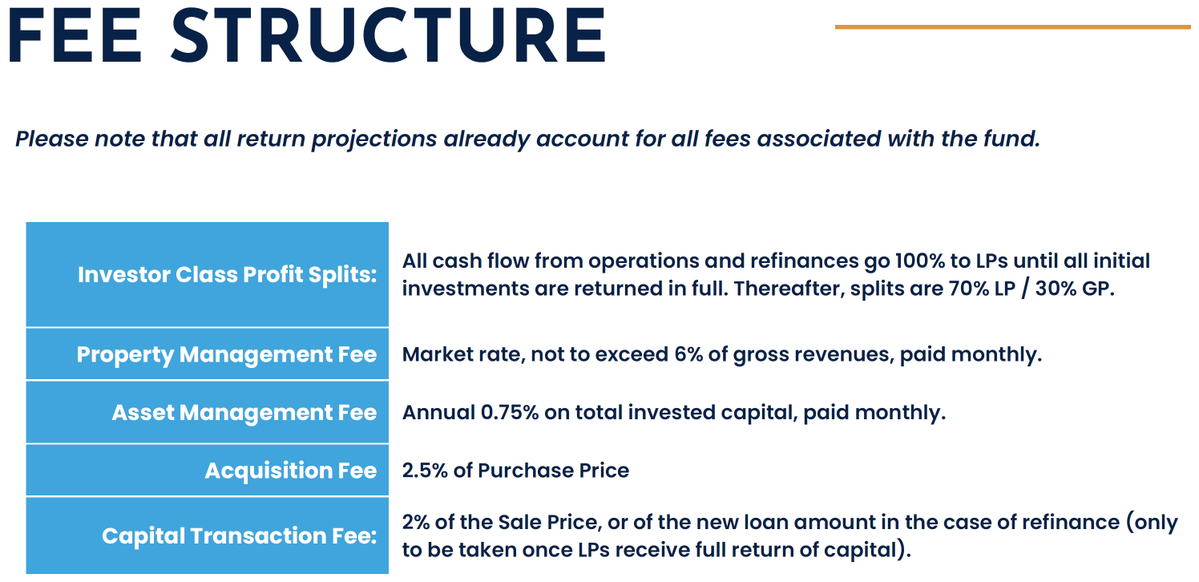
The best are his "generational wealth" funds. Waterfalls are a Return of Capital and then straight 70/30 split. No preferred return. And this is after charging 6% management fees, 0.75% AUM fees on invested capital and 2% of capital transactions.
Joel Mazur tweet mediaJoel Mazur tweet media
Robbie Hendricks@robbiehendricks

$24M of LP capital. Nuked. The biggest violation of trust by these guru GPs is not that they lost LP capital. That's bad, yes. Losing capital is terrible. But IMO, the worst offense is that most have been unwilling to publicly demonstrate even a shred of humility or take a single ounce of responsibility for these situations. It's brand above all else. Now I'm not saying full atonement is possible, at least not quickly. The reputation hit will linger. But I do believe there is honor in being upfront about mistakes made and lessons learned. As an LP myself, I wouldn't disqualify a GP because of a loss in the past. But I will definitely disqualify a GP that doesn't clearly identify and take responsibility for where they went wrong...and what they're doing to ensure it never happens again. I don't want to hear about the Fed. The new supply. The vacancy. The insurance. The concessions. The property management company. The lender. or your partners. No, I want to hear where you failed to build enough margin in your choices as the steward of my capital that led to this failure. I want you to own it. Anyway, this is a brutal video from a local guy in our market that discusses one such loss. It was forwarded to me and was the genesis of this post. I am not going to link it, but if you're interested, you can go take a look.


English
3
0
10
3.3K
Rob Bellamy
Rob Bellamy@Rob_Bellamy·
Maybe you can argue housing is a human right, fine. But you can’t argue that brand new, fully amenitized housing in our cities’ best locations is a human right, which is literally all we are building. We can build like 5x the amount of housing with the same budget if we just built it in Castaic.
English
1
0
10
501
Rev. Rae Huang
Rev. Rae Huang@raeforla·
Housing is a human right. No one in this city should have to worry about losing their home or end up on the streets due to systemic issues. Homelessness and the housing crisis are not two different problems, they are two sides of the same coin. And they have the same solution – permanent affordable housing. Trickle down economics is a fallacy. The market cannot provide affordable housing. Prices are only going up, driving people into homelessness, or out of the city entirely.  Rae will build social housing on public lands and speed up housing production citywide, cutting red tape while keeping in place tenant and homeowner protections to ensure that people are able to keep their homes. Rae will streamline the city’s housing strategy, creating a Mayor’s Office of Housing For All to consolidate these different departments under one roof, with a public dashboard to track progress and hold us accountable. Read more on her housing policy platform on our website! (raeforla.com) 🌞🔗
English
128
80
435
161.9K
Jason Lee
Jason Lee@jasonjosephlee·
Wasted 7 hours of my day driving to LA to look at a deal yesterday. Never doing that again. Sticking to San Diego.
English
6
1
58
6.1K
ajay
ajay@unrealized_gain·
@Rob_Bellamy @LA_Multi_Fam Ha that’s amazing. Which lender did you use? Can I DM? I’m about to refinance a similar property
English
1
0
1
18
Paul
Paul@LA_Multi_Fam·
We’re refinancing a building in LA right now, and the appraiser valued the property about 15% higher than I think it’s worth. Stabilized asset in a C location, about 11 GRM at their value. As they say it’s better to be lucky than good :)
English
9
0
70
5.2K
Monica Rodriguez
Monica Rodriguez@LadyMRod·
So you gotta ask, why hasn’t she done any of this over the last 6 years? 🤨
Nithya Raman@nithyavraman

Here’s how we’ll eliminate encampments citywide: 1. Treatment: Immediately deploy street medicine teams citywide. These are clinicians who bring physical, mental, and behavioral health care directly to where people are living — and in my plan, the same clinical team stays with a person from the street to shelter, and from shelter into permanent housing. That continuity builds trust. And trust is what actually gets people indoors and keeps them there. Because 60% of treatment costs are covered by Medi-Cal, this is one of the most cost-effective interventions we have — just $200 per person per month after reimbursement. 2. Shelter: we will restructure how we use our existing motel resources. Right now people are staying in Inside Safe motels for over a year on average. Motel rooms should work like emergency rooms — stabilize people quickly and move them to the next step. Under my plan, people will receive 120 days of intensive stabilization — case management, mental health treatment, document preparation — and then move directly into housing. That means every motel room can serve three times as many people a year as it does today at half the cost per person. 3. Housing: Dramatically expand Time Limited Subsidies — a proven short-term rental voucher program. Under Inside Safe, the city spends an average of $82,420 per participant to fund a year in a motel room — yet less than a third of participants transition to permanent housing. Under Nithya's plan, for around the same cost per participant, people receive 2.25 years of housing and intensive services, with 75% sustaining permanent housing. 4. Accountability: We will also provide rapid response to new encampments — if you report a new tent, someone will be there within 48 hours. And we will publish a real-time public dashboard so every Angeleno can see exactly where their money is going and whether it is working. No more hiding the numbers. No more managing the optics. Just results and accountability. And if something isn’t working, we’ll learn and adjust.

English
86
169
1.3K
41.6K